For decades, the “American Downtown” was a symbol of progress, culture, and high-end tourism. But in 2025, a new reality has taken hold. While passive panhandling has long been a part of urban life, a surge in “aggressive solicitation”, characterized by following, blocking, and verbal intimidation, is causing a massive “visitor exodus.”
According to the 2025 Homelessness Report, there has been an 18% increase in unsheltered populations since 2023, and the friction between street life and tourism has reached a breaking point. From the West Coast to the Deep South, these 10 cities are struggling to convince tourists that their downtowns are still “open for business.”
1. San Francisco, California (The “Bi-Rite” Corridor)
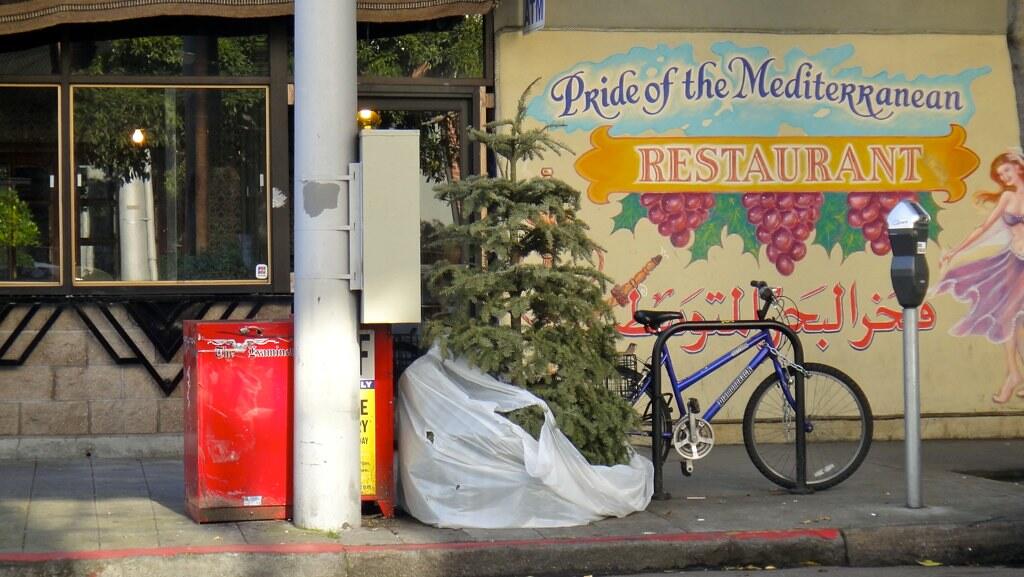
San Francisco is often cited as the “poster child” for urban decline, but the data proves the sentiment. A recent survey by the San Francisco Travel Association found that safety and street cleanliness were the top reasons visitors cited for not returning. In 2024, the Supreme Court’s Grants Pass ruling allowed the city to finally clear encampments, but the aggressive “gauntlet” of panhandlers in the Tenderloin and near Union Square continues to haunt the city’s luxury retail reputation.
2. Seattle, Washington (3rd Avenue)
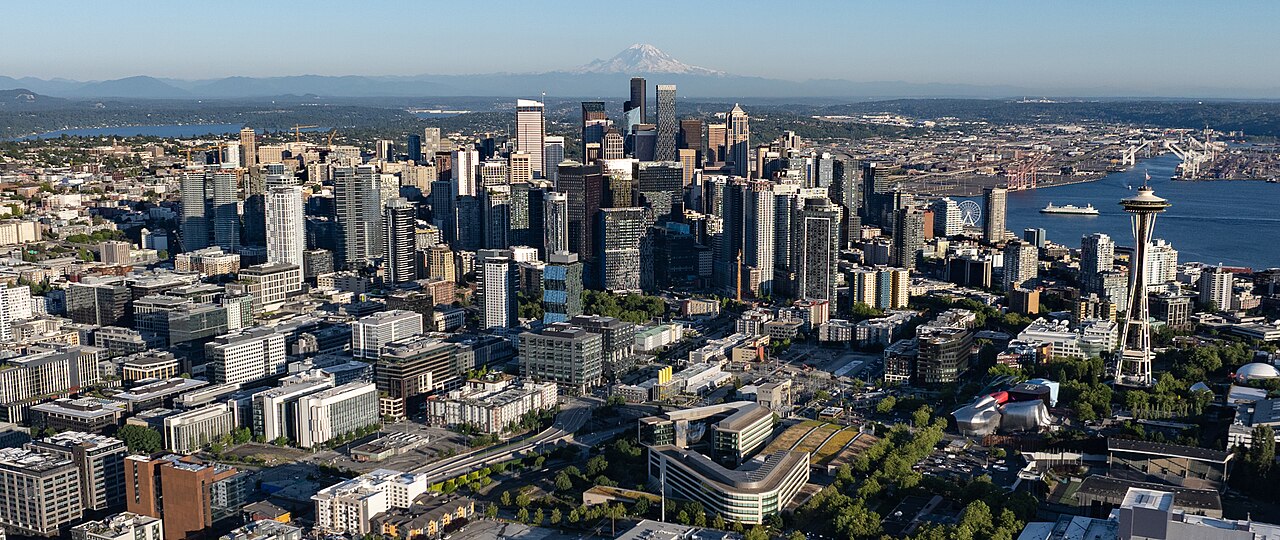
Seattle’s downtown core, particularly 3rd Avenue, has become a “no-go” zone for many families. Local business data from the Downtown Seattle Association indicates that foot traffic in certain blocks remains significantly lower than 2019 levels. Aggressive tactics, often linked to the city’s severe fentanyl crisis, have led to “Street Disorder” warnings that discourage convention-goers from walking between their hotels and the Pike Place Market.
3. Los Angeles, California (Skid Row & Venice Beach)
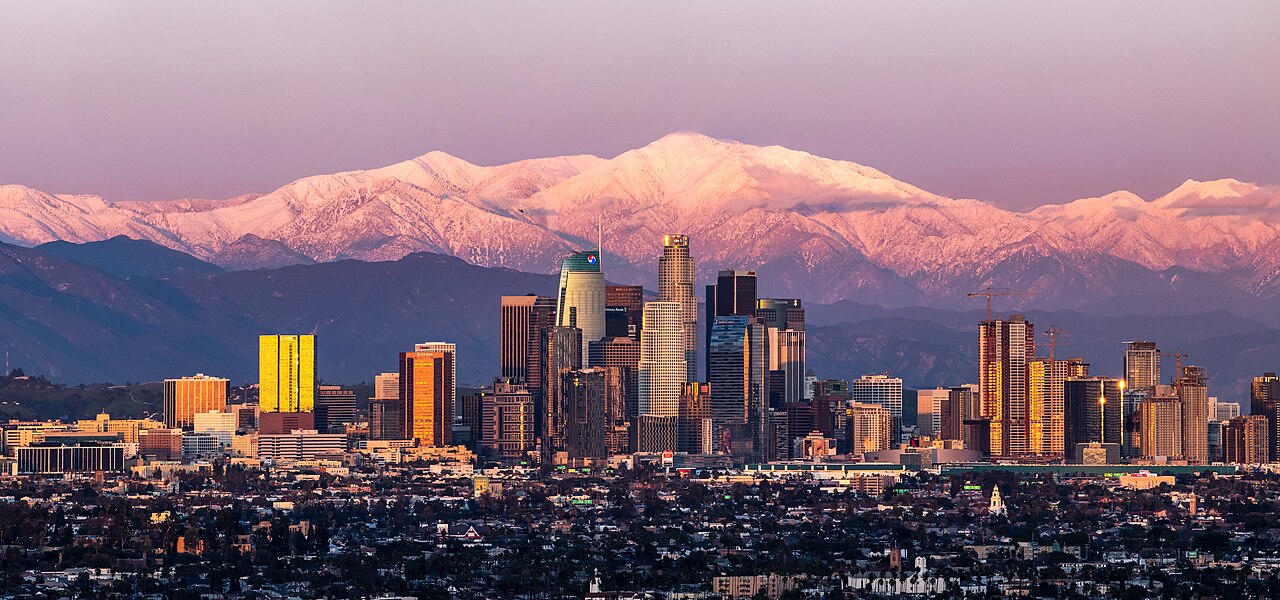
Los Angeles is home to over 71,000 unhoused individuals, the second-largest population in the U.S. While “Skid Row” has long been avoided, the aggressive panhandling has migrated into the tourist-heavy zones of Hollywood and Venice Beach. In 2025, the city council voted to prohibit “storing property” within 500 feet of schools and daycare centers, a move driven by parent complaints of intimidation.
4. Portland, Oregon (The “Pearl District” Shift)
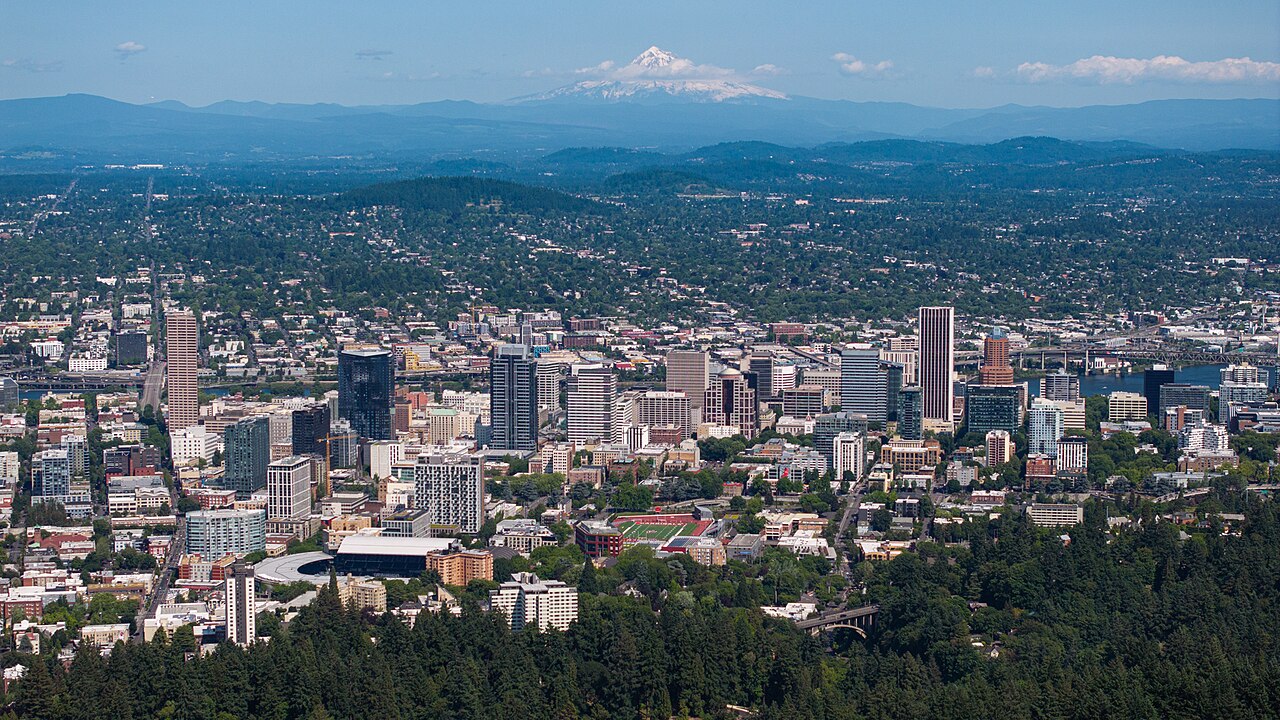
Portland’s reputation as a “quirky” destination has been overshadowed by a 12% spike in homelessness and a surge in aggressive street behavior. The city recently tightened camping restrictions, but travelers report that the “aggressive” nature of solicitation near the central library and transit hubs has made evening strolls feel unsafe. Tourism revenue in the Pearl District has seen a noticeable dip as locals and visitors swap downtown for safer suburban “town centers.”
5. Denver, Colorado (The 16th Street Mall)
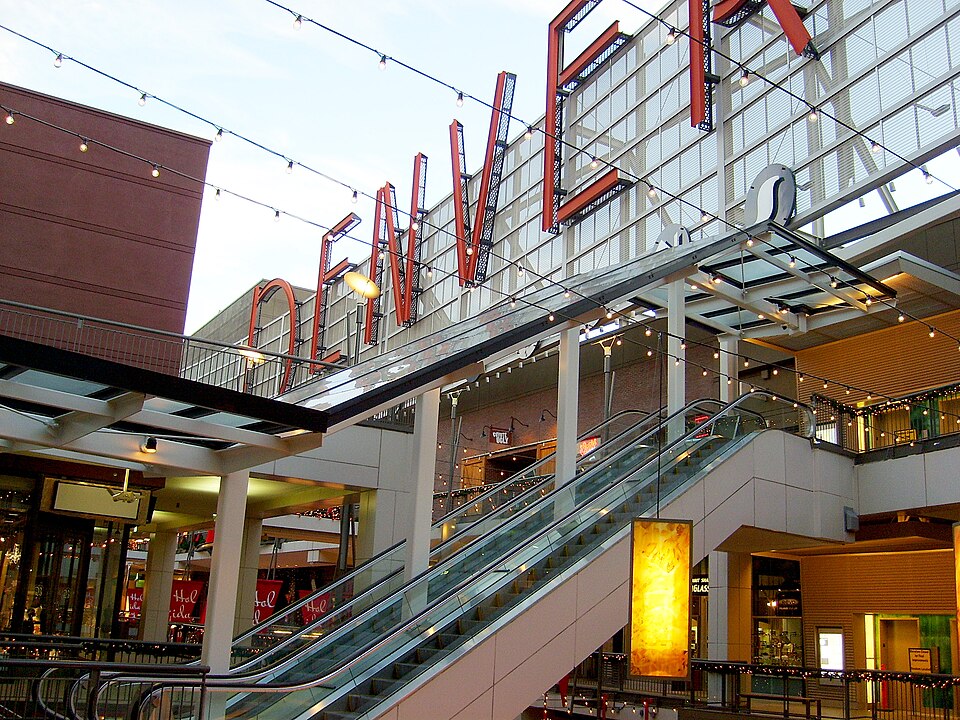
Denver currently ranks #5 in the U.S. for the largest homeless population relative to its size. The iconic 16th Street Mall, once the city’s crown jewel for shopping, has been plagued by “belligerent begging.” Business owners along the mall report that customers are increasingly “reluctant to patronize” shops because they are frequently accosted for money, leading the city to increase private security patrols in 2025.
6. San Diego, California (The Gaslamp Quarter)
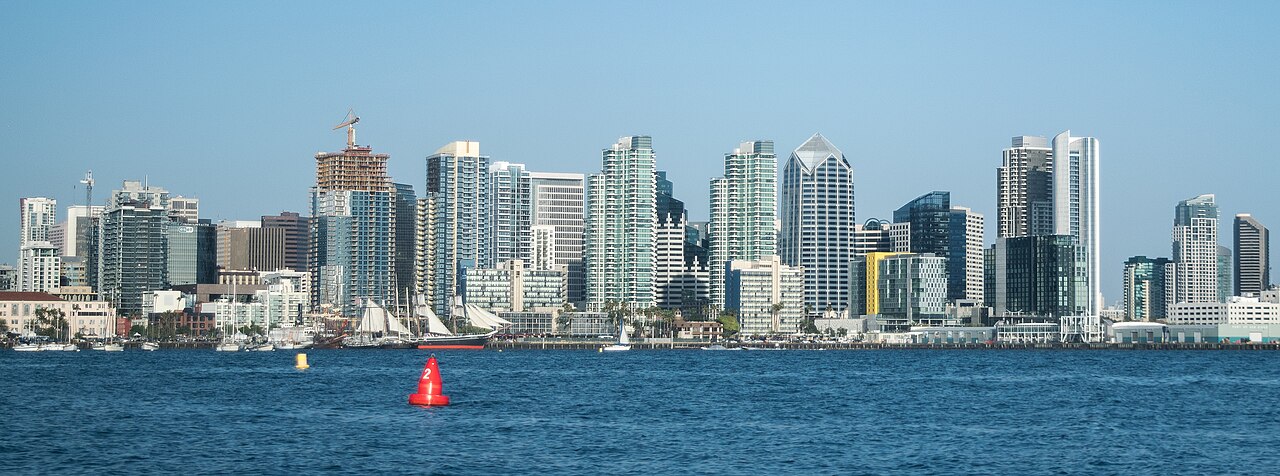
San Diego has one of the nation’s most active “Homeless Outreach” police divisions, yet aggressive panhandling persists in the historic Gaslamp Quarter. A 2024 report found that 30% of pedestrian-vehicle collisions in the city occur within 25 feet of reported panhandling “hotspots,” highlighting the physical danger that “roadway solicitation” poses to tourists and drivers alike.
7. Asheville, North Carolina (Biltmore Village)
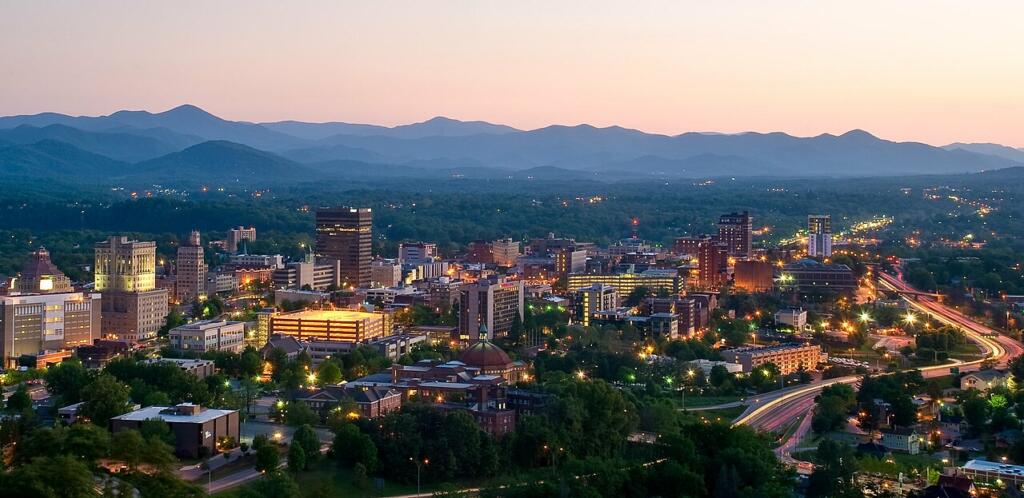
Even small, “artsy” towns aren’t immune. Asheville’s Public Safety Committee recently designated downtown and Biltmore Village as “High-Traffic Zones,” where panhandling is strictly prohibited. The city is “in a pickle,” as local officials put it, trying to balance its compassionate reputation with a growing number of complaints from tourists who feel “harassed” by aggressive gestures and verbal abuse.
8. Atlanta, Georgia (Five Points)
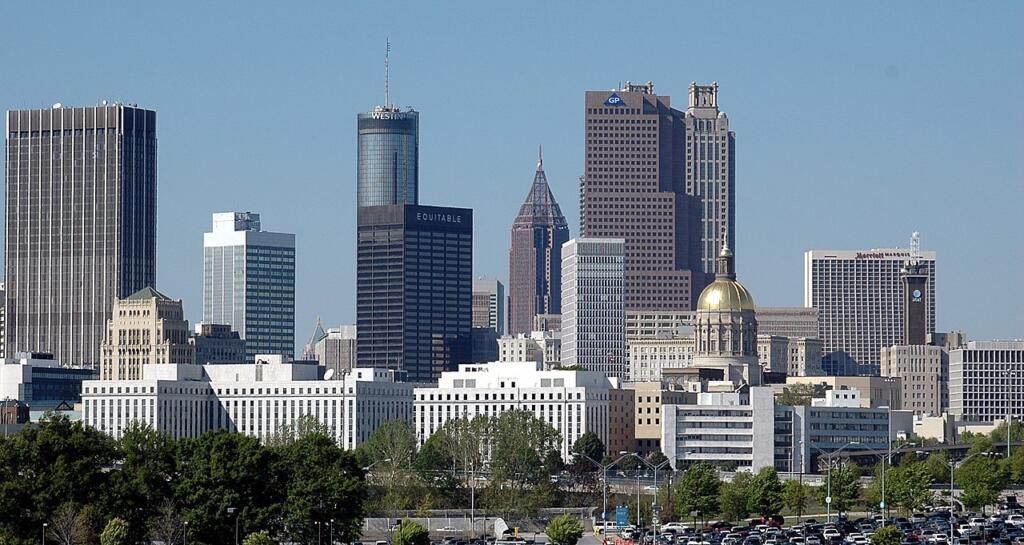
Atlanta has been described by the National Coalition for the Homeless as a city “at war” with its unhoused population. The lack of a social safety net has led to high levels of “hostile” street interactions. Tourists visiting the CNN Center or Centennial Olympic Park often find themselves followed by solicitors who won’t take “no” for an answer, a tactic that has tarnished the city’s “Southern Hospitality” brand.
9. New York City, New York (The Port Authority Periphery)
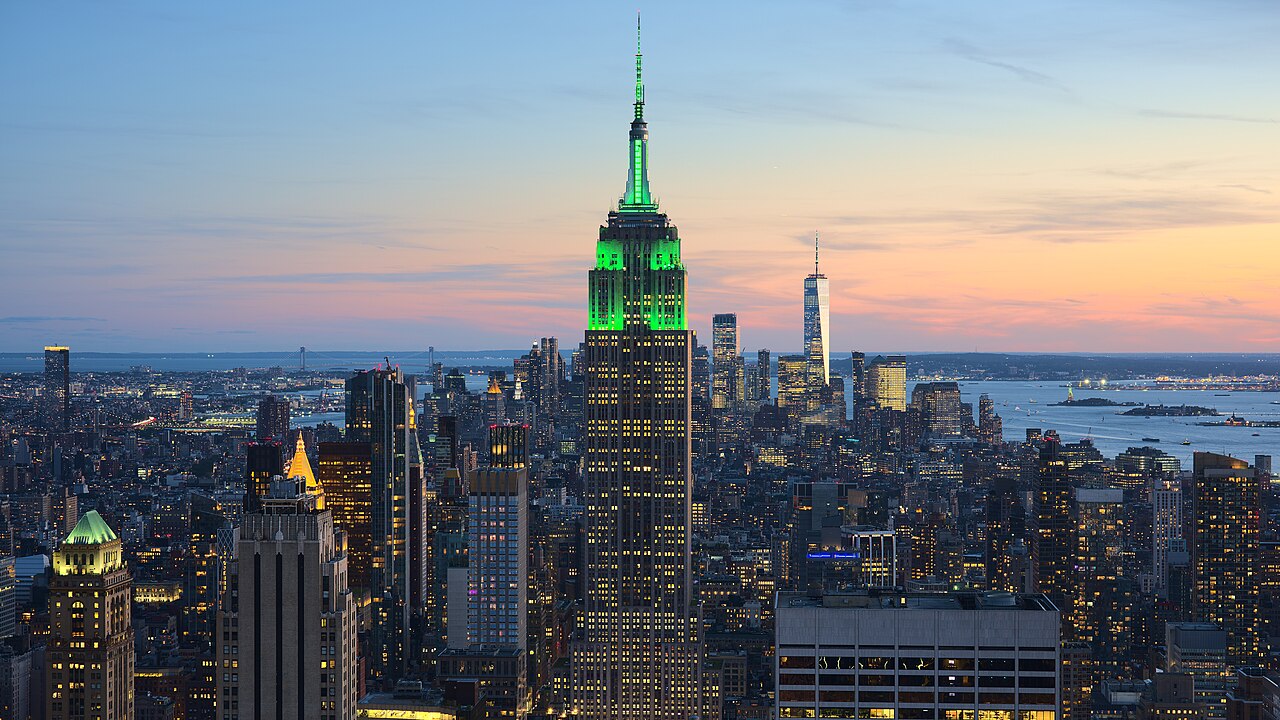
While NYC has the largest sheltered population, the sheer volume of people, over 140,000 experiencing homelessness, means the “visible face of poverty” is everywhere. Aggressive panhandlers near the Port Authority Bus Terminal and Penn Station are notorious for targeting travelers who look confused or are carrying luggage. This “credibility problem” has made Manhattan tourists hyper-skeptical of everyone, killing the community vibe.
10. Austin, Texas (The Dirty 6th Street)
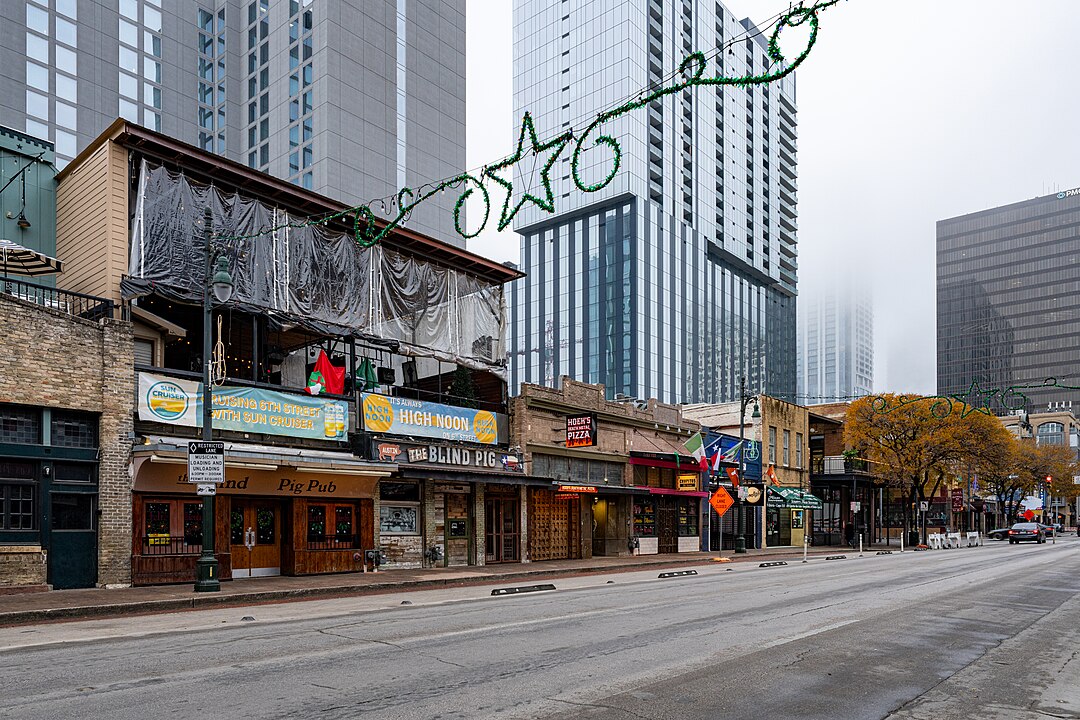
Austin’s 6th Street was once the live music capital of the world, but “Dirty 6th” has earned its nickname for more than just its dive bars. Aggressive panhandling, often involving physical blocking of the sidewalk, has led the city to reconsider its “liberal” camping and loitering laws. Many locals now warn visitors to stay on the “East Side” or “Rainey Street” to avoid the aggressive confrontations that have become a staple of the downtown core.