


The “budget travel” era is facing a steep reality check this year. As airlines and border authorities implement new tech-driven fees and AI-based pricing models, the “old” way of traveling is becoming a financial trap. According to 2026 industry data, travelers are losing an average of $240 per trip to hidden fees and “compliance errors” that didn’t exist two years ago.
From a $45 TSA identity fee to the “Dynamic Currency” trap at the register, here are 8 mistakes that could drain your vacation fund before you even reach your hotel.
1. Flying Without a “Real ID” (The $45 Surprise)
Starting February 1, 2026, the TSA has officially begun charging a $45 non-refundable fee for travelers who arrive at the airport without a Real ID-compliant license. If your ID lacks the “star” symbol, you are directed to a separate “Confirm.ID” lane for manual identity verification. Not only does this risk missing your flight, but TSA data shows that the fee doesn’t even guarantee you’ll be allowed through security—it only pays for the search.
2. Falling for “Dynamic Currency Conversion”
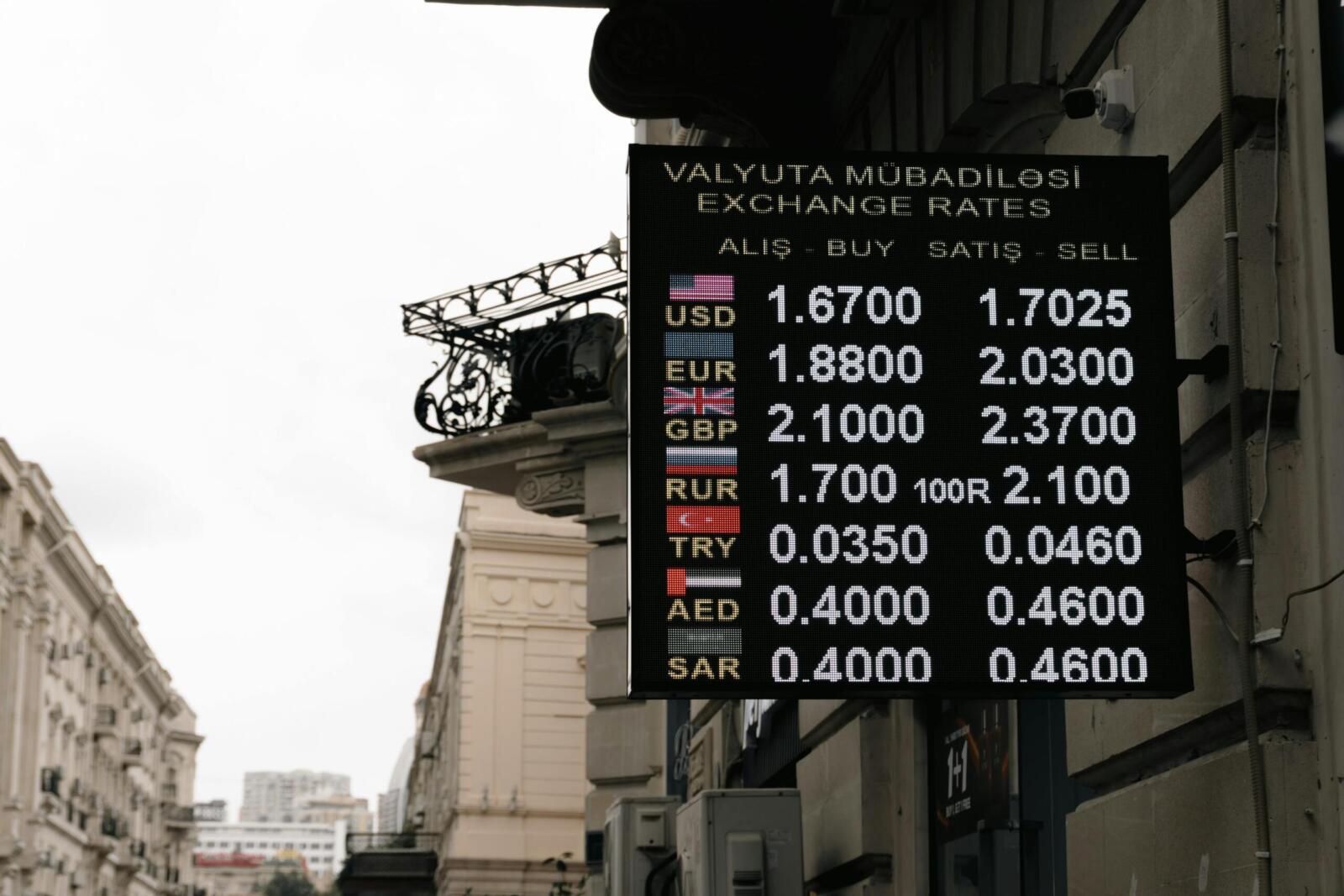
When you use your credit card at a foreign restaurant or ATM, the machine will often ask: “Would you like to pay in USD or local currency?” Choosing USD is a mistake that costs travelers an average of 7% to 12% in markups. This is called “Dynamic Currency Conversion” (DCC). Always choose the local currency. Your home bank’s exchange rate is almost always better than the merchant’s “convenient” conversion.
3. Relying on “Daily” International Phone Plans

Major carriers often charge $10 to $15 per day for international roaming passes. For a two-week trip, you’re looking at over $200 just for data. In 2026, eSIM technology has become the gold standard for savvy travelers. Using a provider like Airalo or Holafly, you can get 10GB of data for as little as $15 for the entire trip. Data from Juniper Research suggests travelers will lose over $2 billion globally to roaming charges this year alone—don’t be part of that statistic.
4. Overlooking the “Personal Item” Size Crackdown
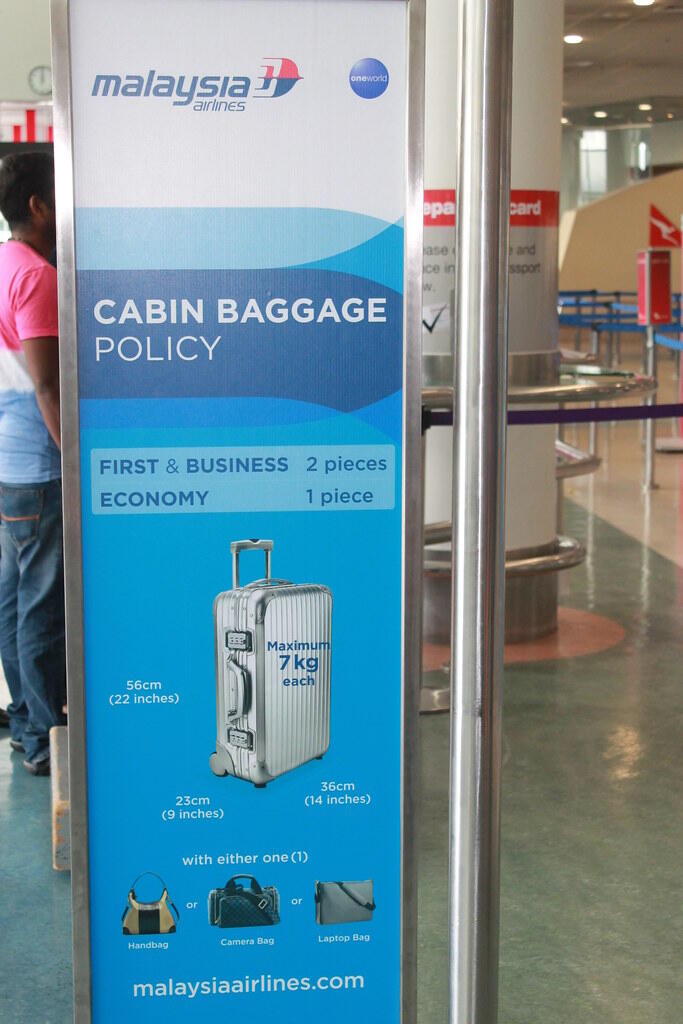
Think your “oversized backpack” still counts as a free personal item? Think again. In 2026, major airlines like United, Frontier, and JetBlue have installed AI-powered bag sizers at boarding gates. If your bag bulges or exceeds the dimensions by even half an inch, you are charged a “Gate Bag Fee” that can reach $75 to $100 on the spot. Standardizing your luggage to 18 x 14 x 8 inches is now a financial necessity.
5. Booking “Non-Refundable” Without a 24-Hour Buffer

Under the 2024 DOT Passenger Protection Rules, you are entitled to a full refund if you cancel within 24 hours of booking (provided the flight is at least 7 days away). Many travelers skip the “refundable” fare to save $50, then lose the entire $600 ticket price when plans change. Pro Tip: Book the non-refundable fare, but set a timer for 23 hours. Use that window to double-check hotel availability and work schedules before your money is locked in forever.
6. The “Silent” Resort Fee Trap
In 2026, many hotels have rebranded “Resort Fees” as “Destination Fees” or “Urban Utility Fees.” These are often hidden in the fine print and can add $40 to $60 per night to your bill. According to Wego Travel data, these fees now account for roughly 10% of total hotel revenue in cities like Las Vegas, NYC, and Miami. Always check the “Total Price” including taxes and fees before clicking “Book,” or look for hotels that specifically advertise “No Resort Fees.”
7. Missing the “E-Visa” or “ETA” Deadlines
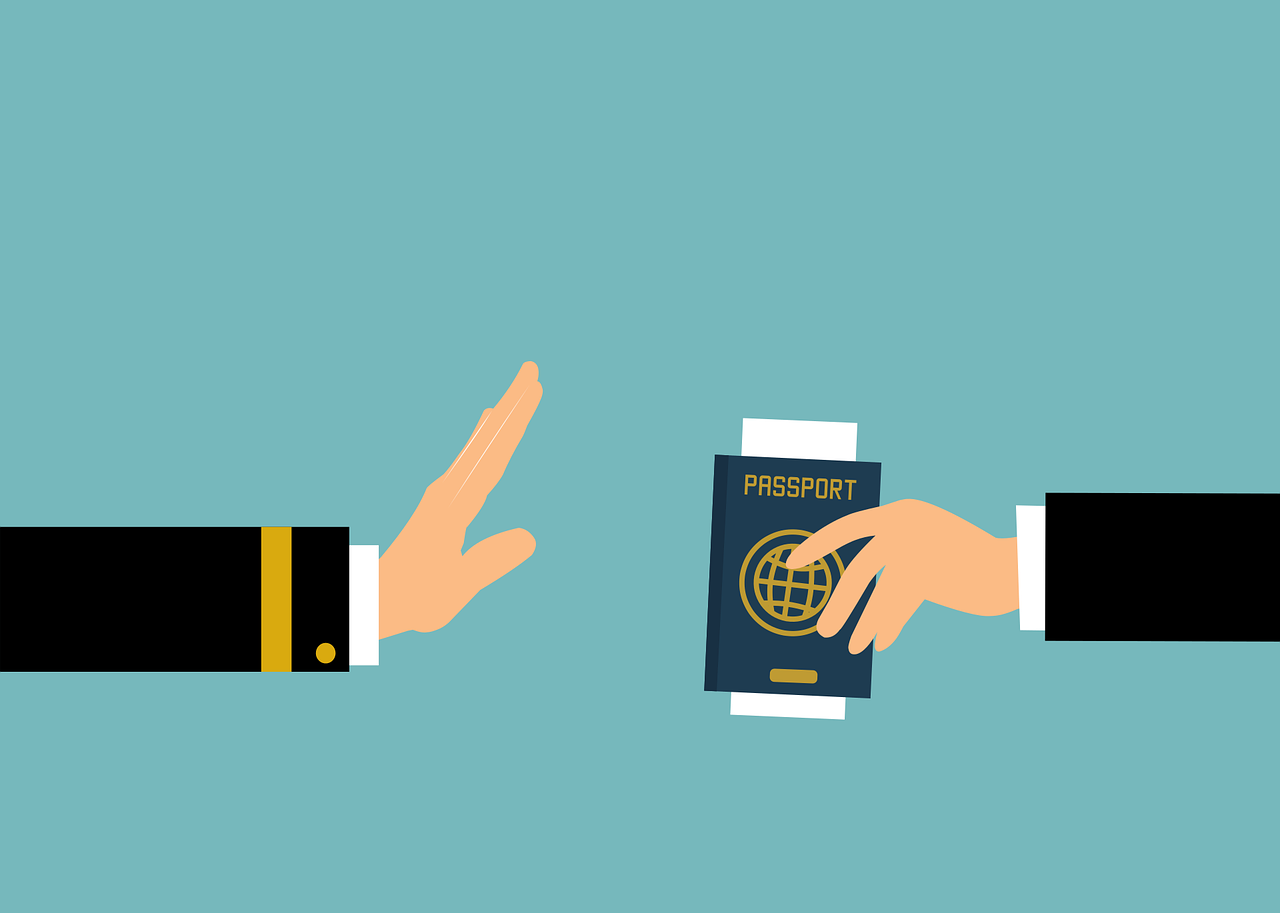
Europe’s ETIAS and the UK’s ETA systems are now fully operational. If you arrive at the gate without your digital authorization, you will be denied boarding, and airlines are not required to refund you for a “documentation error.” These permits cost roughly $10-$20 but require up to 96 hours for approval. Failing to apply at least a week in advance is the most common reason for “unrecoverable” trip cancellations in 2026.
8. Using Airport ATMs for Cash
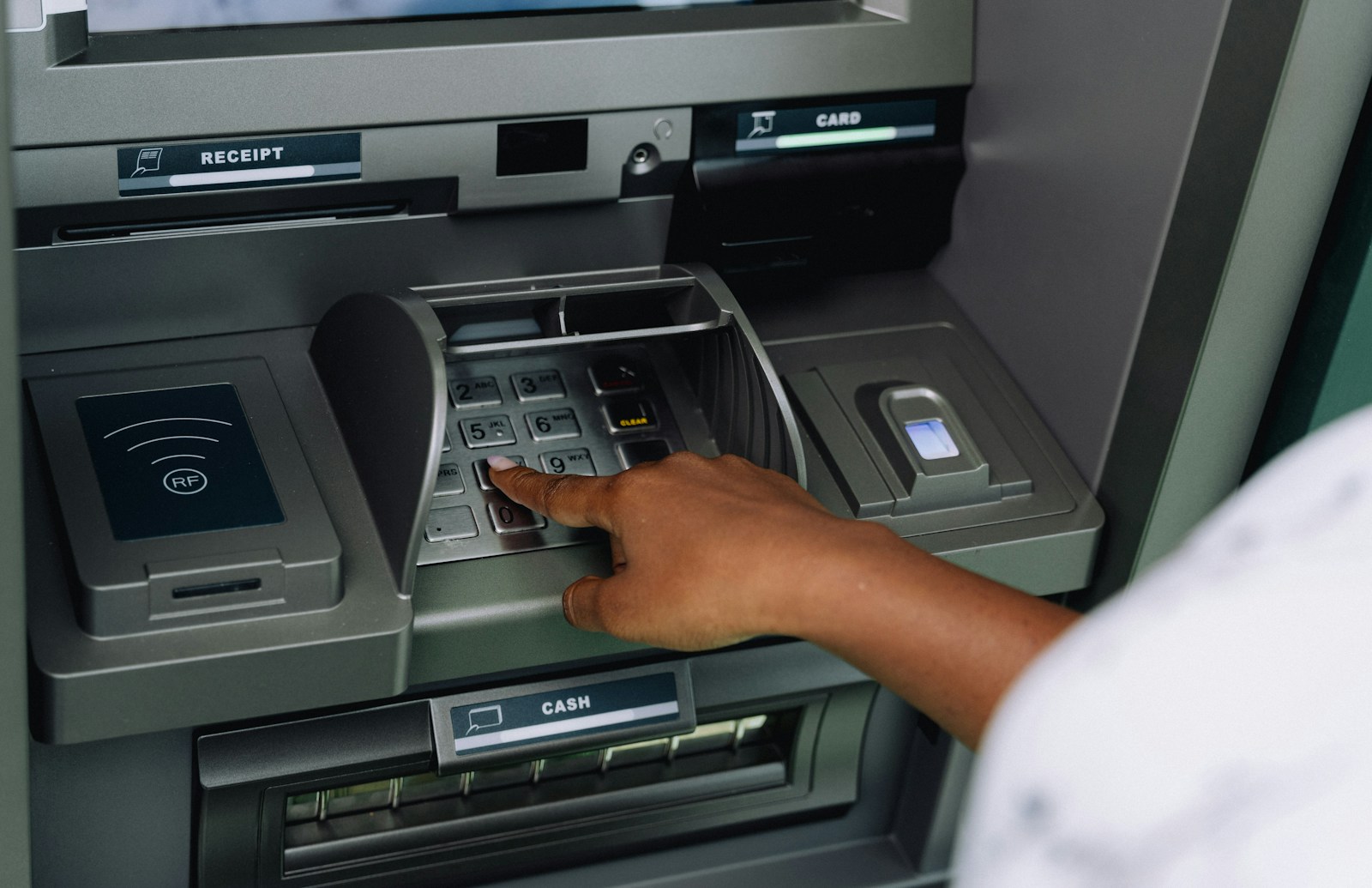
Airport ATMs are often “independent” machines (like Euronet in Europe) that charge massive flat fees and offer bottom-tier exchange rates. Data shows you can lose up to 15% of your money just by withdrawing cash at the arrivals terminal. Wait until you get into the city and use an ATM affiliated with a major bank. Better yet, use a debit card that waives international ATM fees, like Charles Schwab or Betterment.
