Almost everything that determines the outcome of a baggage claim happens in the first hour after a bag fails to arrive, and most of it is paperwork. The rules themselves are reasonably clear, they are set by international convention and by national regulation rather than by the airline, and they are considerably less generous than most travellers assume.
The exclusions are the part that catches people: a long list of valuables carried in checked baggage is outside the airline’s liability altogether, and so is most of what actually happens to a suitcase in a baggage system. Here are sixteen things to know.
1. The airline’s liability is capped, and the cap is not the value of your bag
An airline’s responsibility for a checked bag is limited by law rather than by the bag’s contents. On international journeys the limit is set by the Montreal Convention and expressed in special drawing rights, a basket-of-currencies unit revised periodically, and on United States domestic flights the Department of Transportation sets a maximum liability amount that it raises at intervals for inflation.
That limit applies per passenger rather than per bag, which matters for a family checking several cases. It is a ceiling on what the airline must pay, not an amount it pays automatically, and the actual settlement is based on the depreciated value of what you can demonstrate was in the bag.
The limit is published and is easy to find for whichever rule applies to your journey. If what you are carrying is worth substantially more than it, the airline’s liability is not the right place to be relying.
Like our content? Follow us for more.
2. Delayed, damaged and lost are three different claims with three different rules
A bag that arrives late, a bag that arrives broken and a bag that does not arrive are treated separately, with different evidence, different deadlines and different remedies. Airlines use the word mishandled to cover all three because it is operationally convenient.
The distinction matters because the deadlines differ. Under the Montreal Convention a complaint about damage must be made within a short number of days of receiving the bag, and a complaint about delay within a somewhat longer period from the date the bag should have arrived, both in writing.
Make the report at the airport before leaving, in writing, and get a copy with a reference number. Everything afterwards depends on that document existing.
3. A bag is not lost until the airline says it is

A delayed bag becomes a lost bag after a period, commonly 21 days, at which point the claim changes from one for expenses to one for the value of the bag and its contents. Before that, the airline’s obligation is to deliver it and to cover reasonable interim costs.
The waiting period is genuinely frustrating and it exists because the overwhelming majority of delayed bags are reunited with their owner within a few days. It also means that a claim submitted too early is a claim for the wrong thing.
Keep the file open and keep receipts. The transition from delay to loss is the point at which the claim becomes about the contents rather than about your inconvenience.
4. While a bag is delayed, reasonable expenses are the airline’s problem

If your bag does not arrive, the airline is responsible for reasonable and necessary interim expenses — clothing, toiletries, a charger — and the operative word is reasonable, which is interpreted against the length of the delay and the purpose of the trip.
Airlines frequently offer a fixed amount or a kit at the airport, and accepting it does not extinguish a claim for more where more was genuinely needed. What defeats a claim is the absence of receipts and the purchase of things that look like replacement rather than mitigation.
Buy what you need, keep every receipt, and keep it proportionate. A business traveller needing a shirt for a meeting tomorrow and a holidaymaker needing swimwear are both making reasonable claims.
5. In the United States the bag fee comes back if the bag is late

American rules require airlines to refund a checked bag fee when the bag is significantly delayed, which is defined in terms of hours after arrival depending on the length of the flight, and the refund is of the fee rather than of anything else.
It is not automatic at every carrier and in practice it frequently has to be requested. It is a small amount and it is the most straightforwardly winnable thing on this list.
Ask for it in the same message as everything else. The rule exists specifically because passengers were paying for a service that was not delivered.
6. A long list of valuables is excluded from liability

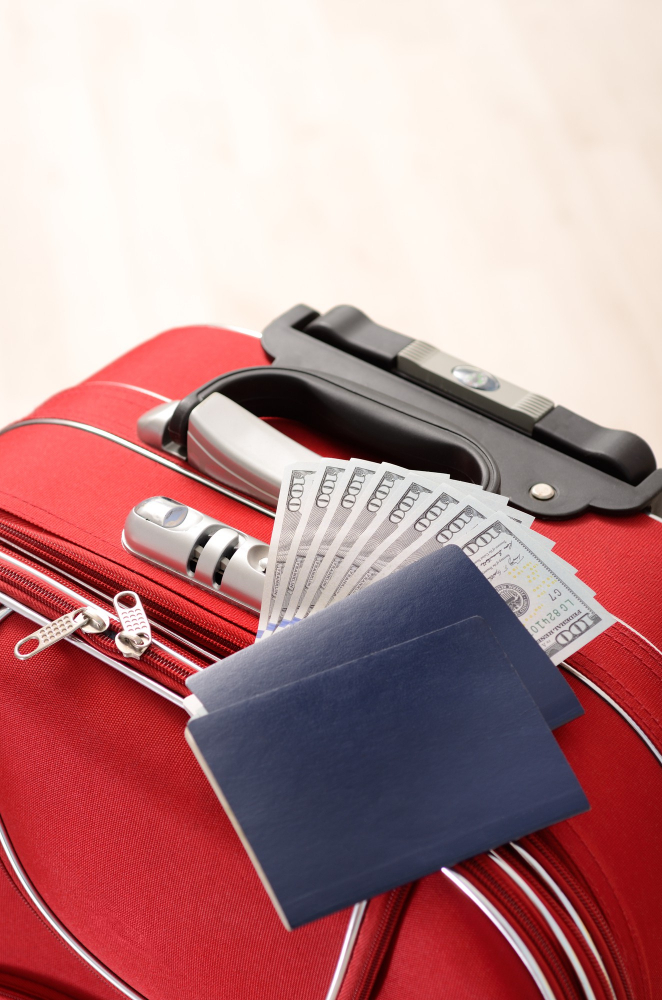
Airline conditions of carriage exclude or severely limit liability for cash, jewellery, precious metals, electronics, cameras, computers, negotiable instruments, business documents, keys, medication, prescription glasses and irreplaceable items, when carried in checked baggage.
These exclusions are generally enforceable, they are in the contract you accepted when booking, and they are the reason the single most repeated piece of baggage advice exists. The exclusions are also the reason a claim for a laptop in a checked bag usually fails outright rather than being reduced.
The instruction that follows is short: valuables, medication, documents and anything irreplaceable travel in the cabin, every time, with no exceptions for convenience.
7. Normal wear and tear is not damage
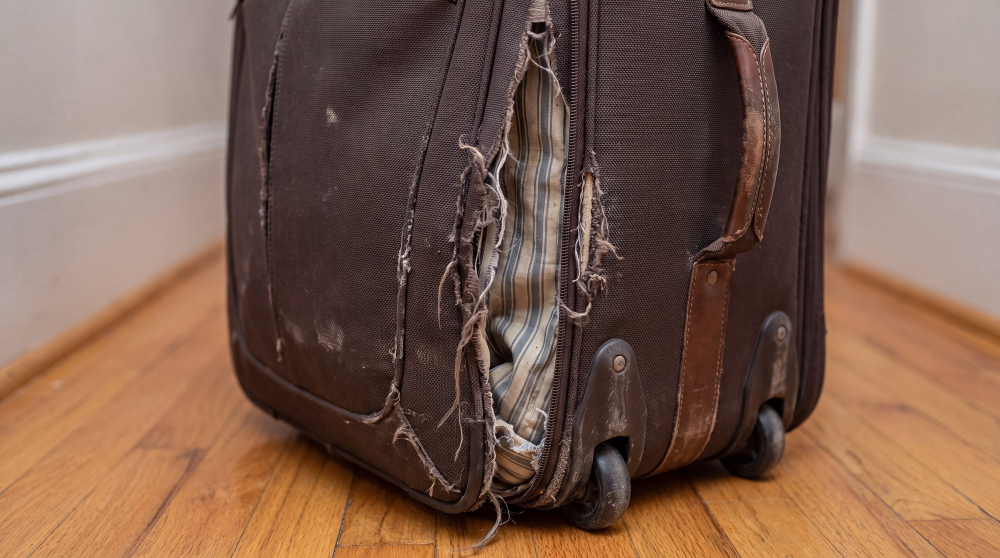
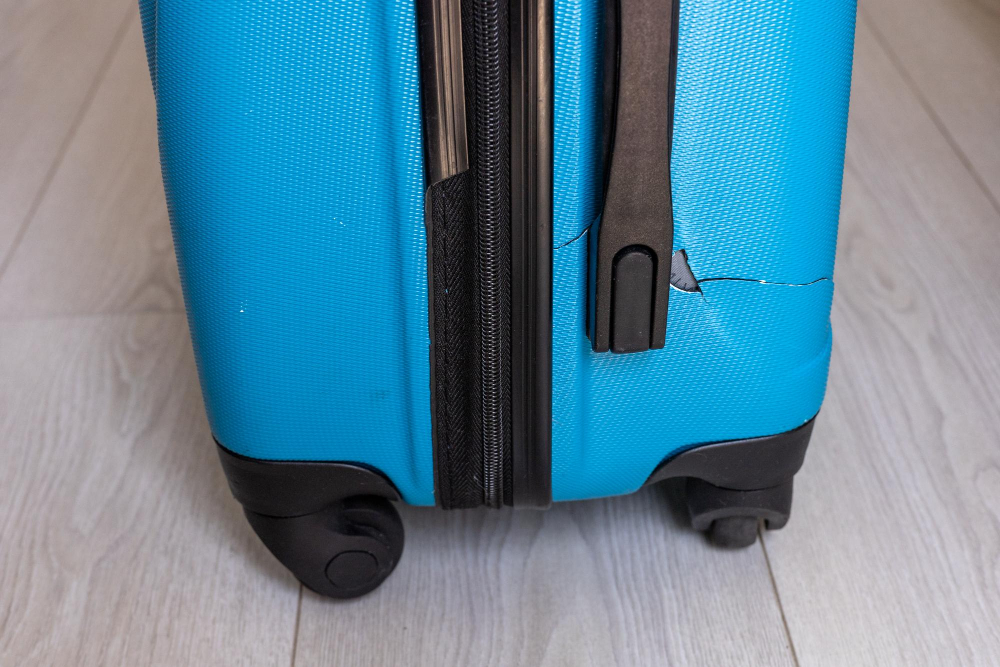
Scuffs, scratches, dents, soiling, and in most carriers’ terms the loss of wheels, handles, straps, external locks, zip pulls and feet are excluded as wear and tear or as protruding parts, which covers a large proportion of what actually happens to a suitcase.
This is the exclusion that generates the most disputes because the damage is real and visible and the passenger did not cause it. The airline’s position is that those components are the parts that wear and that a baggage system is a rough environment the traveller accepted.
Photograph your bag before you check it, which takes four seconds and converts an argument about pre-existing condition into a settled fact.
8. Fragile and oversized items are usually carried on a waiver

Musical instruments, sports equipment, pushchairs, mobility devices and anything the airline considers fragile are frequently accepted only after you sign a limited release, which reduces or removes liability for damage.
The exception worth knowing is mobility equipment, which in the United States is protected separately under disability regulation with specific carrier obligations for wheelchairs and scooters, including repair or replacement and liability that is not subject to the ordinary baggage limit on domestic flights.
If you are asked to sign a waiver, you can ask what it covers, and for an instrument or a bicycle the usual advice — a proper case, and a photograph of the item before handover — does most of the work.
9. On a journey with two airlines, one of them is responsible and it may not be the one that lost it
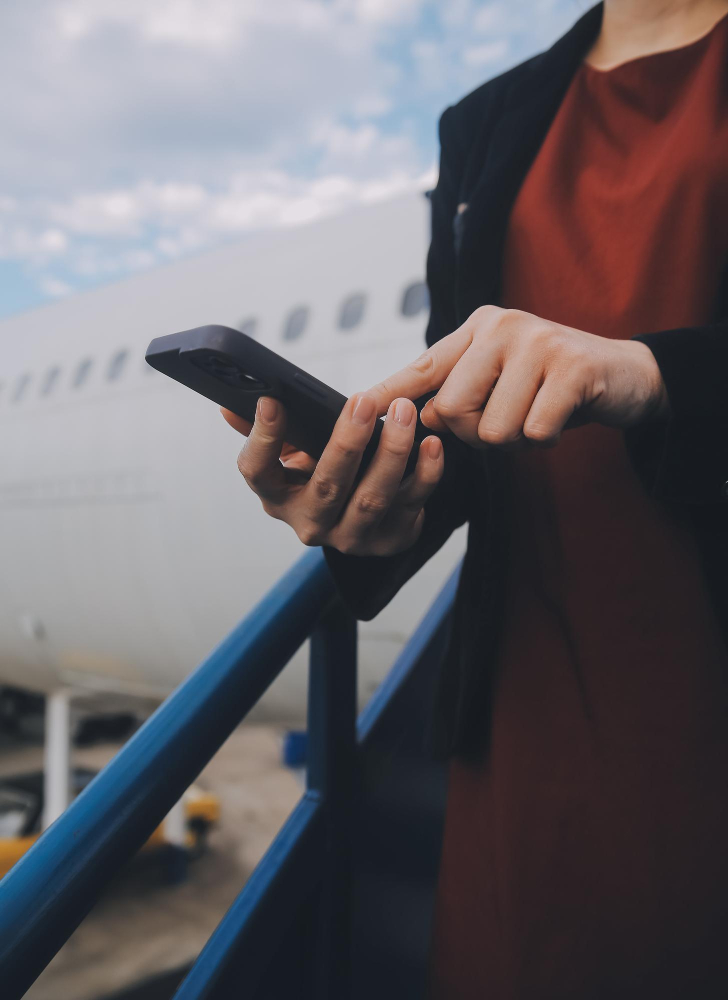
Where a trip involves more than one carrier, the rules allocate responsibility, and under the Montreal Convention a claim can generally be brought against the first carrier, the last carrier or the one that was performing the leg where the loss occurred, depending on the circumstances.
The practical difficulty arises with separately booked tickets, because two separate contracts mean no through-checked baggage and no shared responsibility. A bag lost between two unconnected bookings is in a gap that neither carrier accepts.
This is the strongest argument for a single through-ticket on a journey with a connection. The price difference is frequently small and the difference in what happens when something goes wrong is enormous.
10. A codeshare means the operating carrier handles it
A flight sold by one airline and flown by another is a codeshare, and baggage handling, claims and the applicable conditions of carriage are generally those of the airline actually operating the flight, not the one whose name is on the ticket.
Passengers routinely report the loss to the airline they booked with and are redirected, losing days in the process. The ticket shows the operating carrier, usually in small print as operated by.
Check who is actually flying you before you need to know. It takes one look at the booking and it determines who you are dealing with for everything that follows.
11. You can declare a higher value, and almost nobody does
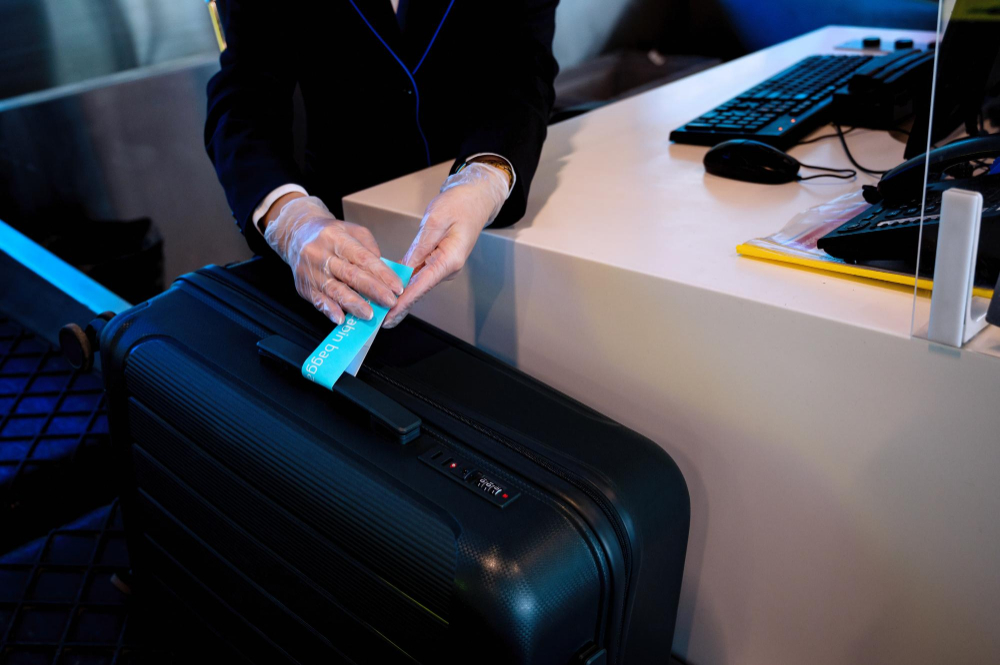
The Montreal Convention provides for a special declaration of interest: you declare a higher value for your checked baggage at check-in and pay a supplementary charge, and the airline’s liability rises accordingly.
It exists, it is a real right, and it is almost never used because the process is obscure, the charge is not published prominently and check-in staff are frequently unfamiliar with it. For genuinely valuable checked items it is nonetheless the mechanism the convention provides.
For most travellers the better answer is to put the valuable thing in the cabin. For the cases where that is impossible, this is the provision to ask about by name.
12. Travel insurance, card cover and airline liability are three separate things
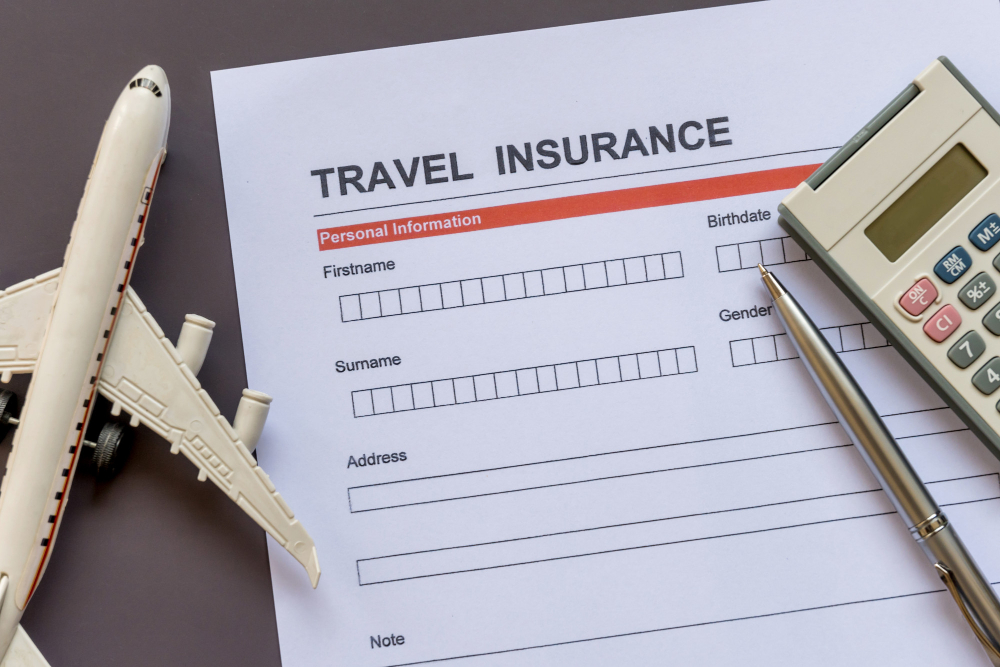
A baggage claim can be made against the airline under the applicable convention or regulation, against a travel insurance policy, and in some cases against a benefit attached to the card used to pay for the ticket. They are independent of each other and have different limits and exclusions.
Insurers generally require you to claim against the airline first and will ask for the airline’s settlement or refusal, which means the airline claim has to be made properly even when the insurance is better. Double recovery for the same loss is not permitted.
This is not a recommendation of any product. The point is procedural: claim against the airline first, keep the paperwork, and read what your own policy and card actually cover before you need them rather than afterwards.
13. Things taken out of a bag are a different problem again
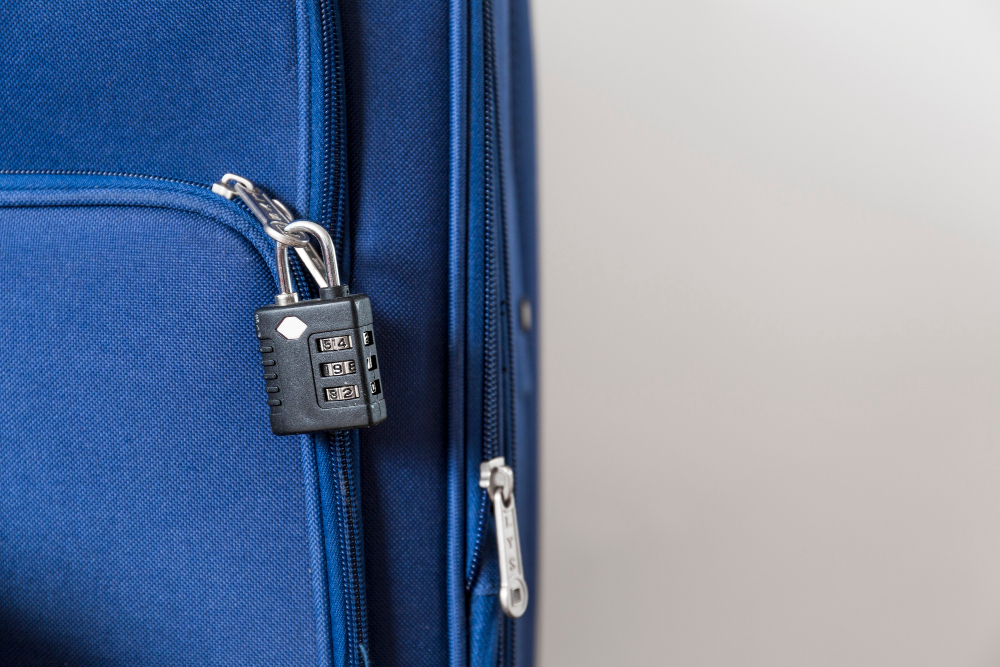
Pilferage — items removed from a bag that otherwise arrives — is handled as damage to the contents and is the hardest category to prove, because the bag arrived and the passenger has to establish what was in it and that it was there at check-in.
Security screening complicates it. In the United States, bags may be opened for inspection, which is why the recognised locks that screeners can open exist, and a notice is left inside. A bag that arrives unlocked without such a notice is a different conversation from one that arrives with it.
Photograph the packed contents of the bag before closing it if you are carrying anything that would be hard to prove. It feels excessive and it is the only evidence that works.
14. The claim is decided by documents, not by what happened
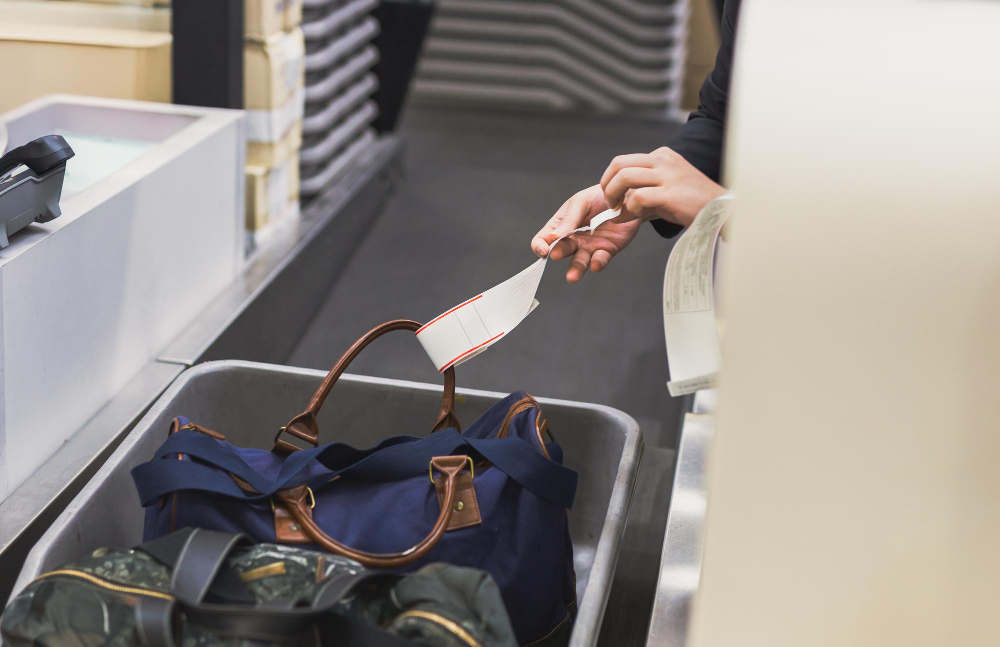
Settlements are made on the strength of the report filed at the airport, the baggage tag, the boarding pass, photographs, receipts for the contents where available, and receipts for interim expenses. An accurate account of events with none of those attached is worth very little.
Airlines also apply depreciation to clothing and personal effects, which is legitimate and is why a claim for the purchase price of a four-year-old coat will not be met in full. An itemised list with approximate ages and values is what the claim is actually assessed against.
Build the file as you go rather than at the end. The passenger who photographed the bag, kept the tag, filed at the airport and saved the receipts is in a completely different position from one who did none of those.
15. Deadlines are short and missing one ends the claim

The written notice periods under the Montreal Convention are measured in days, the carrier’s own conditions may require notification sooner, and the overall time limit for bringing legal proceedings in respect of a baggage claim is two years from arrival or from the date the aircraft should have arrived.
The two-year limit is absolute and is not extended by correspondence, by an airline’s delay in responding or by an ongoing insurance claim. Airlines are not obliged to remind you of it.
If a claim is going nowhere, note the date the clock started. Everything else about a baggage claim is negotiable and that is not.
16. And what to do in the first hour

Do not leave the airport. Find the baggage desk in the arrivals hall, report the bag in person, get a written report with a reference number and keep the baggage tag stub, confirm the delivery address and a phone number, and ask what interim expenses the airline will cover and whether the bag fee will be refunded.
Then take a photograph of the report, send yourself an email with the reference number and the time, and buy only what you actually need, keeping the receipts. If the bag arrives in two days, which it usually does, none of this will have cost you anything but twenty minutes.
The summary is five habits: photograph the bag and its contents before check-in, never check valuables, medication or documents, book a single through-ticket for connections, report in writing before leaving the airport, and keep every piece of paper. Rules and limits change, so check the current figures for your journey rather than relying on an article.
The three things that decide a claim

Reading the list back, the outcome of a baggage claim turns on three things and none of them is fairness. The first is whether you filed a written report before leaving the airport, because almost every subsequent deadline runs from that document and its absence is the single most common reason a claim fails.
The second is what was in the bag. The exclusions for cash, jewellery, electronics, documents, medication and irreplaceable items are contractual, they are generally enforceable, and a claim that depends on one of them usually fails outright rather than being reduced. That is why the advice to carry those items in the cabin is repeated so relentlessly: it is not caution, it is the difference between a claim that exists and one that does not.
The third is evidence. Photographs of the bag and its contents, the tag stub, the boarding pass, receipts for interim expenses and an itemised list with ages and approximate values are what a settlement is assessed against, and depreciation is applied legitimately to clothing and personal effects. An accurate account with nothing attached to it is worth very little.
Five habits cover nearly all of this. Photograph the bag and its packed contents before check-in; never check valuables, medication, documents or anything irreplaceable; book a single through-ticket rather than separate tickets when there is a connection; report in writing before leaving the airport; and keep every receipt and reference number.
Limits, deadlines and the domestic liability figure are revised periodically and differ between international and domestic journeys, so check the current numbers for your own itinerary rather than taking them from an article.
Like our content? Follow us for more.