Pottery is one of the oldest trades there is and for most of its history it has been among the most damaging to the people in it. The two hazards are both in the raw materials rather than in any process anybody chose: the clay and the body materials contain crystalline silica, and until well into the twentieth century the glazes that gave earthenware its finish were made with lead.
By 1960 both were known, both were regulated to some degree, and both were still substantially present in American and British potteries, because the alternatives were worse to work with and the trade’s structure made change slow. The occupational disease of the pottery industry had a name, it had been described in the medical literature for well over a century, and men and women were still contracting it.
What the dust actually is
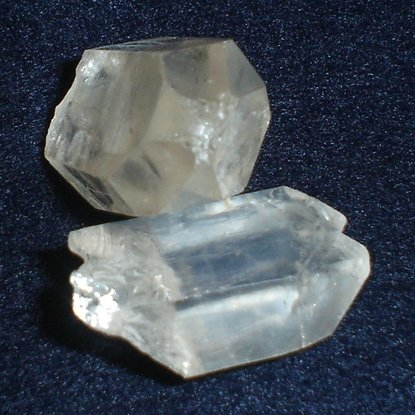
Crystalline silica is quartz, and it is in the clay, the flint and the stone used in a ceramic body. It becomes a hazard when it is in the air as fine respirable particles, which happens at almost every stage of a pottery: in the slip house where materials are weighed and mixed, in the making shops, in fettling and towing where dried ware is smoothed before firing, in the placing and drawing of kilns, and in sweeping up.
The disease it causes is silicosis, an irreversible scarring of the lung that develops over years of exposure and continues to progress after exposure stops. It was the classic disease of the potteries, it was described and documented across the nineteenth century, and it was the reason the trade’s workers were known for short working lives.
The modern control framework is specific and it is all about keeping the dust out of the air: wet processing wherever possible, local exhaust ventilation at every dust-generating operation, enclosure of mixing and weighing, vacuum rather than sweeping, substitution of lower-silica materials where a body allows it, respiratory protection as a last line, and health surveillance of the workforce. None of that was general in 1960.
Like our content? Follow us for more.
Fettling and towing, which was the worst job in the building
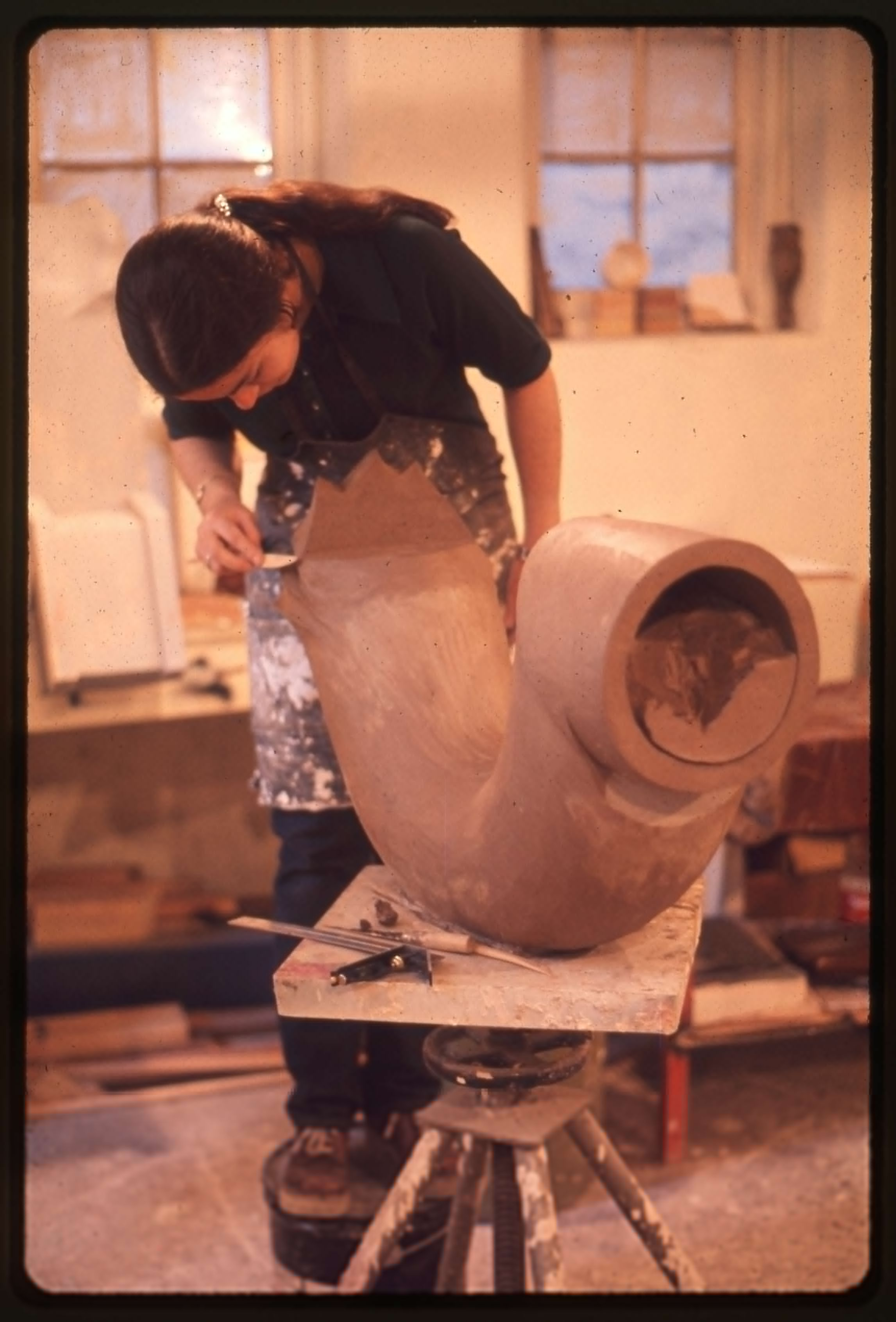
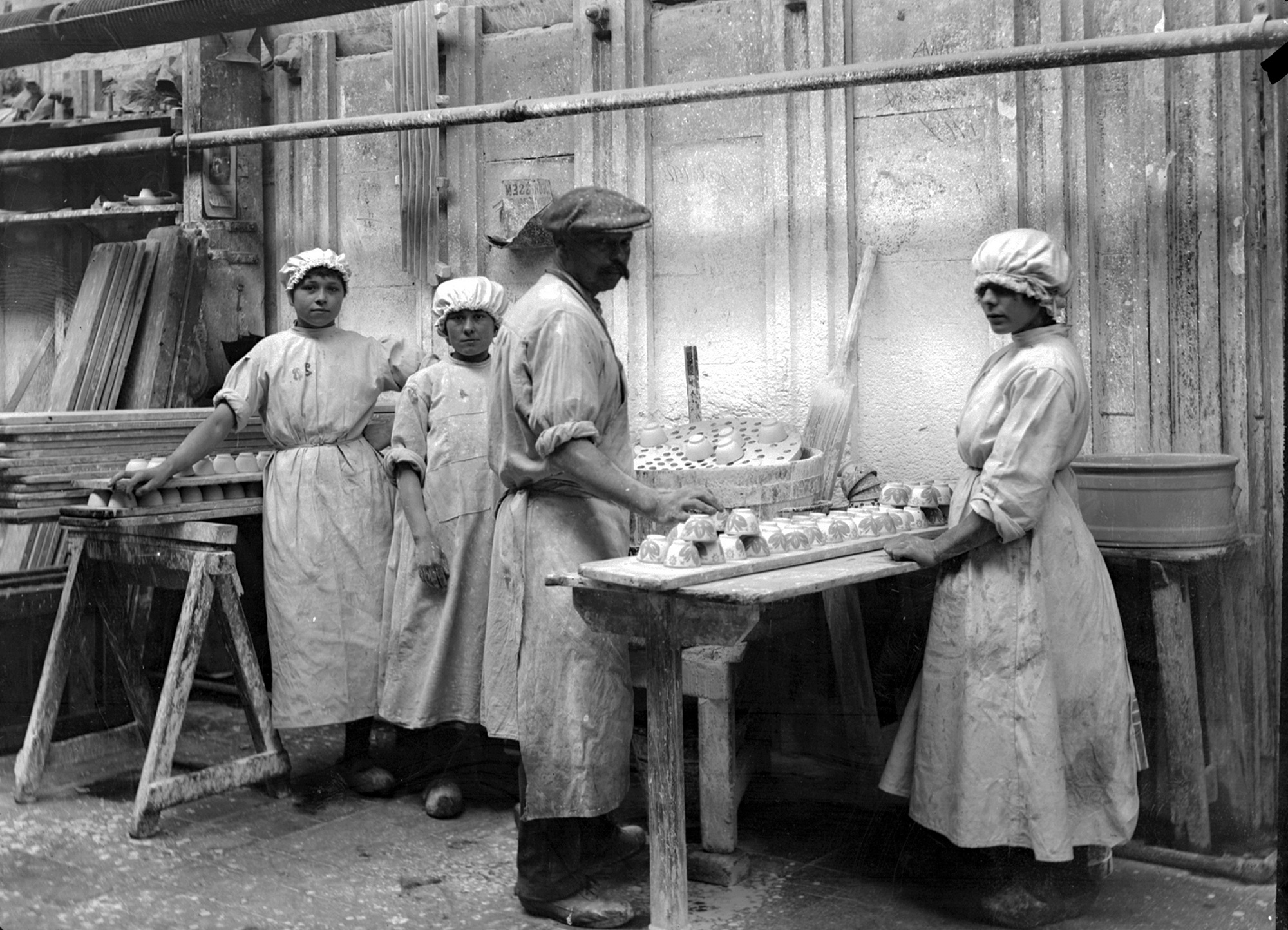
Dried unfired ware has seams and marks on it from the mould, and they were removed by hand with a knife and then smoothed with a damp sponge or, in the older practice, with sandpaper or a cloth. That is fettling and towing, it was done by women at benches, in rows, and it produced a continuous cloud of the finest dust in the works.
It is also the operation that modern practice has changed most completely, because it turns out to be entirely susceptible to being done wet. A damp sponge produces almost no airborne dust and a dry cloth produces a great deal, and the current requirement in ceramics is wet fettling with extraction, which addresses the single largest exposure in the trade.
The reason it was done dry for so long is simply that dry was faster and the ware was more fragile wet. The women doing it were paid by the piece. That single fact explains more about the industrial history of this trade than any regulation does, because a piece rate puts the cost of working safely onto the worker and the benefit of working fast into her wage packet.
The glaze, and what dipping by hand meant
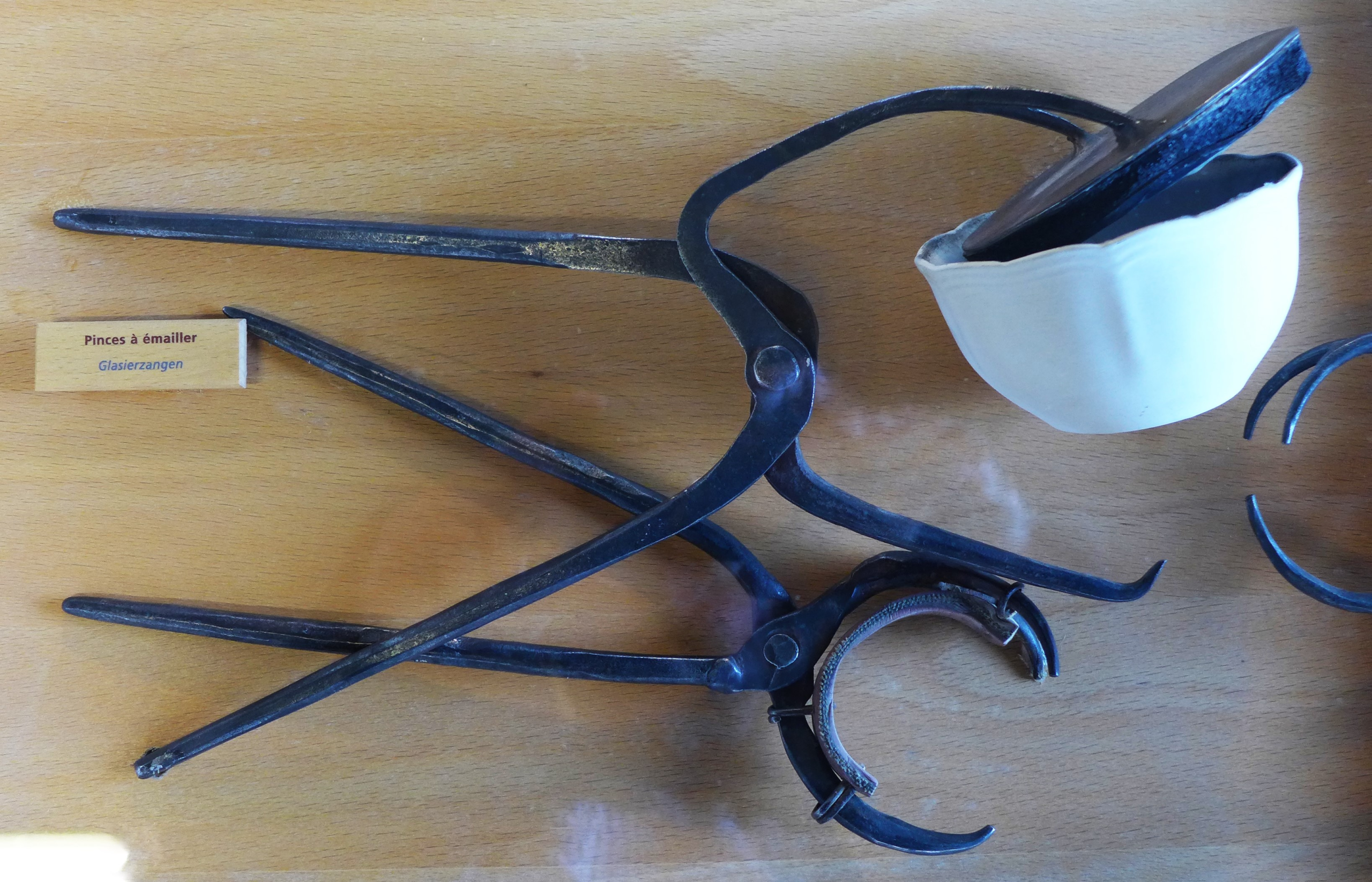
Lead compounds were used in earthenware glazes because they produce a clear, bright, smooth, low-firing glaze that fits the body well and is very forgiving to work with. The alternatives available in 1960 fired higher, crazed more and were harder to apply.
The application method was dipping: the dipper held the ware, immersed it in a tub of liquid glaze, shook off the excess and set it down, several hundred times a day, with bare hands and forearms in the glaze. The glaze also dried on the floor, on the tub rim and on clothing, and became dust that was swept.
Lead’s occupational effects were understood in detail long before 1960 and the pottery trade had been one of the subjects of that understanding. British regulation of lead in pottery glazes dates back to the beginning of the twentieth century and was tightened progressively; the move to leadless and low-solubility glazes continued through the middle of the century; and the modern position in the United States and elsewhere is that lead-containing glazes are not used on food contact ware at all, with specific limits on what may leach from a glazed surface. The practical legacy for anybody who collects or uses old earthenware is the same guidance that applies to any decorated vintage ware: a piece of unknown origin and age is better treated as a display item than as something to eat acidic food from or to put in a dishwasher.
The kilns
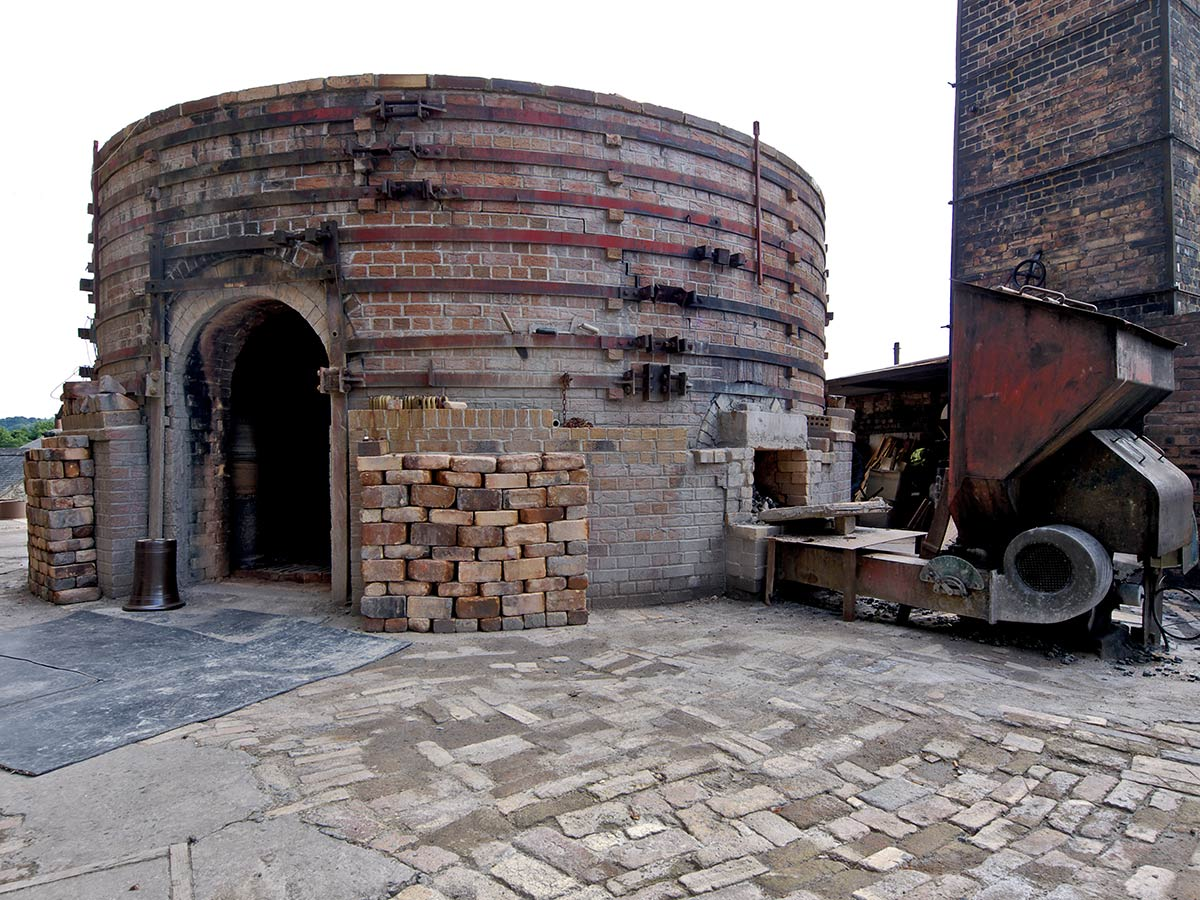
Firing was the other half of the works and it had its own set of problems. Bottle ovens and later tunnel kilns were coal-fired, which meant the works produced a great deal of smoke and the kiln men worked in extreme heat; placing and drawing a kiln meant going into a space that had been at firing temperature and was still very hot, carrying ware, in dust.
The heat exposure was managed by custom rather than by any procedure: short spells, large quantities of liquid, and an understanding that the job belonged to particular men. Modern heat stress management involves measured limits, work and rest scheduling, hydration provision and acclimatisation, none of which existed.
The conversion of the industry from coal to gas and electric firing through the following decades removed the smoke, the extreme heat and a great deal of the dust at a stroke, and it is the largest single improvement in the trade’s history. It happened for reasons of cost, control and clean air legislation rather than for the workforce’s benefit, which is the usual pattern.
Who was doing the work
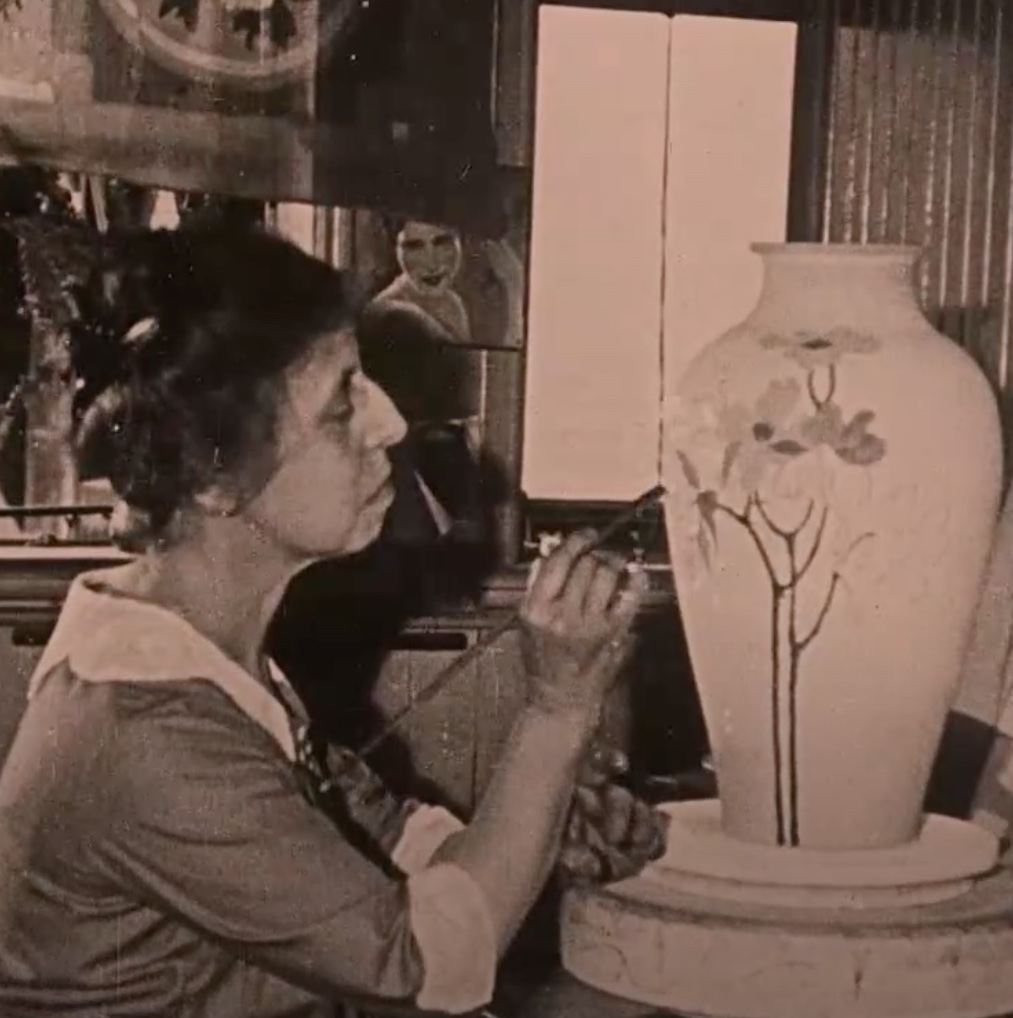
The pottery workforce was substantially female and included young workers, and the division of labour put women in the dustiest jobs — fettling, towing, sponging, decorating — and men in the heat and the heavy lifting. Piece rates applied throughout, which is the detail that explains a great deal: a worker paid by the piece has a direct financial incentive to do the job the fast way rather than the wet way.
Decorating added its own exposures. Hand-painting, lining and transfer work used pigments including lead and cadmium compounds for particular colours, applied with a brush, with the painter’s face close to the work and the brush frequently pointed in the mouth, which is the same practice that caused the damage in the watch dial trade.
The trade was also heavily organised and the unions in the potteries pressed on dust and lead for decades, which is a substantial part of why the regulation exists. The improvements were argued for rather than granted.
What a modern pottery looks like
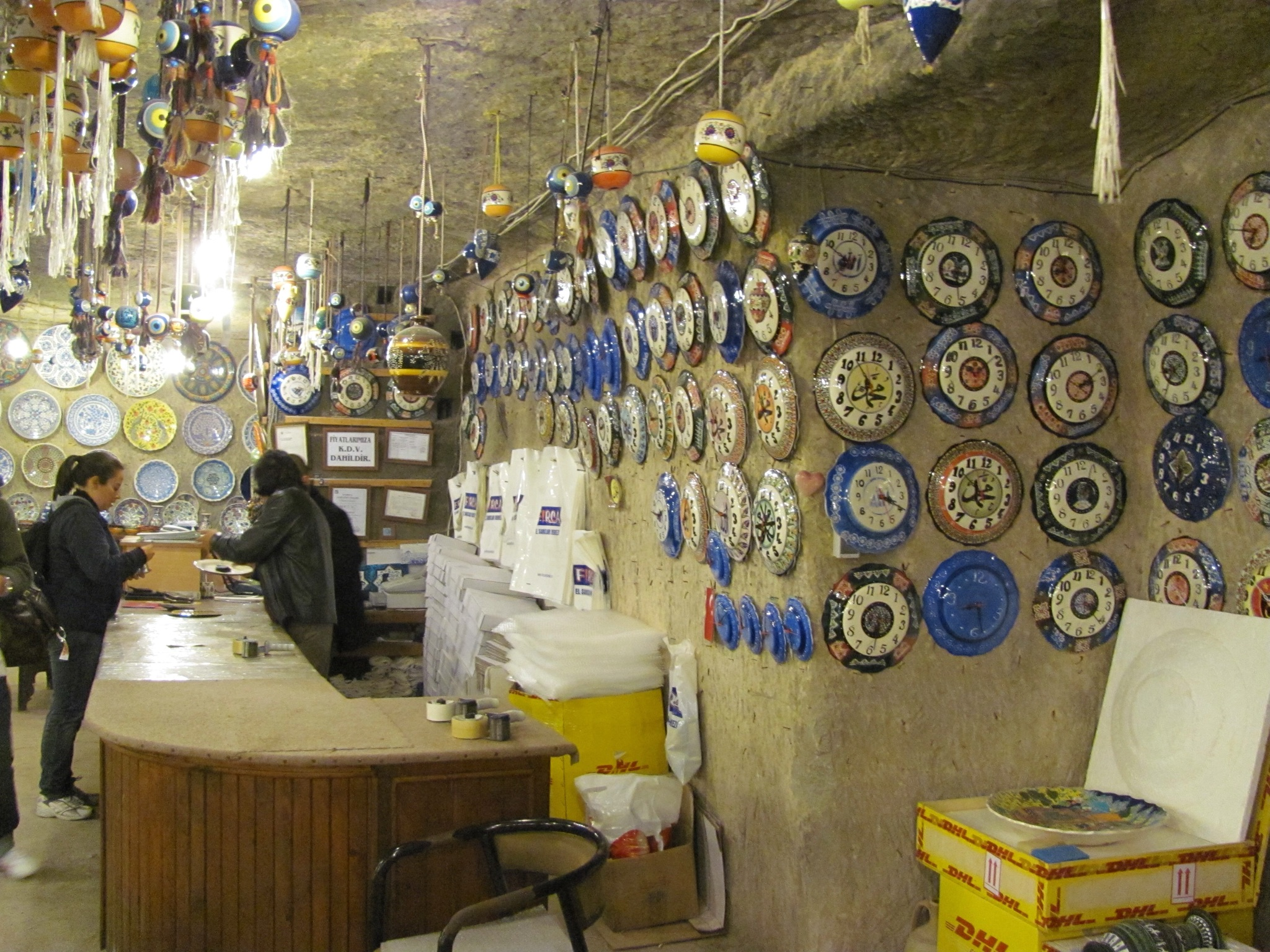
A current ceramics operation is a wet, ventilated, monitored place. Materials arrive and are handled as slurries where possible, mixing and weighing are enclosed and extracted, fettling is wet, floors are cleaned with industrial vacuums or washed down, air is monitored, the workforce has lung function surveillance, and the glazes contain no lead for any food contact application.
The studio potter’s position is different and worth stating separately, because the hazards are the same and the controls usually are not. Current advice for small-scale and studio ceramics covers wet cleaning rather than sweeping, not eating or drinking in the studio, wet sanding, extraction over kilns because firing releases fumes, avoiding dry mixing of powdered materials without protection, and using commercial glazes labelled for food contact rather than mixing raw materials from recipe books.
None of that is in this article as instruction and anybody actually working with clay should be reading the current guidance rather than this. The point here is historical: everything a modern studio is told to do is a list of what the 1960 works did not.
What was lost and what was not
The craft content of the old potteries was extraordinary. Thrower, turner, mould maker, dipper, placer, paintress and gilder were separate trades with long apprenticeships, and the quality of hand-made and hand-decorated earthenware from that period is the reason it is collected. A great deal of that skill went when the industry mechanised and then moved offshore, and the surviving practitioners are studio potters and a small number of heritage manufacturers.
What was not lost is anything worth defending. The dust caused an irreversible disease, the glaze caused another, the workforce was paid by the piece in conditions that rewarded speed over protection, and both hazards had been documented for a century before anybody did much about it.
The pots are the right thing to admire and the working conditions are not, and the two are easy to confuse because the objects are beautiful. A plate from a 1960 pottery is a lovely thing that somebody breathed quartz dust to make.
That is also why the trade’s history is worth knowing rather than simply admired. Silicosis and lead poisoning in the potteries were not discovered by regulators; they were described by doctors in the nineteenth century, argued about for decades, and acted on slowly and partially, and the people pressing hardest were the workers themselves and their unions. The pots survived, the skills largely did not, and the controls that finally worked — wet fettling, extraction, enclosure, leadless glaze, electric kilns — are not complicated and could have arrived a great deal sooner than they did.
Like our content? Follow us for more.