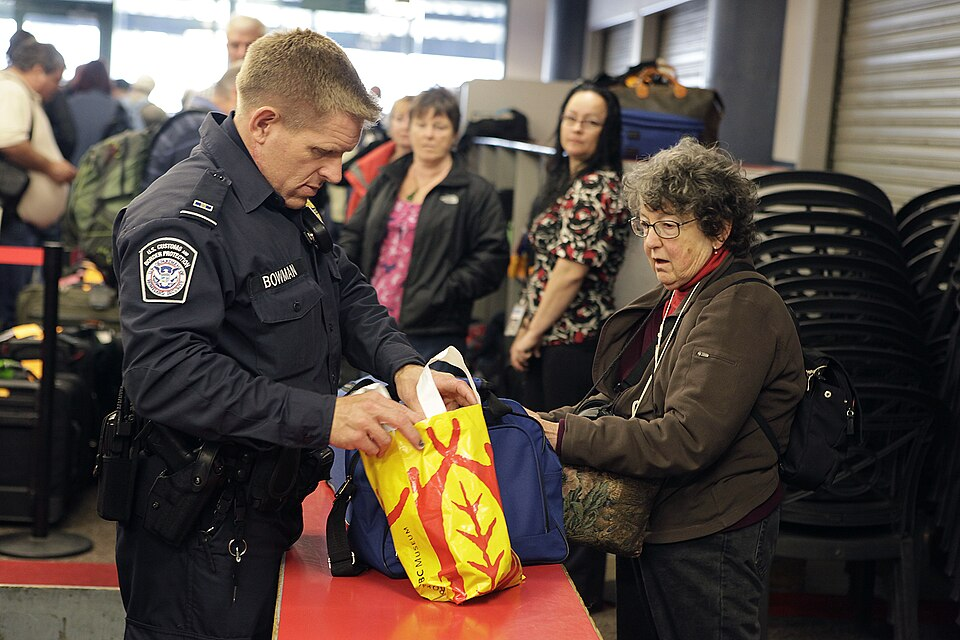
Customs is the part of travel where travellers’ assumptions are most reliably wrong, and the central misunderstanding is about what an allowance is. It is a threshold for duty relief, not a cap on imports, and the penalties in every system are built around the declaration rather than around the value.
The category that actually gets things seized is not expensive goods at all — it is food, plants and seeds, where several countries impose fixed penalties regardless of value or intent. Here are sixteen things to understand.
1. The allowance is a limit on relief from duty, not a limit on what you may bring
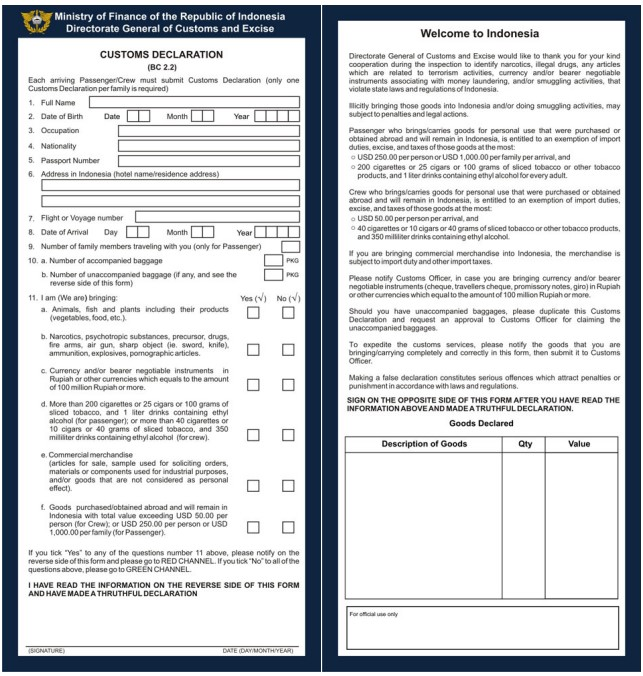
A customs allowance is frequently misunderstood as a cap. It is not: it is the value or quantity you may import without paying duty and tax. Above it you may generally still bring the goods, and you declare them and pay.
That distinction changes the entire calculation. Somebody carrying a watch bought abroad is not smuggling by exceeding an allowance; they are liable to a charge, and the offence arises only from failing to declare. The penalty structure is built around the declaration rather than around the value.
The practical rule that follows is the one this whole file rests on: if in doubt, declare. Declaring something that turns out to be within an allowance costs nothing but a sentence.
Like our content? Follow us for more.
2. There are separate allowances and they do not pool
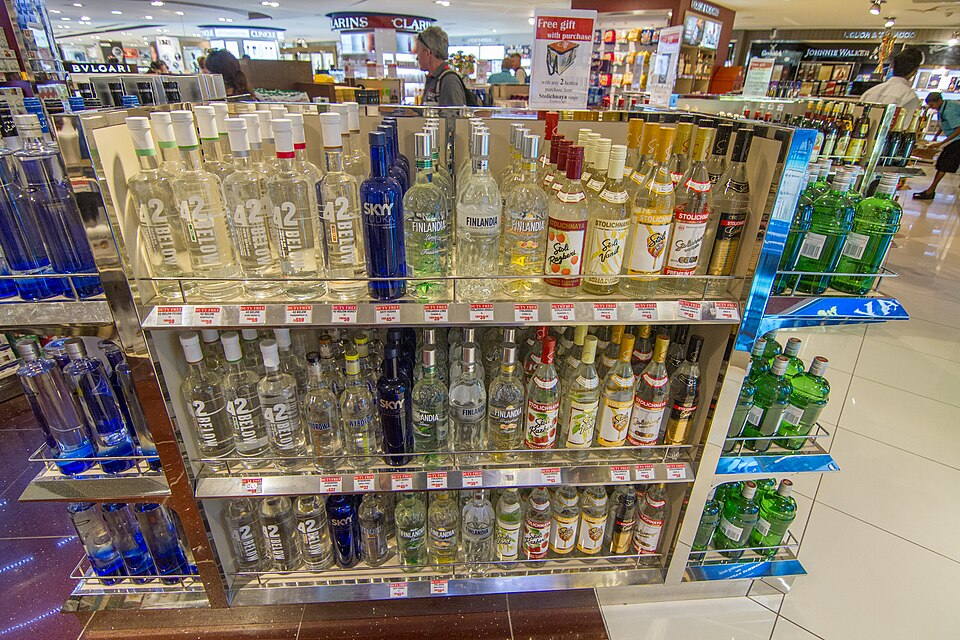
Goods, alcohol and tobacco are treated separately, with their own limits, and in most systems the allowances cannot be traded against each other. A traveller who brings no alcohol does not get a larger goods allowance for it.
Alcohol and tobacco allowances are also usually expressed in quantity rather than value and are subject to minimum ages, and in several countries tobacco allowances have been reduced substantially in recent years while goods allowances have risen.
Check the three separately for your destination and your return. The commonest error is to add them together and assume a single total.
3. Allowances are per person and the rules on pooling vary
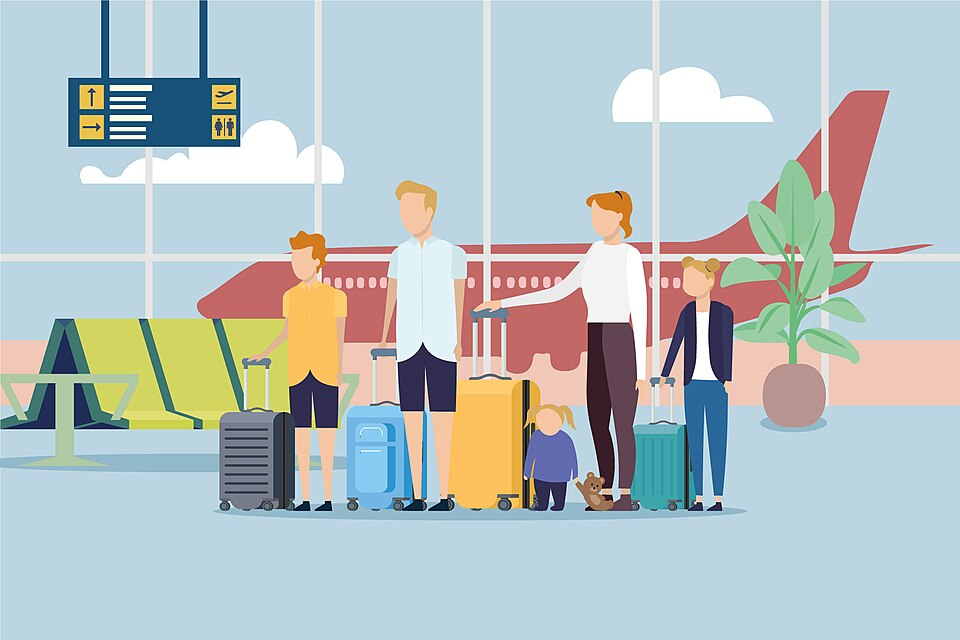
Each traveller has their own allowance, which in some systems may be combined for a family travelling together on a single declaration and in others may not, and children generally have a goods allowance but not an alcohol or tobacco one.
The detail that catches families is a single expensive item. An item worth more than one person’s allowance cannot usually be split between several travellers to bring it under the threshold, even where pooling is otherwise permitted, because the allowance applies to the article as well as to the total.
Where a trip involves one significant purchase, that is the case to read the specific rule on rather than to assume.
4. Entering and returning are two different sets of rules
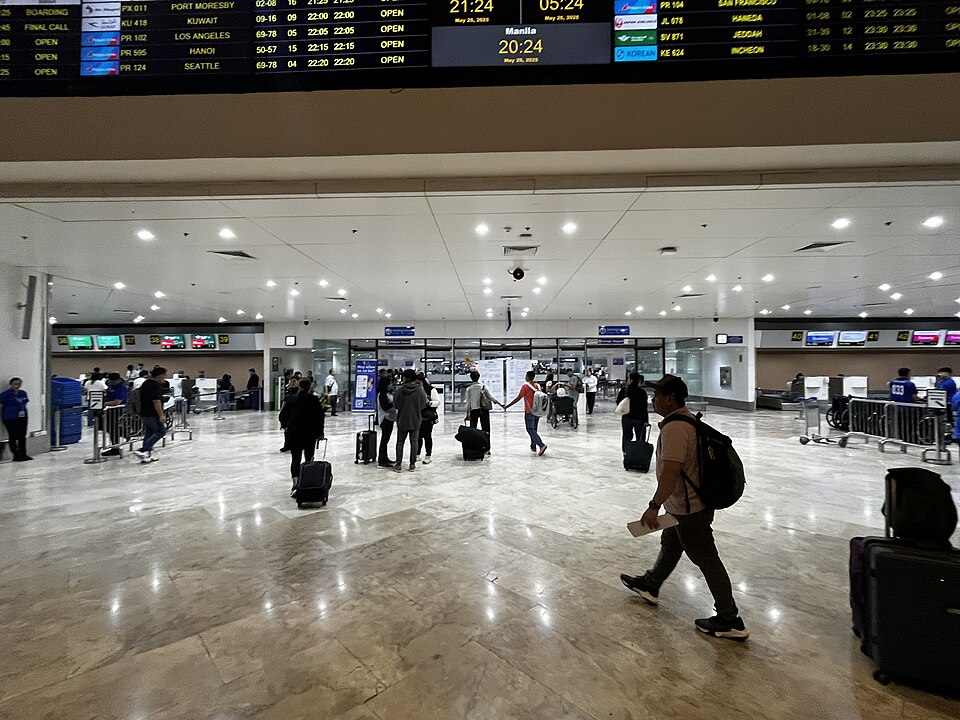
A traveller passes through customs twice and the rules are not symmetrical. What a destination country permits you to bring in, what it permits you to take out, and what your own country permits you to bring home are three separate questions with three separate answers.
The asymmetry matters most with food, plants, animal products, cultural objects and currency. A souvenir that is entirely legal to buy and to carry locally may be prohibited on arrival home, and the seller has no obligation to tell you.
Look up the rules for the country you are returning to as well as the one you are visiting. The second is the one people check and the first is the one that catches them.
5. Food, plants and seeds are the most commonly seized category
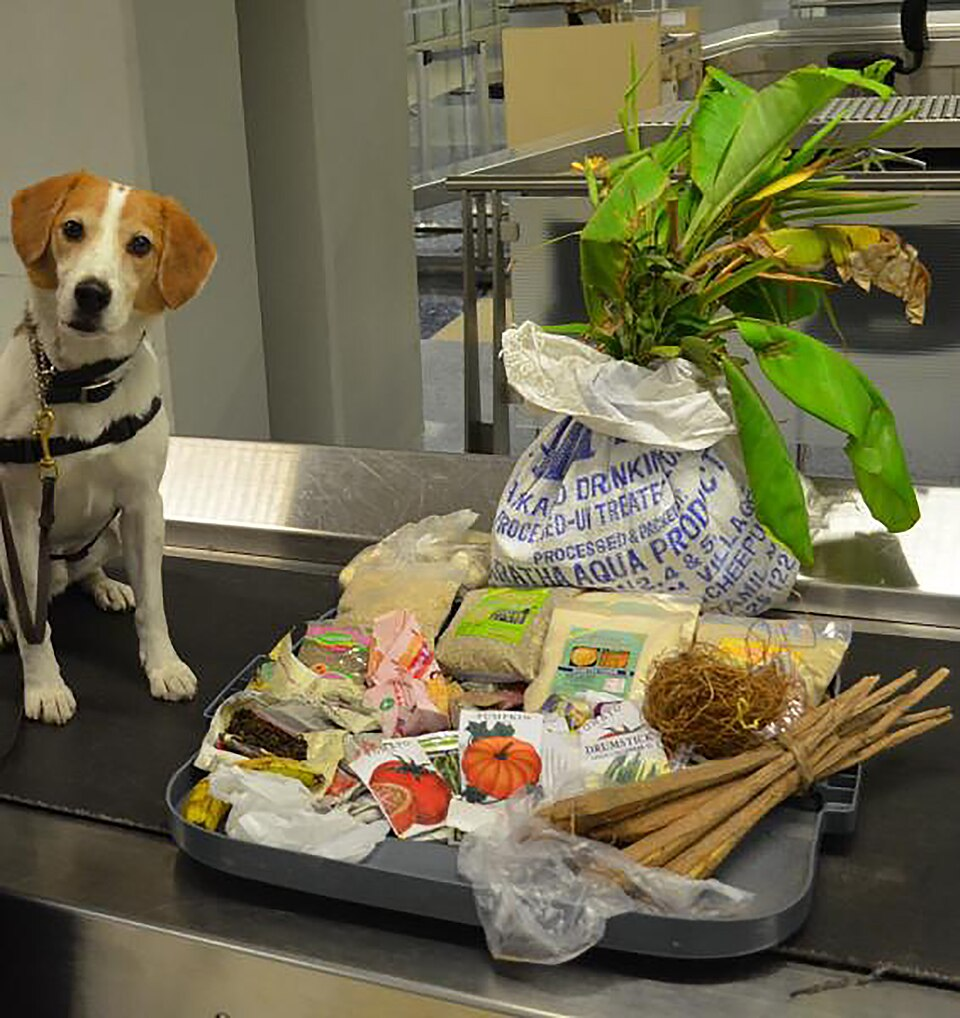
Agricultural and biosecurity controls exist to keep pests and diseases out and they are enforced far more aggressively than value-based rules. Fresh fruit and vegetables, plants, cuttings, seeds, bulbs, soil, honey, dairy and meat products are the categories most often refused.
Several countries impose substantial fixed penalties for an undeclared agricultural item regardless of value or intent, with Australia and New Zealand the most frequently cited examples, and the United States operating its own agricultural declaration requirement on arrival.
An apple left in a bag from the flight is the classic case and it is a real penalty in several jurisdictions. Eat it, bin it before the hall, or declare it.
6. Cash above a threshold must be declared, and it is not a tax
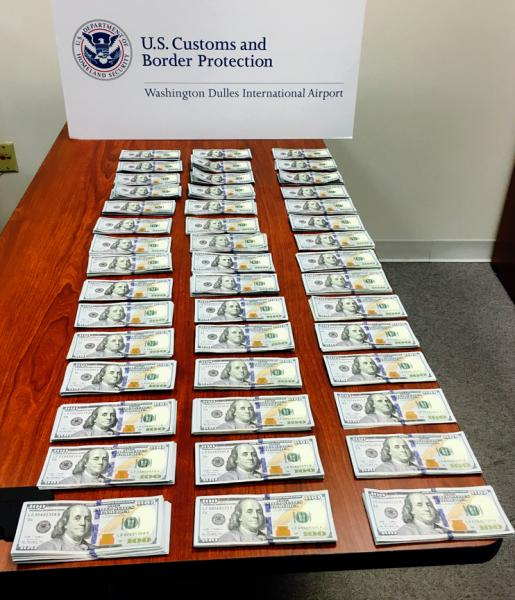
Most countries require the declaration of currency and bearer instruments above a stated amount on entry and on exit, and the obligation applies to the total carried by a group travelling together rather than only to individuals.
Declaring it does not create a liability. The requirement exists for financial monitoring purposes, and the consequence of failing to declare can include seizure of the entire amount rather than a proportionate fine, which is the detail that makes this one worth taking seriously.
This is not financial advice and no threshold is quoted here because they differ and change. Anybody carrying a significant sum should look up the figure for both ends of the journey.
7. Medicines are a customs question as well as a security one
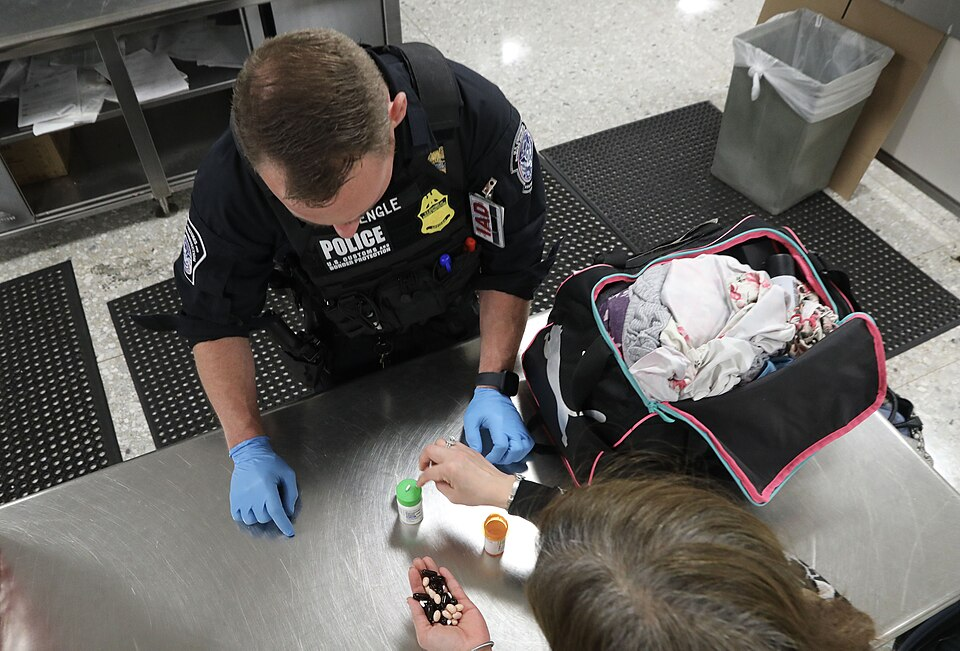
Prescription and over-the-counter medicines are subject to the destination country’s own rules, and a number of countries restrict or prohibit medicines that are entirely ordinary elsewhere, including some common painkillers, cold remedies, sleep aids and stimulant medications.
The requirements where they exist typically involve carrying the medicine in original labelled packaging, carrying a copy of the prescription or a letter from the prescriber, bringing a quantity proportionate to the trip, and in some cases obtaining prior authorisation from the destination’s health ministry.
The embassy or consulate of the destination country is the authority on this and nothing here is medical advice. This item exists only to flag that the question is a customs one, which travellers consistently do not expect.
8. Counterfeit goods are seized and can carry a penalty
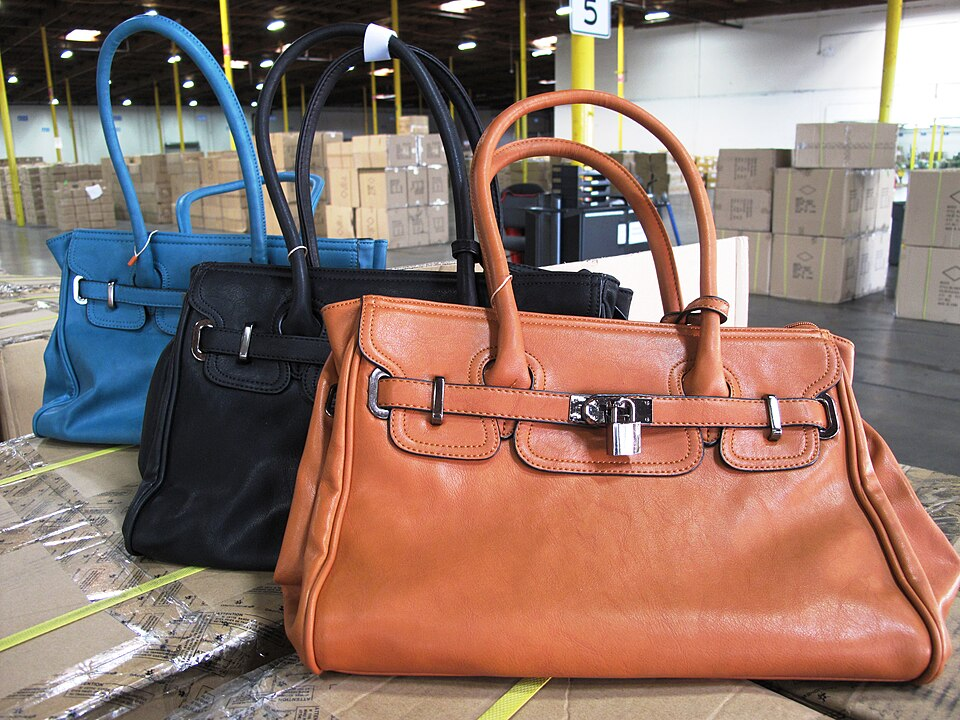
Buying a copy of a branded item abroad is treated by most customs authorities as importing counterfeit goods, which are liable to seizure and in some jurisdictions to a penalty, and the fact that the purchase was openly made in a market does not alter the position on arrival.
The enforcement varies and small quantities for personal use are frequently simply confiscated rather than pursued, but the goods are gone and in some countries the traveller’s details are recorded.
The practical point is only that the item has no protection. A seizure is not a dispute you win by producing a receipt.
9. Cultural objects, antiques and natural history have their own regimes
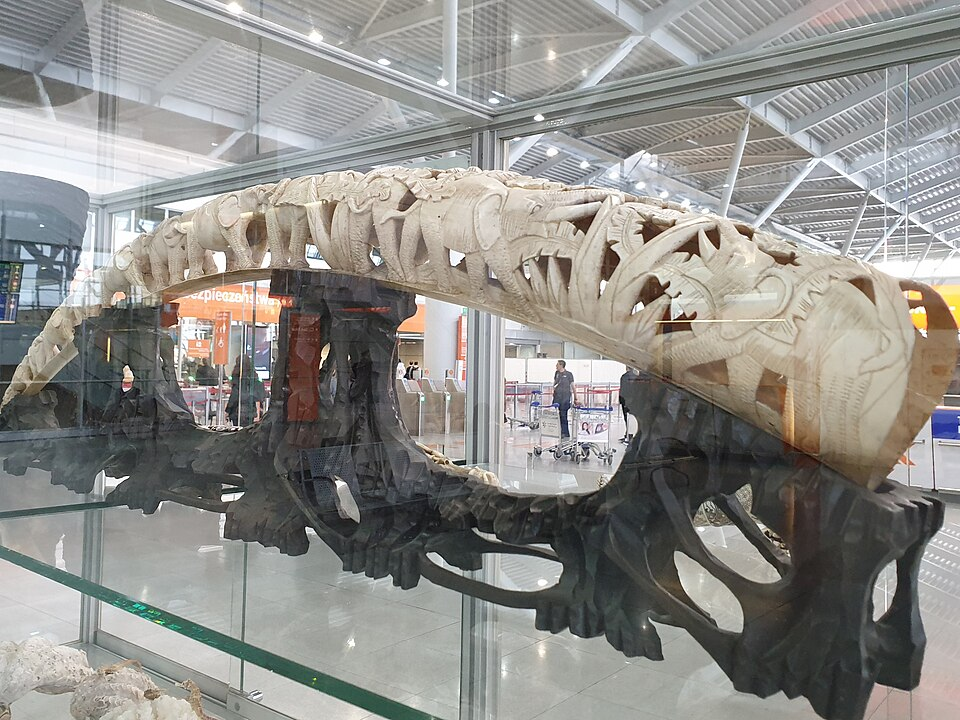
Antiquities, archaeological material, religious objects, fossils, minerals, coral, shells, ivory, hardwoods, feathers and animal and plant products are governed by export controls in the source country and by import controls and international conventions at home.
The convention on international trade in endangered species covers a long list of materials that turn up in souvenirs, and the burden is on the traveller to hold the permit. Ivory in particular is prohibited or tightly restricted in most major markets regardless of age, and coral and certain shells and hardwoods are frequently caught.
If a souvenir was once part of a living thing or came out of the ground, it is worth checking before buying rather than at the border. The seller’s assurance has no standing.
10. Duty-free is a tax status, not a customs exemption
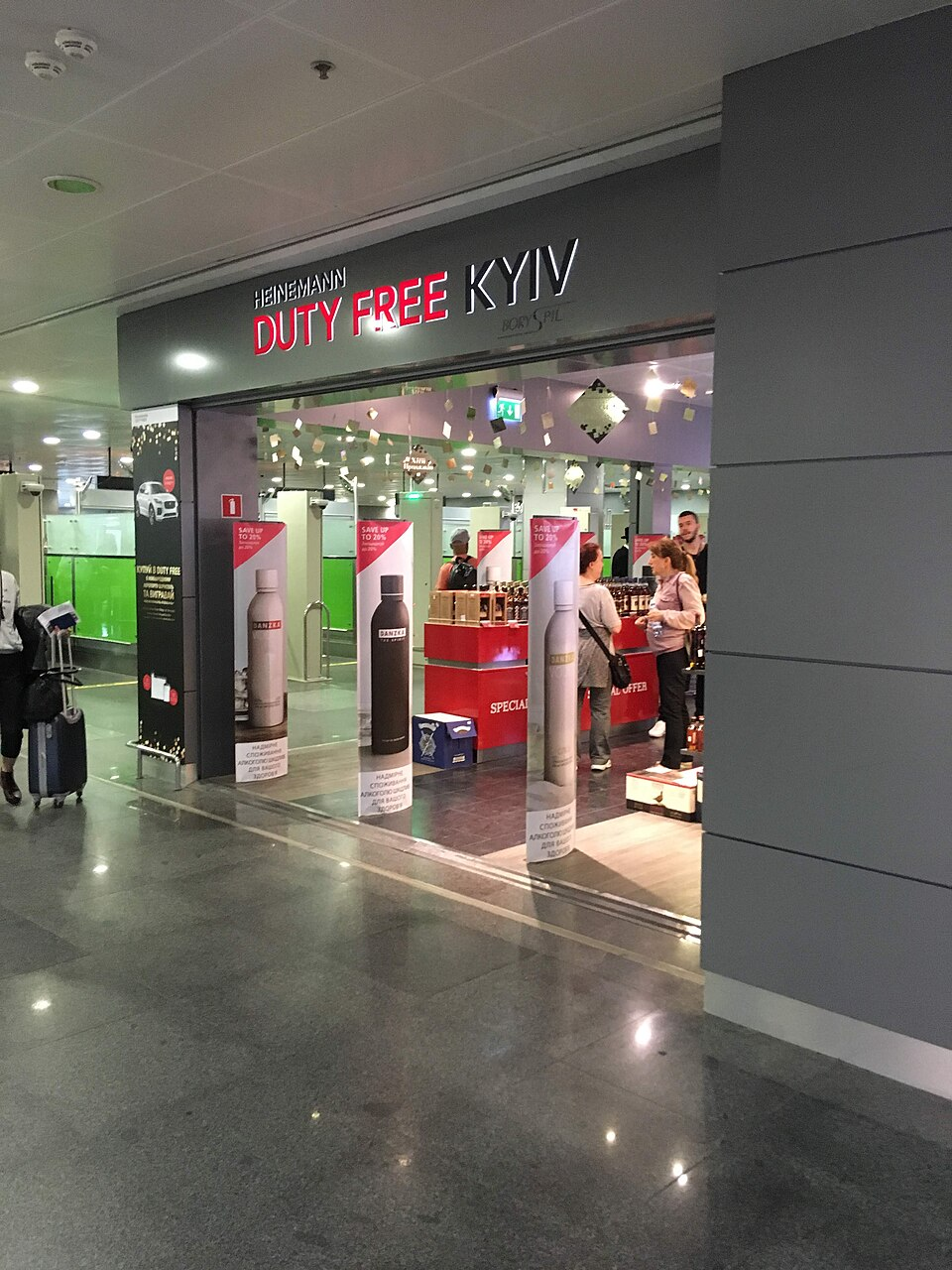
Goods bought in a duty-free shop are sold without the local taxes of the country you are leaving. They still count against the allowance of the country you are entering, and there is no separate allowance for them.
Travellers routinely treat a duty-free purchase as outside the calculation, and it is not. The shop’s interest ends at the sale, and the arithmetic that matters is the total value of everything acquired abroad against the allowance where you land.
Keep the receipts and add them up. The question at the border is what the goods are worth, not where they were bought.
11. Gifts, items for resale and goods you already owned are treated differently
Allowances generally apply to goods for personal use or as gifts. Items intended for sale or for a business are commercial imports and fall outside the traveller’s allowance regardless of value, and goods you owned before the trip and are bringing home are not imports at all.
The last of those is worth knowing because it is the one travellers can get wrong in their own favour and then have difficulty proving. An expensive camera, a laptop or jewellery taken out and brought back can be queried, and the evidence that resolves it is a receipt, a registration or a photograph with a date.
If you travel with something valuable, carry proof that you owned it before you left. Some countries operate a formal registration scheme for exactly this.
12. Online purchases that arrive after you do are a separate liability
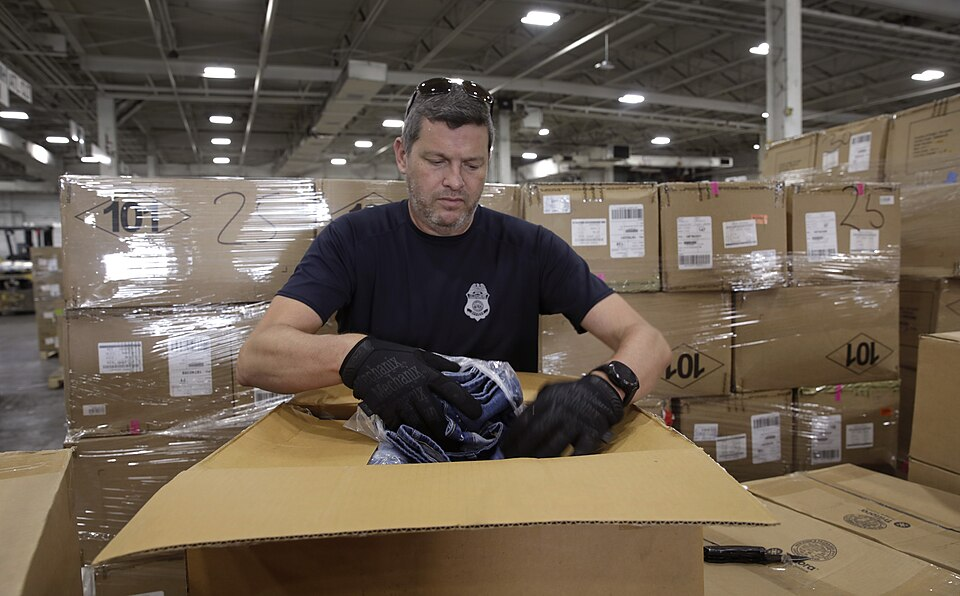
Goods ordered abroad and shipped home are not covered by a traveller’s allowance at all. They are commercial imports, assessed on their own, with duty, tax and a handling fee applied by the carrier, and the recipient is the importer.
This catches people who buy something abroad, arrange shipping to avoid carrying it, and are then charged more than they would have been as accompanied baggage. The shipping route is frequently the expensive one.
If the item will fit in a bag and is within an allowance, carrying it is usually cheaper. If it will not, price the duty and the handling before agreeing to shipping.
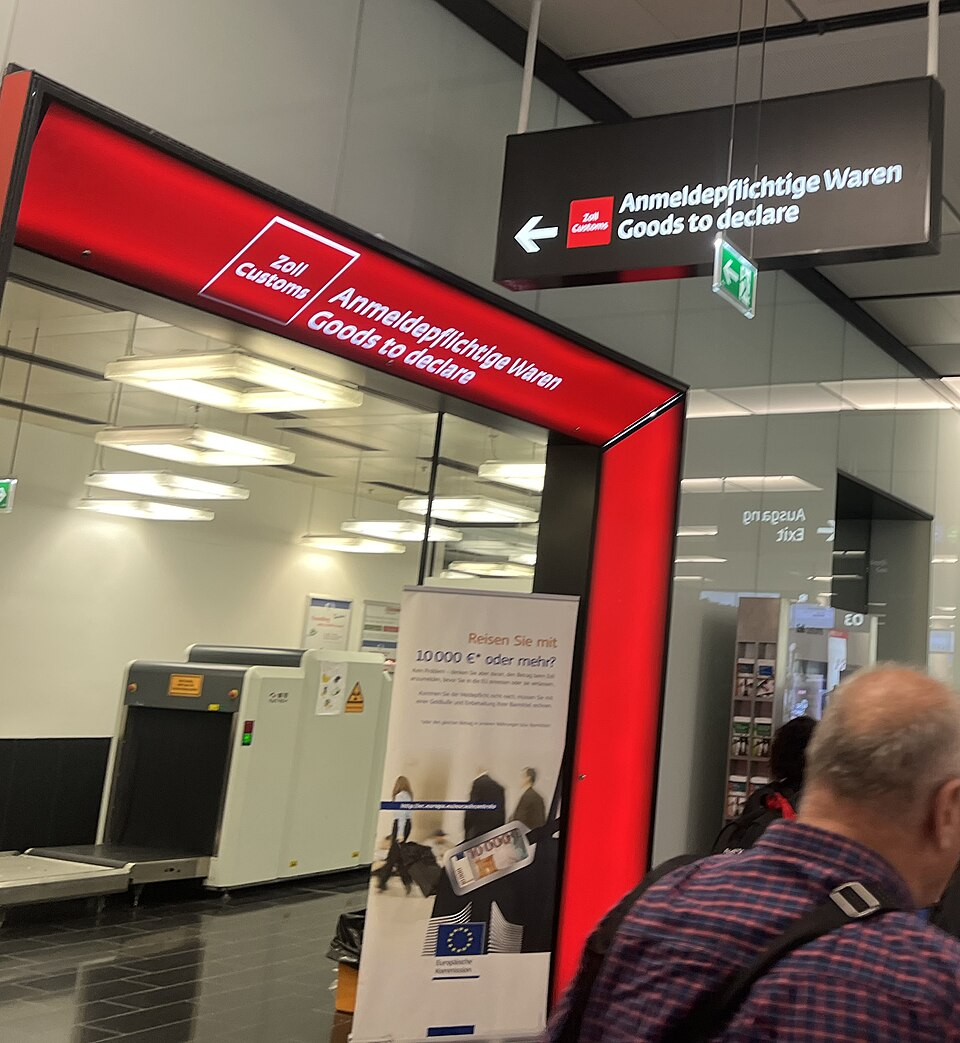
13. The red and green channel choice is a legal declaration
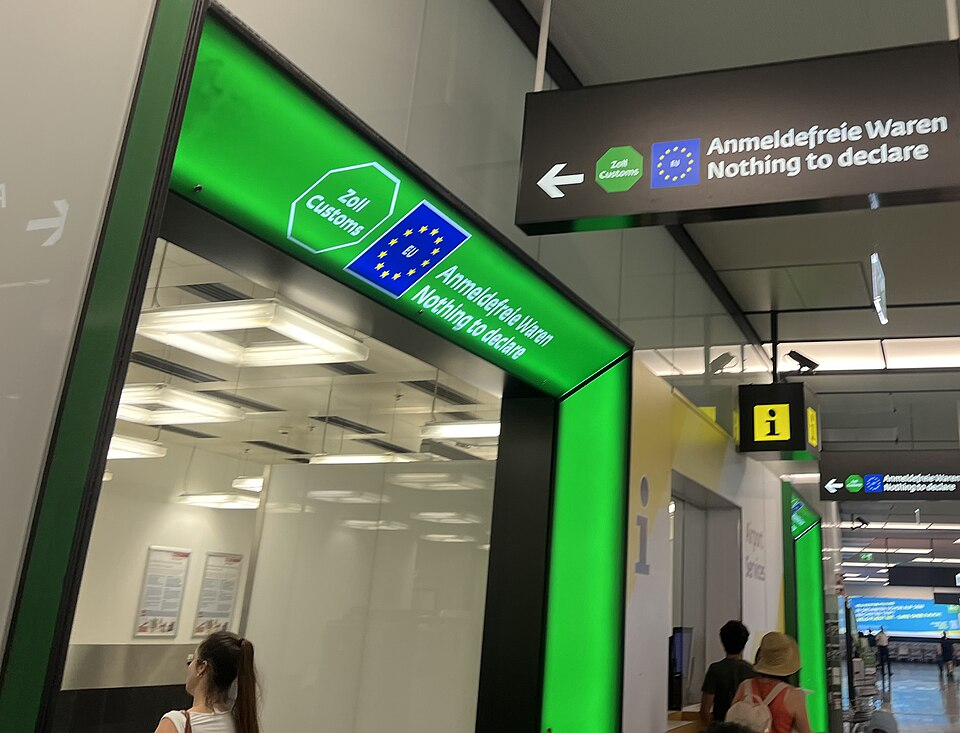
Where channels are used, walking through the nothing-to-declare channel is a positive statement that you are within your allowances and carrying nothing prohibited. It is not a queue preference.
Officers also operate random and intelligence-led checks in that channel, and the consequence of being found with undeclared goods there is materially worse than the consequence of having declared them, because the failure to declare is itself the matter at issue.
In systems with no channels, the same logic applies to the declaration form or the app. Ticking no is the same statement as walking through the green.
14. You can be stopped and searched without any suspicion
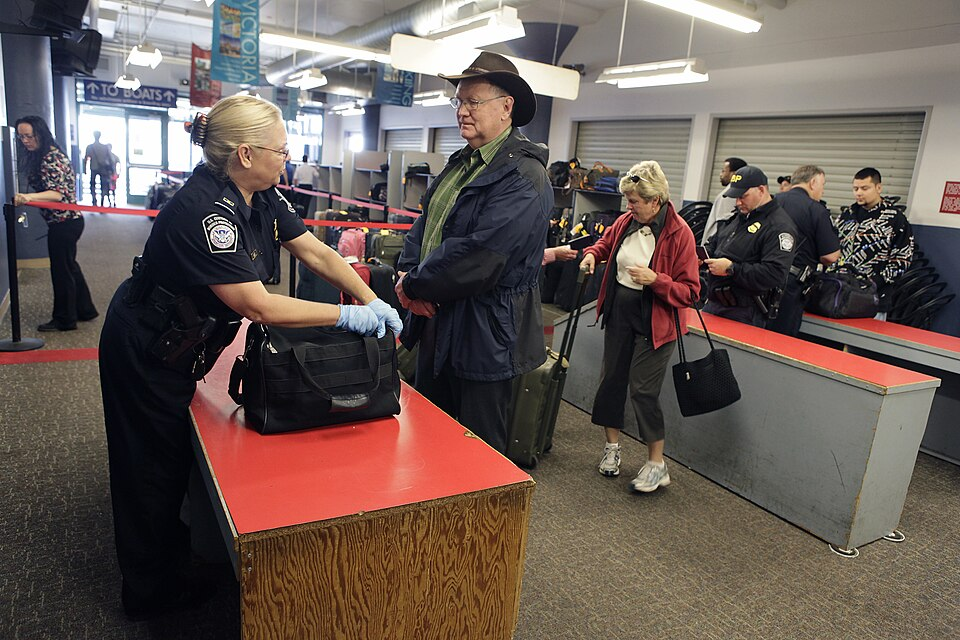
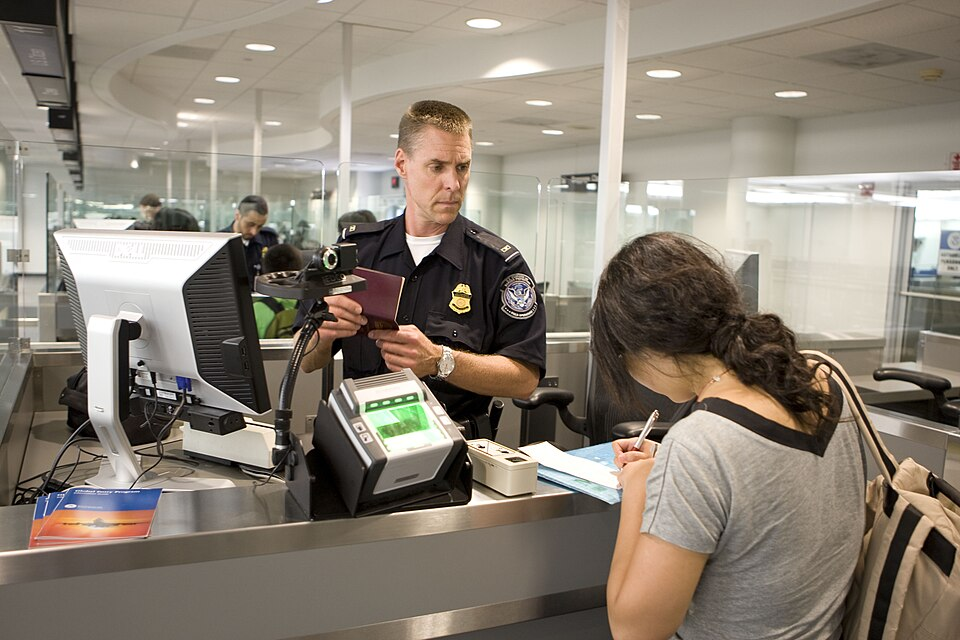
Customs powers at a border are broader than ordinary police powers in most countries. Officers may question, search baggage, search a person, examine and in some jurisdictions copy the contents of electronic devices, and detain goods, generally without the threshold of suspicion required elsewhere.
Travellers are consistently surprised by the device powers in particular. Practice varies widely between countries and has been the subject of litigation in several, and the position is not settled everywhere.
Nothing here is legal advice. The useful preparation is simply to know that the powers are wide, to answer questions straightforwardly, and to have the paperwork for anything unusual in the bag.
15. Refund schemes are claimed before you leave, not after
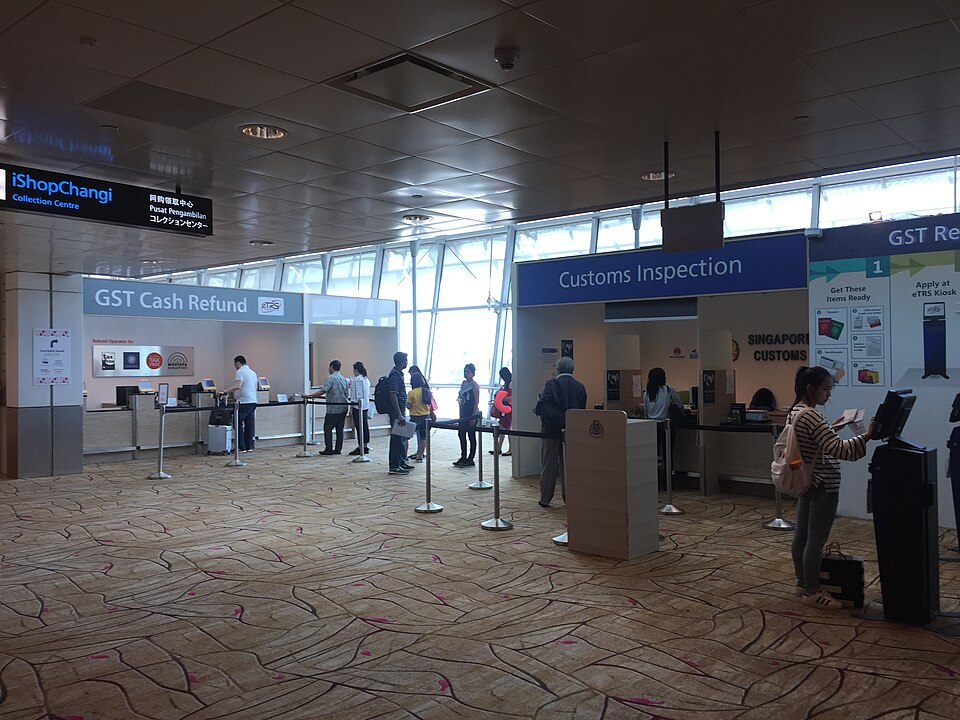
Many countries operate a sales tax refund for visitors, and the claim has to be made at the point of departure with the goods available for inspection, the correct forms completed at the shop and presented at the airport before check-in where the goods will be checked.
The commonest failure is packing the goods in checked baggage and reaching the desk without having had the forms stamped, after which the refund is gone. Minimum spend thresholds, participating-retailer requirements and processing fees all apply and vary.
If a refund is part of the plan, do the paperwork in the shop and allow extra time at the airport. It is a process rather than a formality.
16. And the five things worth doing before you travel
Look up the allowance for the country you are returning to, not just the one you are visiting. Check the agricultural rules, because that is the category that gets seized. Check whether any medicine you carry is restricted at the destination. Carry proof of ownership for anything valuable going out with you. And keep every receipt for anything bought abroad.
Then at the border, declare anything you are unsure about. The system is built so that declaring is cheap and failing to declare is expensive, and that asymmetry is deliberate.
Allowances, thresholds, prohibited lists and enforcement all vary by country and change regularly, and no figures are quoted anywhere in this file for that reason. The customs authority of the country you are entering is the only authority on its own rules, and its website is the thing to read rather than this.
Declare, and the three asymmetries
Everything in this file reduces to one instruction and three reasons for it. The instruction is to declare anything you are unsure about, and the reasons are three asymmetries built deliberately into every customs system in the world.
The first is that declaring is cheap and not declaring is expensive. Exceeding an allowance generally produces a charge; failing to declare produces a penalty, a seizure or both, and the undeclared goods are frequently gone rather than chargeable. The second is that the rules are not symmetrical between countries: what you may buy and carry locally, what the destination permits and what your own country permits on return are three separate questions, and the one travellers check is usually the wrong one. The third is that the enforcement is not proportionate to value. Agricultural and biosecurity rules are enforced hardest, which means an undeclared apple can cost more than an undeclared watch.
The categories that are not about money at all are the ones worth the most attention: food, plants, seeds and soil; medicines restricted at the destination; cultural objects and anything that was once part of a living thing or came out of the ground; and currency above a declaration threshold, where the consequence of non-declaration can be seizure of the whole amount rather than a proportionate fine.
The five preparations in the last item are the whole of the practical advice: check the return country’s allowance, check the agricultural rules, check whether any medicine you carry is restricted where you are going, carry proof of ownership for valuables you take out, and keep every receipt.
No figures appear anywhere in this file deliberately. Allowances, thresholds, prohibited lists and enforcement vary by country and change regularly, and the customs authority of the country you are entering is the only authority on its own rules.
Like our content? Follow us for more.