The gap between a listing and a room is the most common thing that goes wrong on a holiday and the one travellers handle worst, usually by complaining to the wrong party, at the wrong time, about the wrong thing.
There are real remedies, and which one is available is decided by three things: what the listing specifically said, who took your money, and whether you raised it on arrival or on departure. Here are twelve things to do, in the order they matter.
1. Photograph everything before you touch anything

Before unpacking, before complaining and before agreeing to anything, record the room: wide shots of each space, close shots of whatever is wrong, the view from the window, the corridor, the building from outside, and the room number on the door.
The reason is that every remedy in this file depends on evidence, and the evidence has a short life. A hotel that moves you to a different room, or fixes the broken thing that afternoon, has not done anything improper, but the original condition no longer exists.
Include something that fixes the time and place: a timestamped photograph is better than a described one, and a shot that includes the room number and the building together is harder to argue with than a close-up of a stain. Keep them in the original camera roll rather than cropping and re-saving them.
Like our content? Follow us for more.
2. Raise it immediately, and raise it with somebody who can decide

Go to reception within the first hour, state the specific difference between what was booked and what has been provided, and ask what they propose to do. Ask for a manager if the person at the desk cannot make a decision.
Doing it immediately matters for two reasons. The practical one is that a hotel with other rooms can usually solve it on the spot and often will. The formal one is that almost every remedy later on asks whether you gave the supplier an opportunity to put it right, and a complaint raised on departure is weaker than one raised on arrival.
Keep it factual and specific. ‘This was advertised as a sea view and faces a car park’ is a usable complaint; ‘this room is awful’ is not. And get the name of the person you spoke to, with the time, in a note to yourself.
3. Your contract is with whoever took your money

If you booked through an agent, a tour operator or an online platform, your contractual counterparty is that company and not the hotel. The hotel is the supplier, and in many cases it has no authority to vary or refund what the intermediary sold.
This is the single most common reason a complaint goes nowhere. A traveller spends three days arguing with a front desk that cannot refund anything, and the party who can is a call centre that has heard nothing about it.
Work out who you paid before you start. Then complain to both: the hotel, because they can fix the room today, and the intermediary, because they are the ones who owe you a remedy. Do the second one in writing, from the hotel, while you are still there.
4. The test is misdescription, not disappointment
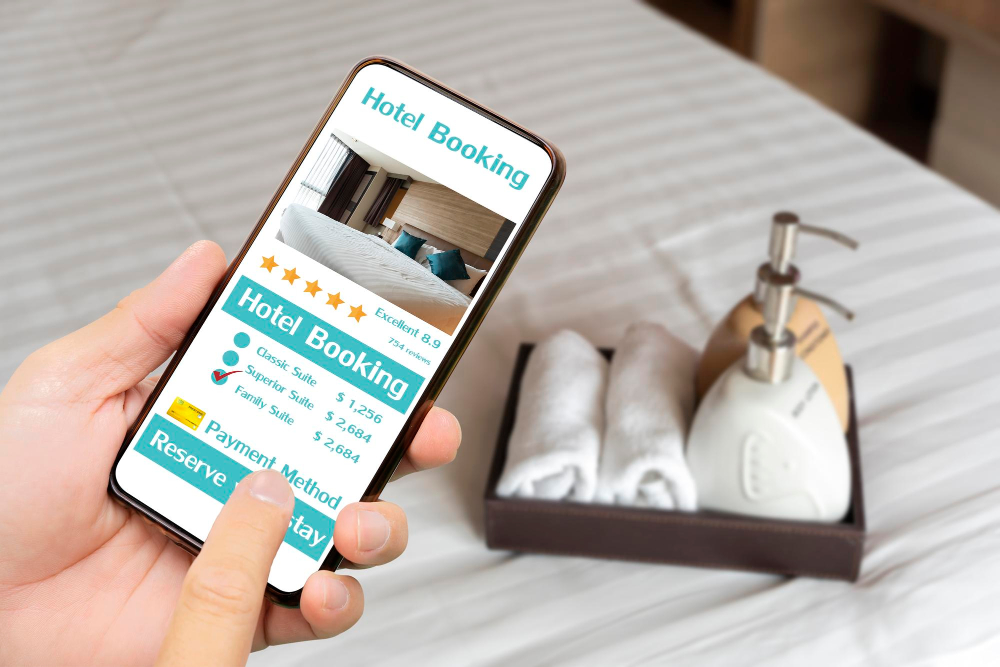
Consumer protection law in most developed markets gives a remedy where a service is not as described, differs materially from what was advertised, or lacks something the trader said it had. It does not give a remedy for a room being less nice than hoped.
The distinction is the whole of this subject. A specific stated feature that is absent — a balcony, air conditioning, a pool, a kitchenette, a stated number of beds, a stated distance from a beach — is a description failure. Decor, atmosphere, the quality of the breakfast or the age of the furniture generally are not, unless the listing made a specific claim about them.
Go back to the listing and write down the specific statements it made. That list is your case, and anything not on it is very unlikely to be recoverable however strongly you feel about it.
5. Know which categories actually count

The failures that are usually actionable fall into a small number of groups: a stated facility that does not exist or is closed, a materially different location, a different room type or occupancy, a safety or hygiene problem, building work or noise that was known about and not disclosed, and a stated accessibility feature that is absent.
Closed facilities are the most common and the most winnable, because a pool or restaurant closed for refurbishment is something the supplier knew about and should have disclosed. Undisclosed building work is the next, for the same reason.
Screenshot the listing as it stood when you booked, including the facilities list, and do it at the time of booking rather than afterwards — listings are edited, and a page that no longer says what it said is a problem you can avoid in advance with one screenshot.
6. Accepting the room and rejecting it lead to different remedies

If you stay, the remedy is generally a reduction — some money back, reflecting the difference between what was provided and what was sold. If you reject the accommodation and leave, the remedy is generally a refund plus the reasonable cost of comparable replacement.
Which route is available depends on how serious the failure is, and rejecting a booking over something minor converts a strong reduction claim into a weak one. The threshold for walking out is high and is roughly whether the accommodation is fit for the purpose it was sold for at all.
Decide deliberately rather than in the heat of an hour. If the failure is genuinely fundamental — no running water, a safety problem, a room that does not sleep the number booked — say explicitly that you are rejecting the accommodation as not as described and asking the intermediary to rehouse you, rather than simply leaving.
7. Ask who is paying before you pay for anything

A traveller who books a different hotel themselves and asks for the money later is in a much weaker position than one who telephoned the intermediary, explained the failure, and was authorised to rebook or was rehoused by them.
Most operators and platforms have a published process for exactly this and a twenty-four hour line to run it through. Using it creates a record, an authorisation and in many cases direct payment, which removes the argument entirely.
Call before you book anything else, say clearly that the accommodation is not as described and that you are asking them to rehouse you, and note the reference number. If they refuse and you rebook anyway, keep the refusal as well as the receipts.
8. A booking platform is an intermediary, and the distinction matters

Platforms vary in what they are legally selling. Some act as agent for the accommodation, some sell as principal, and some sell packages, and the remedy available differs accordingly — which is why two travellers with identical problems get different answers.
What platforms generally do have is a dispute process, a record of the listing as it stood, and commercial influence over the property, all of which are useful even where their legal liability is limited. Their terms also impose time limits for raising a complaint.
Use their in-app complaint route as well as the telephone, because it creates a written record inside their system, and read the time limit in their terms before you leave the property.
9. A package booking is in a stronger position than a room on its own

Where accommodation was sold together with transport or another service as a package, statutory package travel rules in most regulated markets give significantly stronger rights: a duty to provide alternative arrangements of equivalent quality, a price reduction, and compensation in some circumstances.
Accommodation booked on its own falls back on general consumer law, which gives a remedy for misdescription but no equivalent duty to rehouse you. The difference in practical outcome is large and it was decided at the moment of booking.
If you booked a package, say the word package when you complain and ask specifically for alternative arrangements of equivalent quality, because that is the language the obligation is written in.
10. Card chargeback covers a service not as described

Card schemes provide a chargeback right where a service was not provided or was materially not as described, which applies to accommodation and is a route independent of the supplier’s cooperation.
It is not a substitute for complaining first. Issuers expect to see that the traveller raised the matter with the merchant and gave them a chance to resolve it, and they apply time limits running from the transaction or the service date.
Start a chargeback only after the supplier has refused or ignored you, submit the evidence you collected on arrival, and do it inside the window rather than when the holiday has faded.
11. Travel insurance almost never covers this
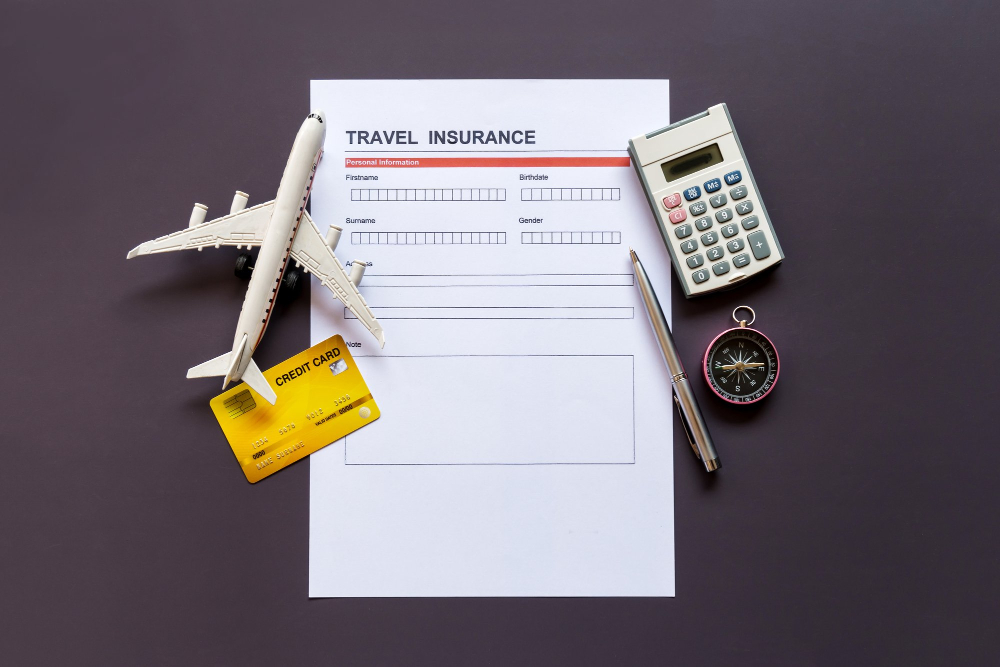
Standard policies cover cancellation, curtailment, medical events, baggage and liability. They do not generally cover a hotel being different from its description, and many exclude it explicitly as a matter between the traveller and the supplier.
A small number of policies include limited cover where accommodation becomes uninhabitable through a specified event, which is a different thing from misdescription. Reading the wording before relying on it saves a wasted claim.
Treat insurance as the wrong tool here. The routes that work are the supplier, the intermediary, the card issuer and, for packages, the statutory rules.
12. And the write-up, which has a deadline

Put the complaint in writing before you leave or within days of returning: what was booked, quoting the listing; what was provided; when and to whom you raised it; what was offered; and what you are asking for, as a specific amount or a specific action.
Attach the evidence, keep it short and unemotional, and send it to the intermediary rather than the hotel if that is who you paid. Then note the deadlines: the platform’s own complaint window, the chargeback window, and in some markets a short limitation period for package claims.
The honest summary: photograph the room before you do anything else, raise it within the first hour with somebody who can decide, work out who actually took your money because that is who owes you a remedy, build your case from the specific statements the listing made rather than from how the place felt, call the intermediary before paying for a replacement yourself, and remember that a package booking carries far stronger rights than a room booked on its own.
Where the remedies actually come from

Four separate routes exist and they have different owners.
The supplier can fix the room today and often will, which is why the first hour at reception is worth more than anything that happens later. The intermediary — the agent, operator or platform that took your money — is the party that owes you a remedy, can authorise a rebooking and in many cases will pay for it directly, which is why the call to them comes before you book anywhere else yourself. The card issuer provides a chargeback where a service was materially not as described, independent of the supplier’s cooperation but subject to a time limit and to evidence that you complained first. And for a package, statutory rules in most regulated markets add a duty to provide alternative arrangements of equivalent quality, a price reduction and in some cases compensation.
What decides whether any of them engage is the nature of the failure. The law gives a remedy for a service not as described — a stated facility absent or closed, a materially different location, a different room type or occupancy, a safety or hygiene problem, undisclosed building work, a missing accessibility feature. It gives nothing for a room being less pleasant than hoped. Closed facilities and undisclosed building work are the most winnable categories, because they are things the supplier knew and did not disclose.
And one choice shapes the size of the remedy. Staying produces a reduction reflecting the difference between what was sold and what was provided. Rejecting the accommodation produces a refund plus the reasonable cost of comparable replacement — but the threshold for walking out is high, and rejecting over something minor turns a strong claim into a weak one.
The one thing to do in advance costs ten seconds: screenshot the listing as it stands when you book, facilities list included. Listings are edited, and a page that no longer says what it said is the argument you will not be able to win without it.
On arrival, in order: photograph the room before unpacking, including the room number and the building; go to reception within the first hour and state the specific difference between what was booked and what was provided; get the name and the time; and call whoever took your money, in writing as well if you can, before you pay for anything yourself.
Afterwards, write it up within days — what was booked quoting the listing, what was provided, when and to whom you raised it, what was offered, what you are asking for — and send it to the intermediary rather than the hotel. Then watch three clocks: the platform’s complaint window, the chargeback window, and in some markets a short limitation period for package claims.
Like our content? Follow us for more.