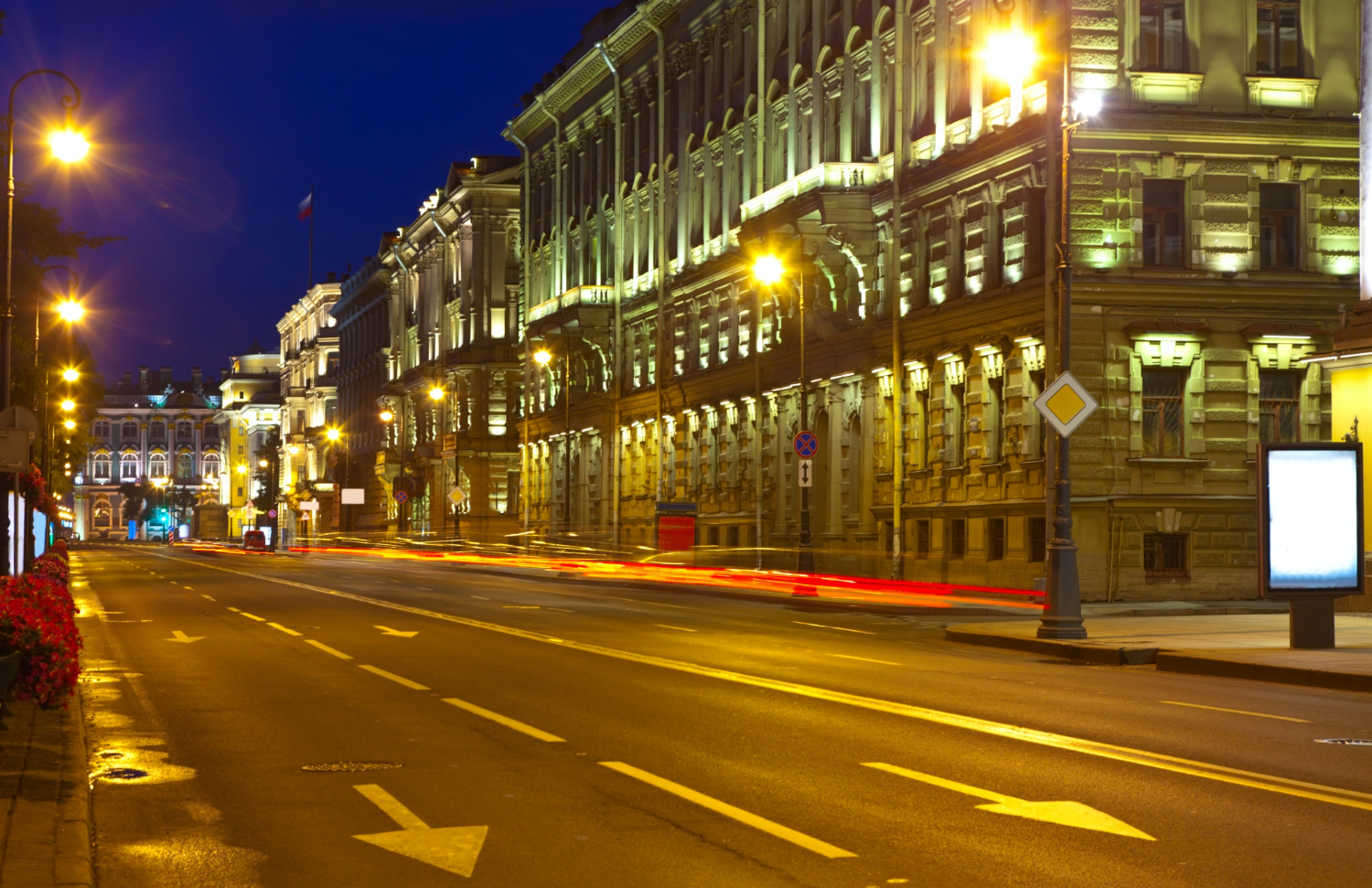
None of this involves asking anybody anything or going anywhere in particular. It is a set of things to notice, and they are all available within a short walk of wherever you arrived. Here are ten.
1. Look at What the Buildings Are Made Of
Vernacular building material is whatever was available within carting distance before transport was cheap – stone, timber, brick, earth, coral, turf – and it tells you what the ground is made of.
Where the material changes, the geology changed. Building material is the first thing to look at because it is a reading of what is underneath.
Like our content? Follow us for more.
2. Look at the Roofs
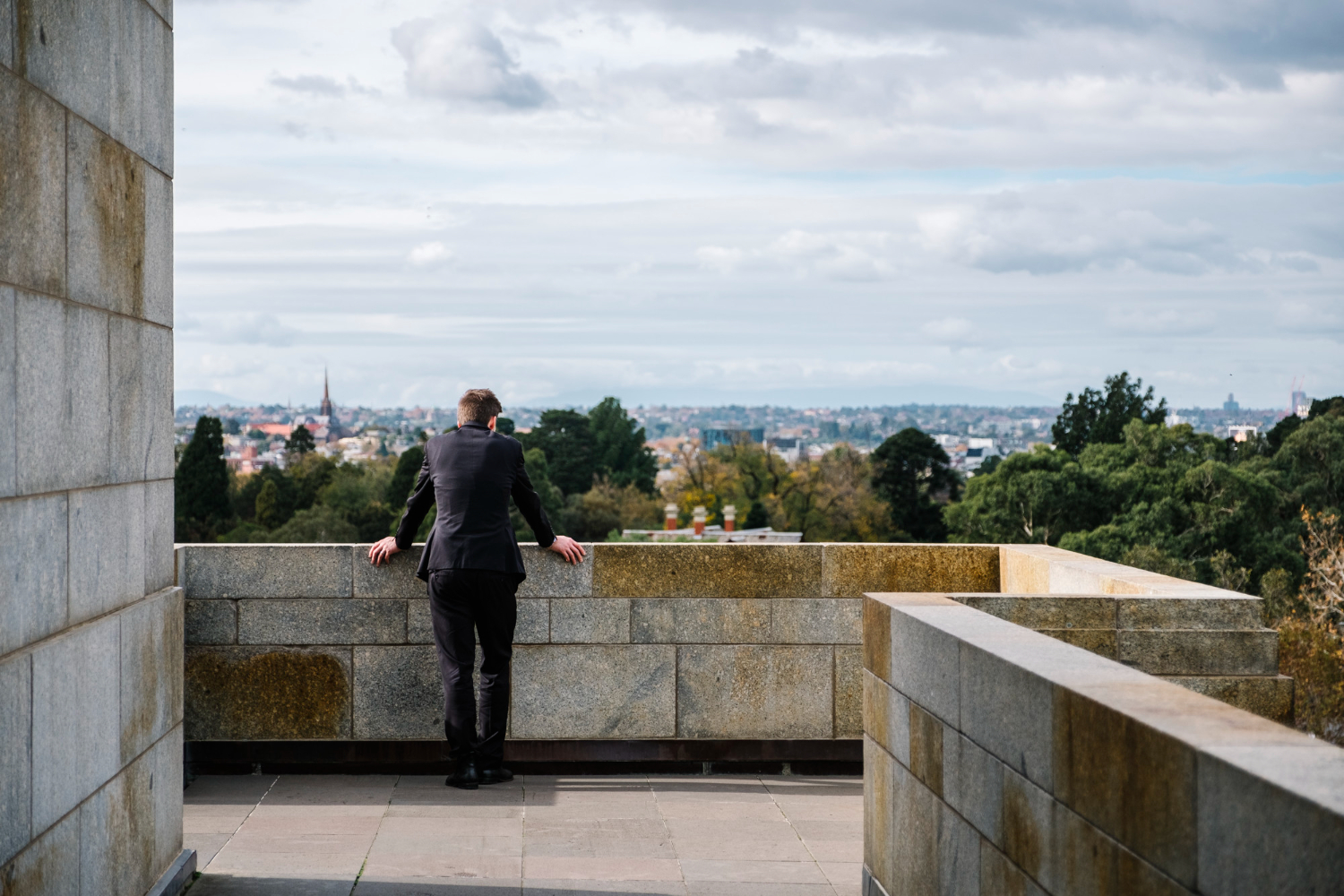
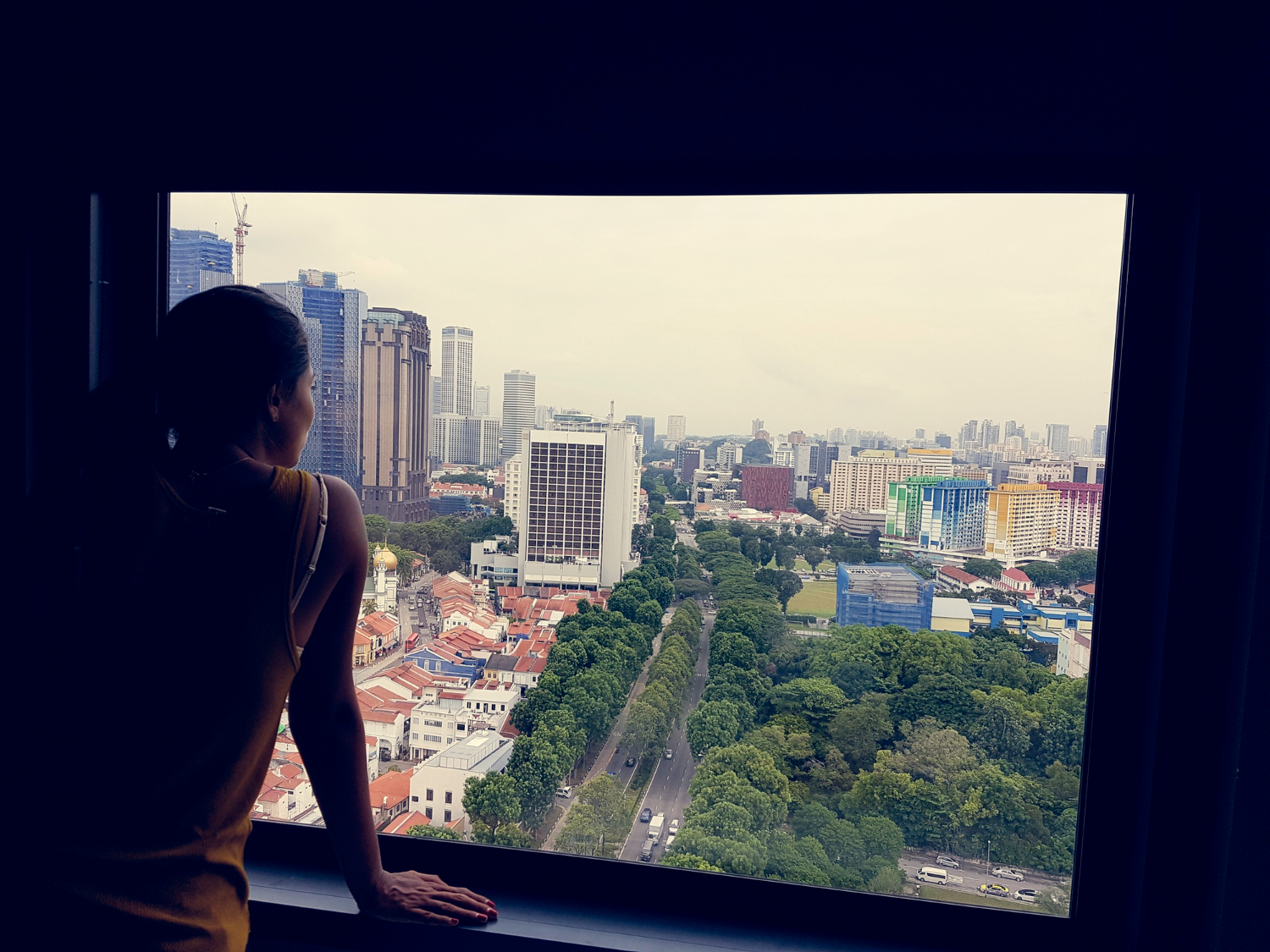
Pitch, overhang, material and weight are all responses to the local weather, so a roofline tells you about rainfall, snow, wind and sun before anyone mentions the climate.
Steep means water or snow; flat means dry; deep eaves mean vulnerable walls. Rooflines are the fastest available weather summary.
3. Look at What Is Repaired and What Is Not

What a place keeps in good order reveals what it values, and what it lets go reveals what has stopped mattering or stopped being affordable.
Both are informative and neither is a criticism. Maintenance patterns are the observation that shows priorities rather than intentions.
4. Look at the Shop Fronts on One Ordinary Street

A single street of everyday shops tells you what people buy, how often, in what quantities and from whom – and how much of it is independent rather than chain.
It is a more honest inventory of daily life than any market aimed at visitors. Ordinary shop fronts are the clearest available picture of how a place actually lives.
5. Look at Where People Sit

Every settlement has places people choose to sit, and where they are – shaded, sunny, sheltered, overlooking something, near water – tells you what the local problem is.
In hot places it is shade; in cold ones it is sun and shelter. Seating choices are the observation that reveals what the weather does.
6. Look at the Time of Day Things Happen
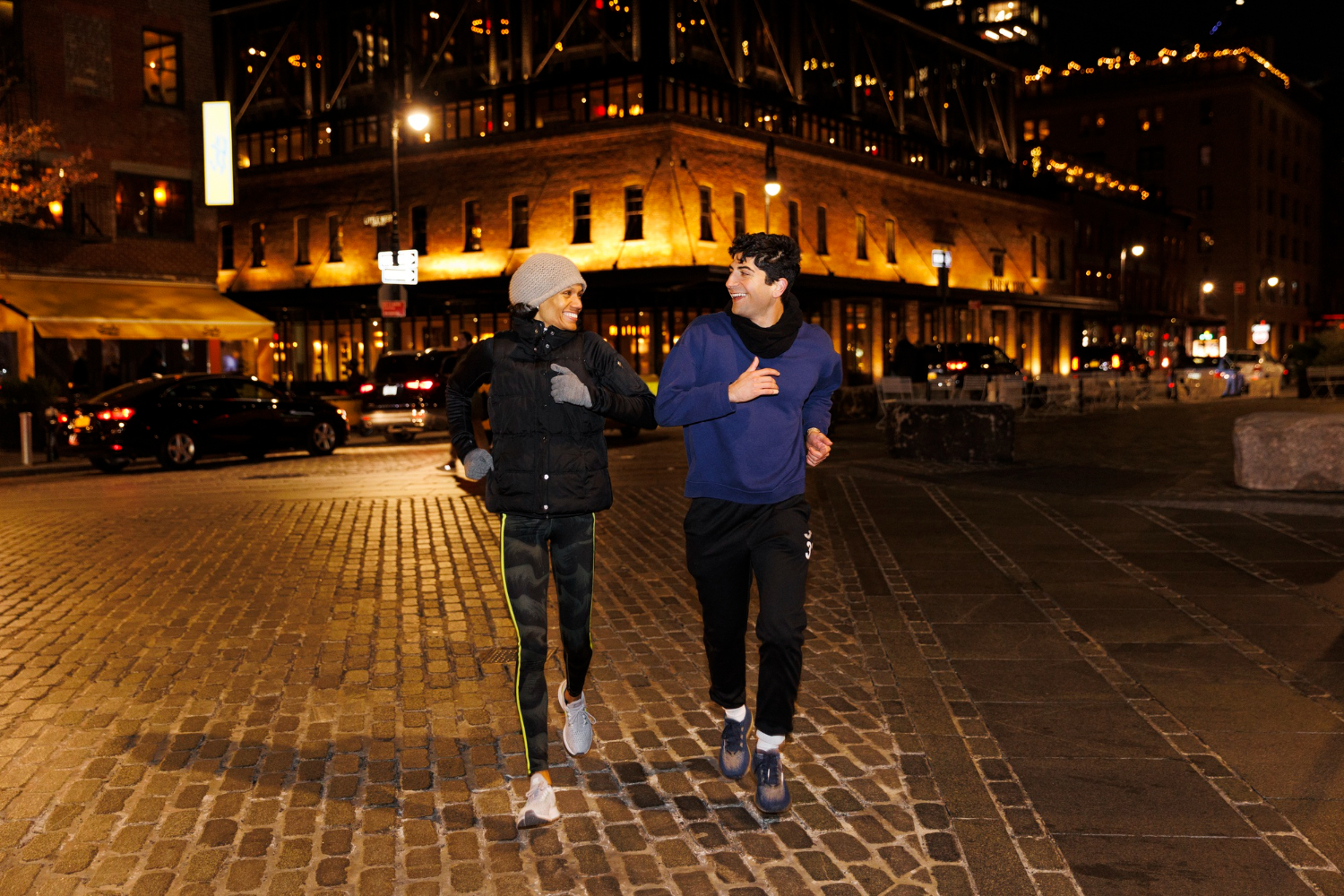
Watch when the streets fill and empty, when shops shut, when people eat, when children appear and when everything stops.
Every place runs on a schedule and almost nobody tells visitors what it is. Daily rhythm is the pattern that determines whether you are ever in the right place.
7. Look at How Wide the Streets Are

Street width is fixed by what had to pass along it when it was laid out – a cart, a person, a tram, a car – so the plan preserves an older transport system.
Narrow winding means pre-vehicle; wide straight means planned. Street width is the observation that dates a settlement without any research.
8. Look at What Is Growing

Cultivated plants tell you the growing season, the water supply and what the soil supports, and self-seeded plants in the cracks tell you what the climate actually is.
Both are visible in any street. Vegetation is the free botanical survey available from a pavement.
9. Look at the Small Public Fittings
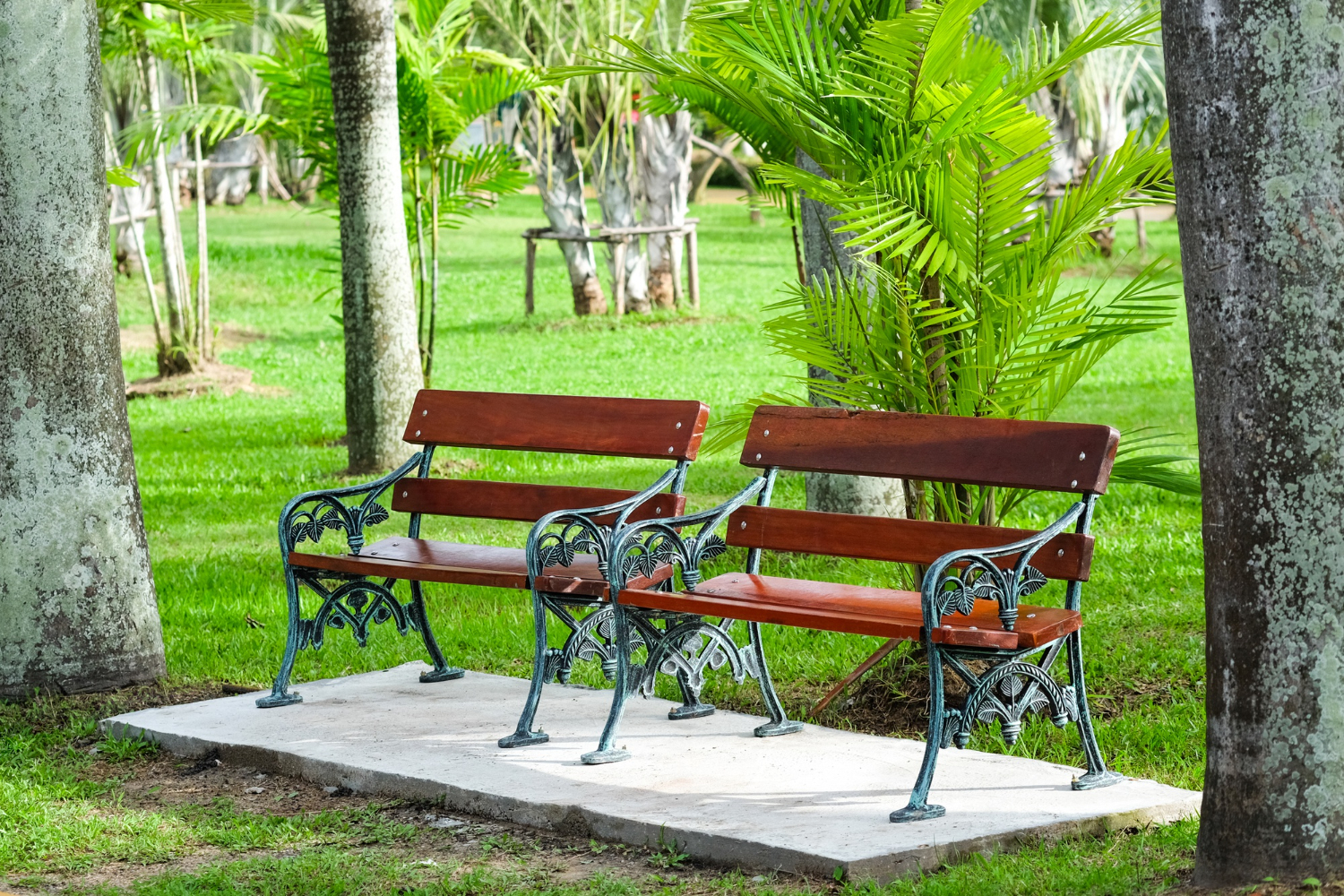
Bins, benches, signage, lamp posts, bollards, drain covers and post boxes are designed, funded and maintained by somebody, and their condition and style are unusually revealing.
They also differ enormously between places in ways nobody photographs. Street furniture is the detail that is different everywhere and noticed nowhere.
10. Look Up Above the Ground Floor
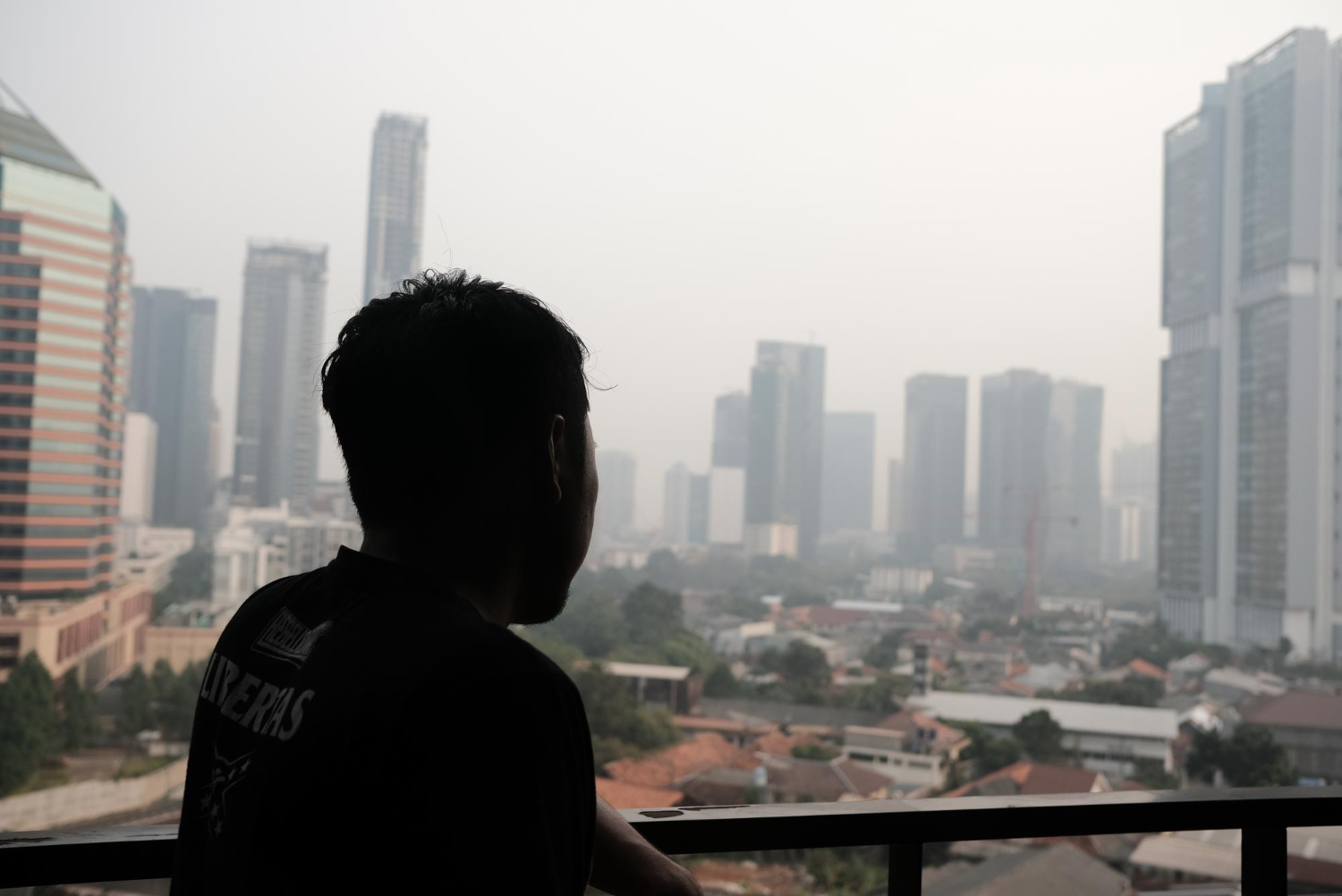
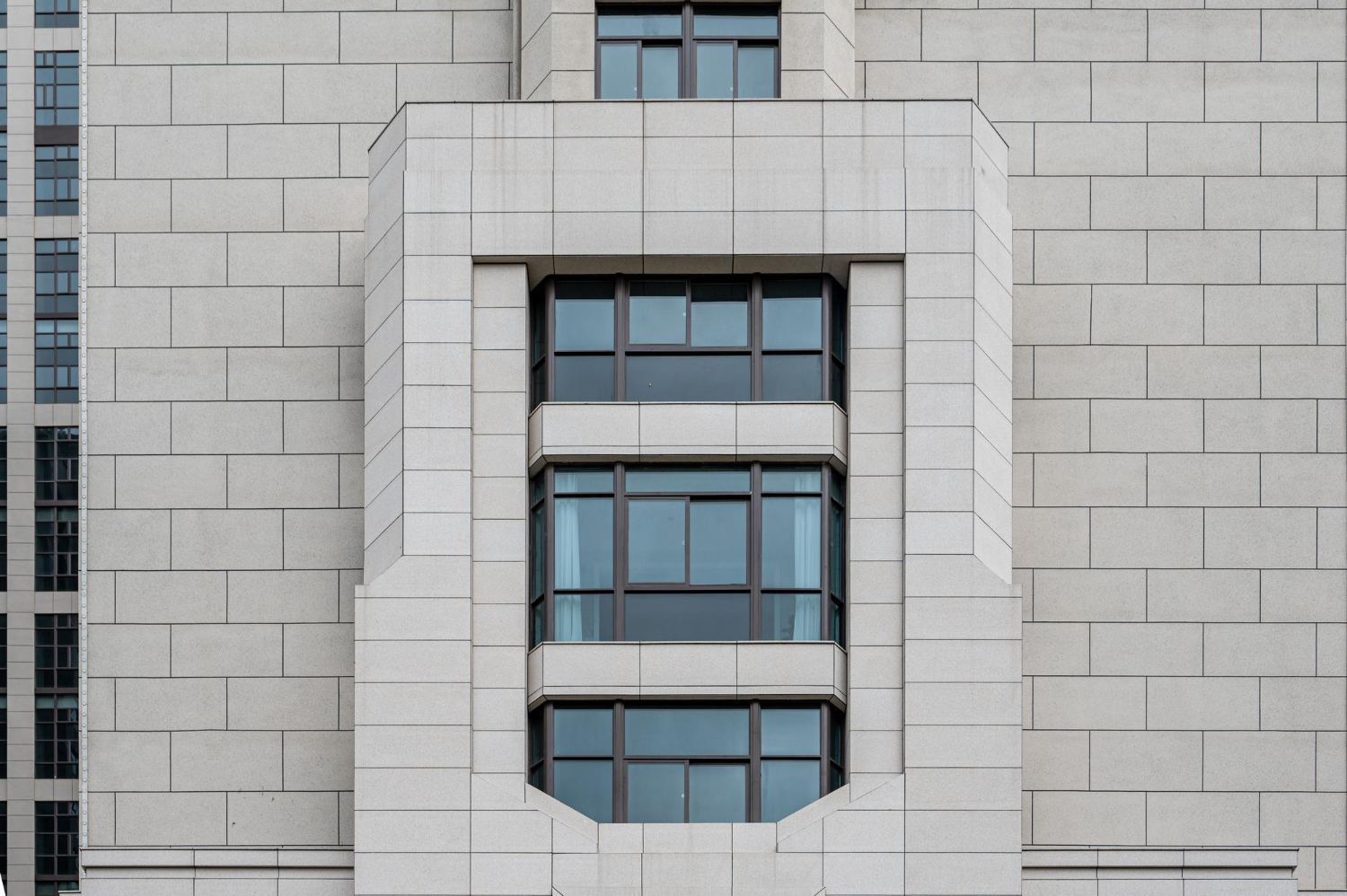
Ground floors are refitted constantly and upper floors are not, so the original building is generally visible from the first floor up while the street level has been replaced.
The two frequently belong to different centuries. Looking up is the single habit that changes what you see in any town.
The Ordinary Things Are the Information
Everything here is free, visible from a pavement and ignored by almost every visitor. None of it requires knowing anything in advance, and all of it is a reading of decisions somebody made about how to live there.
The reason this works is that the attractions were built to be looked at and everything else was not. A monument tells you what a place wants remembered; a drain cover, a roofline and the width of a street tell you what it had to deal with – and the second set is both more honest and available the moment you step outside.
Like our content? Follow us for more.