Every gorge answers two questions: what removed the rock, and why did the sides not fall in afterwards. The second is frequently the more interesting. Here are seventeen answers.
1. The River That Won a Race
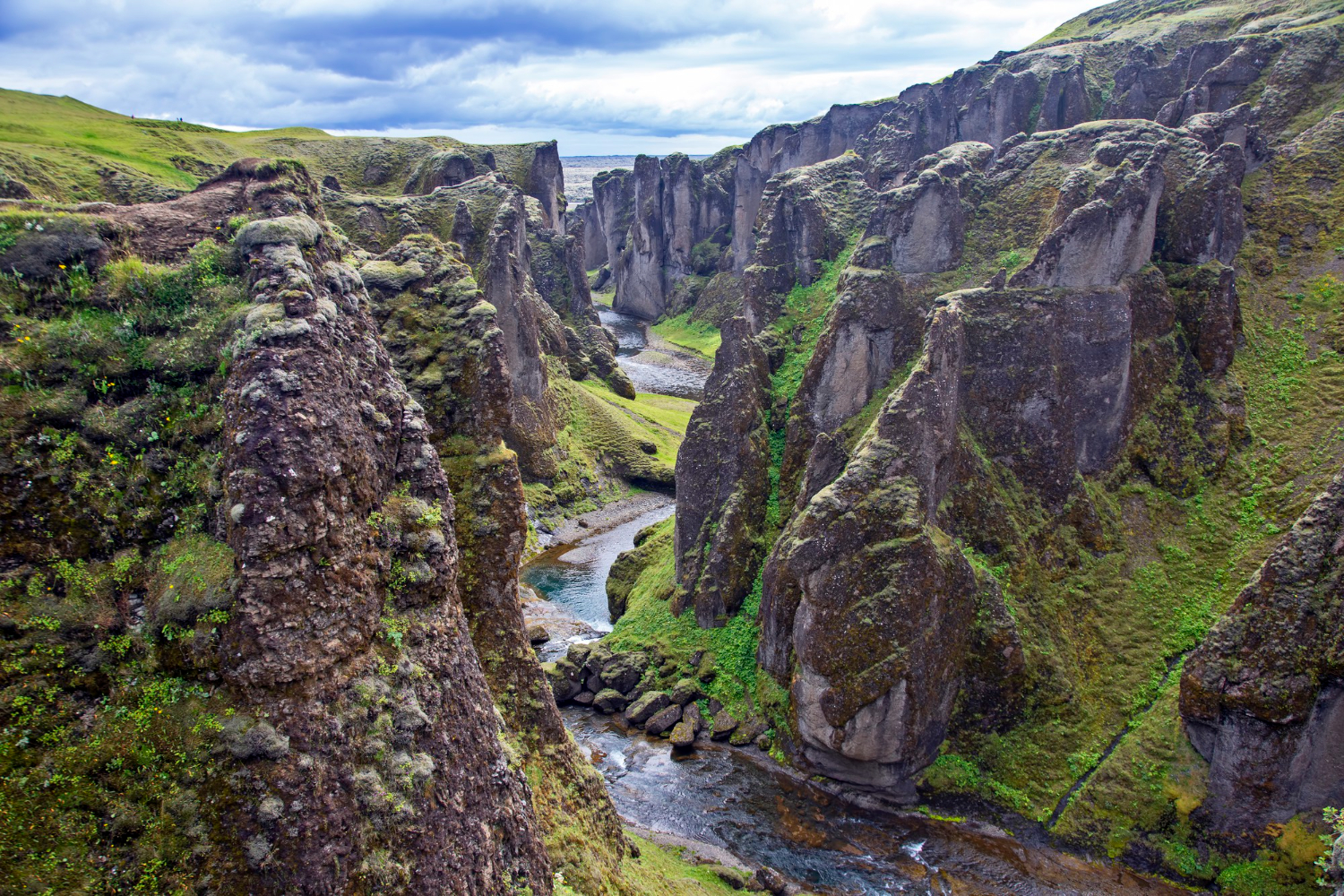
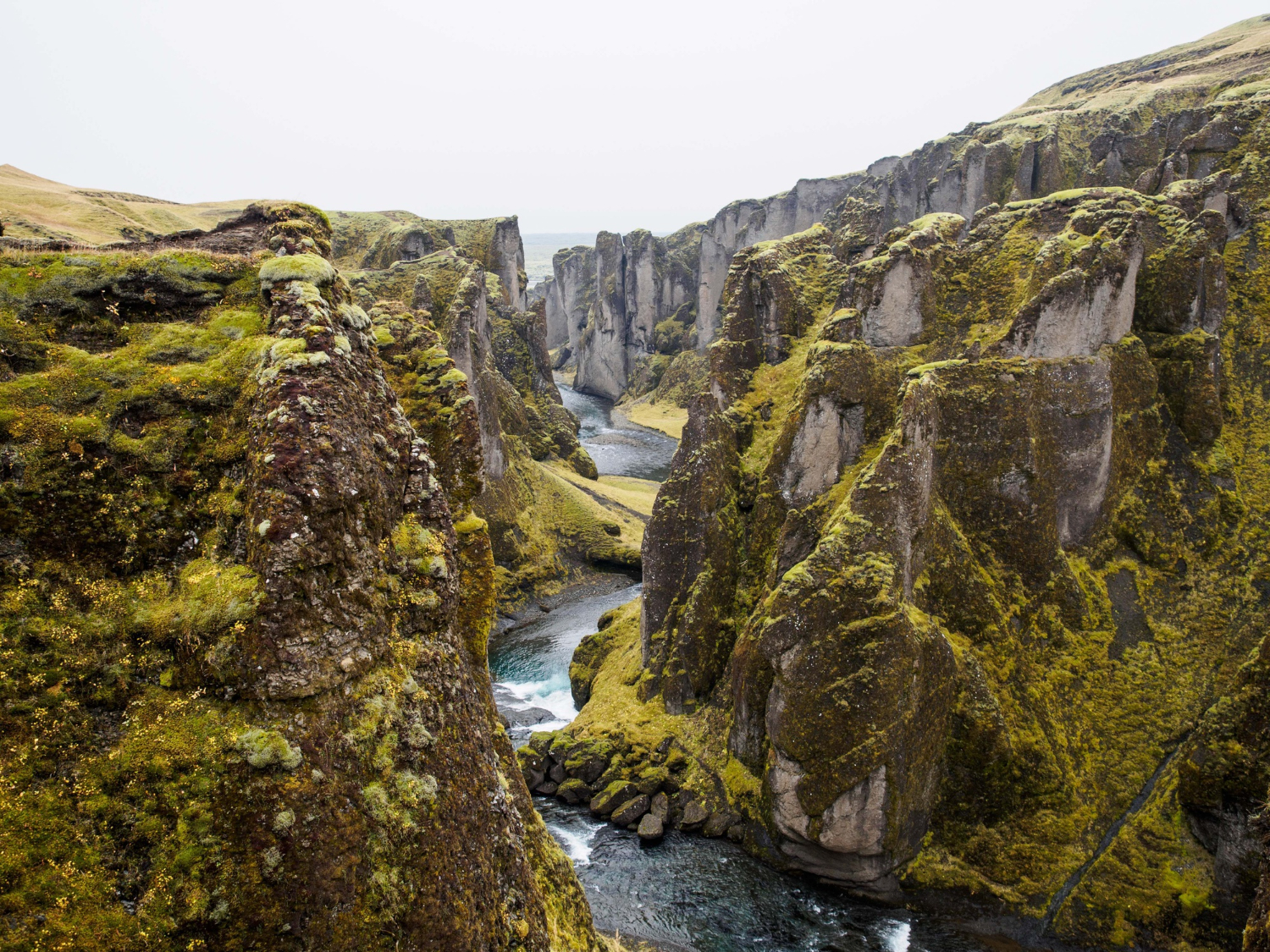
The standard gorge exists because a river cut downward faster than weathering could wear the sides back, which requires either unusually resistant rock or unusually fast cutting.
Slow rivers in soft rock produce valleys instead. The river gorge is the landform where downcutting beat weathering.
Like our content? Follow us for more.
2. The River That Was There First
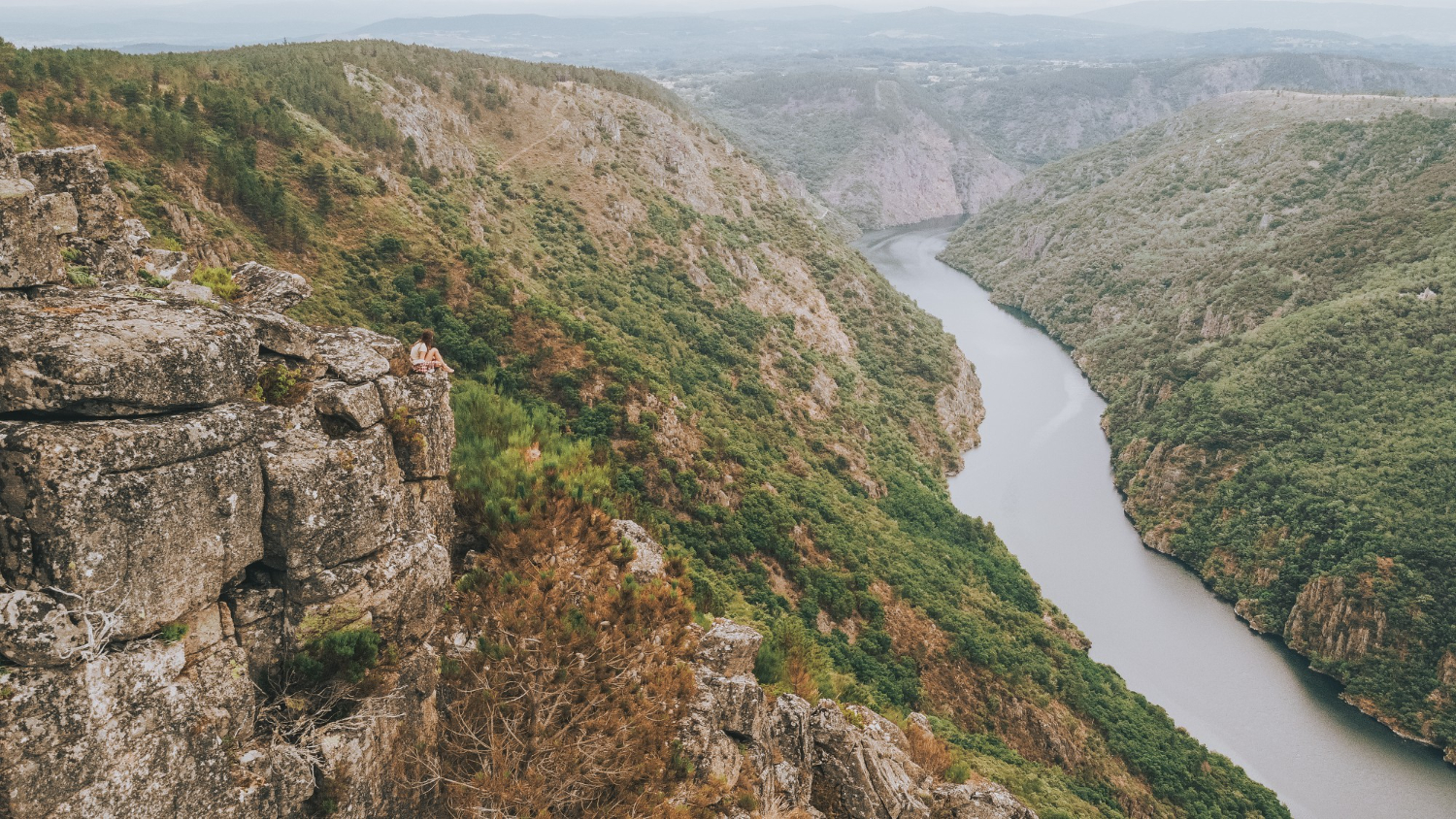
Where land rises slowly and a river is already flowing across it, the river can cut down as fast as the ground goes up, ending in a gorge through a mountain range it should have gone around.
The river predates the mountain. The antecedent gorge is the landform that proves the water was there before the rock rose.
3. The Collapsed Cave System
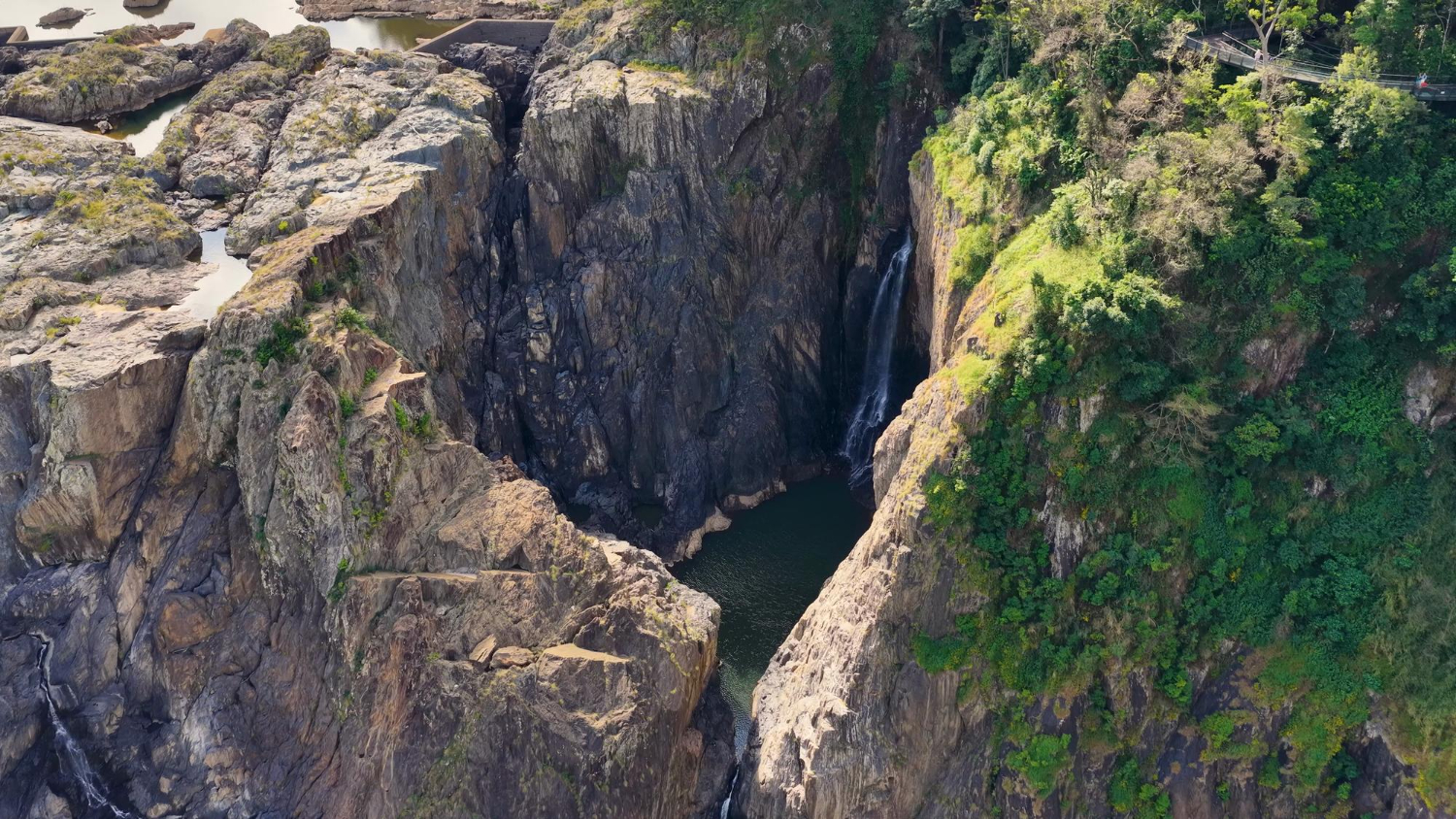
In limestone, water works underground rather than on the surface, dissolving passages and chambers – and where the roof of a large system falls in, the result is a gorge with no river that could plausibly have cut it.
The scale is wrong for the stream running through it. The collapsed cave gorge is the landform that was a ceiling.
4. The Meltwater Channel That Is Now Dry
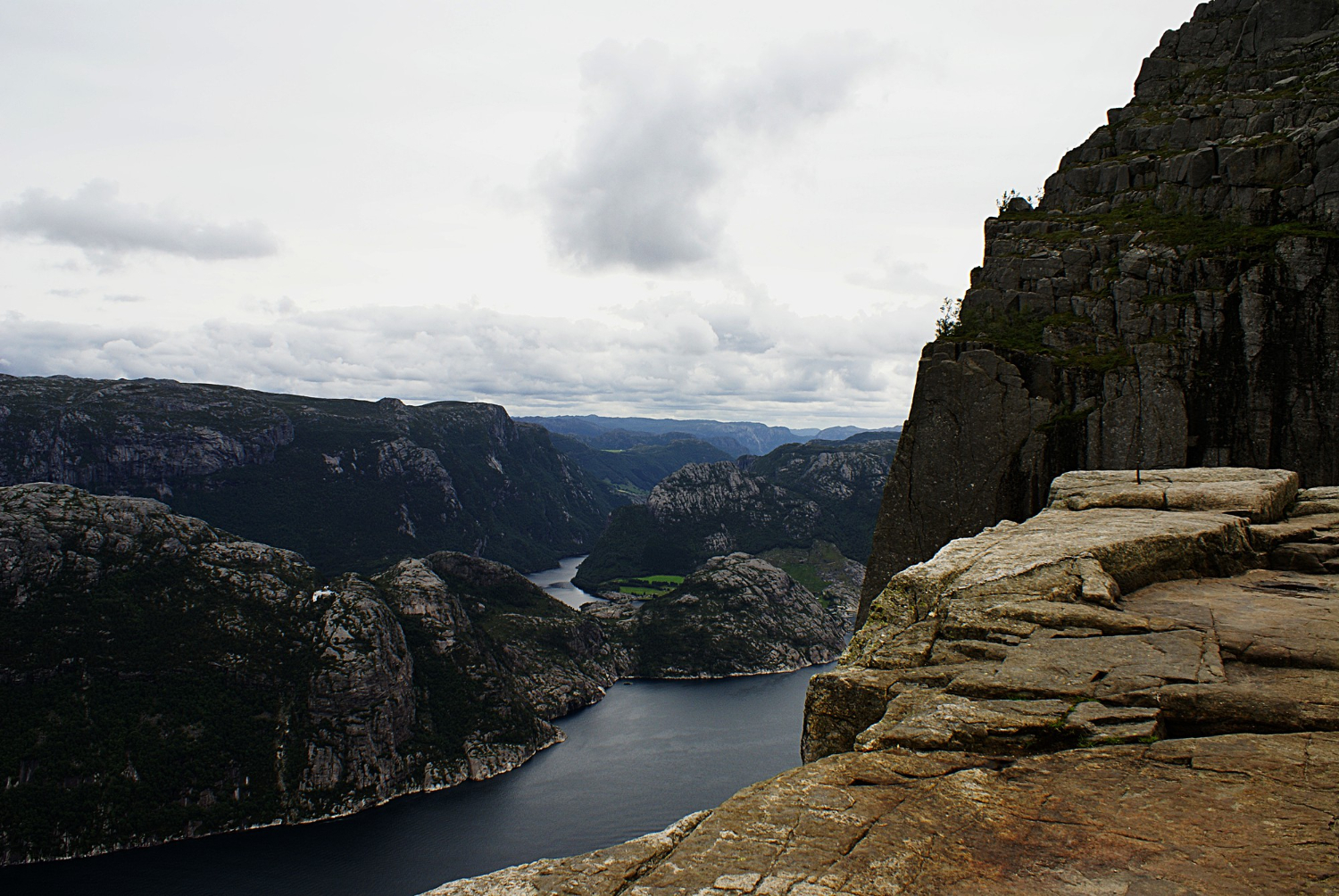
Water under an ice sheet is under enormous pressure and can cut channels uphill, and when the ice goes the channels remain with no water in them at all.
A dry gorge with no catchment is the signature. The meltwater channel is the gorge whose river was made of ice.
5. The Gorge Cut in a Week
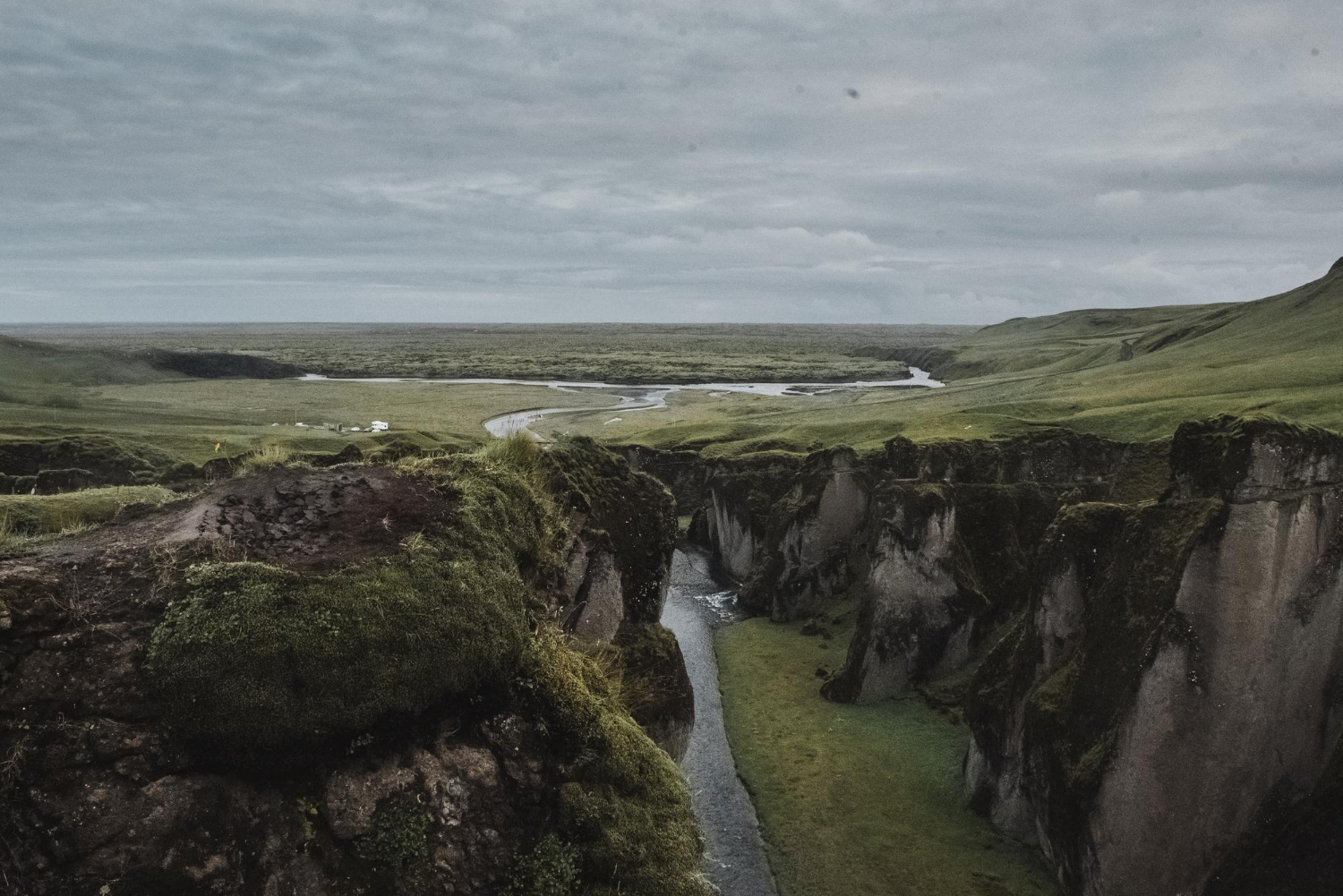
Where a lake dammed by ice or debris fails, the released water can cut a substantial gorge in days rather than millennia, at a scale that looks like slow work and was not.
The evidence is in the deposits rather than the shape. The flood gorge is the landform that took an afternoon.
6. The Slot Canyon
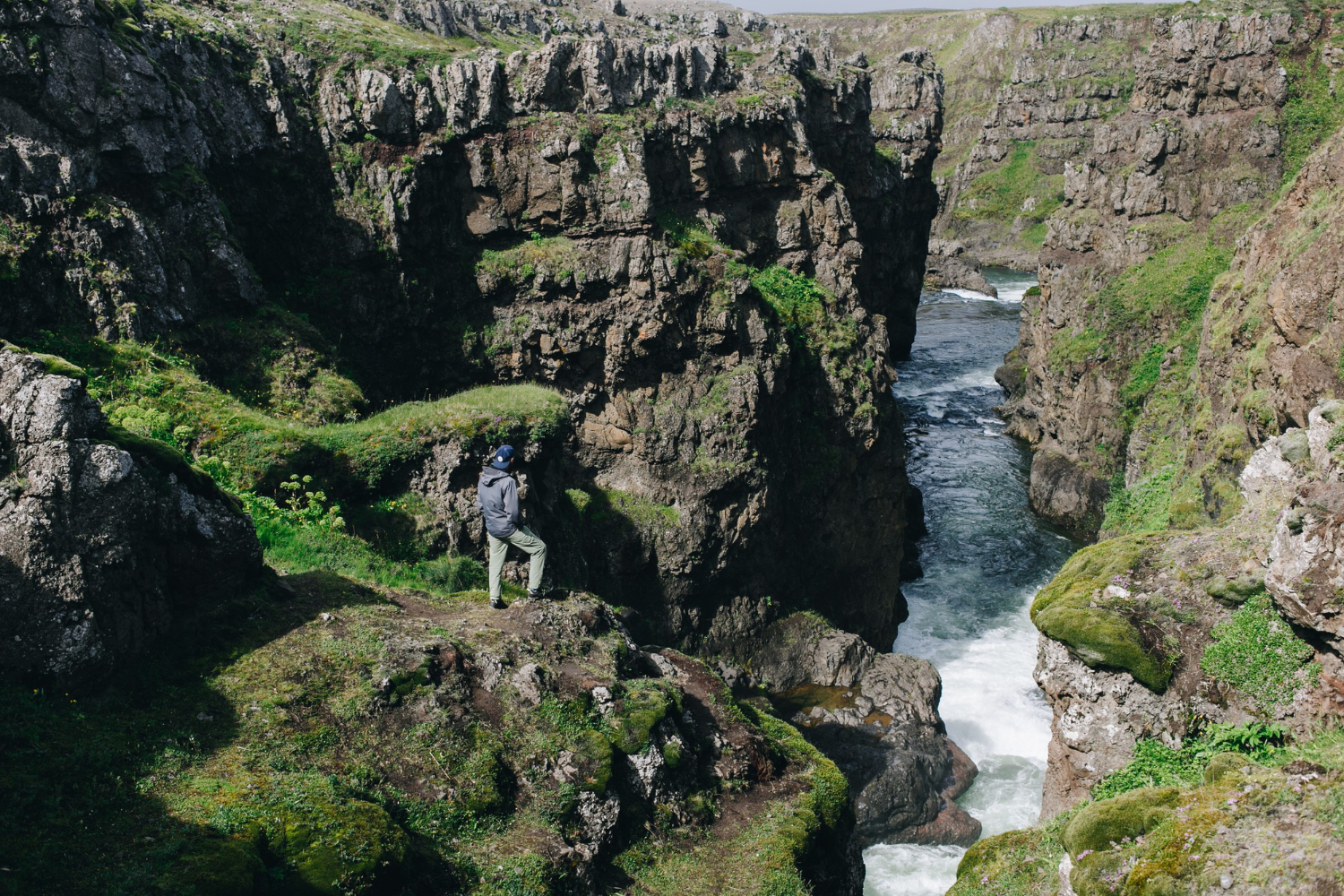
Soft rock scoured by repeated flash floods produces a channel far deeper than it is wide, with sculpted walls and only a strip of sky visible from the floor.
It is dry almost all the time and is cut entirely during the exceptions. The slot canyon is the gorge shaped by water that is hardly ever there.
7. The Gorge That Follows a Fault
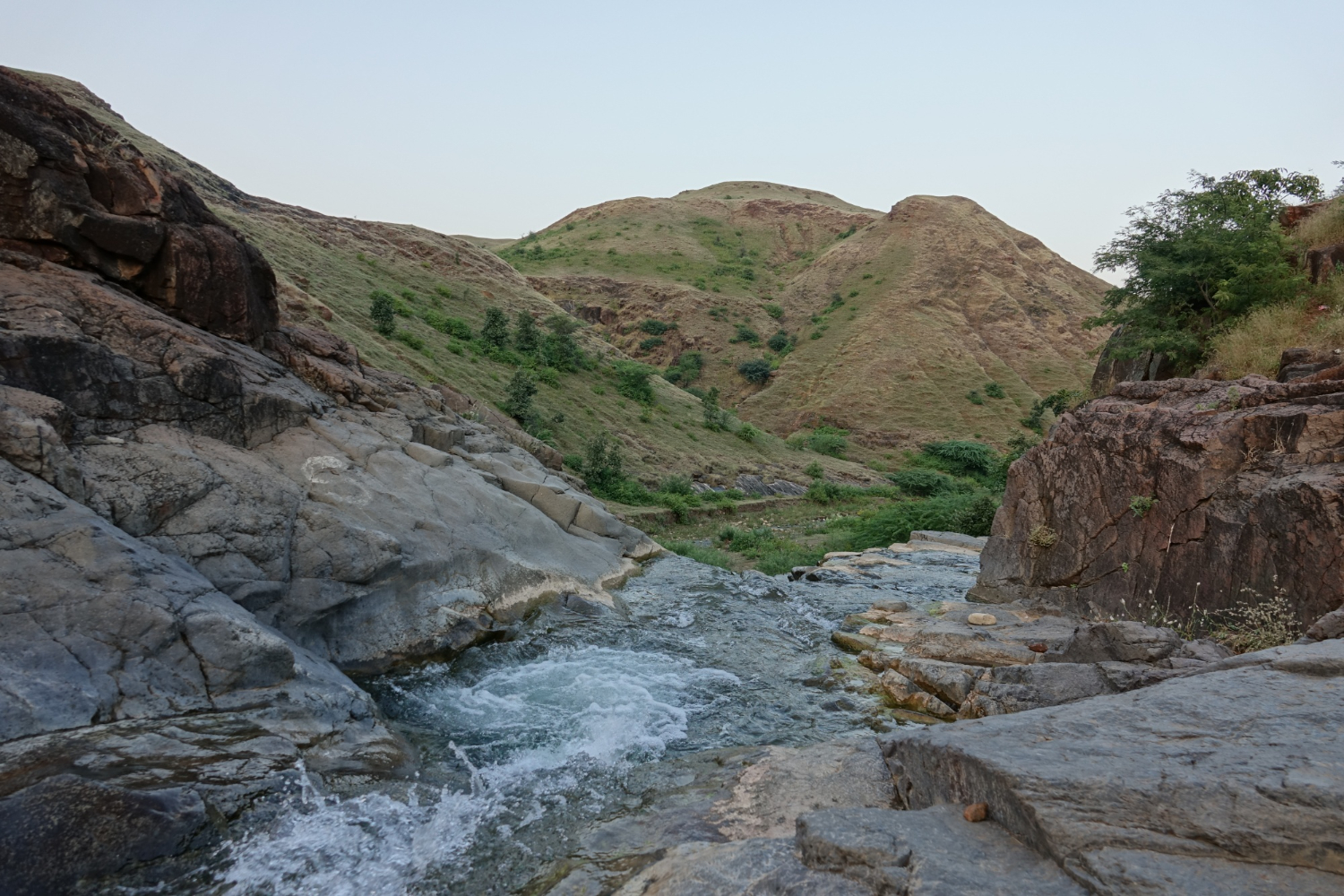
Where a line of weakness runs through rock, water finds it and cuts along it, so the gorge is straight over improbable distances and turns at right angles.
The geometry gives away the geology. The fault gorge is the landform whose route was chosen before any water arrived.
8. The Drowned Gorge
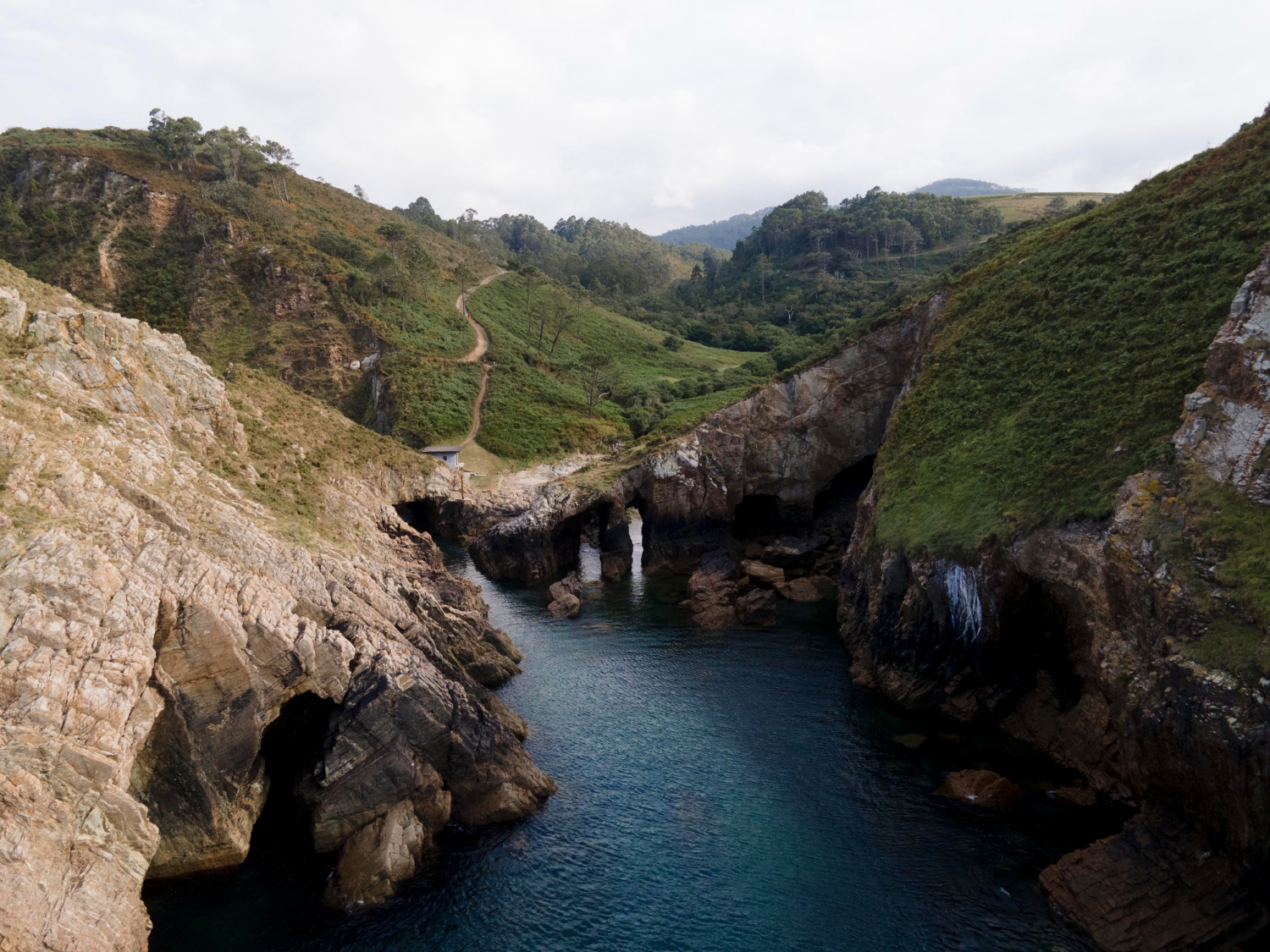
A river gorge cut when sea level was lower is flooded when the sea returns, producing a steep-sided inlet that looks like a valley and is a gorge with water in it.
The profile below the surface tells the story. The drowned gorge is the landform whose lower half is underwater.
9. The Gorge With a Road Cut Into the Wall
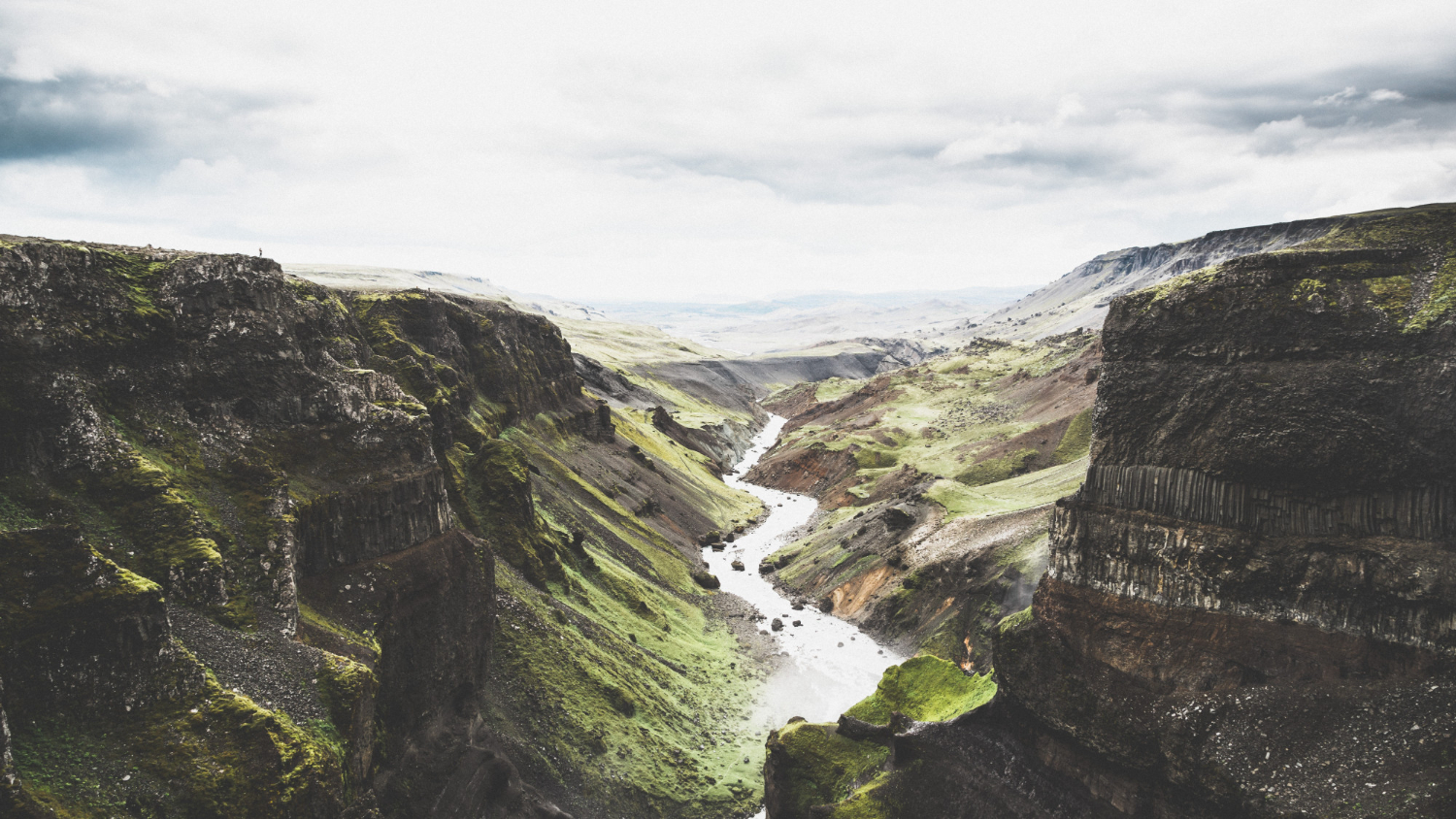
Where a gorge was the only route through a range, roads were cut into the rock face, sometimes as ledges and sometimes as galleries with the rock left overhead.
The engineering frequently predates machinery. The road gorge is the landform where the route is carved into the side of it.
10. The Gorge With a Railway Through It
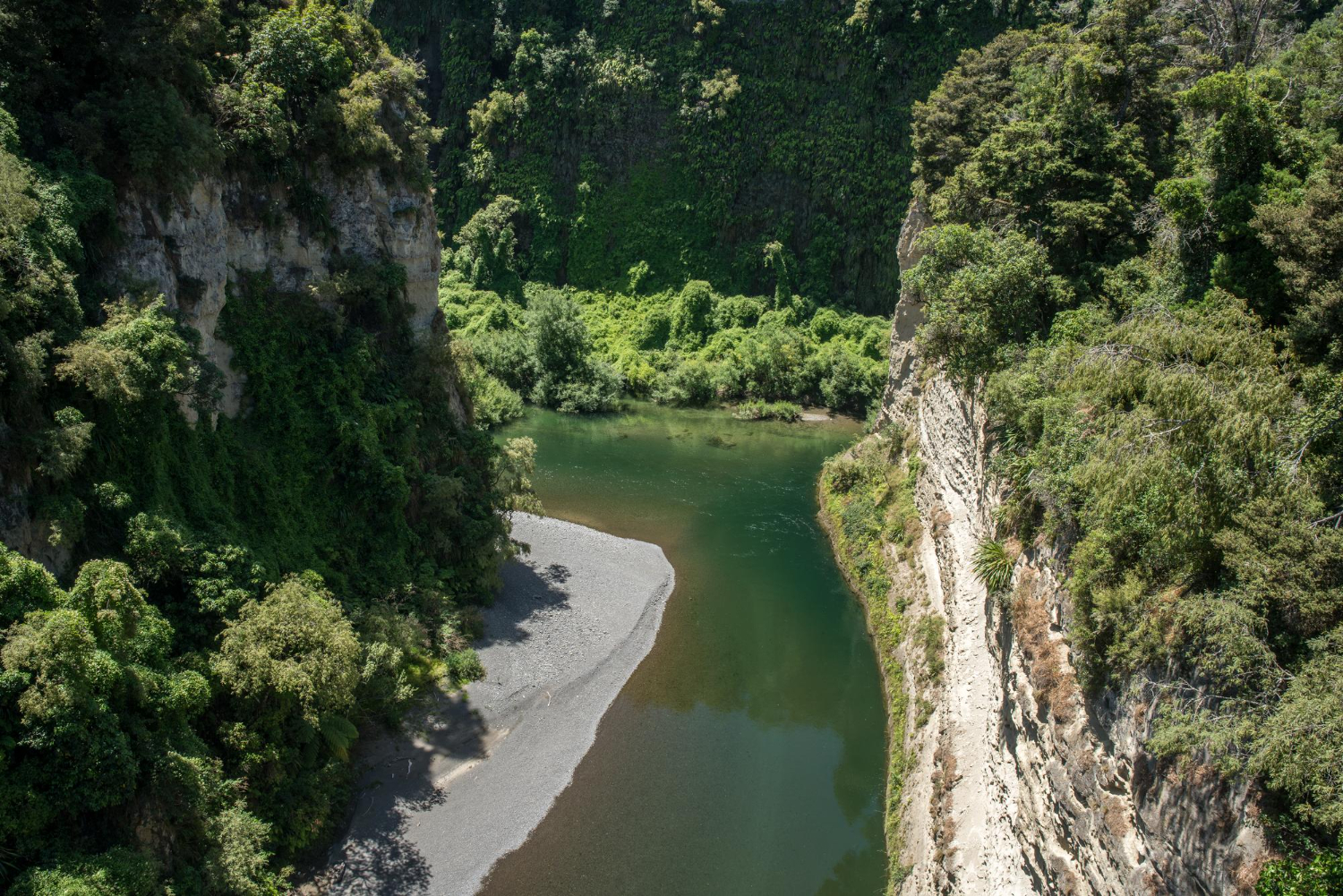
Rail engineering in gorges produced some of the most demanding construction anywhere – tunnels, ledges and bridges within a few hundred metres of one another.
The line had no alternative alignment. The railway gorge is the landform that forced the hardest engineering on the route.
11. The Gorge Widened by Hand
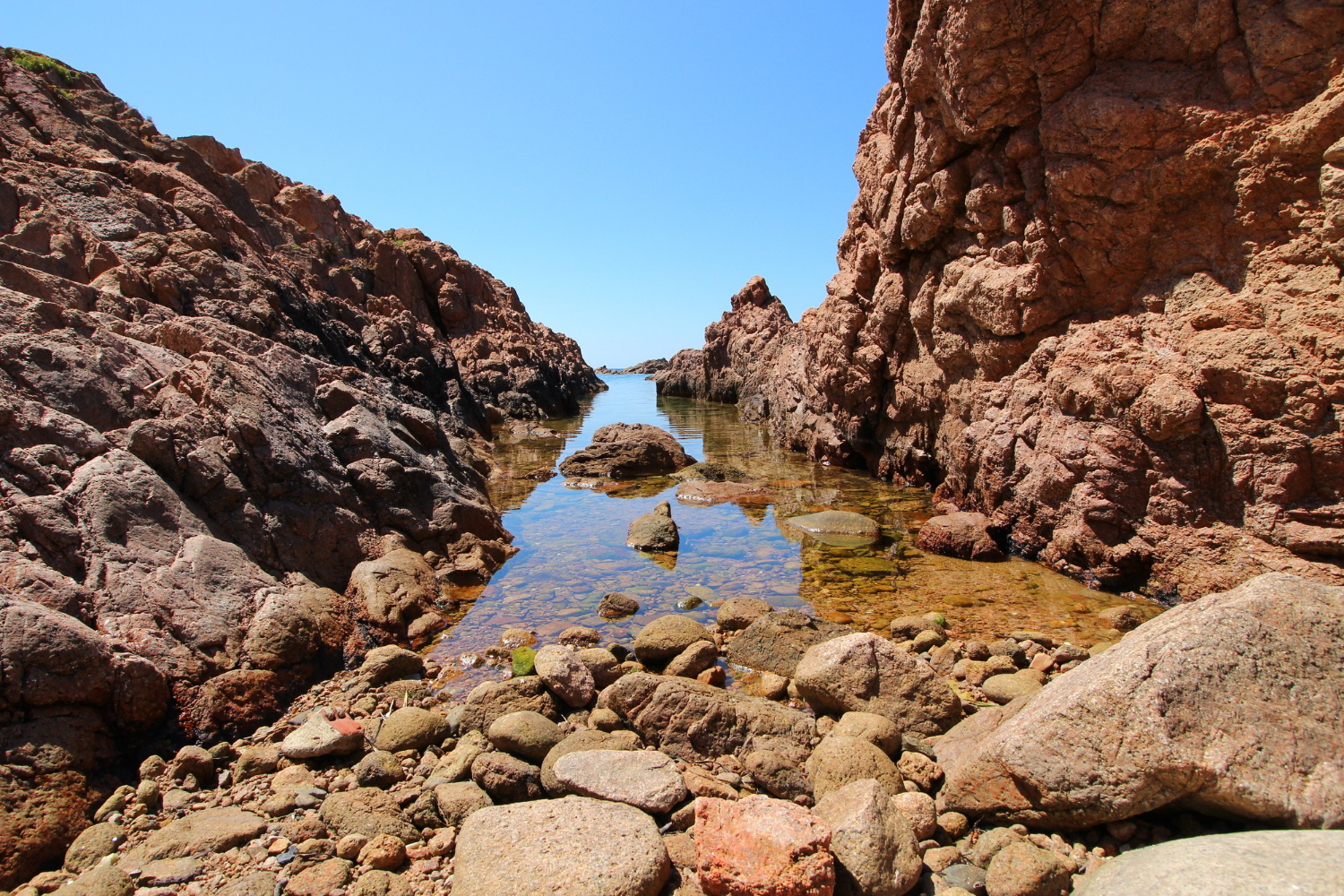
Some narrow gorges carrying ancient routes were deliberately widened with tools, and the marks survive on the walls where somebody enlarged a passage to fit a cart.
It is an unexpected thing to find on a cliff. The worked gorge is the landform partly cut by people.
12. The Gorge With Its Own Climate
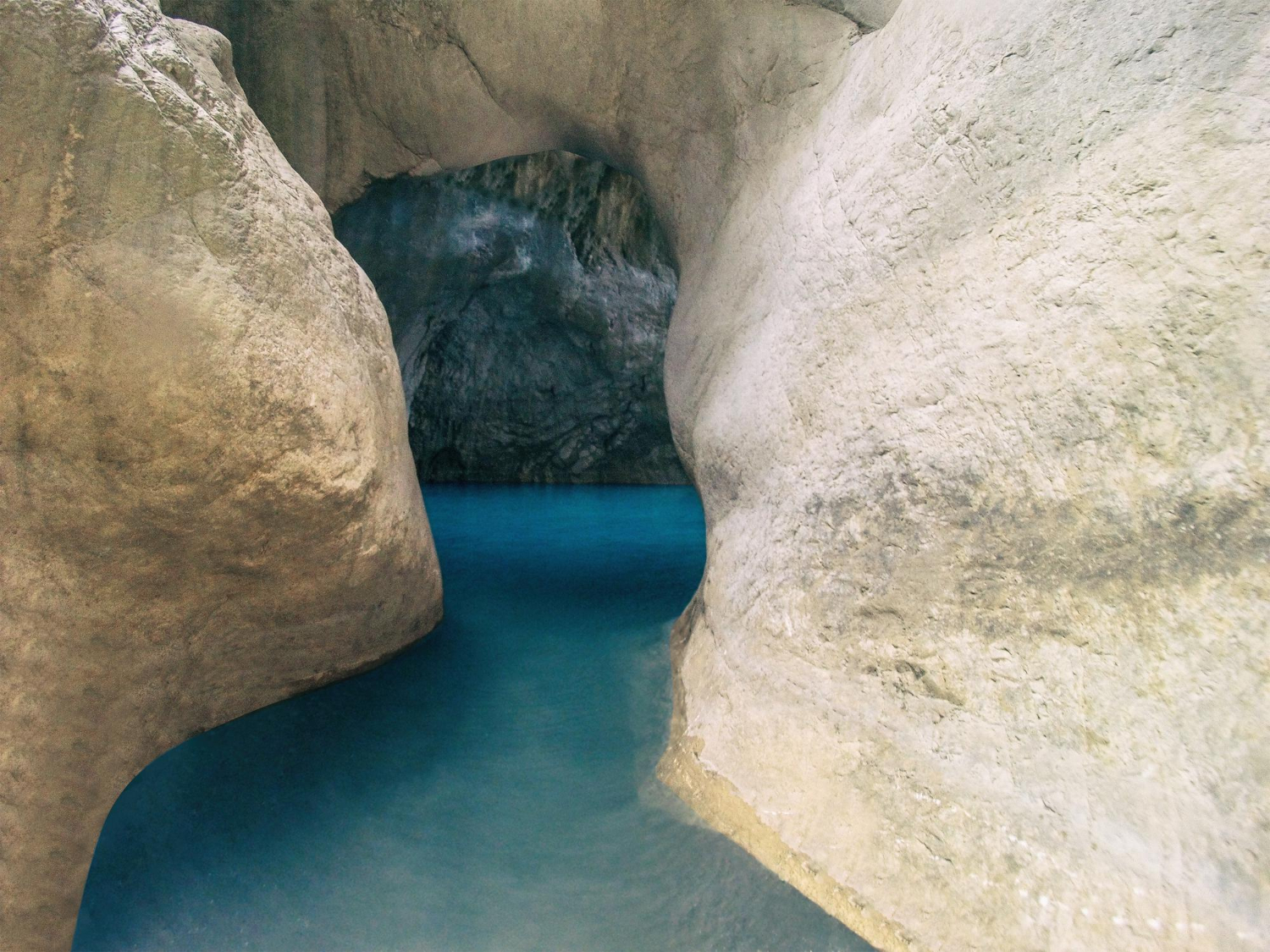
Deep narrow gorges hold shade, humidity and still air, supporting vegetation entirely absent from the exposed land above, sometimes including relict species.
The floor and the rim are different habitats. The microclimate gorge is the landform that preserves what the surroundings lost.
14. The Gorge That Only Exists in Flood
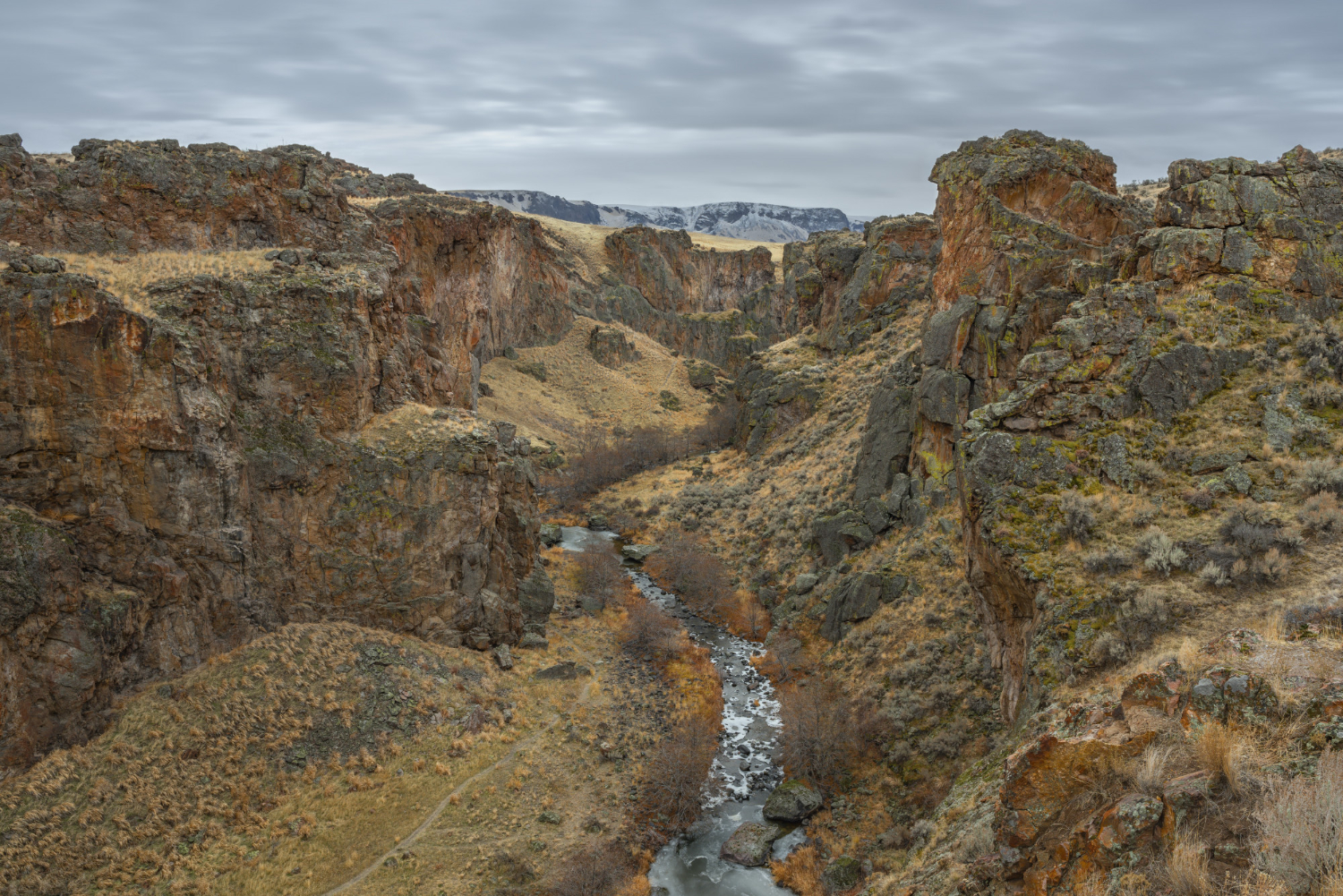
Some channels are dry ground for most of the year and a substantial river for a few days, and the gorge is cut entirely during those days.
Nothing about the dry channel indicates the force involved. The ephemeral gorge is the landform whose cutting nobody normally sees.
15. The Gorge Where the Walls Are Different Rocks
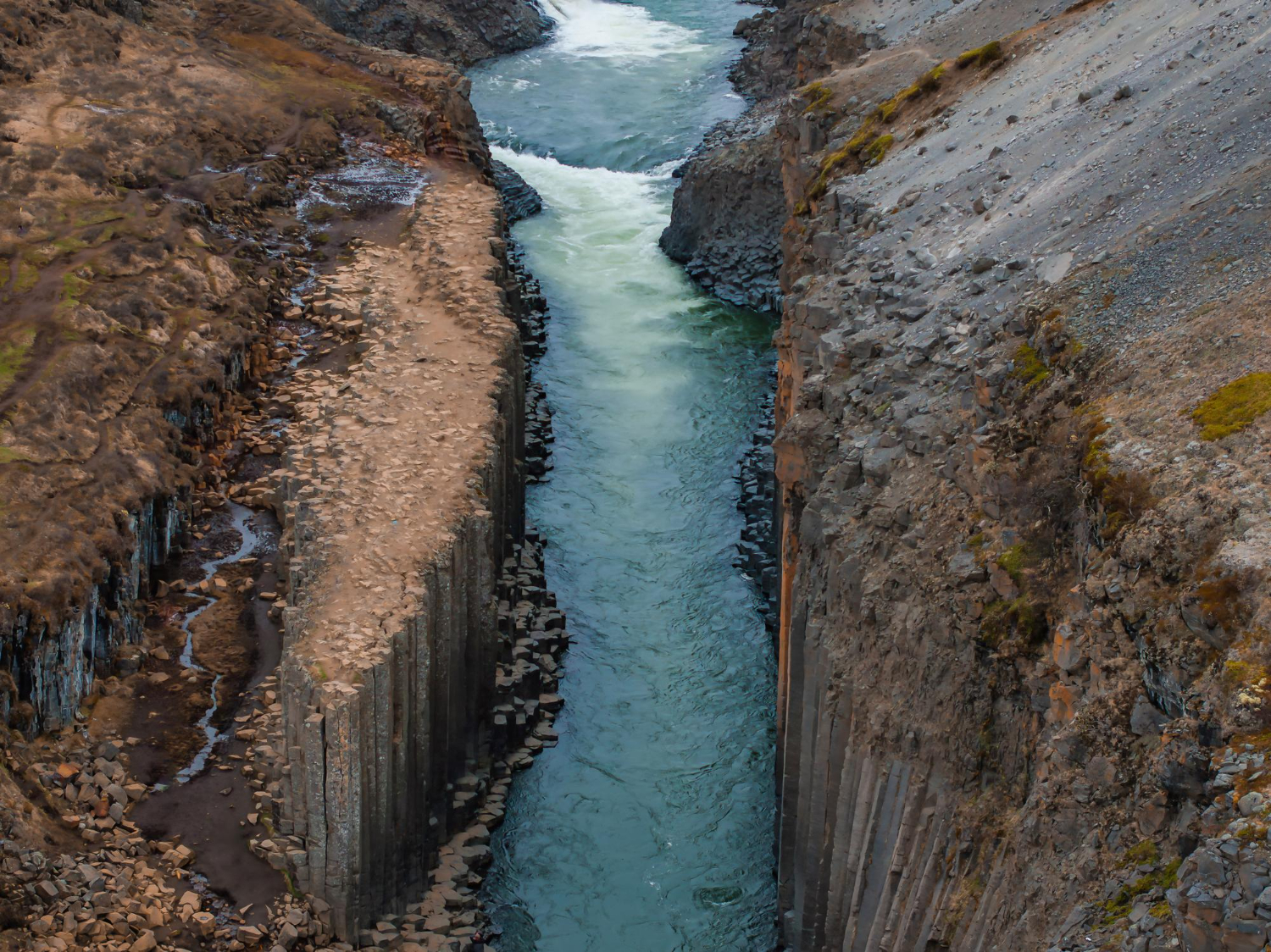
Where a gorge cuts through layered rock, the walls display the sequence in cross-section, with resistant bands standing proud and softer ones recessed.
You can read the geological history vertically. The layered gorge is the landform that is a diagram of what is underneath.
16. The Gorge With a Waterfall Retreating Up It
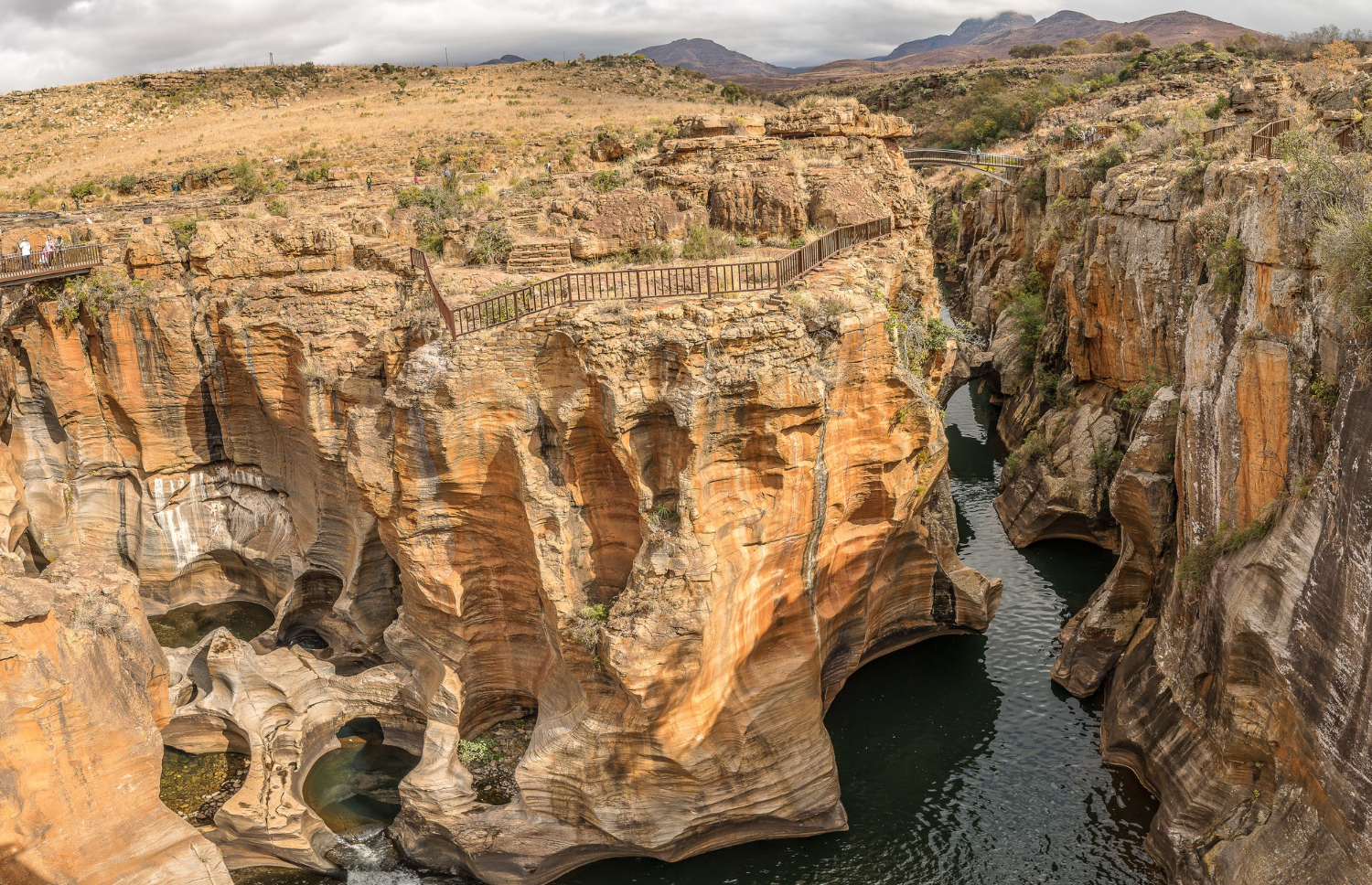
Where a river falls over a resistant band, the fall undercuts and retreats upstream, leaving a gorge behind it that marks exactly where the waterfall used to be.
The gorge is the falls own trail. The retreating fall gorge is the landform that records a waterfall walking backwards.
17. The Gorge That Is Barely Wide Enough
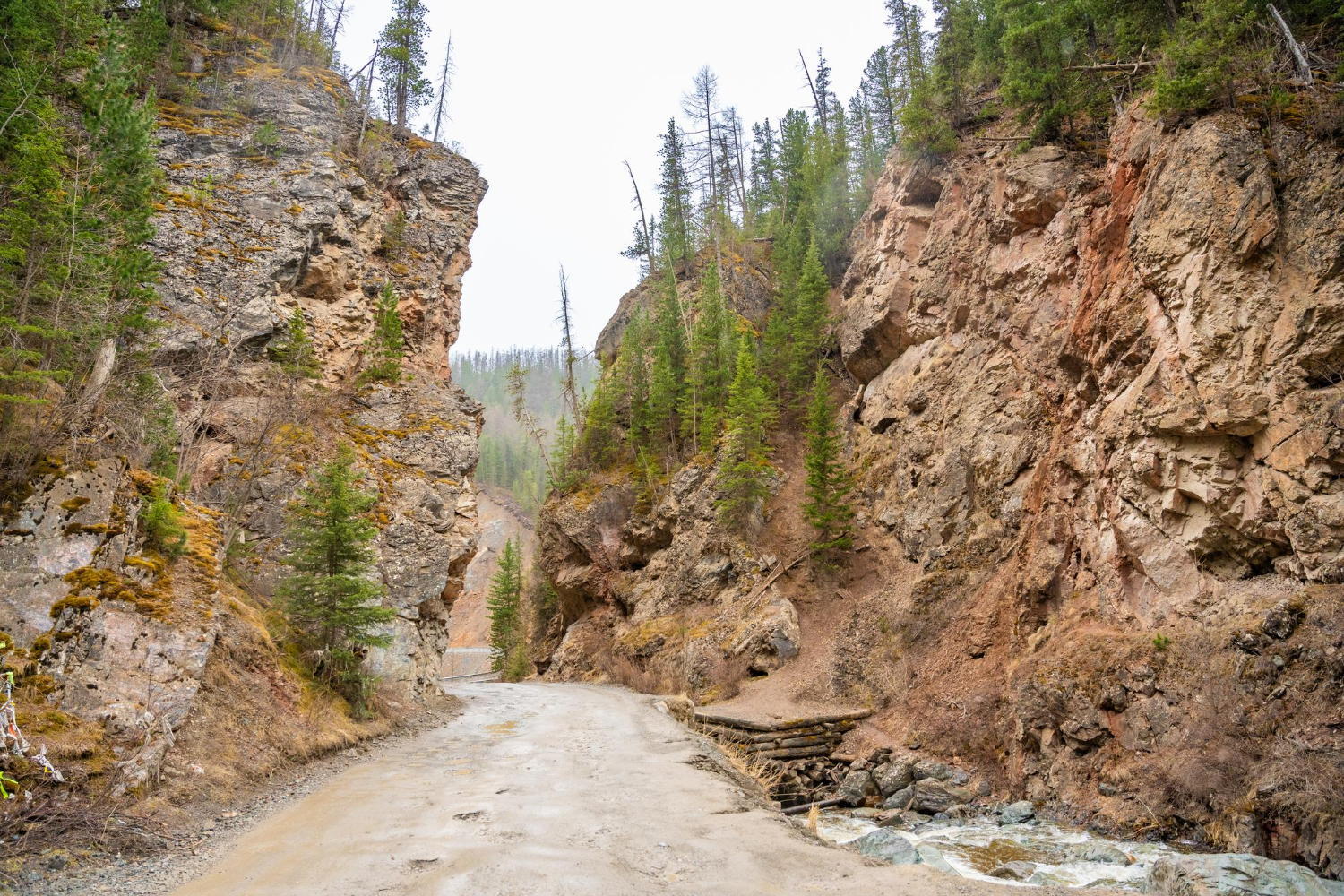
A small number of gorges narrow to the point where the walls can be touched on both sides, with considerable depth above, which is a truly unusual sensation.
They are frequently the most memorable and the least photographable. The narrow gorge is the landform where the scale only registers from inside.
Something Cut Down Faster Than the Sides Fell In
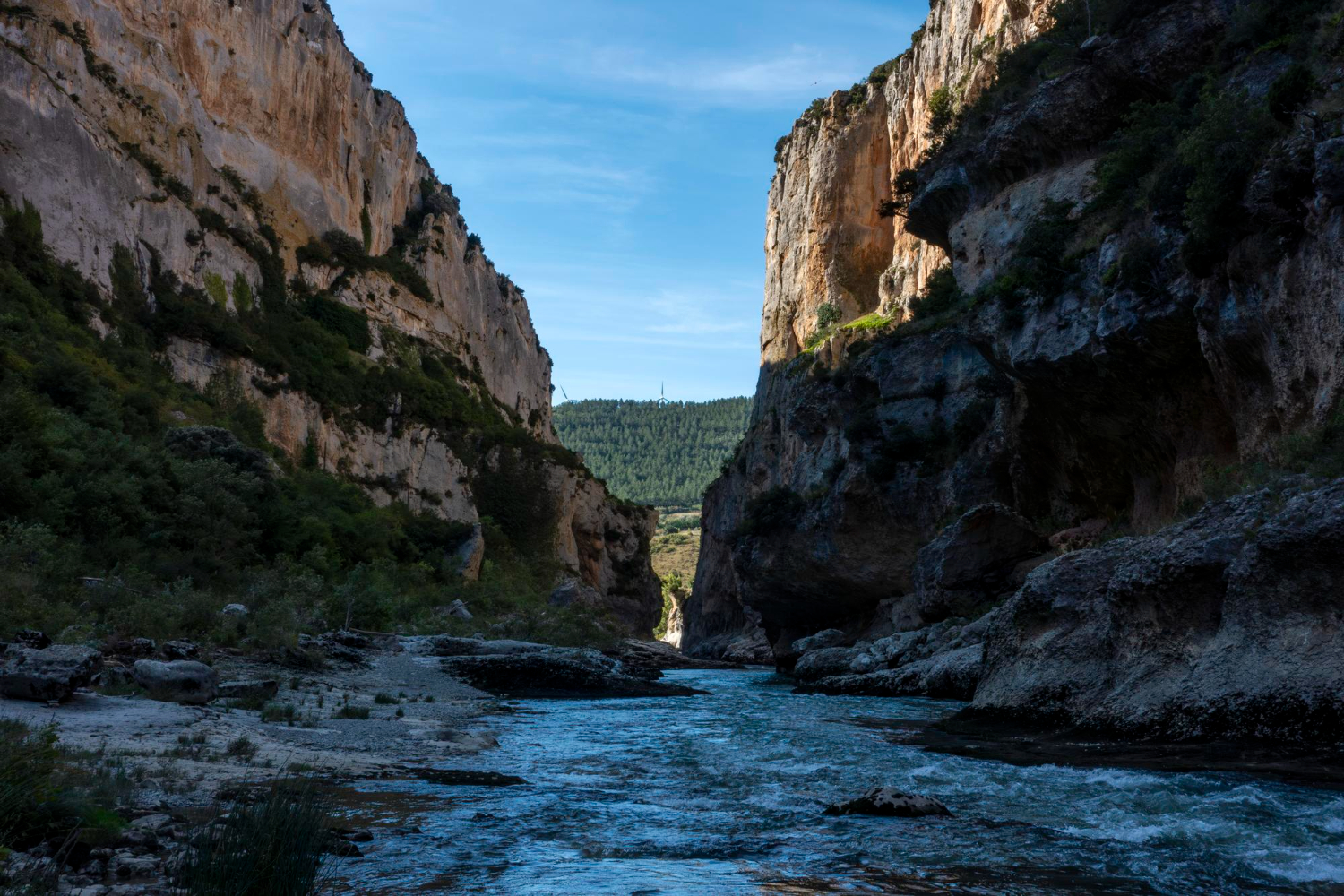
Every gorge here is a balance between two rates. Downcutting must outpace weathering, and the winner is determined by rock type, water volume, speed of uplift and, in several cases, a single catastrophic event.
A necessary caution: gorges are among the more hazardous landscapes to be in. Water levels can rise from rain falling many kilometres upstream in clear weather where you are standing, rockfall is a permanent feature rather than an event, and there is frequently no way out except forward or back. Check upstream conditions rather than local ones, follow whatever local guidance exists, and treat a narrow gorge in unsettled weather as somewhere to be another day.
Like our content? Follow us for more.