The distinction worth holding is between measuring and comparing. A ruler asserts a length and can be wrong about it. The instruments below compare one thing against another, or against a physical fact, and comparison is far harder to corrupt. Here are eleven.
1. The Plumb Line
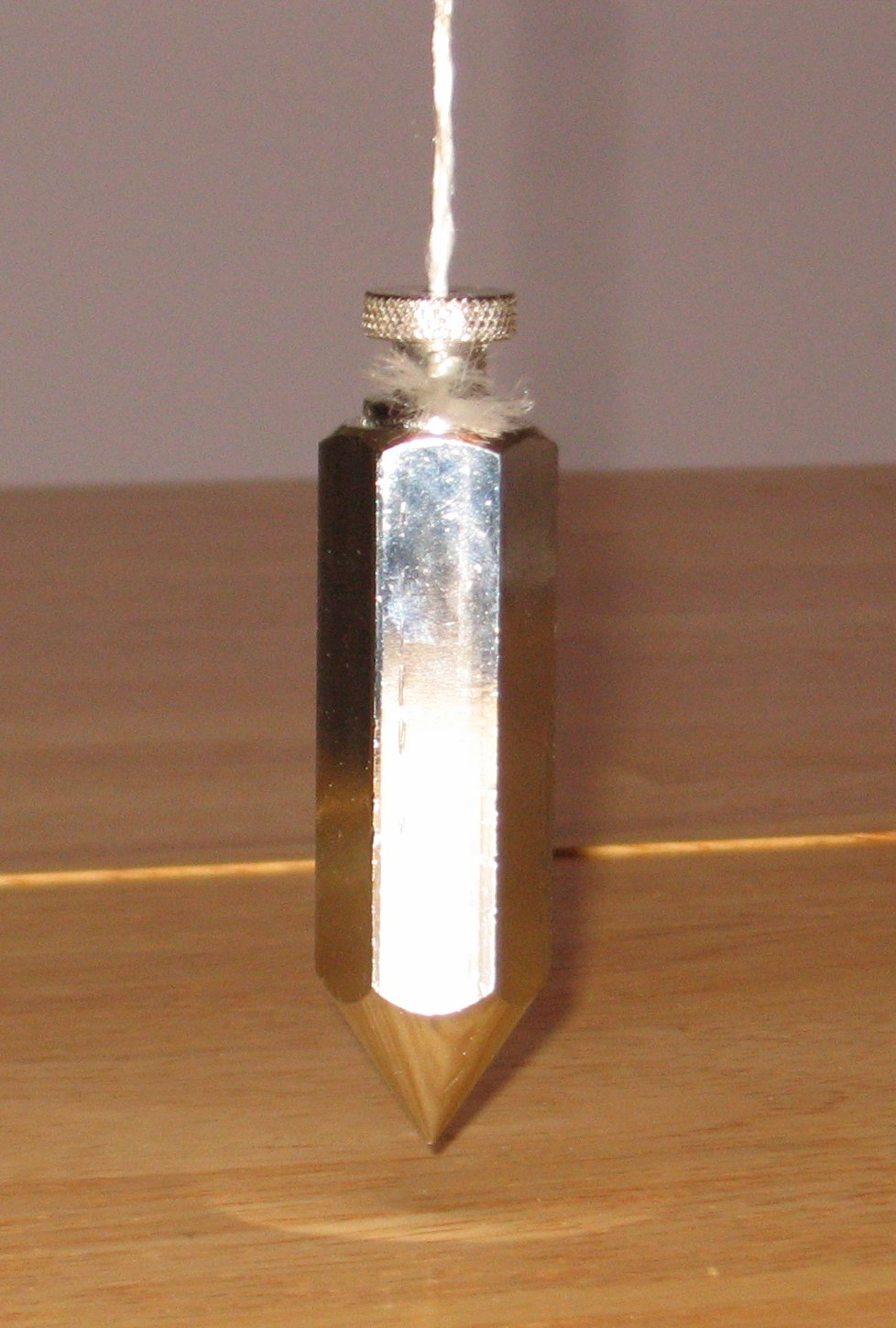
A weight on a string hangs along the direction of gravity, which means it defines vertical without any scale, any calibration or any assumption.
It cannot be wrong unless gravity is, and it requires no maintenance at all. The plumb line is the instrument whose reference is the planet.
Like our content? Follow us for more.
2. The Water Level
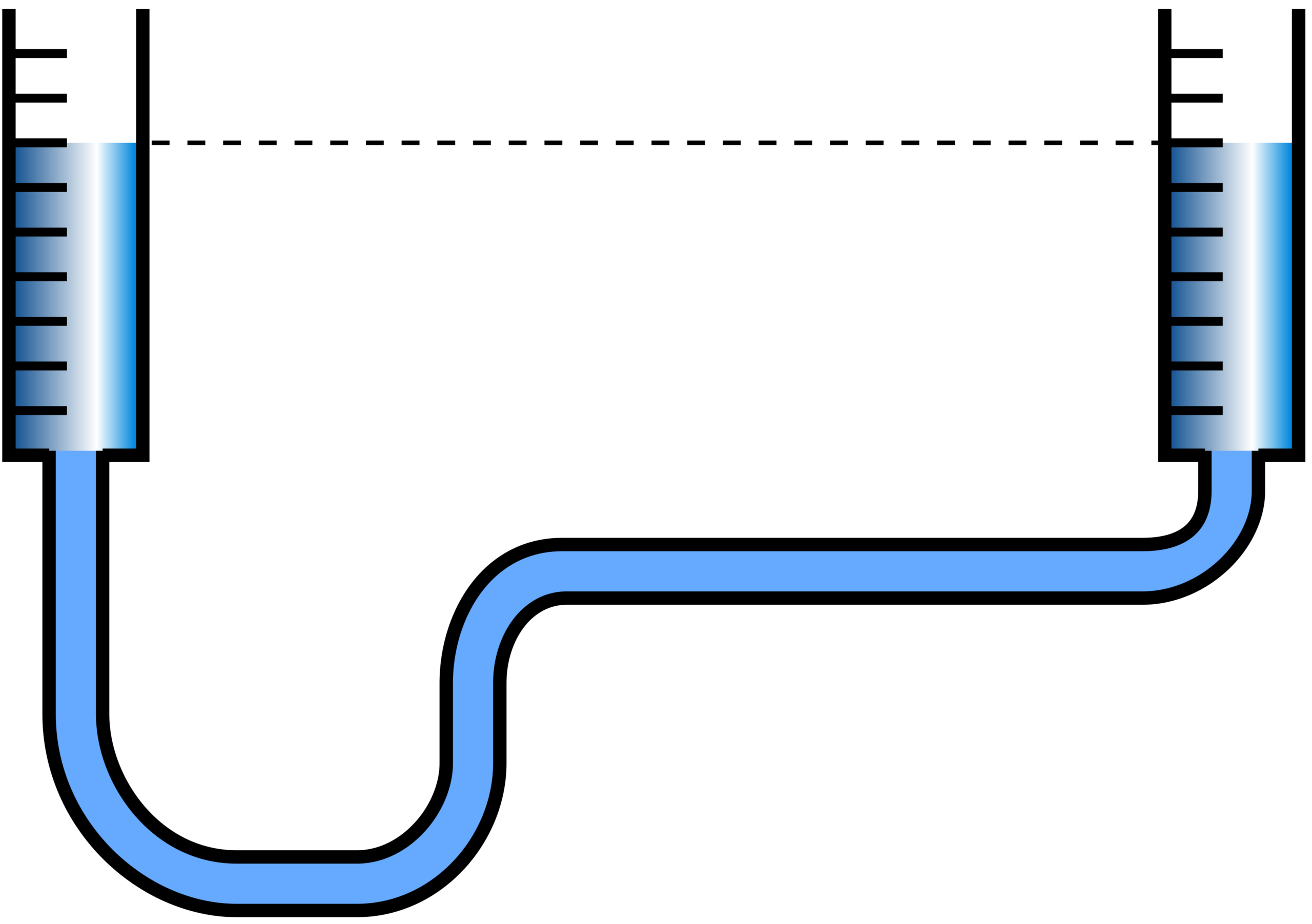
Water in a connected pair of open tubes finds the same height at both ends regardless of the route between them, which gives a horizontal reference over any distance and around corners.
It works between rooms and around obstructions where a straight edge cannot. The water level is the instrument that gives you horizontal without line of sight.
3. The Spirit Level
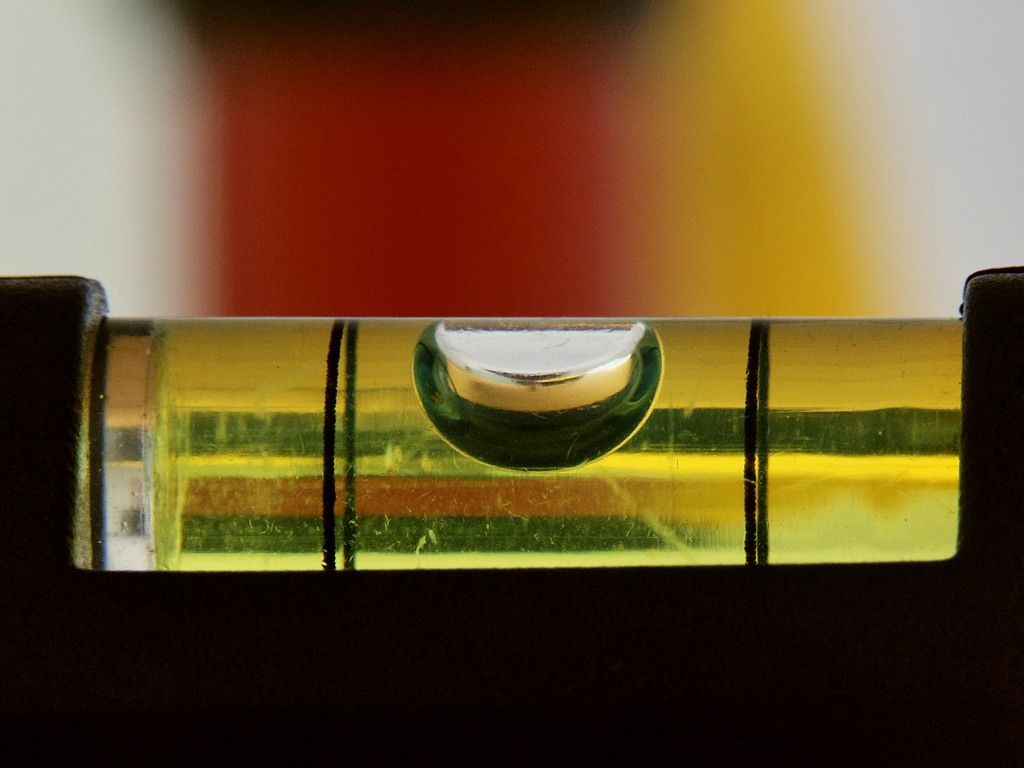
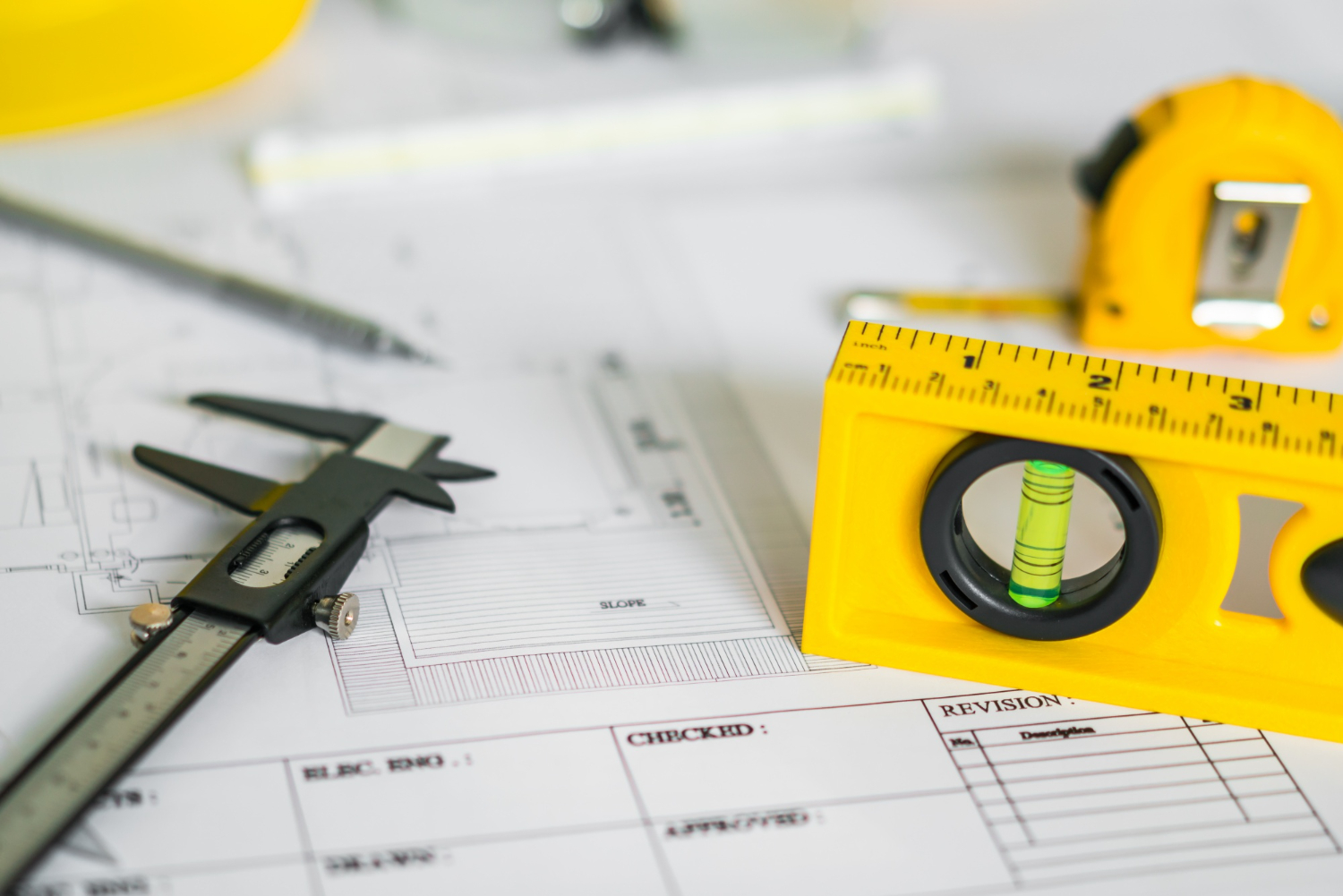
A bubble in a curved sealed tube rises to the highest point, which converts the same gravitational reference into something readable at a glance on a surface.
It is the plumb line turned on its side and made convenient. The spirit level is the instrument that made checking horizontal a one-second operation.
4. The Knotted Cord and the Right Angle

A loop divided into twelve equal parts and pulled into a triangle with sides of three, four and five produces a right angle exactly, from length alone.
No protractor is required and the geometry cannot fail. The knotted cord is the instrument that turns counting into an angle.
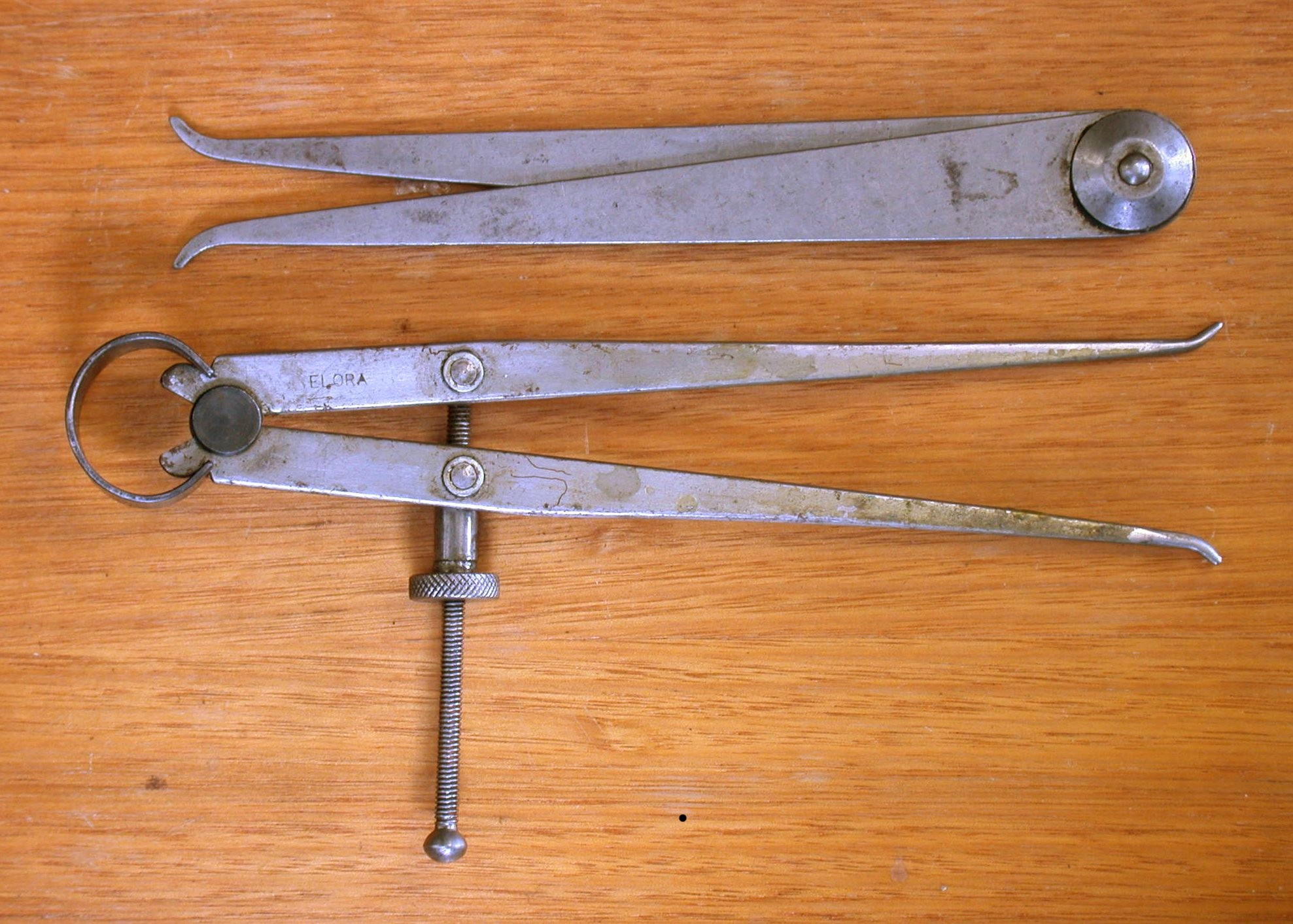
5. Dividers
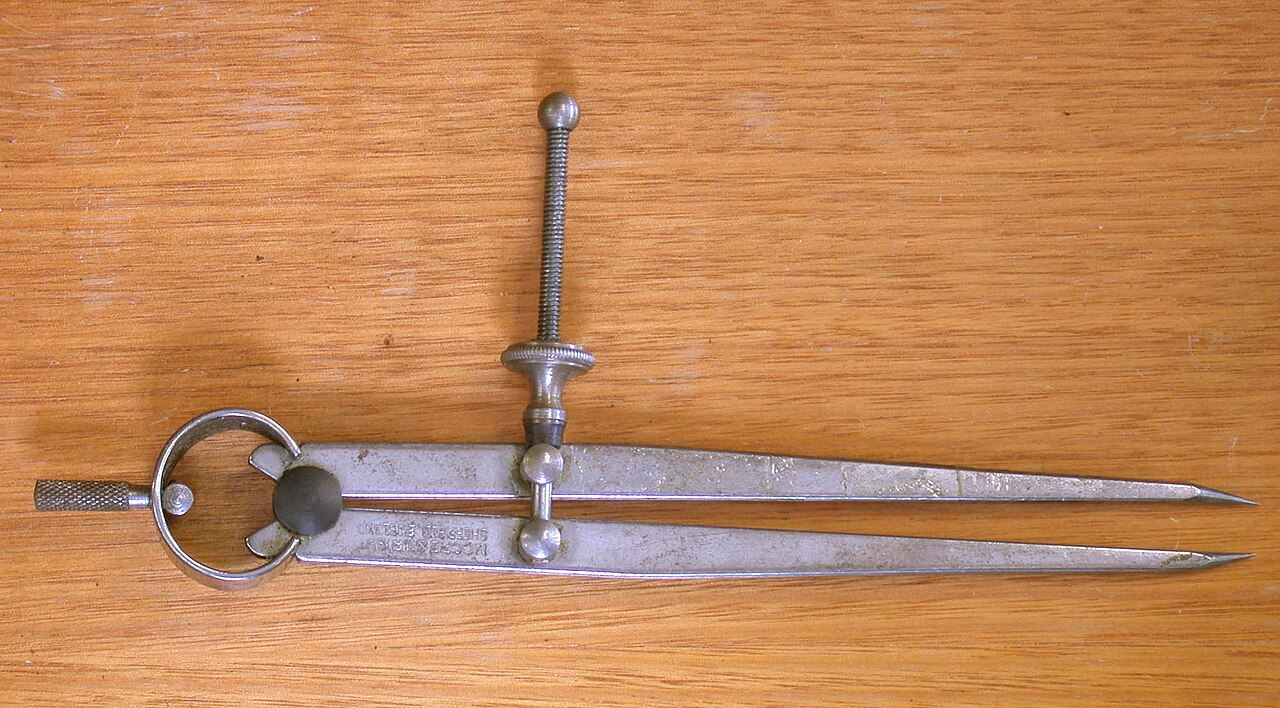
Two legs and a hinge transfer a distance from one place to another without ever expressing it as a number, which is how a great deal of precise work was done before standard units existed.
You never need to know what the length is. Dividers are the instrument that measures by copying rather than by counting.
6. The Balance
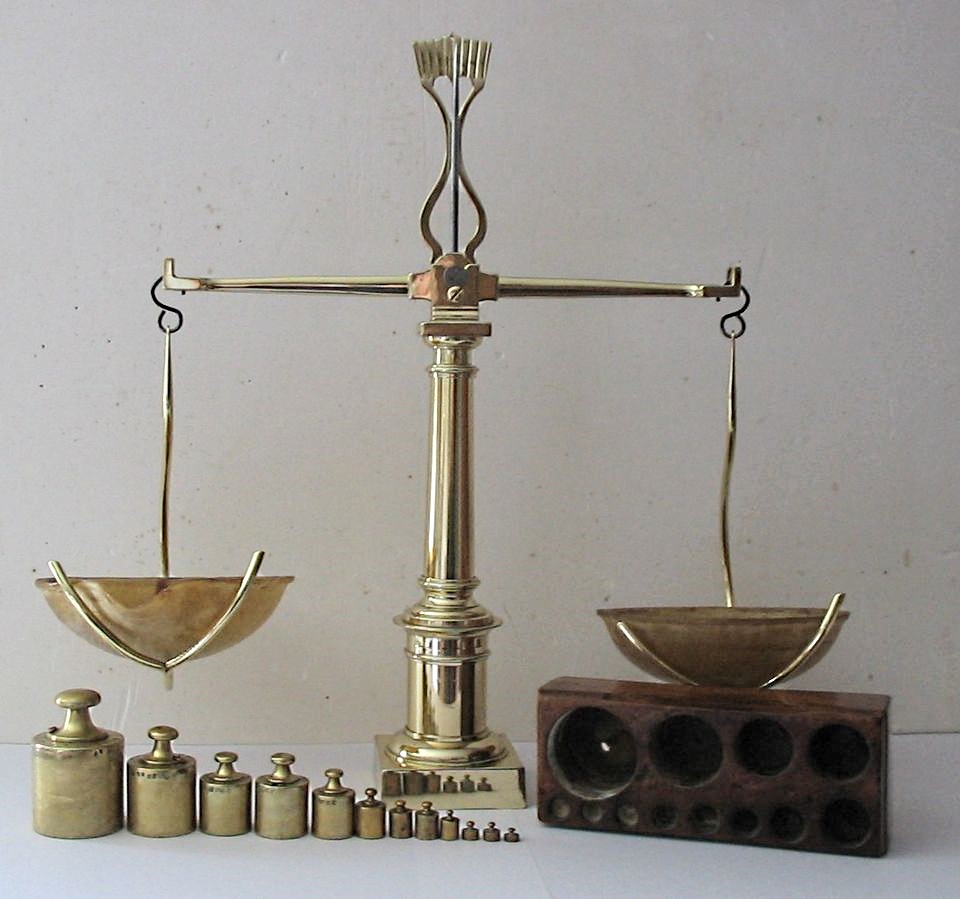
Two pans and a pivot compare two masses directly, telling you which is heavier and by how much relative to known weights, without needing to know what a unit is.
It compares rather than asserts, which is why it survived every change of standard. The balance is the instrument that outlived every unit it ever weighed in.
7. The Vernier Scale
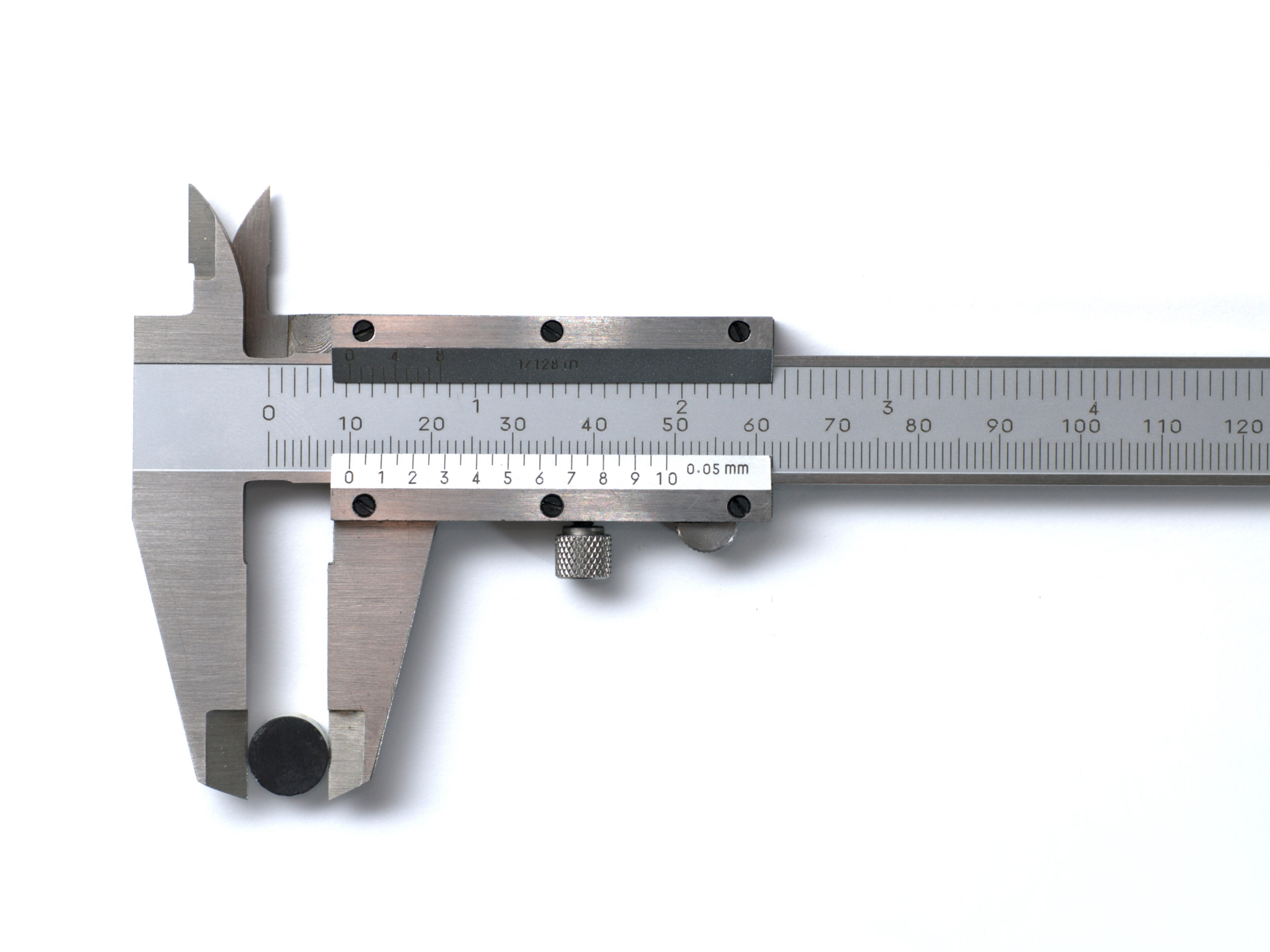
A second scale with divisions slightly different from the first allows subdivision far finer than anything actually marked, because you read where the two coincide.
It extracts precision from geometry rather than from finer engraving. The vernier is the instrument that measures smaller than its own marks.
8. The Micrometer Screw
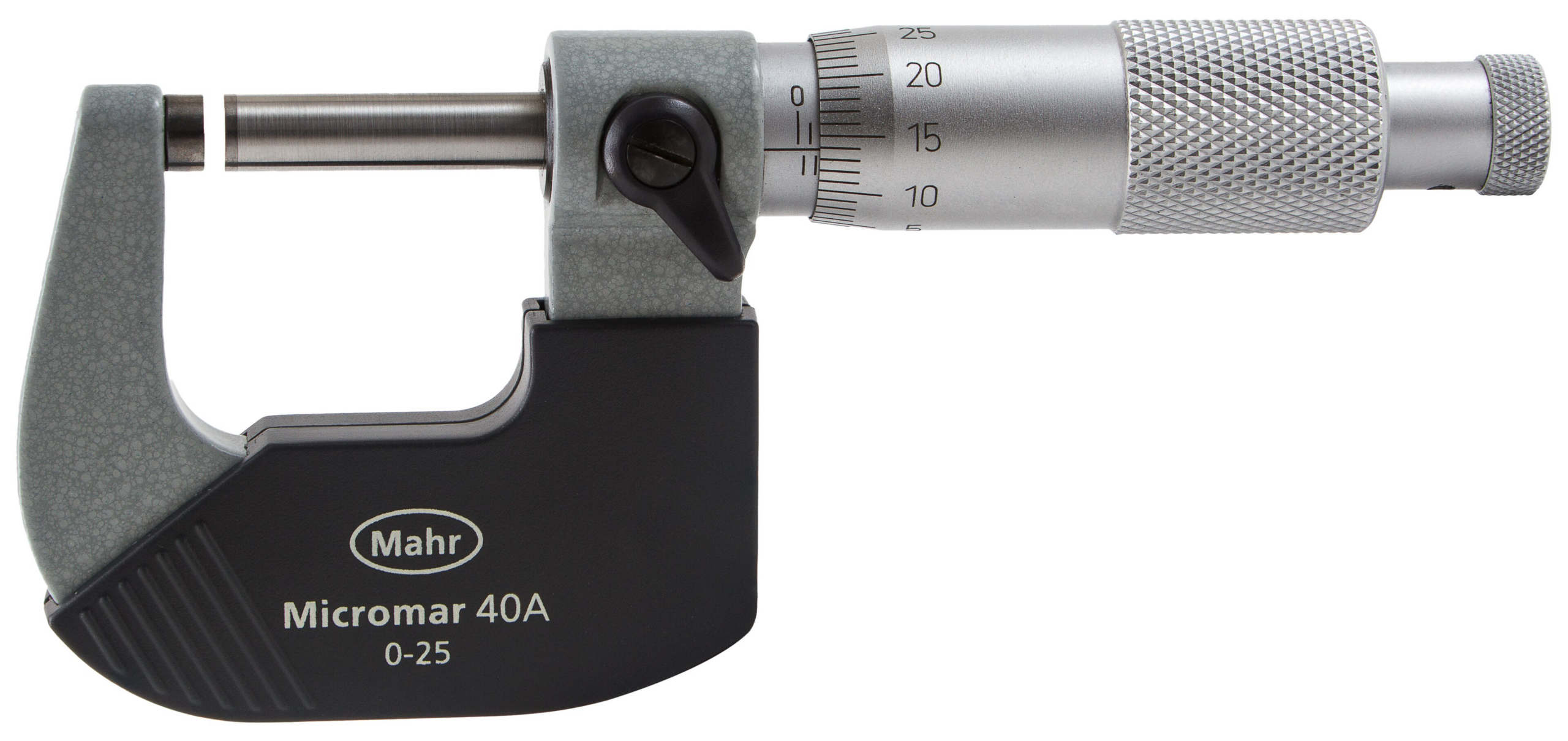
A fine screw thread converts rotation into very small linear movement, so a full turn of a large dial corresponds to a tiny advance, making minute distances readable.
The mechanism amplifies the measurement rather than the movement. The micrometer is the instrument that turns a screw into a magnifying glass.
9. The Sundial
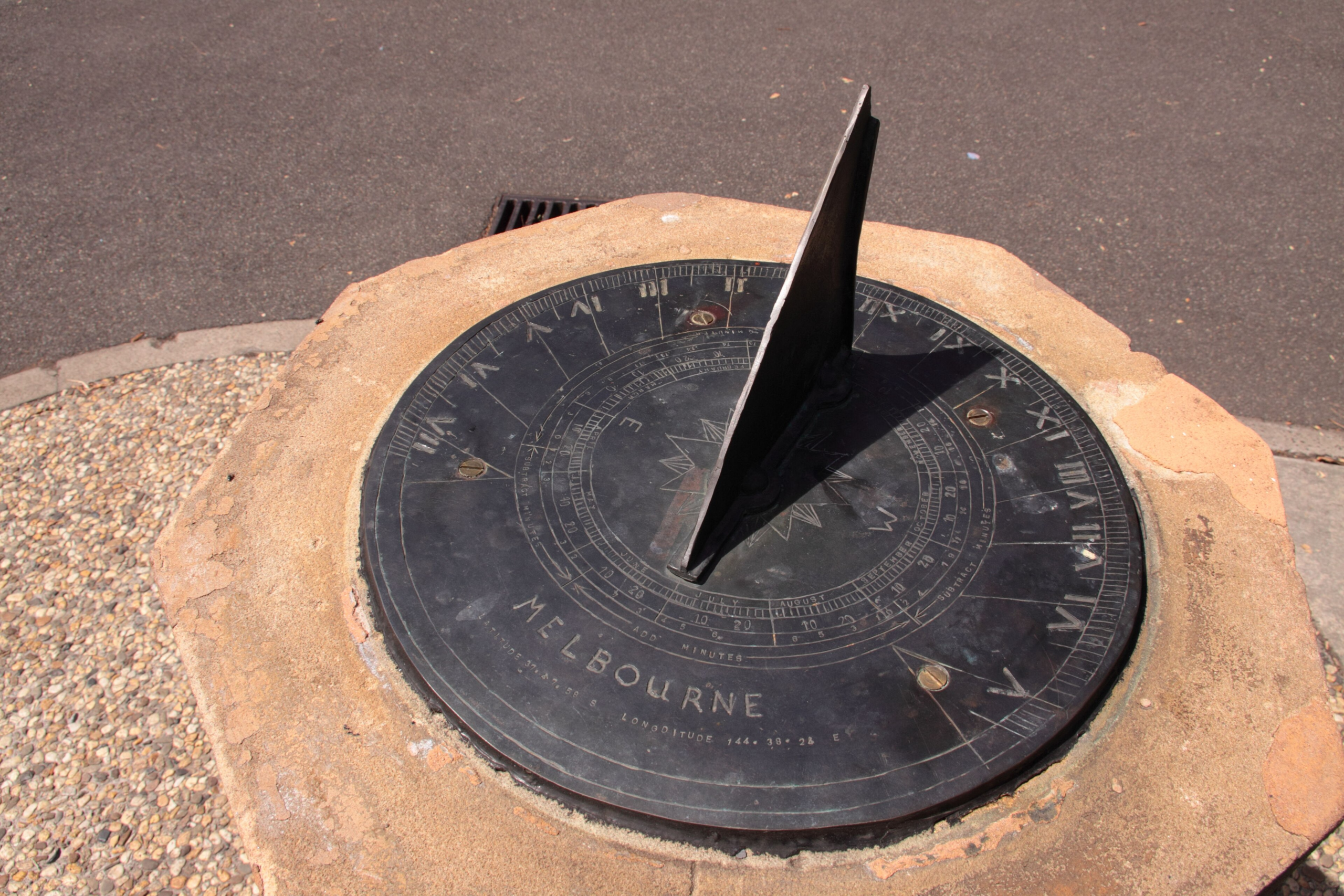
A shadow cast by a fixed object gives a time reference derived directly from the position of the sun, with no mechanism to fail and nothing to wind.
It is useless at night and in cloud, and it is never wrong. The sundial is the instrument that cannot lose time because it is not keeping any.
10. The Pendulum
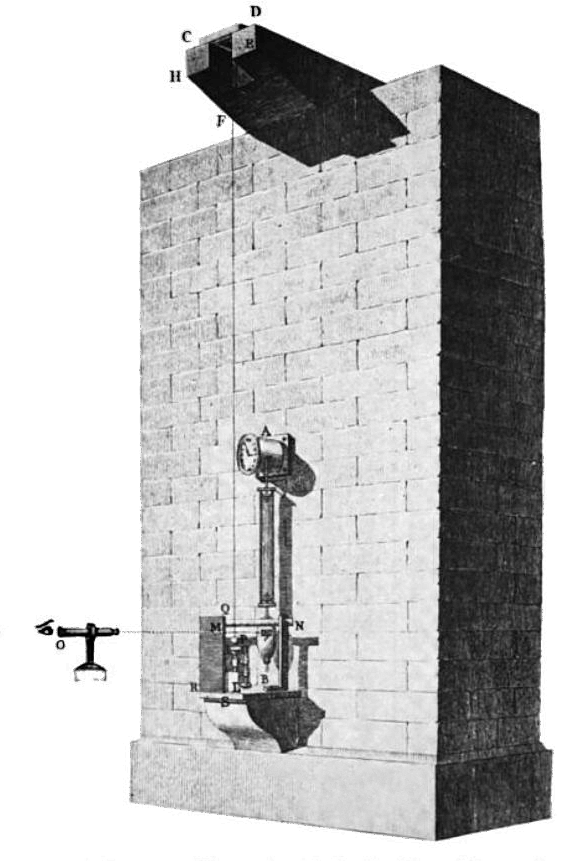
A swinging weight has a period determined by its length, so it supplies a repeatable interval from a physical property rather than from any mechanism.
Change nothing and the interval does not change. The pendulum is the instrument that derives regularity from geometry.
11. The Surveying Triangle
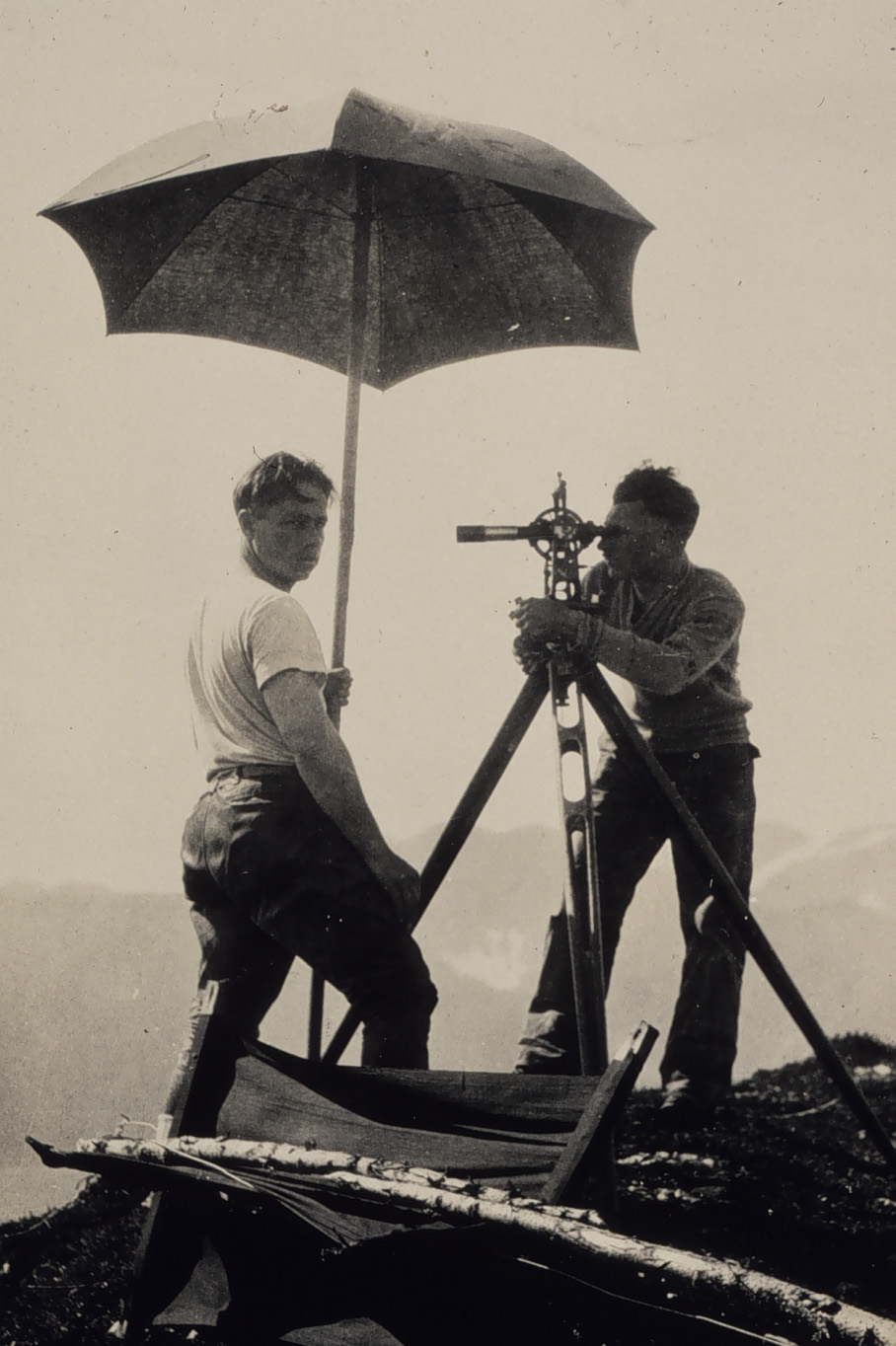
Measuring angles from two known positions and applying trigonometry produces a distance to something you never approach, which is how landscapes were mapped before anything could be flown.
The only thing measured directly is a baseline. Triangulation is the instrument-and-method that measures what cannot be reached.
Borrowing the Reference From Something Reliable
Every instrument here avoids the central problem of measurement by not carrying its own standard. Gravity, geometry, comparison and the sun are all references that cannot drift, and none of them requires anyone to trust a manufacturer.
What connects all of these is a preference for comparison over assertion. A scale tells you a number and asks you to believe it. A plumb line, a balance and a pair of dividers tell you how one thing stands relative to another – and that is a substantially harder claim to get wrong, which is why several of these have been in continuous use for thousands of years without modification.
Like our content? Follow us for more.