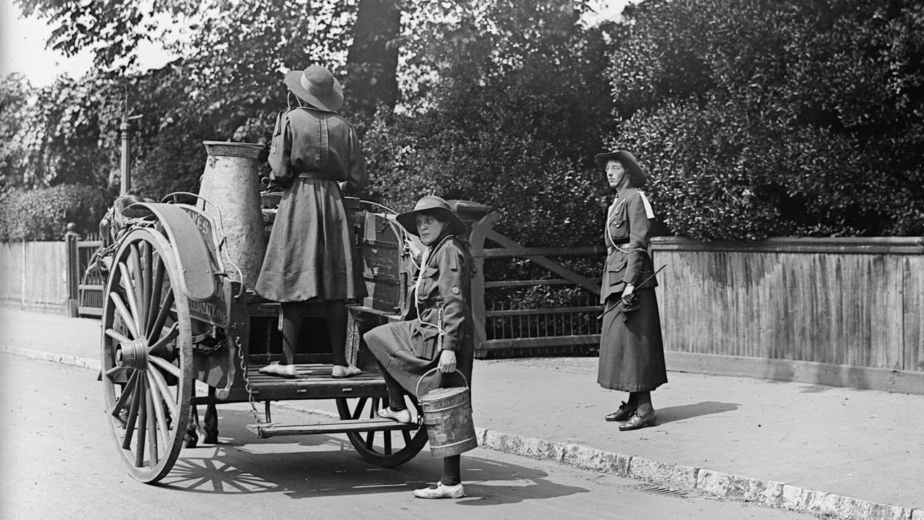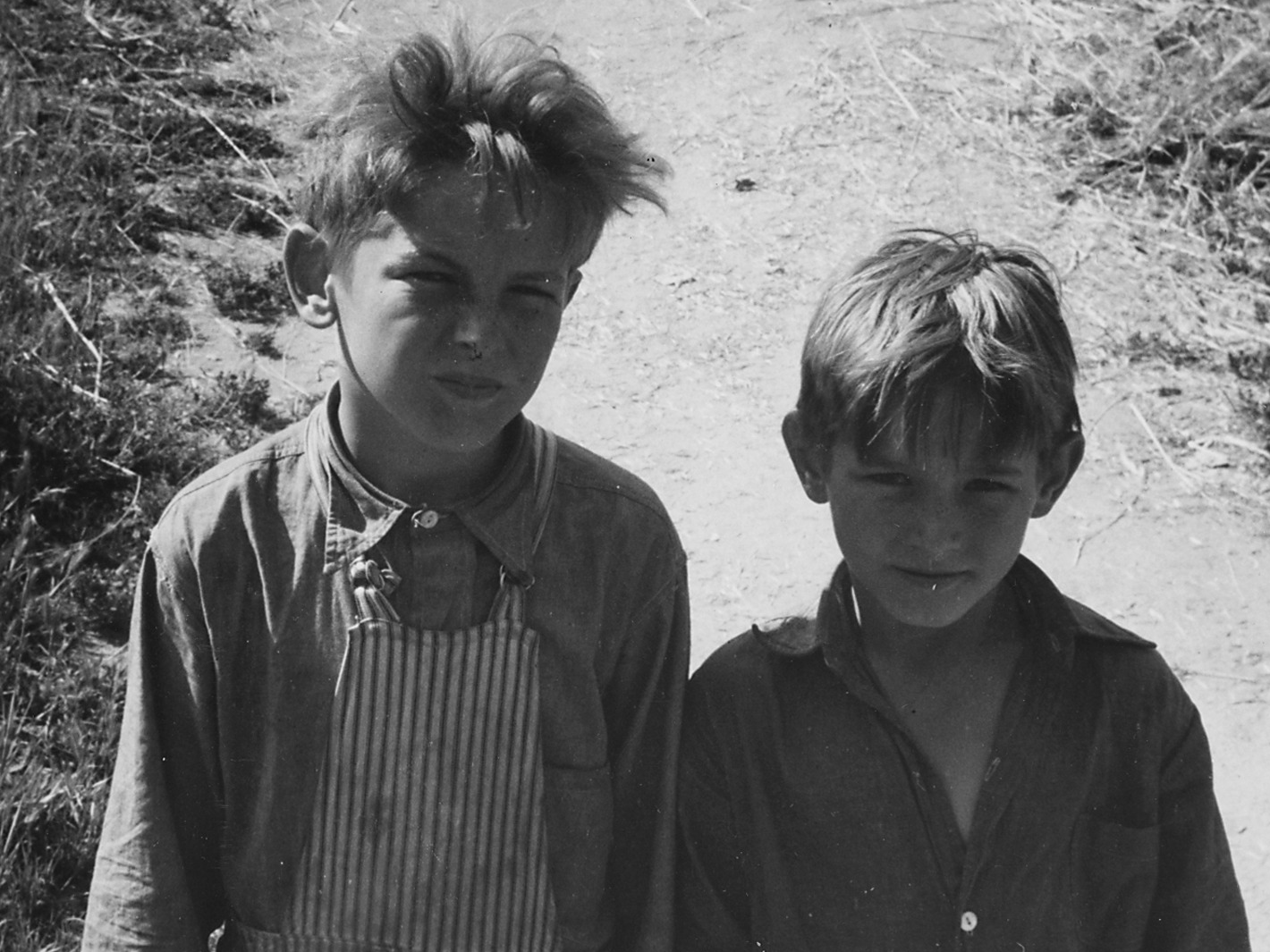
The advice American children were given about strangers in 1965 was short, memorable and aimed almost entirely in the wrong direction. It described a danger by appearance, pointed outward at unknown adults, sat alongside an instruction to obey all grown-ups, and said nothing at all about the thing that actually happens, which is a child becoming separated from their family in a crowded place.
It has been rebuilt over the following sixty years, and the modern version is shorter, more precise and gives a child something to do. Here are twelve things about what changed.
1. Never talk to strangers
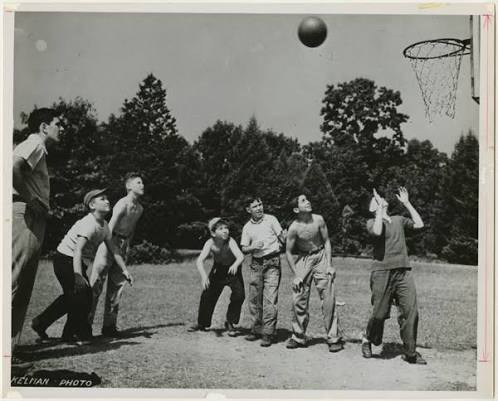
This was the whole of the instruction in most households, delivered as an absolute, and it was repeated in schools, in public information films and on the back of exercise books. It had the great advantage of being short enough for a small child to remember.
Current safeguarding guidance in most countries has moved away from it entirely, for a reason that is practical rather than philosophical. A child who has been told never to speak to a stranger is a child who cannot ask a passer-by for help, cannot approach a shop assistant when lost, and cannot tell a bus driver that something is wrong. The rule removes the child’s own best resource at exactly the moment they need it.
What replaced it is the distinction between talking to somebody and going anywhere with them. Children are now taught that talking is fine, that asking an adult for help is encouraged, and that the thing that is never acceptable is going somewhere with an adult, getting into a vehicle, or accepting a change of plan without checking with the person looking after them first.
Like our content? Follow us for more.
2. A stranger was described as somebody who looked frightening

The picture painted was consistent and vivid: a man in a long coat, loitering, dishevelled, obviously out of place, visibly not the sort of person a child should be near. Public information material of the period leaned heavily on it.
The description was the weakest part of the whole approach, because it taught children to screen on appearance. A child who is watching for somebody sinister has no category for an ordinary, pleasant, well-presented adult behaving unusually, which is the situation that actually requires attention.
Modern guidance teaches children to notice behaviour rather than appearance — an adult who asks a child to keep something from their parents, who asks them to come somewhere, who says there has been a change of plan, or who tells them not to tell. Those are checkable, describable things, and none of them depends on what anybody looks like.
3. The warning was almost entirely about people nobody knew

The entire structure of 1965 advice pointed outward, at the street, the park, the bus stop and the unknown adult. It was where the fear was and where the public messaging went.
The research that accumulated over the following decades pointed the other way. Harm to children overwhelmingly comes from people already in their lives rather than from unknown adults, and the proportion is not close. That single finding is the reason the entire approach to teaching children about safety was rebuilt.
Nothing here describes any of it. The point is structural: a warning aimed exclusively at strangers leaves a child with no framework at all for the far more likely situation, and it also implicitly tells them that anybody the family knows is safe by definition — which is the assumption modern guidance specifically sets out to avoid creating.
4. Do not take sweets from strangers

The instruction survived into the 1980s and is still the phrase most adults remember. It functioned as a concrete, memorable example of a general warning, which is why it stuck.
The mechanism it gestured at is real — building a relationship with a child through gifts, attention and small secrets — and the modern understanding is that the mechanism is almost never deployed by somebody the child has just met in the street. It develops over time, with somebody who has access.
Current guidance therefore says something different and more useful: that it is the secrecy that matters rather than the gift. An adult who gives a child something and asks them not to mention it is doing the thing that counts, and a child who has been taught that rule can recognise it from anybody, including somebody they like.
5. Children were told to be polite and obedient to every adult

This sat alongside the stranger warning without anybody noticing the contradiction. Children were expected to answer adults, to do as they were told, to go with a grown-up who said they had been sent, and to be nice about it.
Modern guidance addresses this directly and it is one of the clearest reversals in the whole subject. Children are now taught explicitly that they are allowed to say no to an adult, allowed to be rude if they need to be, allowed to shout, run, refuse and make a scene, and that they will not be in trouble for it afterwards.
The last part is the part parents have to supply. A child only uses that permission if they believe it is real, which means it has to be said out loud, more than once, and backed up on the occasions when they get it wrong and cause an embarrassing fuss over nothing.
6. If you are in trouble, find a policeman
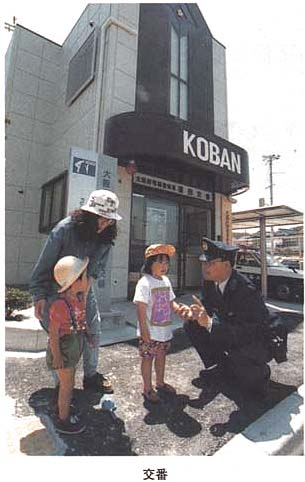
The single trusted figure was a police officer, and children were told to find one. In 1965 in many places that was practical advice, because there was somebody on the street.
The difficulty now is availability rather than principle. Current guidance teaches children to identify a wider set of people who can help — somebody in uniform, somebody behind a counter in a shop, somebody working at a station, or a parent with children — which is a category a child can actually find in a modern street.
The addition worth noting is the instruction to ask loudly and in public rather than quietly and in private, because the help that comes from somebody in a busy shop with other people present is help that is self-supervising.
7. Nothing was said about what to do if you were simply lost

An enormous amount of 1965 advice concerned a threat and almost none of it covered the ordinary situation of a child becoming separated in a shop, at a fair or on a beach, which is the thing that actually happens constantly.
The result was children who had been told not to speak to anybody and had no plan, which is close to the worst combination available. Modern guidance treats being lost as the primary scenario and the one to rehearse.
The current instruction is specific and it is worth knowing: stay where you are rather than searching, because adults searching for a moving child is much harder than adults searching for a stationary one. If staying is not possible, go to the nearest counter, information desk or member of staff and say that you are lost. Agreeing a meeting point before going anywhere crowded is the version for parents.
8. Secrets were framed as a thing a good child keeps

Keeping a confidence was presented as loyalty and maturity, and children were praised for it. The idea that an adult might ask a child to keep a secret as a means of control was not part of the conversation anywhere.
This is now the single most emphasised point in child safeguarding education, and the formulation is consistent across countries: there are surprises, which are things everybody finds out about eventually and which are fun, and there are secrets that an adult asks a child to keep from their parents, which are not allowed and should always be told.
It is a rule a young child can apply, it does not require them to understand anything about why, and it works regardless of who the adult is. It is the clearest single improvement on the 1965 approach.
9. Children had no words for feeling uncomfortable
The vocabulary did not exist. A child who felt that something was wrong had no way to describe it and no expectation that a description would be taken seriously, and the general expectation was that children did not make a fuss about adults.
Current guidance builds that vocabulary deliberately and early — naming the feeling, giving it a status, and telling children that a feeling of unease is a sufficient reason to leave, to tell somebody, and to keep telling until somebody listens.
The ‘keep telling’ part is deliberate and is in the guidance of most countries, because the historical failure was not children staying silent so much as children not being believed the first time. A child who has been told in advance to try somebody else if the first adult does nothing has a route that does not depend on one person’s reaction.
10. Nobody mentioned adults the family already trusted

The subject was absent from 1965 advice entirely, and the social conventions of the period made it close to unsayable. Trusted adults were trusted, and the category was not examined.
Modern guidance does not single anybody out either, and its approach is better: the rules are written to apply to everybody without exception. Nobody asks a child to keep a secret from their parents. Nobody takes a child anywhere without the person looking after them knowing. A child can always say no and always tell.
Written that way, the rules do not require a child or a parent to suspect anybody of anything, and they do not create a list of people to be wary of. They simply apply, which is the whole design and the reason the modern formulation is durable.
11. The practical effect was that children were frightened of the outdoors
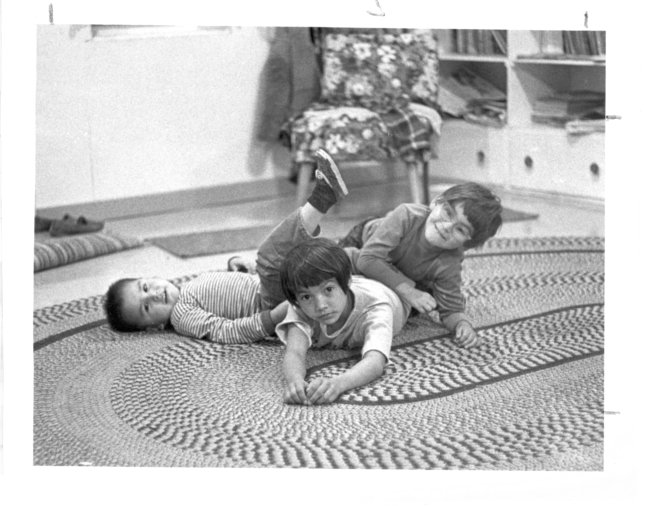
The messaging of the period, amplified through the following decades, produced a generation of children anxious about public space and a generation of parents who restricted independent movement considerably more than their own parents had.
The consequence is now well documented and widely discussed: the loss of independent play, walking and travel in childhood has costs of its own, in physical activity, confidence, navigation and the ordinary business of learning to handle the world.
The current position attempts to hold both things. Teach the small number of rules that actually work, and then let children out, because a child with four clear rules and some practice is considerably safer than a child with a general sense of dread and no experience.
12. And what the 1965 approach got right
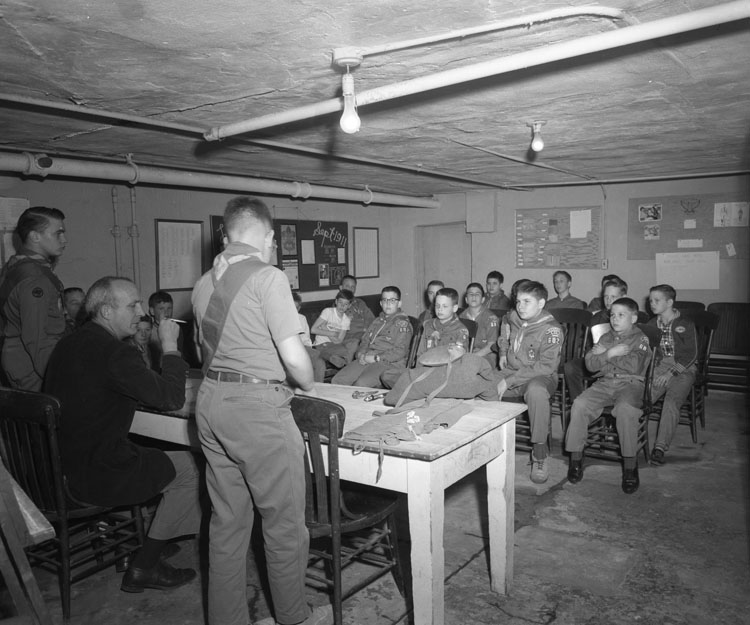
The adults of 1965 were trying to protect children with the understanding available to them, they took it seriously, and they produced something a small child could remember and repeat, which is harder than it sounds and is the reason the phrase survives sixty years later.
What has changed is almost entirely the content rather than the intention. The modern version is shorter, more precise, applies to everybody rather than to a category of person, and gives a child something to do rather than something to fear.
The honest summary: never talk to strangers has been replaced because it removes a child’s ability to ask for help, the warning pointed outward when the evidence pointed inward, the rule about secrets is the single most useful thing in the modern version, children are now told explicitly that they may be rude to an adult and will not be in trouble for it, and being lost — the thing that actually happens — is the scenario worth rehearsing.
What the modern version actually says

Stripped down, current guidance across most countries comes to a small number of rules, and the brevity is the point.
Talking to people is fine and asking an adult for help is encouraged; what is never acceptable is going anywhere with an adult, getting into a vehicle, or accepting a change of plan without checking first with the person looking after you. Nobody asks a child to keep a secret from their parents — surprises are things everybody finds out about eventually, and a secret an adult wants kept is always to be told. A child may say no to an adult, may shout, run and make a scene, and will not be in trouble for it afterwards. And if you are lost, stay where you are, or go to the nearest counter or member of staff and say so loudly.
Three things about that formulation are deliberate. It describes behaviour rather than appearance, so it does not depend on anybody looking sinister. It applies to everybody without exception, so it does not require a child or a parent to suspect any particular person, and it does not imply that anybody the family knows is safe by definition. And it tells a child what to do rather than what to be afraid of, which is why it survives contact with an actual situation.
The reason the whole approach was rebuilt is a finding rather than a fashion: harm to children comes overwhelmingly from people already in their lives rather than from unknown adults, and a warning aimed only at strangers leaves a child with no framework for the likelier case.
If there is a child in your life, the four sentences in the section above are the whole of it, and they take a few minutes spread over a few conversations rather than one serious talk.
Two of them need something from the adult rather than the child. The permission to be rude to a grown-up is only real if it has been said out loud more than once and is honoured on the occasion when the child gets it wrong and causes an embarrassing fuss over nothing. And the instruction to keep telling until somebody listens exists because the historical failure was children not being believed the first time — so a child needs to know in advance to try somebody else.
Then rehearse the ordinary one. Agree a meeting point before you go anywhere crowded, and walk your child to the information desk so they have actually done it. Being lost is the thing that happens, and it is the scenario 1965 never covered at all.
Like our content? Follow us for more.