

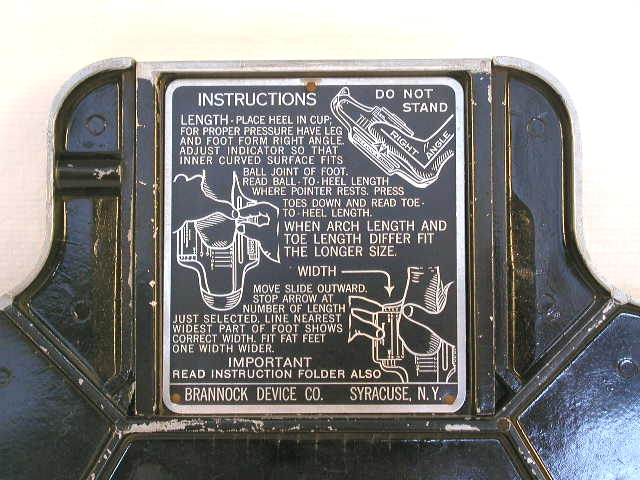
Children’s footwear in 1965 was sold on a theory: that a growing foot was a weak structure needing support, and that the shoe’s job was to hold it in the right shape until it was finished.
Nearly the whole of that has been inverted. The foot is now understood to develop by working, which makes most of the period’s equipment — the stiff boots, the arch supports, the corrective shoes and the night bars — an intervention against normal development. Here are twelve things about it.
1. A baby needs shoes in order to learn to walk
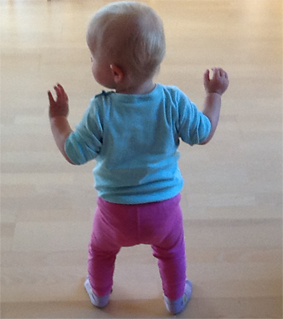
Shoes were bought for babies before they were walking, as equipment for the task, and a first pair was a milestone purchase with a photograph attached. The reasoning was that the foot needed something firm underneath it to push against.
Current advice is the reverse. A child learning to walk is better barefoot indoors, because the foot’s own muscles, the sensory feedback from the sole and the grip of bare toes are all part of how the skill is acquired, and a shoe interferes with every one of them.
Shoes for a pre-walking or newly walking child are now recommended only for protection outdoors, and the advice is for something as flexible and thin-soled as the ground allows. The first-shoes photograph is a lovely tradition and the shoes are not doing anything. Keep the tradition and keep the shoes off until the child is going somewhere that needs them.
Like our content? Follow us for more.
2. Stiff, high boots support a child’s ankle
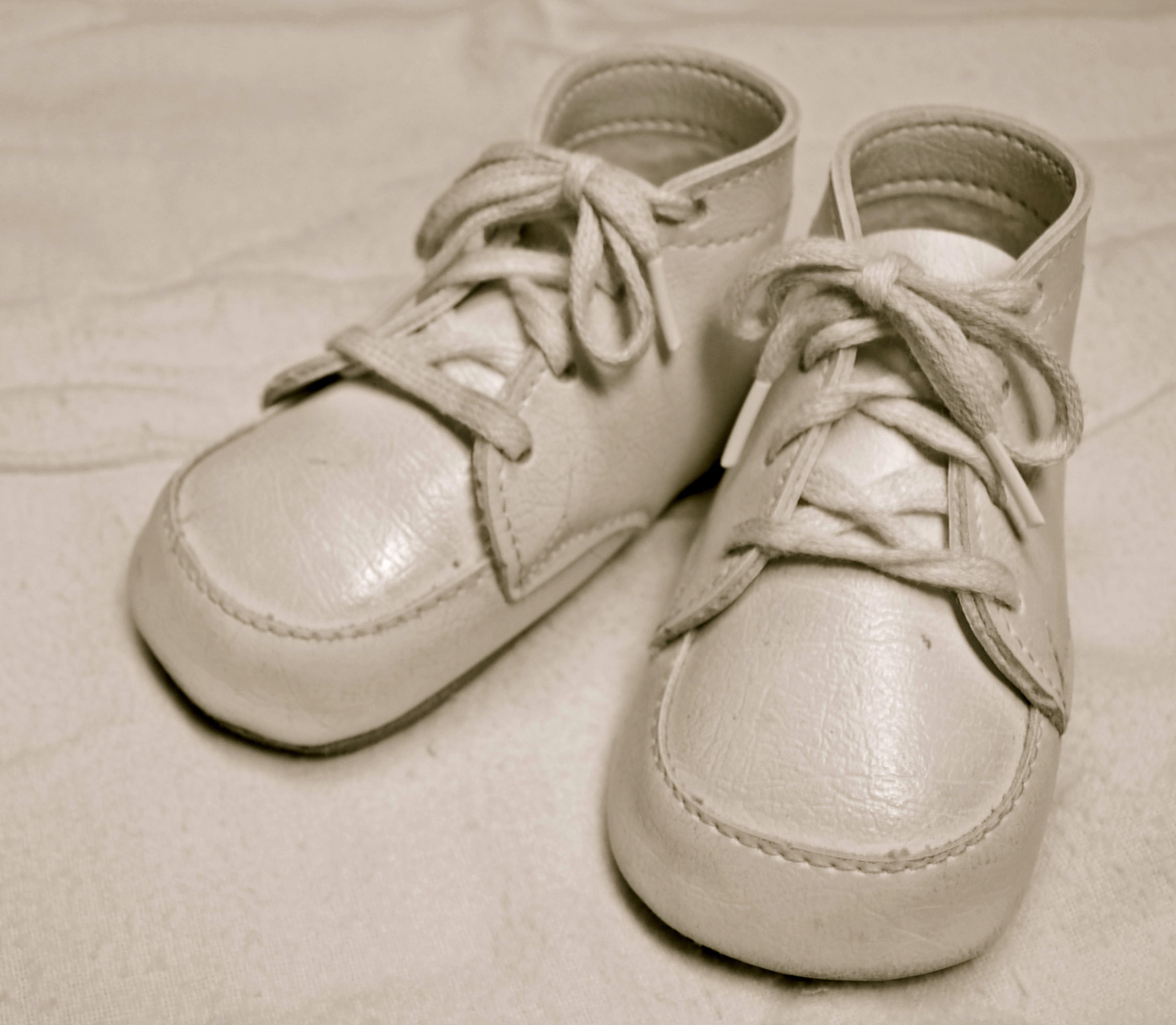
The standard children’s shoe of the period came above the ankle, with a firm heel counter and a stiff sole, sold specifically on the basis that a growing ankle required support and would otherwise fail.
A healthy child’s ankle does not need support and gets stronger by working. Immobilising a joint that is developing reduces the loading the muscles and ligaments respond to, which is the opposite of what support implies.
Flexible shoes are now recommended for ordinary children, with structured footwear reserved for specific clinical reasons identified by a clinician. Nothing here applies to a child under treatment for anything.
3. Flat feet in a small child are a problem to be fixed
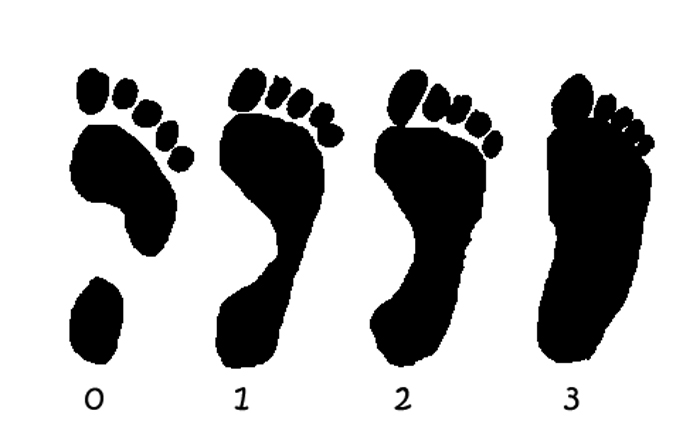
A toddler’s foot looks flat because it is: the arch has not developed and there is a pad of fat under it. In 1965 that was frequently treated as a defect, with insoles, exercises and corrective footwear prescribed.
The arch develops through childhood, typically becoming apparent somewhere in the primary school years, and the great majority of flat-looking young feet are entirely normal and resolve without intervention. Persistent, painful or stiff flat feet are a different matter and are a reason to see somebody.
The distinction is pain and stiffness rather than appearance. A child who runs, plays and does not complain almost never needs anything, and a child who does complain needs a clinician rather than an insole from a shop. A parent who is worried about the look of a small child’s feet is describing a stage rather than a problem, and is better reassured by somebody qualified than by a product.
4. Children need arch supports
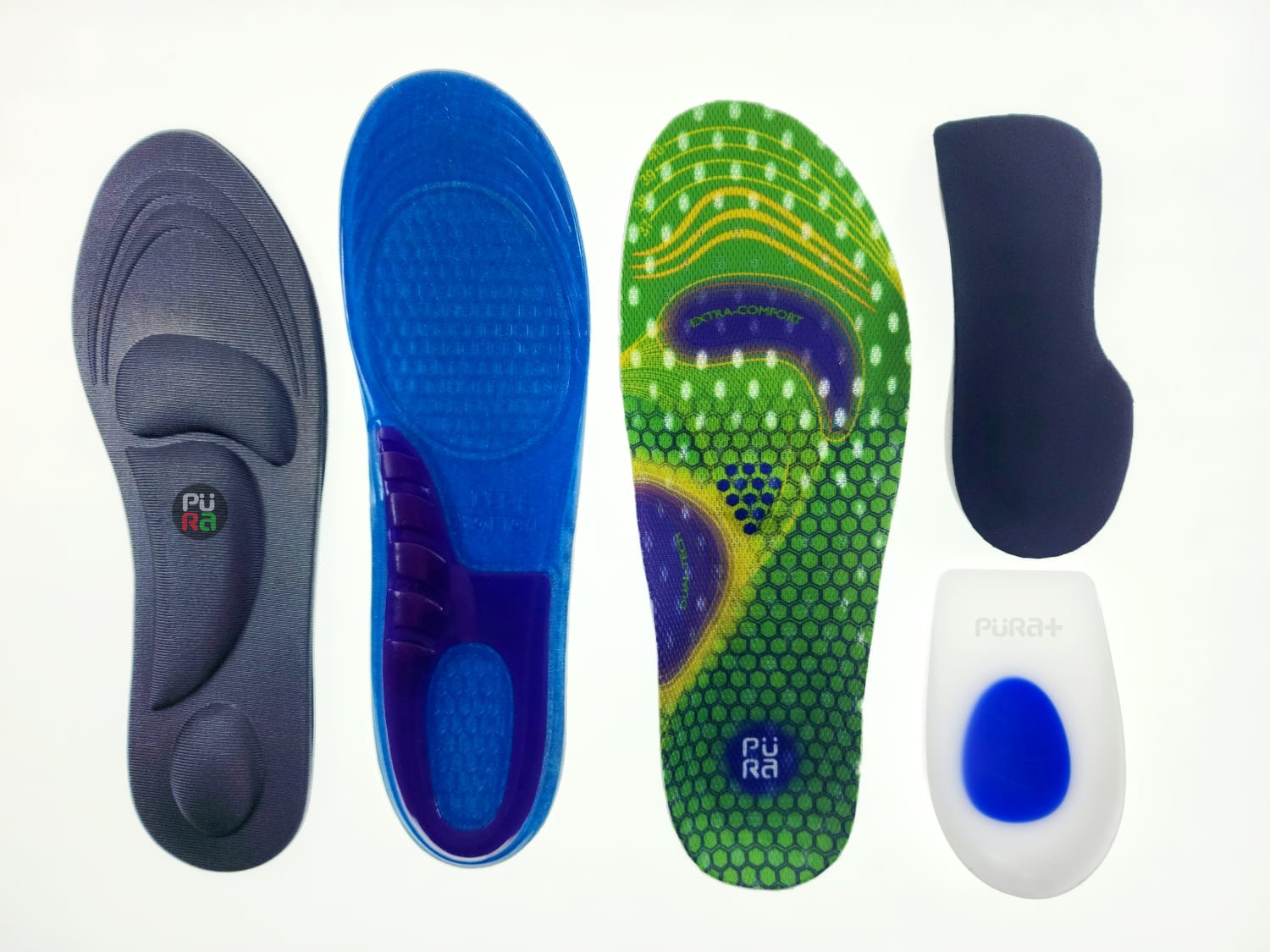
Insoles were fitted routinely and sold widely, on the theory that an arch that was not yet there needed holding up until it arrived.
The evidence for routine arch supports in children without symptoms is absent, and the mechanism was never coherent: a support under a developing arch reduces the work the arch does. Orthoses have genuine uses, prescribed for specific conditions after assessment.
This is the clearest case in the file of a product sold against a normal stage of development, and it is still sold that way in some places. The test for any such product is simple: ask what symptom it is treating, and if the answer is the shape of a healthy child’s foot, there is no symptom.
5. Corrective shoes and bars for a child who turns their feet in
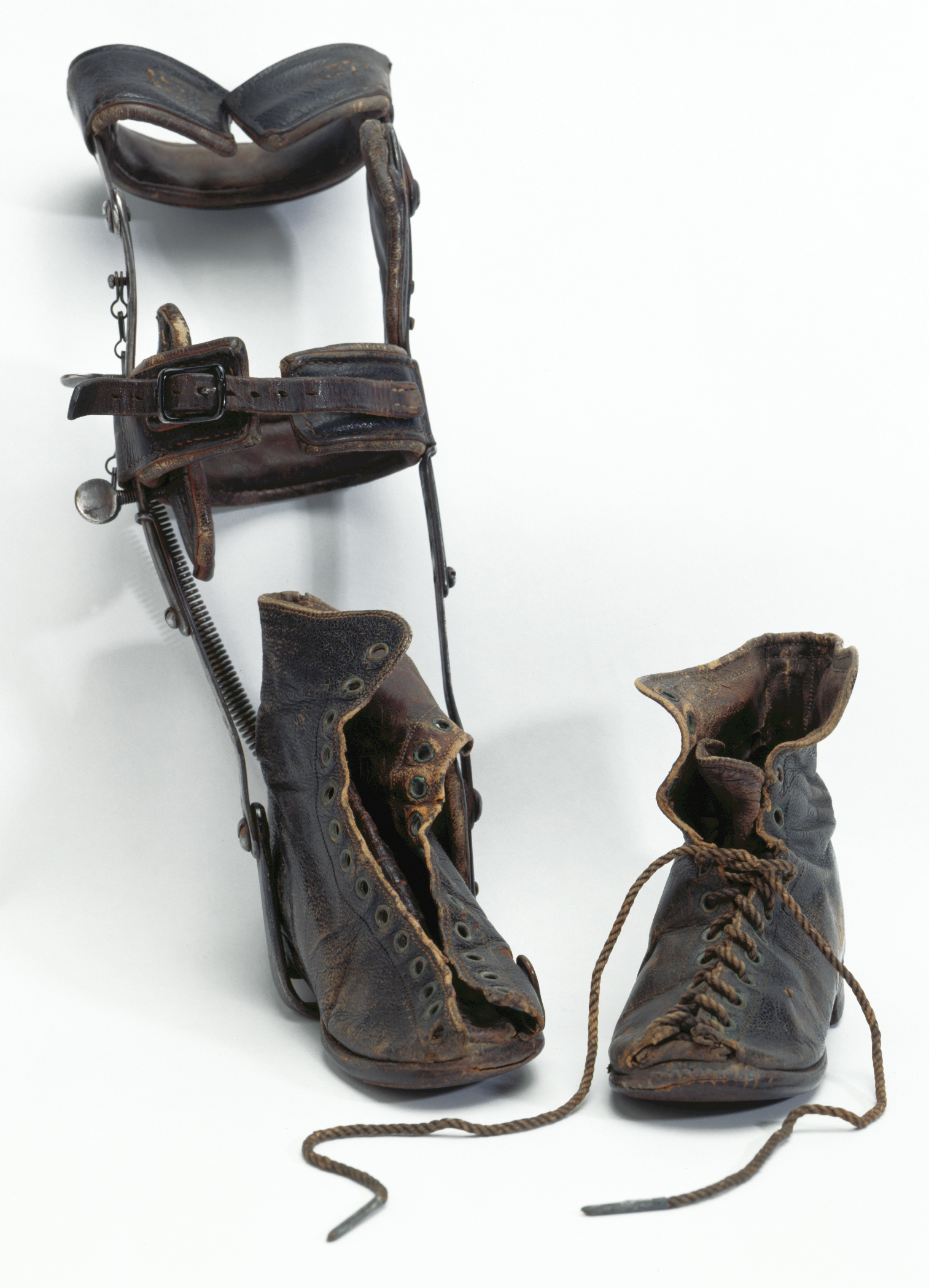
Children whose toes pointed inward or outward were put in corrective shoes, shoes reversed on the wrong feet, and in some cases a bar fixed between both shoes worn at night for months or years.
In-toeing and out-toeing in young children are usually variations of normal rotation that resolve as the child grows, and the bars and corrective shoes have been shown not to change the outcome. They have been abandoned in mainstream practice.
What remains is observation, with referral where a difference is asymmetric, painful, worsening or associated with other findings. The treatments that were applied for decades did nothing except make childhoods uncomfortable.
6. Hand-me-down shoes are perfectly good
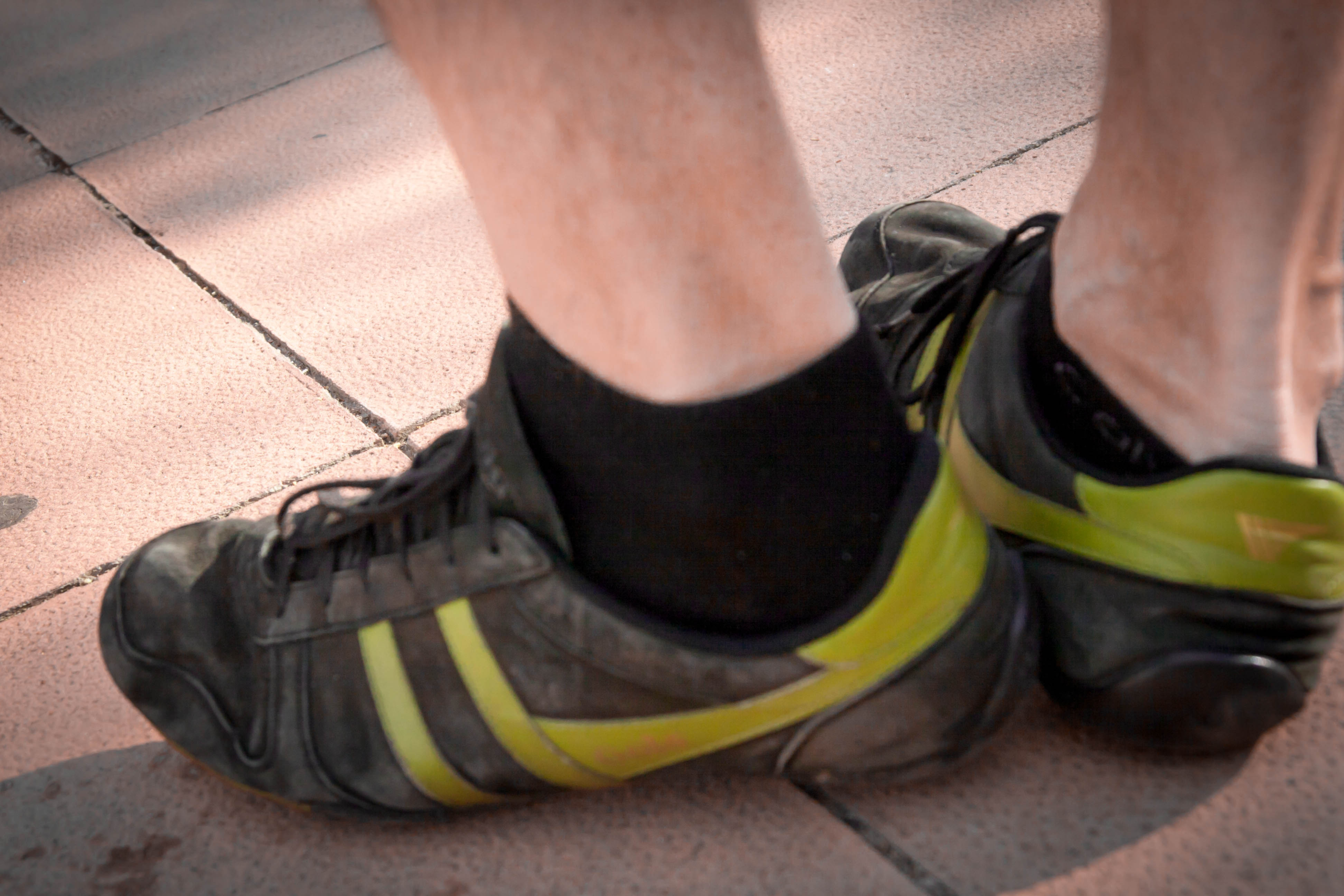
With large families and real expense, shoes passed from one child to the next as a matter of course, and a pair that still had wear in it was used.
A worn shoe has taken the shape of the previous wearer’s foot and gait, with the sole worn unevenly and the upper stretched where somebody else’s foot pushed. Modern advice is against passing shoes down, while boots worn occasionally and wellingtons are generally regarded as fine.
Everything else can be handed down. Shoes are the exception, and the reason is that they have been moulded rather than merely used. It is worth saying that this was not negligence on anybody’s part in 1965; shoes were expensive, families were larger, and the alternative for many households was a child in no shoes at all.
7. Measuring once a year is plenty
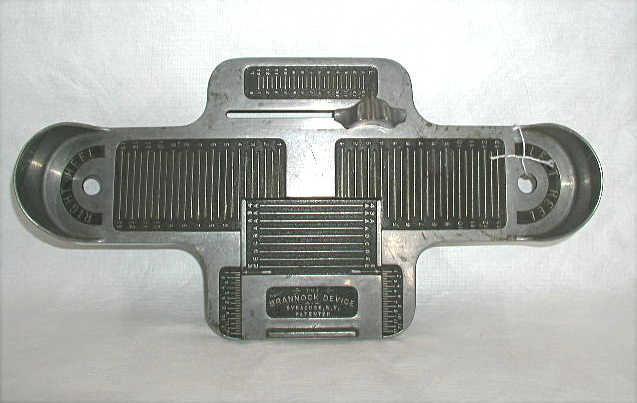
Shoes were bought at the start of a school year and expected to last it, and a child’s feet were measured when shoes were bought rather than on any schedule.
Children’s feet grow in irregular bursts and the growth is fastest in the youngest children, which is why current advice is to check the fit every few months in small children and at least a couple of times a year in older ones.
Fit means length, width and depth, and a child cannot be relied on to report a shoe that is too small, because children adapt to discomfort and curl their toes without mentioning it.
8. Buy them a size up to grow into
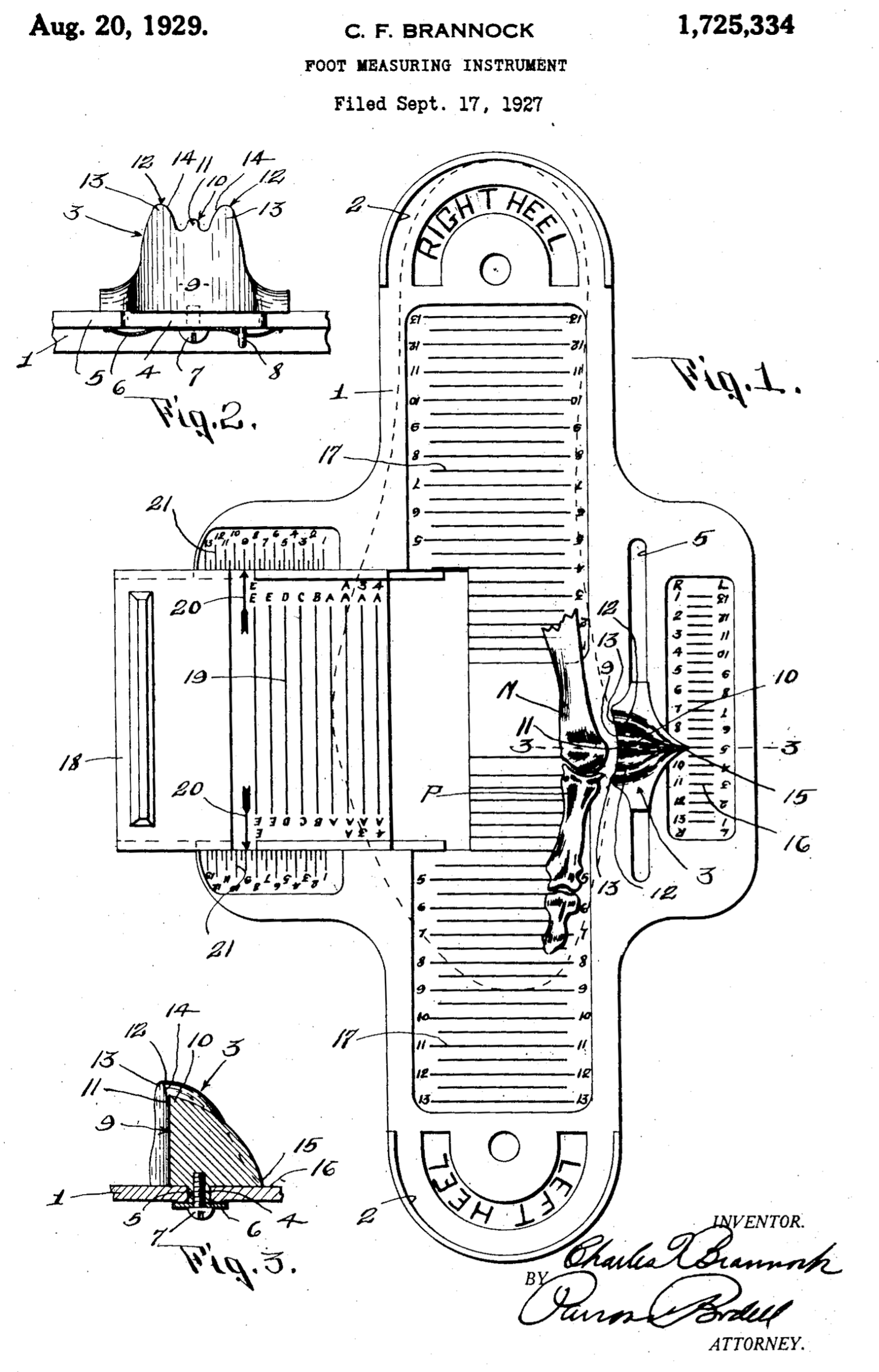
Economically unavoidable and universally practised: shoes were bought large, worn with thick socks or an insole, and grown into over a year.
An over-large shoe changes how a child walks. The foot slides, the toes grip to hold the shoe on, and the heel lifts, which produces an altered gait and blisters rather than a saving. The recommended allowance is a small amount of growing room rather than a size.
The modern compromise is the same in spirit and smaller in scale: a thumb’s width of space, checked at the widest point as well as the end, and replaced when it has gone. The width matters as much as the length and is the measurement most often skipped, because a shoe that is long enough and narrow still pushes the toes together.
9. Cut toenails round, like fingernails
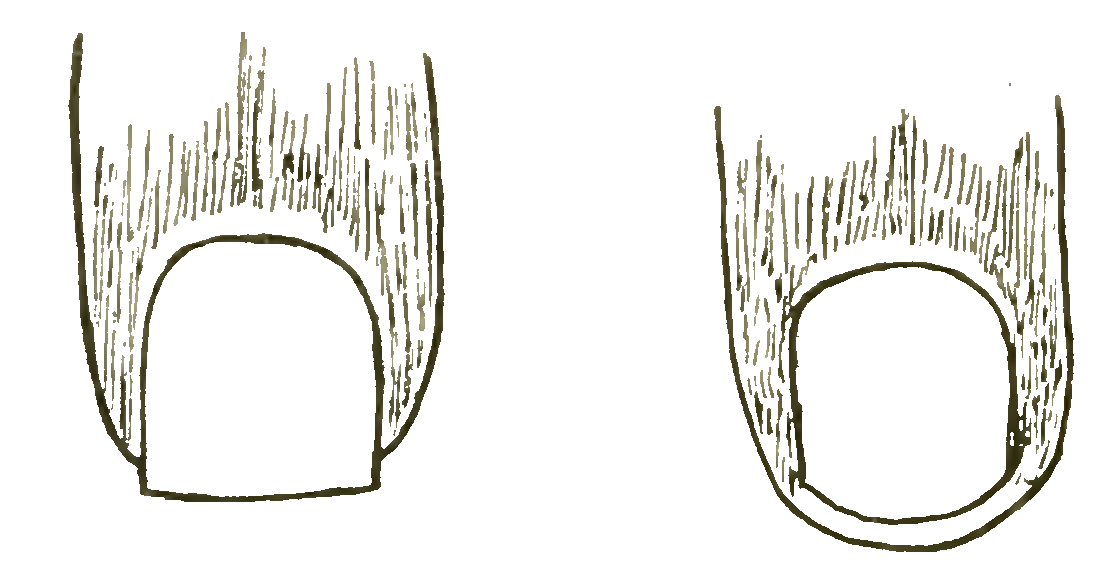
This was the instruction, given to children and applied by parents, and it is the one piece of 1965 foot advice that caused the most straightforward and avoidable harm.
Toenails cut round, and particularly cut down at the corners, allow the nail edge to grow into the surrounding skin. Current advice is to cut them straight across, not too short, and to leave the corners alone.
That is the single most useful line in this file and it applies to adults as much as to children. An ingrowing nail is painful, recurrent and much easier to avoid than to treat.
10. Going barefoot ruins your feet
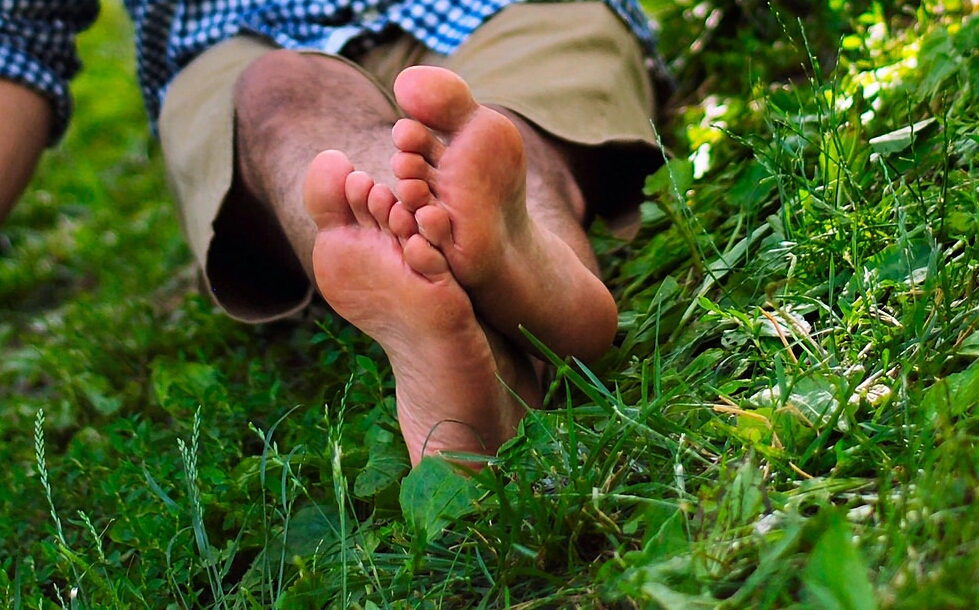
Children were told to keep their shoes on indoors and out, both because bare feet were thought to spread and invite illness and because the foot was believed to need the shoe’s structure.
Barefoot time on safe surfaces is now positively recommended for developing feet, for the strength of the small muscles and for balance and proprioception. The qualifications are about the surface rather than the principle: broken ground, hot surfaces, and places where there is a genuine risk of puncture or infection.
Indoors and on grass, barefoot is good for children. Outdoors in the street it is a safety question rather than a foot-development one.
11. Shoes need breaking in
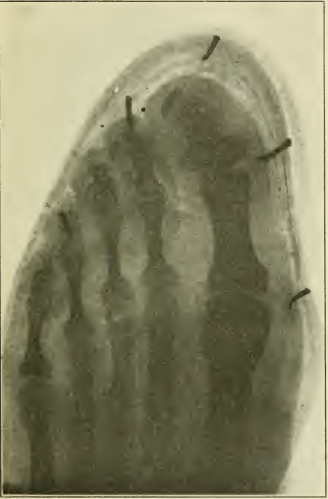
A new pair was expected to hurt, and the hurting was understood as the shoe shaping itself to the foot. Children were told to persist and adults bought shoes they intended to force into fitting.
Modern materials and construction mean a well-fitted shoe should be comfortable immediately. Some softening happens with wear, but pain at the fitting is information about the fit rather than about the newness.
If a child’s shoe hurts in the shop, it is the wrong shoe. That is also true of an adult’s, and the breaking-in belief is why so many people own shoes they cannot wear.
12. And what the 1965 advice got right
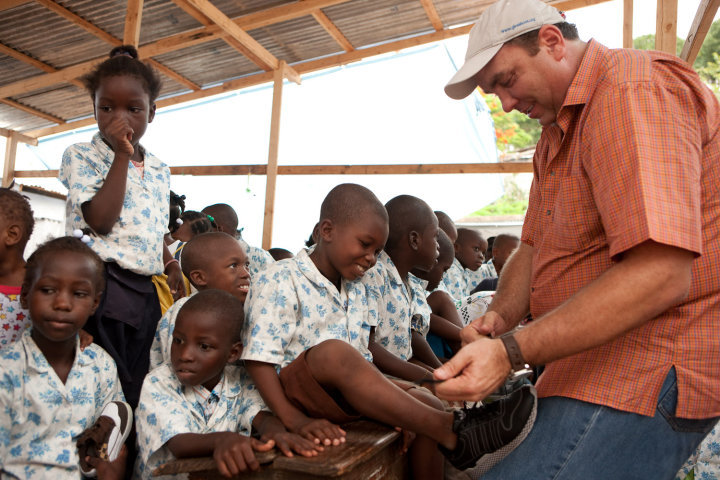
Have children’s feet measured by somebody who knows how, in a shop that stocks width fittings as well as lengths. Buy shoes that fit now. Keep them dry. Look at your children’s feet occasionally. And take a child who is limping, in pain, or walking differently to somebody qualified rather than waiting.
All of that was in the 1965 advice and all of it survives. What has gone is the equipment: the supports, the corrective shoes, the bars, the stiff boots and the arch insoles, nearly all of which were sold against stages of normal development rather than against anything wrong.
The honest summary: cut toenails straight across and leave the corners, which is the one item here with a universal and avoidable harm attached; barefoot is how a small child learns to walk and the shoe is for protection outdoors; flat-looking toddler feet are normal and the question is pain and stiffness rather than appearance; shoes should not be handed down because they have been moulded by somebody else’s gait; and a shoe that hurts in the shop is the wrong shoe. Anything about a particular child’s feet is a conversation with a clinician rather than with an article or a shop.
What replaced the theory
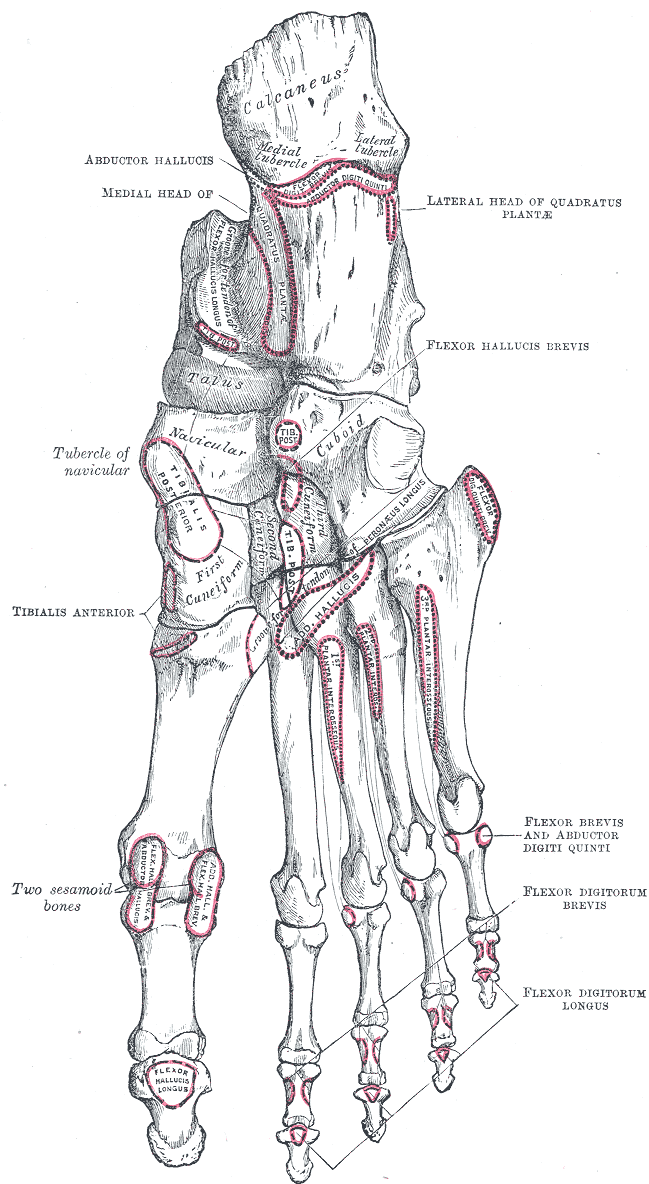
One idea does most of the work. A developing foot gets stronger by being used, and support reduces the loading that the muscles and ligaments respond to. Once that is the starting point, the stiff ankle boot, the routine arch insole and the corrective shoe all stop making sense, because each of them does less work in the place where work is what produces the structure.
The second idea is that appearance is the wrong thing to assess. A toddler’s foot looks flat because the arch has not developed and there is a pad of fat under it, and the great majority of flat-looking young feet are entirely normal and resolve through the primary school years. The signals that matter are pain, stiffness and asymmetry, not shape — and a child who runs, plays and does not complain almost never needs anything.
The third is about fit rather than physiology, and it is where the period’s economics did the damage. Shoes bought a size large and grown into change how a child walks: the foot slides, the toes grip to hold the shoe on and the heel lifts, which produces an altered gait and blisters rather than a saving. Shoes handed down have been moulded by another child’s foot and gait, with the sole worn unevenly and the upper stretched. And a child cannot be relied on to report a shoe that is too small, because children adapt and curl their toes without mentioning it.
Four things to do, none of which needs a product.
Cut toenails straight across, not too short, and leave the corners alone. This is the one item in the file with a universal and avoidable harm attached, it applies to adults as much as children, and the 1965 instruction to cut them round is the direct cause of a great many ingrowing nails.
Let small children be barefoot indoors and on grass, and treat shoes as protection for outdoors rather than as equipment for walking. Outdoors in the street, keeping shoes on is a safety question about the surface rather than anything to do with foot development.
Have feet measured properly by somebody who stocks width fittings as well as lengths, check the fit every few months in small children, buy shoes that fit now with a thumb’s width of growing room rather than a size, and do not hand shoes down.
And take a child who is limping, in pain, walking differently, or whose feet are stiff or asymmetric to a clinician rather than waiting — and rather than to a shop. Everything in this file about a particular child belongs with somebody qualified.
Like our content? Follow us for more.
