Touring in a motorhome abroad runs into a set of rules that have no equivalent in car travel, and two of them decide whether the trip is lawful before it starts: which licence category the vehicle requires, and whether it is within its weight when loaded.
The rest is route-specific — speed limits by weight class, toll classes, emission zones, required equipment, gas fittings, overnight parking and waste disposal — and almost all of it has to be settled before departure. Here are fourteen things that catch people out.
1. The vehicle’s weight decides which licence you need

Motorhomes are categorised by maximum authorised mass, and above a threshold a driver needs a licence category that an ordinary car licence does not include. Whether you hold it depends in many countries on when you passed your test.
Drivers who passed before a certain date often hold a grandfathered entitlement that newer drivers do not, which is why two people of similar age can have different rights in identical vehicles. The entitlement also has an upper age at which it must be renewed with a medical in several jurisdictions.
Check the categories printed on the back of your own licence against the vehicle’s plated maximum authorised mass before booking or buying anything. This is the single most consequential item in the file.
Like our content? Follow us for more.
2. Payload is what is left after the vehicle, and it is less than you think
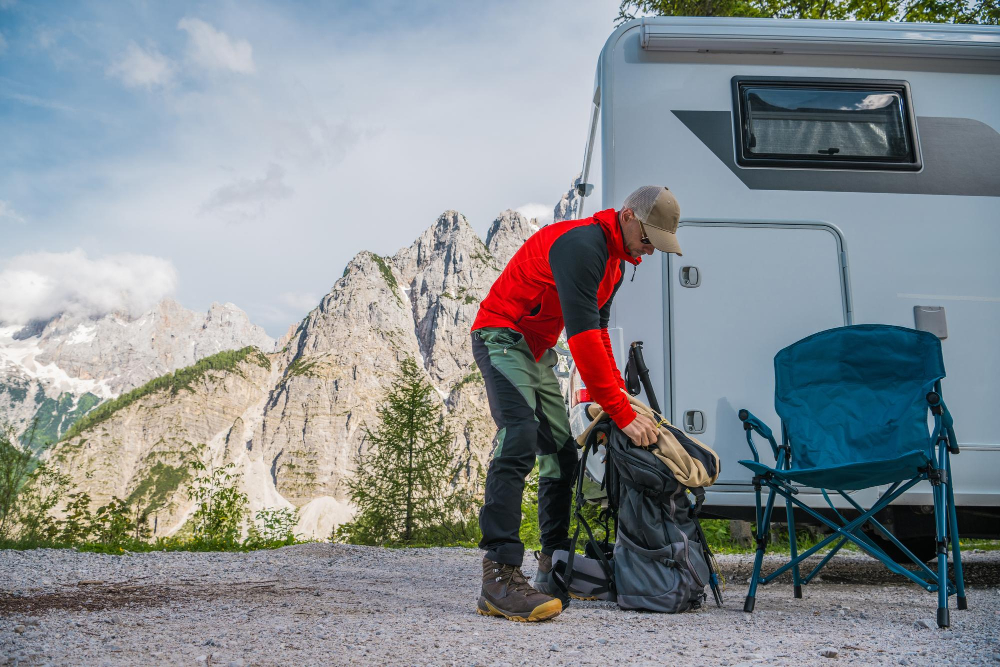
The difference between a motorhome’s unladen weight and its maximum authorised mass is the payload, and it has to cover passengers, water, gas, fuel, bikes, awnings, food and everything else aboard.
Manufacturers’ quoted unladen figures frequently exclude items a buyer would consider standard, and a fully fuelled vehicle with full water tanks, four people and their luggage is overweight more often than owners realise.
Load the vehicle as you intend to travel and weigh it. Public weighbridges exist in most countries and the cost is trivial next to the consequence.
3. Being overweight is a roadside offence in every country you drive through
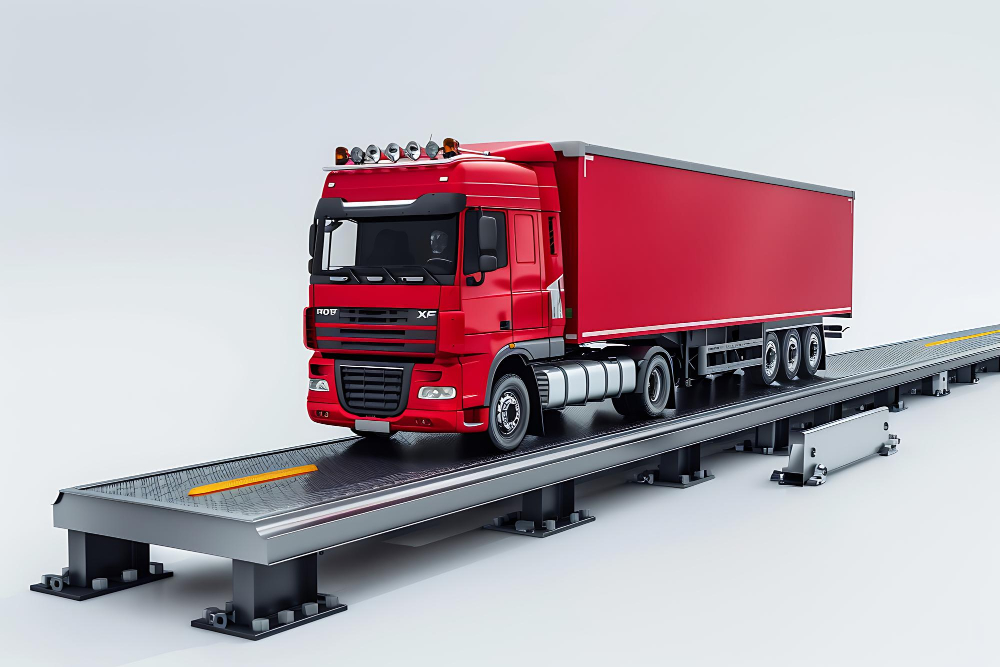
Overloading is enforced by weighbridge checks and spot checks, carries a fine on the spot in most jurisdictions, and can mean being prohibited from continuing until the vehicle is unloaded at the roadside.
It also affects insurance validity and braking performance, which are the two reasons the enforcement exists, and it is the offence most commonly found in roadside checks of leisure vehicles.
The remedy is the previous item: know the real figure before you leave rather than discovering it at a check.
4. Towing anything is a separate licence question again
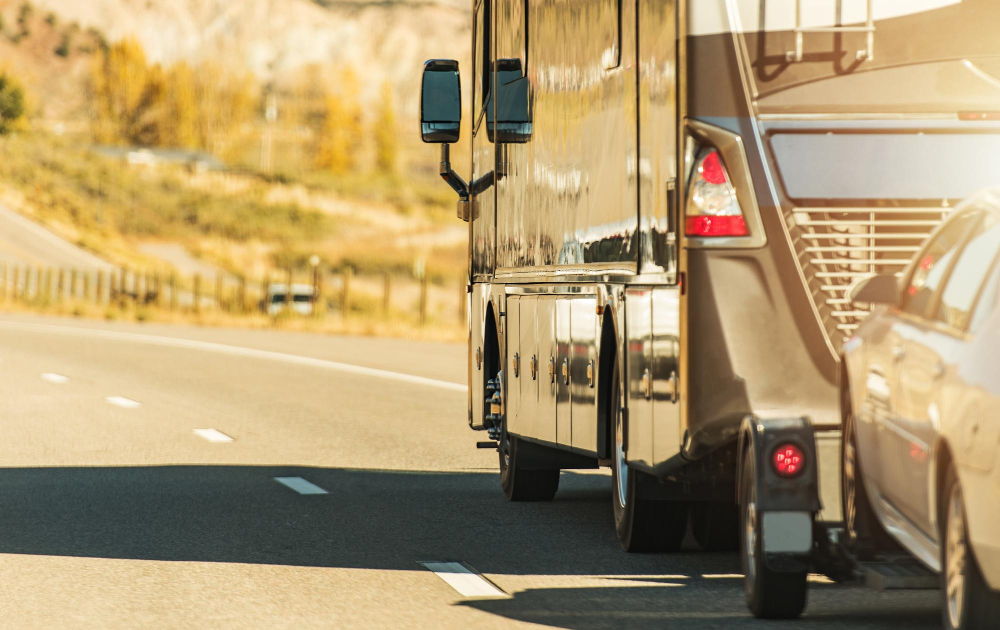
A trailer, a car on an A-frame or a trailer tent adds its own mass to the combination, and the combined figure determines whether a further licence category is required, independently of the motorhome’s own weight.
Towing rules also differ by country on speed, on whether certain combinations are permitted at all, and on mirror and marking requirements, and several countries prohibit towing arrangements that are lawful elsewhere.
Check the combination weight and the destination’s rules on your specific arrangement, not just on towing in general.
5. Speed limits for a motorhome are not the car limits
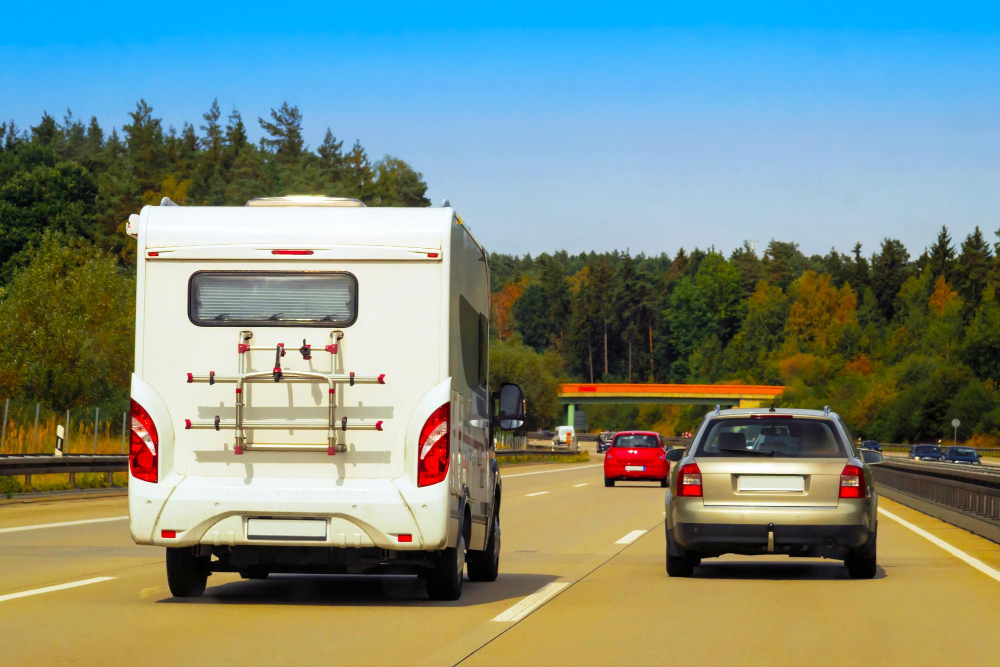
Many countries apply lower limits to vehicles above a weight threshold, on motorways and on other roads, and a motorhome that is treated as a car at home can be treated as a goods vehicle abroad.
The limits are frequently signed for cars only, with the lower figure for heavier vehicles published in the traffic code rather than at the roadside, so a driver following the signs can be speeding lawfully-looking.
Look up the limits for your vehicle’s weight class in every country on the route before setting off, and write them down.
6. Tolls are charged by height, axles and weight
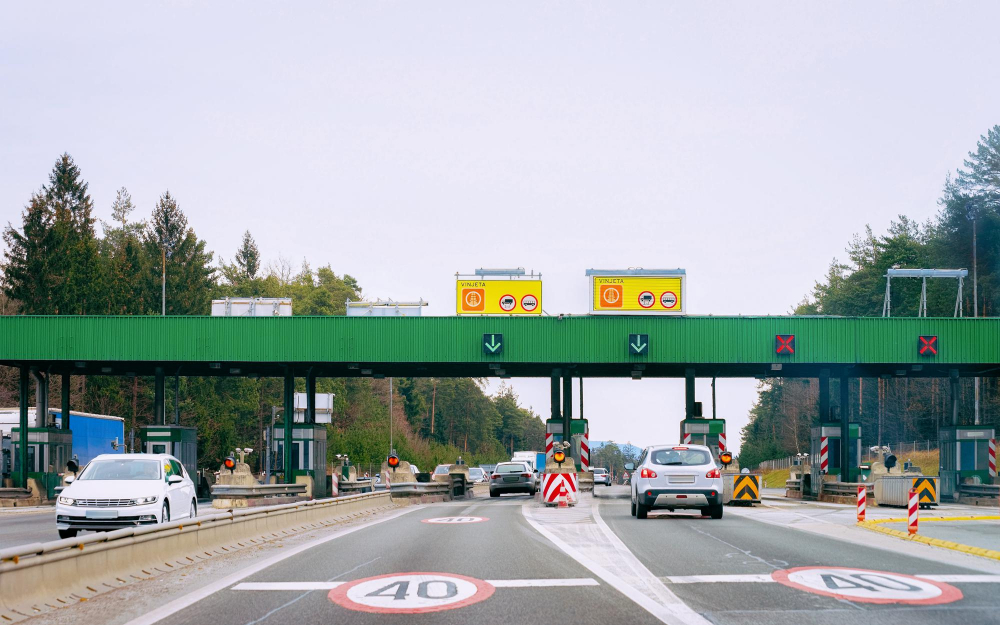
Toll classification is based on physical characteristics, and a motorhome frequently falls into a higher class than its owner expects because of its height, often measured at the barrier by a beam.
Some networks use an electronic tag, some require advance registration of the vehicle, and some have classes that depend on the plated weight rather than the actual one. The difference across a long trip is substantial.
Establish your toll class before travelling, obtain any tag or registration in advance, and budget on the correct class rather than the car rate.
7. Each country requires different equipment to be carried

Warning triangles, reflective jackets for every occupant, spare bulbs, a first aid kit, a fire extinguisher, snow chains in season and breathalysers have all been mandatory somewhere, and the combinations differ.
The requirements change, apply to the vehicle rather than to the nationality of the driver, and are enforced at roadside checks with on-the-spot fines. A jacket in the boot does not satisfy a rule requiring one within reach of the driver.
Build the kit from each country’s current requirement list rather than from a generic touring kit, and keep the jackets in the cab.
8. Emission zones need registration before you arrive
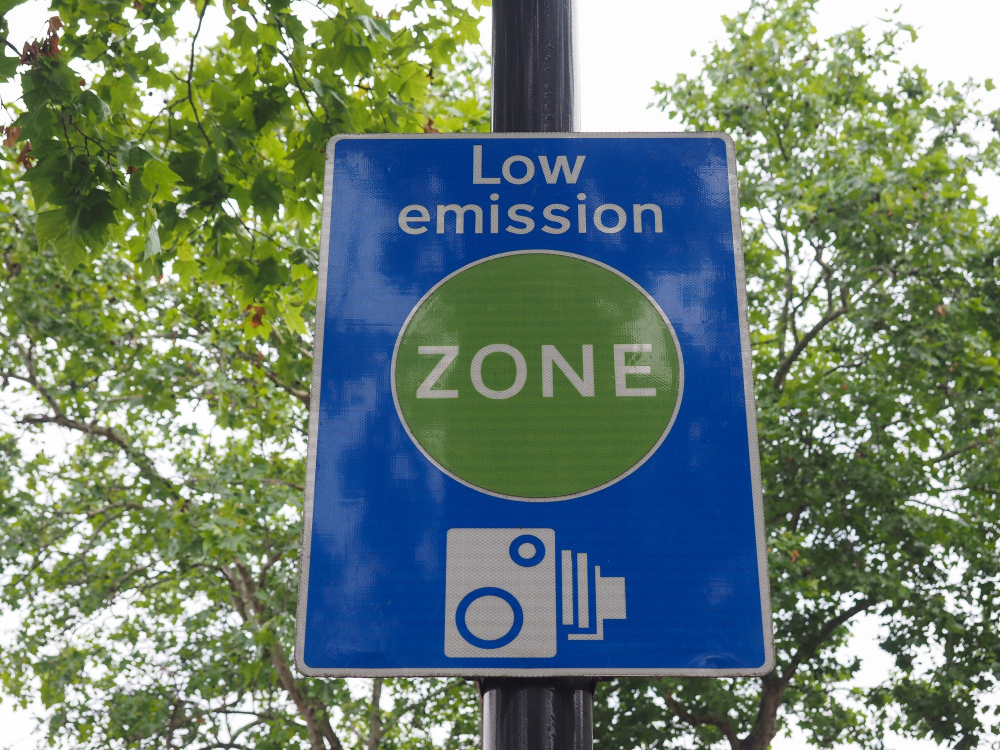
A great many European and other cities operate low emission or restricted traffic zones, and a growing number require foreign vehicles to be registered in advance, sometimes for a fee, with enforcement by camera and fines issued by post.
A motorhome on an older chassis frequently falls into a restricted category, and the zones are not always obvious from the road, with signage in the local language and boundaries that include approach roads.
Identify every zone on your route before departure and register where registration is required. Fines arrive months later and are pursued across borders.
9. Gas is the biggest practical difference between countries
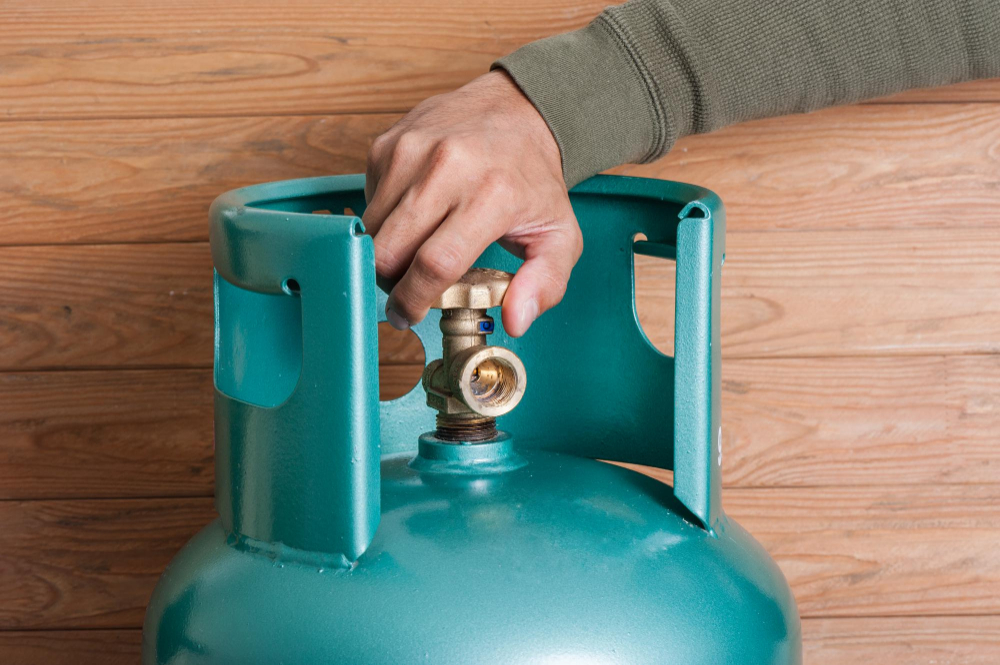
Cylinder types, fittings, regulator pressures and refill arrangements differ by country, and a cylinder bought in one place frequently cannot be exchanged or refilled in another. Some countries restrict the refilling of cylinders not registered there.
Refillable tanks fitted to the vehicle solve much of this but need the correct filling adaptor for each country, and there are several incompatible standards in common use across a single continent.
Work out the gas arrangement for your whole route before leaving, carry the adaptors you will need, and do not plan on exchanging a cylinder in a country where your type is unknown.
10. Overnight parking rules differ sharply and are enforced locally
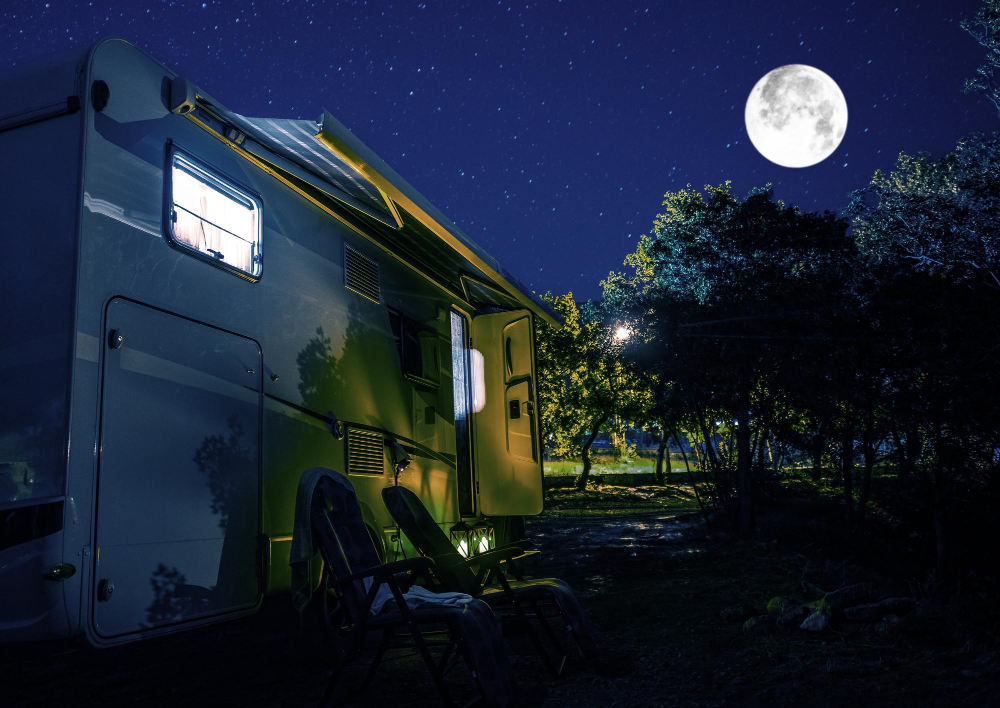
Some countries provide dedicated motorhome stopping places with services and tolerate overnight parking widely. Others prohibit sleeping in a vehicle outside a licensed site altogether, and some leave it to individual municipalities, which produces a patchwork.
The distinction that matters legally in many places is between parking, which may be permitted, and camping, which may not — defined by whether anything is deployed outside the vehicle: steps, chairs, an awning, a table.
Learn the national position and watch for local signs, and where overnight parking is tolerated rather than permitted, deploy nothing outside the vehicle.
11. Waste water disposal is regulated and watched
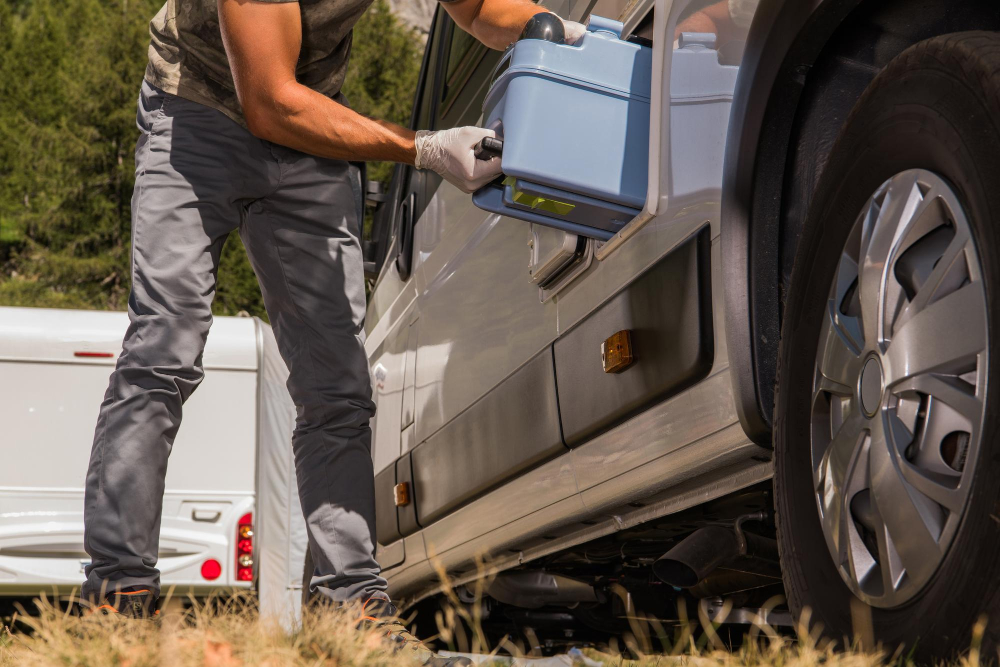
Emptying waste tanks anywhere other than a designated point is an offence in most countries, with the toilet tank treated far more seriously than the sink water, and both treated seriously in water catchment areas.
Enforcement has tightened considerably as motorhome numbers have grown, and in several regions it is the behaviour most responsible for municipalities closing stopping places that were previously tolerated.
Plan the route around service points, which are mapped, and never discharge anything at a parking place. This is the single item with the largest effect on whether facilities remain available to everybody.
12. Insurance, breakdown cover and the habitation side
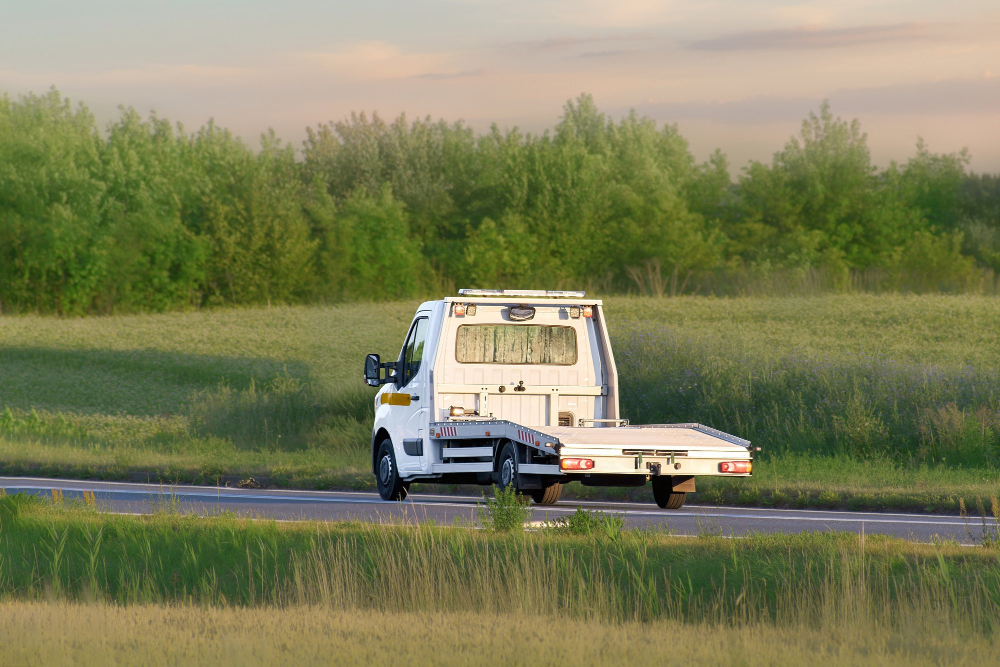
Motor insurance covers the vehicle on the road, and the living area, its contents and its fixed equipment may be covered separately or not at all. Breakdown cover for a car frequently excludes vehicles above a weight or length.
Recovery of a large vehicle abroad is a specialist operation and expensive, and policies differ on whether they will repatriate a motorhome, provide alternative accommodation, or get the occupants home while the vehicle stays.
Read the policy for the weight and length limits, for the habitation cover and for what happens to the occupants if the vehicle cannot be moved.
13. Ferries and tunnels have their own declarations
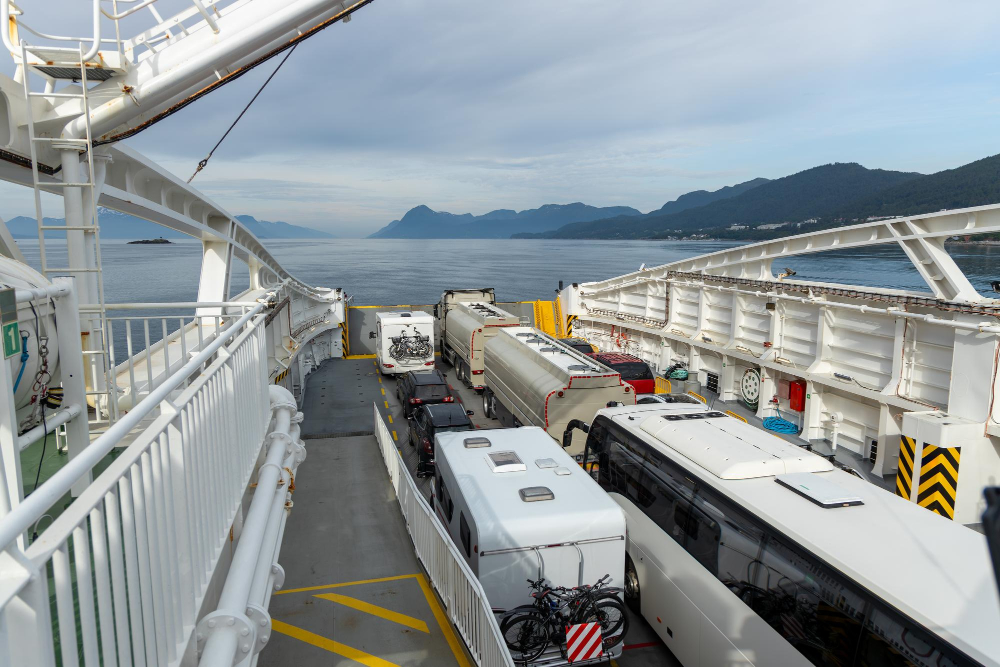
Crossings charge by length and height including everything attached, require gas to be turned off at the cylinder and declared, and in some cases limit the number or size of cylinders carried.
Rail tunnel shuttles have their own gas rules, which are generally stricter than ferry rules, and both treat a wrongly declared vehicle as a matter for the barrier rather than for negotiation.
Measure the vehicle as loaded, declare the real figures, and know your cylinder count and sizes before you reach the terminal.
14. And the order to sort it all out in
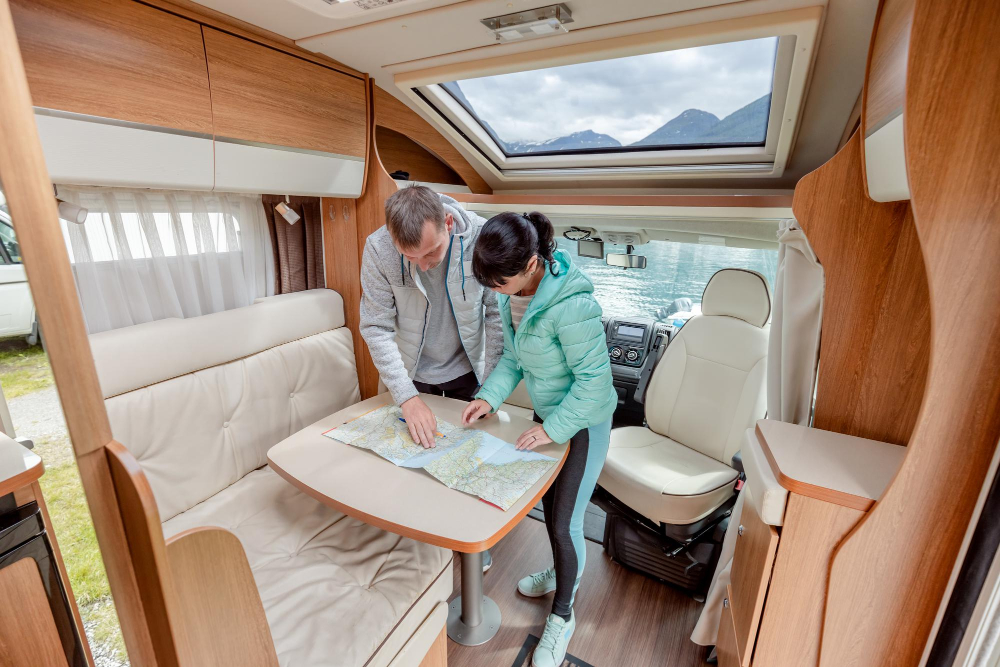
Before anything: check your licence categories against the vehicle’s plated weight, then load the vehicle as you will travel and weigh it. Those two facts determine whether the trip is lawful at all.
Then, route by route: speed limits for your weight class, toll class and any tag, emission zone registrations, required equipment for each country, the gas arrangement and adaptors, and the overnight parking position. Then the insurance wording for weight, length, habitation and recovery.
The honest summary: the licence category against the plated weight is the item that decides everything and depends on when you passed your test; payload is smaller than owners expect and overloading is the offence most often found at roadside checks; gas fittings are incompatible across a surprising number of borders; emission zone fines arrive months later and are pursued across borders; and discharging waste water anywhere but a service point is the behaviour that closes stopping places for everybody.
The two facts that decide everything

The licence first. Motorhomes are categorised by maximum authorised mass, and above a threshold the driver needs a category an ordinary car licence does not include. Whether a given driver holds it frequently depends on when they passed their test, because many jurisdictions grandfathered an entitlement that newer drivers do not have — and in several, that entitlement must be renewed with a medical above a certain age. Two drivers of similar age can therefore have completely different rights in the same vehicle. The categories are printed on the back of the licence and the figure is on the vehicle’s plate, and comparing them takes a minute.
The weight second. Payload is what remains after the vehicle itself, and manufacturers’ quoted unladen figures frequently exclude things a buyer would consider standard. Overloading is enforced by weighbridge and spot checks, carries an on-the-spot fine in most jurisdictions, can mean being prohibited from continuing until the vehicle is unloaded at the roadside, and affects both insurance validity and braking performance. It is the offence most commonly found in roadside checks of leisure vehicles, and the fix is to load the vehicle as you intend to travel and put it on a public weighbridge.
Everything after that is route planning, and the two items that generate the most expensive surprises are emission zone registrations, where fines arrive months later and are pursued across borders, and gas, where cylinder types, fittings and refill rights are incompatible across a surprising number of frontiers.
Do the two decisive things first: compare your licence categories against the plated maximum authorised mass, and weigh the vehicle loaded as you will travel.
Then work the route: speed limits for your weight class in each country, written down, because they are often published in the traffic code rather than signed; your toll class and any tag or advance registration; every emission zone on the route and whether foreign vehicles must register; the equipment each country requires, with reflective jackets in the cab rather than the boot; the gas arrangement and every adaptor you will need; and the overnight parking position, remembering that where it is tolerated rather than permitted the legal line is usually between parking and camping — defined by whether anything is deployed outside the vehicle.
Then read the insurance for weight and length limits, for whether the habitation area and its contents are covered, and for what happens to the occupants if the vehicle cannot be moved.
And never discharge waste water anywhere but a designated service point. More than any other behaviour, that is what has closed stopping places that used to be available to everybody.
Like our content? Follow us for more.