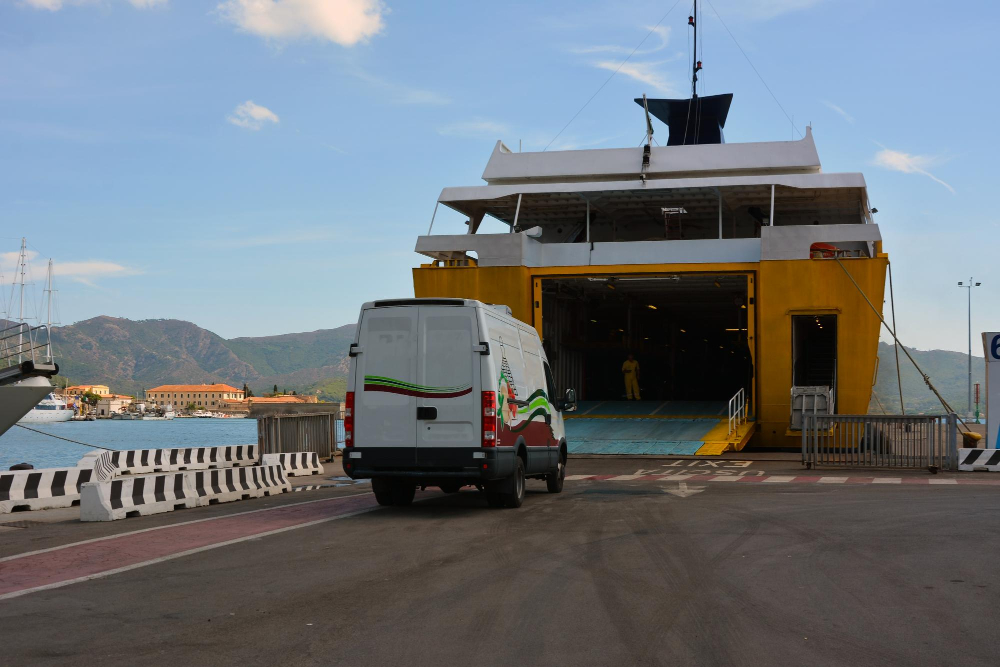
Ferry travel runs on rules that have no equivalent in flying, because a ship is loaded as a planned sequence of vehicles rather than filled with passengers. That single fact produces the check-in deadline, the measured dimensions, the closed vehicle decks and most of the ways a crossing goes wrong.
None of it is complicated and almost none of it is explained before you arrive at the barrier. Here are fifteen things about it.
1. Check-in closes far earlier than it does for a flight
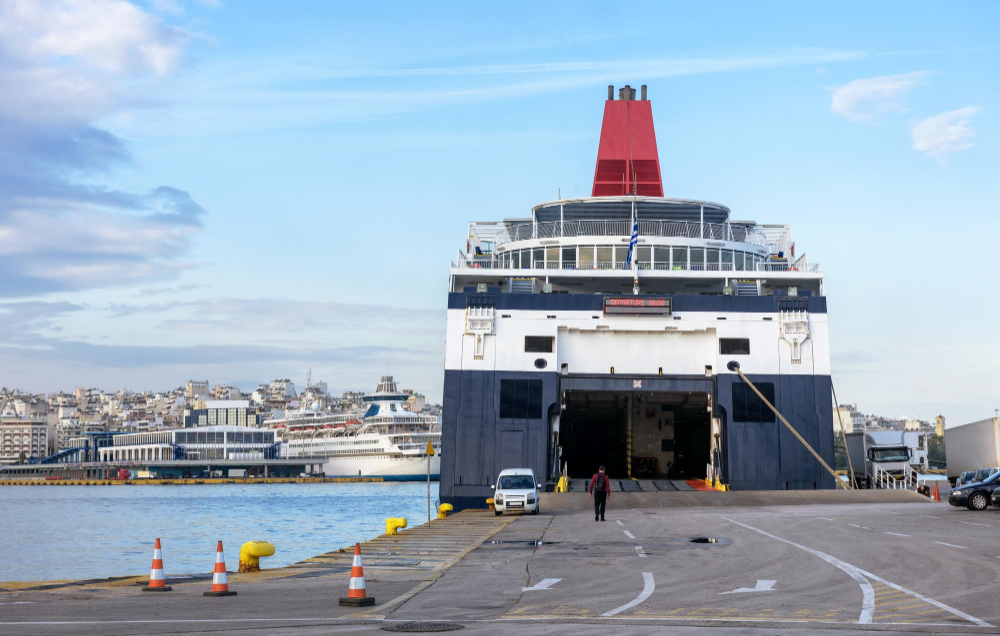
A vehicle sailing typically requires arrival a long time before departure, because the loading of a ship is a planned sequence of vehicles by height, weight and disembarkation order rather than a queue.
Missing the check-in deadline on a ferry is generally final in a way that it is not at an airport. There is no running to the gate, because the deck has been loaded in an order that cannot accommodate a late arrival.
Read the stated check-in deadline for your specific sailing, add time for the port approach, and treat it as the departure time in your own planning.
Like our content? Follow us for more.
2. Your vehicle’s dimensions are declared, and they are checked
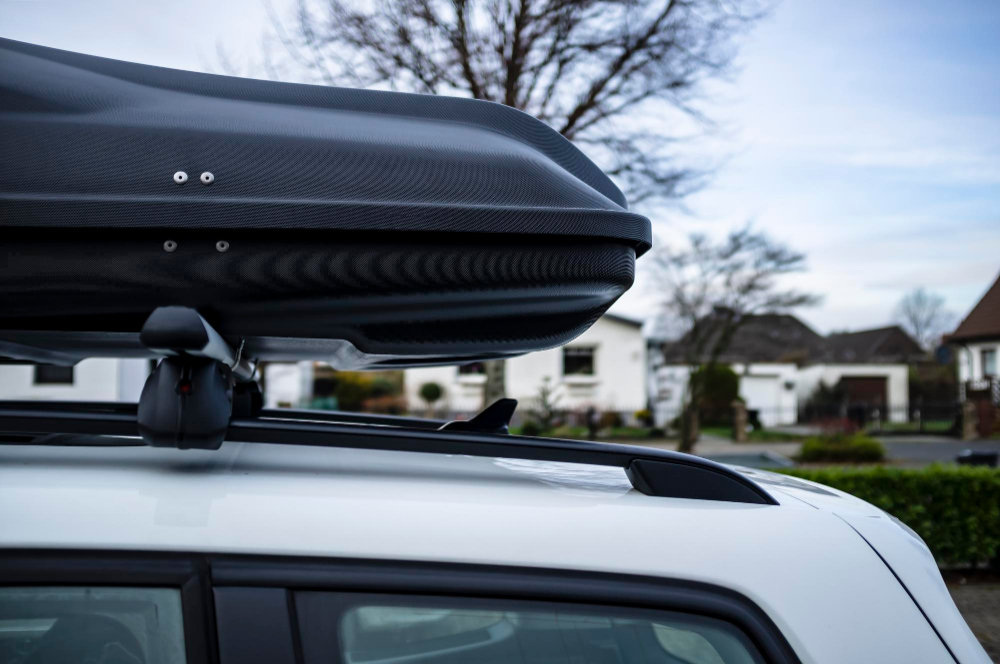
Fares are set by length and height, and operators measure at the port. A vehicle declared in the wrong category is recharged at the gate, at the walk-up rate, and in a busy season may not be loadable at all.
The measurement includes everything attached: a roof box, roof bars, a bike rack, a tow bar with a carrier on it, a bicycle on the back and an aerial. Height is measured to the highest point and length to the furthest.
Measure the vehicle as it will actually be loaded, with everything fitted, and declare the real figures. The difference in fare is almost always smaller than the penalty.
3. Trailers, caravans and bikes are separate declarations
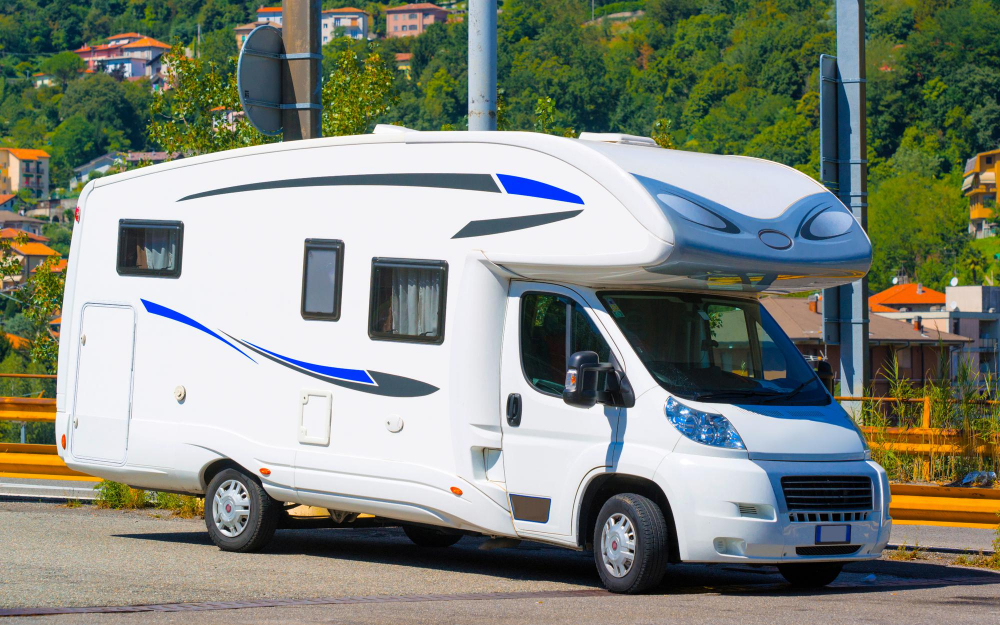
A towed unit is generally charged separately and must be declared, and the combination’s total length is what governs. Motorcycles and bicycles have their own categories and their own loading arrangements.
Unbooked extras are the most common cause of a dispute at the barrier, because the fare has been set against a declaration that no longer describes what has arrived.
Declare every attached and towed item at booking, and check the total length against the category rather than the vehicle’s own length.
4. You cannot go back to your vehicle during the crossing
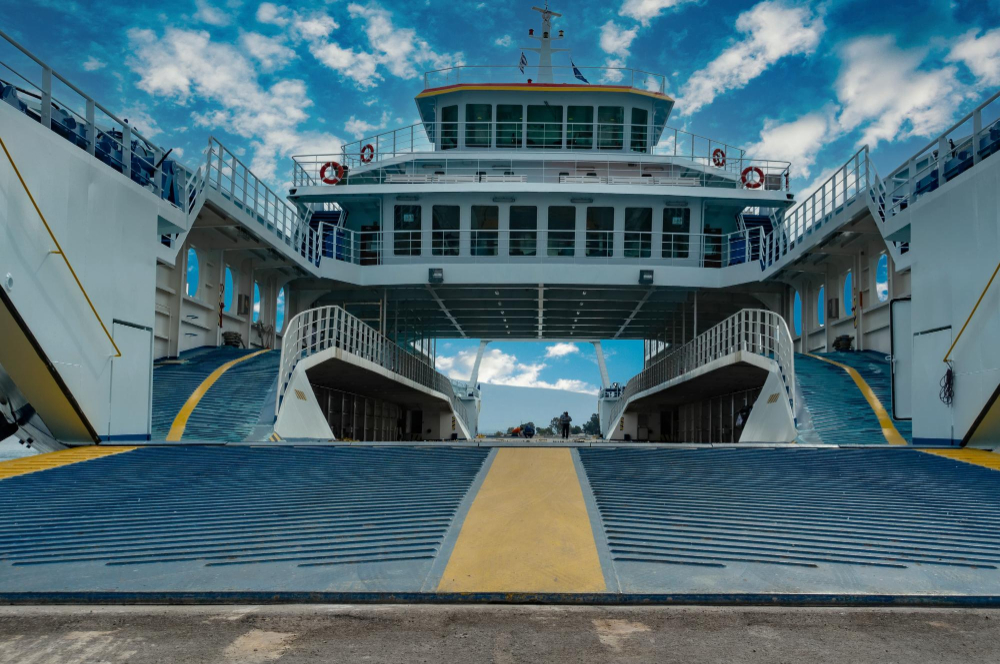
Once loaded, vehicle decks are closed and passengers are not permitted on them while the ship is at sea, for fire safety and because the decks are not designed for people in motion.
This catches people constantly. Medication, documents, a coat, a child’s toy, a laptop and anything needed during the crossing has to come up with you, and on a long sailing that includes things you did not anticipate needing.
Pack a separate bag for the crossing before you leave home, and put everything valuable, medical or documentary in it.
5. Pets stay in the vehicle, in a kennel, or in a designated cabin
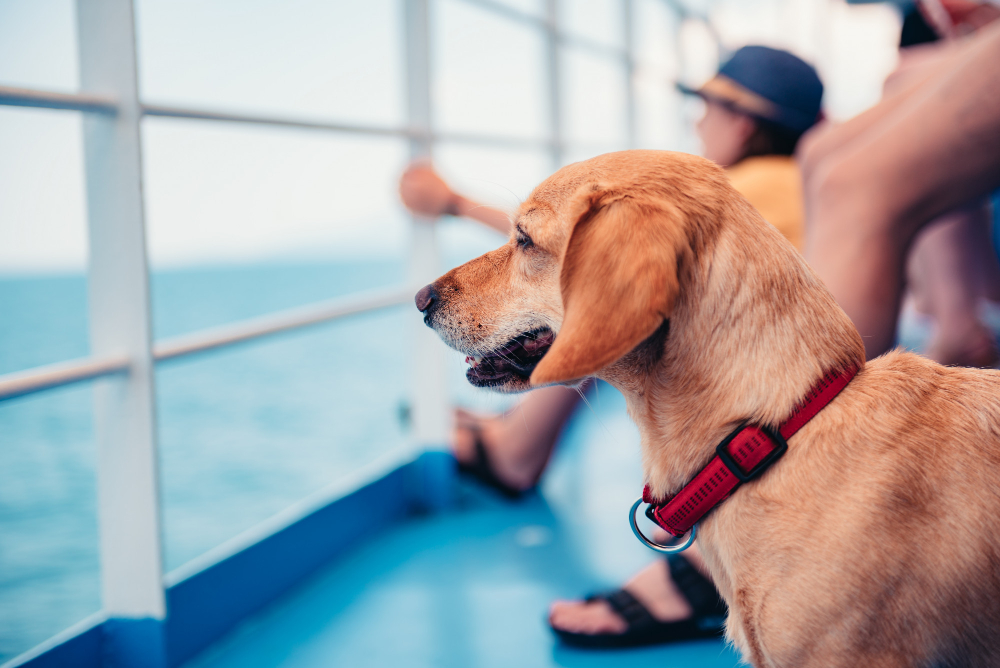
Arrangements vary: some ships allow animals to remain in a vehicle on a closed deck, some provide kennels, some have pet-friendly cabins and some have dedicated areas. Visiting an animal on a closed deck is generally not possible during the crossing.
Spaces are limited and have to be booked, and on routes where the animal remains in a vehicle the operator will give instructions about ventilation and water that are worth following precisely.
Book the specific pet arrangement at the time of booking and ask what access, if any, you will have during the sailing.
6. Gas cylinders have to be declared and turned off

Campervans, caravans and motorhomes carry gas, and operators require cylinders to be turned off at the bottle, declared at check-in, and in some cases limited in number or in size. Refrigerators running on gas must be switched off.
These are dangerous goods rules rather than operator preference, and a declaration that turns out to be wrong can mean refusal of carriage at the barrier with a non-refundable fare.
Turn the gas off before you reach the port, know how many cylinders you have and their size, and declare them accurately.
7. Foot passengers have different rules and a different route entirely
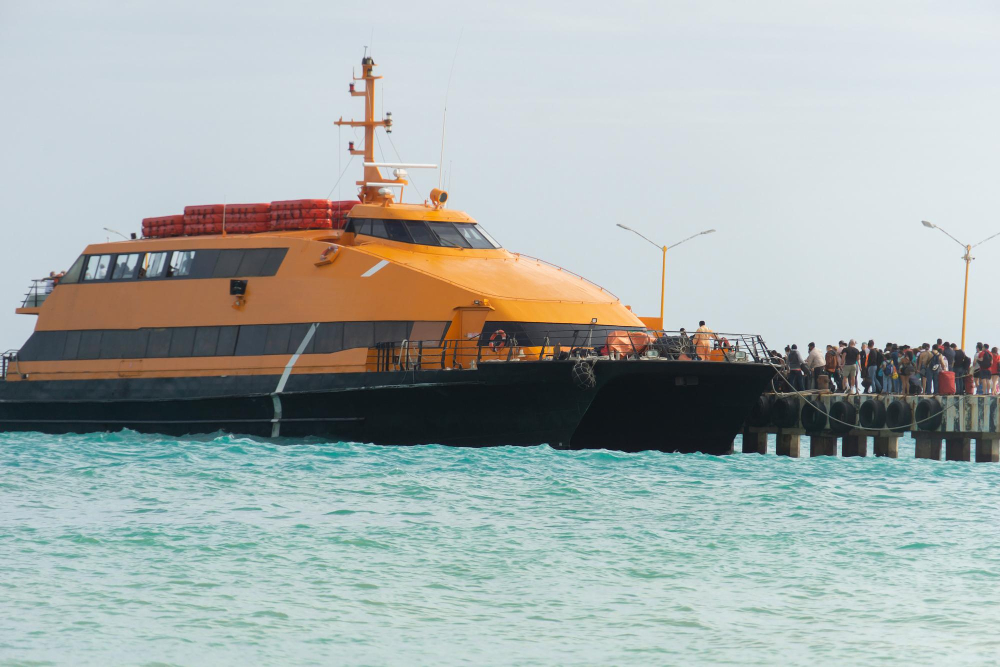
On many crossings foot passengers check in elsewhere, board at a different time by a different route, and on some routes are not carried at all because there is no safe pedestrian access to the berth.
Where foot passengers are carried, the connection to public transport at each end is frequently the weak point, with port terminals located away from towns and bus links that do not match sailing times.
Confirm that foot passengers are carried on your intended sailing, and check the onward transport at both ends before booking.
8. Overnight crossings sell cabins, seats and nothing

An overnight sailing without a cabin means a reclining seat if one has been booked, or a public lounge if not. Cabins sell out, and on some routes a cabin is compulsory for an overnight crossing.
The difference between a cabin and a lounge chair on a twelve-hour sailing is the difference between arriving able to drive and arriving not, which matters because most people drive off the ship directly.
Book a cabin for any overnight crossing you intend to drive away from, and treat it as part of the cost of the journey rather than an upgrade.
9. Weather cancels sailings, and it is nobody’s fault
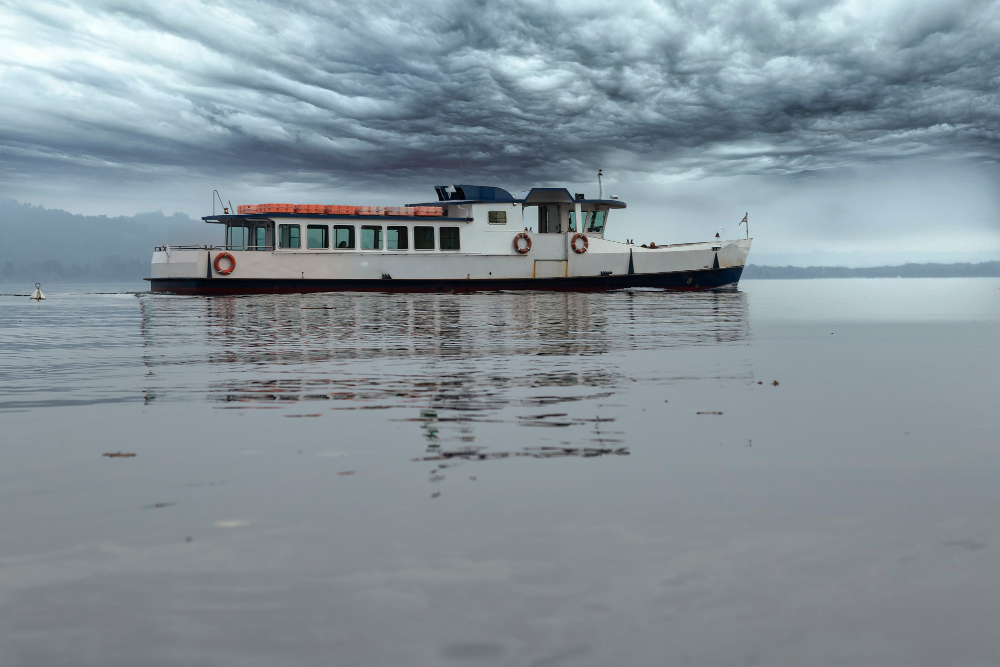
Ferries are cancelled or delayed for sea state and wind far more often than flights are cancelled for weather, particularly on short exposed routes and for high-sided vehicles, which are sometimes refused even when the sailing operates.
The high-sided vehicle restriction is the one people do not expect: a motorhome or a van can be left behind on a sailing that carries cars, because wind limits apply to the loading and to the vessel’s stability.
Build a spare day into any itinerary that depends on a specific crossing, and do not book a non-refundable commitment on the far side for the same day.
10. Passengers at sea have statutory rights in several regions

Where they apply, maritime passenger rights provide for information, assistance such as meals and accommodation during long delays, and re-routing or reimbursement when a sailing is cancelled or substantially delayed.
They are not the same as air passenger rights and the thresholds, exclusions and compensation provisions differ, with weather generally excluded from compensation while assistance obligations often remain.
Find out whether your route is covered before you need to know, and keep the booking reference and any delay notification, because a claim depends on documentation.
11. Ports are frequently nowhere near the city in the name
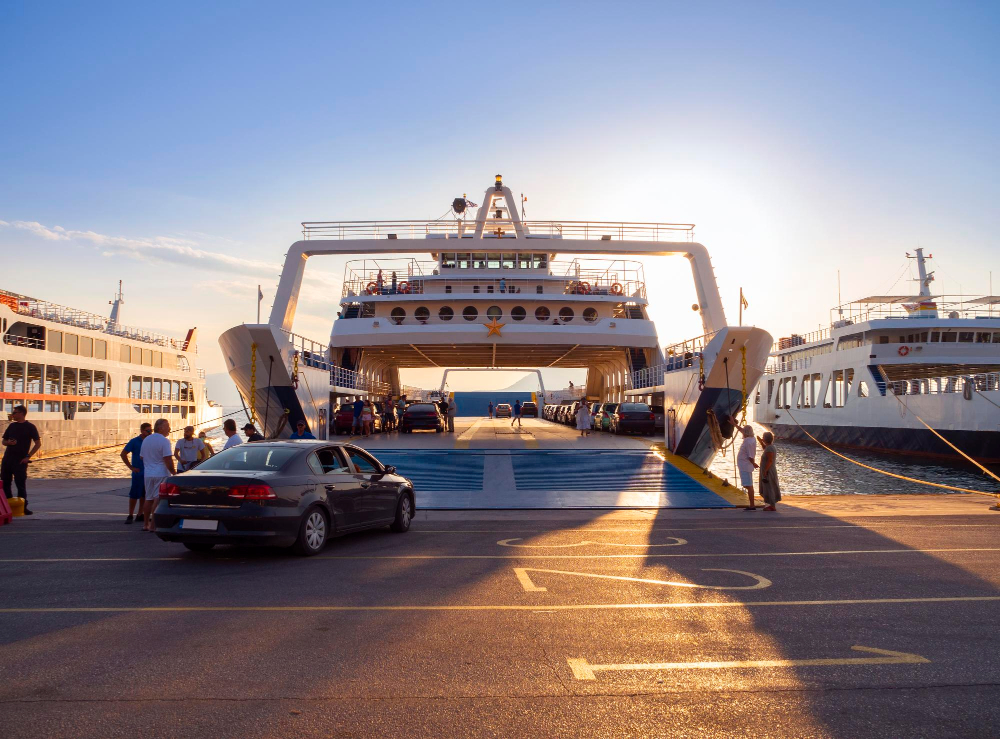
A sailing described by a city name may arrive at a port some distance away, in a different town and occasionally in a different country, with the onward journey a significant part of the trip.
This is the same pattern as airport naming and it has the same consequence: the attractive fare is attached to the inconvenient terminal, and the saving is spent on the transfer.
Look up the actual port and its distance from your destination, by road, before comparing fares.
12. Allowances on a sea crossing are not automatically duty-free

Whether duty-free applies depends on the route and on the status of the two ports, not on the fact of being at sea, and the allowances for goods brought ashore are the destination country’s ordinary allowances.
On-board shops on some routes sell duty-paid goods at ordinary rates, and the limits that apply when you drive off are the customs limits for the country you are entering, with a vehicle making it easier to exceed them than a suitcase does.
Check the destination’s allowances rather than the shop’s suggestions, and remember that a car boot holds considerably more than an allowance.
13. Driving off at the other end needs the documents ready

Disembarkation is quick and the documents required for the country you are entering — licence, insurance evidence, vehicle registration, any required equipment — need to be accessible rather than packed.
Several countries require specific equipment to be carried in a vehicle, and the ferry terminal is the last practical place to acquire anything missing, if it can be bought there at all.
Assemble the driving documents and required equipment before the crossing and keep them in the vehicle’s cabin rather than in the boot.
14. Seasickness is a real constraint on a plan rather than a joke

Exposed crossings in poor conditions are genuinely unpleasant, and a traveller who is affected and then has to drive on arrival has a problem that the timetable does not account for.
Over-the-counter preparations exist, some cause drowsiness, and whether any of them is appropriate for somebody who will be driving is a question with a specific answer that differs by preparation and by person.
If motion sickness affects you and you will be driving off the ship, ask a pharmacist specifically about driving before the trip, and consider a longer route in calmer waters or an overnight cabin instead.
15. And the sequence that makes a ferry crossing easy

At booking: measure the vehicle with everything fitted, declare every towed and attached item, book the pet arrangement, book a cabin for any overnight sailing, and check whether foot passengers are carried if that applies to you.
Before the port: turn the gas off, pack a separate bag for the crossing with medication, documents and valuables, put the driving documents in the cabin of the vehicle, and leave for the port treating the check-in deadline as the departure time.
The honest summary: the check-in deadline is effectively final because the deck is loaded in a planned order, the measured height and length include the roof box and the bike rack, you cannot return to your vehicle at sea so anything you need must come up with you, gas must be off and declared under dangerous goods rules, high-sided vehicles can be refused on a sailing that carries cars, and the port is frequently a long way from the city in the name.
The four that catch people
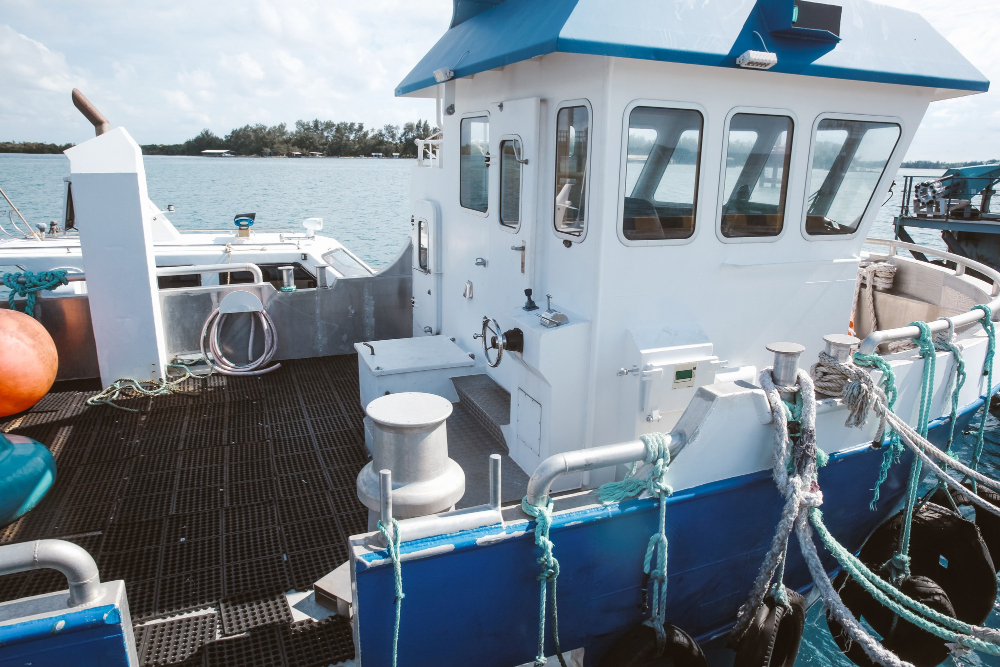
The check-in deadline, which is effectively absolute. A deck is loaded in an order determined by height, weight and disembarkation sequence, so a late vehicle cannot simply be added at the back. There is no running to the gate.
The measurement, which includes everything attached. Height is taken to the highest point and length to the furthest, so a roof box, roof bars, a bike rack, a bicycle on the back or a carrier on a tow bar all count, and a declaration that no longer describes the vehicle is recharged at the walk-up rate at the barrier — or refused in a busy season. Towed units are charged separately and the combination’s total length governs.
The closed vehicle deck, which is a fire safety matter and is enforced absolutely. Everything needed during the crossing has to come up with you, which is the single most useful thing to prepare for, and the people it catches hardest are those who left medication in the glovebox.
And the weather, which cancels sailings far more often than it cancels flights — especially on short exposed routes. The part nobody expects is that high-sided vehicles can be refused on a crossing that carries cars, because wind limits apply to the loading and to the vessel’s stability, so a motorhome can be left behind on a sailing that operates.
At booking: measure the vehicle as it will actually be loaded, with everything fitted, and declare the real figures. Declare every towed and attached item against the total length. Book the specific pet arrangement and ask what access you will have at sea. Book a cabin for any overnight crossing you intend to drive away from — on a twelve-hour sailing that is the difference between arriving able to drive and arriving not. And if you are travelling as a foot passenger, confirm the sailing carries them and check the onward transport at both ends, because port terminals are often away from towns with bus links that do not match sailings.
Before the port: turn the gas off at the bottle and know how many cylinders you have, because that is a dangerous goods rule rather than a preference. Pack a separate bag for the crossing with medication, documents and valuables. Put the driving documents and any equipment the destination requires in the vehicle’s cabin rather than the boot.
And build a spare day into any itinerary that depends on a specific crossing.
Like our content? Follow us for more.