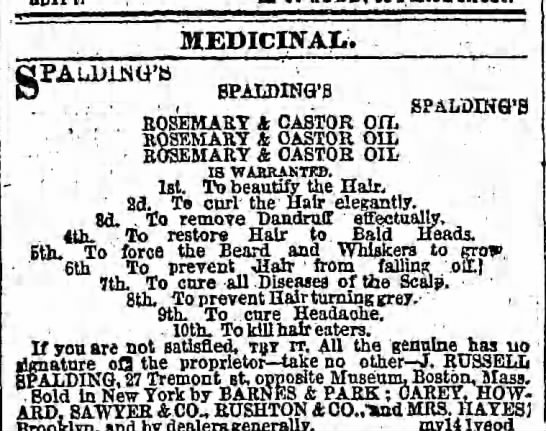
The hair advice of 1965 had a confident mechanism for everything and a correct one for almost nothing. It rested on a single underlying assumption — that hair is in some sense living tissue that can be fed, sealed, stimulated and healed — which is false, and which is still the basis of a great deal of what gets sold.
What makes the file interesting is how many of the observations were accurate while the explanations were invented. Here are sixteen things about it.
1. A hundred strokes of the brush, every night
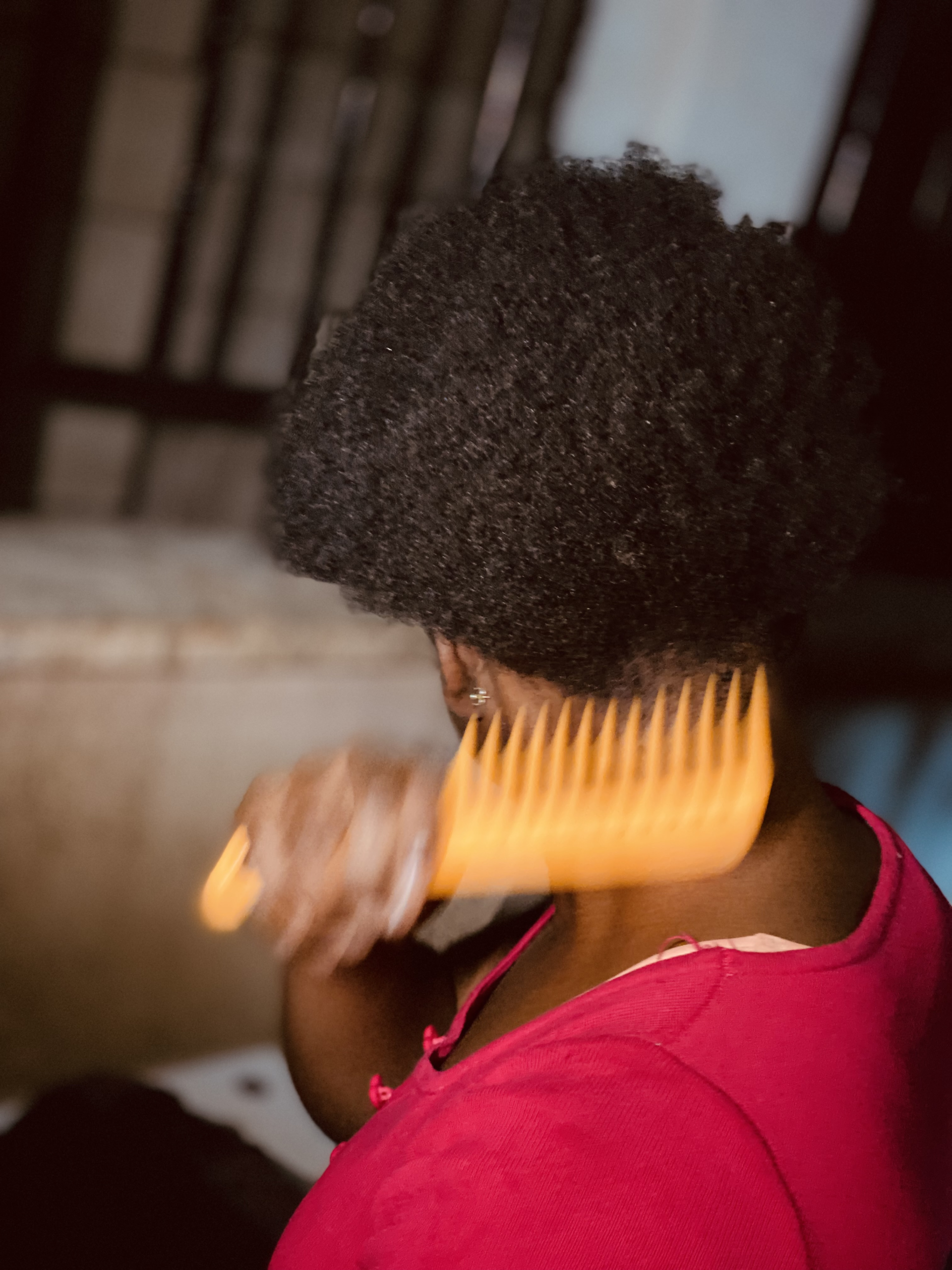
The instruction was precise, repeated in every advice column and magazine of the period, and taught to girls as a discipline. The count was the point: not brushing, but brushing a specified number of times.
Vigorous repeated brushing does not improve hair and mechanically damages it, particularly when it is wet or fine. Modern guidance is to brush or comb as much as is needed to detangle, gently, starting at the ends and working up, and no more than that.
The invented number is the tell. There was never a study, a measurement or a mechanism behind a hundred, and its precision is exactly what made it sound like knowledge.
Like our content? Follow us for more.
2. Brushing distributes the hair’s natural oils
This was the stated mechanism and it sounded plausible: sebum from the scalp, drawn down the length of the hair by the bristles, conditioning it from root to tip.
Sebum is produced at the scalp and does travel a short distance along the hair, but brushing does not meaningfully transport it down a long shaft, and the friction involved does more harm than the redistribution does good. Conditioner exists because the mechanism does not work.
The claim was not wholly absurd. It was a real process, enormously overstated, which is the commonest shape of error in this whole series.
3. Hair should only be washed once a week
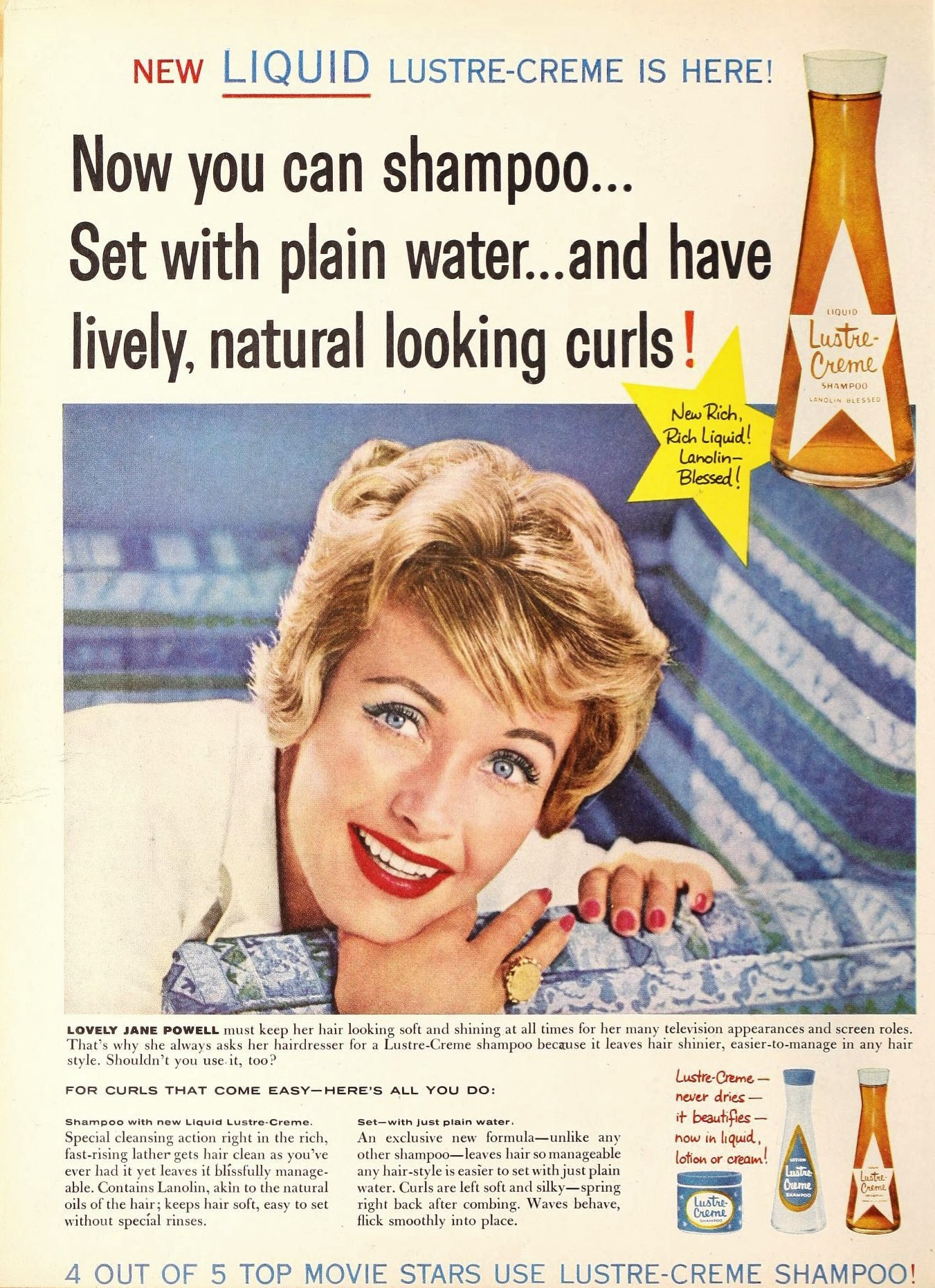
Washing more often was believed to strip the hair and to make the scalp produce more oil in compensation. A fortnight was common and was presented as good practice rather than as a constraint.
There is no correct frequency. It depends on hair type, scalp condition, activity and what is on the hair, and the modern position is to wash as often as it needs, which for some people is daily and for others is weekly. The rebound theory — that washing increases oil production — has no support.
A good deal of the 1965 advice was shaped by the practical difficulty of washing and drying long hair before domestic hot water and hair dryers were universal, and was then rationalised into a rule.
4. Dandruff is dryness, so use less shampoo and more oil
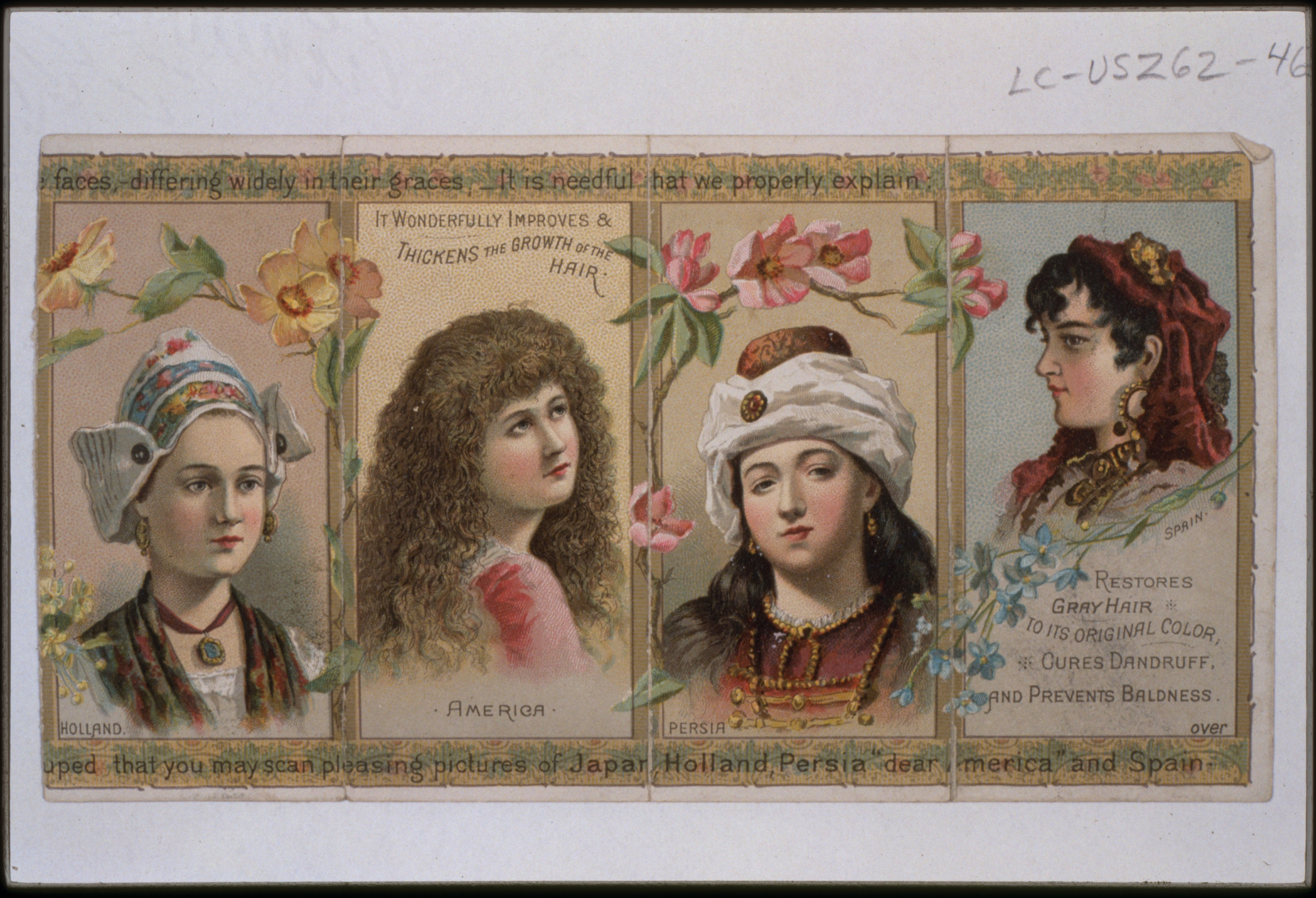
The standard understanding was that a flaking scalp was a dry scalp, treated by washing less and applying oil, which is the opposite of what helps in most cases.
The common causes involve a yeast that lives on everybody’s skin and an inflammatory response to it, which is why the effective treatments are medicated shampoos used regularly rather than oils used instead of washing. Dryness is a less common cause.
Nothing here is a diagnosis. A persistently flaking, itching or sore scalp is worth showing to a pharmacist or a doctor rather than treating by trial, because several different conditions look similar and the treatments differ.
5. Singe the ends to seal them
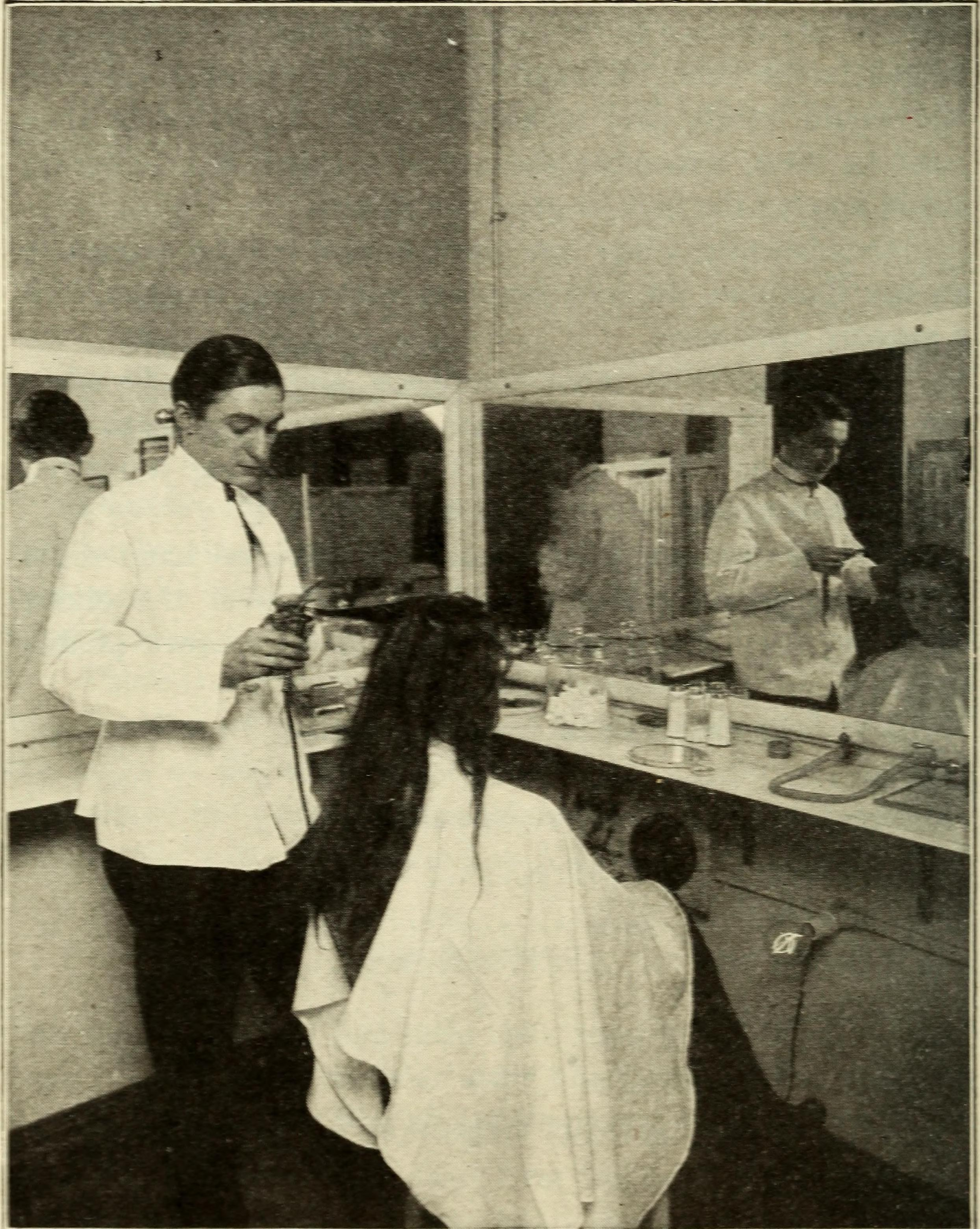
Hairdressers of the period singed cut ends with a lighted taper, on the stated theory that sealing the end of the shaft kept the moisture and the strength inside it.
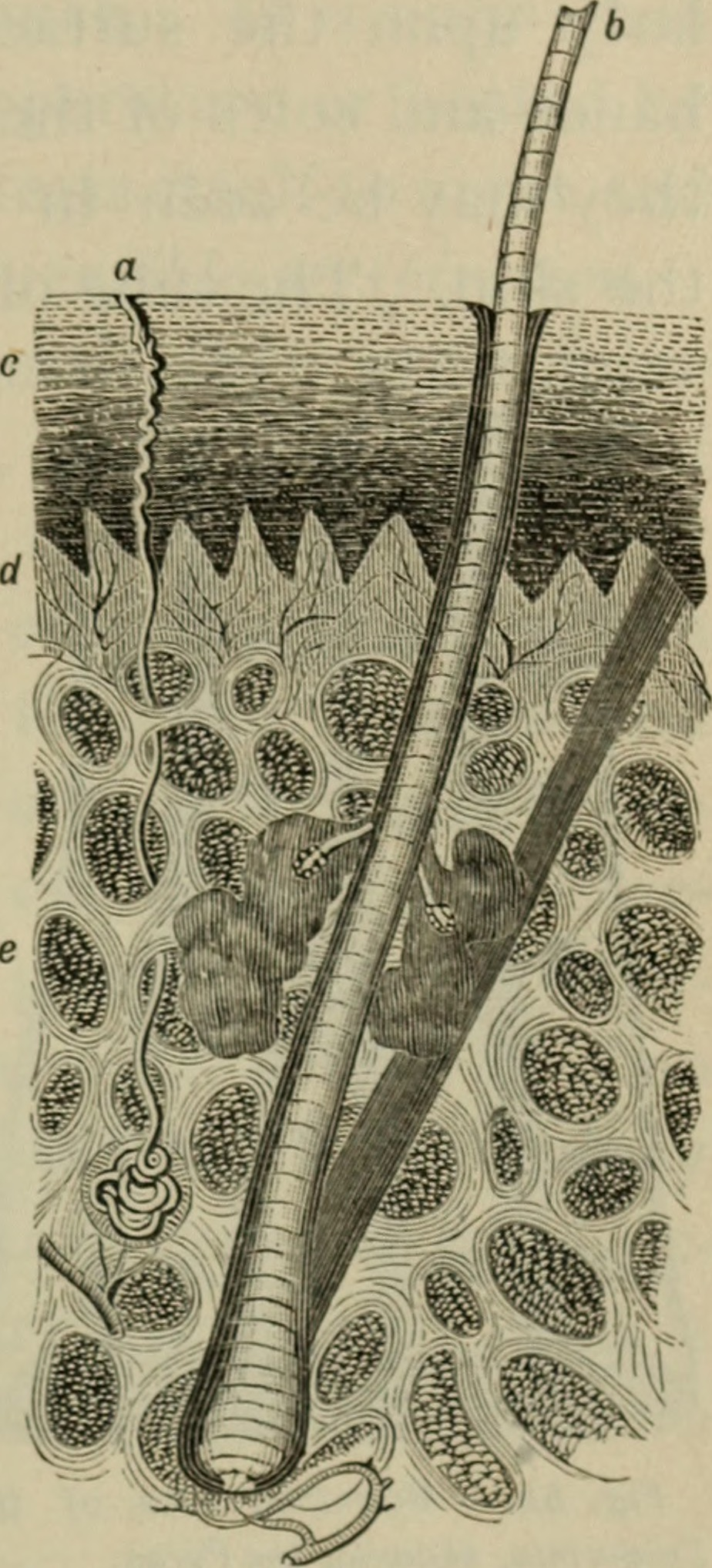
Hair has no circulation and nothing to seal. The shaft is dead keratin, the cut end is simply a cut end, and heat damages the protein structure rather than closing it. The practice has disappeared from mainstream hairdressing.
The underlying belief — that the hair is in some sense alive and can be sealed, fed or healed — is the single most persistent error in hair care and it is still used to sell things.
6. Split ends can be repaired
Preparations were sold on the basis that a split end could be mended, and the claim was accepted because it is intuitive: a damage that can be seen ought to be fixable.
A split cannot be repaired. Products can smooth the shaft, coat it and make splits less visible temporarily, and the only thing that removes one is cutting it off. Modern labelling in most markets no longer claims repair.
The practical consequence is a simple one: trimming is the treatment, and everything else is cosmetic in the literal sense.
7. Cutting hair makes it grow faster
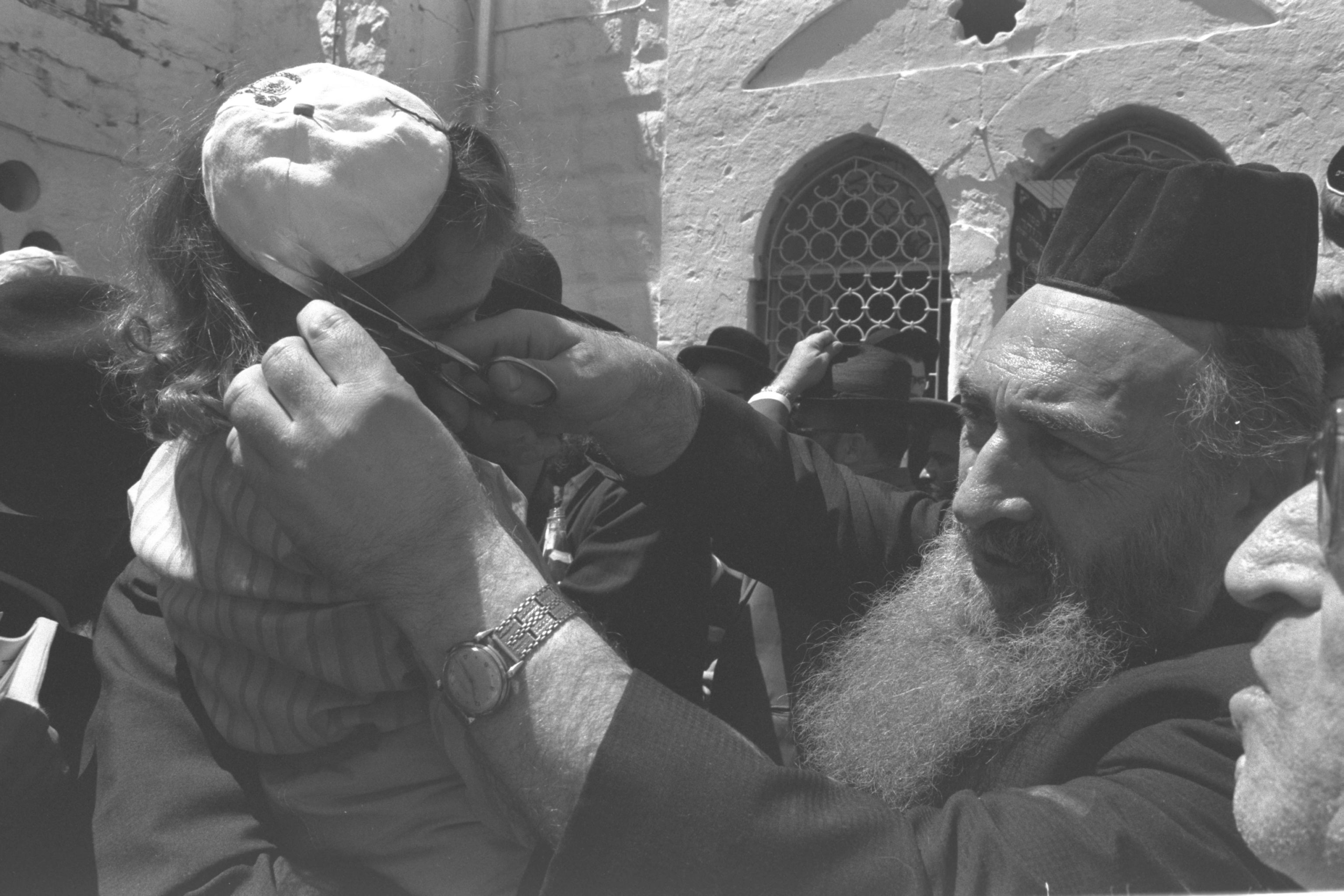
Universally believed, applied to children in particular, and the reason a great many people had short hair they had not asked for.
Growth happens at the follicle in the scalp and is entirely unaffected by what happens at the other end. Cutting changes nothing about the rate. What it does is remove damaged length, so hair that is trimmed looks thicker at the ends and breaks off less, which is where the impression comes from.
The impression is real even though the mechanism is wrong, which is why the belief survives.
8. Shaving makes hair grow back thicker

Applied to men’s faces, to women’s legs and to children, and reinforced by the obvious coarseness of regrowth.
Shaving cuts the shaft at its thickest point and leaves a blunt end, which feels coarser and looks darker than a tapered uncut tip. The follicle is untouched and the hair that grows is the same hair it was going to be.
This is the clearest case in the file of an observation that is accurate and an explanation that is wrong.
9. Wearing a hat causes baldness
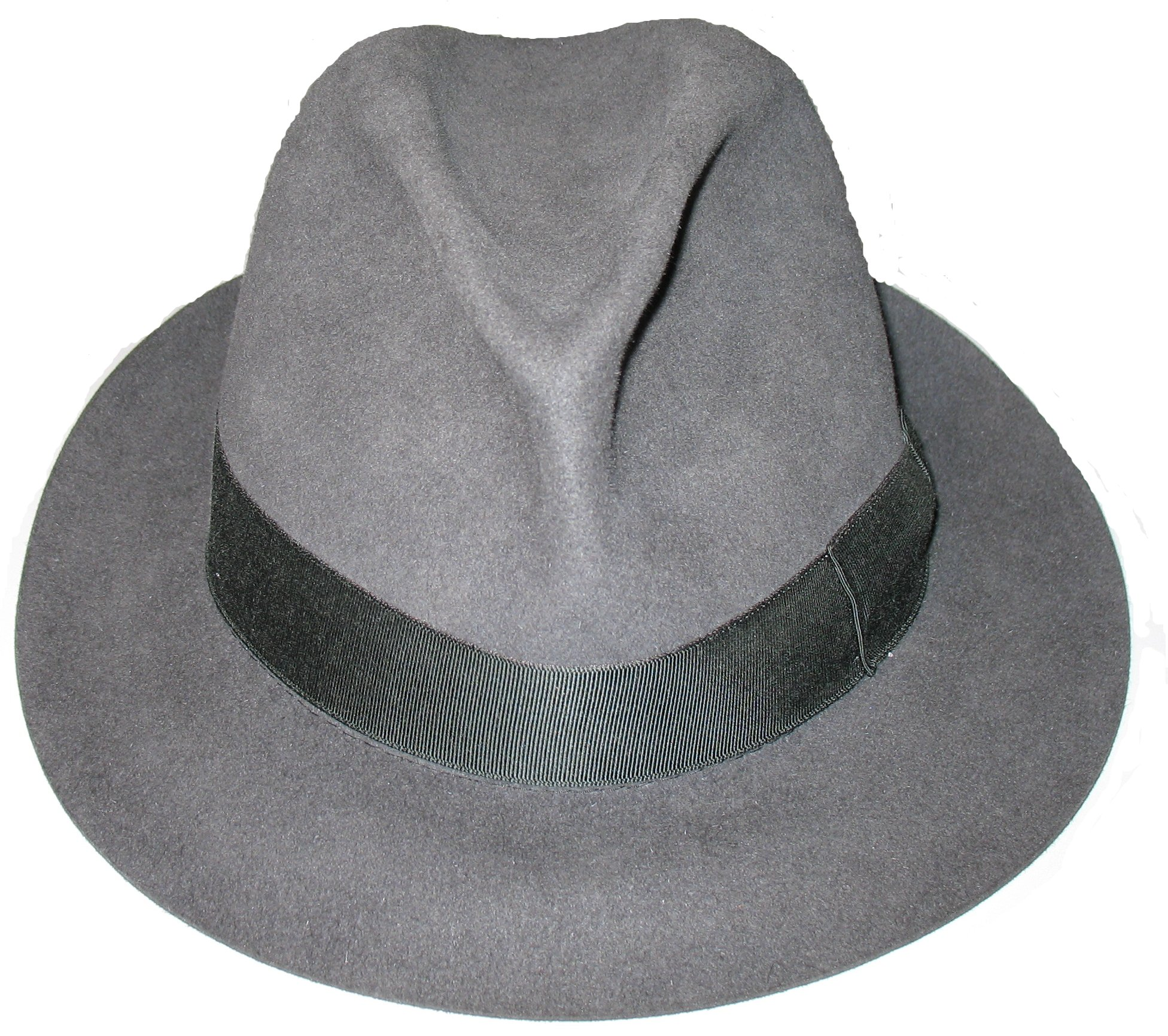
A standard explanation for male hair loss, with the stated mechanism varying between pressure, heat and the hair not being able to breathe.
Hair does not breathe and is not oxygenated from outside. Pattern hair loss is overwhelmingly genetic and hormonal, and ordinary hat wearing has no demonstrated role. Very tight, sustained pulling can cause a different and specific kind of loss, which is a separate matter from a hat.
Hair loss is a subject where a great deal is still sold on false mechanisms. Anybody concerned about it is better served by a doctor or a dermatologist than by anything on a shelf.
10. Baldness comes from your mother’s father
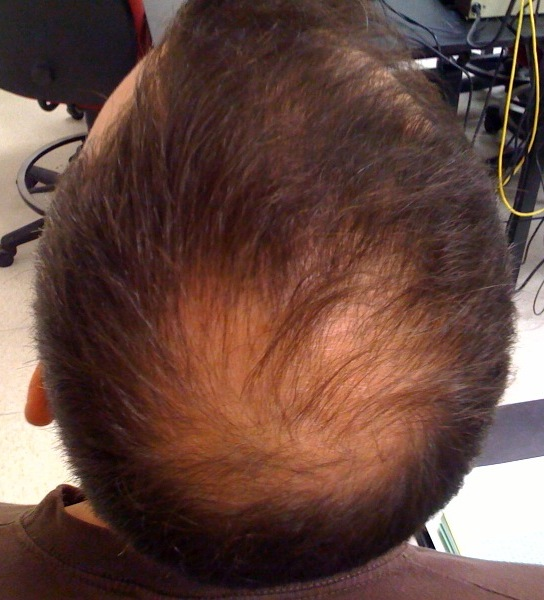
The rule was stated with confidence and great specificity, which is what made it convincing, and it is still repeated.
The genetics are polygenic — many genes contribute, inherited from both sides — and while one relevant gene does sit on the X chromosome, which gives the maternal line a real but partial role, the single-ancestor rule is a simplification that does not predict anything reliably.
A grandfather is one data point among many, which is a less satisfying answer than the rule and is the accurate one.
11. Shock turns hair white overnight
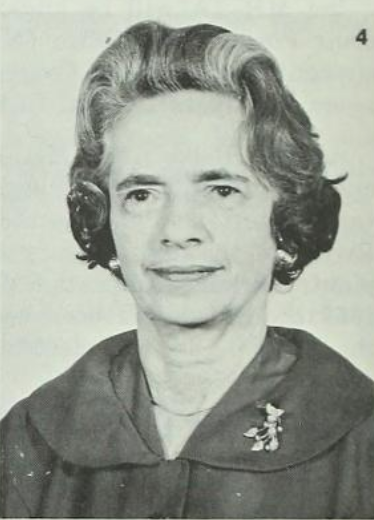
The belief is ancient, was repeated as fact in 1965, and appears in enough accounts to have felt confirmed.
Hair that has grown is dead and does not change colour. Colour is determined at the follicle, so a change affects only new growth and appears over months. There is a condition in which pigmented hairs are lost preferentially and faster than white ones, which can make a head look suddenly whiter, and that is the nearest real phenomenon.
So the reports were not invented. They were an accurate observation of something other than what people thought they were seeing.
12. Pull out one grey hair and three grow back
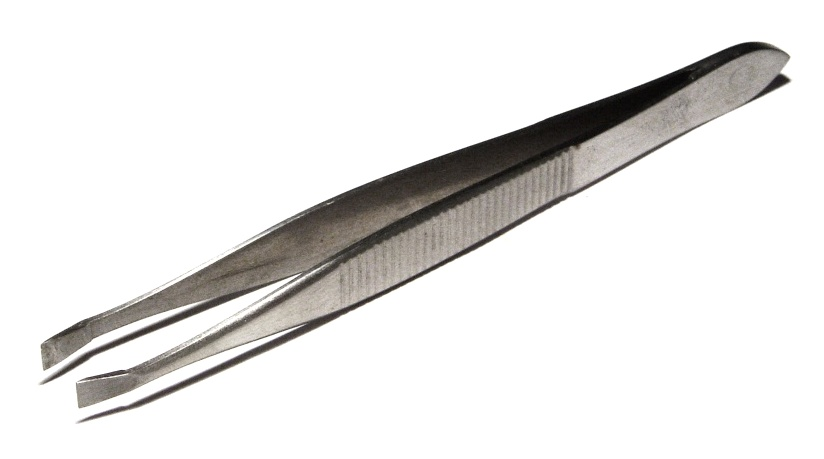
A childhood certainty, taught by adults, and accompanied by a prohibition on pulling them out at all.
A follicle produces one hair. Removing it produces one replacement, of the same colour, because the pigment decision is made in that follicle and is unaffected by plucking. Repeated plucking can damage a follicle, which is a reason not to do it, but not that one.
It belongs in the file as the purest example of a false mechanism attached to a sensible instruction.
13. A cold water rinse closes the cuticle and makes hair shine
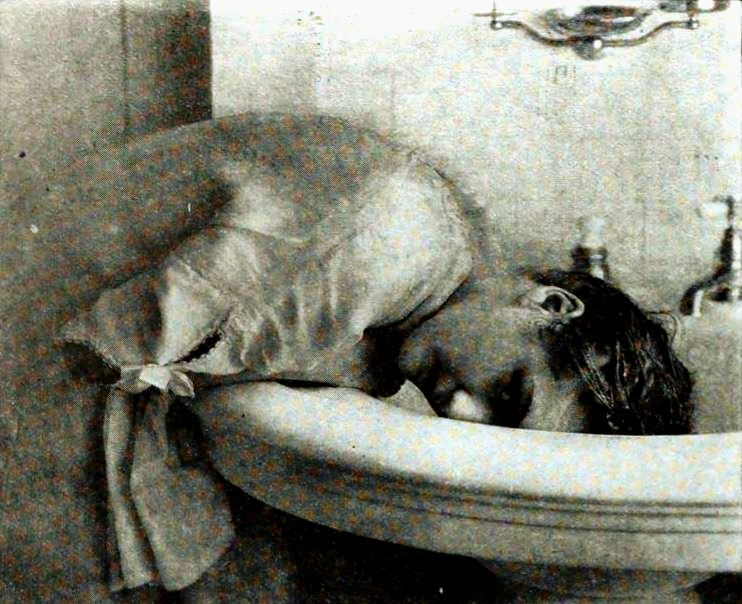
Standard advice in salons and columns, carried out with a final jug of cold water, on the theory that temperature opens and closes the surface scales of the shaft.
The cuticle does respond to water and to pH, and alkaline conditions raise the scales while acidic ones smooth them, which is why conditioners are formulated acidic. Temperature has a much smaller effect than the chemistry does, and a cold rinse is a marginal intervention rather than a mechanism.
Half-right again. The scales are real, the smoothing is real, and the lever people were told to pull was the wrong one.
14. Hair gets used to a shampoo, so change it regularly
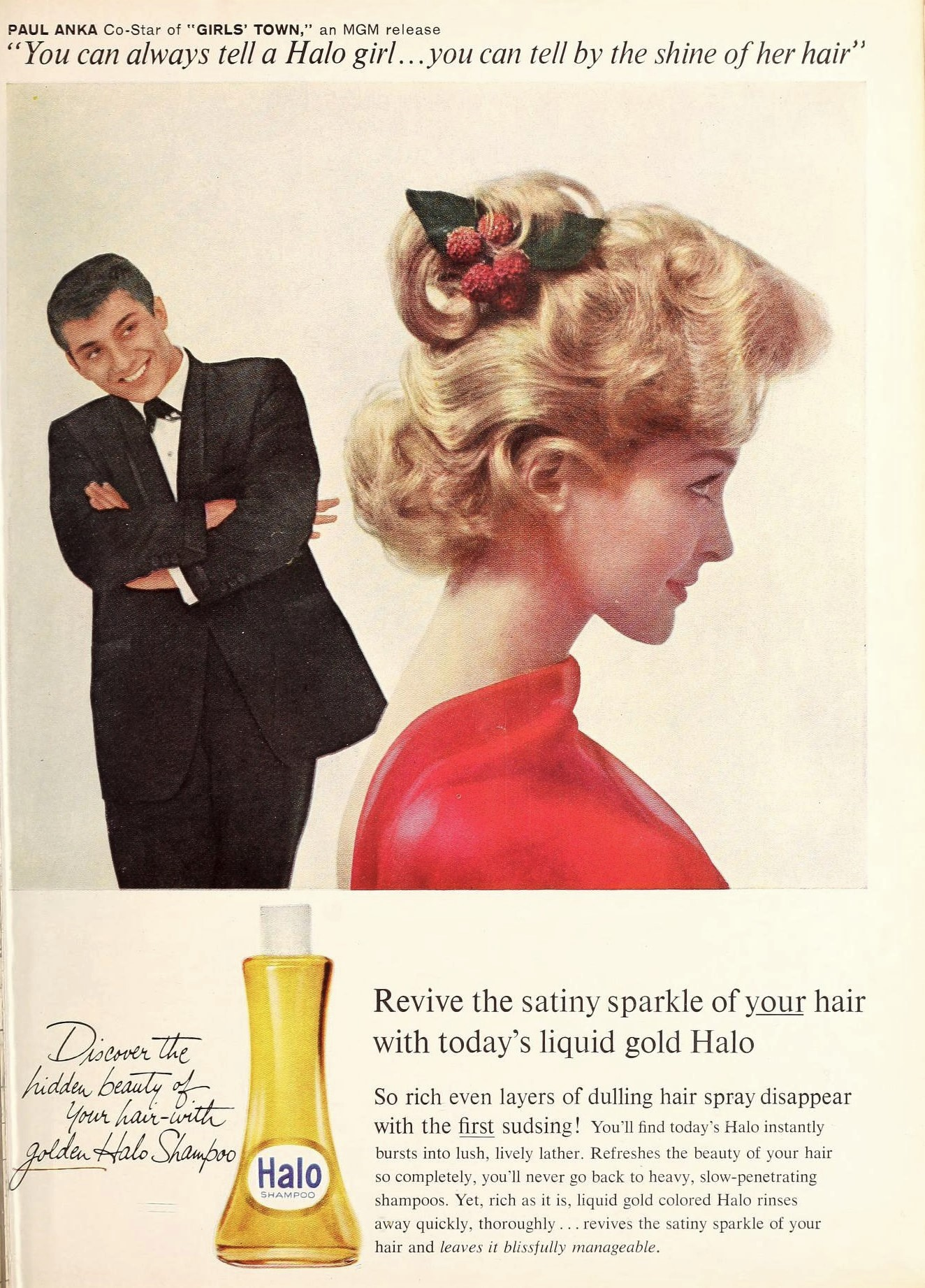
The instruction was to rotate products because hair would stop responding to one, and it was believed widely enough to shape buying habits for decades.
Hair is not alive and does not adapt. What changes is the hair itself — length, damage, hormones, season, water hardness — and the deposit that a particular product leaves, which can build up and then be removed. That is a residue effect rather than tolerance.
The water hardness point is the underrated one. The same product behaves differently in different places, which accounts for a good deal of what people attribute to the product having stopped working.
15. Scalp massage and stimulation will prevent hair loss
Massage, inversion, tonics and vigorous towel drying were all recommended on the basis that blood flow to the scalp determined whether hair grew.
Circulation is not the limiting factor in pattern hair loss, which is why increasing it does not prevent it. Massage is pleasant and harmless in moderation and there is no good evidence it alters hair loss; vigorous handling of hair that is already fragile makes breakage worse.
The circulation theory is the foundation of an entire category of products that have never worked, and it is worth recognising when it reappears in modern marketing.
16. And what the 1965 advice got right
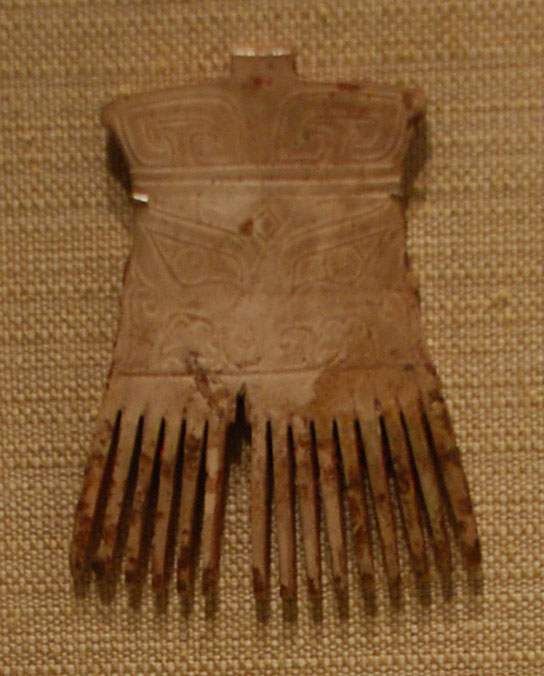
Handle it gently. Do not pull a comb through a tangle from the top. Keep heat off it. Trim the damaged ends rather than trying to mend them. Protect it from sun and salt water. Those were all in the 1965 columns and all survive, because they are about mechanical damage, which is the only thing you can actually control from outside.
What changed is every explanation and almost no practice. The modern version is shorter, makes fewer claims, and is far more honest about the fact that hair is dead material whose growth is determined at the follicle by genetics and hormones rather than by anything done to the part you can see.
The honest summary: the hundred strokes is the invented number that gave the whole system its authority, the hair-is-alive assumption underlies singeing, repair claims and circulation products alike and is still used to sell things, cutting and shaving produce real observations with wrong explanations, and anything about hair loss or a persistent scalp problem is a conversation with a pharmacist, doctor or dermatologist rather than with an article.
The shape of the error
Three patterns cover nearly all of it.
The first is an invented number. A hundred brush strokes had no study, no measurement and no mechanism behind it, and the precision is exactly what made it sound like knowledge rather than advice. Three grey hairs growing back where one was pulled is the same device at a smaller scale.
The second is a real process enormously overstated. Sebum does travel a short way along the shaft, so brushing was said to distribute it down the whole length. The cuticle does respond to pH, so a cold rinse was said to close it. Trimming does remove damage, so cutting was said to speed growth. In each case the underlying phenomenon exists and the lever people were told to pull was the wrong one.
The third is an accurate observation with a wrong explanation, and these are the beliefs that survive best because the evidence of them is in front of you. Shaved regrowth really does feel coarser — because a cut shaft has a blunt end rather than a tapered tip, not because the follicle changed. Hair really can appear to whiten quickly — because pigmented hairs can be lost preferentially and faster than white ones, not because grown hair changed colour.
Underneath all three sits the hair-is-alive assumption, which produced singeing, split-end repair claims and the entire circulation-and-stimulation product category, and which is the thing to recognise when it reappears in modern marketing.
What survives from 1965 is the mechanical advice, because mechanical damage is the only part of hair you can control from outside. Handle it gently, detangle from the ends upward rather than dragging a comb from the top, keep heat off it, trim damaged ends instead of trying to mend them, and protect it from sun and salt water.
Two things belong with a professional rather than with trial and error. A scalp that persistently flakes, itches or is sore is worth showing to a pharmacist or a doctor, because several different conditions look similar and the treatments differ — and the 1965 answer of washing less and applying oil is the opposite of what helps in most cases. And hair loss is a subject where a great deal is still sold on mechanisms that do not work, so a doctor or dermatologist is a better first stop than a shelf.
Everything else here is a record of how confidently a whole advice industry explained things nobody had measured.
Like our content? Follow us for more.