The ear is one of the few parts of the body where the 1965 advice was wrong in both directions at once. People were told to leave it alone in terms that gave them no useful information, and they were simultaneously offered a procedure — syringing — that was performed on an enormous scale and has since been withdrawn from routine use in many health systems.
What has changed is not a single discovery but an accumulation: a better understanding of what wax is for, better instruments for looking and for removing, measurement of noise as an occupational hazard, and the recognition that hearing loss in children has consequences that are not about hearing.
Syringing was routine, and it is not any more
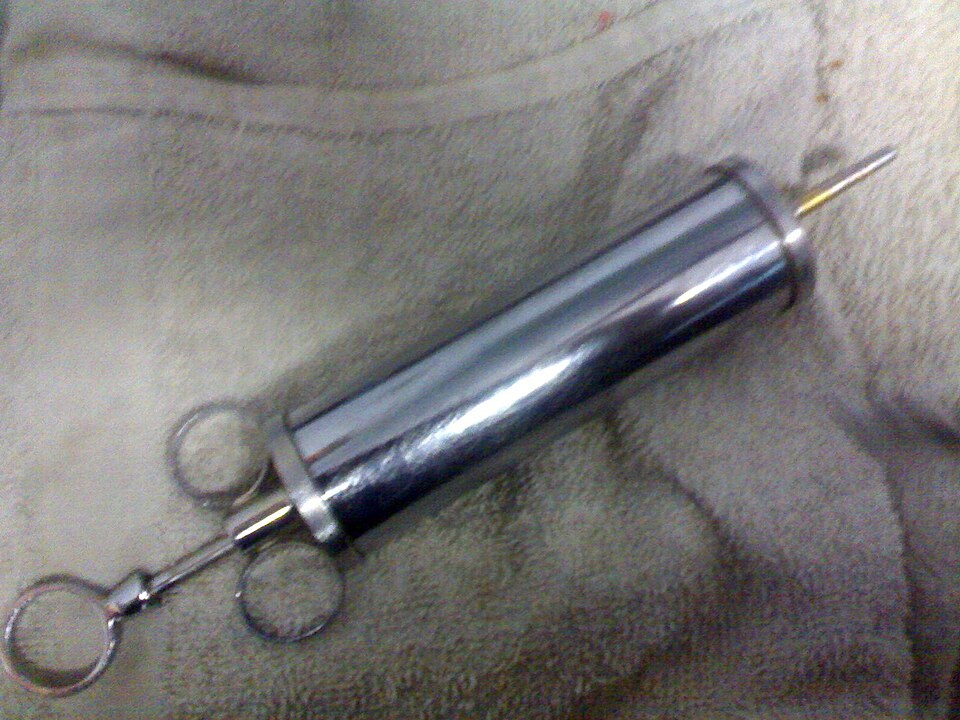
For most of the twentieth century the standard response to a blocked ear was irrigation with a metal syringe and warm water, performed in a surgery by a doctor or a nurse, often without any prior softening and often without anybody looking at the ear first with more than a cursory glance.
Many health systems have moved away from it. The reasons are that the procedure can perforate an eardrum, can push wax further in, carries an infection risk, is contraindicated outright in a number of situations including a previous perforation or any history of ear surgery, and has better alternatives.
Those alternatives are microsuction and manual removal under direct vision with an operating microscope or loupes, performed by somebody trained for it. The essential difference is that the practitioner can see what they are doing throughout, which irrigation does not allow.
What has not changed is that a blocked, painful or suddenly deafened ear is something to have looked at rather than treated at home. The modern position is more cautious about the procedure and no more relaxed about ignoring the symptom.
Like our content? Follow us for more.
What earwax is actually for
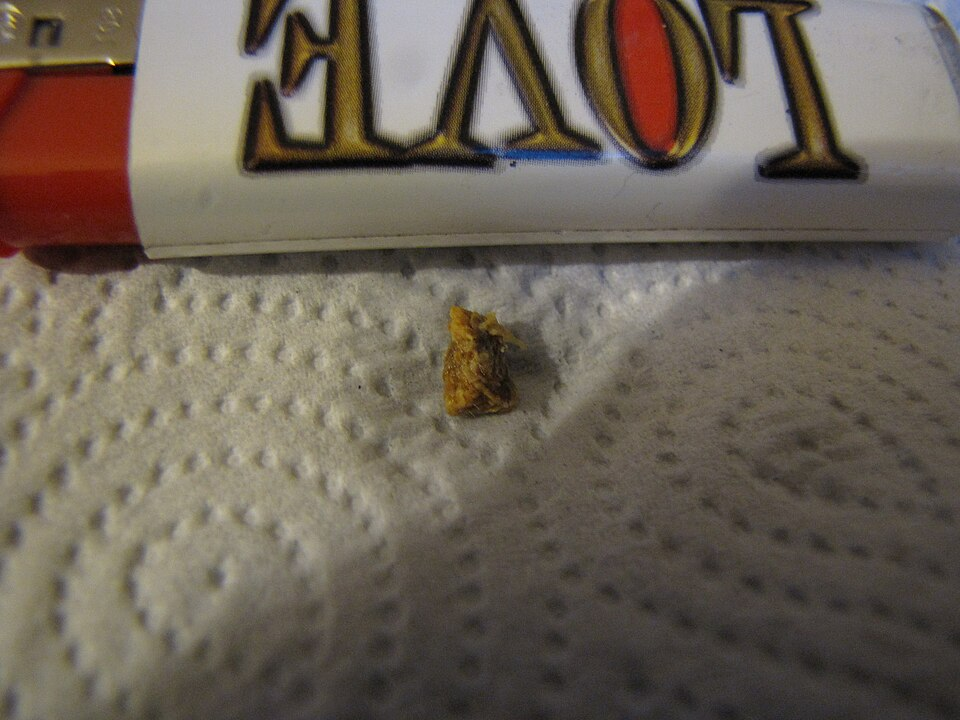
The 1965 understanding treated wax as dirt. It is a secretion with a function: it carries dust and debris outward along the canal, keeps the skin of the canal from drying and cracking, and is mildly antibacterial. The canal is self-cleaning in most people, with wax migrating out on its own as the skin surface moves.
That is the fact which makes the modern advice coherent. Most ears do not need cleaning, and most interventions make the situation worse by removing the protective layer or by compacting what is there.
The people for whom this is not true are a minority with narrow or unusually shaped canals, with a tendency to produce more wax, who use hearing aids or earplugs, or who are older, in whom the skin migration slows. For them it is a recurring matter to be managed with a clinician rather than a thing to be solved once.
The practical consequence is that a reader with recurring blockage should be asking a pharmacist or a doctor what is appropriate for them specifically, because the answer differs by person and the products available differ by country.
Nothing smaller than your elbow, and the cotton bud problem
The instruction children were given — never put anything in your ear smaller than your elbow — was sound and was undermined by the fact that a cotton bud was sold in every chemist and used by nearly everybody.
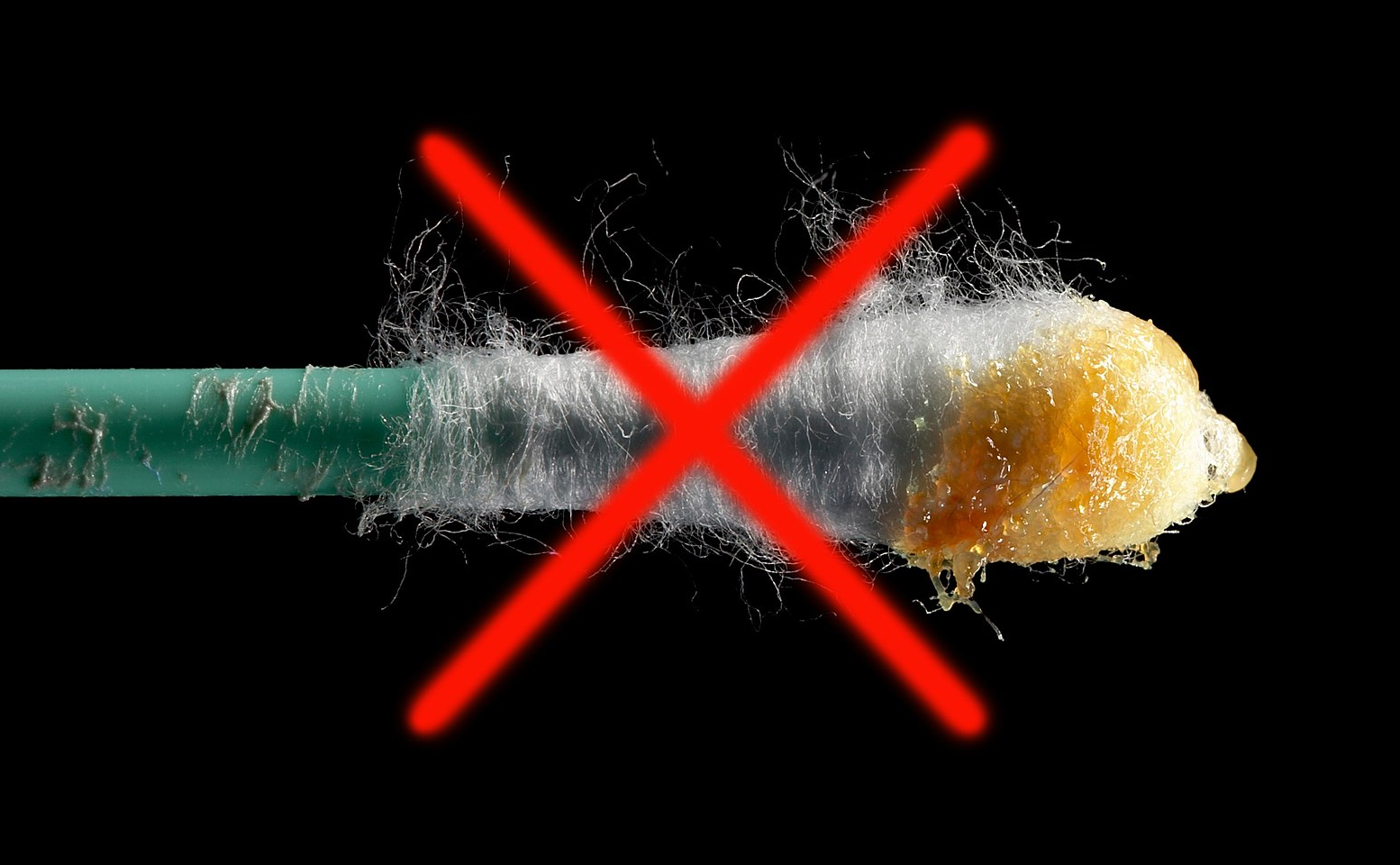
The mechanism is the problem. A bud removes a little wax from the entrance and pushes the rest inward, compacting it against the eardrum where the canal narrows, which produces exactly the blockage the user was trying to prevent. It also abrades the skin of the canal, which is thin and which becomes itchy when damaged, producing a cycle in which the itch prompts more cleaning.
Manufacturers now print warnings against inserting them into the ear canal, and clinical guidance in most countries says plainly not to use them for that purpose, along with ear candles, which have no demonstrated effect and carry a burn and blockage risk.
This is the single most useful item in this file and it is entirely negative: the correct action for a normal ear is nothing at all, and for a blocked one it is to ask somebody who can look into it.
Hearing loss was treated as an inevitable part of ageing
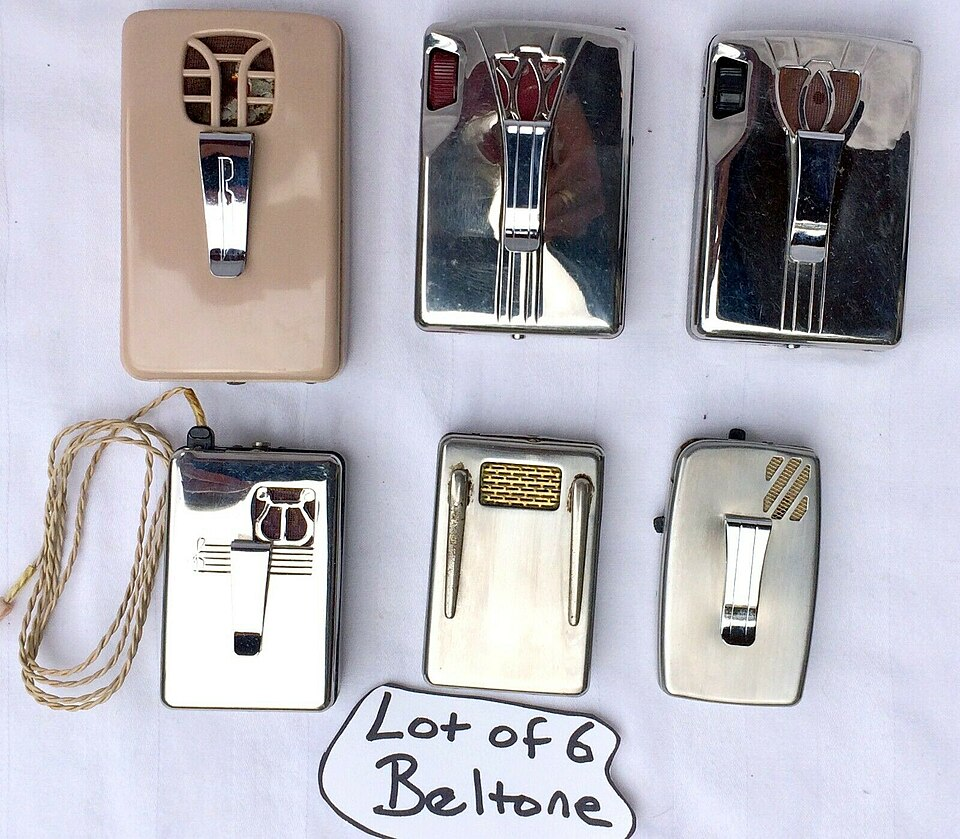
In 1965 the loss of hearing with age was regarded as a natural process to be endured, hearing aids were large, conspicuous and poor, and there was very little expectation that anything could be done. Social withdrawal in older people was attributed to temperament rather than to not being able to follow a conversation.
The change has two parts. The technology is unrecognisable — digital processing, directional microphones, noise reduction, rechargeable devices, and in several countries over-the-counter availability for mild to moderate loss. And the significance attached to it has changed: untreated hearing loss is now understood to carry consequences for social participation and is studied as a factor in cognitive decline, which has moved it from a quality-of-life matter to a clinical priority.
The causal relationship there is still being worked out and this file does not overstate it. What is not disputed is that people with untreated hearing loss withdraw from conversation, and that this is avoidable.
The practical point is the delay. People wait years between noticing a problem and doing something about it, usually because of how it looks, and the devices are now small enough that the original reason has largely gone.
Noise at work was not measured

A 1965 factory, foundry, shipyard, weaving shed or boiler house was extremely loud, nobody measured it, hearing protection was not provided, and the resulting deafness was regarded as a normal consequence of a working life rather than as an injury.
The modern regime is one of the most prescriptive in occupational health. Noise is measured, action levels trigger specific duties, employers must reduce exposure at source before relying on protection, hearing protection must be provided and worn in designated zones, and health surveillance — regular hearing tests for exposed workers — is a legal requirement in many jurisdictions.
Noise-induced hearing loss is permanent, is not treatable, and is almost entirely preventable, which is the combination that makes the regulatory effort worthwhile. It is also still one of the most commonly reported occupational diseases.
The domestic version of this is worth a sentence. Power tools, shooting, motorsport, live music and a great deal of ordinary leisure equipment produce levels that would require protection in a workplace, and nobody is enforcing anything in a garden.
Children’s hearing, and the thing that was being missed
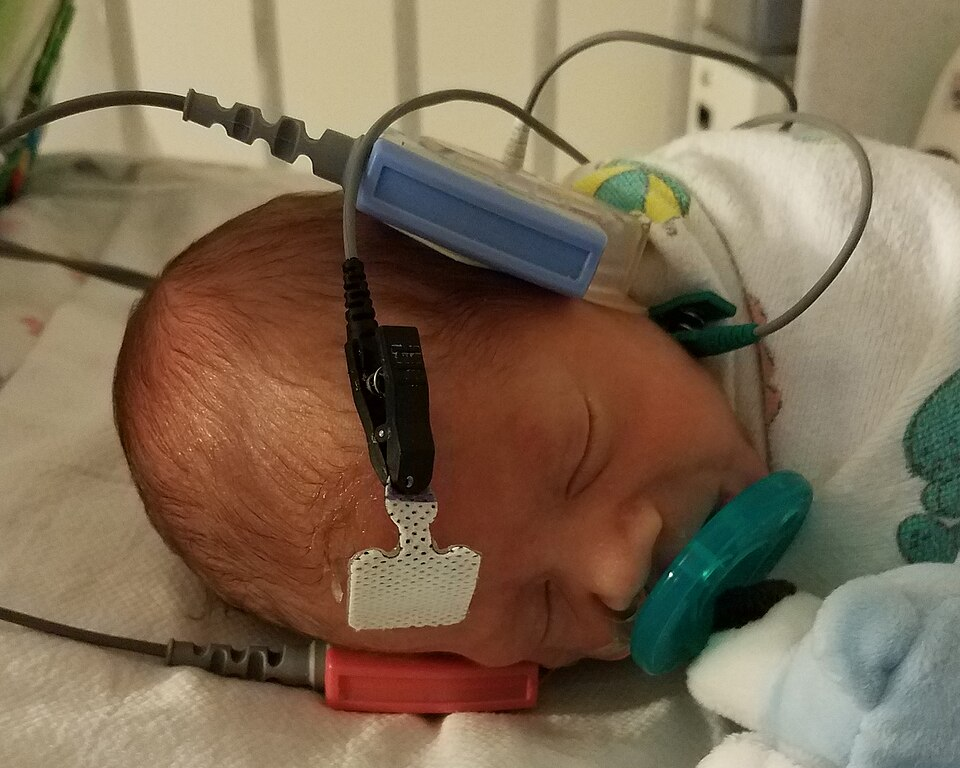
A child with persistent fluid behind the eardrum has reduced hearing, often fluctuating, usually without pain and frequently without anybody noticing. In 1965 such a child was commonly described as inattentive, dreamy, slow or badly behaved.
The modern approach is systematic. Newborn hearing screening is routine in most developed countries, school entry checks exist in many, and the condition itself is managed by watchful waiting in the first instance because most cases resolve, with intervention where hearing loss persists and is affecting speech, language or schooling.
The reason this matters more than the hearing is developmental. Language acquisition depends on hearing speech clearly during a period when the brain is particularly receptive to it, which is why the modern concern is about timing rather than about degree.
Nothing here is a diagnostic instruction. The point for a parent is narrower: a child who does not respond to being called, who turns the television up, who mishears consistently or whose speech is not developing as expected should have their hearing tested, and that test is simple, quick and available.
What the advice is now
Shorter than the 1965 version and almost all of it negative. Do not put anything in your ear canal — no buds, no candles, no implements. Do not treat a blocked or painful ear at home without asking. Protect your hearing from noise, because the damage is permanent and the prevention is a pair of earplugs. Have a child’s hearing tested if anything about their response to sound or their speech is not as expected. And if your own hearing has changed, do something about it earlier than people usually do.
What replaced syringing is a procedure performed under direct vision by somebody trained for it, which is better because they can see what they are doing. What replaced the inevitability of age-related loss is a technology that is now unobtrusive and a recognition that untreated loss has costs beyond the ear.
The honest summary: the cotton bud is the one item in this file with a live, universal and entirely avoidable harm attached, noise damage is permanent and preventable in that order, and the 1965 advice to leave your ears alone was correct for reasons nobody then could explain. Anything specific about your own ears is a conversation with a pharmacist, a doctor or an audiologist rather than with an article.
Like our content? Follow us for more.