


This is a file about a word. In 1965 a very large range of human difficulty was gathered under the heading of nerves — anxiety, low mood, exhaustion, grief, the effects of overwork, the effects of an unhappy marriage, and a good deal that would now be recognised as a physical illness. Having nerves was a thing you had, like having a bad chest, and the response to it was broadly the same whatever lay underneath.
What follows is a historical account of how that was handled and how the handling changed. It describes no treatment in a way anybody could act on, names no medicine, and is not advice about anybody’s own circumstances. If any of this is live for you rather than historical, the person to talk to is a doctor, and that is worth doing sooner rather than later.
Nerves was the word, and the word did real damage
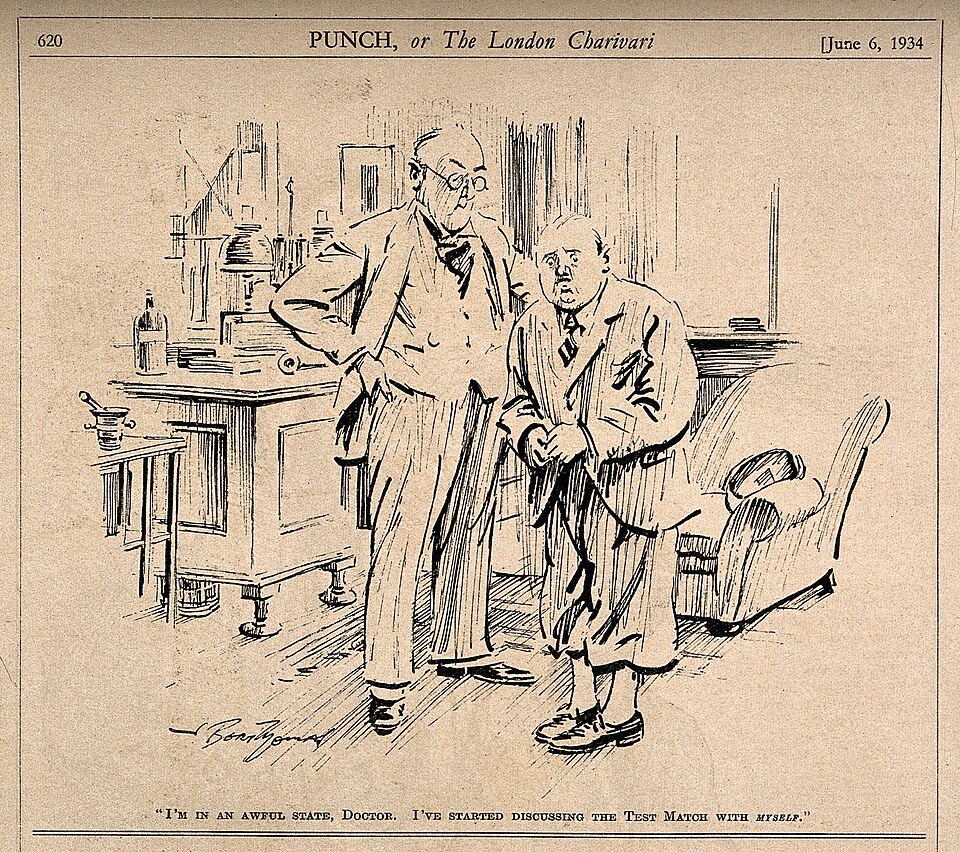
The vocabulary available to a patient and to a family doctor in 1965 was thin. Nervous, highly strung, run down, delicate, a bundle of nerves, a nervous disposition, a nervous breakdown — these were descriptions of character as much as of condition, and they located the problem in the person’s constitution.
That framing had two consequences. It made the difficulty sound like a permanent feature of somebody rather than something that had happened to them and might change, and it attached shame to it, because a constitution is a thing you are rather than a thing you have.
The modern vocabulary is more precise and it is deliberately separable from identity. Conditions are named, described, and understood to have courses that can improve, and the language used in clinical settings is now chosen specifically to avoid describing a person as their diagnosis.
The thin vocabulary also meant that physical illness was missed. A thyroid problem, anaemia, a vitamin deficiency, chronic pain, a hearing loss or the early stages of a number of conditions all present in ways that a 1965 doctor could reasonably have recorded as nerves, and sometimes did.
Like our content? Follow us for more.
The tonic was the first line, and it did very little
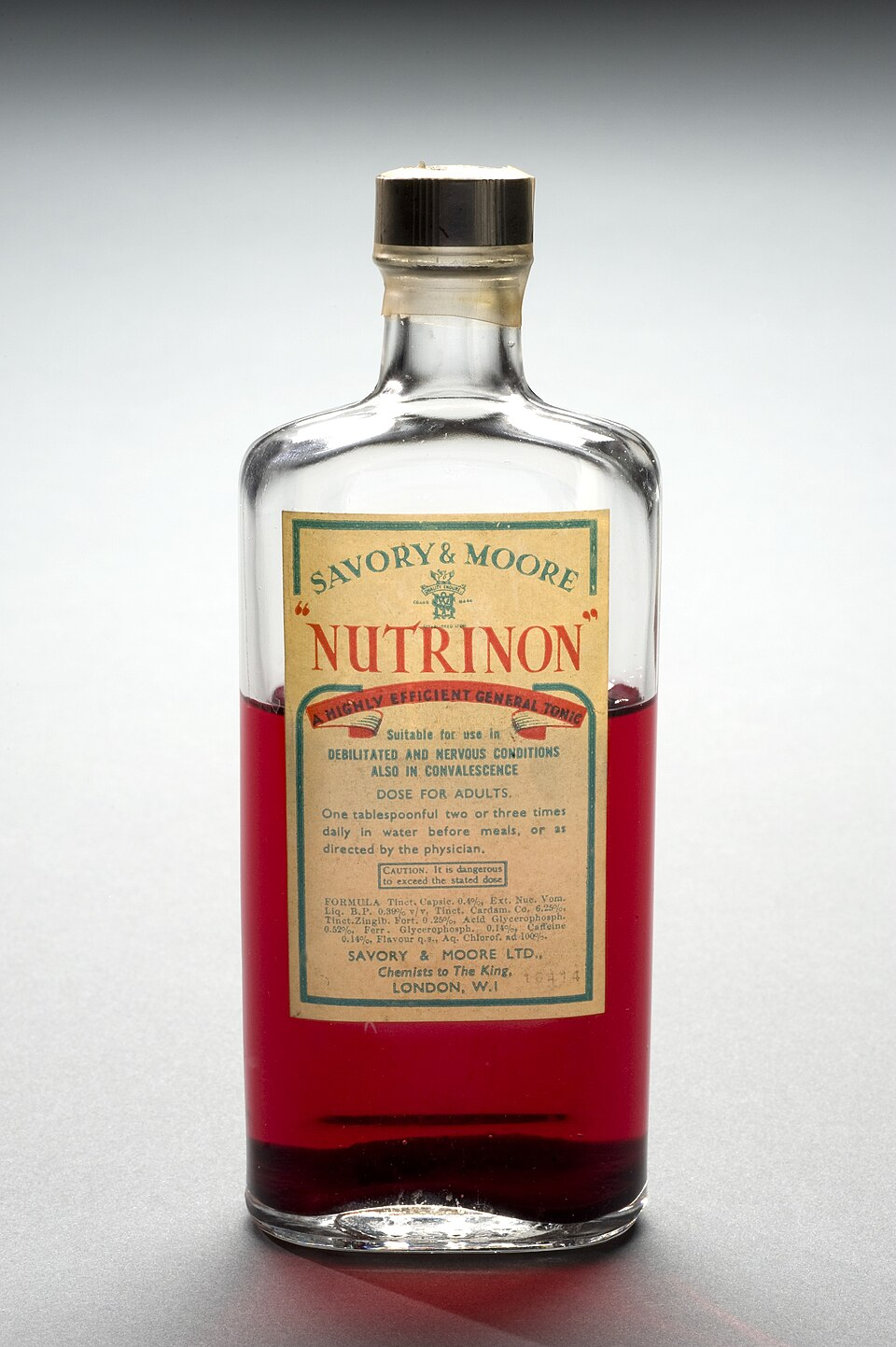
A great deal of what was dispensed for nerves was a tonic: a bottle from the chemist or the doctor containing some combination of iron, vitamins, a bitter, a stimulant in small quantity, and in a number of preparations a meaningful amount of alcohol.
These were sold in enormous volumes and they were not useless in every case, because iron does help anaemia and vitamins do help a deficiency. What they were not was a treatment for anxiety or low mood, and the fact that they were offered first delayed anything that might have worked.
The alcohol content is the part that has aged worst. A preparation taken three times a day containing a proportion of alcohol is a very poor answer to agitation or sleeplessness, and the modern understanding of alcohol’s relationship with anxiety and with sleep runs directly against it.
No preparation is named here and none is described in a form anybody could reconstruct, which is deliberate. The relevant modern fact is that the tonic category has essentially disappeared from pharmacy and that nothing has replaced it, because the conditions it was aimed at are now addressed directly.
The rest cure, and who could afford it
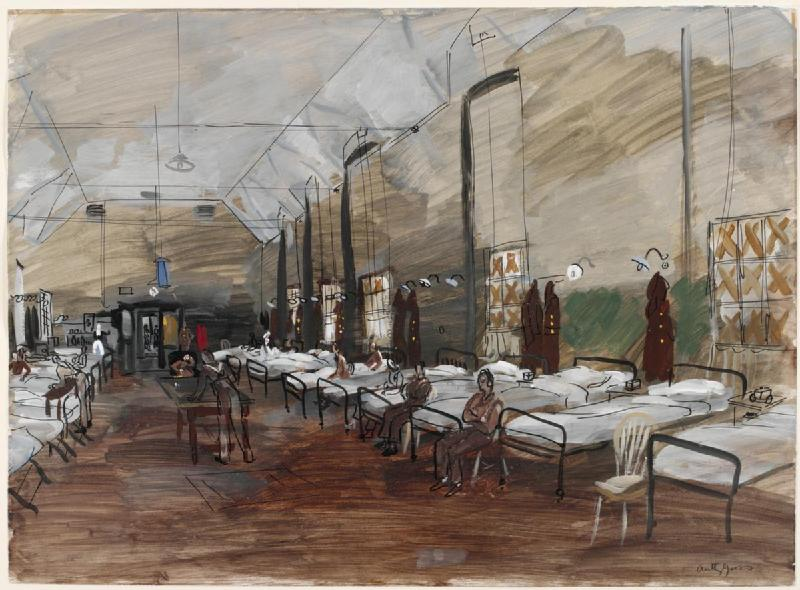
The standard non-pharmaceutical response was rest: time off, quiet, a darkened room, a stay with relatives, in more affluent cases a nursing home or a spa, and an instruction to avoid stimulation of any kind including reading, conversation and work.
The rest cure has an unhappy history that was already being written about critically well before 1965, principally because prolonged enforced inactivity and social isolation make low mood worse rather than better, and because it was prescribed overwhelmingly to women and functioned as a way of removing somebody from a situation rather than changing it.
Modern practice runs the other way on nearly every point. Maintaining activity, routine, social contact and work where possible is now part of the approach rather than the thing to be suspended, and prolonged withdrawal is understood as something to be prevented.
The parallel with physical medicine is close and the series has covered it before: bed rest was the 1965 answer to a bad back and to recovery from a heart attack as well, and in all three cases the reversal came from the same direction, which is that inactivity has costs that were not being counted.
Then the sedatives, in very large numbers
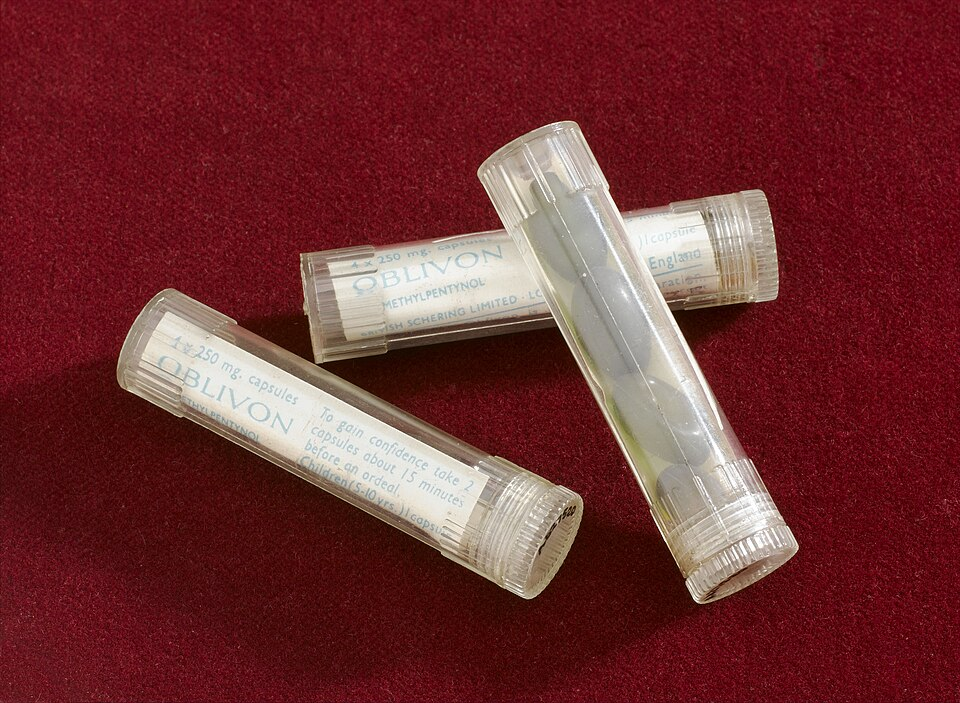
Prescribing for nerves in 1965 meant barbiturates, which had been in use for decades, and a newer class of tranquillisers that arrived in the 1950s and was prescribed on a scale that is difficult to convey. These were given for anxiety, for sleeplessness and for general distress, frequently for years, and frequently without review.
No medicine is named in this file, no dose or regimen appears, and nothing here describes how any of them were taken. What is relevant is the pattern: a class of drug that worked quickly, was easy to prescribe, produced dependence, was given to very large numbers of people for long periods, and was then substantially withdrawn from that use once the dependence was understood.
The modern position on the whole sedative category is that it is for short-term use in defined circumstances, with a planned end, with review, and with explicit warnings about duration. That change took decades and it is one of the clearest examples of prescribing practice being altered by evidence that accumulated after a drug was in widespread use.
Physical treatments existed in psychiatric practice in this period as well. They are not described here, in any form. One of them continues in modern use under anaesthesia, with consent, for a narrow set of indications and under regulation; the others have been abandoned.
What was not available was somebody to talk to
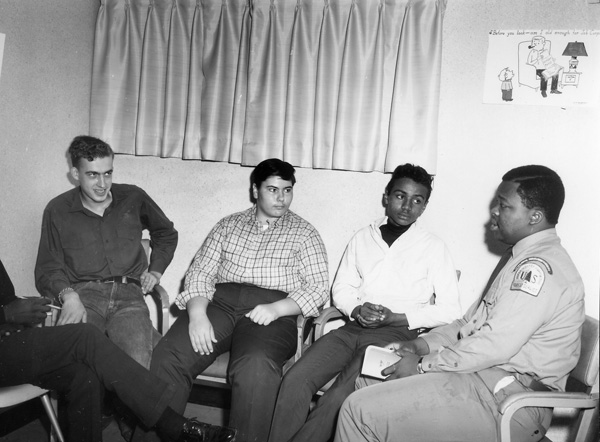
The single largest absence in 1965 was talking therapy as an ordinary option. Psychoanalysis existed and was available to a small, affluent, urban minority. Structured short-term psychological treatments of the kind that now form the first line for common anxiety and mood conditions were in development and not yet in general practice anywhere.
That is the change that matters most. A family doctor in 1965 who recognised that a patient was anxious had a bottle, a sedative and an instruction to rest. A family doctor now has a referral route, several evidence-based treatments to refer into, and in many health systems a self-referral pathway the patient can use without them.
Availability remains the live problem rather than knowledge. Waiting times for these treatments are long in most publicly funded systems and the gap between what is known to work and what a patient can actually get is the main complaint of everybody involved, including the doctors.
The other absence was any expectation that the circumstances might be the problem. Work, housing, money, caring responsibilities and relationships were not generally treated as clinically relevant, and they now are.
Who it fell hardest on
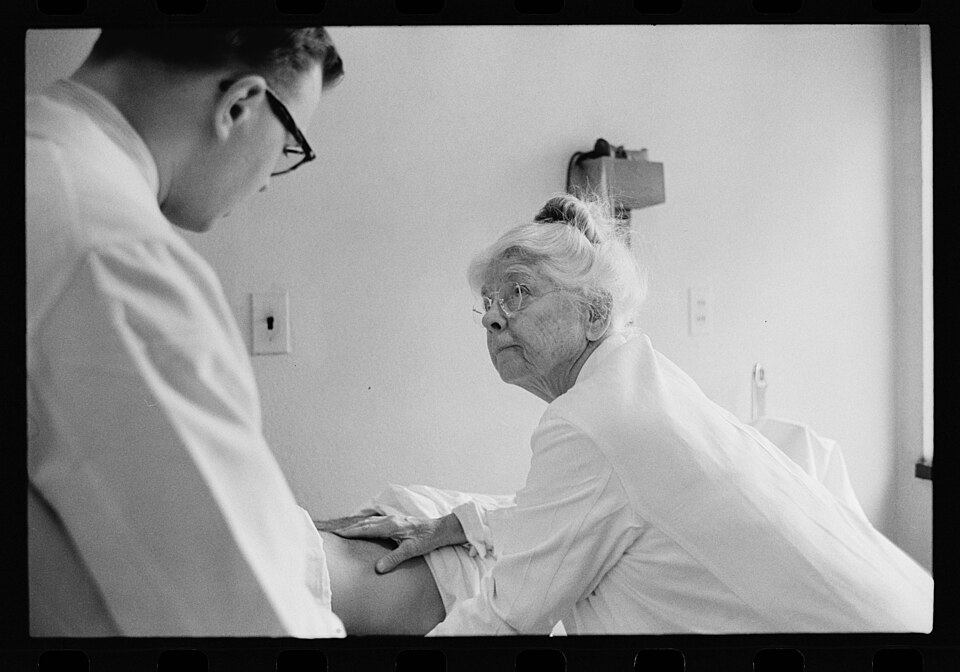
The historical record is consistent. Women received the overwhelming majority of prescriptions for nerves and the overwhelming majority of rest cures, and the framing of the problem as constitutional rather than circumstantial was applied to them far more readily.
Men were affected differently and arguably worse, because the available vocabulary gave them nothing at all. Distress in a man was not generally recognised as anything, which meant it was not treated, and the alternatives available were alcohol and silence.
Older people were routinely prescribed sedatives for long periods with no review, in a population in which those drugs cause the most harm.
None of that is a judgement of the doctors of the period, who had thin vocabulary, almost no training in this area, six minutes per patient and nothing effective to offer. It is a description of what the available framework produced.
What changed, and the one thing worth taking from it
Four things, in rough order of importance. The vocabulary became more precise and less tied to character. Talking therapies became an ordinary first-line option rather than a luxury. The sedative category was recognised as short-term and dependence-forming and was moved accordingly. And circumstances — work, money, relationships, caring — came to be treated as clinically relevant rather than irrelevant.
What has not improved is access, and the gap between the evidence and the waiting list is the honest criticism of the modern arrangement.
The honest summary of this file: the word nerves located the problem in the person and that did measurable harm; the tonic delayed anything useful; the rest cure made social withdrawal worse and was prescribed to the people least able to object; the sedatives worked quickly and were given to too many people for too long; and the single largest change is that there is now somebody to talk to and a route to reach them.
This is a sensitive subject and this file is a history rather than guidance. If anything here is a live question for you or for somebody close to you, a doctor is the right starting point, and I am happy to help you find the appropriate support services for where you are if that would be useful.
Like our content? Follow us for more.
