
Here are fourteen things that can happen to a phone or a laptop at a border, and what is worth doing before and after. The fourth item is the one that changes everything, because the consequences of declining depend entirely on whether you are a citizen of the country you are entering. Everything here is general information dated 2026 rather than legal advice, and the law in this area differs sharply between countries and is developing.
1. A border is not treated like anywhere else, legally
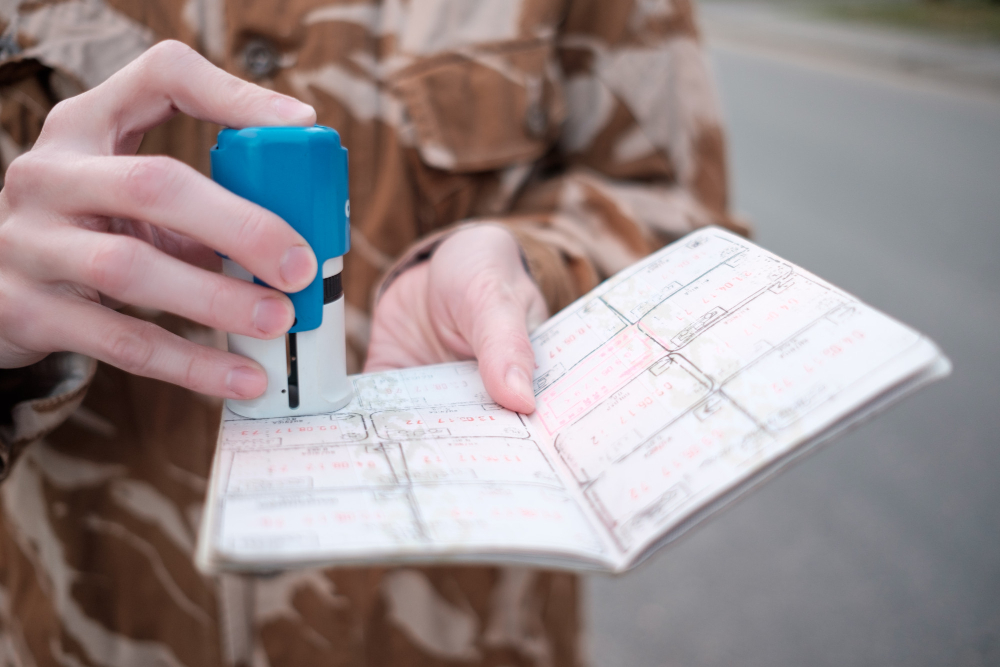
Most legal systems give border authorities powers at a frontier that are broader than the powers the same authorities have inland, on the basis that controlling what crosses a border is a distinct function. Device inspection sits inside those powers in many countries.
That is why advice about what an officer may do on a street is not a guide to what an officer may do at a port of entry, and why travellers who are confident about their rights at home are frequently surprised.
This file is general information dated 2026 and not legal advice. The law in this area differs sharply between countries, is actively developing, and anybody with a specific concern needs a lawyer in the relevant jurisdiction before they travel. Not a forum, not a news article and not this file.
Like our content? Follow us for more.
2. Selection is a mix of criteria and chance

Device inspections are a small proportion of crossings. Selection can follow from an officer’s questions, from the traveller’s history, from the itinerary, from information held in advance, or from a random check with no reason attached at all.
Travellers routinely try to work out why they were selected and frequently cannot, and an officer is generally not obliged to explain. Being selected is not in itself an accusation of anything.
Expect the possibility rather than planning around the probability. The sensible preparation is the same whether you are selected once in a lifetime or regularly. It costs nothing and it is entirely within your control.
3. There is usually a distinction between a basic look and a deeper examination
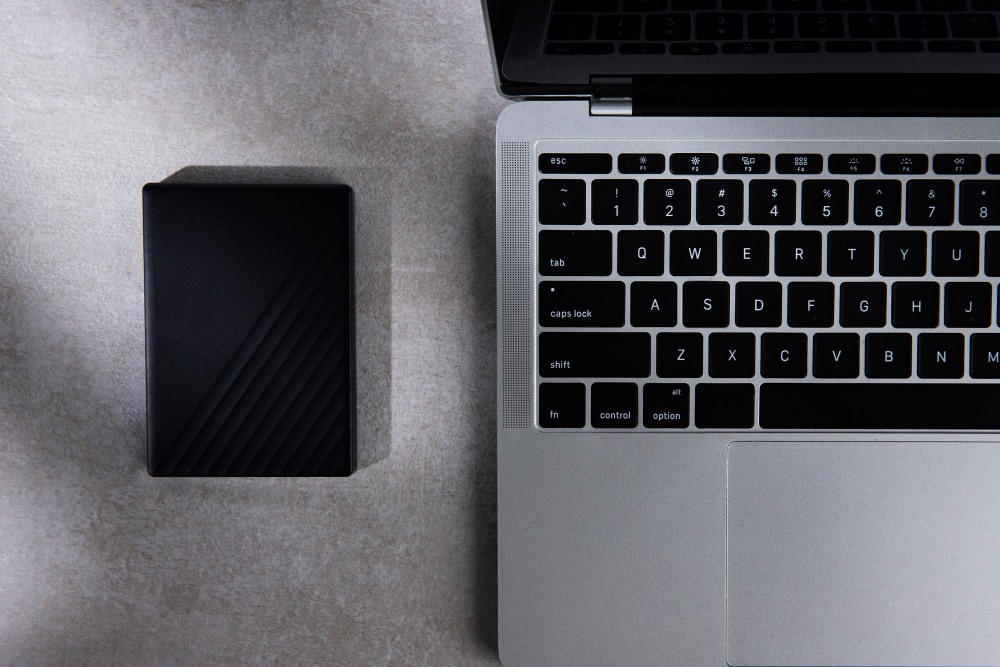
Many systems distinguish a manual inspection — an officer looking through a device by hand — from a technical examination using equipment to extract and analyse its contents, with the second requiring a higher level of authorisation or suspicion in several jurisdictions.
That distinction matters because the two produce very different outcomes: one is somebody scrolling, the other can produce a copy of the device’s contents that is retained and searched later.
Ask which is happening if you are not told, note the answer, and understand that the thresholds and the terminology differ by country and change as the law develops. What was true of a country three years ago may not be true now.
4. Your nationality changes what declining means
A citizen or settled resident of the country cannot usually be refused entry for declining to open a device, though the device may be detained and other consequences may follow. A visitor generally can be refused entry.
That asymmetry is the single most practically important fact in this subject, and it means the same decision has completely different consequences for two people standing in the same queue.
Know which category you are in for the country you are entering, and understand before you travel what declining would actually cost you there. The answer is different for the country you live in and the country you are visiting next week.
5. Devices can be kept, and for longer than you expect

Where a technical examination is conducted, the device is commonly taken away rather than examined in front of you, and retention periods are measured in days or weeks rather than hours in many systems.
A traveller can therefore continue their journey without their phone or laptop, which for business travellers is frequently the most damaging part of the whole episode.
If a device is retained, ask for written confirmation of what was taken, under what authority, and how and when it will be returned, and keep that document. Without paperwork you have no way of chasing it and no basis for a claim.
6. What is on the device is not the same as what you can reach from it

Several jurisdictions draw a line between data stored on the device and data held in accounts the device can access, with the second treated differently or requiring separate authority. Others draw no such line.
Where the distinction exists, a device in offline or airplane mode may be examined differently from one connected to an account, which is why the practical advice below concerns what is stored locally.
Do not rely on the distinction existing in the country you are entering. Establish the position for that country rather than assuming the one you know. This is among the fastest-moving areas of law anywhere in travel.
7. Being asked for a password is not the same everywhere
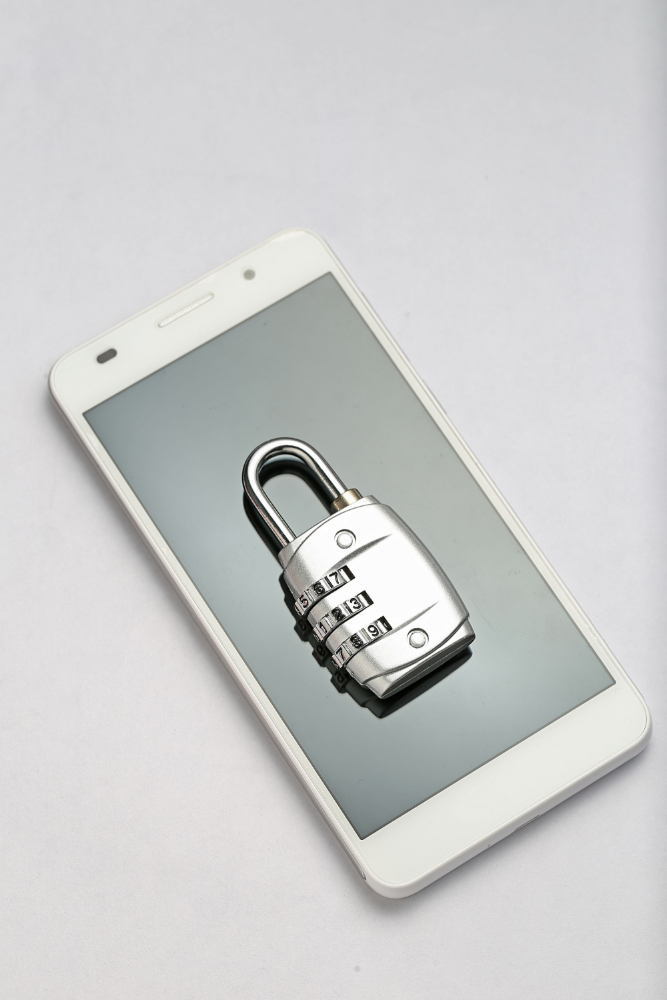
Whether a traveller can be required to provide a password, and what follows from refusing, varies enormously and is contested in several jurisdictions with cases still working through the courts.
In some places there is an explicit power to compel and a penalty for refusing. In others the position is unsettled, and in others still a refusal has no direct penalty but entry may be refused if the traveller is not a citizen.
This is the point at which general information is actively unhelpful. If this is a real concern for your travel, get jurisdiction-specific legal advice in advance rather than deciding at a counter. A decision made under pressure at a desk is the worst possible way to resolve an unsettled legal question.
8. Nothing in this file is an argument for obstruction

Deleting material at a border, providing a false password, concealing a device or lying about what you are carrying are generally separate offences, and they are treated far more seriously than whatever prompted the inspection.
The approach that works is reducing what you carry, knowing the rules in advance and complying with lawful instructions, not improvising resistance at a desk.
If you believe an instruction is unlawful, say that you do not consent, comply, record what happened and take it up afterwards through a lawyer or a complaints process. Arguing at the counter achieves nothing good. It also tends to convert a short inspection into a long one.
9. Professional confidentiality is handled specially, and only if you raise it

Lawyers, journalists, doctors and others holding privileged or confidential material are subject to specific handling arrangements in a number of jurisdictions, which can include sealing, separate review or exclusion from examination.
Those arrangements generally have to be invoked. An officer will not know that a laptop contains privileged client material unless told, and telling them at the outset is what triggers the protection where it exists.
If you carry such material, know the procedure for the countries you travel to, say so immediately and in clear terms, and have your professional body’s guidance to hand. Printed, because you may not have the device it is stored on.
10. Your employer almost certainly has a policy and it may bind you

Organisations with confidential data commonly have rules about carrying devices across borders, which can include travelling with a clean device, not carrying client data, mandatory reporting of any inspection, and a prohibition on surrendering credentials.
An employee who hands over a corporate device at a border may be creating a reportable security incident for their employer regardless of the legality of the inspection.
Read your employer’s travel policy before you go. If there is no policy and you carry sensitive material, ask for one rather than making the decision yourself at a border. It is not a decision an individual employee should be carrying alone.
11. The useful preparation is carrying less, not hiding more

The approach that reduces exposure without touching any legal question is to travel with the minimum data you actually need: a device with less on it, documents retrieved when required rather than stored locally, and accounts logged out rather than resident.
A clean travel device is standard practice in several professions and is not a trick or an evasion. It is the same principle as not carrying your entire filing cabinet in a suitcase.
Decide in advance what you genuinely need on the journey, and leave the rest where it lives. That single step makes most of the rest of this subject academic. A device with nothing sensitive on it cannot have anything sensitive taken from it.
12. Back up before you travel and assume the worst case

If a device may be retained for weeks, the question is whether you can continue working and living without it. That is a backup question and a spare-device question rather than a legal one.
Travellers who have a current backup, their essential documents accessible from another device and the means to buy a cheap handset treat a retention as an expensive inconvenience. Travellers who do not treat it as a disaster.
Back up before every trip, carry your travel documents in a form that does not depend on one device, and know how you would reach your accounts without the phone in your pocket. Recovery codes on paper, in the bag, are worth the five minutes.
13. Record what happened, in detail, immediately afterwards

Note the date, time, port, officers’ names or numbers if given, what was asked, what you said, which devices were examined or retained, whether you were told a reason, and whether you were given any document.
Memory degrades quickly and a complaint, a legal challenge, an insurance claim or an employer’s incident report all depend on specifics rather than impressions.
Write it down the same day, keep any paperwork, and send it to yourself or your lawyer so there is a dated record. A dated contemporaneous note carries far more weight later than a recollection.
14. And the short version for an ordinary traveller

Travel with less on your devices, know whether you are a citizen or a visitor in the country you are entering and what declining would cost you there, back up before you go, and read your employer’s policy if you carry work data.
If it happens, comply with lawful instructions, say clearly if the material is professionally privileged, ask what authority is being used and what will happen to the device, get written confirmation of anything retained, and write the whole thing down the same day.
Everything in this file is general information dated 2026 and is not legal advice. The law differs sharply between countries and is developing, and a lawyer in the relevant jurisdiction is the only reliable source for your own position.
What to do is mostly settled before you leave

Almost everything useful in this subject happens before the trip. Decide what data you actually need with you and travel with that and nothing else, because a device with less on it is the only measure that reduces exposure without touching a single legal question. Back up, so that a retention of weeks is an inconvenience rather than a catastrophe. Establish whether you are entering as a citizen, a resident or a visitor, and find out what declining would cost you in that specific country. Read your employer’s policy if you carry work data, and if there is none, ask for one.
At the border itself the list is short: comply with lawful instructions, state immediately and clearly if material is professionally privileged, ask what authority is being exercised and what will happen to the device, get written confirmation of anything retained, and do not improvise. Deleting material, giving a false password or concealing a device are separate offences and are treated far more seriously than whatever prompted the inspection.
Afterwards, write it all down the same day with the specifics, and take it up through a lawyer or a complaints process if you believe something was wrong. That is the route that exists; arguing at the counter is not.
The honest summary is that this is one of the few travel subjects where the right preparation is almost entirely technical and almost entirely done at home, and where the legal position is genuinely unsettled enough that a general article cannot tell you what your rights are. If it matters to your work, that is a conversation with a lawyer and with your employer, before the trip rather than during it.
Like our content? Follow us for more.