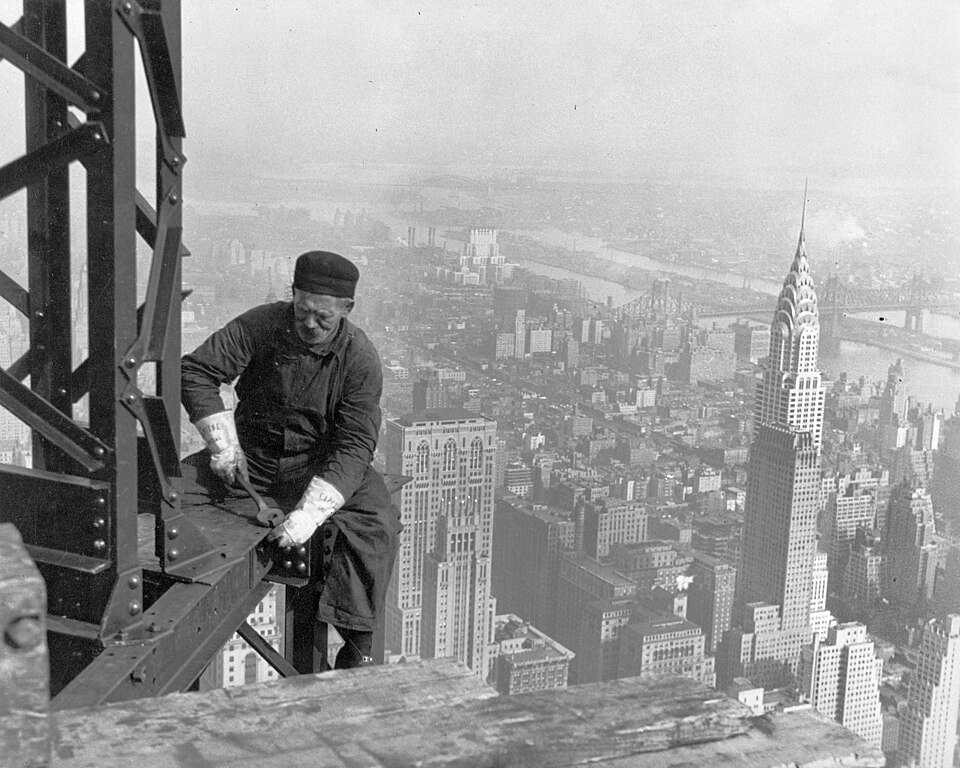
A steel erector in 1960 walked along the top flange of a bare beam, several hundred feet above a city street, carrying a spud wrench and a bag of bolts, with nothing attached to him and nothing beneath him. When he reached the far end he fitted drift pins to line up the holes and bolted the connection enough to hold, and then the crane let go.
That was the job as it was done, not an exceptional day. Everything about how it is done now is different, and the change is one of the clearest cases in construction of a hazard that was engineered out rather than merely discouraged.
The gangs, and who did what
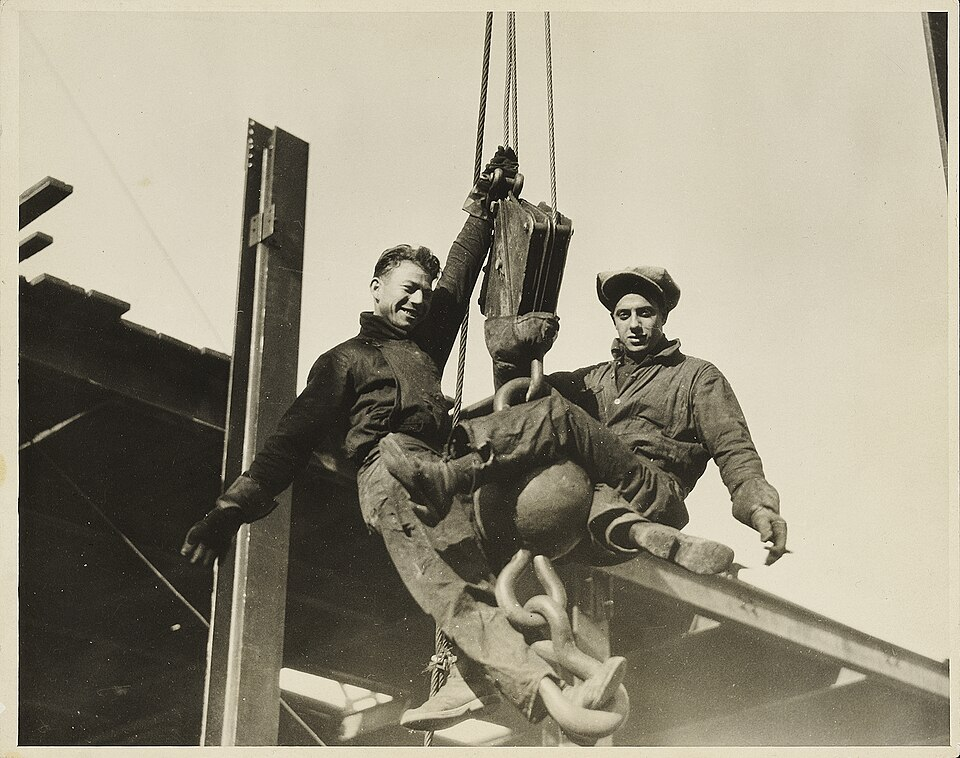
A steel frame goes up in a sequence of specialised operations, and in 1960 each had its own gang.
The raising gang set the steel: a crane or a derrick lifted each piece, and connectors received it in the air, guided it into position and secured it temporarily. Two connectors, one at each end, were the men at the sharp end of the whole operation.
The fitting-up gang followed, aligning the frame with drift pins and temporary bolts and checking it for plumb and level with wires and a plumb bob, because a frame that is out at the third floor is out at the thirtieth.
The riveting gang came after that, and later the bolting-up or welding gang that replaced it. Then the plumbing-up and finally the detail work.
The gangs were small, permanent teams who worked together for years, and the sorting of men into roles was done by the gang itself rather than by management. A man who was not right on the steel found out quickly.
Like our content? Follow us for more.
The riveting gang, which is nearly a lost sight
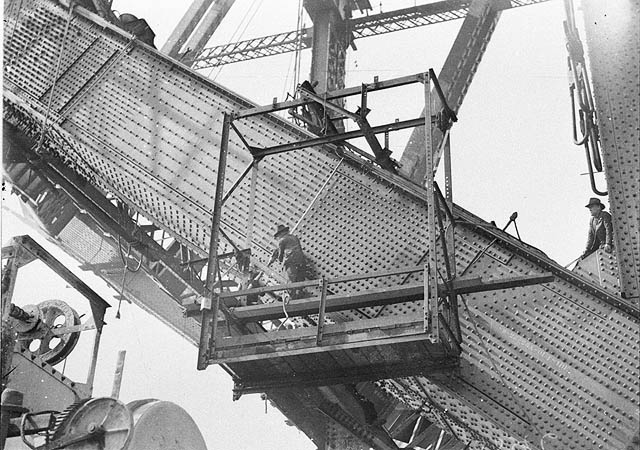
A rivet is a headed steel pin put through matching holes while red hot, then formed into a second head so that it fills the hole and clamps the plates as it cools and shrinks.
The gang was four. The heater ran a small forge on the steelwork itself and brought rivets to temperature, judging it by colour. He threw each one, with tongs, to the catcher, who caught it in a metal cone and set it into the hole. The bucker-up held a heavy bar against the formed head on the far side, and the riveter drove the other end with a pneumatic hammer.
Four men, one hot rivet at a time, high in the air, with a forge burning on the beam beside them. The thrown rivet is the detail people remember and it was entirely routine.
It was also noisy beyond anything in modern construction, and the hearing of the men who did it was a known casualty of the work long before anybody measured noise.
Riveting was already being displaced in 1960 by high-strength friction-grip bolts and by welding, both of which are quicker, need fewer men and are far easier to inspect.
How connections are made now
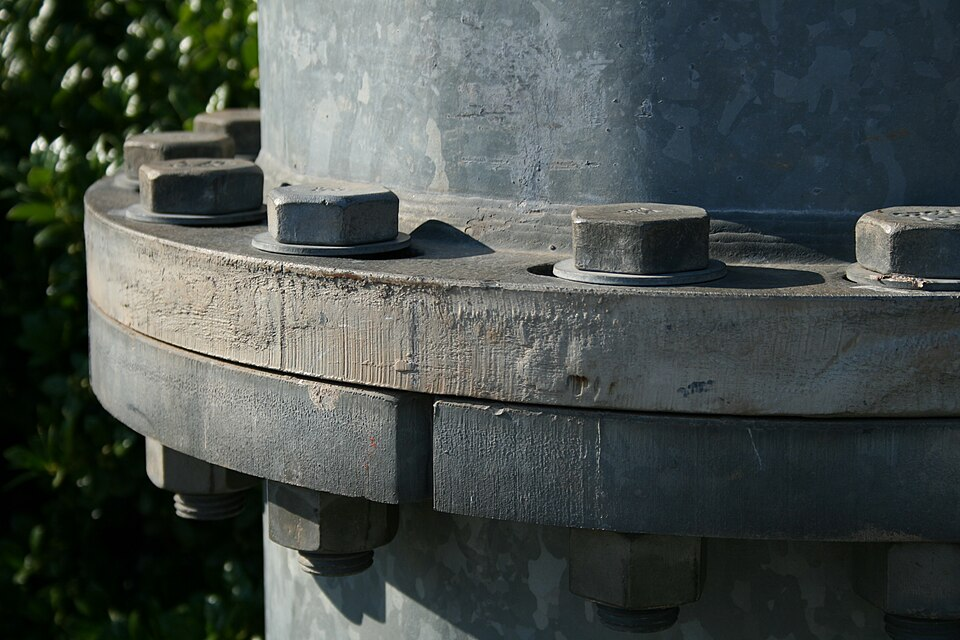
Bolted connections dominate, using high-strength bolts tightened to a specified tension rather than merely done up tight. The tension is what makes the joint work, because a properly tensioned bolt clamps the plates so hard that the load transfers by friction between them rather than by shear on the bolt.
Because tension matters, it is verified: calibrated wrenches, turn-of-nut methods, direct tension indicators, or bolts designed to shear off a splined end at the correct torque. Each is a way of proving a joint rather than trusting it.
Welded connections are used where the design requires continuity, and they bring their own regime: qualified procedures, qualified welders, preheat where needed, and non-destructive testing of the completed weld by ultrasonic or radiographic means.
The common thread is that modern connections are inspectable. A rivet, once formed, is largely a matter of faith and of sounding it with a hammer.
That inspectability is why the change happened. It was not primarily about safety at height; it was about being able to demonstrate that a structure is what the drawings say.
Falls, and the thing that actually changed
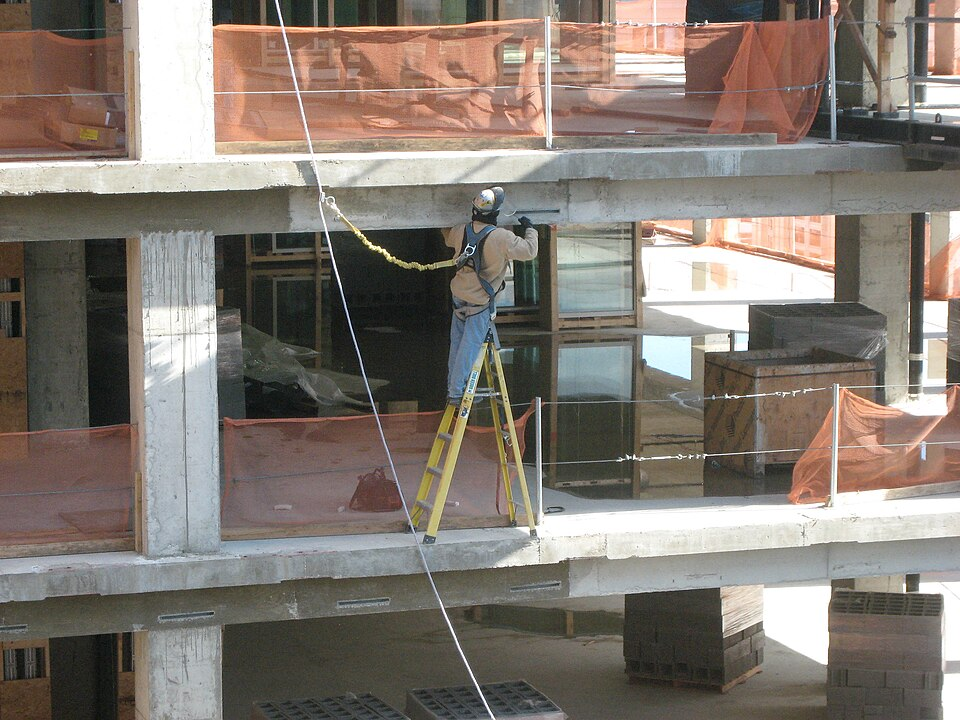
In 1960 the arrangement for preventing a fall was the man’s own balance and judgment. There was no harness, usually no net, no decking below, and no requirement for any of it.
The modern approach is a hierarchy, and the order matters. First, avoid work at height where the design allows — assembling sub-frames on the ground and lifting them complete. Second, prevent the fall with a physical barrier or a working platform. Third, if neither is possible, arrest the fall with a harness attached to an engineered anchorage, or catch it with a net.
That hierarchy is the single most important thing in this file. Harnesses are the third choice, not the first, and a site that reaches for personal protective equipment before considering whether the work needs to happen up there at all has started in the wrong place.
In practice modern steel erection uses pre-assembly, mobile elevating work platforms, perimeter protection installed as the frame rises, decking that closes floors off as they are formed, and horizontal lifelines for the connectors who genuinely cannot be protected any other way.
The connector’s job is still the exposed one. It is simply no longer unprotected.
Dropped objects, which kill people who are not up there
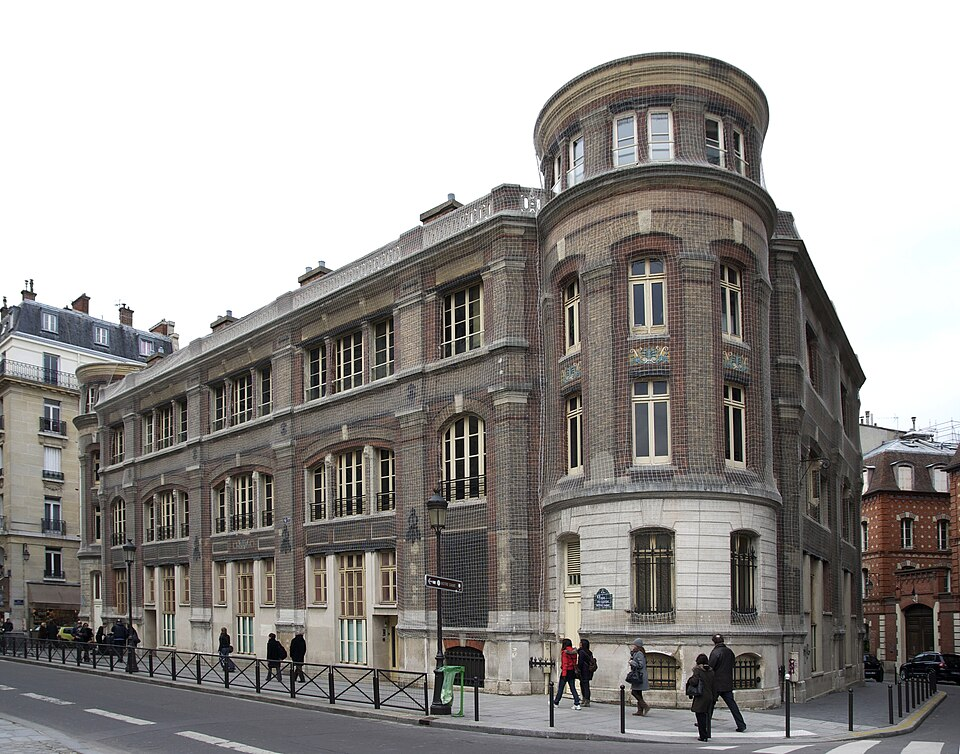
The hazard a 1960 site handled worst. A spanner, a bolt or a rivet falling from height arrives with enough energy to be lethal, and the men below were ordinary passers-by, other trades and in city work the public.
Modern practice treats this as an engineering problem rather than a matter of being careful: exclusion zones beneath lifting and erection work, physical catch fans and debris netting, tool tethering, closed containers for small components, toe boards on platforms, and sequencing so that nobody works underneath live erection.
Crane operations have their own regime. A lift plan specifying the load, the radius, the configuration, the ground bearing and the exclusion zone; a competent appointed person; a slinger and a signaller; and no lifting over occupied areas.
The habit that survives from the old trade is the shouted warning, and it survives because it still works. It is simply no longer the only control.
None of this is abstract. The reason tools are tethered is that the alternative was understood, over a long period, to be unacceptable.
Weather, which decided the day
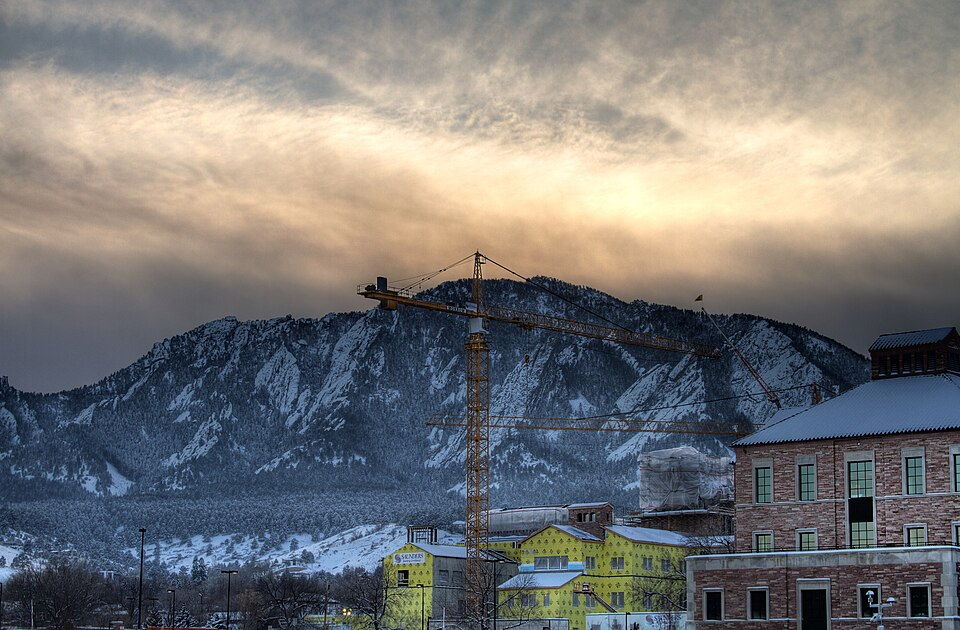
Steel is slippery when wet, worse when frosty, and a beam with ice on it is not walkable. Wind is the governing factor for lifting, because a large flat member becomes a sail and a crane’s safe capacity falls as the wind rises.
In 1960 the judgment was the foreman’s and there was commercial pressure on it. Now there are wind speed limits specified in the lift plan, measured at the crane, with the operator entitled to stop, and that entitlement is the substantive change.
Cold is the other factor, and not only for the men. Some steels become more brittle at low temperature, and welding in cold conditions requires preheat and control rather than enthusiasm.
The men worked through almost all of it, in donkey jackets and leather gloves, because a day lost was a day unpaid in many arrangements.
That payment structure was itself part of the hazard, and changing how men were paid did as much for safety on steel as any piece of equipment.
What the trade is like today
Still skilled, still physical, still done by small permanent gangs, and still a trade where the men sort themselves out. The difference is that the exposure is managed rather than accepted.
The work has moved toward assembly of components fabricated and drilled to high precision off site, so that the erection sequence is largely bolting predetermined joints rather than fitting anything on the day. Digital models drive the fabrication, and a frame that does not fit is a drawing-office failure rather than a site problem to be solved with a drift pin.
Training is formal, with certification for working at height, for rescue, for slinging and for the particular connection methods in use.
The honest summary: a 1960 steel frame went up with a raising gang setting steel and connectors receiving it in the air, a fitting-up gang aligning with drift pins and temporary bolts, and a four-man riveting gang — heater, catcher, bucker-up and riveter — working from a forge burning on the steelwork; riveting was displaced by high-strength friction-grip bolts tightened to verified tension and by qualified welding, chiefly because both are inspectable; fall protection is now a hierarchy in which avoiding the work at height comes first, physical prevention second and harnesses or nets only third; dropped objects are controlled by exclusion zones, catch fans, netting, tool tethering and sequencing rather than by care alone; lifting runs on a lift plan with specified wind limits and an operator entitled to stop; and the pay structure that penalised a lost day was itself part of the old hazard.
Like our content? Follow us for more.