

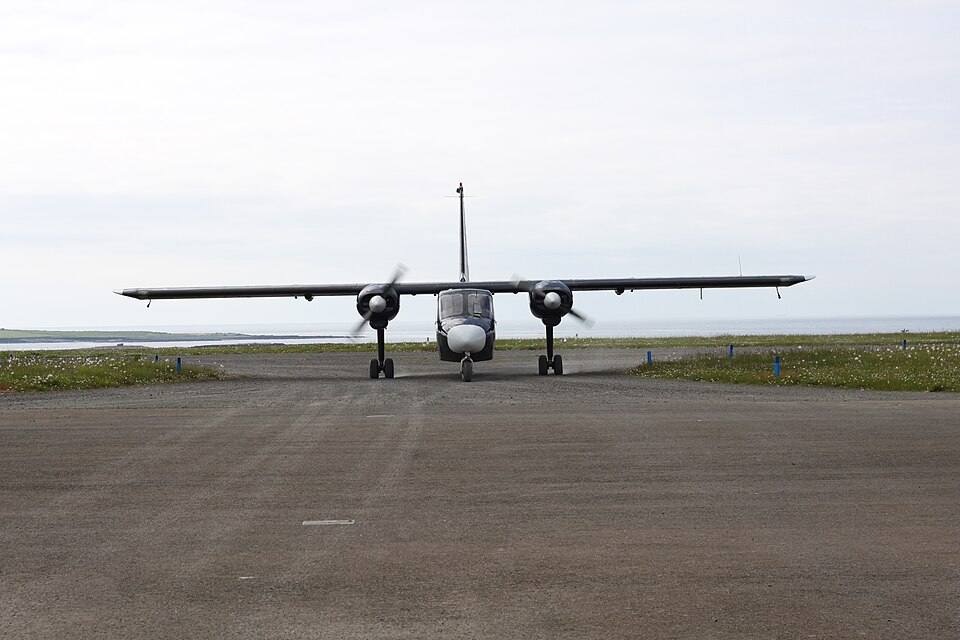
The flight from Westray to Papa Westray, in the Orkney Islands north of the Scottish mainland, is scheduled at about a minute and a half. The actual time in the air is closer to a minute, and the record for the run stands at 53 seconds.
The distance is 1.7 miles, 2.7 kilometres. The aircraft takes off, the pilot levels briefly, and then it is descending again. Passengers are given the safety briefing on the ground because there is no time for it once moving.
The numbers, and the record
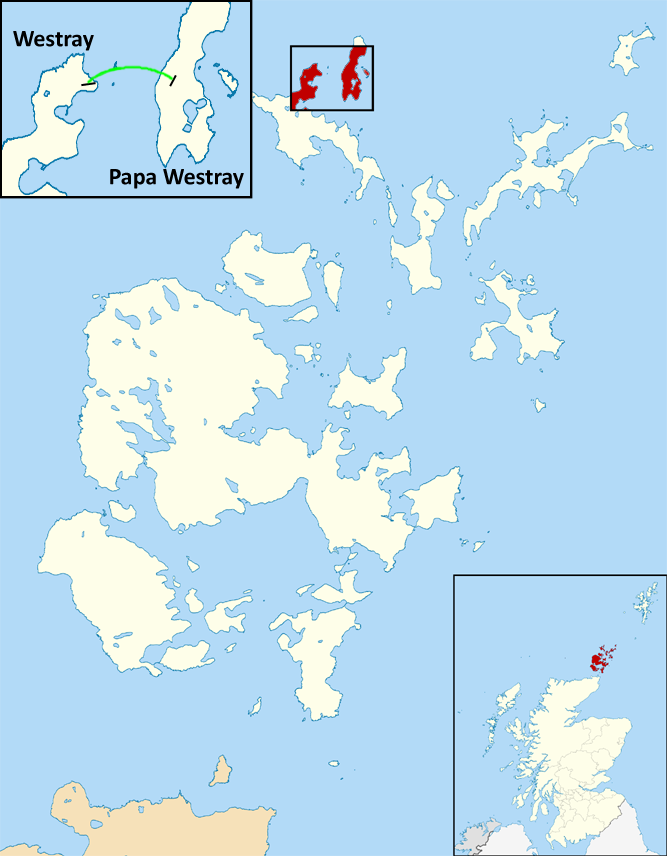
The route opened on 4 December 1967 and has operated more or less continuously since. The scheduled block time is around a minute and a half; the shortest recorded flight was 53 seconds, flown by a pilot who worked the route for decades.
It is recognised as the world’s shortest scheduled commercial flight, and the record is specifically for a scheduled service that anybody can book, which is the distinction that matters. Shorter hops certainly exist as charters, air taxi legs and positioning flights, and none of them are scheduled.
The aircraft is a Britten-Norman BN-2 Islander, a twin-engine propeller aeroplane seating eight. The operator runs one of its two Islanders on this route, which tells you the scale of the operation.
Around 5,000 passengers a year used the service as of 2024, which averages fewer than twenty a day across the whole network of island hops the aircraft performs.
That figure is worth holding onto, because it is the number that makes everything else about the route make sense. Five thousand passengers is a few days’ traffic through a single gate at a regional airport. No commercial airline would look at it twice, and the service exists because a council decided that islanders needed a link rather than because anybody expected to make money from one.
Like our content? Follow us for more.
Why anybody flies 1.7 miles
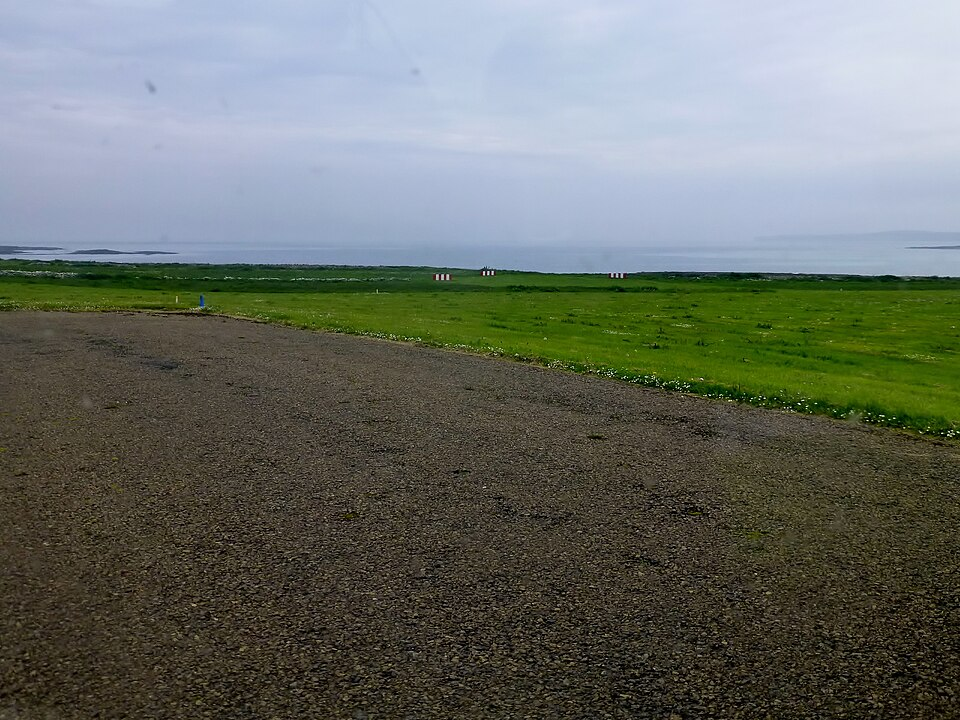
Because the alternative is a boat, and the weather in the northern isles does not always permit one. A short sea crossing in that part of the world can be rough or cancelled for days, and the islands either side are small communities with no capacity to absorb being cut off.
Most of the passengers are students and teachers. Papa Westray has around sixty archaeological sites on an island you can walk across, and the educational traffic is a real and recurring part of the load.
Health professionals and patients travelling to medical facilities also use it, and tourists make up the rest, some of whom are there specifically because of the record.
The service is subsidised by the local council, which awarded the current contract in 2025 running through March 2029. That is the honest economic picture: this is a public service obligation route, not a commercial proposition.
That model is common across northern Europe and in parts of North America, and the mechanism is the same everywhere: a public authority specifies the route, the frequency and often the maximum fare, then pays an operator to fly it. The alternative is not a cheaper flight but no flight, and the communities on these routes know it.
The aircraft is the reason it works
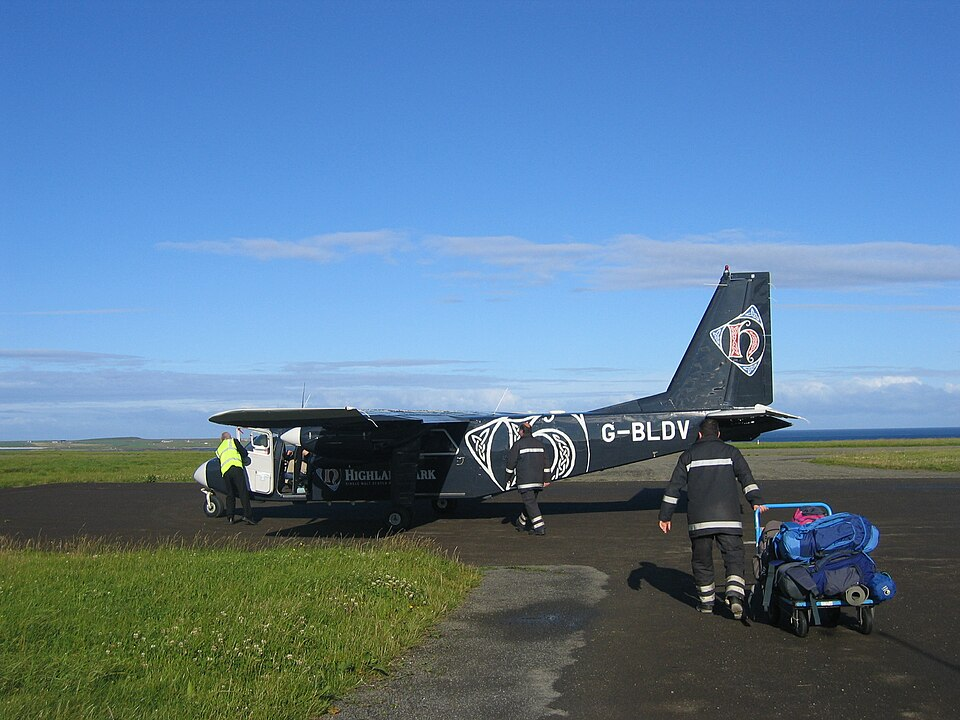
The Islander was designed in the 1960s specifically for short unimproved strips, and almost every characteristic of it serves that purpose. High wing, fixed undercarriage, two engines mounted on the wing, and doors directly onto each row of seats so that loading does not require an aisle.
It takes off and lands in a very short distance, which is what allows the island strips to be grass or short asphalt rather than engineered runways. It is also mechanically simple, which matters when the maintenance base is a long way off and the aircraft operates in salt air.
There is no cabin crew and no galley. The pilot does the briefing, loads the bags, and on many island services also handles the paperwork at both ends.
It is worth saying that the type remains in production in modernised form after six decades, which is unusual for any aircraft and reflects how narrow and persistent the niche is. Nothing has displaced it because nothing else does the job: a jet cannot use the strips, a helicopter costs several times as much to operate per hour, and a single-engine aircraft would not satisfy the rules for carrying passengers over water.
What a ninety-second flight is actually like
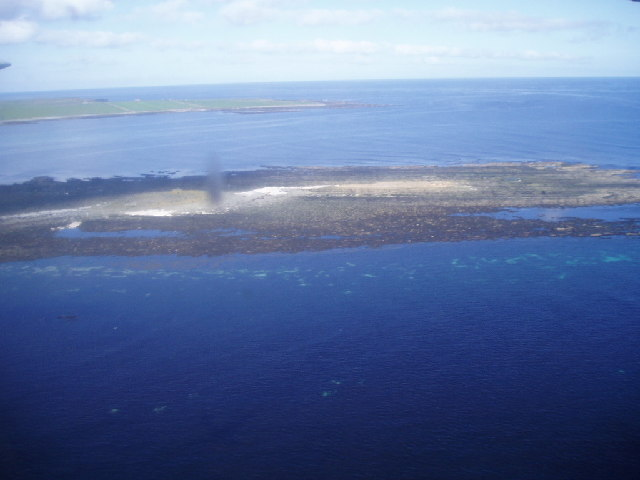
There is no cruise. The aircraft climbs to a few hundred feet, the pilot reduces power almost immediately, and the approach begins. Passengers describe it as a single continuous manoeuvre rather than a flight with phases.
The seatbelt stays fastened throughout for obvious reasons, and there is no point at which anything resembling service occurs. The windows are at shoulder height and the whole crossing is visible, which is the actual attraction.
For the pilot the workload is high rather than low. Two take-offs and two landings per round trip, at low altitude, frequently in crosswinds, on short strips, with the next pair beginning a few minutes later. Short-sector flying is the demanding end of the profession, not the easy end.
The airline issues a certificate to passengers who ask, which has become part of the experience and is a reasonable thing to want.
One oddity is that the flight is frequently shorter than the taxi to the runway would be at a large airport. The comparison people reach for is that the safety briefing takes longer than the flight, and on this route that is not a joke but a scheduling fact, which is why it is delivered before the aircraft moves.
The wider island network it belongs to
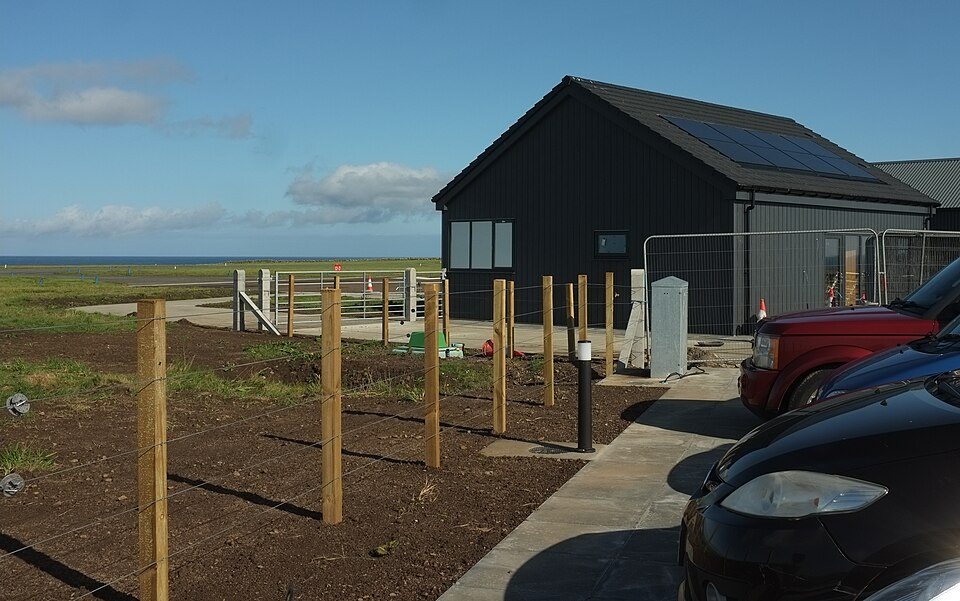
The Westray to Papa Westray leg is not a standalone service. It sits inside a network of inter-island flights where a single aircraft works a rotation calling at several strips in a morning, and the famous leg is simply the shortest pair of consecutive stops.
That is why the timetable looks strange. A service may appear as a sequence of two-minute and six-minute legs with the aircraft on the ground for a few minutes between each, which is more like a bus route than an airline schedule.
It also means that booking the record flight specifically requires checking which rotations include that leg on which days. It is not a service that runs hourly, and a visitor who turns up expecting to hop on will frequently be waiting.
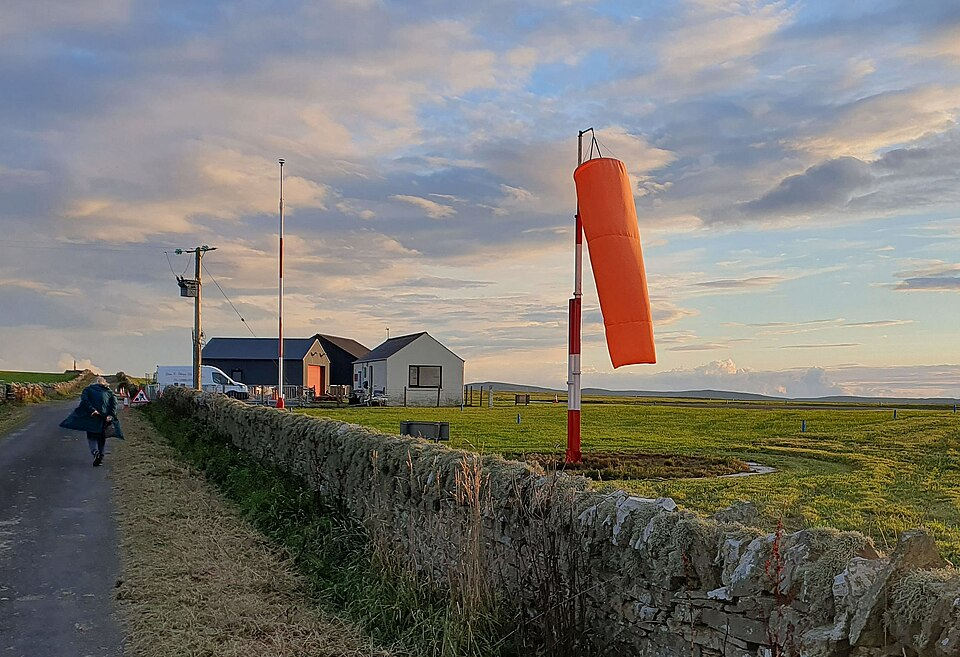
The strips themselves are minimal: a surface, a windsock, a small building and in some cases a fire tender that arrives when the aircraft is due. There is no security screening of the kind a mainland passenger expects, which is itself a function of aircraft size and route type.
Other contenders and other categories
Several routes are described as the world’s shortest and most of the claims are about a different category. There are shorter ferry-replacement air services that are not scheduled, shorter helicopter links, and a number of two to three mile scheduled hops in island groups elsewhere that come close.
The record has also moved by timetable rather than by geography: a route can gain or lose the title because an operator changes which pairs of islands are flown consecutively, without any aircraft flying a different distance.
By flight time rather than distance, the ranking is sensitive to wind. A strong headwind on a 1.7-mile leg can add a meaningful proportion to the duration, and a tailwind is what produces the record times.
So the claim worth making is the shortest scheduled commercial flight by distance, which this route holds, and the 53-second figure as the shortest recorded time rather than as a typical one.
If you want to do it
It is bookable, it is cheap by air travel standards, and it is reached by first getting to Orkney and then to Westray, which takes longer than everything else about the trip combined. Budget a day rather than an afternoon.
The practical notes are the ones that apply to all small-island flying: the baggage allowance is small and strictly applied because the aircraft is weight-critical, the service cancels for weather more readily than a mainland flight would, and a cancellation on a route with one aircraft means waiting for the next rotation rather than being rebooked.
Most people who make the trip spend the day on Papa Westray and come back by boat, or the reverse, which is the sensible way to see both islands and also means the flight is not wasted on a return leg you cannot see anything from.
The honest summary: the Westray to Papa Westray service in the Orkney Islands opened on 4 December 1967, covers 1.7 miles or 2.7 kilometres, is scheduled at about a minute and a half with an actual airborne time nearer a minute, and holds the record for the world’s shortest scheduled commercial flight; the shortest recorded run was 53 seconds; it is flown by an eight-seat Britten-Norman Islander, carried around 5,000 passengers a year as of 2024, is subsidised by the local council under a contract awarded in 2025 and running to March 2029, and exists because most of its passengers are students, teachers, health workers and patients for whom the sea crossing is not always available.
Like our content? Follow us for more.
