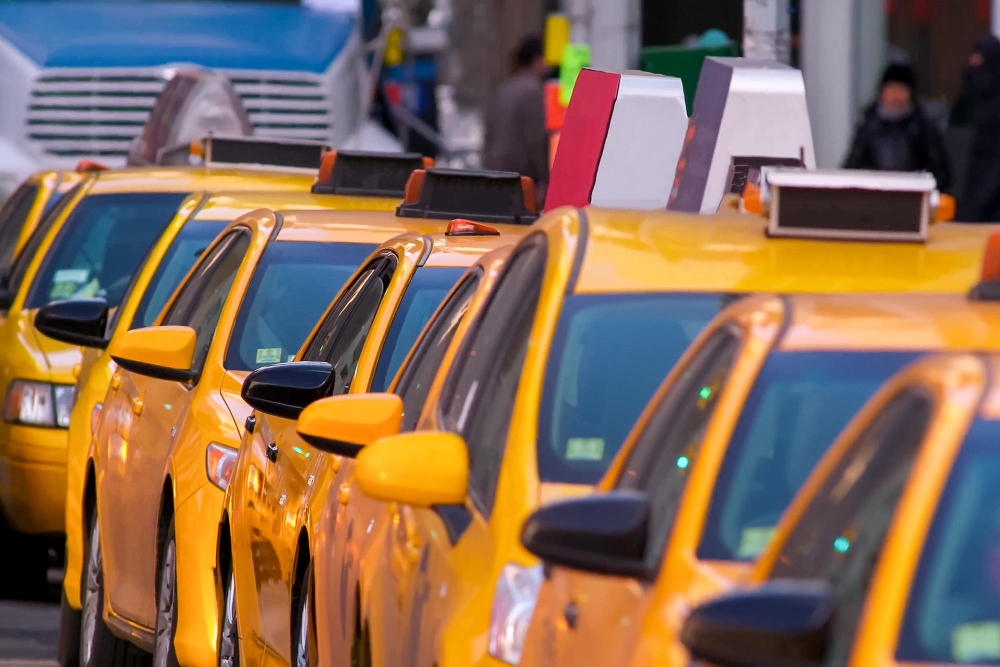
Taxis abroad are governed by local licensing that differs by country and frequently by city, and ride-hailing apps sit inside that law rather than above it. Here are fifteen things that catch travellers out.
1. A metered fare and a negotiated fare are two different legal regimes

In some places a taxi must run a meter and charging anything else is an offence; in others fares are negotiated before you get in and there is no meter at all.
The mistake is assuming your own country’s system applies. A traveller who expects a meter and gets a price, or expects to agree a price and finds a meter running, has misread the regime rather than been cheated.
The practical step is to find out which applies before you need a taxi, because the question is answered by the local licensing authority and by posted information at ranks, not by the driver. Where a meter is compulsory it is usually a sealed, inspected instrument and the rate card is a public document the driver is required to display.
Like our content? Follow us for more.
2. Airport taxis are a separate system almost everywhere

Airports typically run their own arrangement: a dedicated rank, sometimes a desk that issues a ticket with a fixed price to a zone, sometimes a surcharge that applies to airport trips only.
This exists because airports are high-volume, high-value and historically the place where visitors were most often overcharged, so the airport authority took control of it.
Using that system is almost always the correct choice on arrival, even when it looks more expensive than something offered in the terminal. The desk or the rank is the one place where the price is documented and where a complaint has somewhere to go.
3. Anyone approaching you inside the terminal is usually not the official rank

In most airports the licensed taxis queue outside at a marked rank and do not solicit passengers in the arrivals hall.
So the person who approaches you with an offer of a taxi is, in a great many airports, operating outside the official system, whatever they are wearing and whatever they are holding.
This is not a claim about any individual: it is a statement about where the regulated supply is, which is at the rank or the desk. The answer is simply to walk to the marked rank or the official desk and join it, which requires no confrontation and no judgement about anybody.
4. A ride-hailing app is not legal in every city

Ride-hailing apps operate under local transport law, and that law differs by country and frequently by city, so an app that works in one city of a country may be prohibited, restricted, or available only as a licensed-taxi booking tool in another.
Some cities permit the app only for pre-booked journeys, some require the driver to hold a taxi licence, and some have banned particular operators outright.
The app itself usually tells you by simply having no cars available, which is an unhelpful signal because it looks like a supply problem rather than a legal one. Checking before you rely on it matters most for airport arrivals and late-night journeys, which are exactly the times when having no fallback is worst.
5. Where apps are legal, airport pickup is often still restricted

A city can permit ride-hailing generally and still prohibit or restrict app pickups at the airport, because the airport is a separate concession with its own rules.
Where pickup is allowed it is frequently confined to a specific zone, often in a car park or on a different level from the taxi rank, and finding it with luggage takes longer than people expect.
Some airports charge an access fee that appears on the fare, which is legitimate and is not the app overcharging you. The practical consequence is that the app’s quoted price and the time to actually be in a car are both different at an airport than in the city.
6. American travellers find the payment assumptions reversed
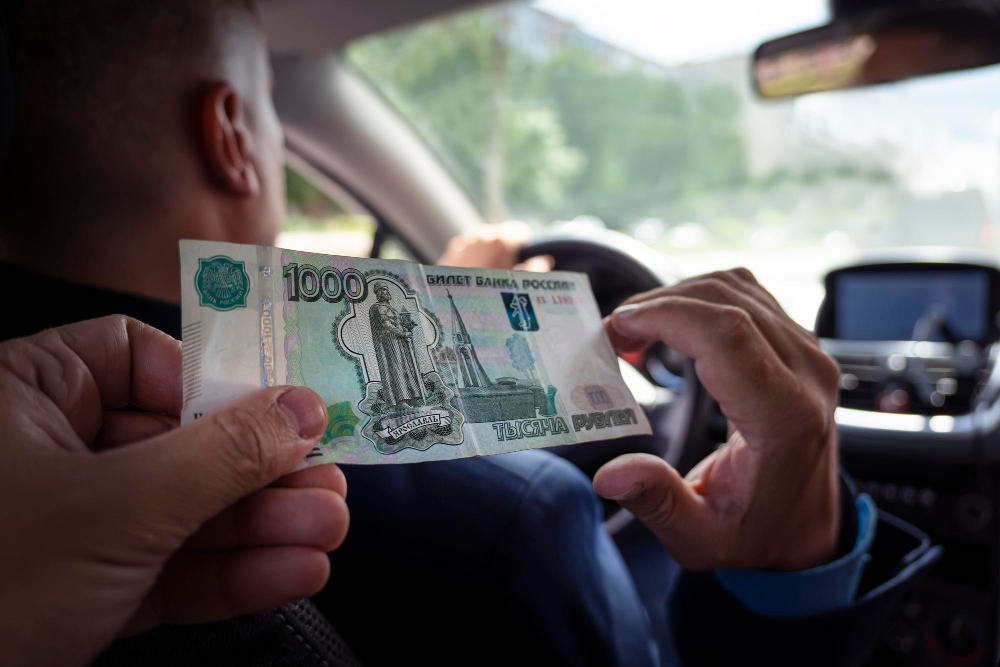
In much of the United States a taxi or ride-hailing car takes a card as a matter of course and cash is unusual, and travellers carry that assumption abroad.
In a great many countries the reverse is true: taxis are a cash business, card terminals are not fitted or are declared broken, and the driver is not obliged to accept a card.
Ride-hailing apps change this where they operate, because payment goes through the app, but in some markets the same apps offer a cash option and the driver may expect it. The practical answer is to carry enough local cash for a taxi journey even when you intend to pay by card, which is the single most useful preparation for this particular problem.
7. Surcharges are real, documented and frequently misread as overcharging

Published tariffs commonly include legitimate extras: a night rate, a Sunday or holiday rate, an airport or station supplement, a luggage charge, a charge for a fourth or fifth passenger, and tolls.
So a fare can exceed the meter’s distance reading entirely lawfully, and the difference is the tariff rather than a dispute.
The rate card is the document that resolves this, and where one is displayed it is worth a glance before the journey rather than an argument afterwards. In app-based journeys the breakdown appears in the receipt, which is the equivalent document and is the thing to look at before complaining.
8. Tolls, bridges and border crossings are charged to the passenger

A route that uses a toll road, a bridge, a tunnel or a ferry adds that cost to the fare in almost every system, and it is usually not included in a quoted price unless the quote says so.
For a cross-border journey the position is more complicated: many taxis are licensed for a specific country or city and may not be permitted to carry you across a border at all.
Where cross-border taxi journeys are allowed they are commonly priced as a special arrangement rather than on the meter, and they may require the driver to have documentation. This is worth establishing before setting off rather than at a frontier post, which is not a good place to discover a licensing limit.
9. The receipt is the only thing that makes a complaint possible
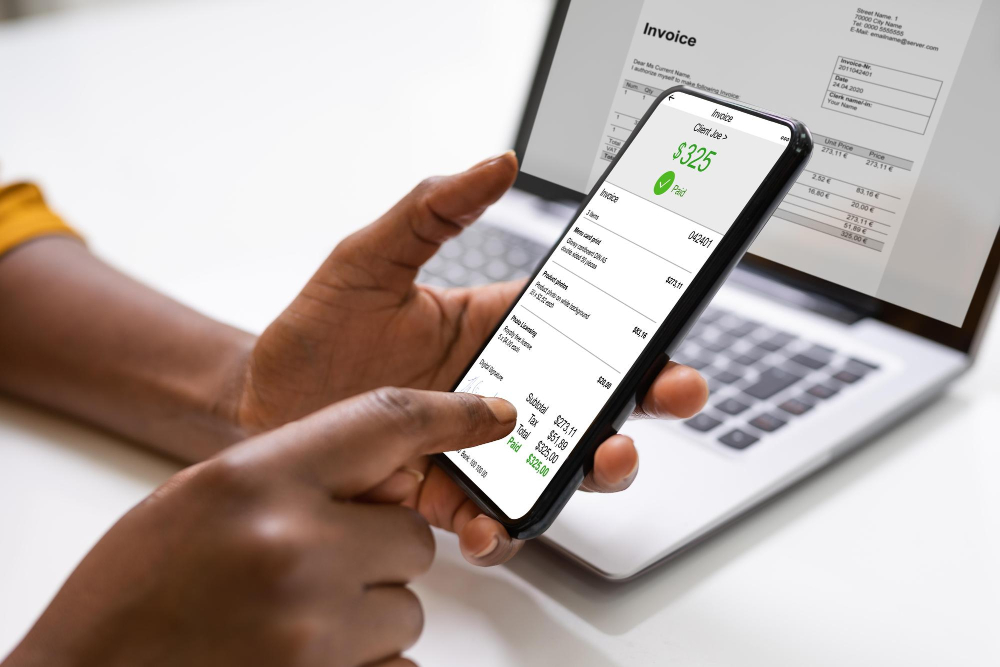
A paper receipt from a meter, or the electronic receipt from an app, carries the vehicle or licence identifier, the time, the route and the fare, and without it a complaint has nothing to attach to.
In metered systems the driver is generally obliged to issue one on request, and asking for it is a routine transaction rather than an accusation.
The complaint itself goes to the licensing authority — a city transport department, a taxi commission or an equivalent — not to the driver and not to your embassy. For an app journey the operator’s own complaints process is the first step and it usually works, because the operator holds the trip data and the payment.
10. Items left in a taxi are recoverable through the operator, not the driver
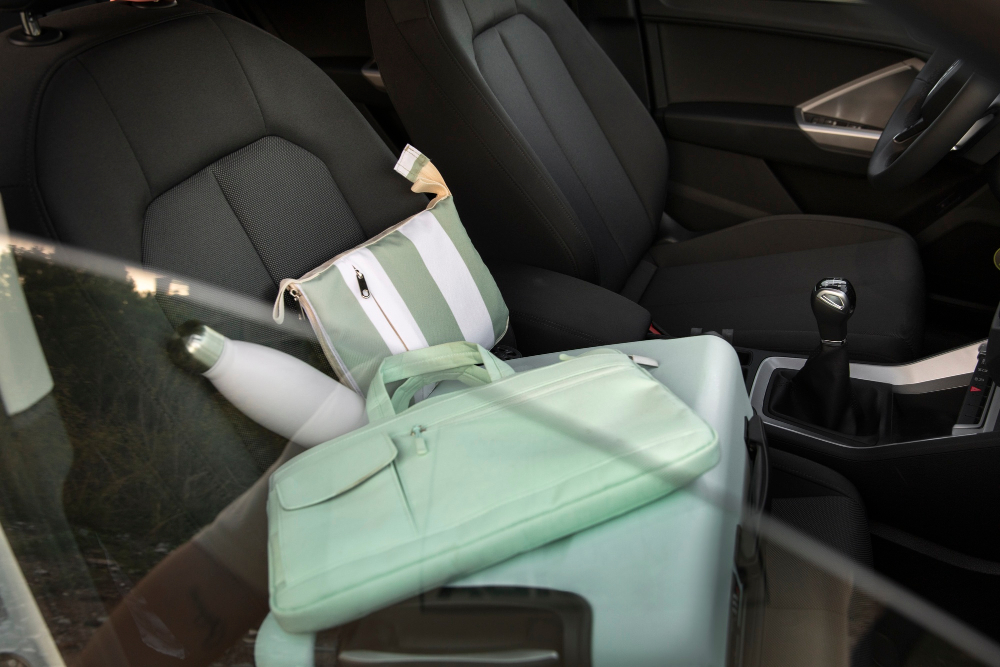
Something left behind in a licensed taxi goes into a defined process: the vehicle is identified from the receipt or the rank, and the licensing authority or the operator has a lost property procedure.
Apps make this considerably easier because the trip record identifies the driver, and most have a specific function for contacting them about a left item.
Without a receipt or a trip record there is usually no way to identify the vehicle at all, which is the practical reason the receipt matters beyond disputes. The process takes time and frequently involves collecting the item from a depot rather than having it returned, so building in that time is sensible.
11. Child seats are a legal requirement in more places than people expect

A great many countries require an appropriate child restraint in a private hire vehicle, and some exempt licensed taxis while others do not.
Ride-hailing apps in some markets offer a car-seat option, booked in advance and often in limited supply, and in others they offer nothing and the requirement still applies.
The traveller’s problem is that the exemption, where it exists, is a local rule and cannot be assumed from home practice. The practical approach for families is to establish the position before arrival and, where a seat is needed, to arrange it as part of the transfer rather than at the kerb.
12. Accessible vehicles have to be booked, and the lead time is real

Wheelchair accessible taxis exist in most urban systems but in limited numbers, and in many places they must be booked in advance rather than hailed.
The booking channel is often a dedicated telephone number or a specific setting in an app, and the lead time can be substantial at busy periods.
Airport arrangements for accessible transfers are usually separate again, handled by the airport’s assistance service rather than the taxi rank. Arranging this before travel is the only reliable approach, and the airline’s assistance booking and the ground transfer are two separate requests that both need making.
13. Tipping practice varies and the app may have decided for you
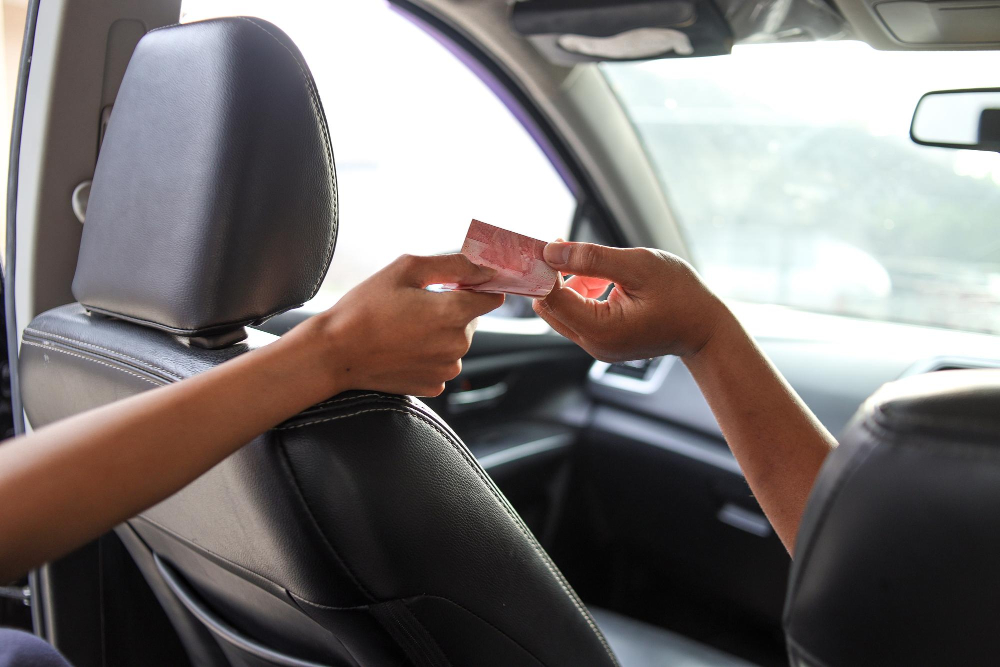
Taxi tipping ranges from customary and expected, through rounding up, to genuinely not done, and the variation is by country rather than by anything you can infer.
Ride-hailing apps have in some markets introduced a tipping prompt where no tipping custom existed, which has changed practice in those places and confuses travellers who know the local norm.
There is no universal rule and no correct global percentage, and the sensible approach is to find out what is ordinary where you are. Where a service charge or a tip is already included in a tariff, which happens in some systems, adding another is simply a gift rather than an obligation.
14. The long way round is a dispute about the route, not the fare
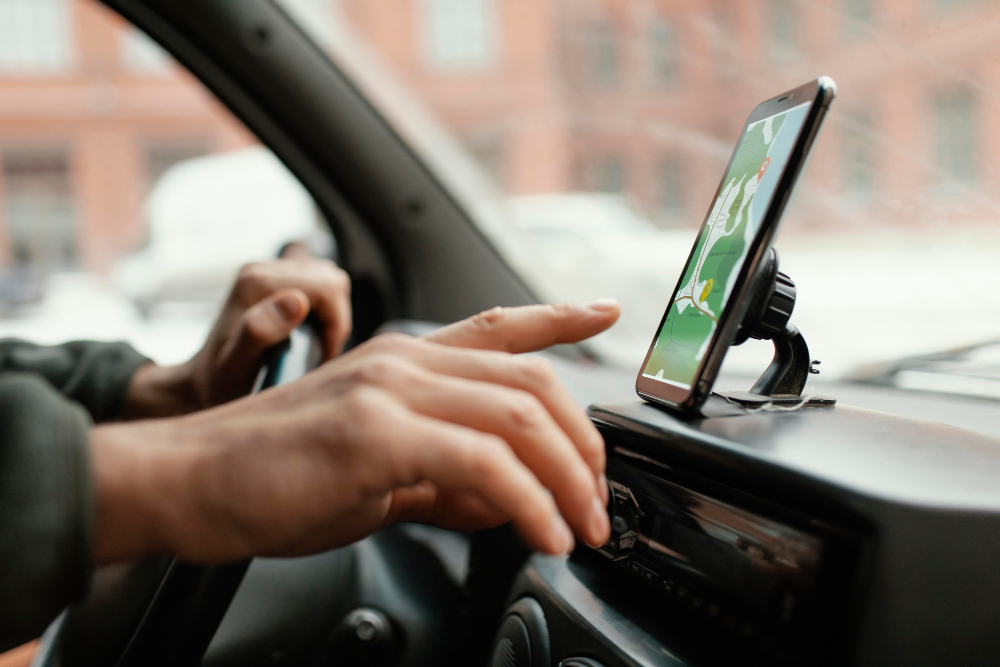
Where a meter is running, the fare depends on the route, so route choice is the thing that determines the price and is the usual subject of disagreement.
Most licensing regimes require the shortest practicable route unless the passenger asks otherwise, and a few explicitly allow the driver to choose a faster route even if longer.
The modern practical answer is to follow the journey on your own phone’s map, which turns a subjective impression into something you can see. If the route looks wrong, saying so during the journey is far more effective than complaining about the fare at the end, and it is also a normal thing for a passenger to do.
15. Pre-booked transfers and taxis are different products with different protections

A transfer booked through an accommodation provider, a tour operator or a transfer company is a contract with that company, priced in advance, and it is covered by that contract rather than by taxi licensing.
A licensed taxi is covered by the licensing regime, with its tariff, its complaints route and its identification requirements.
Neither is automatically better: a transfer removes the fare question and adds a company that must be chased if the car does not arrive, and a taxi keeps you inside a regulated system with a documented price. The summary: find out whether fares are metered or negotiated before you need a taxi; use the airport’s own rank or desk on arrival; know that ride-hailing legality varies by city and that airport pickup is often restricted separately; carry local cash even if you plan to pay by card; read the rate card rather than argue about lawful surcharges; keep the receipt or trip record, because it is what makes a complaint or a lost-property claim possible at all; and book accessible vehicles and child seats in advance, because both are limited in supply wherever they exist.
The regime is local and the receipt is the proof
Almost every problem travellers have with taxis abroad comes from assuming their own country’s arrangement applies. Metered or negotiated, cash or card, app-legal or not, airport rank or airport desk: each of those is set locally, and the licensing authority rather than the driver is the body that decides. The one habit that covers all of it is keeping the receipt or the app’s trip record, because that single document is what makes a fare dispute, a complaint or a lost-property claim possible, and without it there is usually no way even to identify the vehicle.
Check the ride-hailing position for the specific city rather than the country, and check it for the airport separately. A city can permit the app everywhere except the one place you will arrive.
Like our content? Follow us for more.