

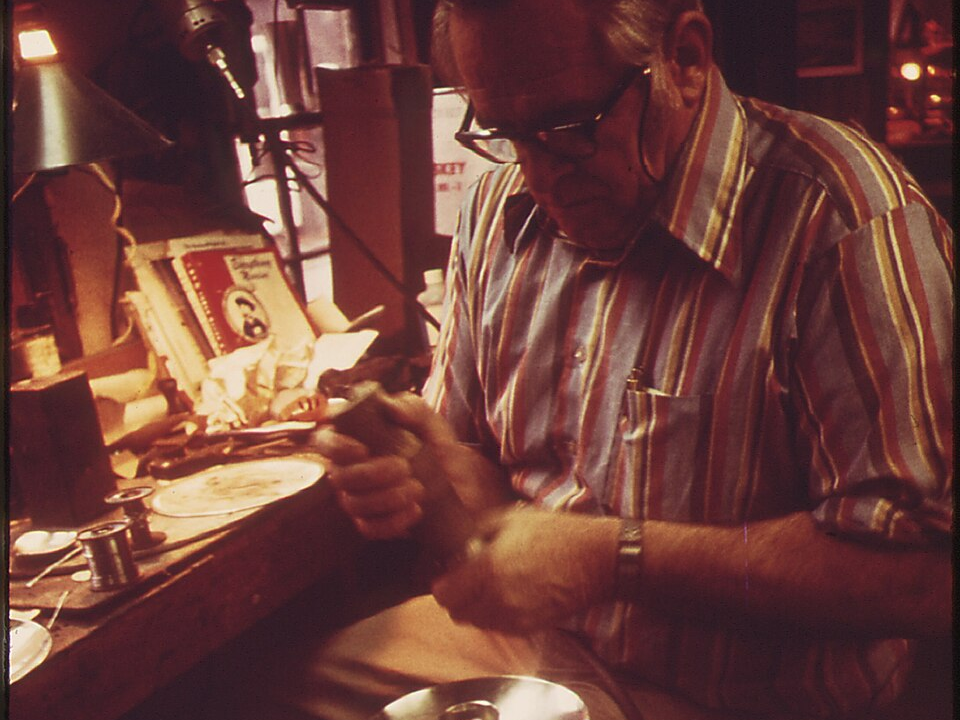
Pewter is mostly tin, and tin is soft, heavy and melts at a temperature a workshop can reach easily. That one material property decides the entire trade: a pewterer can cast, spin, hammer, solder and polish the same alloy with tools that would be useless on anything harder, and he can do all of it in a small shop with a modest heat source.
It also means pewter is unforgiving in a way harder metals are not. It dents if you look at it wrongly, it will not take a sharp edge, and the solder used to join it melts at a temperature uncomfortably close to the metal itself.
In 1960 a pewterer worked in a trade that had already been reduced from making the nation’s everyday tableware to making decorative and commemorative pieces, and he was mostly spinning rather than casting.
The moulds cost more than everything they produced
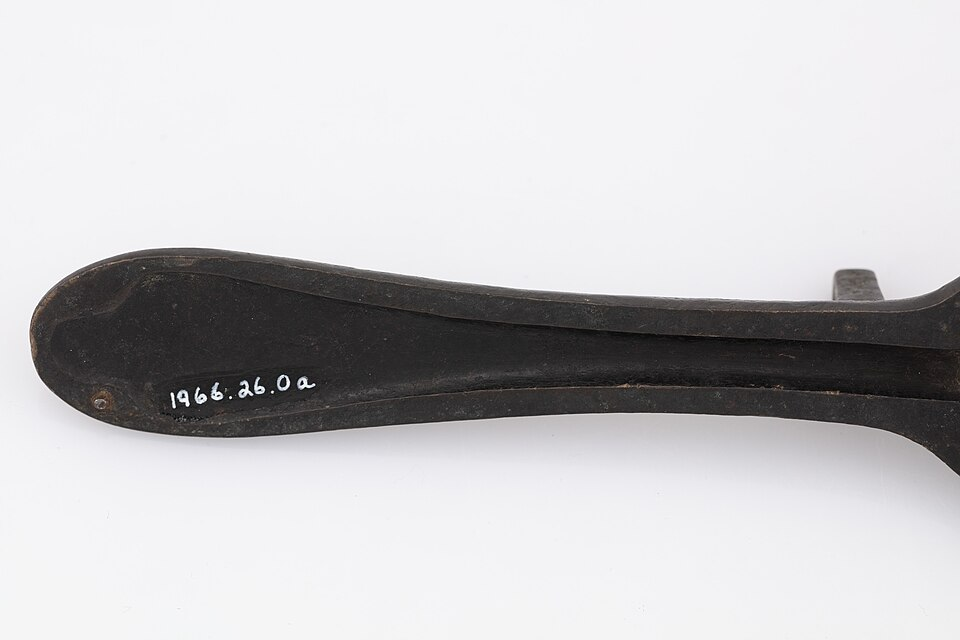
Cast pewter is poured into moulds of bronze or gunmetal, machined and finished internally to a high standard because the casting reproduces the mould’s surface exactly.
A mould for a single tankard shape was therefore a serious capital item, more expensive than a great many of the objects it would ever make, and it lasted for generations.
That shaped the whole trade’s economics. A pewterer’s mould collection was his business, moulds were inherited, bought from closing workshops and occasionally hired, and a shape stayed in production for a century because the tooling to make it already existed.
Modern production uses the same principle with better machining and alloys, and spin-casting in rubber moulds has made short runs viable for the first time. The old bronze moulds that survive are now historic objects in their own right. Several survive in museum collections with the pieces they made displayed alongside them, which is an unusually complete record of how an object came to exist.
Like our content? Follow us for more.
Spinning formed a shape over a wooden pattern
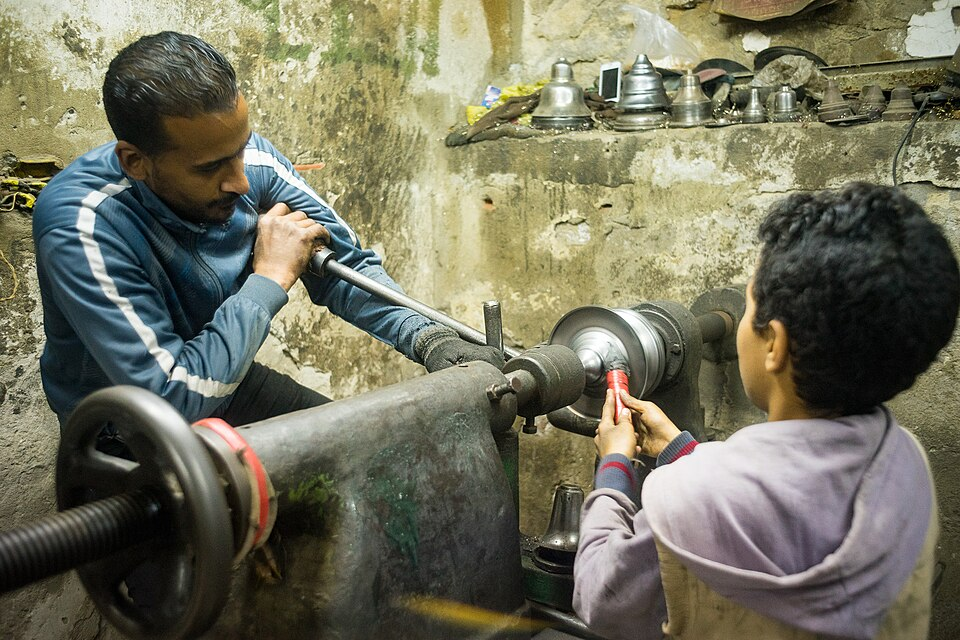
Most 1960 pewter was not cast at all. It was spun: a flat disc of metal clamped against a shaped wooden former on a lathe and pressed over it with a hand-held tool until it took the former’s shape.
That is a remarkable process to watch and it is almost entirely feel. The pressure has to be enough to move the metal and not enough to tear or thin it, and the tool has to be worked progressively from the centre outwards so the metal flows rather than stretches locally.
Pewter spins beautifully because it is soft, and the wooden formers — chucks — were themselves made in the shop, which made a spinner a woodworker as well.
Spinning is still done exactly this way for short runs and for repairs, now alongside hydraulic and automated spinning for volume. It is one of the few operations in this series that has barely changed because nothing better has been found for the job. Spinners describe it as the most immediately satisfying metalworking operation there is, because the shape appears under the tool in a few minutes rather than over a day.
Joining pewter is the difficult part
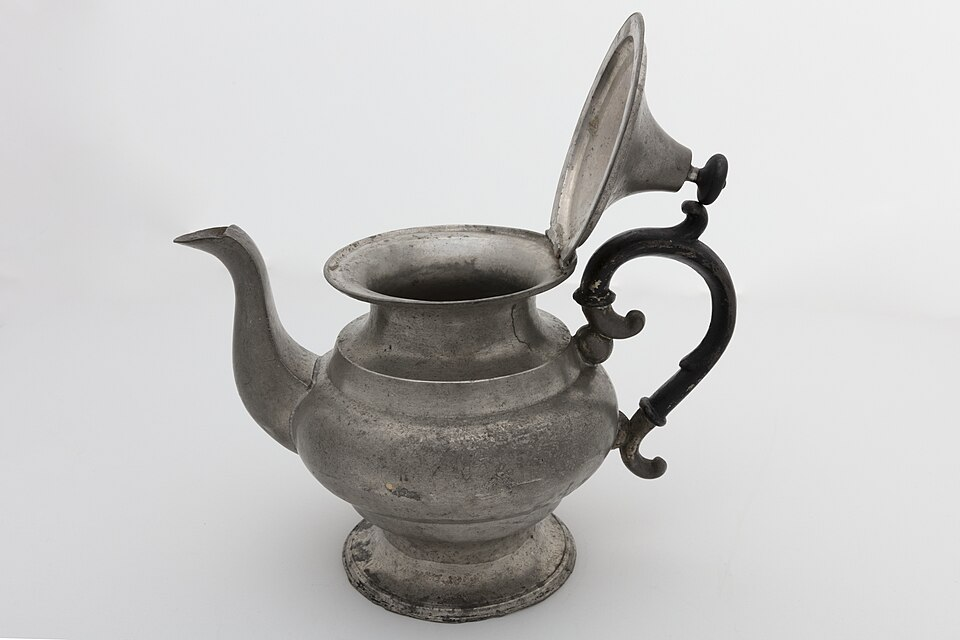
A tankard body, a base, a handle and a lid are separate pieces that have to be joined, and the solder has to melt below the melting point of the object it is joining.
That margin is narrow, which means a pewterer heating a joint is working close to the point at which the work itself collapses. The skill is entirely in heat control and in knowing when to stop.
The traditional remedy is to use the lowest-melting solder that will do the job and to move heat in locally and briefly rather than warming the whole piece.
Modern practice uses the same approach with better temperature control and better flux, and some production now avoids soldering altogether by designing pieces to be cast whole. The physical constraint has not moved an inch. It is also why a badly repaired piece of pewter is so recognisable: a joint reheated carelessly leaves a slumped area that cannot be put back.
The alloy changed and that is the important fact
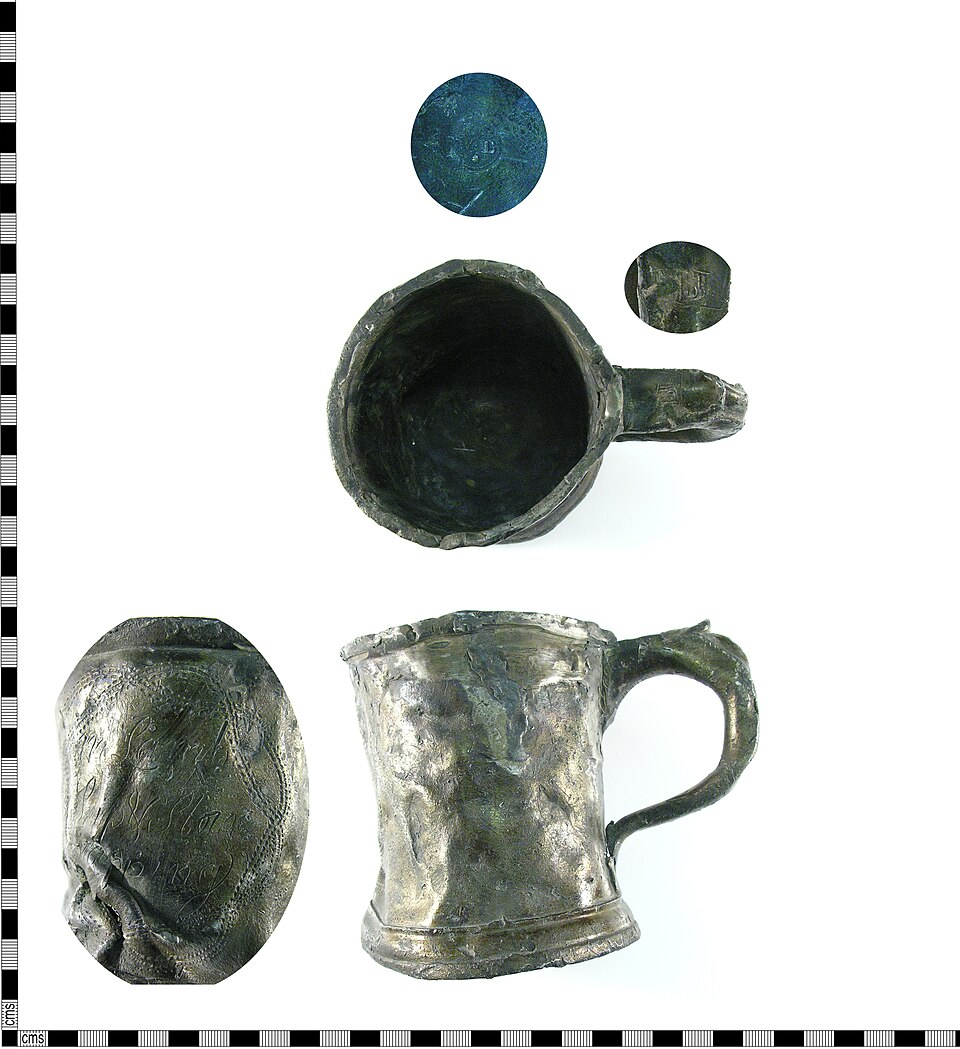
Historic pewter was not one recipe. Over the centuries the alloy varied, and pewter made before the twentieth century may contain lead, which is why old pewter is treated differently from new.
Modern pewter for anything that holds food or drink is lead-free, made to a specified composition, and that is a regulated matter rather than a matter of preference.
Anybody with old pewter should treat it as a historic object rather than as tableware, and should take advice from a conservator or a reputable pewterer rather than from an article; this file gives no composition, no test and no guidance of any kind about any specific piece, because that is not something an article can responsibly do.
The practical point for the trade is that the change in alloy also changed the working properties, so modern pewter behaves slightly differently under the tool from the material a 1960 pewterer had learned on. Makers who worked through the change say the modern alloy is harder and holds an edge on a moulding better, which is an improvement for the maker as well as for the customer.
The finish is achieved by scraping, not by abrasion
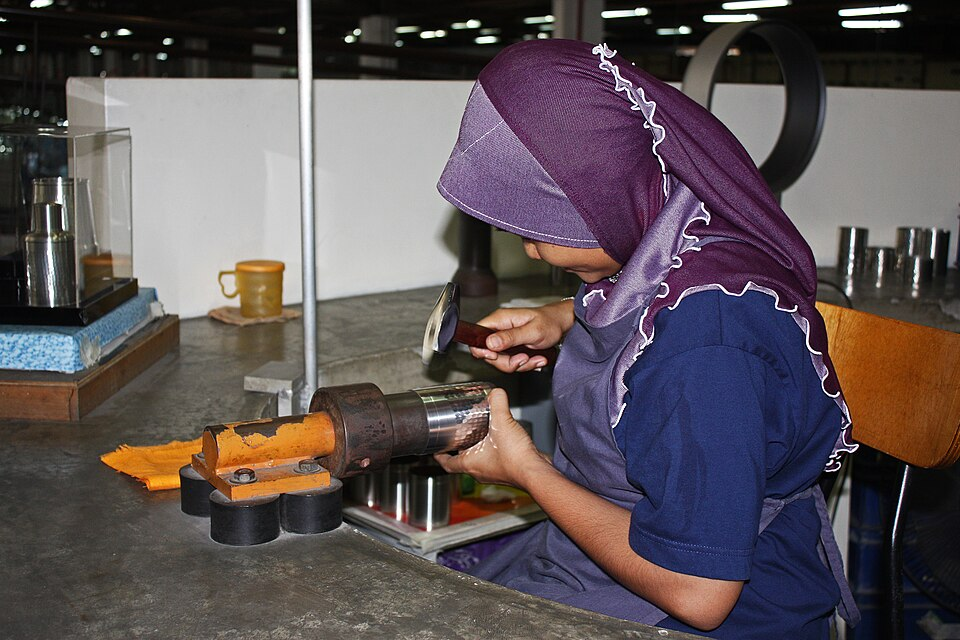
A pewter surface is finished on the lathe with a scraper or a burnisher rather than being ground, because the metal is soft enough that abrasive polishing embeds grit and leaves a dull, scratched surface.
So the final surface comes off the tool, and a well-finished piece of pewter has a particular soft lustre that is a direct consequence of how it was made.
The traditional alternative is a deliberately matt or hammered finish, which hides marks and was used on work intended for use rather than for display.
Modern finishing adds polishing compounds and lacquers for some products, which keeps pewter bright and changes the way it ages. Unlacquered pewter develops a grey patina, which the trade regards as correct and some customers regard as a fault. That disagreement is an old one and it is why the same piece is sold both ways, bright for people who want it bright and left alone for people who do not.
The trade was a guild trade and its marks are its paperwork
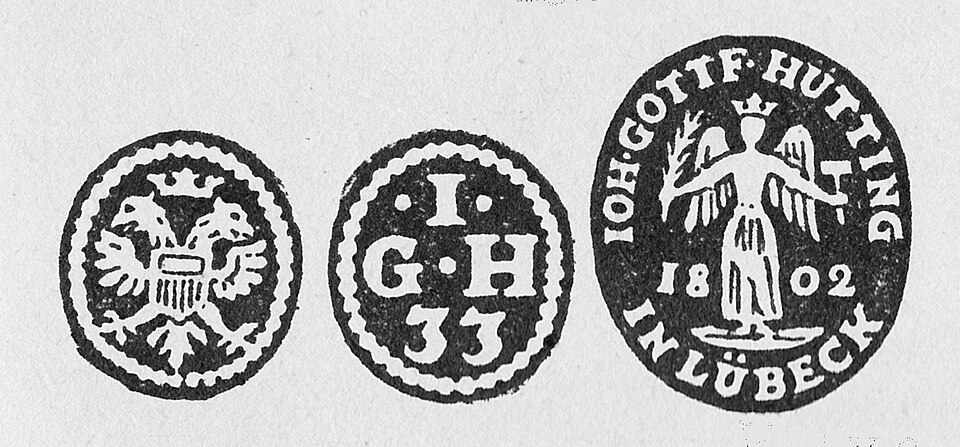
Pewter was historically marked, and the marks identified the maker, sometimes the quality of the alloy, and in some places the place of manufacture, under arrangements enforced by the trade’s own organisations.
Those marks are now the principal means of identifying and dating historic pewter, which makes them a genuine historical record created for an entirely commercial reason.
By 1960 the regulatory function had long gone and marking was a matter of a maker identifying his own work, as it mostly remains.
It is worth noticing what that means: a trade that policed its own quality for centuries produced, as a by-product, the documentation that now lets museums reconstruct its history. Very few crafts left a record that good by accident.
What ended the everyday trade
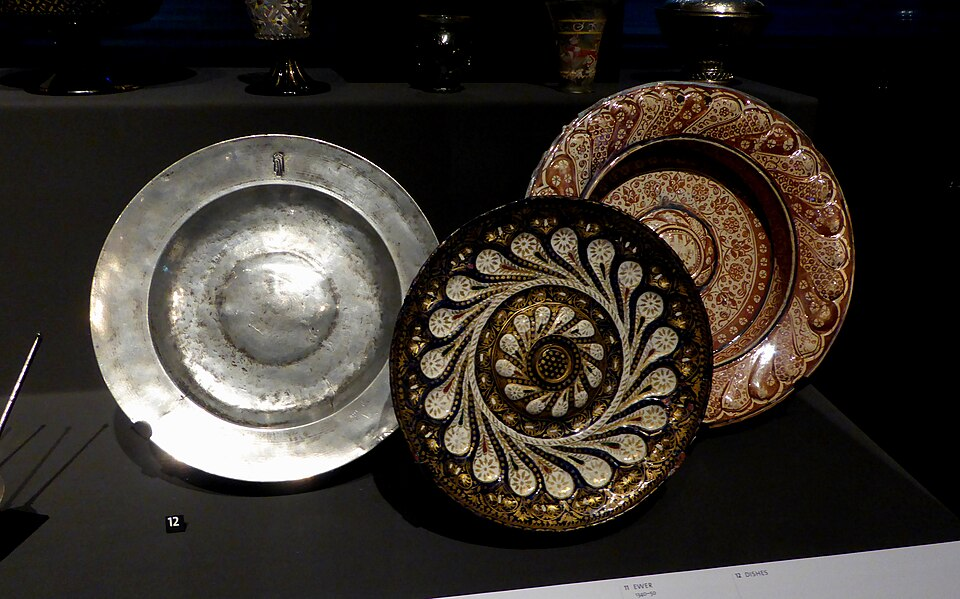
Not one thing. Pottery and glass took the tableware market because they are cheaper, do not dent and can be printed on. Enamelled steel and then stainless steel took the hard-wearing end. Plastics took the rest.
Pewter also had a specific disadvantage: it is soft, so it marks in use, and a society that could afford to replace worn tableware stopped valuing a material whose whole virtue was that it could be repaired or recast.
Recasting is the point that deserves attention. A damaged pewter object could be melted and made again, which made the material effectively permanent in a way nothing that replaced it is.
By 1960 what remained was tankards, commemorative ware, church plate, giftware and reproduction work, which is substantially what remains now.
What the trade is now
Small, skilled, and healthier than several in this series. Pewter is made by a modest number of firms and individual makers, to specified lead-free alloys, using casting, spinning and fabrication in much the same proportions as in 1960.
The craft is formally taught, the historic material is studied and conserved, and there is a steady trade in commemorative, ecclesiastical and designer work along with the repair of old pieces.
What has gone is the position pewter held as the ordinary metal of ordinary life, which it held for several centuries and lost in about one.
The honest summary: pewter is mostly tin, which is soft, heavy and melts at a temperature a small workshop can reach, so one alloy can be cast, spun, hammered, soldered and polished with simple tools; cast pewter requires bronze or gunmetal moulds finished internally to a high standard, which cost more than many of the objects they made and were inherited rather than replaced; most 1960 work was spun, pressing a disc over a shop-made wooden chuck on a lathe entirely by feel; solder for pewter must melt below the object it joins, a narrow margin that makes heat control the whole skill; historic pewter may contain lead while modern food-contact pewter is lead-free to a specified composition; and the surface is finished with a scraper or burnisher rather than abrasively, because abrasive polishing embeds grit in metal that soft.
Like our content? Follow us for more.
