In the high-pressure world of 2026 hospitality, the “turnover window” between 11:00 AM and 3:00 PM is a tactical operation. Housekeepers often have as little as 20 to 30 minutes to transform a lived-in suite into a pristine sanctuary. While most guests believe they are being helpful, many common checkout habits actually create “bottlenecks” that delay rooms for arriving travelers and exhaust the staff. To ensure a seamless experience for everyone, here are the 12 habits housekeepers want you to break.
1. Stripping the Bed Completely
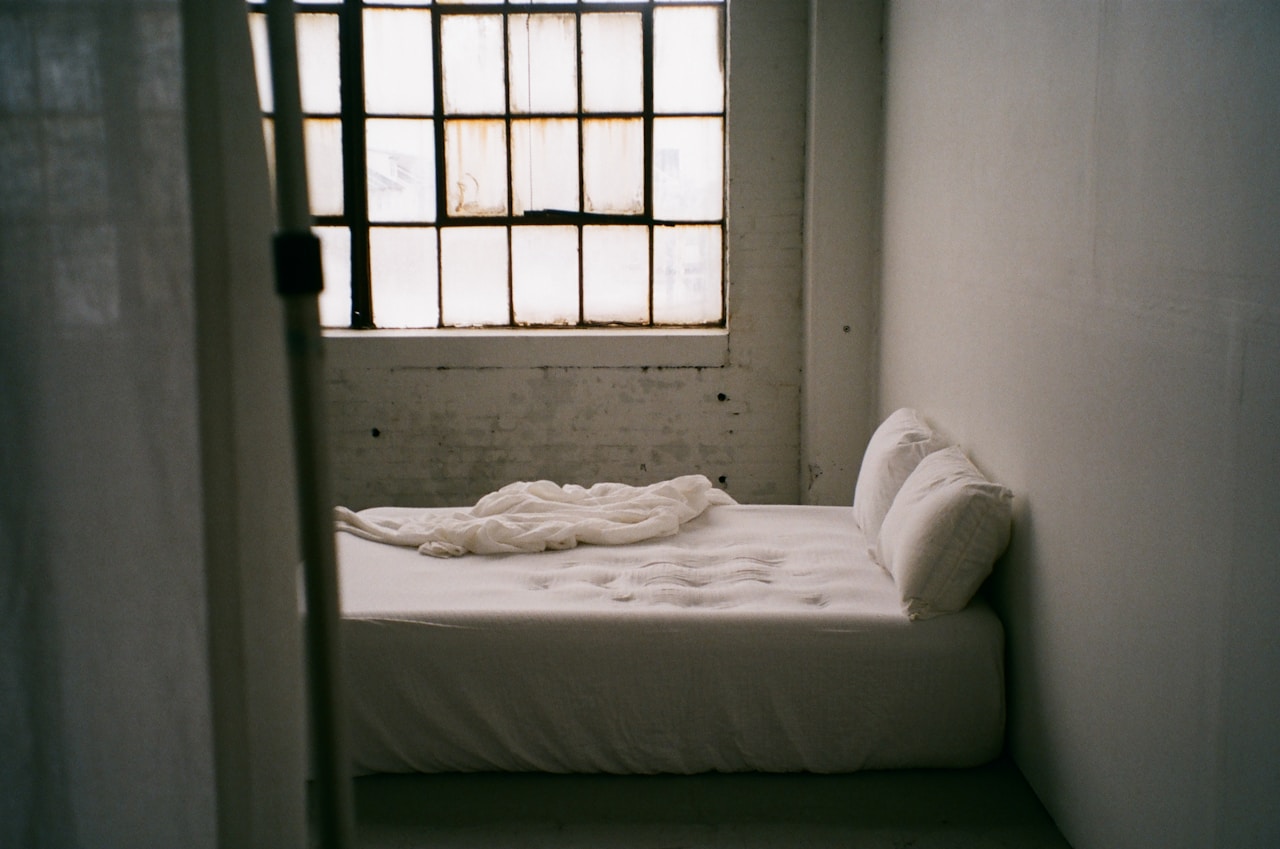
It seems like the ultimate helpful gesture, but stripping the bed often hides more than it helps. Housekeepers need to see the sheets while they are still on the bed to check for specific stains that require “pre-treatment” before going into industrial washers. When you bundle everything into a ball, they have to shake out every item anyway to ensure no personal belongings (like AirPods or jewelry) are trapped inside. If you want to help, simply leave the bed unmade.
2. Requesting Late Checkout Without Advance Notice
In 2026, hotel occupancy is managed by sophisticated algorithms that schedule cleanings based on expected arrival times. When a guest stays an extra 45 minutes without prior approval, it creates a “domino effect” down the entire hallway. Housekeepers lose their rhythm and often have to skip their lunch breaks to catch up. Always request a late checkout at least 24 hours in advance so the staff can re-route their workflow.
3. Ignoring the “Do Not Disturb” Sign Etiquette
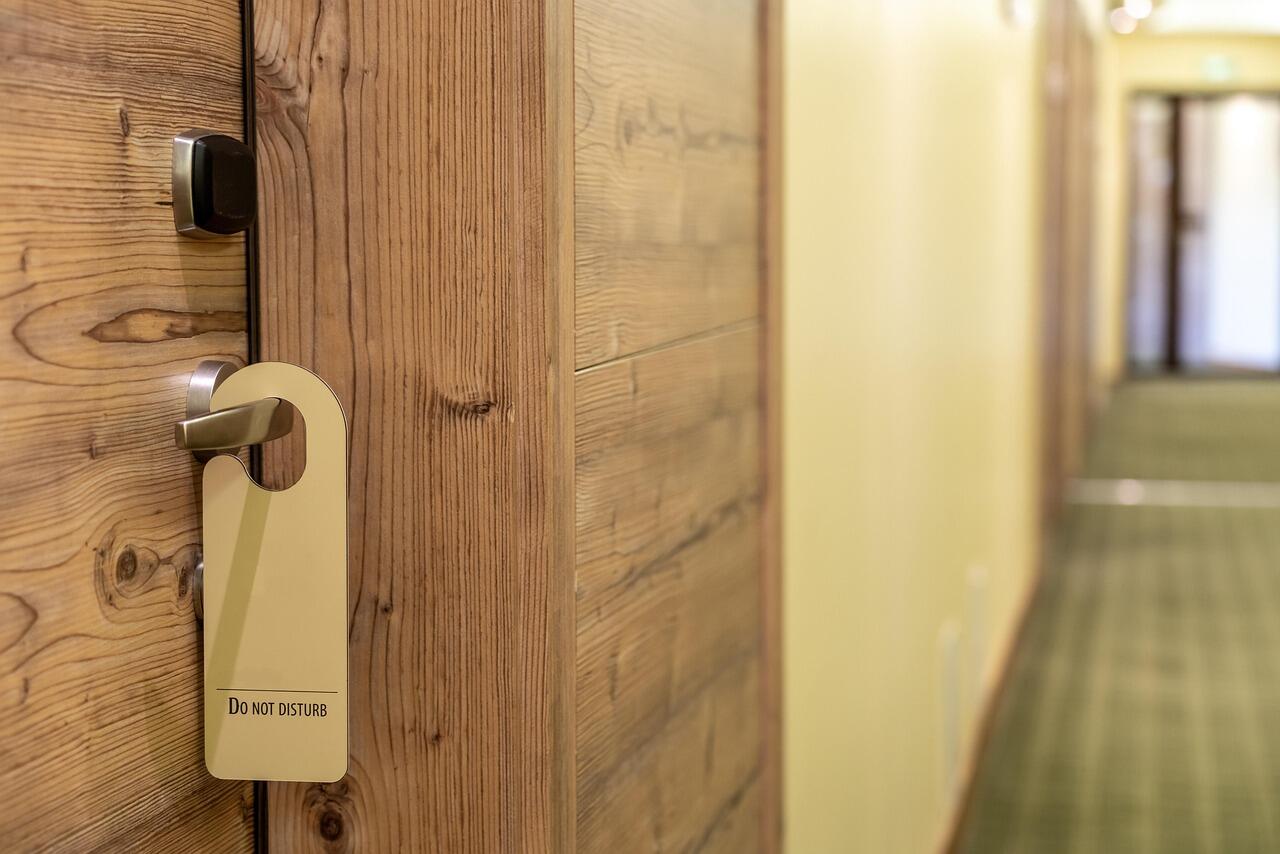
The biggest time-waster for a housekeeper is the “Sign Guessing Game.” If you have already vacated the room but left the “Do Not Disturb” sign on the handle, the staff is legally obligated to skip your room. This often leads to housekeepers waiting until the end of their shift to double-check, forcing them to stay late. Always remove the sign the moment you walk out the door for the final time.
4. Leaving the Bathroom in Disastrous Condition
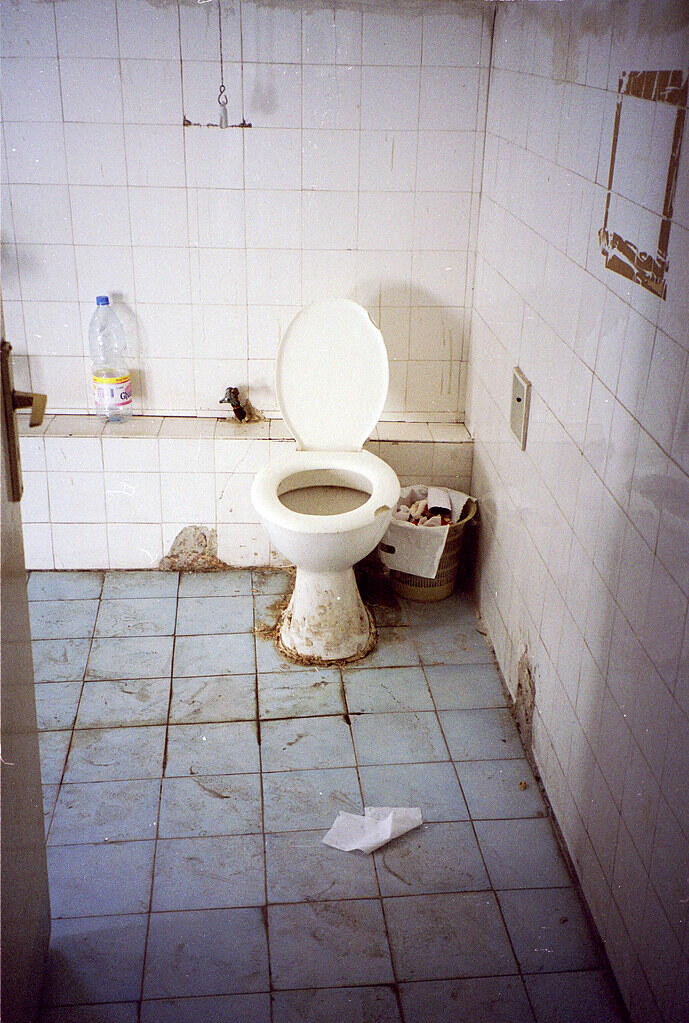
While you aren’t expected to scrub the tub, housekeepers wish guests would keep the “splash zone” under control. Leaving puddles of water on the floor can damage the vanity and creates a slip hazard for the staff. Furthermore, please keep all used towels in a single, manageable pile on the floor or in the tub rather than draped over chairs or the carpet, where they can cause damp odors.
5. Using Towels for Inappropriate Tasks
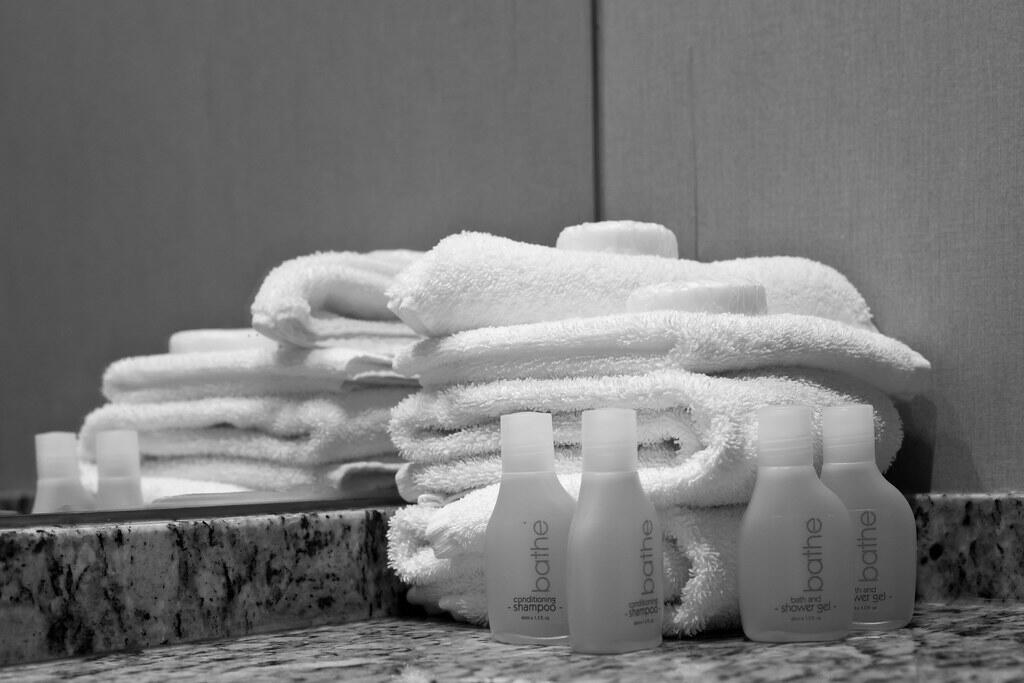
Towels are for drying clean bodies, not for removing heavy makeup, polishing shoes, or cleaning up spilled red wine. In 2026, many hotels have strict “linen loss” policies. Using a white towel to wipe off foundation often ruins the fabric permanently. Most hotels now provide dark “makeup cloths” or disposable wipes—please use them to help the hotel reduce unnecessary textile waste.
6. Leaving Excessive Trash or Dirty Dishes Everywhere
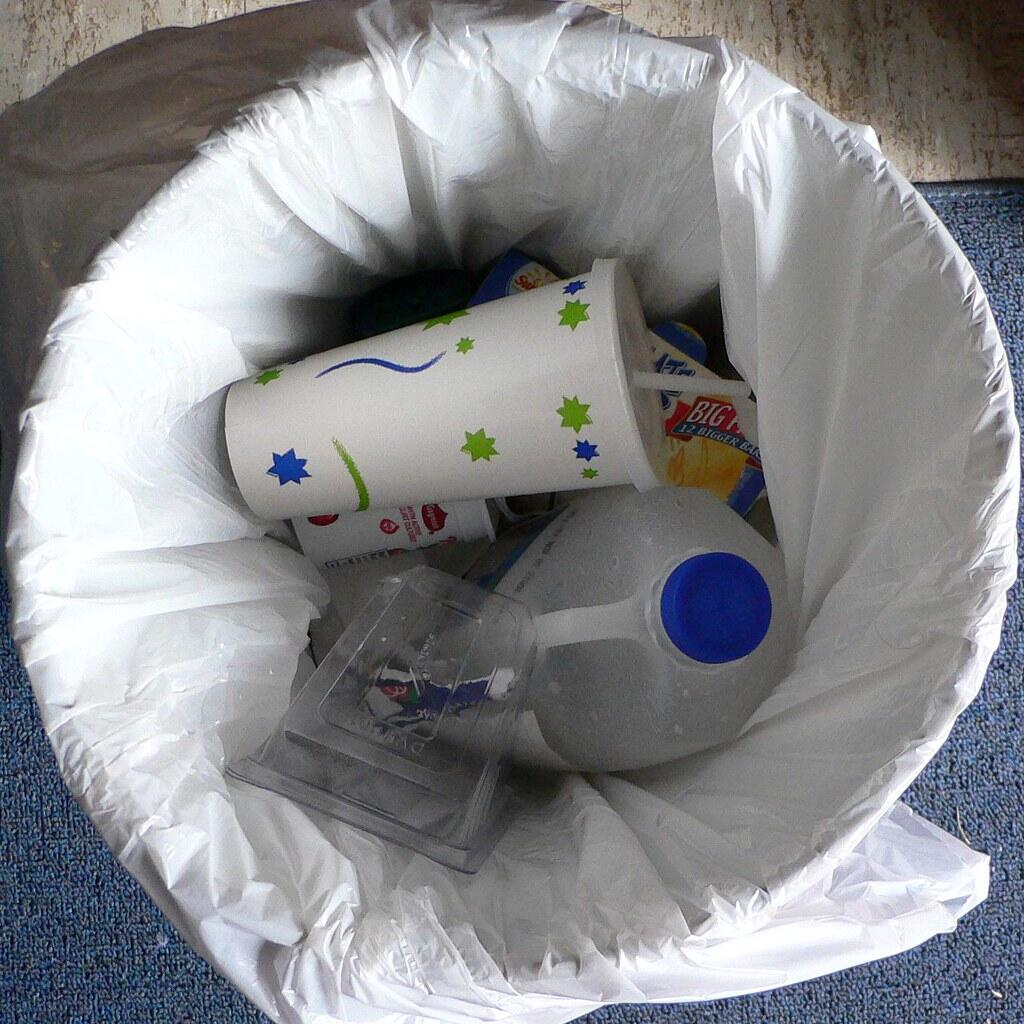
If you ordered late-night delivery, housekeepers ask that you consolidate the remains. Leaving open containers of food scattered across various surfaces attracts pests and creates lingering odors. Ideally, place all food-related trash in one bag near the bin. If you have dirty room-service dishes, place them on the tray and set it outside your door; don’t leave them for the housekeeper to find hidden under a desk.
7. Smoking in Non-Smoking Rooms
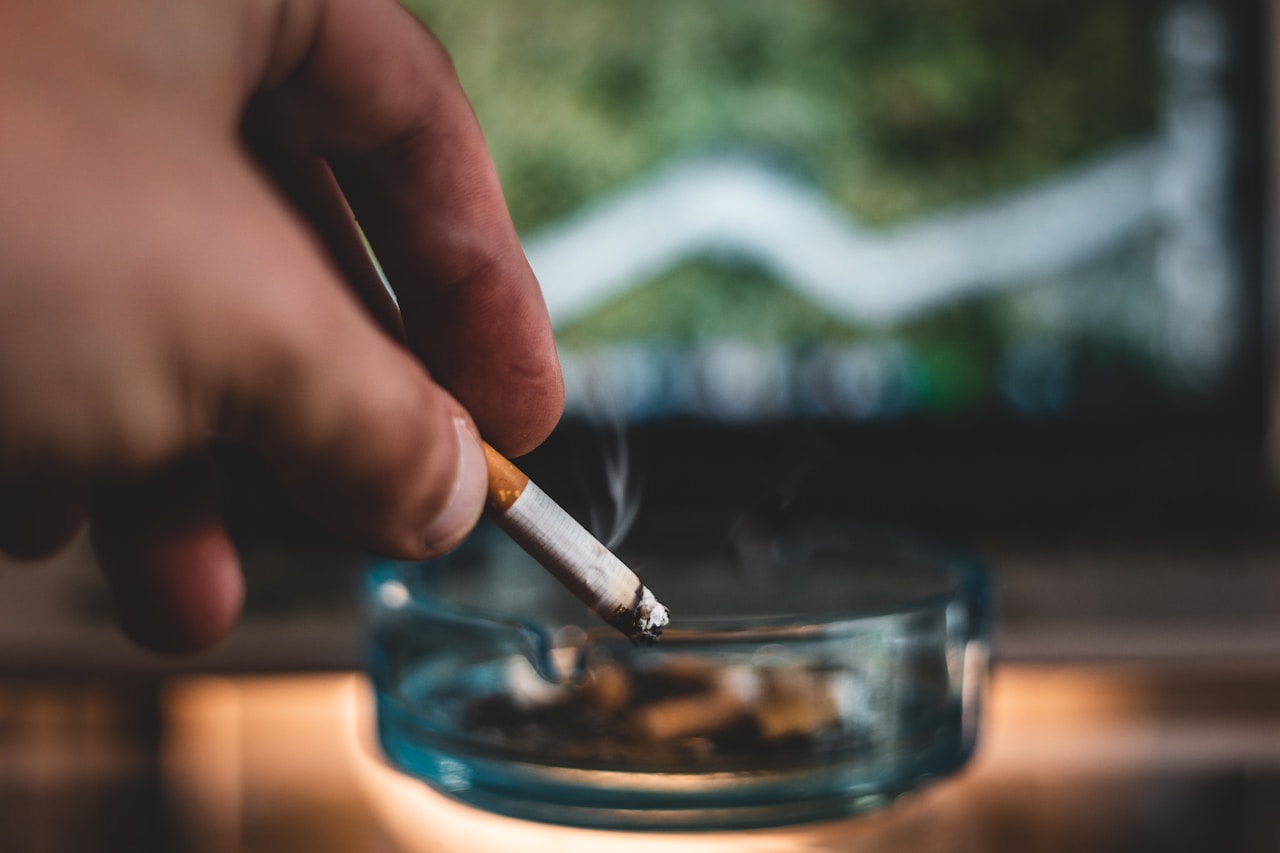
This is the most expensive and time-consuming habit a guest can have. Even with modern air purifiers, the scent of smoke clings to curtains and upholstery. A “deep clean” to remove smoke residue can take a room out of commission for 24 to 48 hours. Beyond the hefty cleaning fees you’ll face, you are effectively preventing the hotel from selling that room to the next guest, creating a massive logistical headache for the front desk.
8. Taking Items That Aren’t Meant to Be Taken
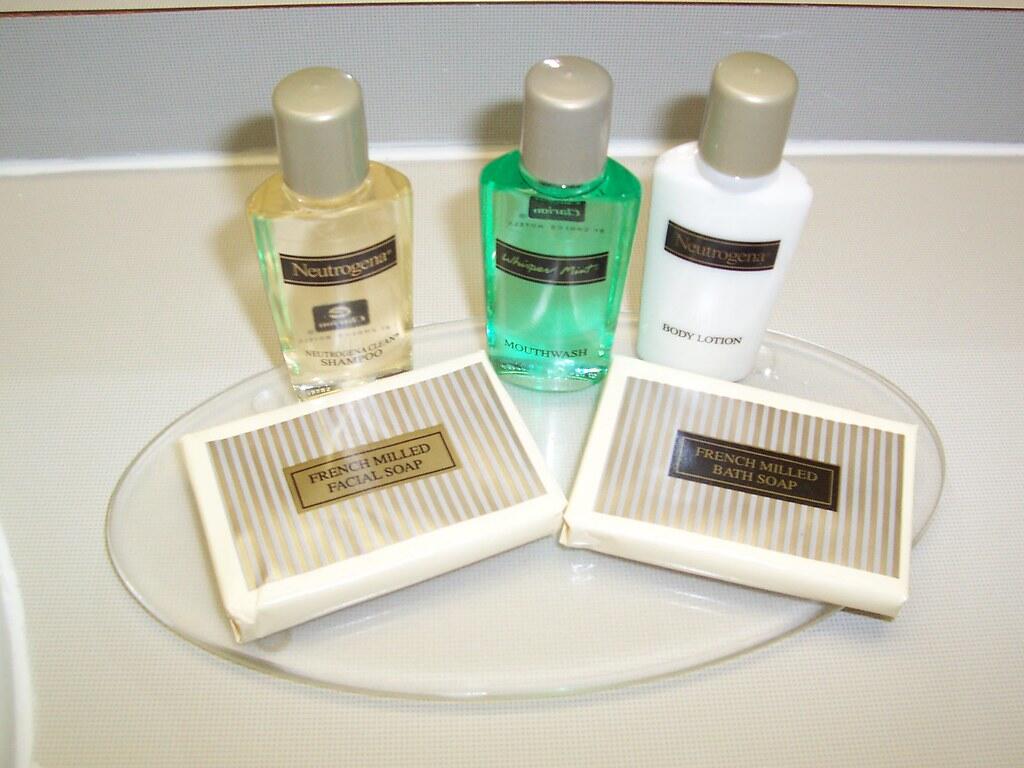
There is a clear line between “consumables” and “inventory.” While the travel-sized shampoos and slippers are yours to keep, items like bathrobes, silk hangers, and decorative pillows are not. In 2026, many hotels use RFID tags on high-value linens. Taking these items triggers an automatic charge to your card and requires the housekeeper to file a “missing inventory” report, which takes time away from their cleaning duties.
9. Not Securing Valuables or Leaving Personal Items Behind
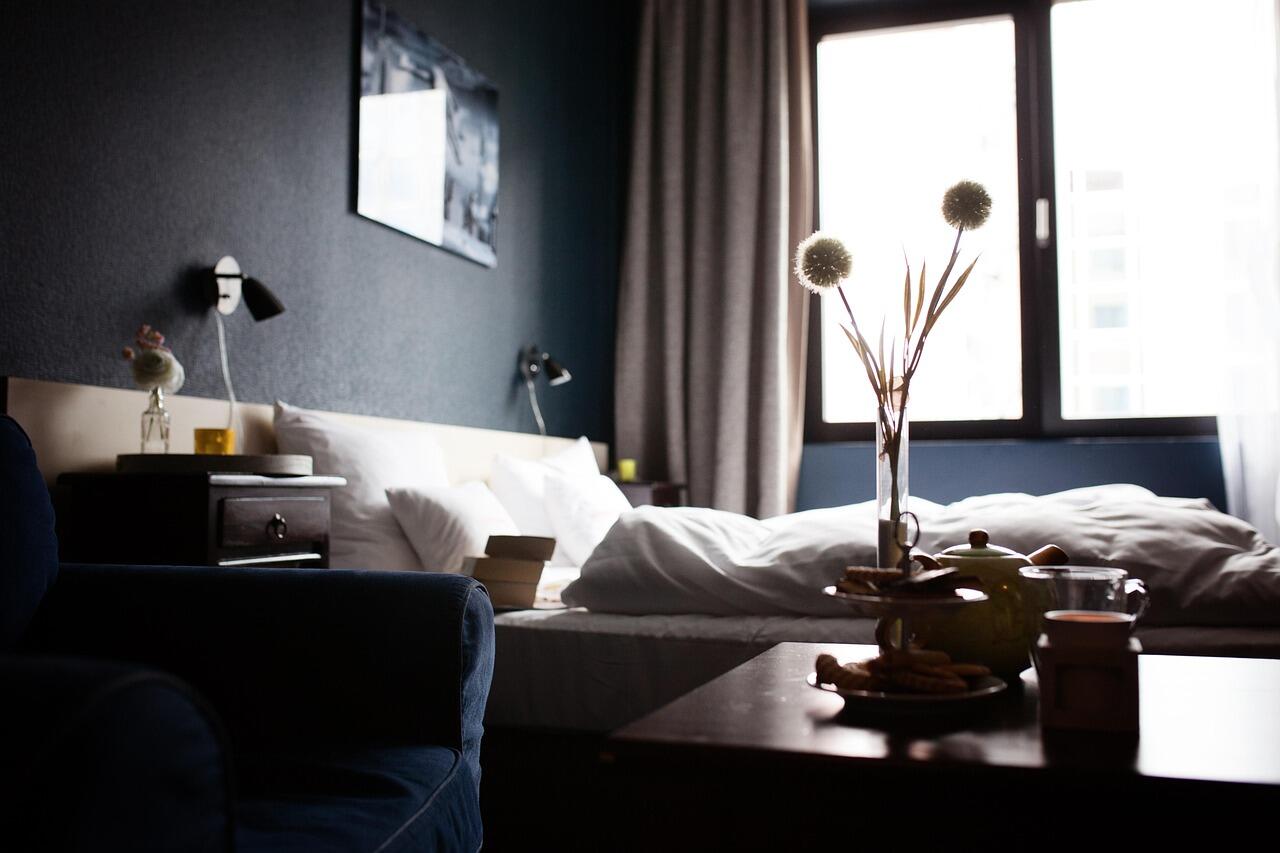
Housekeepers hate the “Lost and Found” paperwork. Before checking out, do a “sweep” under the bed, in the safe, and behind the bathroom door. When you leave a charger or a watch behind, the housekeeper must stop their work, bag the item, and take it to security. This 10-minute process, multiplied by several rooms, can derail their entire afternoon.
10. Declining Housekeeping Without Understanding the Impact
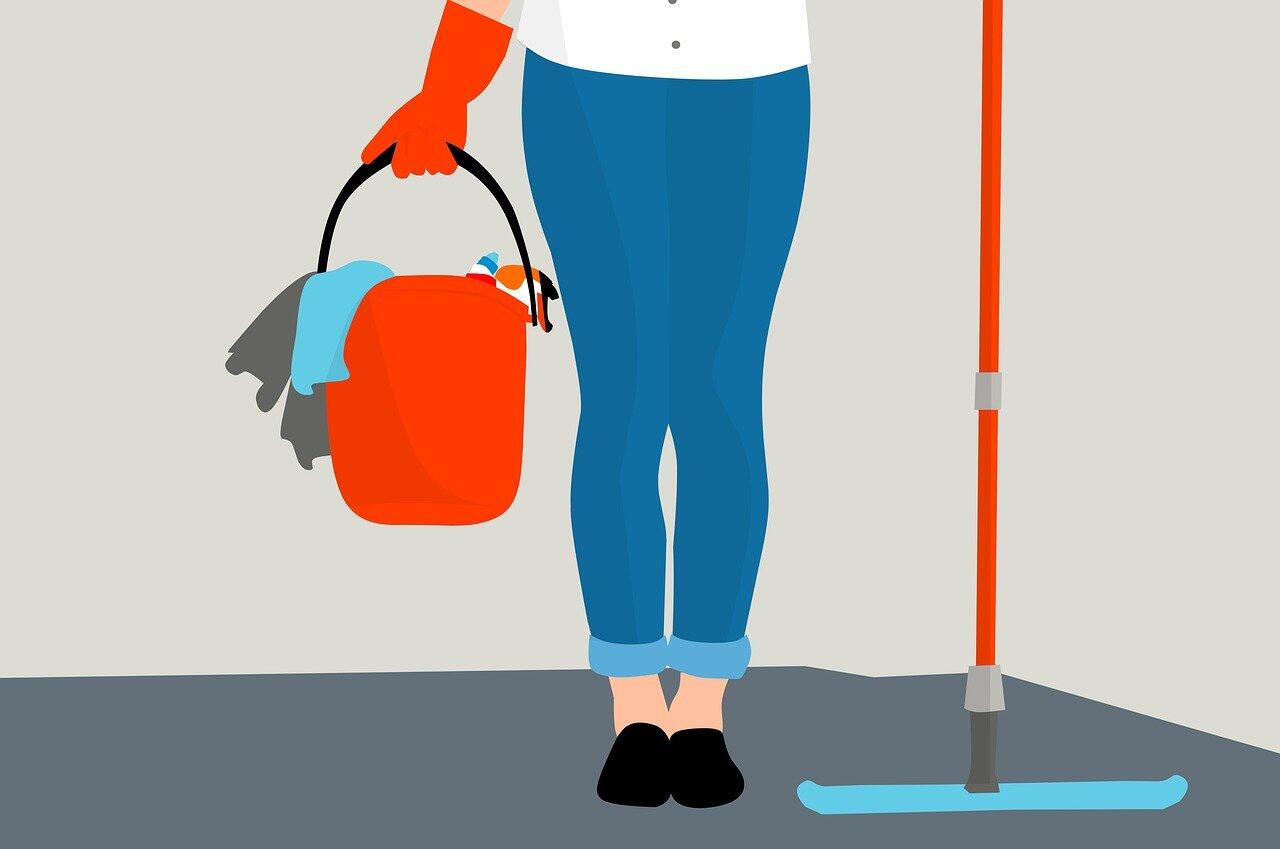
The “Green Choice” of skipping daily cleaning is great for the environment, but it can make the final checkout “deep clean” much harder. If a room hasn’t been touched for four days, the amount of dust, trash, and grime buildup requires triple the effort to clean. If you skip daily service, housekeepers ask that you at least keep the room somewhat organized so the final turnover isn’t an overwhelming task.
11. Forgetting to Leave a Tip
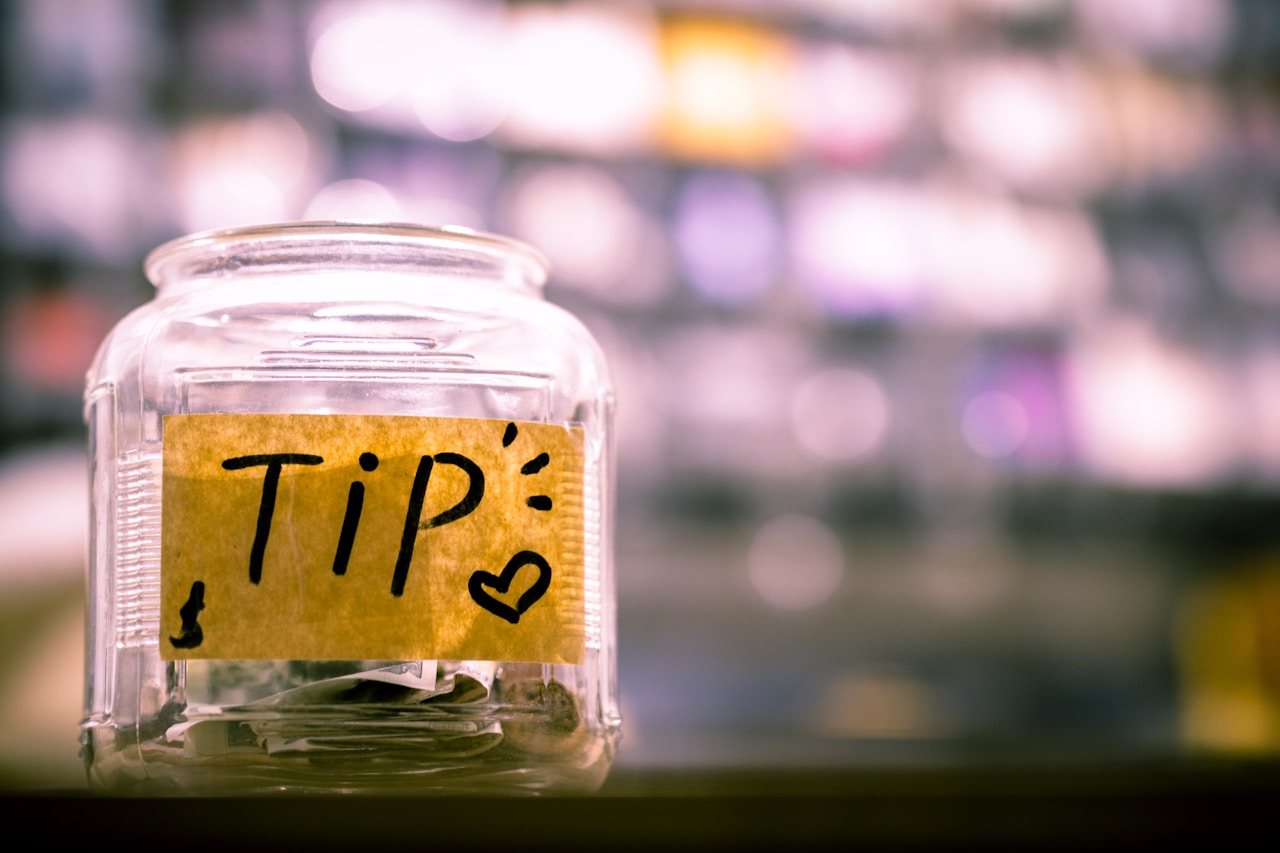
In the service industry of 2026, a small tip remains the most direct way to show appreciation for the person who literally “cleans up after you.” Many guests assume tips are included in the “service fee” on their bill, but that money rarely goes to the individual housekeeper. Leaving a few dollars on the nightstand (with a note that says “Thank You”) is the best way to ensure the staff feels valued for their physically demanding labor.
12. Leaving Rooms in “Complete Chaos”
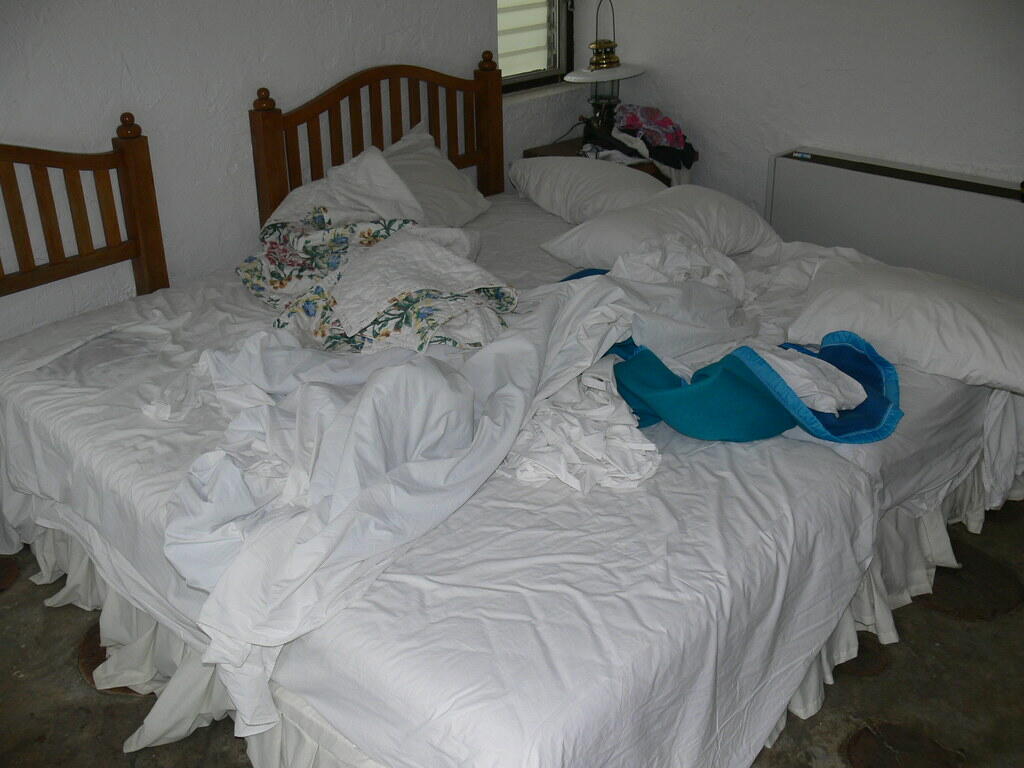
Finally, housekeepers wish guests would avoid the “Rockstar Exit.” Moving furniture, scattering pillows across the floor, and leaving the room in a state of disarray is a sign of disrespect for the staff’s time. You don’t need to vacuum, but returning the room to its basic original layout—chairs pushed in, remote on the desk—allows the housekeeper to focus on sanitation rather than “re-organizing” the space.