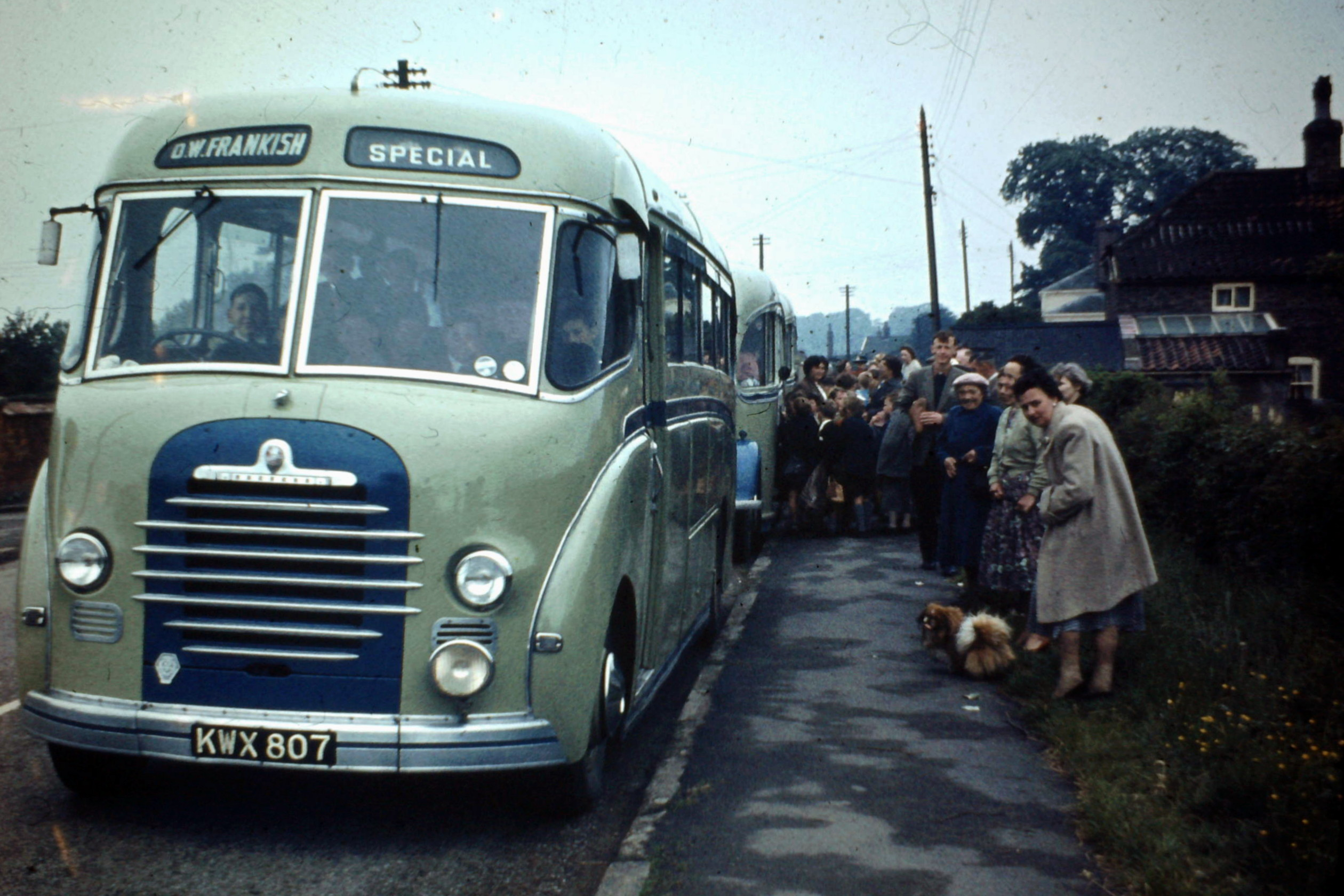
A school outing in 1964 was arranged by one teacher with no paperwork at all, on a coach with no seat belts. Here are sixteen things it did.
1. There was no risk assessment because the document did not exist
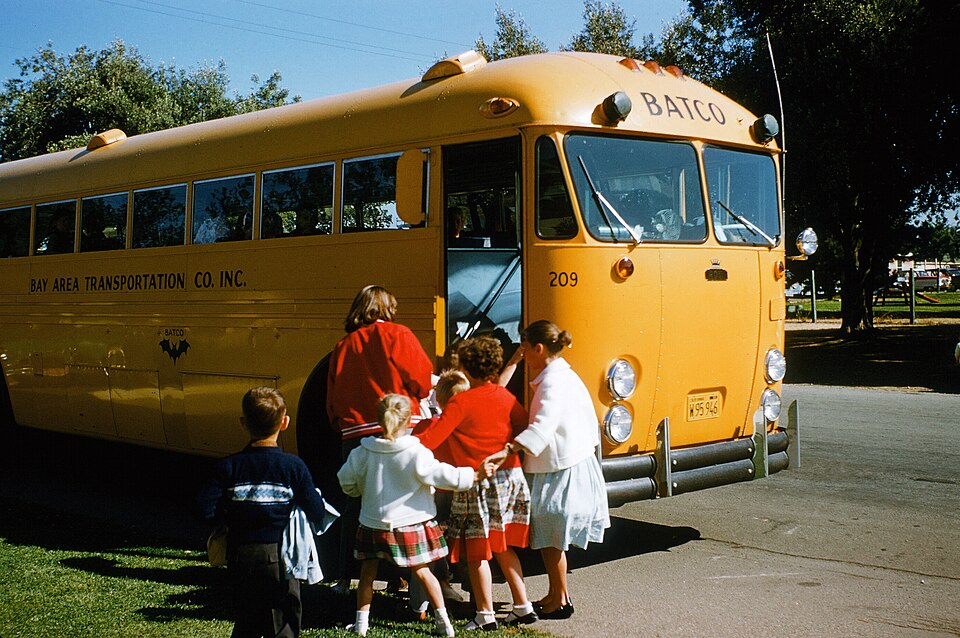
A 1964 school outing was arranged by a teacher who booked a coach, told the parents, collected the money and took the children. There was no written assessment of anything, because the practice of writing one had not been invented.
That is worth stating precisely. It was not negligence by the standards of the time; it was the absence of a method that was developed later, largely in response to what happened on trips of exactly this kind.
Educational visits are now governed by a documented process: a written risk assessment, an approving person, defined staffing ratios, emergency procedures, insurance checks, parental consent and in many systems an accredited visit coordinator in every school. The trip still happens and the paperwork is the price of it happening.
Like our content? Follow us for more.
2. Nobody wore a seat belt because the coach did not have any
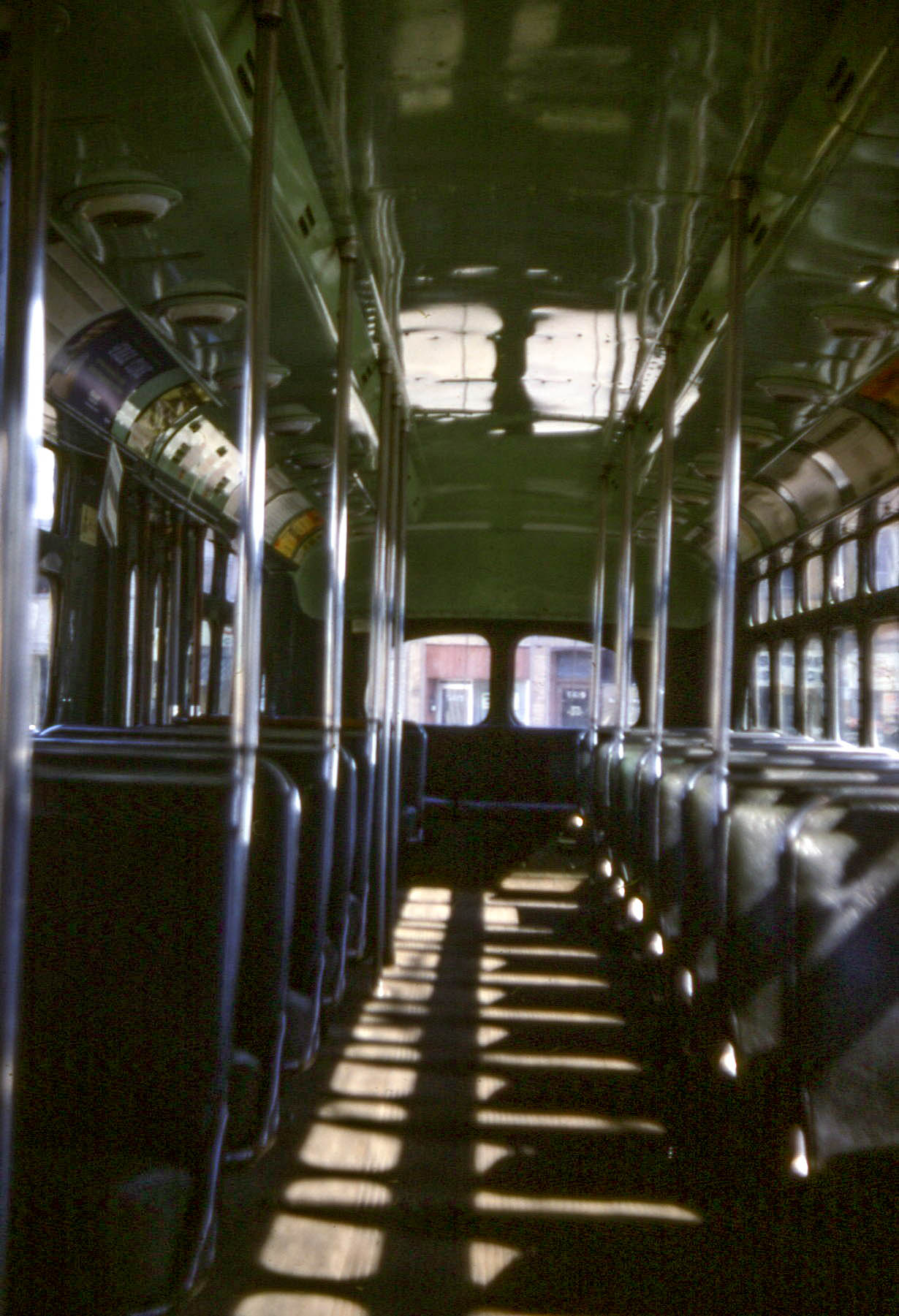
Coaches of the period were not fitted with belts, in most cases, and nothing required them to be. Children sat two or three to a bench seat, stood in the aisle to talk to friends, and moved about freely while the vehicle was moving.
That is the single largest difference between then and now, and it is entirely a matter of vehicle specification and law rather than of anybody’s attitude.
Coaches carrying children are now required to be fitted with belts in most jurisdictions, belts must be worn, the number of children must not exceed the number of belted seats, standing is prohibited, and operators are checked for compliance before a booking is confirmed. This file describes no incident, in any period.
3. The headcount was the entire tracking system
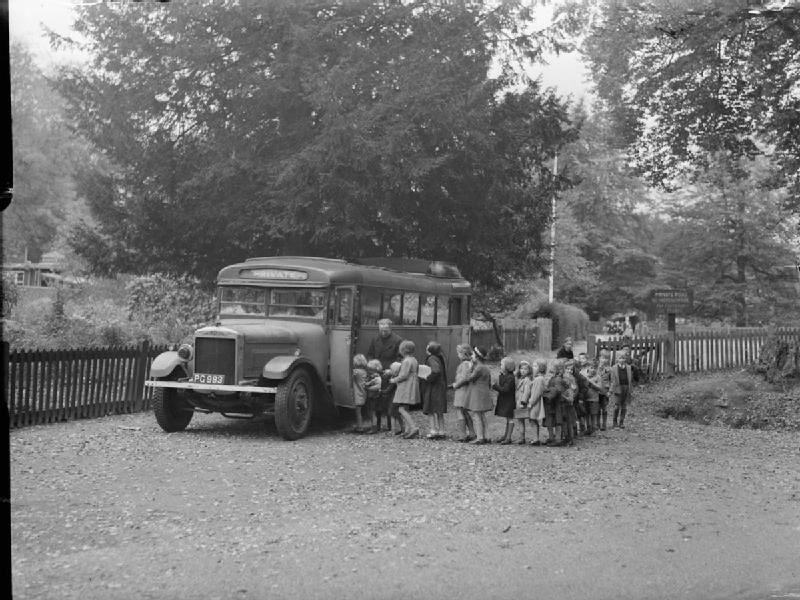
Pupils were counted onto the coach, counted off it, counted back on, and that was the whole of the arrangement for knowing where anybody was.
The method is sound and is still used, but in 1964 it was the only layer. There was no list circulated to other adults, no named adult responsible for a named group, no meeting point protocol and no way of contacting anybody who was not in front of you.
Modern practice keeps the headcount and adds group lists with named adults, buddy systems, meeting points and times agreed in advance, a mobile telephone with every adult, and an emergency contact chain. The count is the last layer now rather than the only one.
4. One teacher could take a very large number of children
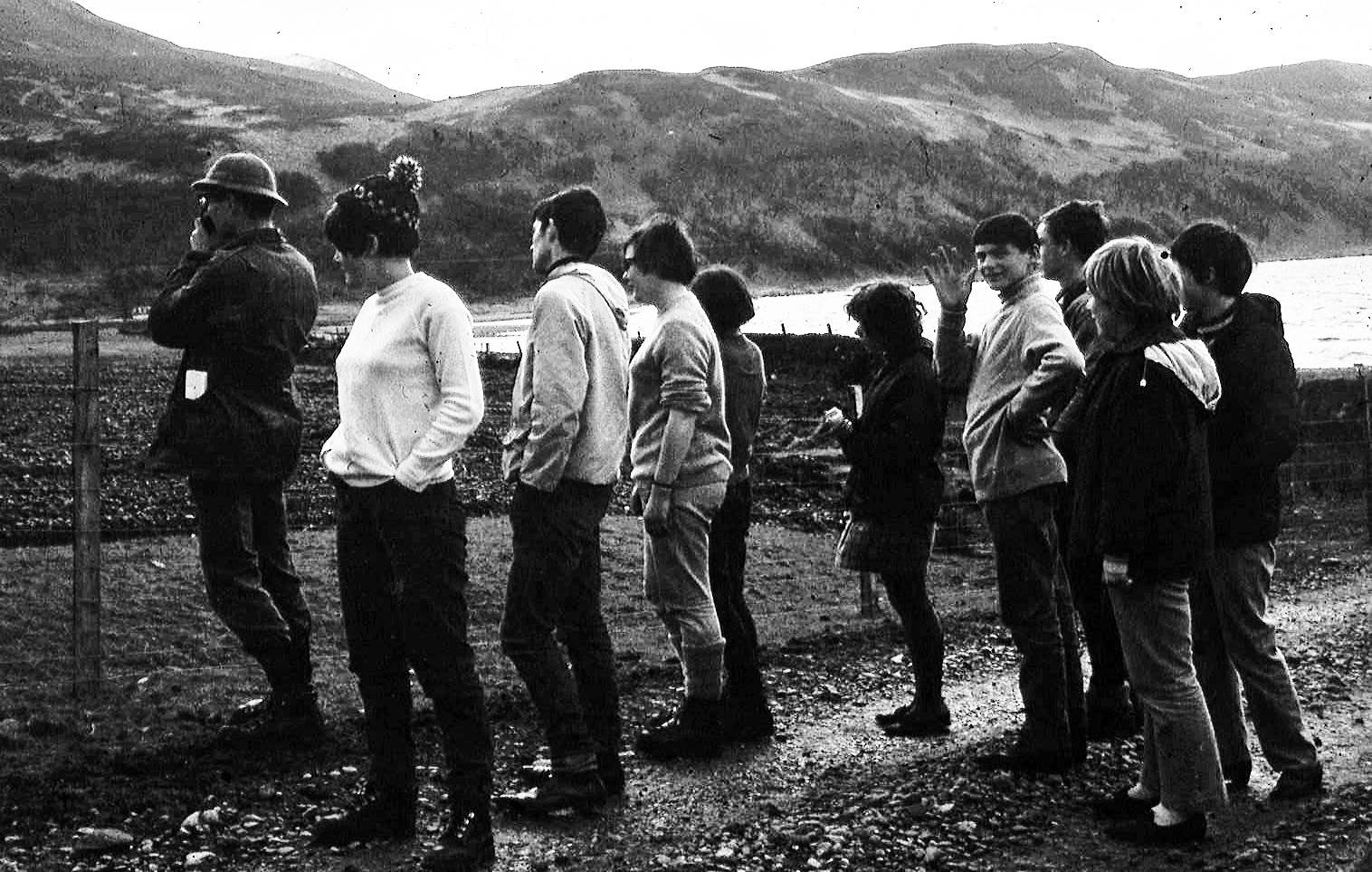
Ratios in 1964 were a matter of judgement, and the judgement was frequently that two or three adults could manage a full coach of fifty children at a public site all day.
That is well outside anything now contemplated, and the modern figures depend on the age of the pupils, the nature of the activity and the environment, with specified minimums and professional judgement on top.
Staffing is the single biggest cost pressure on school trips and the main reason the number of visits a school runs has fallen. A trip that needed two adults in 1964 needs a considerably larger team now, and finding them is harder than booking the coach.
5. Parent helpers came along with no checks of any kind
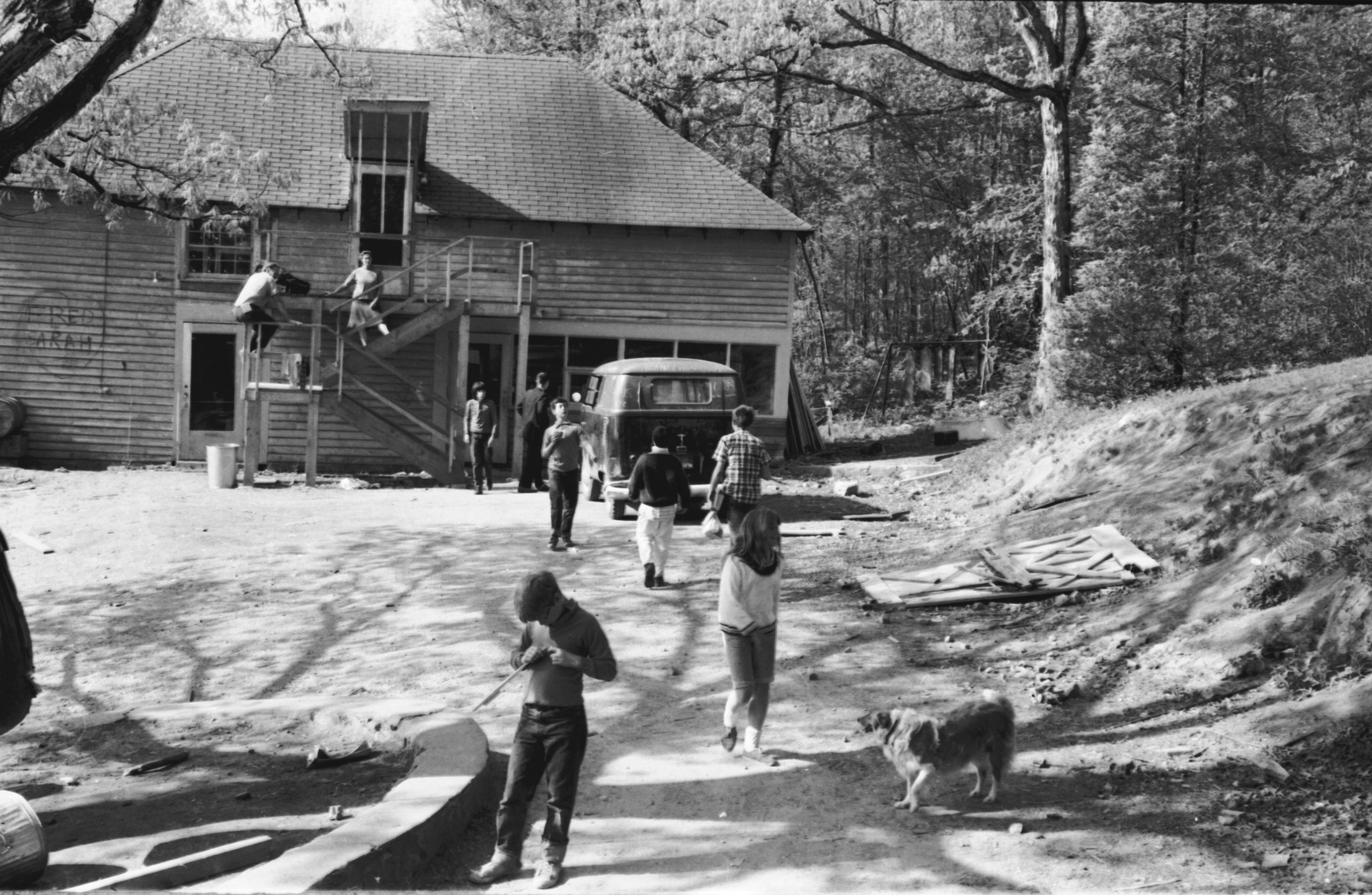
Additional adults were recruited by asking, and whoever volunteered came, supervised groups of children, and in many cases took a group round a site unaccompanied by any member of staff.
No check of any sort was made, because the systems for making one did not exist.
Anybody supervising children on a visit is now subject to the school’s safeguarding arrangements, with criminal records checking where the role requires it, a briefing, a defined role and in most systems a prohibition on unsupervised charge of pupils by an unchecked volunteer. This is one of the clearest and least arguable changes anywhere in this batch.
6. The consent arrangement was a note, or nothing

Permission was a letter home and a signature, or a tear-off slip, or in a good many cases simply an announcement, with non-attendance treated as the only form of objection available.
The letter carried the destination, the date, the cost and the time of return, and very little else. It did not describe the activities, the risks, the supervision arrangements or the medical information the school was asking for.
Consent for a visit now involves a specific description of the activity, emergency contact details, relevant medical and dietary information, consent for photography where that applies and in many systems separate consent for particular activities. The slip became a form because the school needs information it previously did not collect.
7. First aid was whatever a teacher had in a bag
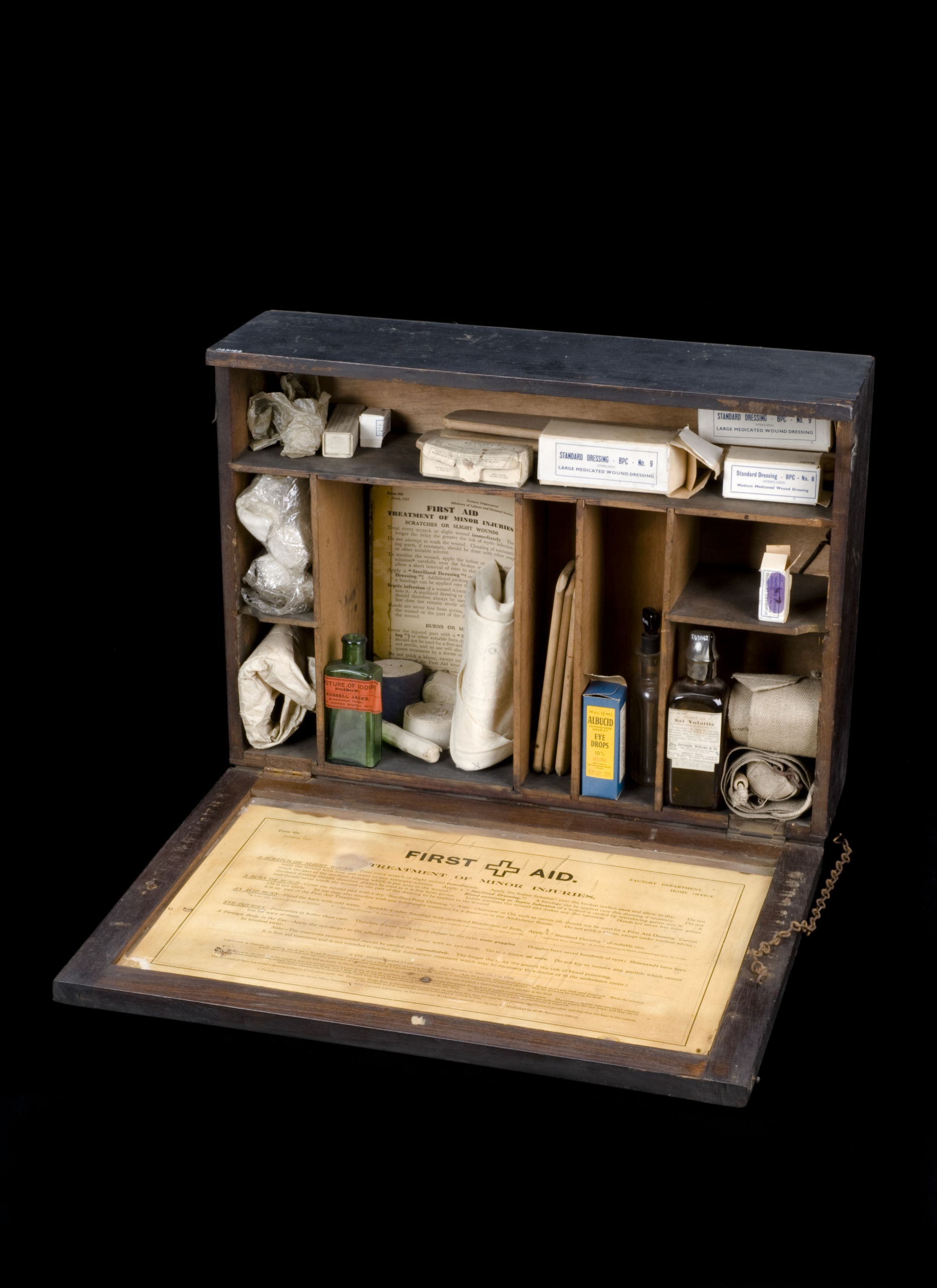
A trip’s medical provision was a tin or a bag carried by a teacher, with no requirement for a trained first aider to be present and no record of anything that happened.
That is remarkable given that the group was away from the school, frequently far from it, and in a place where the nearest help was unknown to the adults present.
Visits now require an assessed level of first aid provision with trained and certificated personnel, a kit matched to the activity, a procedure for obtaining help, recording of any incident and arrangements for medication a pupil needs. This file gives no first aid information and names no condition, because first aid is taught by qualified instructors.
8. Travel sickness was managed with a paper bag

The universal arrangement was a supply of paper bags at the front of the coach, handed back as required, and the memory is reported with great consistency by everybody who travelled on one.
There was no other provision, no preparation, no advice to parents and nothing resembling a plan.
Travel sickness in a child is a matter for a parent and, where it matters, a pharmacist or doctor, and schools now ask for relevant information on the consent form so that it is known in advance. This file gives no remedy, no advice and no medical information of any kind.
9. The driver smoked and so did the teachers
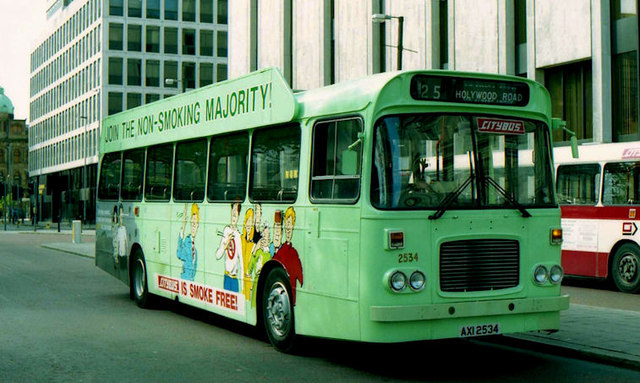
Smoking on a coach was normal, by the driver and by the adults, with children in the vehicle for several hours, and nobody regarded it as a question.
That is simply what indoor spaces were like, and a coach was an indoor space with a fixed population and closed windows in cold weather.
Smoking on public service vehicles is now prohibited by law, as is vaping in most jurisdictions, and a school’s own policy applies to every adult on a visit. This file names no product, describes no practice and gives no health information, and the change is a change in law.
10. Lunch was brought from home in a bag and eaten on a wall
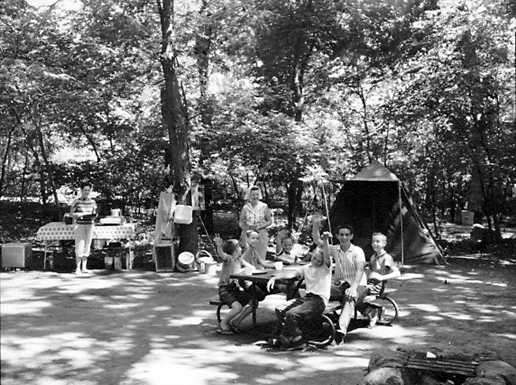
Catering was a packed lunch, carried by each child, eaten at whatever time and place the day allowed, which was frequently a wall, a verge, a step or the coach itself.
That worked and it had one obvious consequence: a child whose household could not provide a packed lunch was visibly without one, and the arrangements for dealing with that were informal and varied by school.
Schools now routinely provide a packed lunch for pupils entitled to free school meals on a trip day, as a specific arrangement, and the cost of visits is a recognised equality issue addressed through subsidy, hardship funds and staged payment. The sandwich is unchanged and who is guaranteed to have one is not.
11. The money was cash in an envelope and the trip was not free

Payment was coins and notes brought to school, collected by a teacher and recorded by hand, and a child whose family could not pay generally did not go.
That was accepted with very little discussion, and it meant the educational benefit of a visit was distributed by household income.
Charging for school activities is now regulated in most systems, with rules about what may be charged for, a requirement that voluntary contributions be genuinely voluntary, and an obligation that no pupil is excluded from a curricular activity by inability to pay. It is a substantial change in principle and it is imperfectly delivered, which schools will say themselves.
12. The itinerary existed in the organising teacher’s head
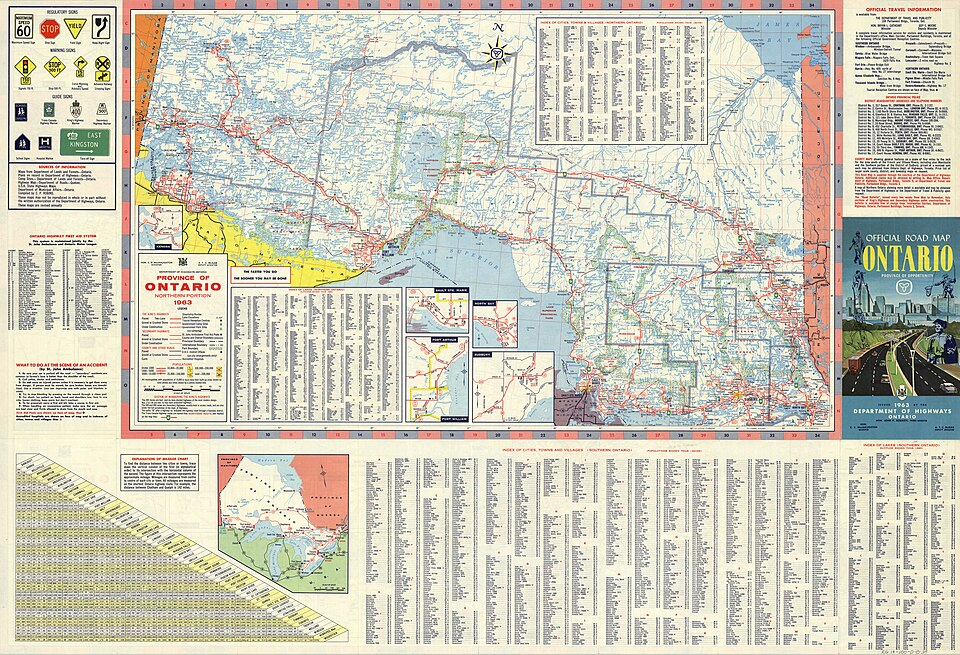
There was frequently no written plan beyond a departure time and a destination. The order of the day, the timings, the alternative if it rained and the arrangements at the site were held by whoever had organised it.
That made the trip entirely dependent on one person being present, well and in possession of the facts, which is a single point of failure for fifty children in an unfamiliar place.
A modern visit has a written plan held by every accompanying adult, with timings, contacts, the emergency procedure, a wet-weather alternative and the location of the nearest medical facility. It is the same trip with the organiser’s head written down.
13. The toilet stop was wherever the driver knew
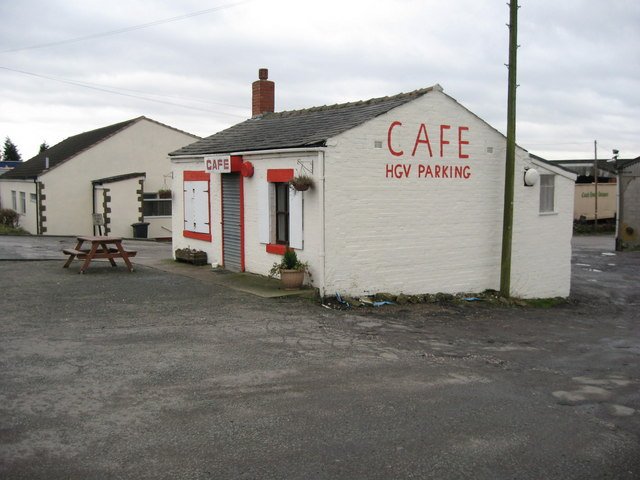
Long journeys were broken at a lay-by, a transport cafe or a roadside the driver was familiar with, and the arrangements for fifty children were improvised on arrival.
Motorway service areas, where they existed, changed this considerably, and the stop became a planned part of the journey rather than a response to need.
Visit planning now includes scheduled stops at known facilities with assessed suitability, supervision arrangements at each, and a headcount at every one. The driver’s local knowledge has become a line in a document.
14. The sing-song on the way home was the actual tradition
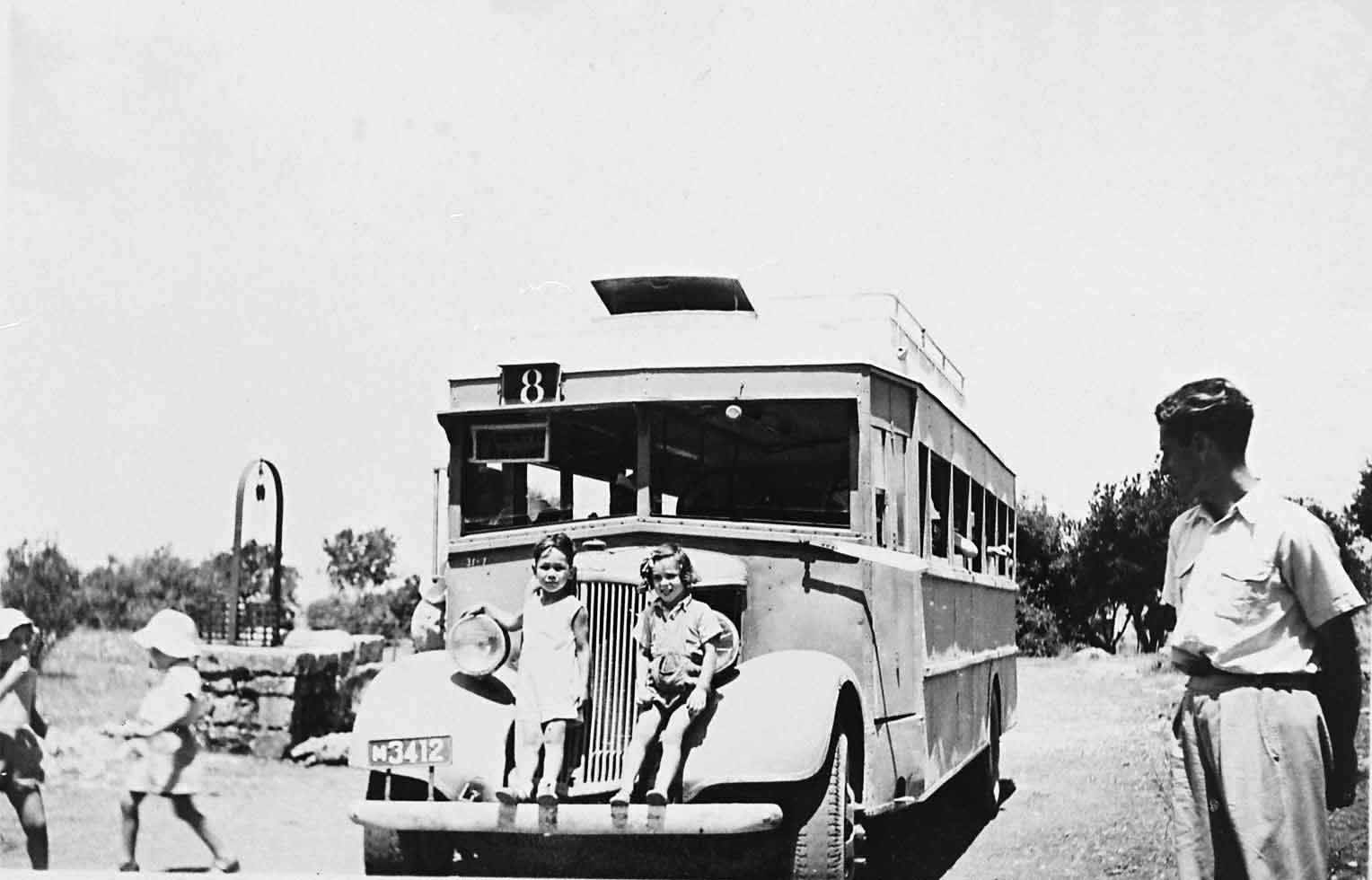
The journey back, in the dark, with fifty tired children singing the same handful of songs, is the single most reported memory of a school outing of the period, far more than anything at the destination.
That tells you something about what a trip was for. The destination was the reason and the coach was the experience, and a long shared journey with nothing to do but be together is a rare thing in a school day.
It still happens and it is still the part children talk about, which is the strongest evidence in this file that the essential thing about a school trip has not changed at all.
15. The destination was frequently educational in the loosest sense
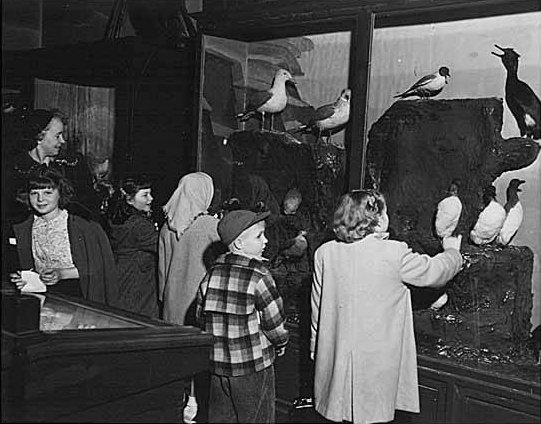
Outings went to museums, castles, cathedrals, factories, farms, zoos, the seaside and in a great many cases somewhere chosen because a coach could get there and back in a day.
The curricular link was often thin and nobody required one, and the justification was broadly that children should see things, which is not a bad justification.
Visits are now expected to have a stated educational purpose linked to what pupils are learning, with the visit planned around it and evaluated afterwards. That has made trips better focused and has also removed a certain amount of simply going somewhere, which had its own value.
16. It was the one day of the year when school was somewhere else
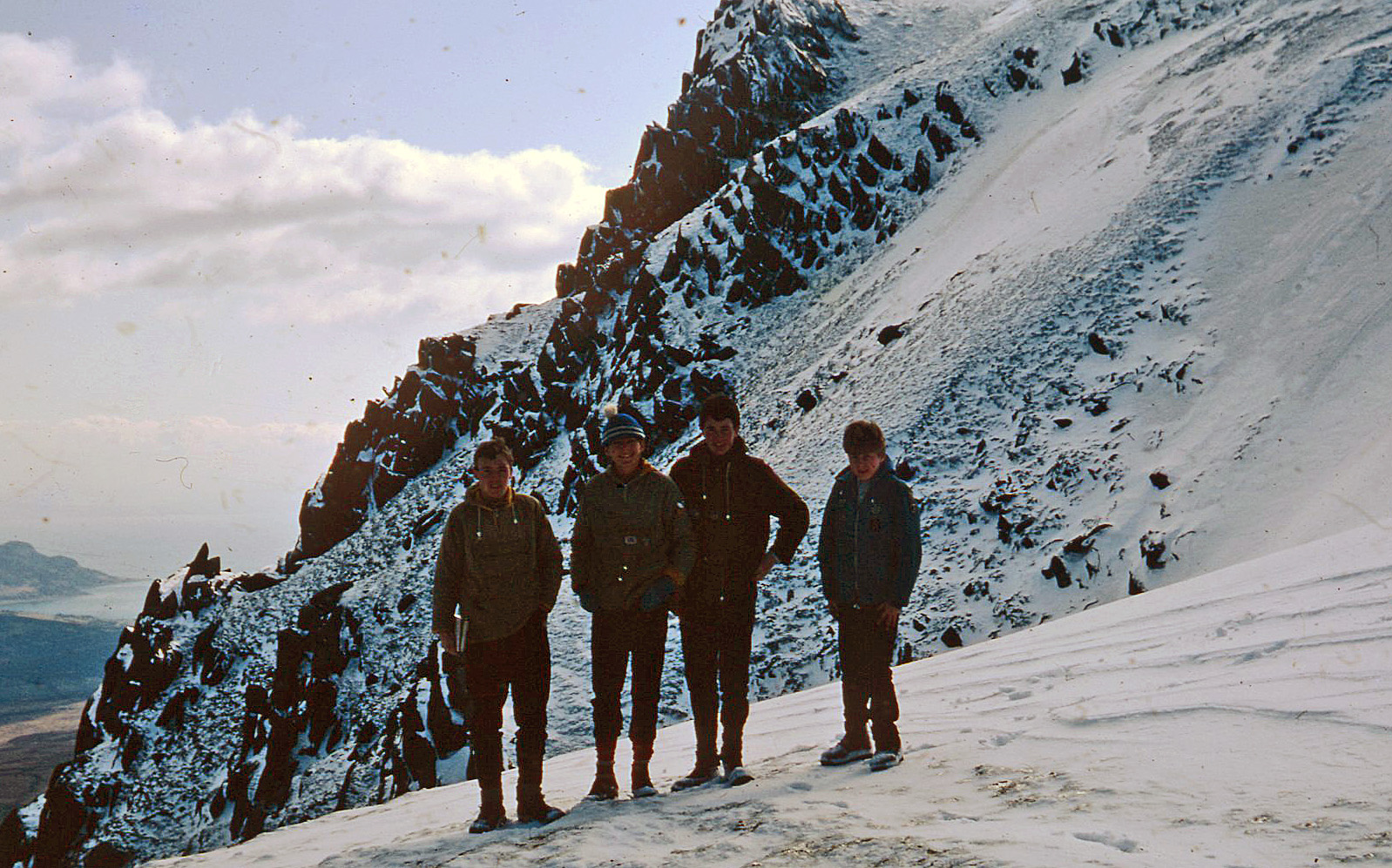
For a great many children the annual outing was the longest journey they made, the only time they entered a museum or saw the sea, and the single most memorable day of the school year.
That is the point of the whole enterprise and it is why teachers of the period took on an administratively unprotected, personally risky and exhausting undertaking with no support and no paperwork.
The honest summary: a 1964 school outing was booked by one teacher with no written assessment, no ratios, no checks on volunteer helpers, no trained first aider, no written itinerary and no means of contacting anybody, on a coach with no seat belts in which adults smoked, with a headcount as the only tracking system, paper bags for sickness, a packed lunch from home and cash in an envelope that determined who came; every one of those is now a documented requirement, which is why trips cost more, need more adults and happen less often — and the sing-song on the way home in the dark is unchanged, and is still the part the children remember.
The paperwork is the price of the trip happening
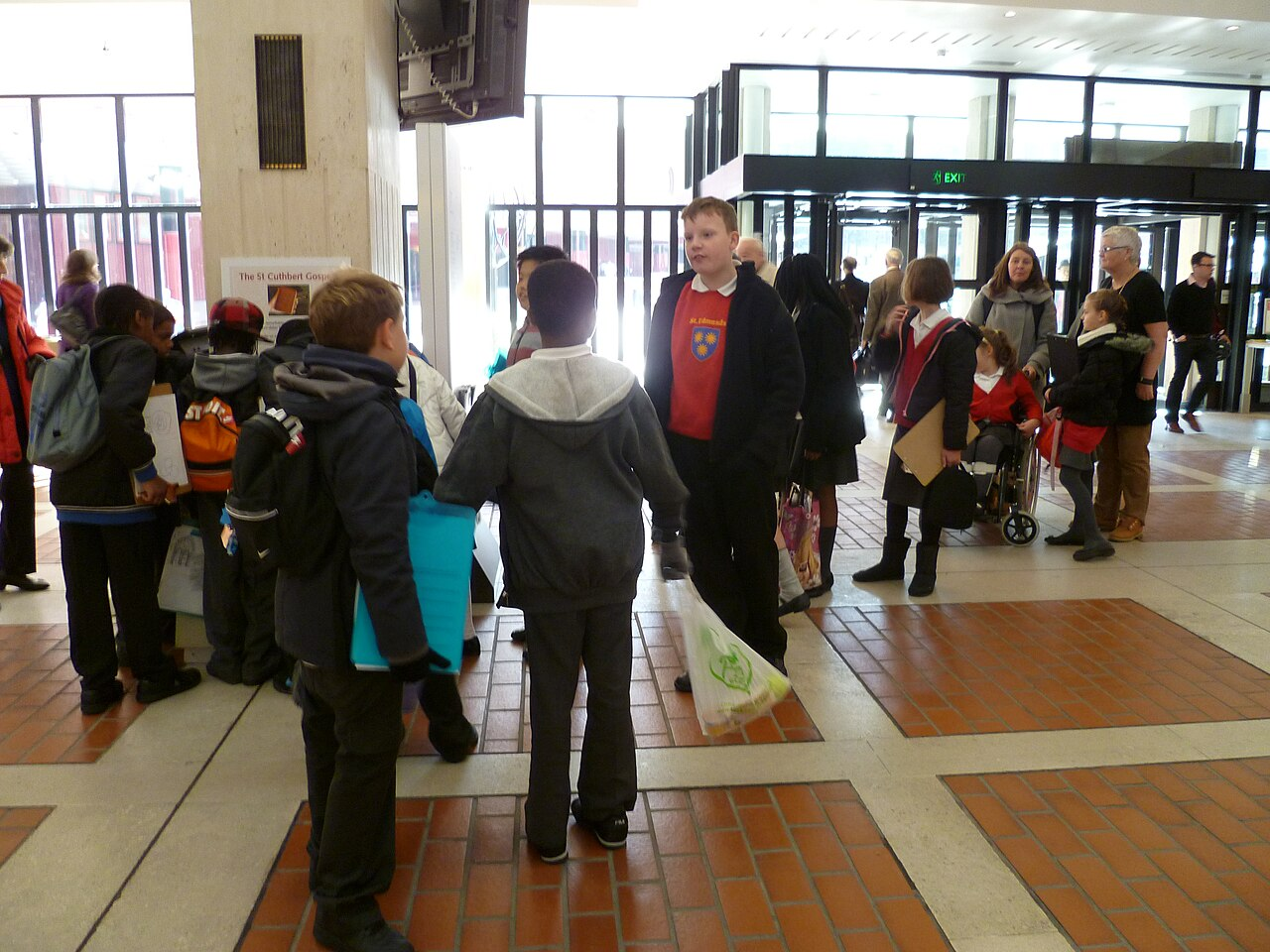
Almost every item here is now a documented requirement: a written risk assessment with an approving person, staffing ratios matched to age and activity, safeguarding checks on every adult supervising children, an assessed level of trained first aid provision, a written plan held by every accompanying adult, belted seats that may not be exceeded, scheduled stops at assessed facilities, consent that collects the information the school actually needs, and charging rules intended to ensure no pupil is excluded by inability to pay. That is why trips cost more, need more adults and happen less often. None of it was invented to spoil anything; most of it was written in response to what happened on trips arranged exactly like this one.
The part the children remember is unchanged. Fifty tired pupils singing the same handful of songs on a dark coach on the way home is reported far more often than anything at the destination, then and now.
Like our content? Follow us for more.