The test was chalk, cones and a police officer in a playground, and passing it was treated by parents as a licence. Here are sixteen things it asked of children.
1. It was run in the playground with chalk and cones
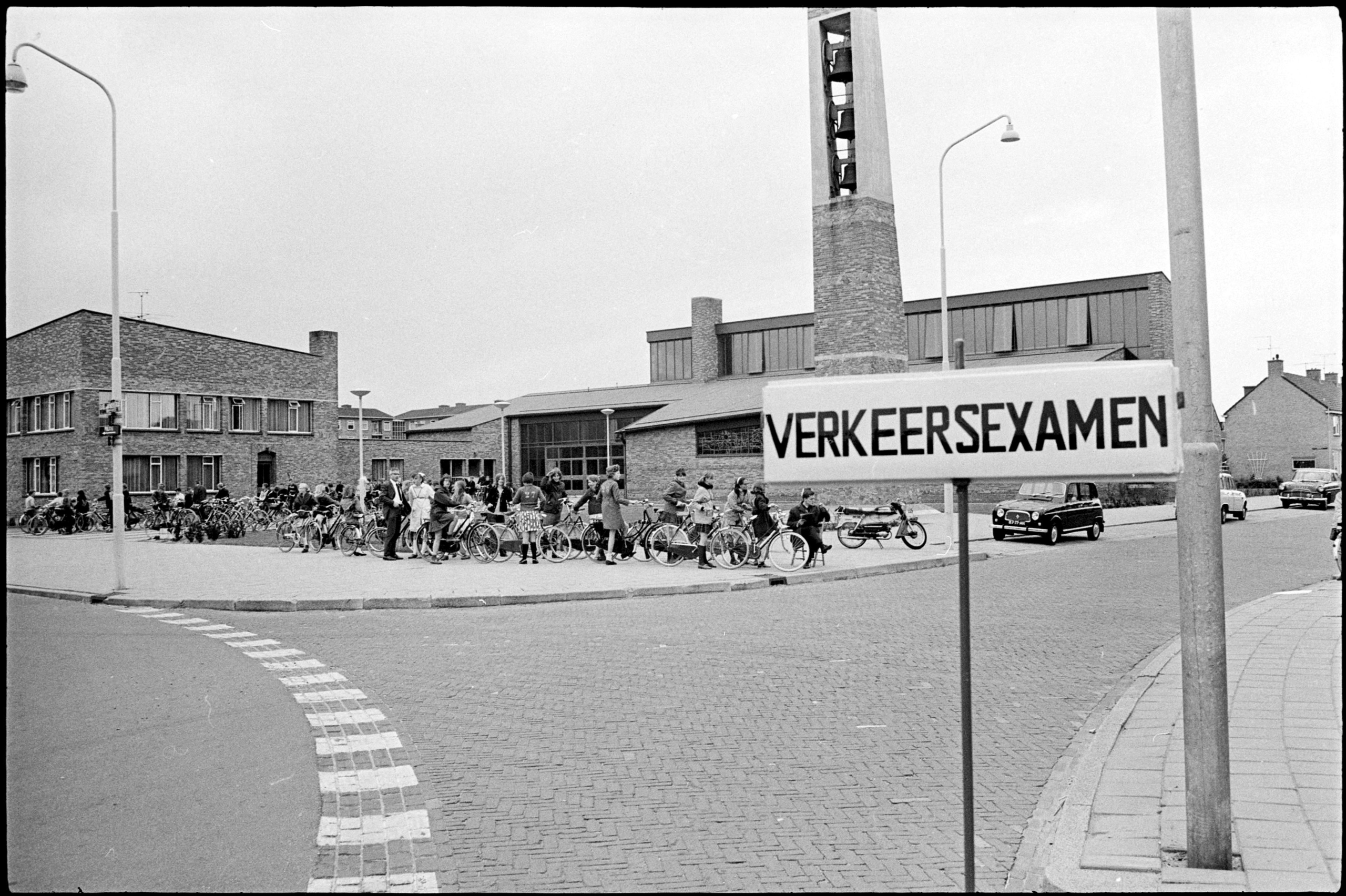
The test took place in the school playground, laid out with chalk lines, cones, a few boxes and a painted junction, with children riding a circuit while an examiner watched from the middle.
That made it cheap, self-contained and possible at any school with a hard surface, which is why it spread so widely and so fast. No road closure, no insurance arrangement and no transport was required.
Modern cycle training deliberately moves out of the playground as soon as a child is competent, because a painted junction does not behave like a junction, and the training levels are structured around progression from an off-road area to quiet roads to busier ones with real traffic.
Like our content? Follow us for more.
2. The examiner was frequently a police officer
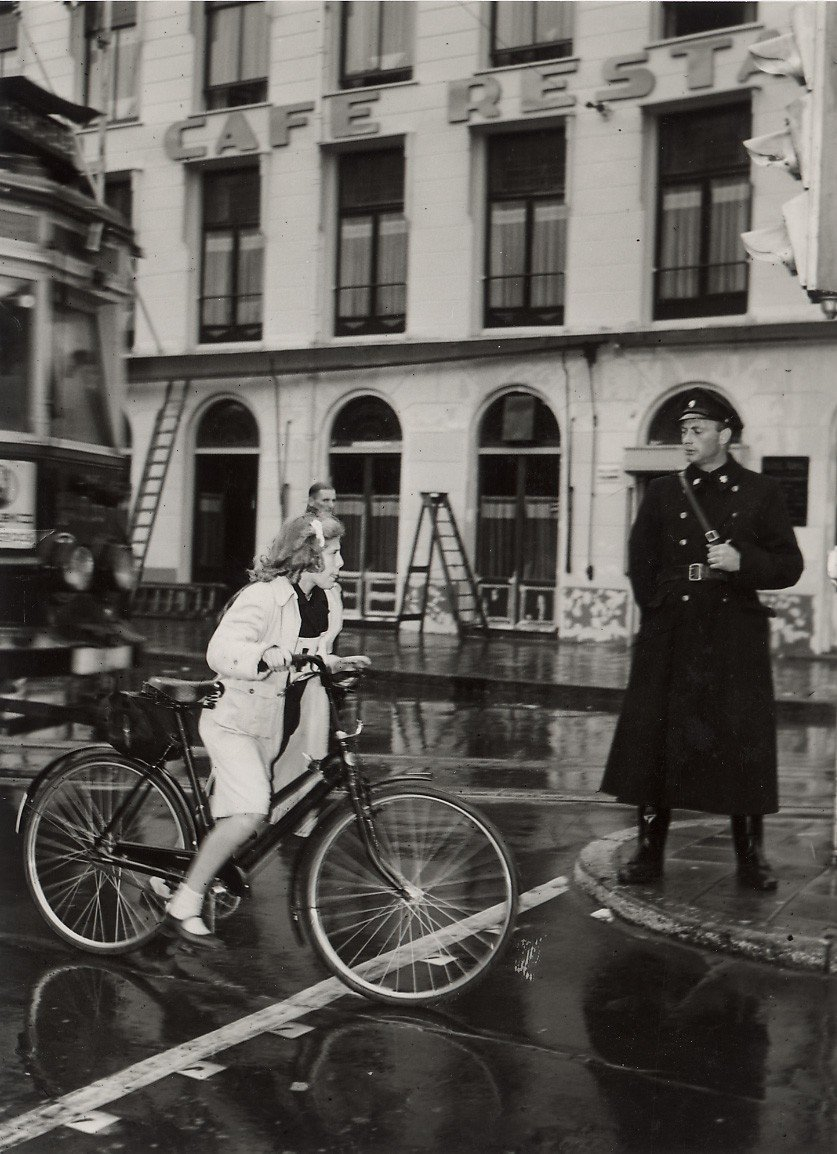
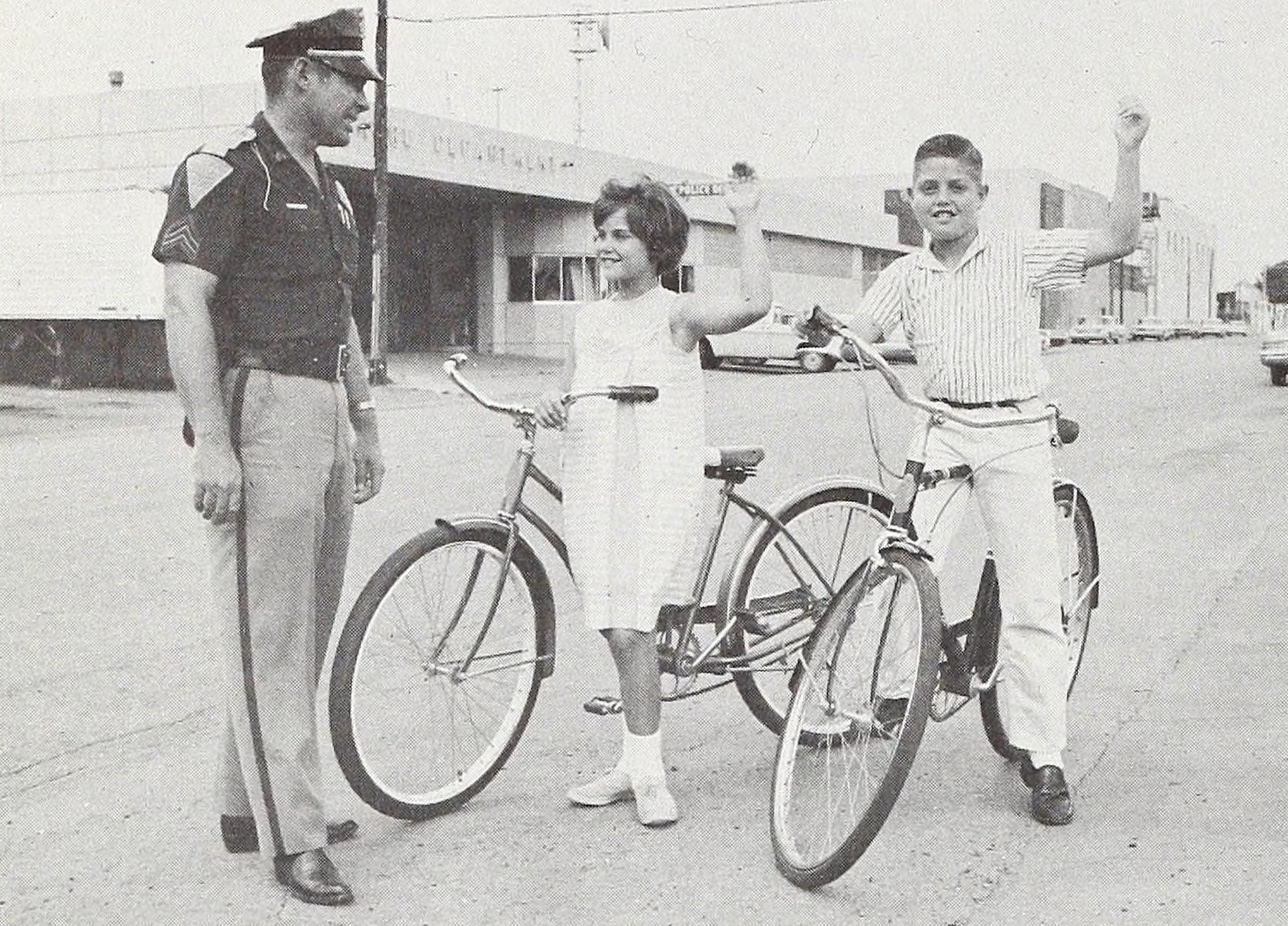
In a great many areas the test was administered by the police, with a uniformed officer arriving to run it, or by a local authority road safety officer, and that authority was a substantial part of its effect.
Children took it seriously because a policeman was watching, and the certificate carried weight for the same reason. It was one of very few occasions when a child’s competence was assessed by somebody from outside the school at all.
Cycle training is now delivered by instructors trained and accredited specifically for it, to a national standard, which produces far better teaching. What it loses is the particular authority of a uniform in a playground, which did a great deal of work for free.
3. The bicycle was inspected before you were allowed to ride it
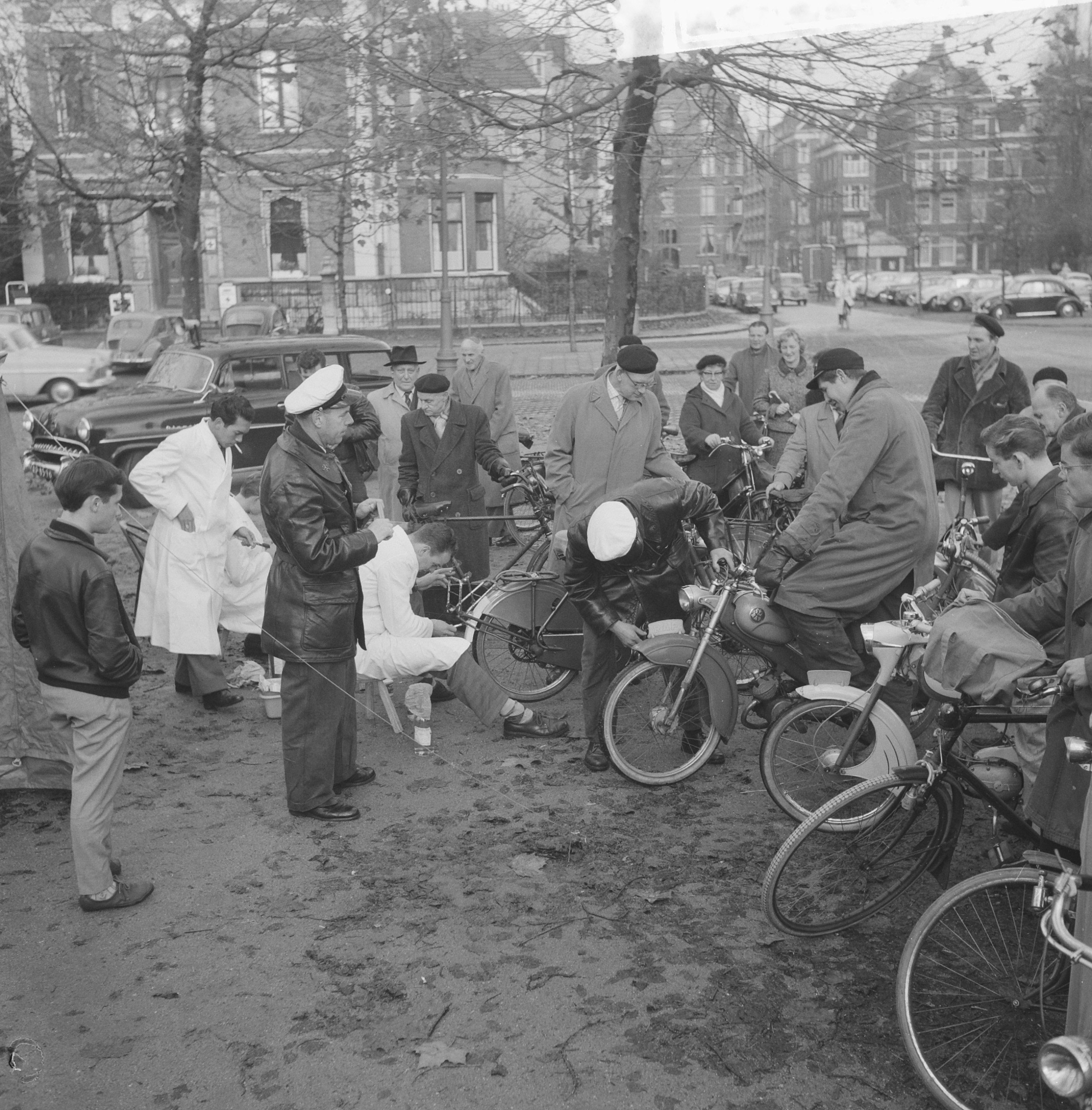
Part of the process was a check of the machine: brakes, tyres, chain, bell, reflectors and lights, with a child whose bicycle failed told to get it fixed before the test.
That was genuinely useful, because a substantial proportion of children’s bicycles in 1966 were second-hand, handed down, maintained by whoever was available and in poor condition, and the inspection was the only time anybody looked at them properly.
Bicycle checks remain part of cycle training and are now taught as a routine the rider performs themselves rather than an inspection done to them, which is the better design: the point is a child who checks their own bicycle every time, not one whose bicycle was checked once.
4. Hand signals were the whole communication system
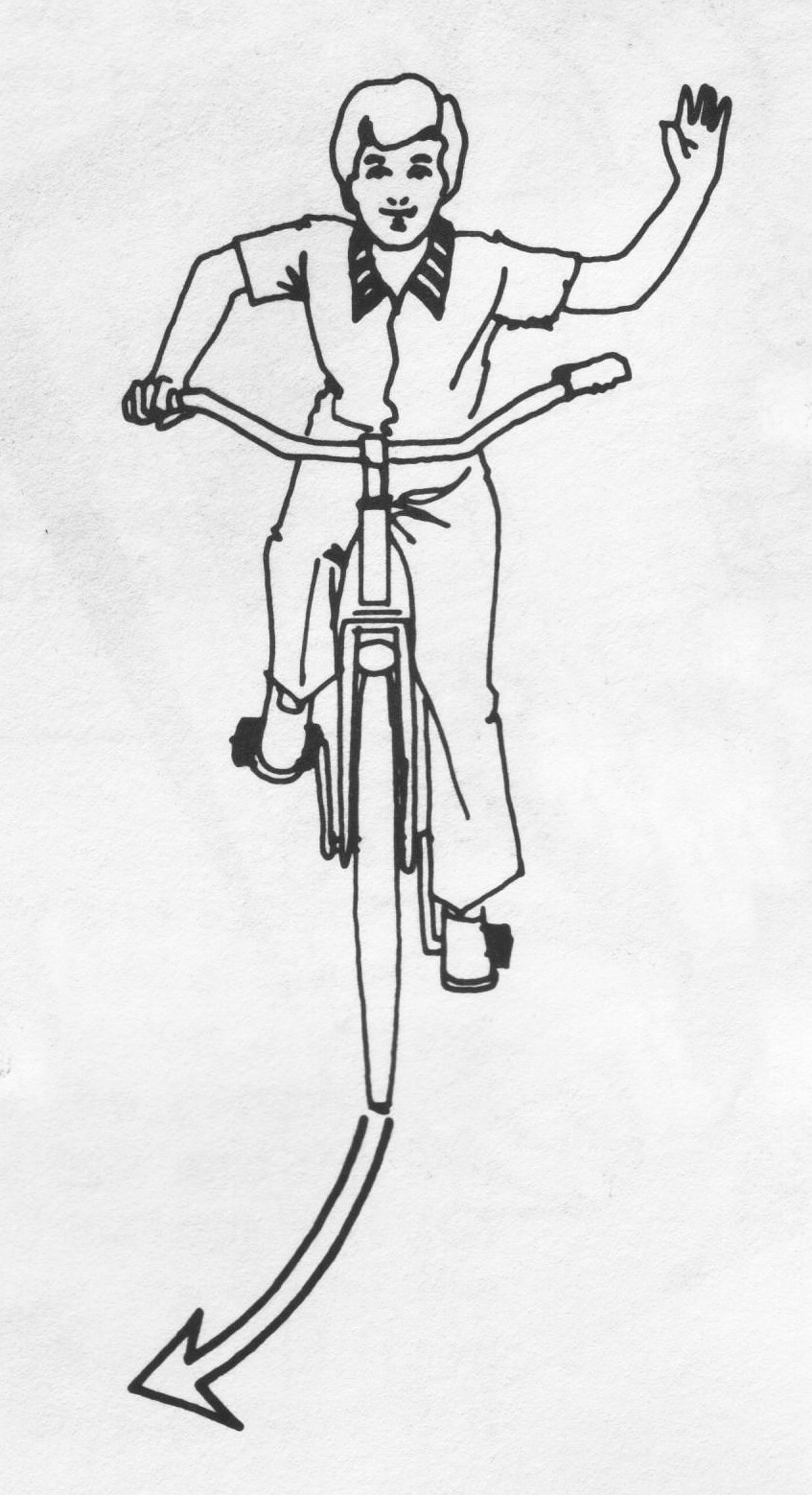
Signalling was taught, practised and examined, because a bicycle has no indicators and the rider’s arm is the only way to tell anybody anything.
That has not changed at all and is still taught, which makes it one of the very few elements of the 1966 test that survives untouched. The signals are the same signals.
What has changed around them is the emphasis: modern training treats looking behind, making eye contact and road positioning as more important than the signal itself, on the reasoning that a signal nobody is looking at achieves nothing. This file teaches no signal and no technique.
5. The badge was the point, and it went on the bicycle
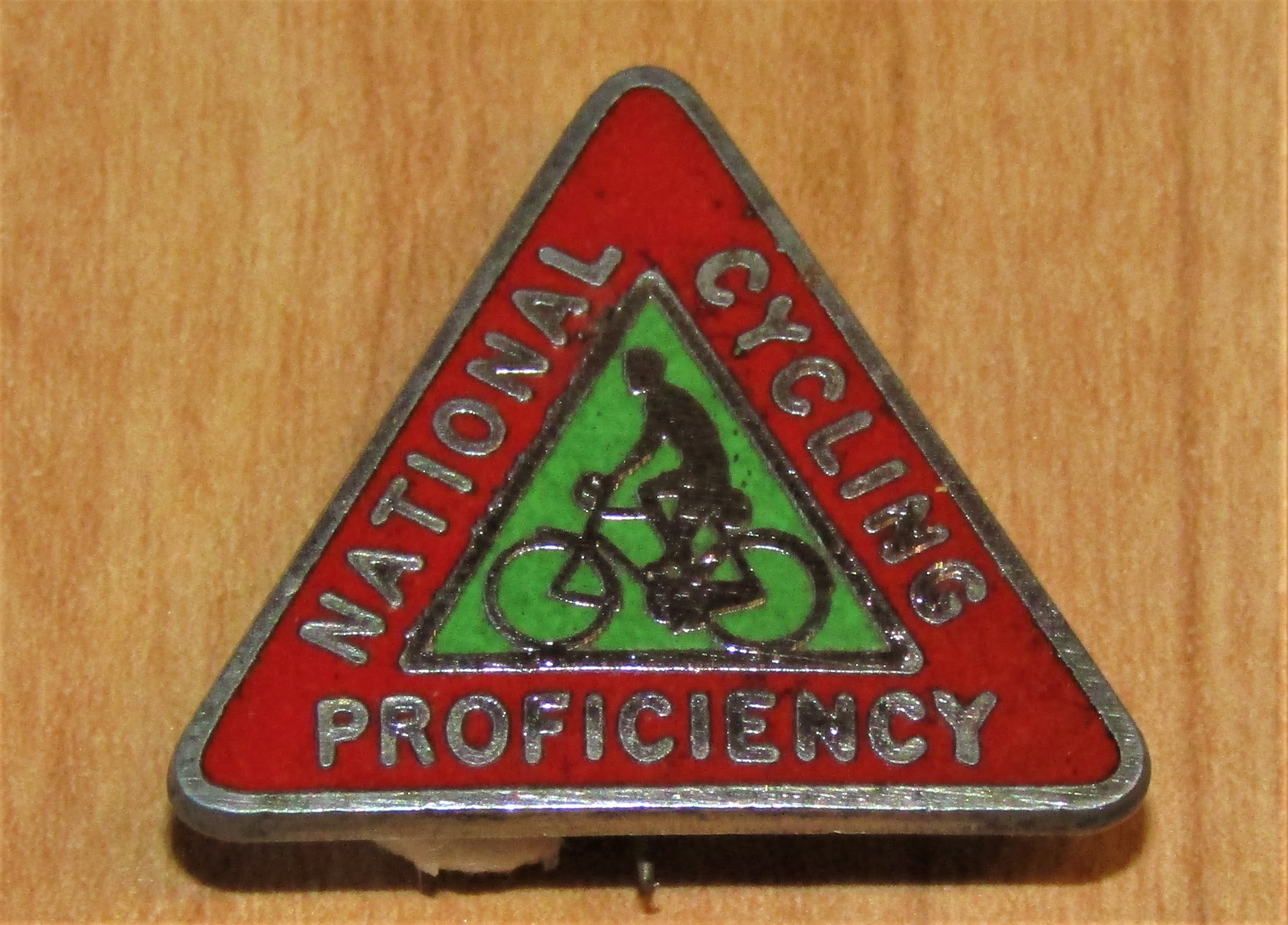
Passing produced a certificate and a metal or enamel badge, and the badge was fixed to the bicycle itself, usually on the head tube, where everybody could see it.
That is an unusually well-designed reward. It was public, permanent, attached to the thing it was about, and visible to other children, which is precisely why people remember it sixty years later and why the badges are collected now.
Modern training issues certificates and sometimes badges, and the visible-on-the-bicycle element has largely gone. It is a small thing and it was doing more work than anybody realised.
6. Almost every child in the country took it
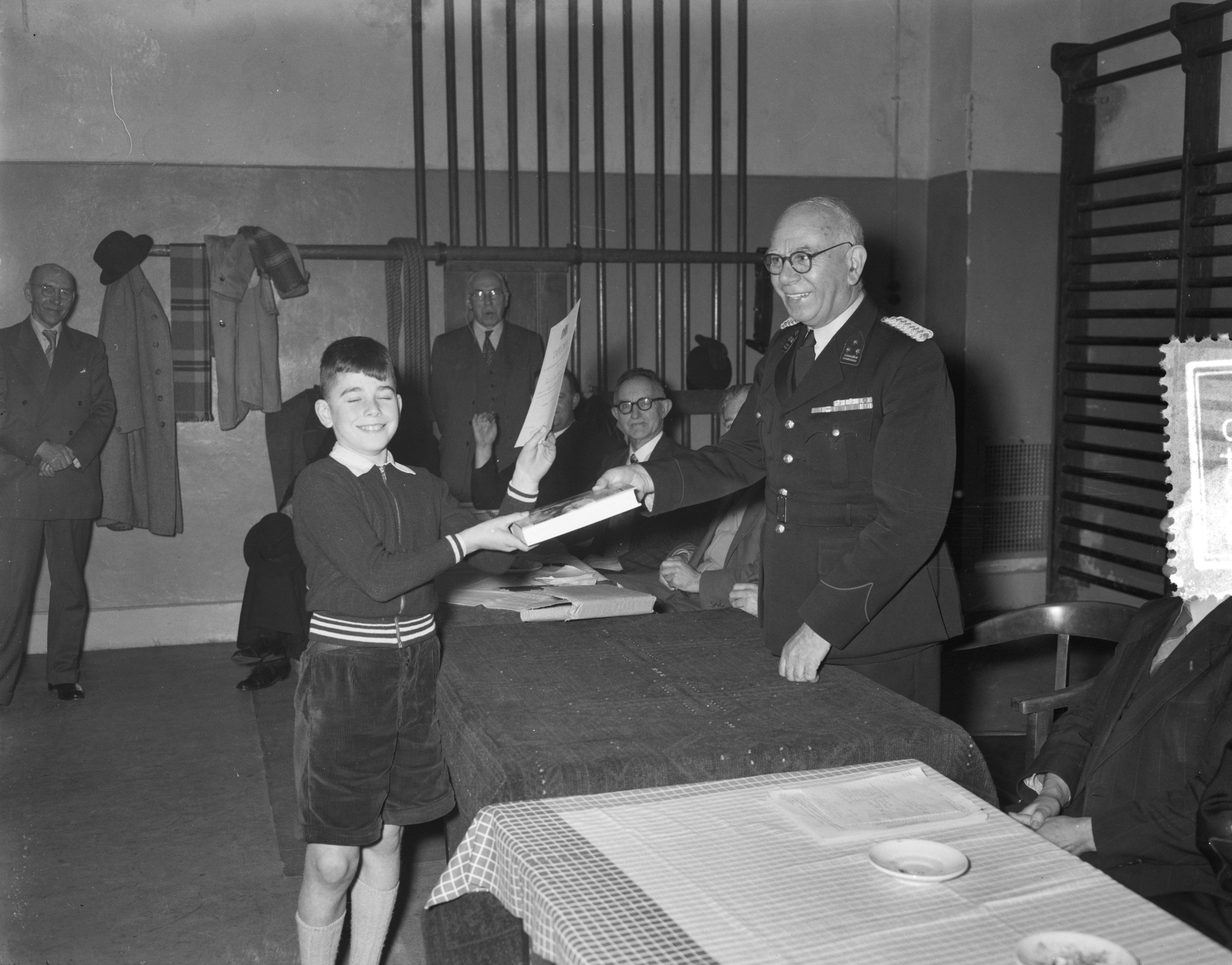
The scheme was close to universal in the areas that ran it, delivered to whole year groups at primary school, which made it one of the largest mass training exercises ever conducted on children.
That universality mattered. A road where most of the child cyclists have had the same training behaves differently from one where a few have, and the scheme’s designers understood that they were training a population rather than individuals.
Modern national cycle training schemes aim at the same universality and reach a large proportion of primary pupils, with the significant advantage that the training now happens on real roads. Coverage is still not complete and funding is the reason.
7. The on-road element was limited or absent
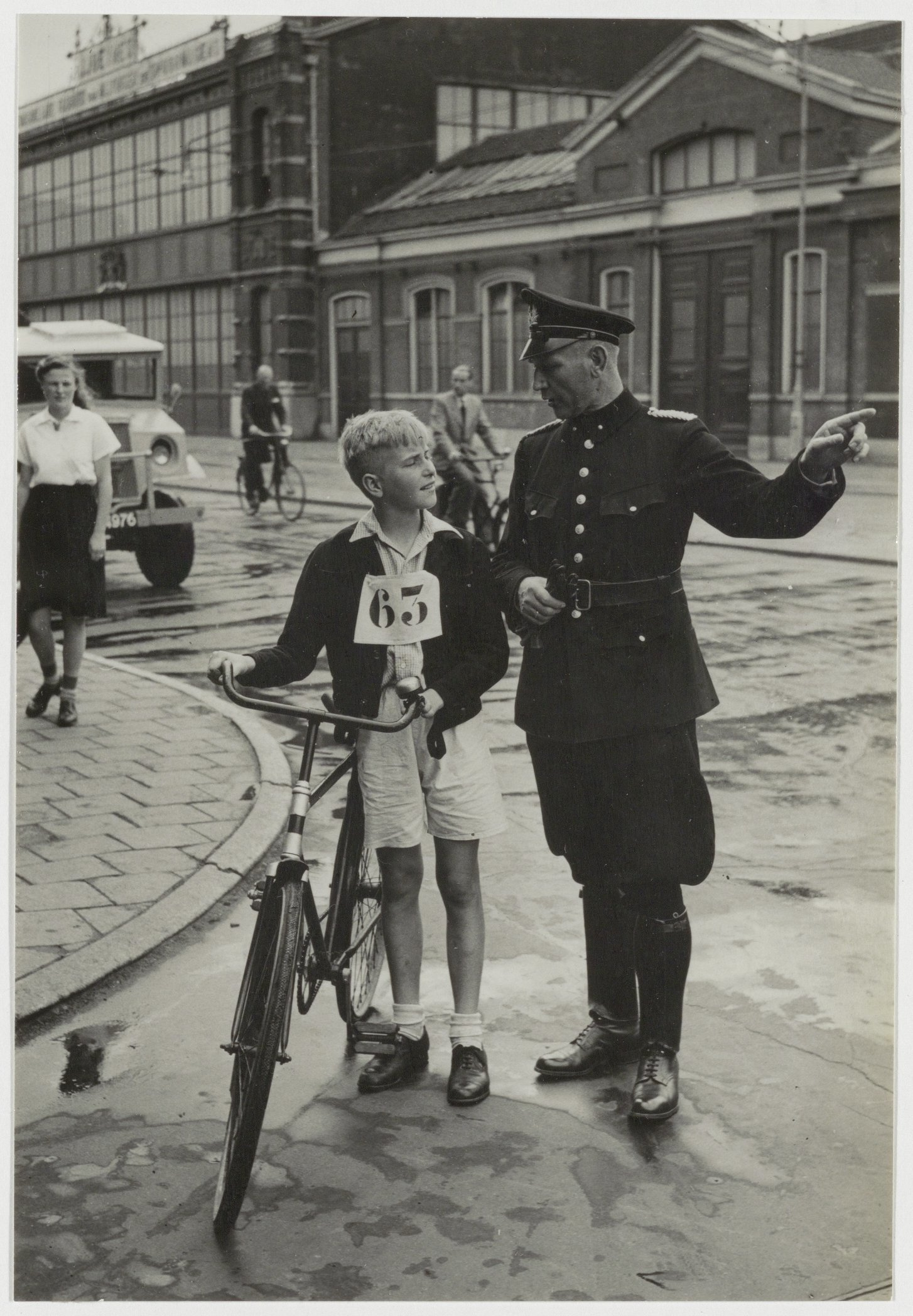
Most of the test happened off the road. Where there was an on-road component it was brief, on a quiet street, and it was not the substance of the assessment.
That is the central weakness of the whole scheme in retrospect. A child who can execute a manoeuvre between cones in a playground has demonstrated bicycle control and almost nothing about riding in traffic, which is the actual skill.
The single biggest change in cycle training is that the higher levels are conducted on real roads, in real traffic, with trained instructors and specified ratios, because that is the only place the skill can be taught or assessed. This file gives no road safety instruction of any kind.
8. Nobody wore a helmet because nobody had one
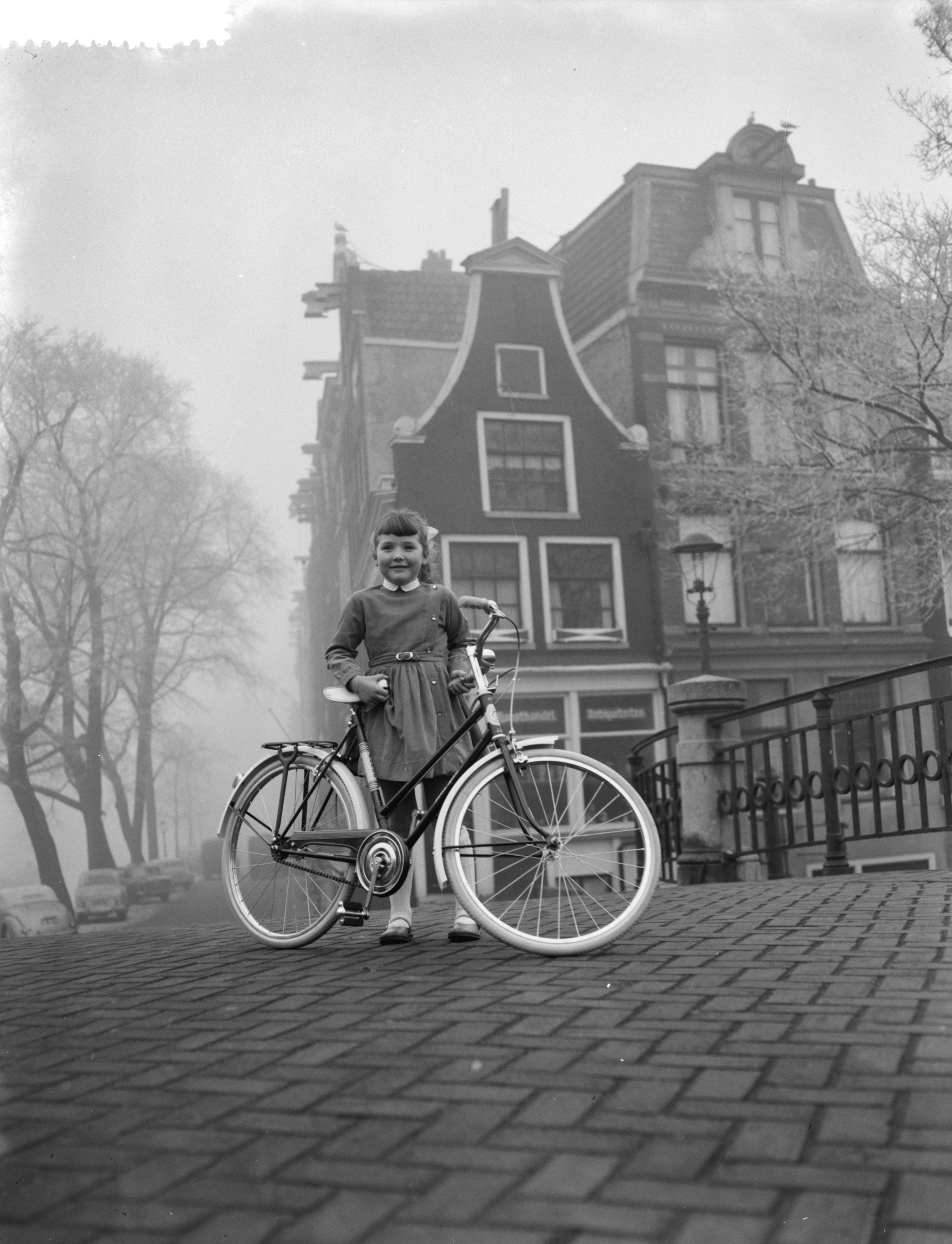
Cycle helmets were not part of the 1966 picture. They did not exist in any generally available form, were not expected, and were not part of the test.
Helmet use, helmet standards and whether helmet wearing should be required are governed by different law in different countries and are the subject of a long, genuine and continuing argument among researchers, cycling organisations and public health bodies.
This file takes no position on helmets, in any country, at any period. Current cycle training guidance and local law are the authorities on what is required and recommended where a reader lives, and the training schemes themselves publish their position.
9. Roads in 1966 were a completely different environment
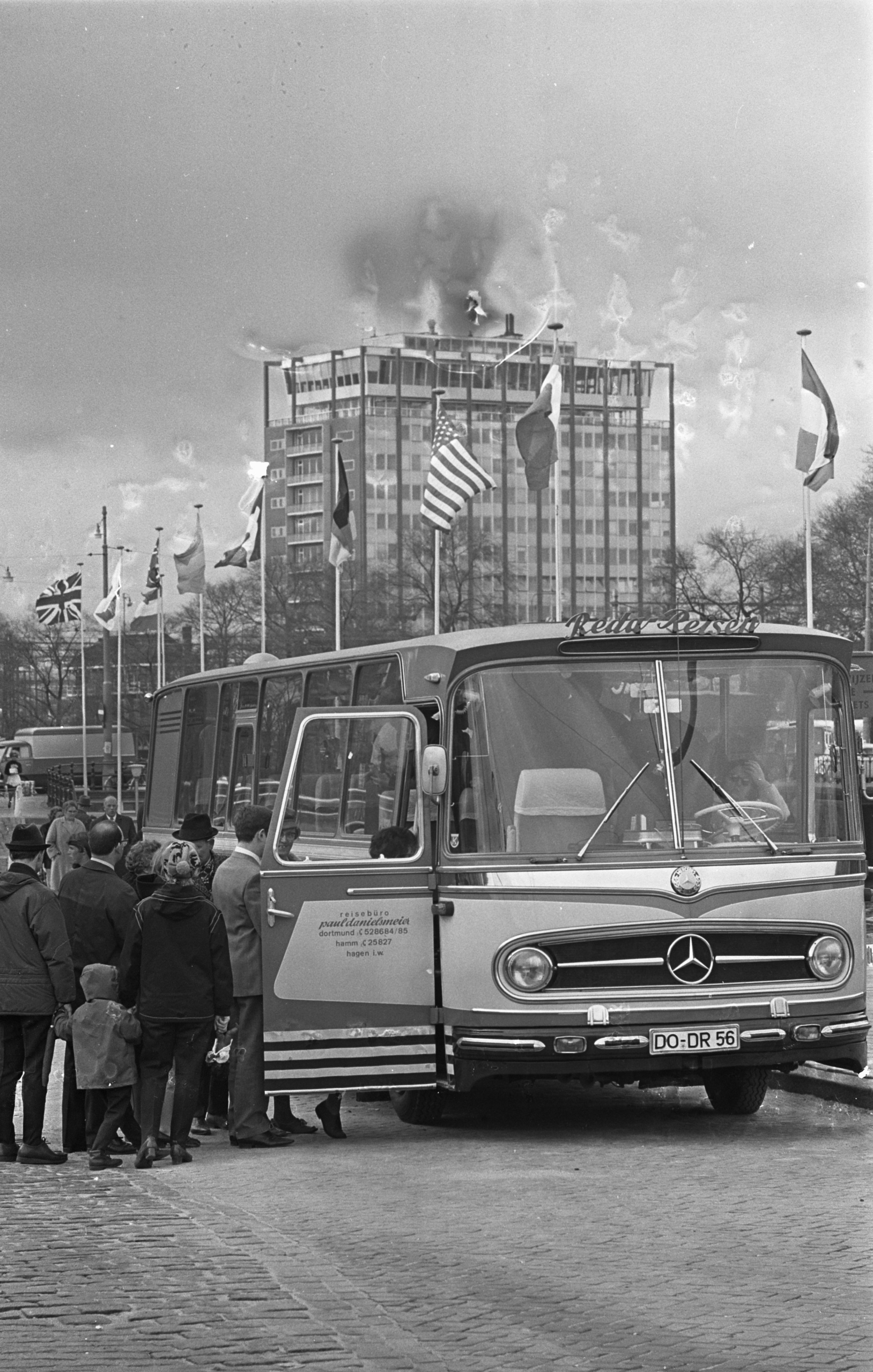
The scheme was designed for roads with fewer, slower, smaller vehicles, far less parking at the kerb, no roundabout and junction geometry of the modern kind, and a general expectation that children were present.
So a 1966 badge was training for a road that no longer exists, and the skill it certified has been overtaken by the environment rather than by any change in bicycles.
Modern training is built around contemporary traffic: lane positioning, multi-lane junctions, large vehicles, cycle infrastructure and the specific hazards of parked cars. It is a different curriculum because it is a different road.
10. Parents treated it as a licence
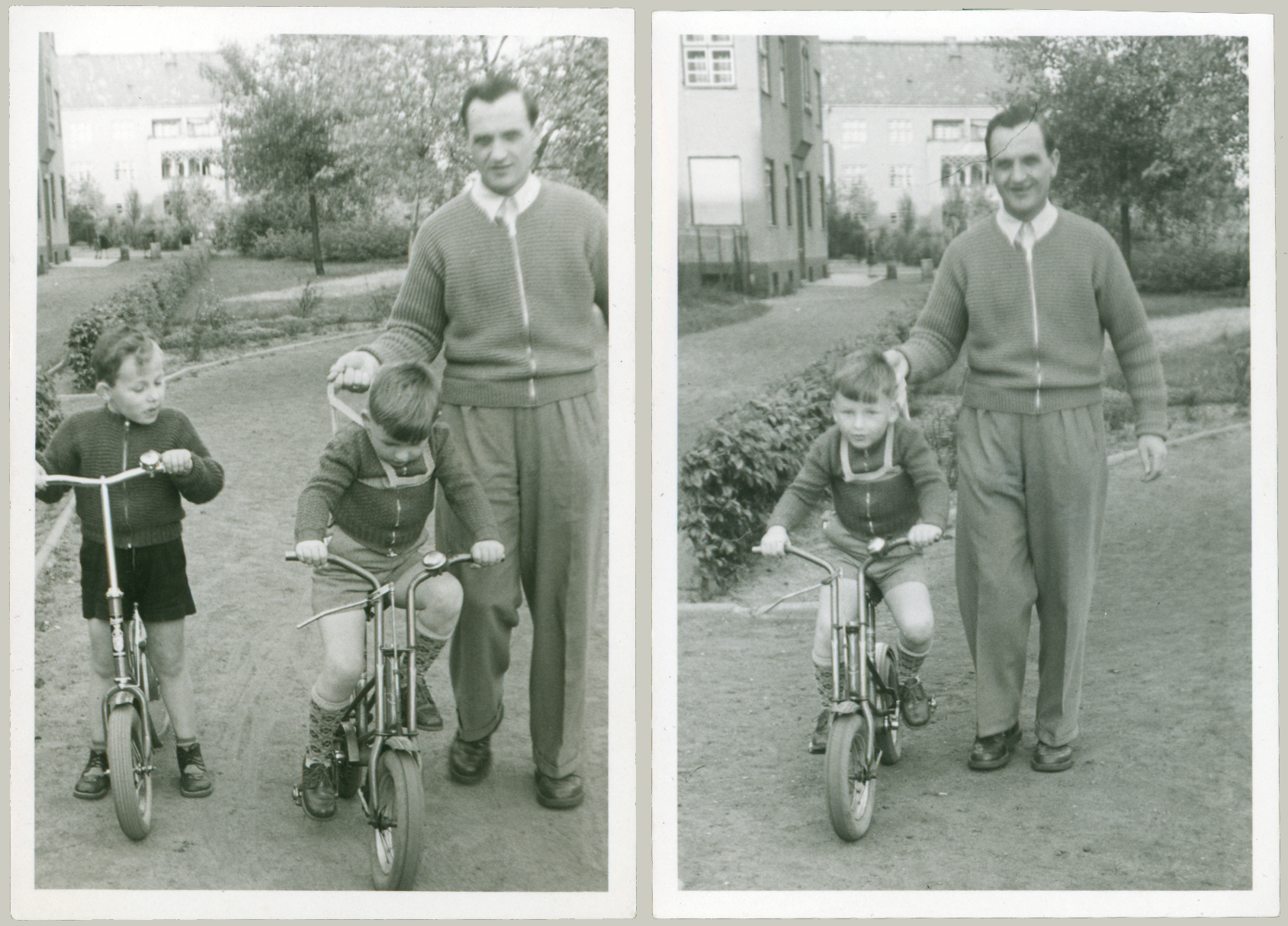
The practical function of the certificate in a great many households was permission. A child who had passed was allowed to cycle to school, to the shops or to a friend’s house, and a child who had not was not.
That gave the scheme real stakes for the children involved, and it is why the test was taken so seriously by people who were otherwise indifferent to school assessment.
The modern training levels work the same way in practice and are explicitly designed to, with the higher level understood as the point at which a child can ride to school. Where it differs is that the decision is now informed by a judgement about the specific route rather than by a badge alone.
11. The training was about the child and not about the road
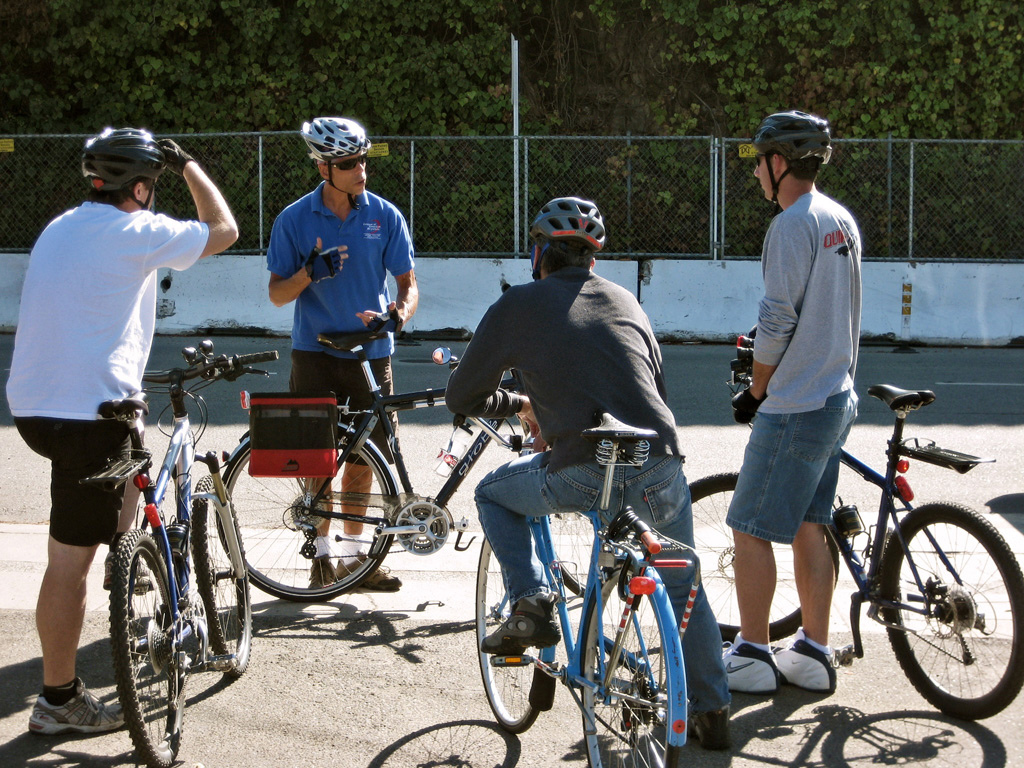
Road safety education of the period placed responsibility substantially on the child: look, listen, signal, be careful, be visible, do not take risks.
That approach has been very considerably revised. Contemporary road safety thinking distributes responsibility across vehicle design, speed limits, junction design, separated infrastructure and driver behaviour as well as training, on the basis that a system which depends on children not making mistakes is not a safe system.
That shift is the most important change in this whole file and it is not about cycling training at all. It is about what the road is expected to do.
12. The bicycles themselves were heavy and badly braked
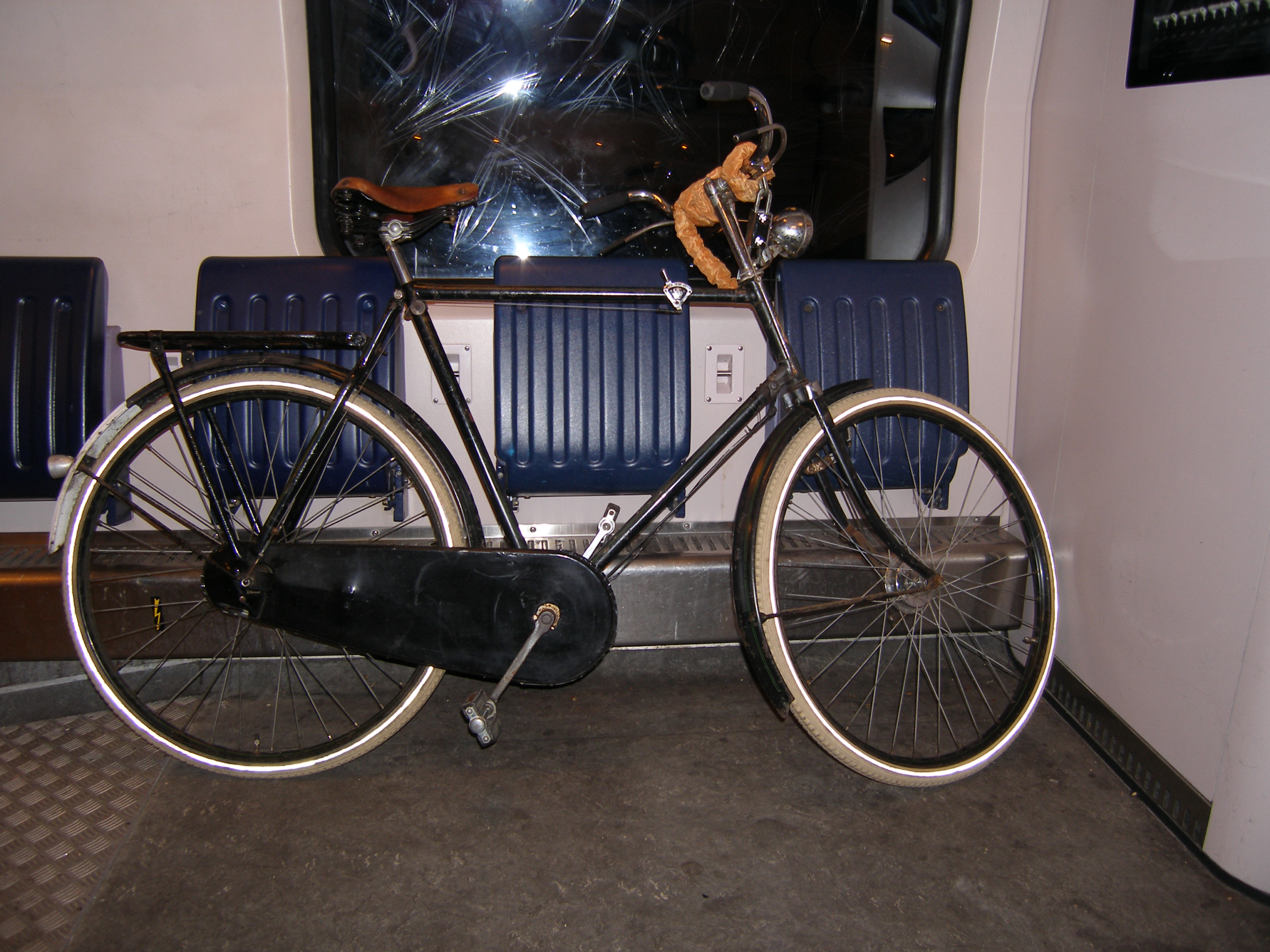
A 1966 child’s bicycle was steel, heavy for its size, frequently too large because it had been bought to grow into, and fitted with rod or cable brakes of limited effectiveness, particularly in the wet.
That made bicycle control a genuine skill and the playground circuit a meaningful test of it, which is part of why the off-road element made more sense then than it looks now.
Modern children’s bicycles are lighter, correctly sized, and fitted with brakes that work, which has shifted the difficulty from controlling the machine to reading the traffic. The test moved because the bicycle did.
13. It was taught as a one-off and never revisited
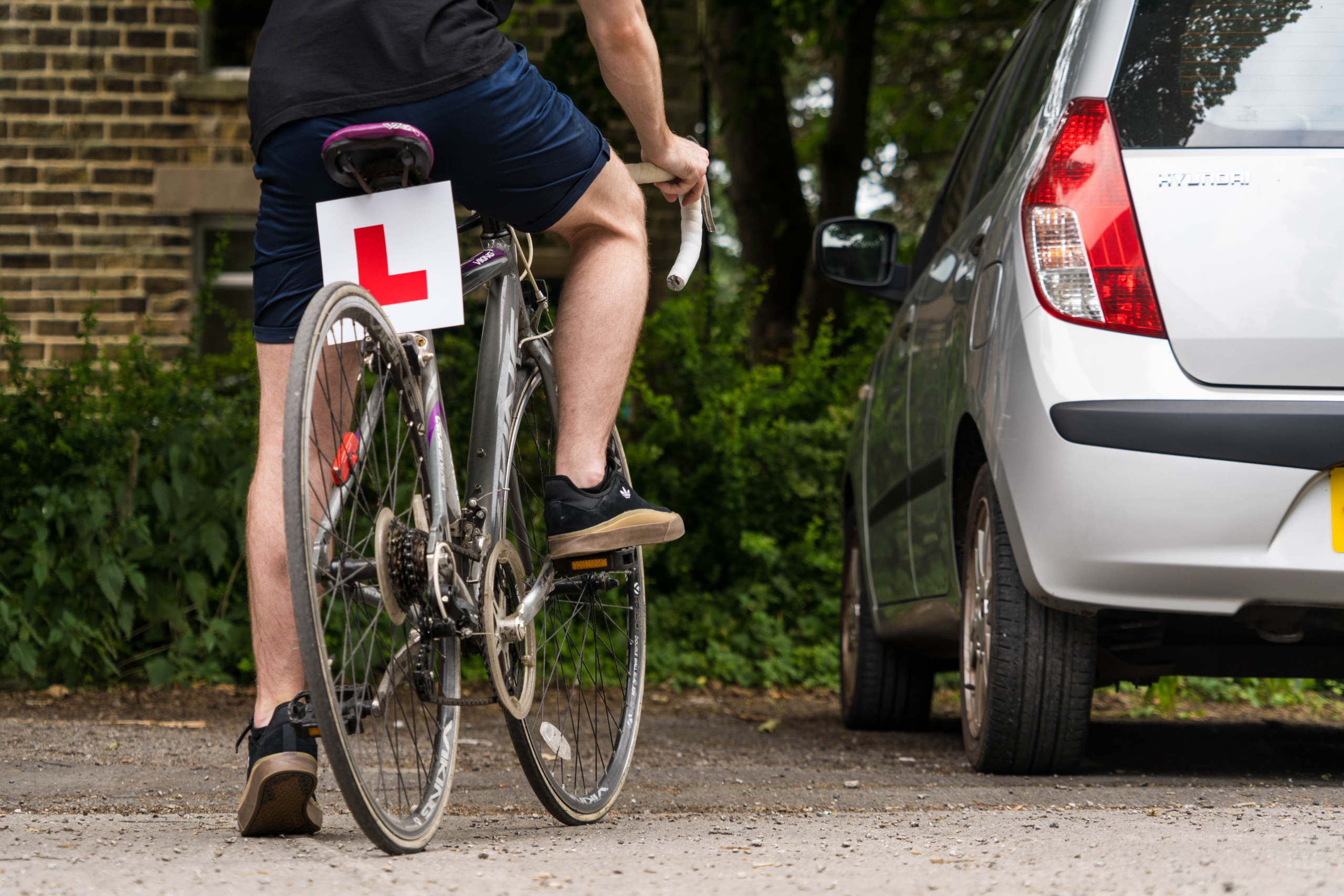
The scheme was a single event in a child’s school career, usually at ten or eleven, with no refresher, no progression and no further assessment.
So whatever a child knew at eleven was what they took into a lifetime of cycling, including into the considerably more demanding roads they met as teenagers and adults.
Modern schemes are structured in progressive levels delivered at different ages, with adult training widely available and in many places free. Treating cycling as a skill that develops rather than a test that is passed is a straightforward improvement.
14. The certificate was a document people kept
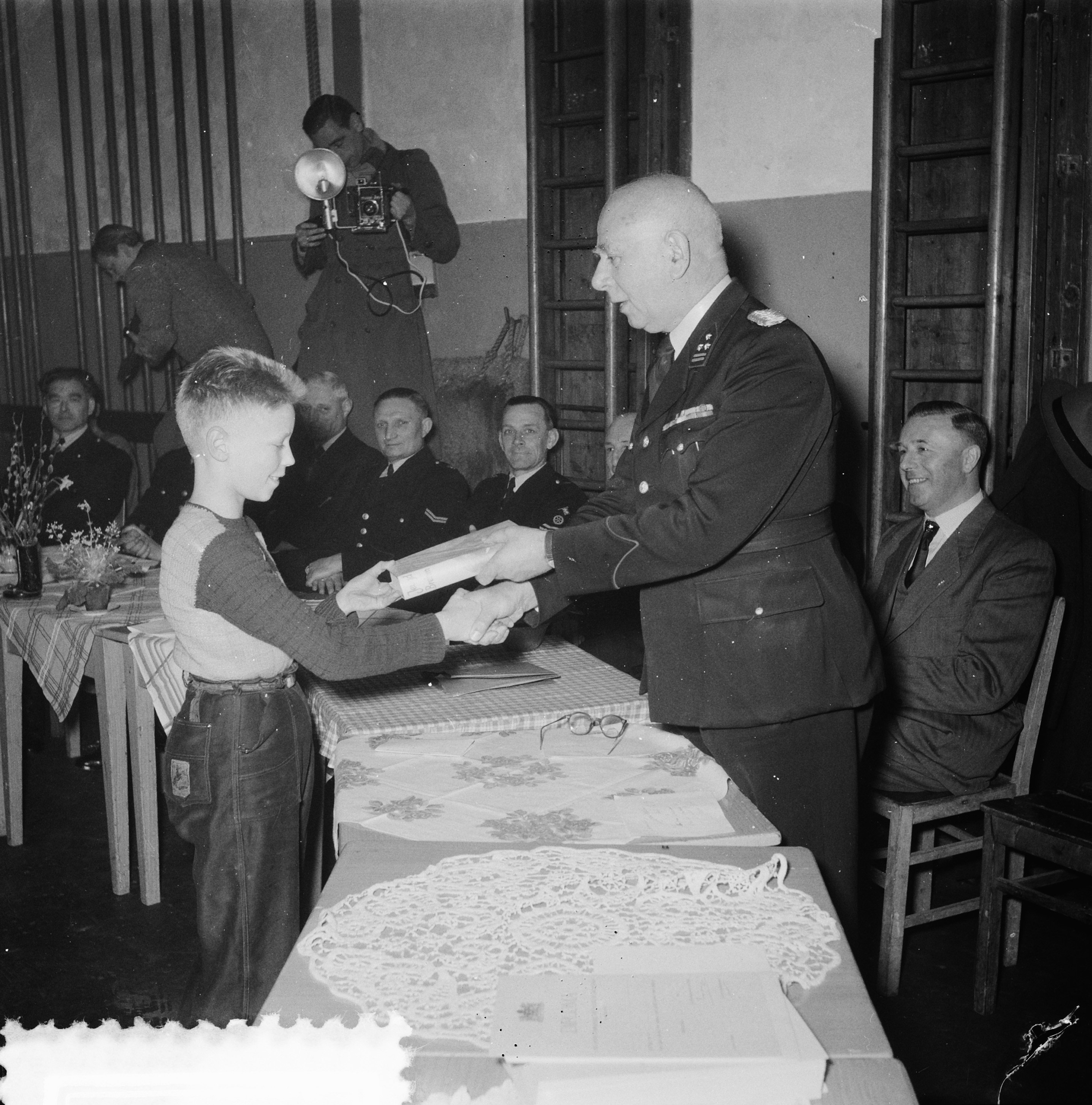
The printed certificate, signed and dated, was frequently kept for decades, and it turns up in family papers alongside birth certificates and school reports.
That is a strong indication of what it meant. A child’s first formal certificate of competence in anything is a significant object, and for a great many people this was the first one they received.
Modern schemes issue certificates and digital records, and the physical document still matters to the children who get it for exactly the same reason. It is one of the few features of the scheme that nobody has tried to improve.
15. The scheme survived by being rebuilt rather than by continuing
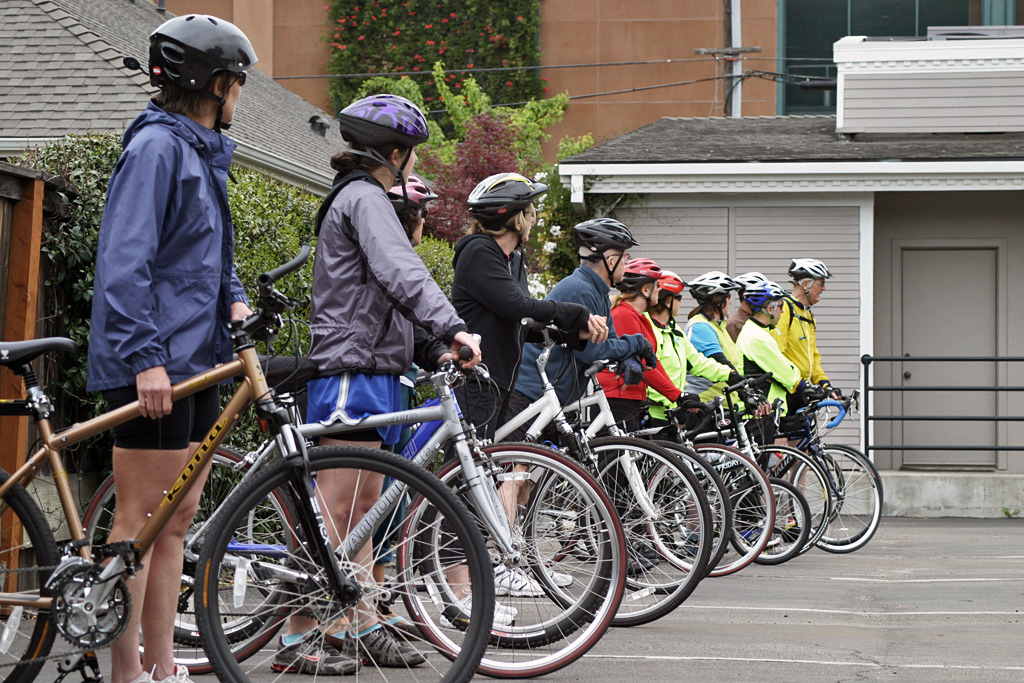
The 1966 proficiency test was eventually replaced rather than reformed, by national training standards with accredited instructors, structured levels, on-road delivery and quality assurance of the teaching.
That was the right decision, because the weaknesses were structural: a playground circuit, a one-off assessment and a curriculum aimed at a road that had changed. Patching it would not have fixed any of those.
The continuity is in the idea rather than in the scheme. Somebody looked at a generation of children cycling on public roads with no training at all and decided that a school could do something about it, and that decision has been in force, in one form or another, for more than sixty years.
16. What the badge actually represented
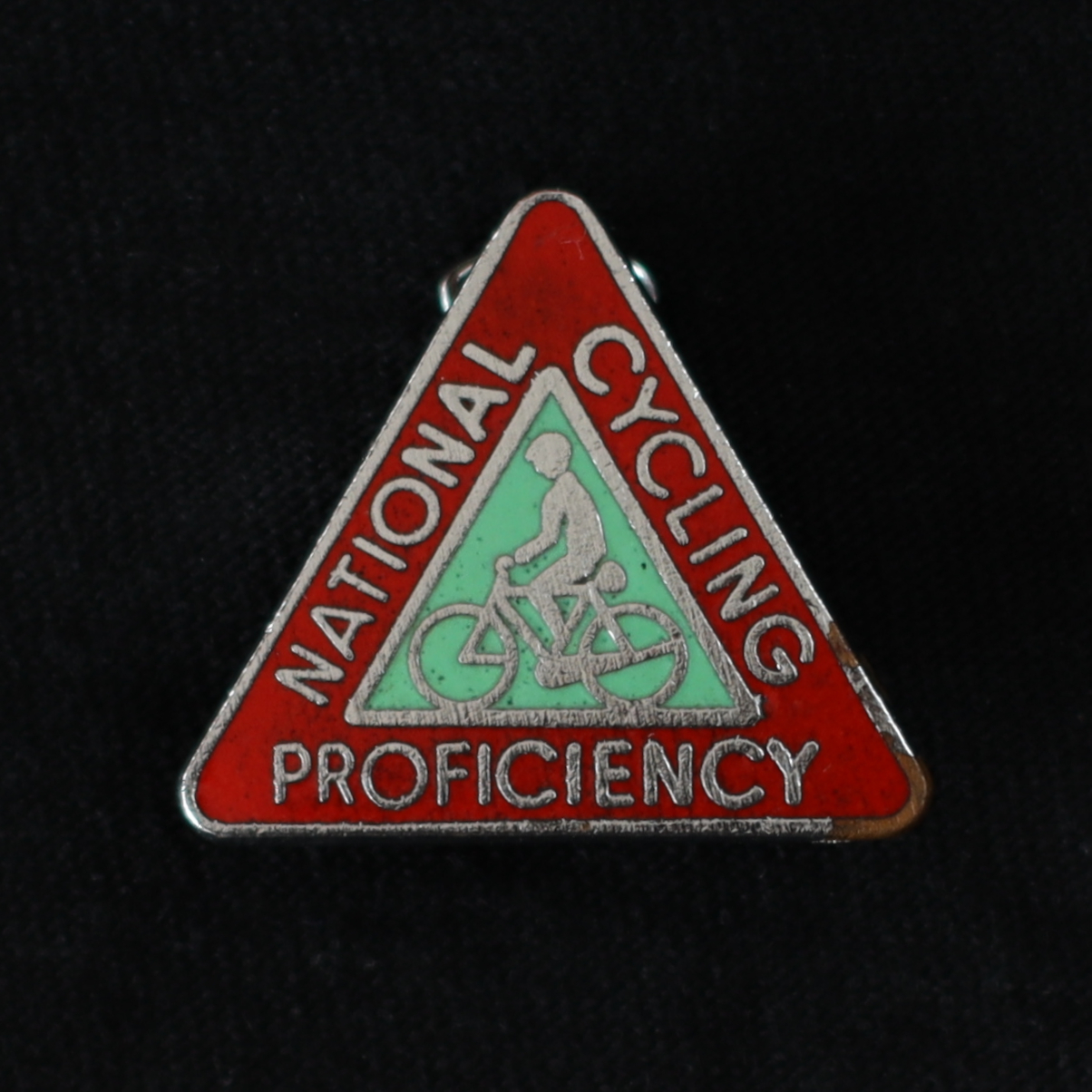
Not road safety, in the modern sense. It represented bicycle control, a working machine, a known set of signals and a formal acknowledgement by an adult from outside the school that a child was competent at something.
That last element is the part worth remembering, because schools of the period offered very little of it, and a ten-year-old with a badge on their head tube had been told by a police officer that they could be trusted on a road.
The honest summary: the test was run in a school playground on a chalk circuit, administered in many areas by a police officer, preceded by an inspection of the bicycle, assessed on control and hand signals with little or no on-road element, and rewarded with a certificate and a badge fixed to the bicycle; it was close to universal and parents treated it as a licence; and it has been replaced by national standards with accredited instructors, progressive levels and training delivered on real roads, because the one thing a painted junction cannot teach is traffic.
A painted junction cannot teach traffic
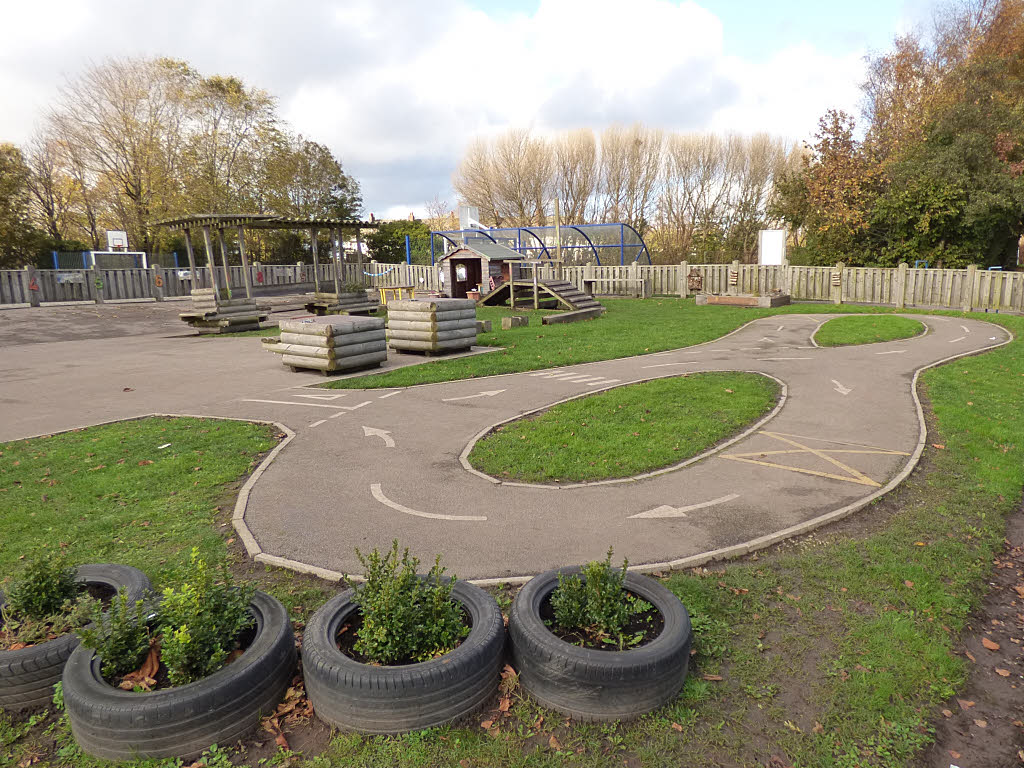
The scheme’s weakness was structural rather than a matter of standards. A child who can ride a clean circuit between cones has demonstrated bicycle control and almost nothing about riding in traffic, and a 1966 badge certified competence on a road that no longer exists. That is why the test was eventually replaced rather than reformed: national training standards with accredited instructors, progressive levels and the higher levels delivered on real roads in real traffic with specified ratios. The deeper change is not about cycling at all. Road safety thinking now distributes responsibility across vehicle design, speed limits, junction design, separated infrastructure and driver behaviour, on the reasoning that a system depending on children not making mistakes is not a safe system.
The badge on the head tube was doing more work than anybody realised: public, permanent, attached to the thing it was about and visible to every other child. Modern schemes issue certificates, and that element has largely gone.
Like our content? Follow us for more.