Working behind the counter at KFC provides a front-row seat to the staggering scale of the fast-food industry’s food waste dilemma. While the iconic scent of the Colonel’s secret blend of herbs and spices is designed to lure in hungry customers, the reality behind those stainless steel kitchen doors at closing time is far more complex. Former employees have begun speaking out about the inner workings of the kitchen, revealing a system that balances strict safety protocols with surprising methods of food recovery. On many nights, entire warming trays filled with perfectly golden, crispy chicken go unsold, creating a moral and operational dilemma for the workers tasked with clearing the decks for the next day’s service.
The “Pot Pie Truth” and the Art of Upcycling
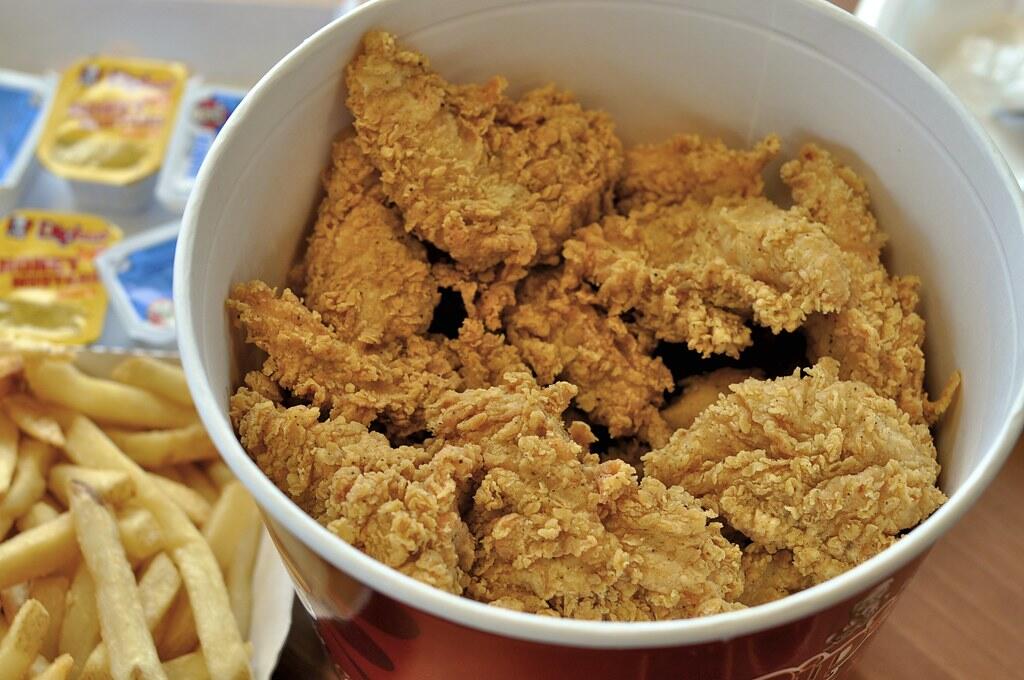
One of the most viral revelations from former staffers involves the secret ingredient in the chain’s famous pot pies. According to whistleblowers on platforms like Reddit, unsold fried chicken from the bone-in buckets isn’t always destined for the bin; instead, it undergoes a transformation. At the end of the night, leftover pieces are set out to cool so that the meat can be manually stripped from the bone. This shredded chicken is then bagged, chilled, and prepared to become the hearty filling for the next day’s pies. While this “upcycling” is a brilliant move for sustainability, some former managers admit that the “day-old” rule is occasionally stretched to two days in specific franchise locations to minimize inventory loss and maximize profit.
Strict Safety Protocols and the “Black Bag” Reality
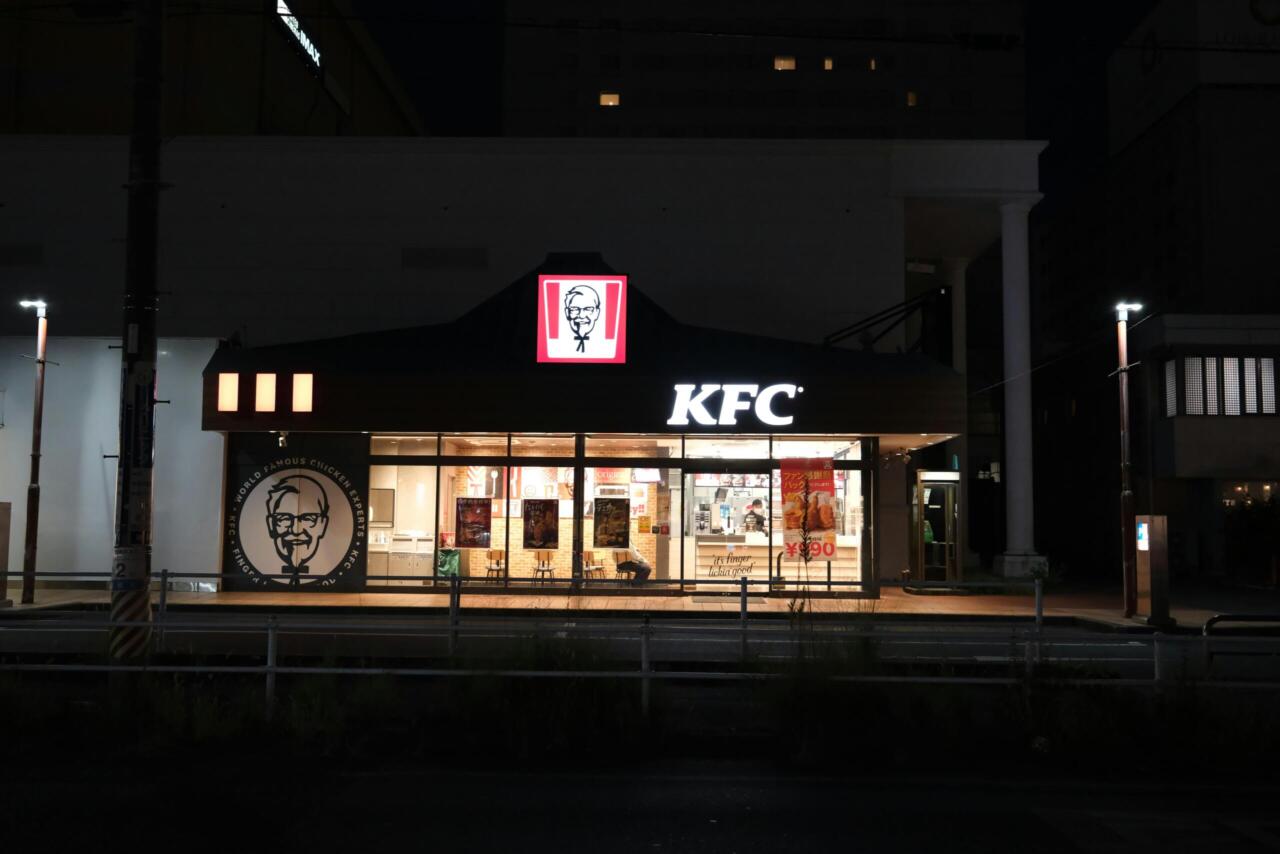
Despite the recycling of meat for pot pies, a massive amount of food still ends up in the trash due to uncompromising safety standards. Every item in the kitchen has a specific “holding time,” a window during which the food is considered at peak quality and safety. Once that timer expires, the chicken can no longer be sold, and in many locations, it cannot be donated due to liability concerns. Employees describe the heartbreak of tossing entire black trash bags filled with chicken into the dumpster simply because it sat under a heat lamp for a few minutes too long. These zero-tolerance waste policies are often dictated by corporate headquarters to ensure no customer ever experiences a foodborne illness, even if it means sacrificing perfectly edible meals.
Why Employees Aren’t Allowed to Take Leftovers Home
A common point of contention among fast-food workers is the strict prohibition against taking leftover food home. Many KFC franchises enforce rules where taking a single unsold wing can result in a formal write-up or immediate termination. Management often justifies this “stingy” approach by claiming it prevents “intentional overcooking.” The theory is that if employees know they can take home the surplus, they might be tempted to drop extra baskets of chicken in the fryer right before closing. This creates a frustrating environment for staff who must watch hundreds of dollars worth of food hit the bottom of a bin while they head home after a long shift, often feeling the weight of the industry’s “make, take, dispose” legacy.
The Rise of AI and the Fight for a Circular Economy
To combat these issues, KFC is increasingly turning to advanced technology to predict hunger before it happens. In several global markets, the parent company, Yum! Brands, is trialing AI-driven demand forecasting software. This technology analyzes historical sales data, local weather patterns, and even neighborhood events to tell the kitchen staff exactly how much chicken to drop and when. Beyond the fryer, the brand is pushing for a “circular economy” where used cooking oil is converted into biodiesel and food scraps are diverted to composting programs. While implementation varies wildly between a local franchise in the US and a corporate-run store in the UK, these high-tech initiatives represent a significant shift toward a more responsible, lower-waste future.
Global Variations in Food Donation Schemes
The fate of a leftover drumstick often depends entirely on the geography of the restaurant. In some regions, KFC has successfully launched the “Harvest” program, a rigorous system where surplus chicken is bagged, labeled with precise expiration data, and frozen for donation. In London, certain stores partner with shelters like the Ace of Clubs, providing hundreds of meals daily to those in need. In Italy, nearly one-third of restaurants now participate in food recovery programs. However, these successes are not yet universal. The reality of KFC’s leftovers remains a patchwork of corporate idealism and local logistical hurdles, leaving a complex picture of an industry giant trying to reconcile mass production with modern environmental and social responsibility.