


The Villages, Florida, is often marketed as “Florida’s Friendliest Hometown,” a sun-drenched utopia where retirees can spend their golden years playing endless rounds of golf and socialized at bustling town squares. As the largest gated retirement community in the world—spanning three counties and housing over 140,000 residents—it has become a symbol of active senior living. However, as the 2026 real estate data reveals, a “mass exodus” is quietly beginning. Many who moved for the dream of a “Disney World for seniors” are finding that the reality includes a crushing cost of living, environmental hazards, and a social structure that feels more like a high-pressure high school than a peaceful retreat.
While the community continues to grow, realtors are seeing an uptick in “forced sellers” and “regret listings.” The glossy brochures rarely mention the escalating fees or the physical and social toll of living in a 57-square-mile bubble. For those considering a move, here are the five uncomfortable truths about life in The Villages that the developer-backed advertisements won’t reveal.
1. The “Hidden” Costs of the Bubble Lifestyle
One of the most persistent myths is that life in The Villages is affordable on a standard Social Security check. In reality, the 2026 cost of living in the community is roughly 13% higher than the national average and a staggering 16% higher than the Florida state average. Beyond the mortgage, residents are hit with a complex web of “amenity fees,” which currently hover around $190 per month, and Community Development District (CDD) assessments that can add thousands of dollars to an annual tax bill.
These fees are not optional and are used to fund the infrastructure of the sprawling development. For retirees on a fixed income, the “triple threat” of rising utility bills—averaging $272 per month—soaring homeowners insurance, and the necessity of maintaining a golf cart as a primary vehicle can quickly evaporate a nest egg. Data from 2025-2026 indicates that homes in The Villages are now sitting on the market for an average of four to five months, as prospective buyers realize that the “low tax” Florida dream is being replaced by high-cost community maintenance.
2. The Reality of the Central Florida “Sinkhole Alley”
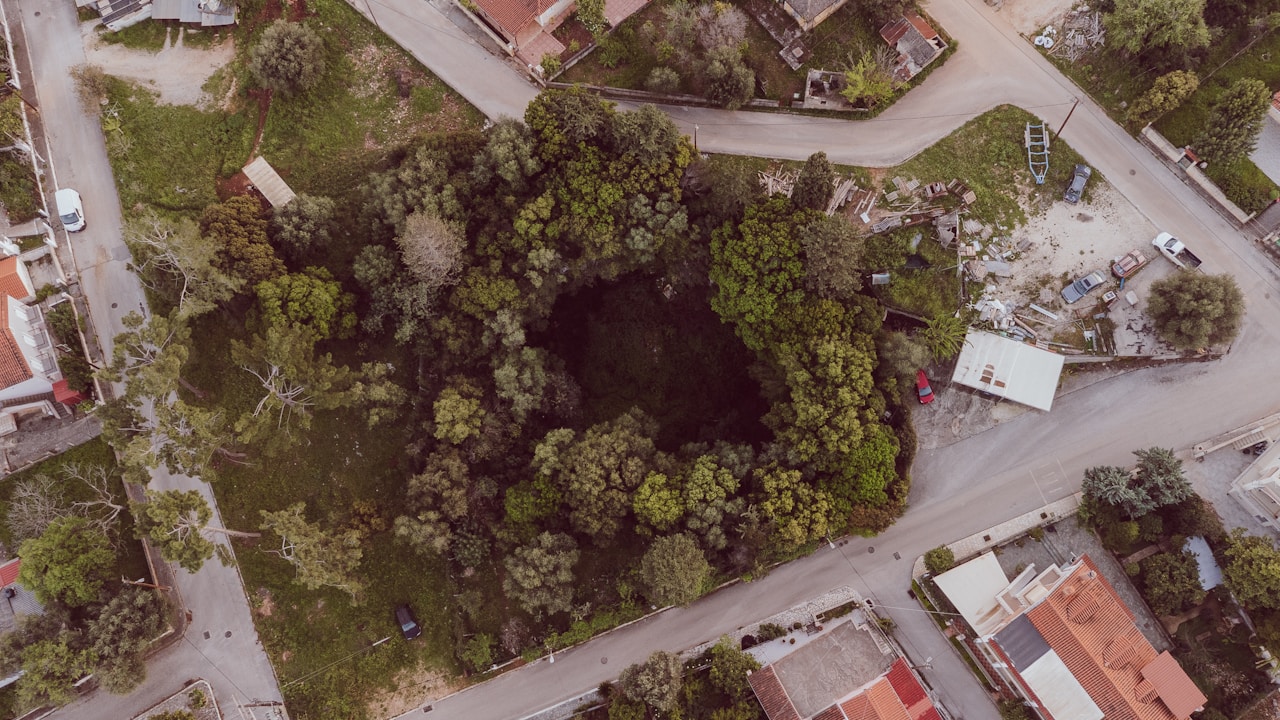
The Villages is situated in the heart of Florida’s “sinkhole alley,” where the karst limestone terrain is particularly prone to collapse. While the community’s manicured lawns look pristine, Central Florida’s fluctuating water levels—exacerbated by the massive irrigation needs of over 60 golf courses—can trigger sudden and devastating ground failures. In recent years, batches of sinkholes have appeared following heavy monsoons, causing road closures and significant home damage.
Because of this geological risk, many residents are forced to carry optional sinkhole insurance, which can cost thousands of dollars a year and comes with high deductibles. Furthermore, the rapid expansion of the community has led to a degradation of the local water system. In 2025, Sumter County officials issued warnings regarding the declining aquifer, a crisis fueled by the daily water consumption required to keep the “bubble” green. For many, the fear that their primary asset could literally be swallowed by the earth is a source of constant, unspoken anxiety.
3. The “High School with Golf Carts” Social Pressure
While the 3,000+ clubs and nightly entertainment are a major draw, many former residents describe the social atmosphere as “exhausting” and “cliquey.” The Villages operates on a social hierarchy often dictated by wealth, home size, and club affiliations. Those who live in the more affordable northern sections sometimes report feeling excluded from the “newer, shinier” south. This environment has earned the community a reputation as “high school with golf carts,” where gossip spreads at the speed of light and social status is paramount.
The homogeneity of the community—which is roughly 97% Caucasian and leans heavily conservative—can also create a “echo chamber” effect that some find stifling. Residents who don’t fit the dominant political or social mold often feel like outcasts in their own neighborhoods. While the “party all the time” vibe is a dream for some, introverts and those seeking quiet, intergenerational living often find the constant social performance of The Villages to be a major source of regret.
4. The Healthcare Bottleneck in a Growing Town
As The Villages continues its rapid expansion, the local healthcare infrastructure is struggling to keep pace with the sheer volume of seniors. While there are numerous clinics and a central hospital, the 2026 data shows that Florida ranks 49th in the nation for healthcare access and affordability. For residents of The Villages, this translates to long wait times for specialists and a shortage of primary care physicians who accept Medicare.
Pharmacists within the community report “insane” volumes of prescriptions, highlighting the reality of an aging population that requires significant medical support. As residents age into their 80s and 90s, the “active adult” amenities become less relevant, and the need for specialized geriatric care becomes paramount. Many retirees regret the move when they realize they have traded proximity to top-tier university hospitals in the North for a localized system that is currently overwhelmed by the fastest-growing senior population in the country.
5. The “God’s Waiting Room” Psychological Toll
Despite the focus on activity, there is an underlying psychological weight to living in a place where everyone is in the same stage of life. Critics and former residents often refer to the community as “God’s Waiting Room,” noting that the constant reminders of mortality are inescapable. In a town where the median age is over 73, the loss of neighbors and friends is a weekly occurrence. This creates a surreal environment where the “Truman Show” blemish-free scenery clashes with the harsh realities of aging and grief.
The lack of age diversity means there are few younger voices to provide a “reset” to the community’s perspective. For many, the isolation from children, grandchildren, and working-age professionals leads to a sense of being “trapped in a particular era.” While the nightly line-dancing to 70s rock provides a temporary escape, the eventual intrusion of reality—medical bills, loss of mobility, and the death of a spouse—can turn the “retirement paradise” into a lonely and surreal nightmare.
