The traditional safety rule of “don’t go out after dark” is increasingly being challenged by a new, more unsettling reality in several American cities. As we move through 2026, crime data and resident sentiment are highlighting specific neighborhoods where the “safety of the sun” has vanished. From open-air drug markets in the Northeast to escalating gang-related violence in the West, these areas are witnessing a surge in daytime offenses, including armed robbery and bold property theft, that leave locals and visitors alike feeling exposed at noon.
According to 2026 crime statistics and neighborhood safety reports, the “daylight gap” is widening in urban cores that suffer from chronic under-investment and high poverty rates. While national crime numbers show some stabilization, these eight specific zones are currently flagged by safety experts and residents as the most challenging environments to navigate, even in broad daylight.
1. Skid Row, Los Angeles: The Crisis Epicenter
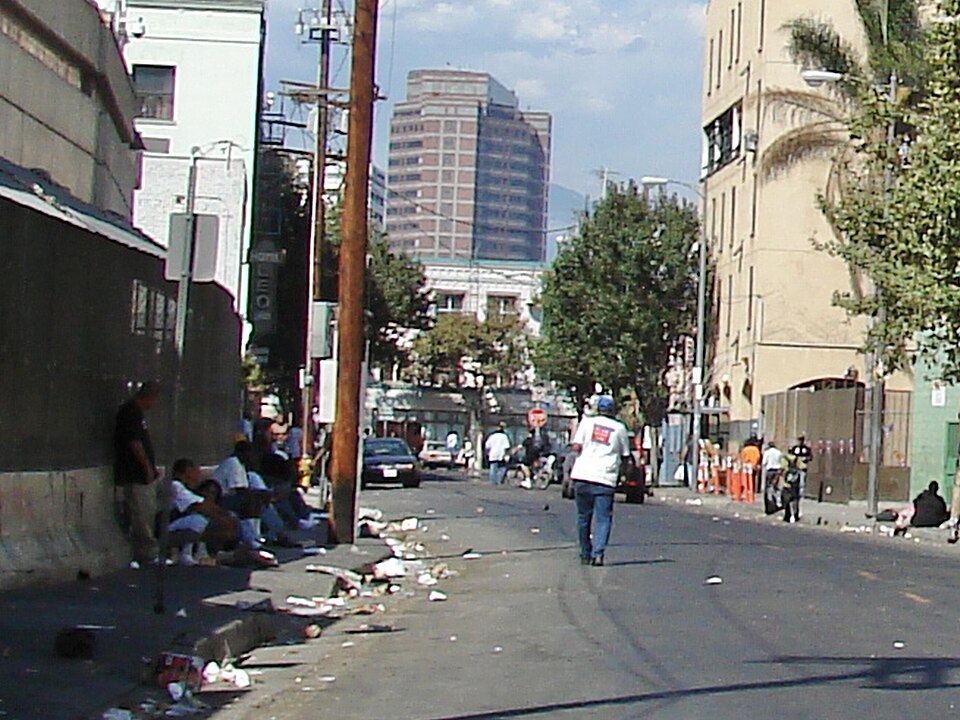
Centering around San Pedro and 6th Streets in Downtown LA, Skid Row remains one of the most viscerally challenging areas in the United States. In 2026, the area continues to record a staggering 255.8 crimes per 1,000 residents, over 700% higher than the city average. Beyond the statistics, the dense concentration of the unhoused population and the presence of open-air narcotics trade create a chaotic environment where street-level violence, including daylight assaults and robberies, is a daily occurrence. Realtors note that the “safety boundary” of Downtown LA is so thin that walking just one block in the wrong direction can move a pedestrian from a luxury coffee shop to an area where they feel immediate physical vulnerability.
2. Sandtown-Winchester, Baltimore: The “Homicide Alley”
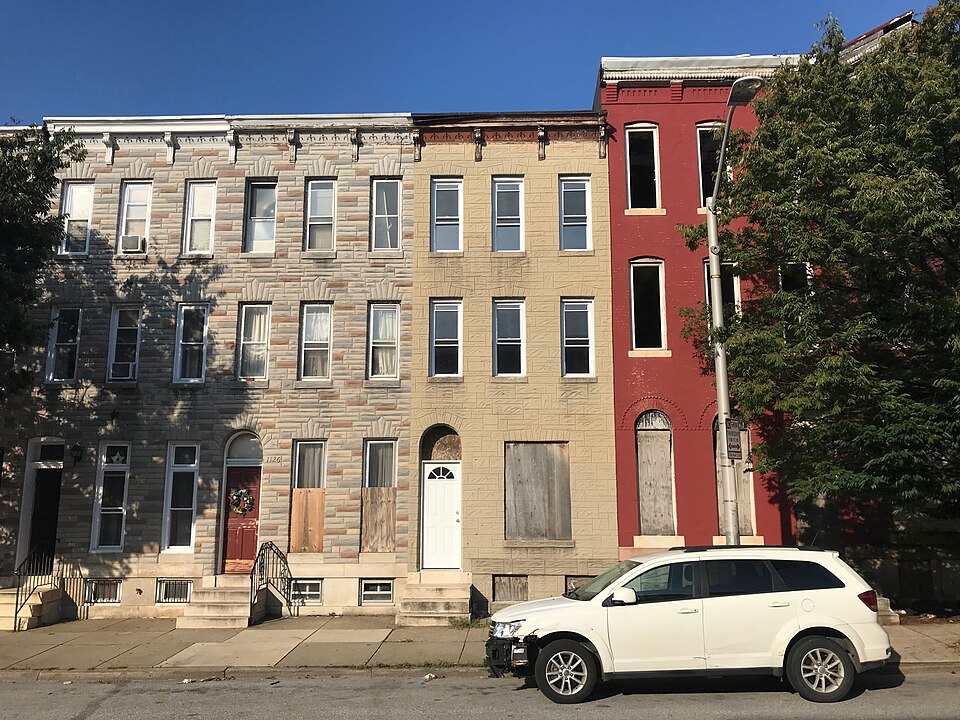
Baltimore’s reputation for crime is unfortunately anchored in neighborhoods like Sandtown-Winchester, where the homicide rate remains nearly eight times the national average. What makes this area particularly unsettling is the shift in criminal tactics; armed robberies are increasingly occurring during peak daytime hours, often targeting delivery drivers and people performing routine errands. The lack of commercial activity and the high volume of vacant properties provide ample cover for crime, making the streets feel desolate and threatening even under a midday sun.
3. Overtown, Miami: The Post-Revitalization Hangover
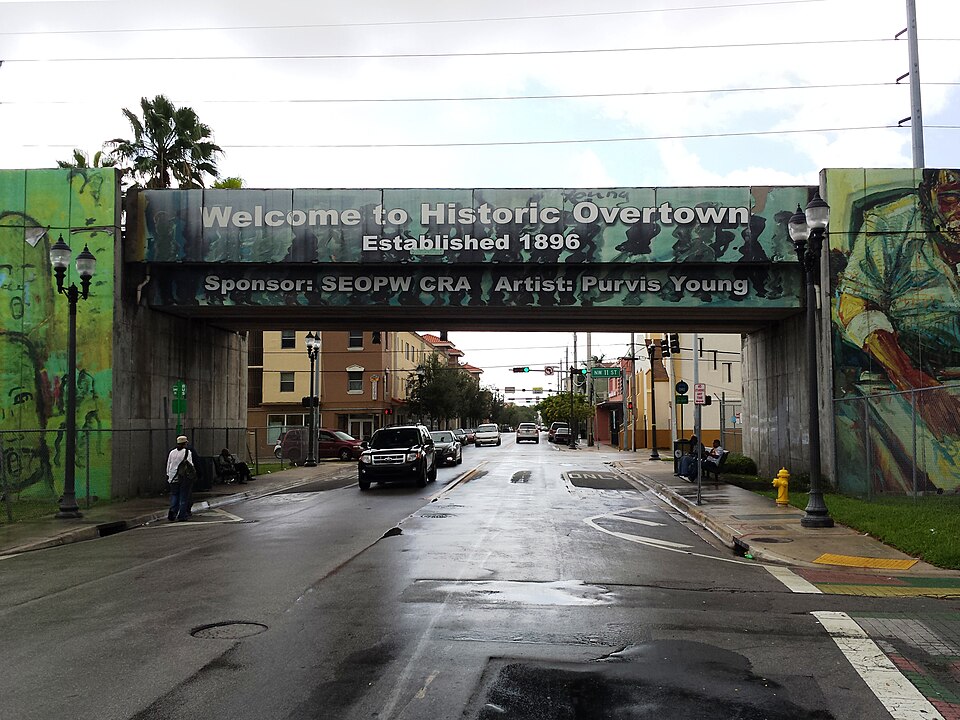
Despite millions of dollars in investment intended to revitalize Miami’s historic Overtown, the neighborhood remains on the “high-risk” list for 2026. While daytime visits were once considered relatively safe, a 3% surge in property crimes and daylight assaults over the last year has shaken resident confidence. Newcomers and professionals working in the nearby business districts often report feeling “watched” or harassed during their lunch breaks. The area’s nightlife corridors, which are becoming under-policed in 2026, are seeing a spillover of daytime petty theft and vehicle break-ins that occur in plain sight of pedestrians.
4. Camden, New Jersey: The Perpetual Battleground
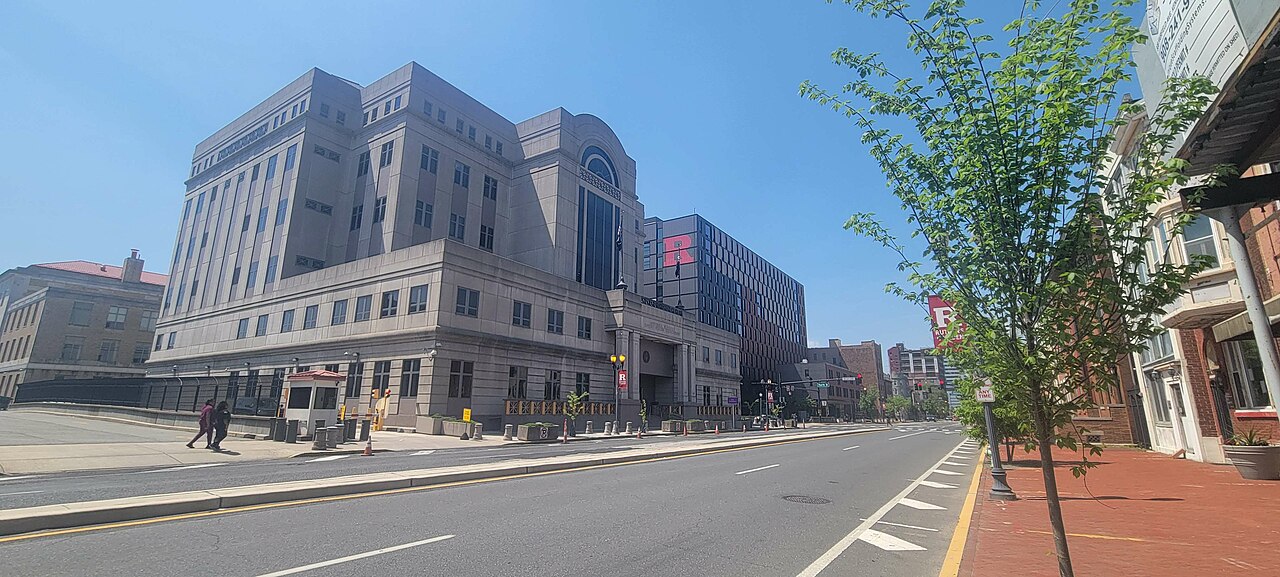
Camden has fought for decades to shed its status as one of America’s most dangerous cities, but the 2026 data shows that the struggle continues. With roughly 1,640 violent crimes per 100k residents, the city experiences an average of four robberies and six assaults every single day. In neighborhoods like North Pearl Street, armed robberies frequently happen in daylight, targeting locals who are simply walking to the bus stop or corner store. The prevalence of “daytime lookouts” for drug operations creates an atmosphere of surveillance that makes visitors feel like intruders in a contested territory.
5. West Adams, Los Angeles: The South LA Epicenter
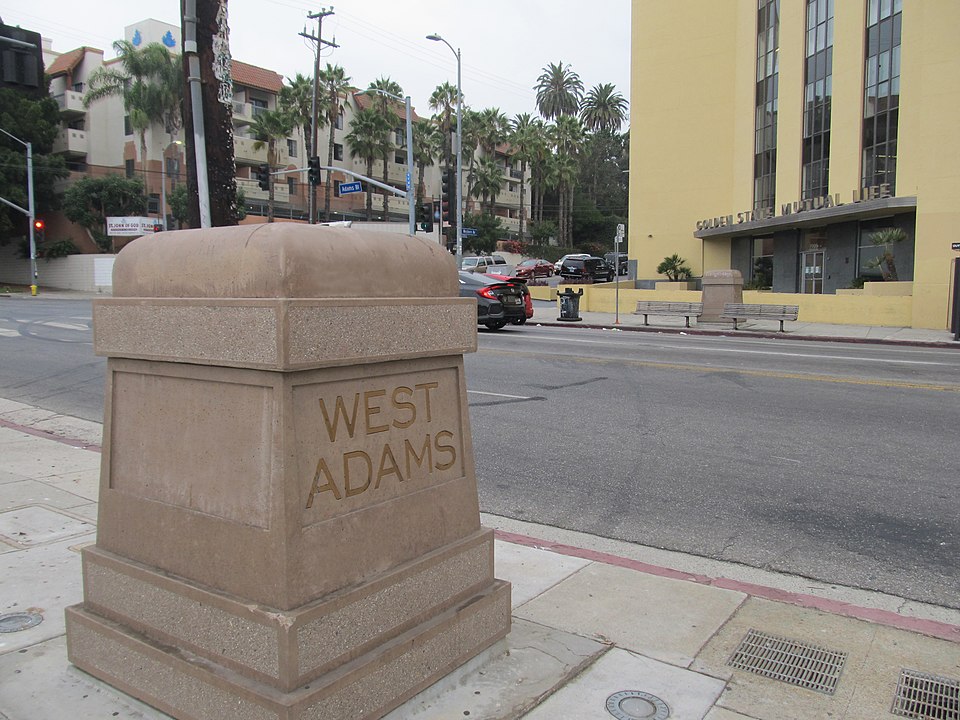
West Adams is a historic neighborhood that is currently seeing a 143% higher crime rate than the national average. In early 2026, residents here face a 1 in 15 chance of becoming a victim of gun violence, robbery, or theft. While many cities see crime peak at midnight, West Adams is notable for the frequency of “brazen” daytime robberies along major corridors like Slauson Avenue. The area’s central location makes it a high-traffic zone for both residents and commuters, yet the persistent gang activity means that a simple trip to a local park can feel fraught with risk even at 2:00 p.m.
6. Kensington, Philadelphia: The Open Drug Market
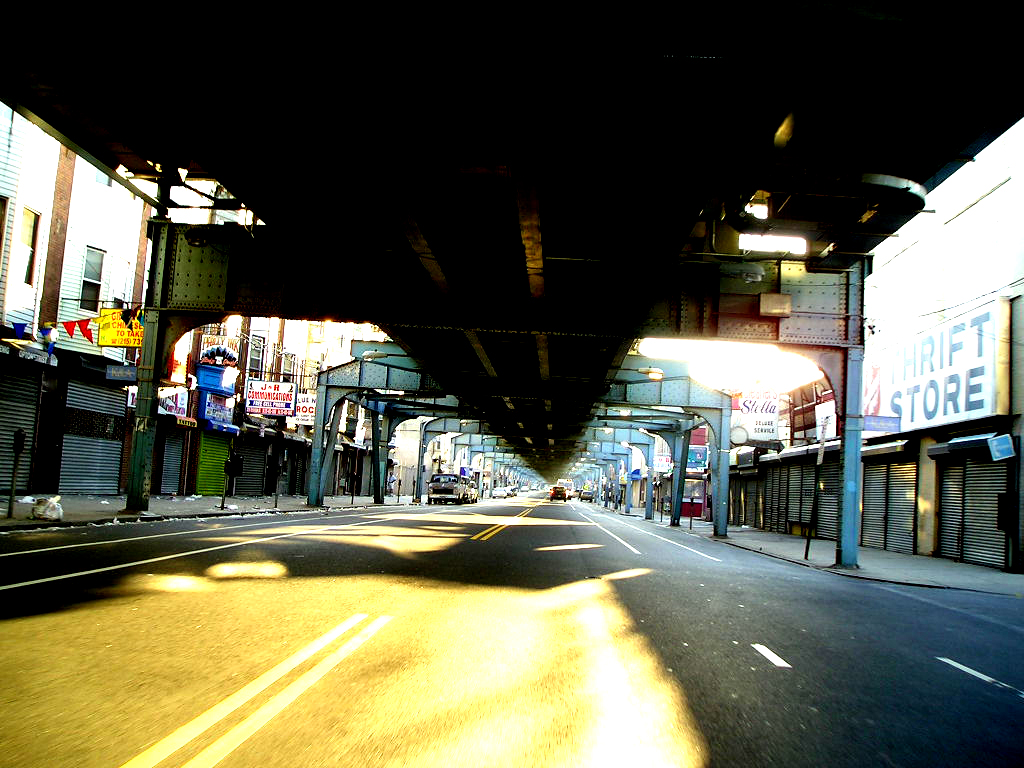
Philadelphia’s Kensington neighborhood has gained international notoriety as one of the largest open-air drug markets on the East Coast. In 2026, the situation has reached a critical point where the sheer volume of “narcotics tourism” and public drug use makes the sidewalks almost impassable. The “unpredictability” of the environment, driven by the fentanyl and xylazine crisis, means that daylight hours are no protection against erratic behavior, public overdoses, or the violent turf disputes that often break out without warning. For those who live and work in the area, the “sinister menace” of the streets is a 24-hour reality.
7. Englewood, Chicago: The “South Side” Stagnation
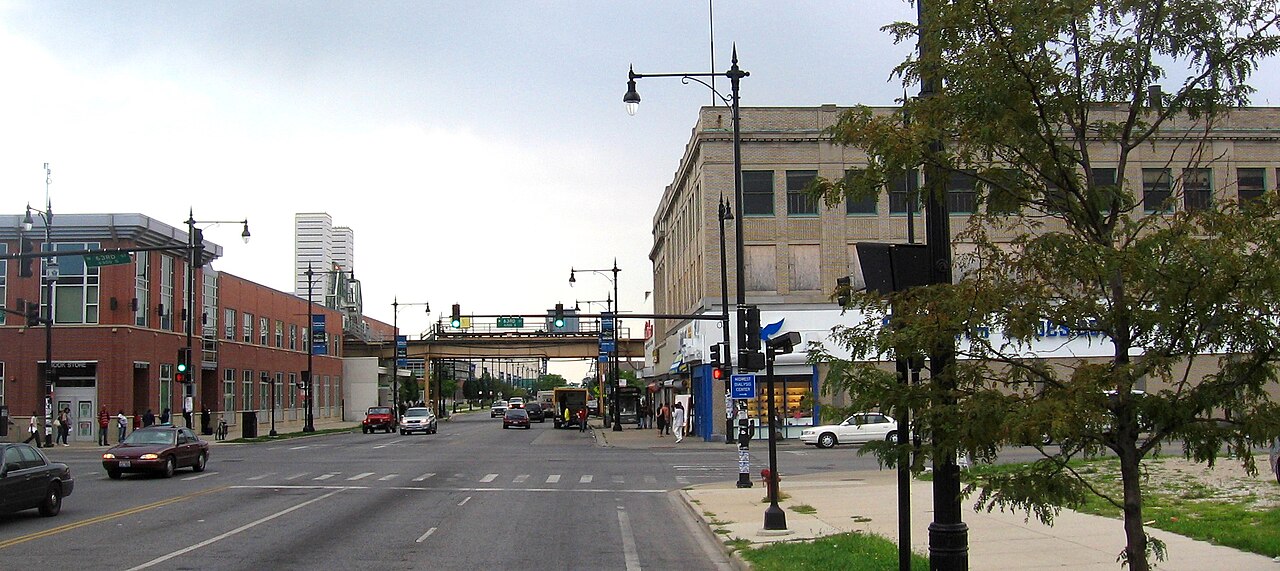
While Chicago as a whole is reporting its “safest summer since 1965,” the South Side neighborhood of Englewood remains a jarring outlier. In 2026, the violent crime rate in South Chicago sits at 14.75 per 1,000 residents, far above the national average. The neighborhood suffers from a lack of “eyes on the street” due to depopulation, which emboldens criminals to commit daylight carjackings and street robberies. Residents frequently mention that the “feeling of safety” is entirely dependent on which specific block you are on, with some streets feeling abandoned and dangerous regardless of the time of day.
8. Downtown Memphis, Tennessee: The “Bluff City” Surge
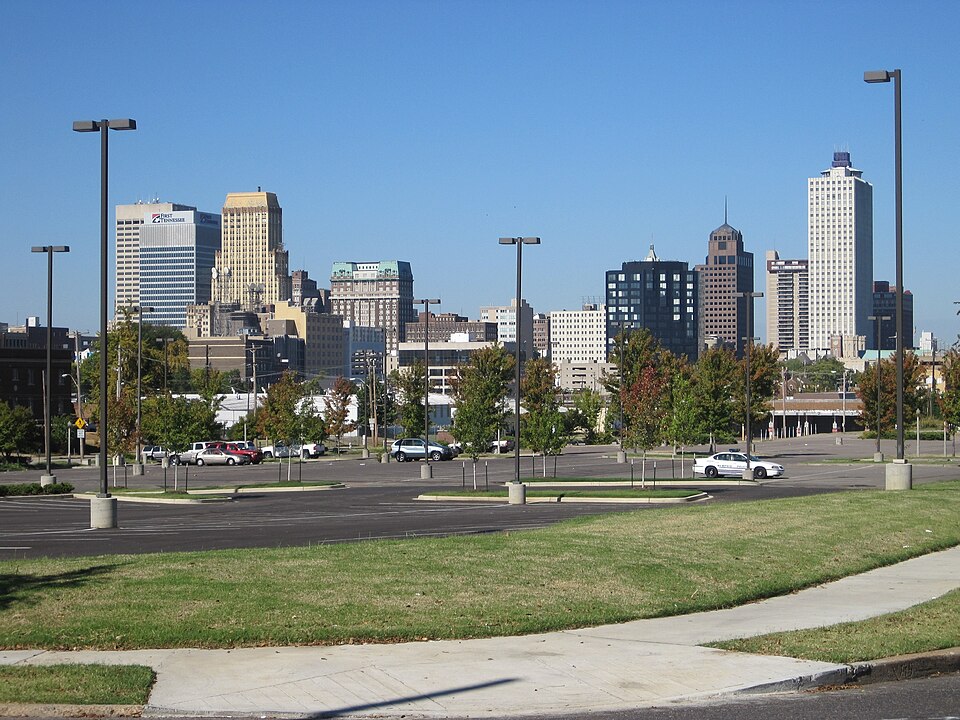
Memphis currently tops several lists as the most dangerous city in America for 2026, and its downtown core is the primary driver of this ranking. The city has seen a series of high-profile, daylight incidents, including a shooting rampage and the abduction of a local teacher, that have shattered the perception of daytime safety. With a violent crime rate of 24.37 per 1,000 people, the city’s commercial and tourist hubs are no longer seen as “safe zones.” The “nonchalant” attitude toward violence in crowded public spaces is what residents say is the most terrifying aspect of life in Memphis today.