


Navigating the roads in a foreign country can present unique challenges, and for American drivers in Canada, these differences often lie in seemingly minor traffic rules. While the core principles of driving are universal, subtle variations in regulations can lead to surprise and confusion. From the nuances of turning on red to the specific requirements for school bus stops, understanding these Canadian road rules is crucial for a smooth and safe journey. This guide highlights ten such rules that frequently catch American drivers off guard, offering clarity on Canadian driving etiquette.
1. Right Turn on Red Is Not Universal
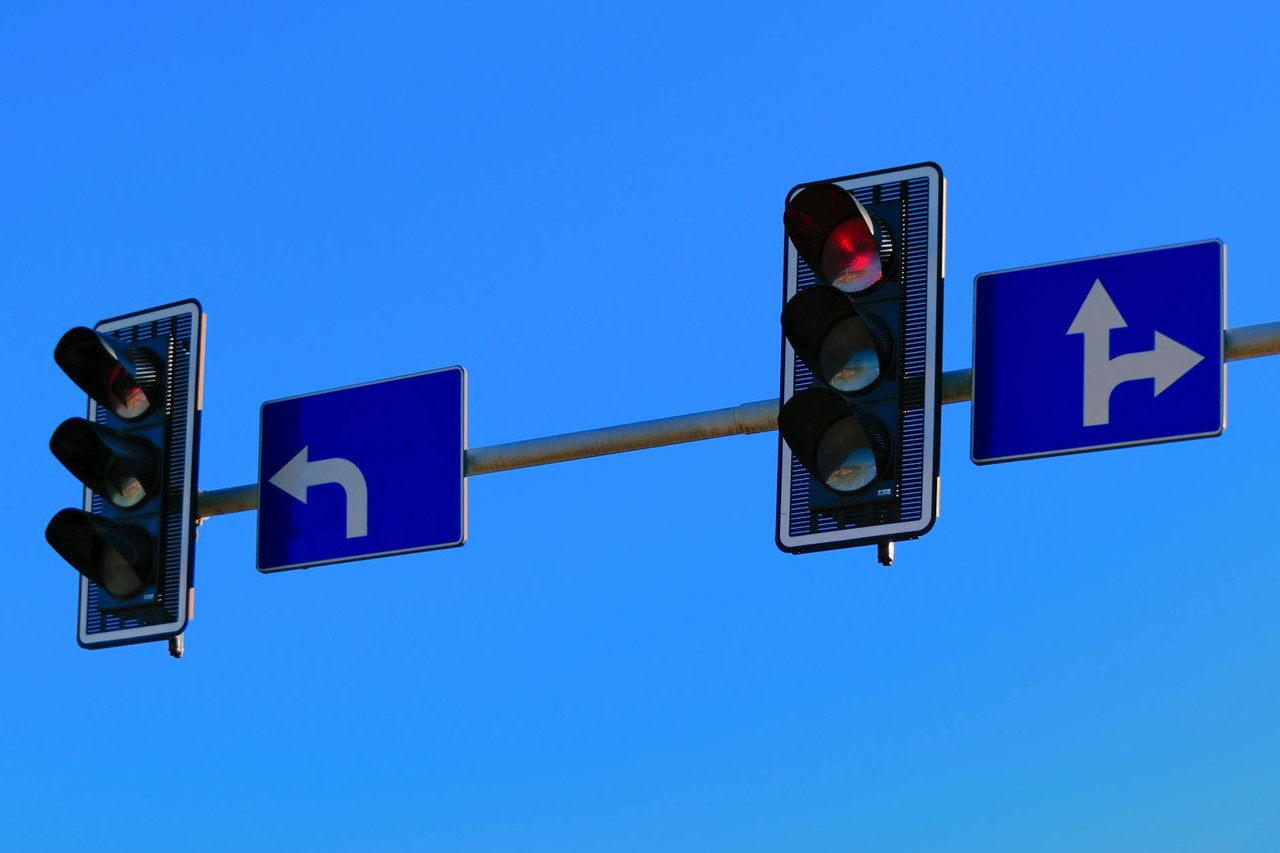
While many parts of Canada permit right turns on a red light after a complete stop, similar to most of the United States, this courtesy is not extended everywhere. The most notable exception is the island of Montreal, Quebec, where turning right on red is prohibited. Additionally, many other intersections across Canada may have specific signage indicating that this maneuver is not allowed. Drivers must always be vigilant for these signs and understand that yielding to pedestrians and other traffic remains paramount, even where permitted. Failure to stop completely before turning on red can result in a fine and demerit points, akin to running a red light.
2. School Bus Stop Laws Demand Absolute Compliance
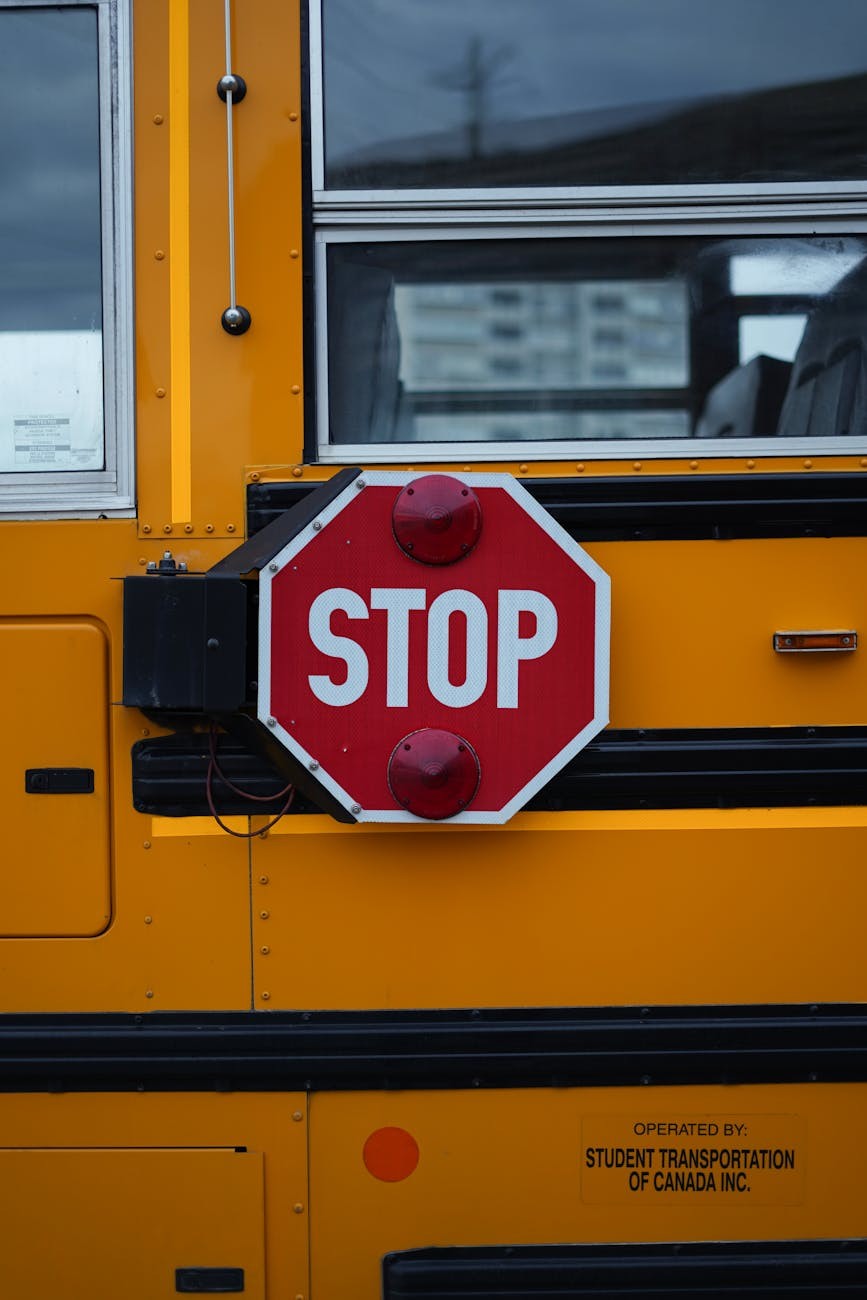
In Canada, as in the US, drivers must stop for a school bus with flashing red lights and an extended stop arm. However, the strictness of this rule can be a surprise. In most Canadian provinces, this stop is mandatory regardless of the direction of travel, unless there is a physical median separating the lanes of traffic. This means drivers approaching from the opposite direction must also stop. Failing to do so carries significant penalties, including hefty fines, demerit points, and even potential jail time for repeat offenses. The vehicle owner can be charged even if they were not the driver at the time of the infraction.
3. Pedestrian Right-of-Way Is Broadly Enforced
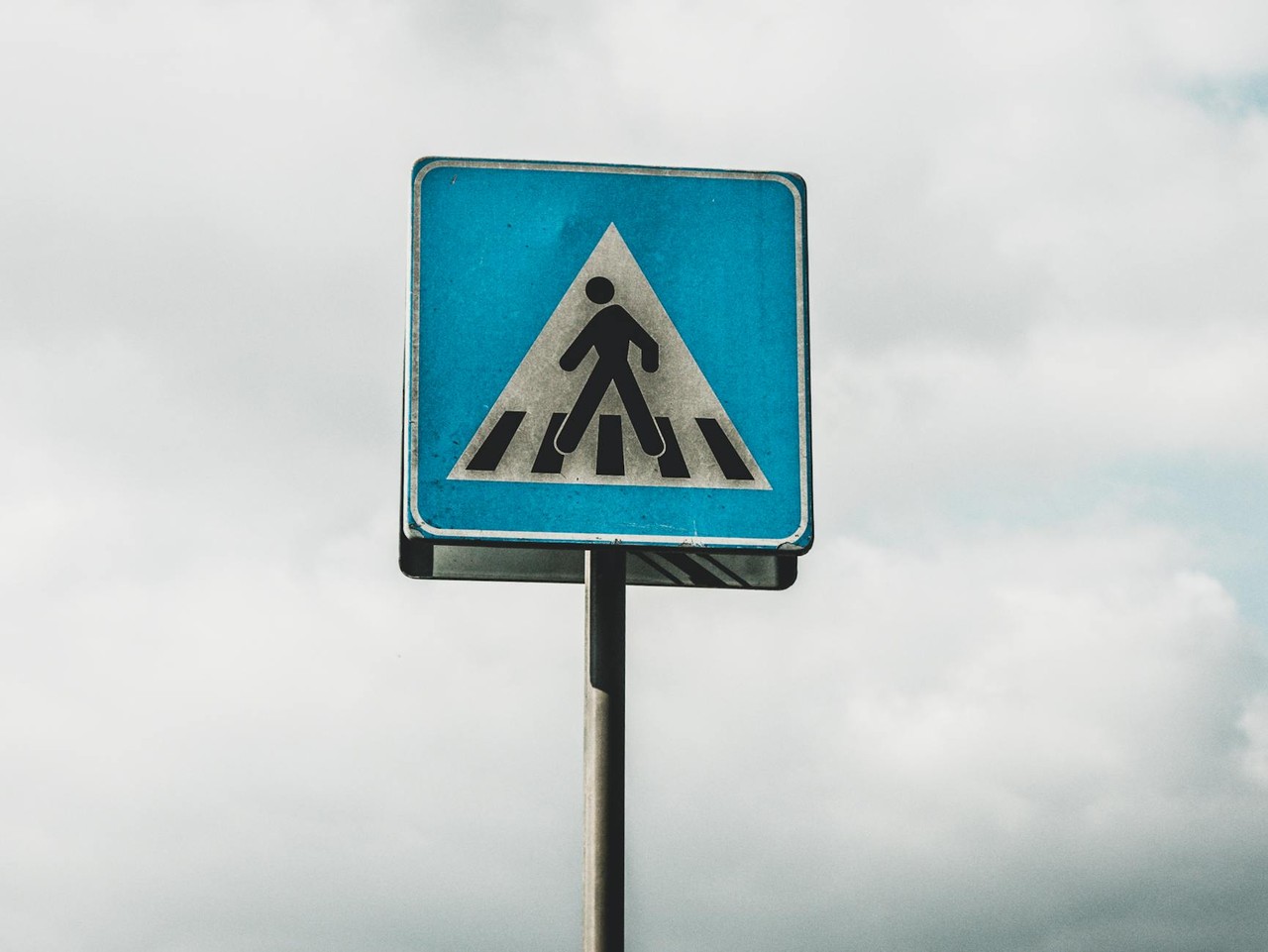
Canadian law generally grants pedestrians a strong right-of-way, often more so than what American drivers might be accustomed to. Drivers must yield to pedestrians in marked and unmarked crosswalks, school crossings, and pedestrian crossovers. This extends to situations where a pedestrian may be crossing mid-block or is an elderly person or a person with a disability who may need more time. Failing to yield can result in substantial fines, demerit points, and increased insurance premiums. Drivers should always be cautious, especially in urban areas and school zones, and anticipate pedestrians who may not always follow traffic signals themselves.
4. Speed Limits Are in Kilometers, Not Miles
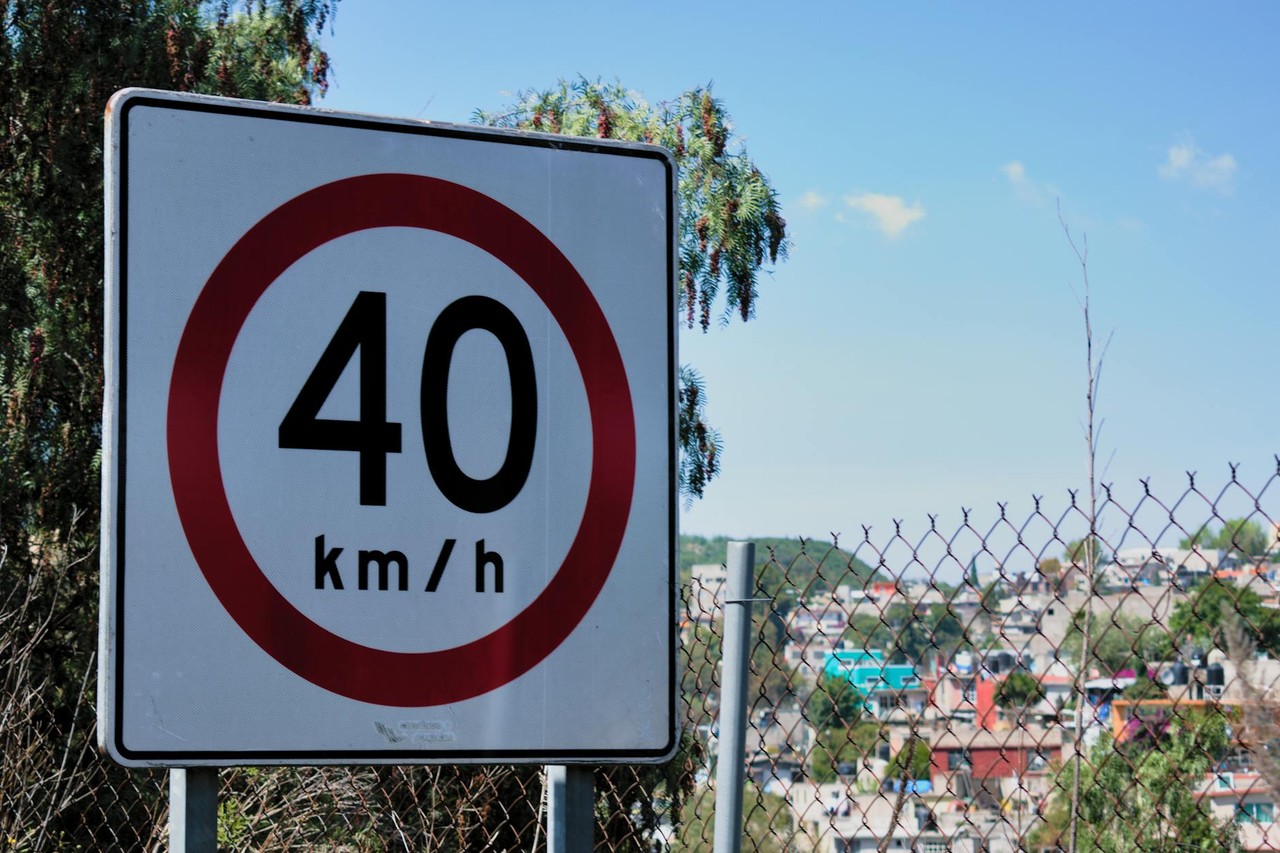
A fundamental difference that often trips up American drivers is the unit of measurement for speed limits. Canada uses kilometers per hour (km/h), while the US uses miles per hour (mph). This means a posted limit of 100 km/h is approximately 62 mph. Canadian highway speed limits typically range from 90 to 110 km/h, with some provinces allowing up to 120 km/h on certain highways. It is crucial for drivers to convert these speeds to avoid unintentional speeding. Fines for speeding can escalate quickly, with some provinces implementing severe penalties for exceeding the limit by a significant margin, such as 50 km/h over the limit in Ontario, which can lead to vehicle impoundment.
5. Headlights Must Be On, Especially During the Day

Canada requires that all new vehicles sold since September 2021 have automatic headlights, taillights, and side lights that engage in low light conditions. Furthermore, it’s a general rule of the road in many Canadian jurisdictions to drive with headlights on at all times, especially in adverse weather conditions, to increase visibility. This rule is intended to make vehicles more conspicuous and reduce the risk of “phantom vehicles” appearing suddenly. While daytime running lights (DRLs) are standard on many vehicles, they are not always sufficient, and the dashboard lights may not illuminate until the headlights are on, serving as a reminder.
6. Impaired Driving Laws Are Strict and Broadly Defined
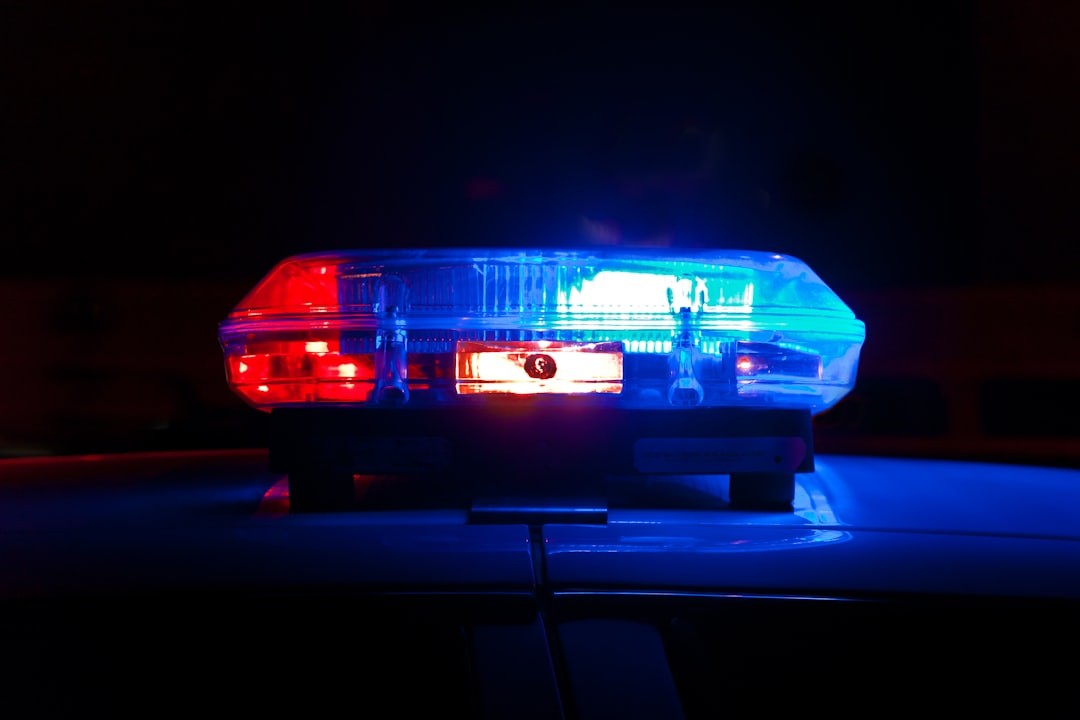
Canada has zero tolerance for impaired driving, with strict laws covering both alcohol and drug impairment. The legal Blood Alcohol Concentration (BAC) limit is 0.08%, but drivers can be charged with impaired driving even with a lower BAC if their ability to drive is impaired “to any extent”. This also extends to the presence of THC and other drugs. Random roadside breath testing is legal without reasonable suspicion. Penalties for impaired driving are severe, including mandatory minimum fines, license suspensions, vehicle impoundment, and potential imprisonment, with penalties escalating for repeat offenses.
7. Seatbelt Use Is Mandatory for All Occupants
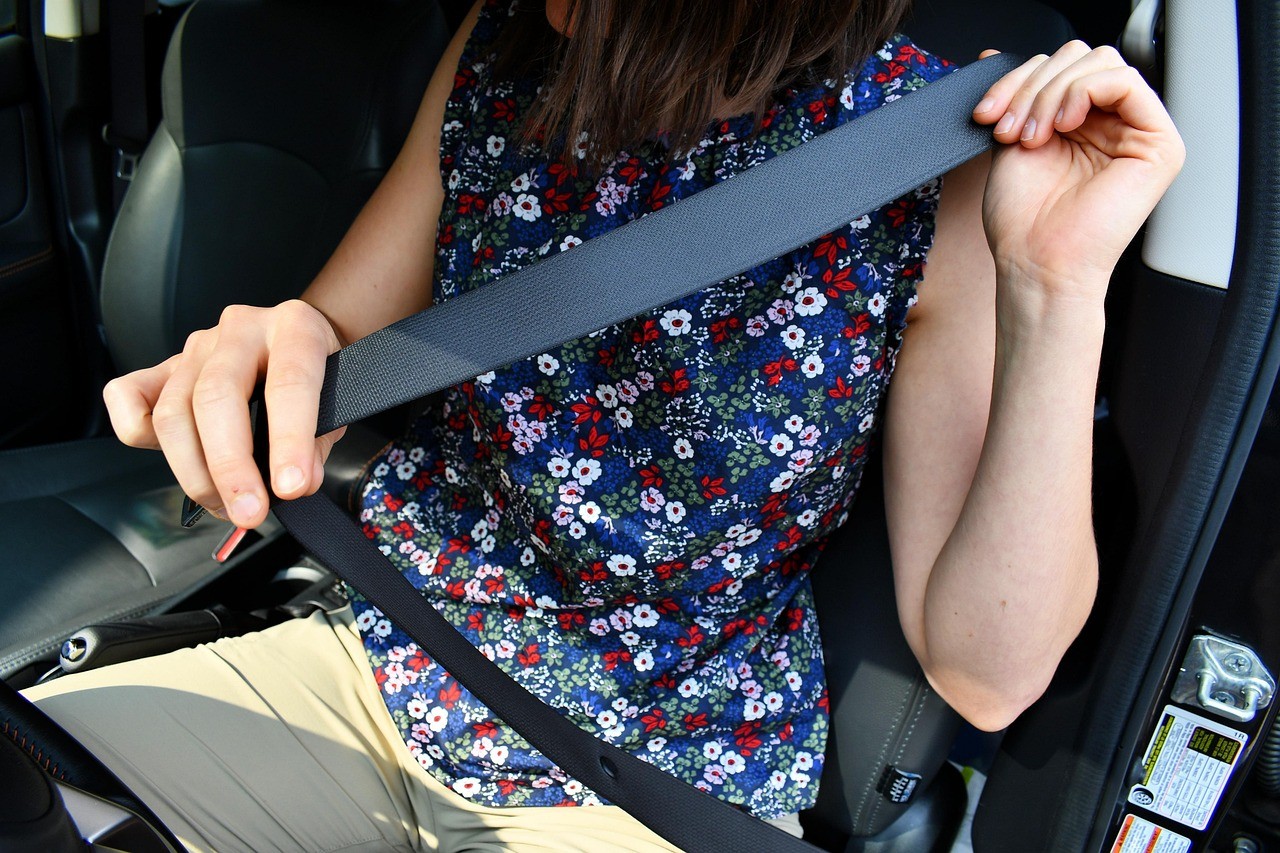
In Canada, seatbelt use is not just a recommendation; it’s the law for every single occupant in a vehicle. Drivers are responsible for ensuring all passengers under 16 are buckled up, facing fines if they are not. Passengers aged 16 and over are personally responsible for their own seatbelt use and can be ticketed individually. There are very few exceptions, and even medical exemptions are no longer generally granted. Wearing the seatbelt correctly, including both lap and shoulder portions, is essential for safety.
8. Understanding Four-Way Stop and Uncontrolled Intersection Rules
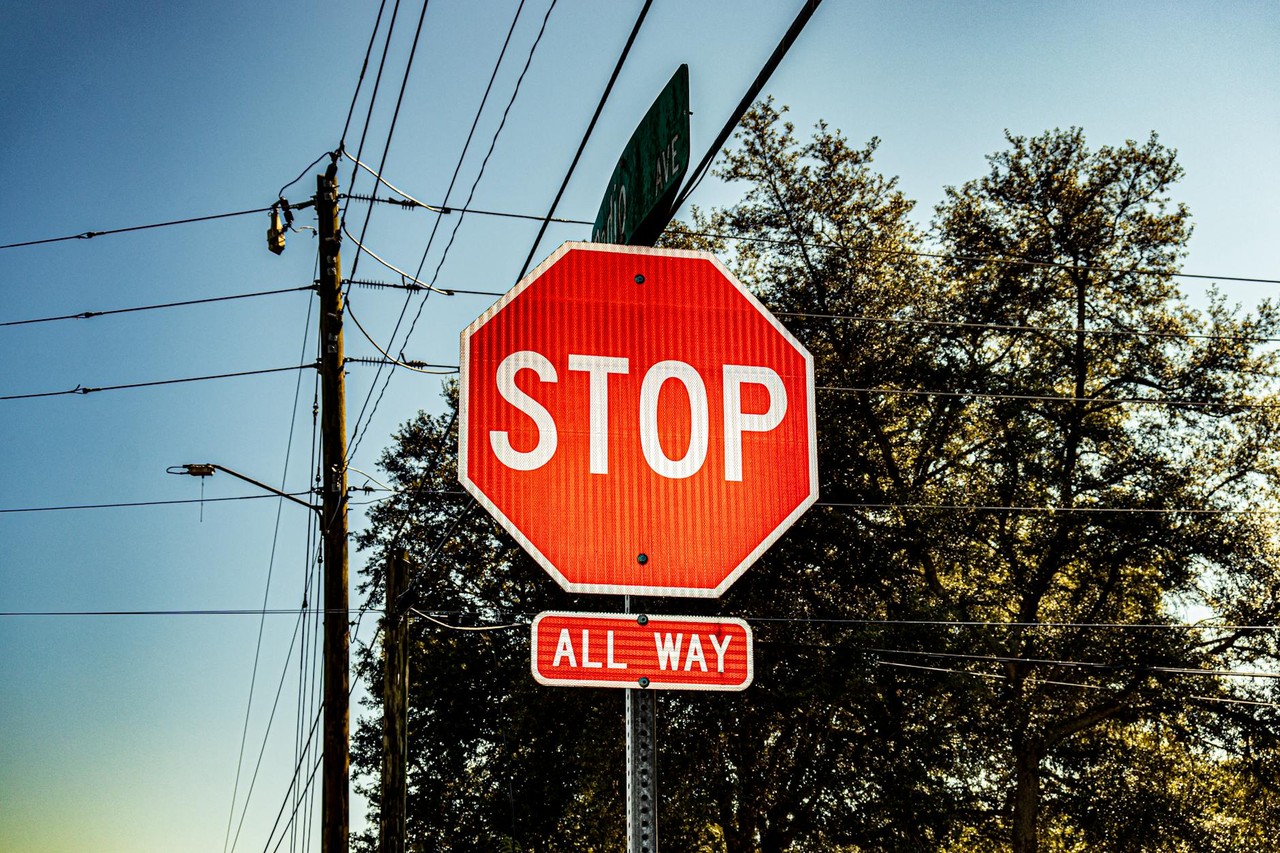
While four-way stops are common in both Canada and the US, the established protocol for determining right-of-way can differ slightly. In Canada, the general rule for both controlled and uncontrolled intersections is that the first vehicle to arrive proceeds first. If vehicles arrive simultaneously, the vehicle on the right has the right-of-way. This rule is strictly followed, and making eye contact with other drivers is often recommended to confirm intentions. In uncontrolled intersections where there are no signs or signals, these rules are still in effect, requiring drivers to exercise caution and courtesy.
9. Left Turns Require Extreme Caution and Yielding
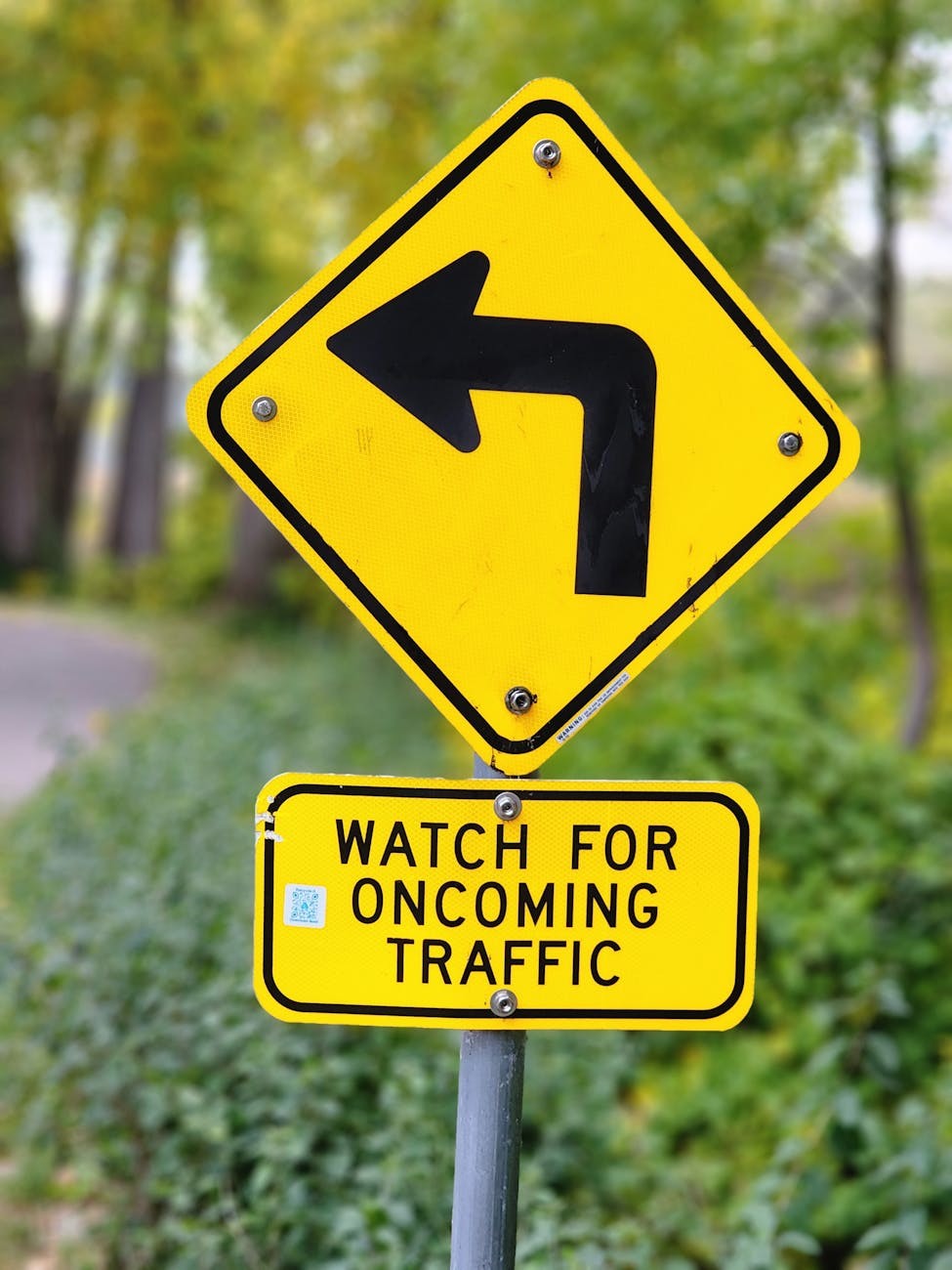
Making a left turn is considered one of the more accident-prone maneuvers. In Canada, drivers making a left turn must always yield to oncoming traffic, pedestrians, and cyclists before proceeding. This is true even when facing a green light, unless there is an advance green light or arrow specifically granting the right-of-way. Drivers must ensure the path is completely clear before completing the turn, and if turning onto a multi-lane road, they must ensure they turn into the correct lane, typically the leftmost lane.
10. Strict Enforcement of “Careless Driving”
The concept of “careless driving” in Canada encompasses a broader range of behaviors than just excessive speeding. It can include actions like aggressive driving, unsafe lane changes, or even road rage. While not a criminal offense, a conviction for careless driving can lead to significant fines, demerit points, potential license suspension, increased insurance rates, and even jail time for severe offenses. American drivers should be mindful that even seemingly minor infractions can be categorized as careless driving and dealt with sternly under Canadian law.
