As the summer months approach, the allure of Spain, Portugal, and Turkey beckons travelers with promises of sun-drenched landscapes, rich history, and vibrant cultures. To ensure a seamless and enriching journey, understanding the nuances of each destination is paramount. This guide offers essential insights into local customs, practical advice on navigating public transport, and an overview of the summer weather to help you prepare for an unforgettable adventure across these diverse European and Eurasian gems.
Weather Preparedness for Summer Adventures
This summer, expect varied weather across Spain, Portugal, and Turkey, each offering distinct climatic experiences. Spain will likely be very hot and arid, with July temperatures ranging from 21–32°C (70–89°F) and minimal rainfall, averaging only about 1 cm across two days. Coastal areas and the north will be milder, while southern regions can experience extreme heat, with daytime temperatures potentially exceeding 35°C in August. Portugal’s summer climate is generally pleasant, with July temperatures averaging 18–27°C (64–80°F) and a low chance of rain. However, the Algarve region can be warmer, reaching up to 29°C (84°F). Turkey, especially its popular tourist destinations, will likely experience hot and dry weather. Temperatures in July and August can soar, with coastal areas enjoying warm seas. It is advisable to pack light, breathable clothing, stay hydrated, and utilize sun protection like hats and sunscreen across all destinations.
Navigating Local Customs and Etiquette
Understanding local etiquette is key to a respectful and rewarding travel experience in Spain, Portugal, and Turkey. In Spain, greetings are warm, often involving handshakes for formal introductions and two kisses on the cheek for social settings. Spaniards appreciate attempts to speak their language, even basic phrases. Portugal also values politeness; greetings may include handshakes or cheek kisses, and learning a few Portuguese phrases like “bom dia” (good morning) is highly appreciated. Meals in Portugal are leisurely social events, so patience with service is advised. Turkish culture places a strong emphasis on hospitality. Greetings typically involve handshakes or cheek kisses, and it’s polite to accept offers of tea. Modest dress is recommended, particularly when visiting religious sites, where removing shoes is customary. In all three countries, respecting local customs, dressing appropriately for religious or formal occasions, and showing general courtesy will greatly enhance your interactions.
Essential Language Phrases for Connection

While English is spoken in many tourist areas, learning a few basic phrases in Spanish, Portuguese, and Turkish will significantly enrich your travel experience and foster deeper connections with locals. In Spain, simple greetings like “Hola” (Hello) and “Gracias” (Thank you) are a good start. For Portugal, “Olá” (Hello), “Bom dia” (Good morning), and “Obrigado/Obrigada” (Thank you) are essential. Learning these phrases not only aids in practical communication but also shows respect for the local culture. In Turkey, “Merhaba” (Hello), “Teşekkür ederim” (Thank you), and “Lütfen” (Please) will be invaluable. Attempting the local language is consistently met with appreciation and can lead to more authentic interactions and memorable encounters.
Currency and Payment Methods
Spain, Portugal, and Turkey all utilize distinct currencies, necessitating some financial preparation. Spain and Portugal both use the Euro (€). Credit and debit cards, particularly Visa and Mastercard, are widely accepted in both countries, though some smaller establishments may have minimum transaction amounts or prefer cash. Carrying some cash is advisable for smaller purchases or in more remote areas. Turkey’s currency is the Turkish Lira (TRY). While cards are increasingly accepted, especially in major cities and tourist hubs, cash remains prevalent for everyday transactions. It’s wise to inform your bank of your travel plans to avoid card issues and to research the best exchange rates, often found at local ATMs rather than airport kiosks. Having a mix of cash and cards will ensure you’re prepared for various payment situations.
Efficient Public Transportation Systems
Navigating between and within Spain, Portugal, and Turkey is made convenient by well-developed public transportation networks. Spain boasts an efficient system of buses and metros, with single tickets generally costing between €1.10 and €2.40, and contactless payment options becoming increasingly common in major cities. Portugal’s public transport includes metros, trams, buses, and trains, offering affordable and reliable travel, with reloadable cards like the Viva Viagem or Andante simplifying journeys. Turkey’s urban centers are served by extensive metro and bus systems, and while English may not be universally spoken, signage is often multilingual, and ride-sharing apps are prevalent. For all destinations, it is advisable to research specific local transport apps, be aware of peak hours to avoid crowds, and always validate your tickets to prevent fines.
Embracing the Local Flavors: Culinary Delights
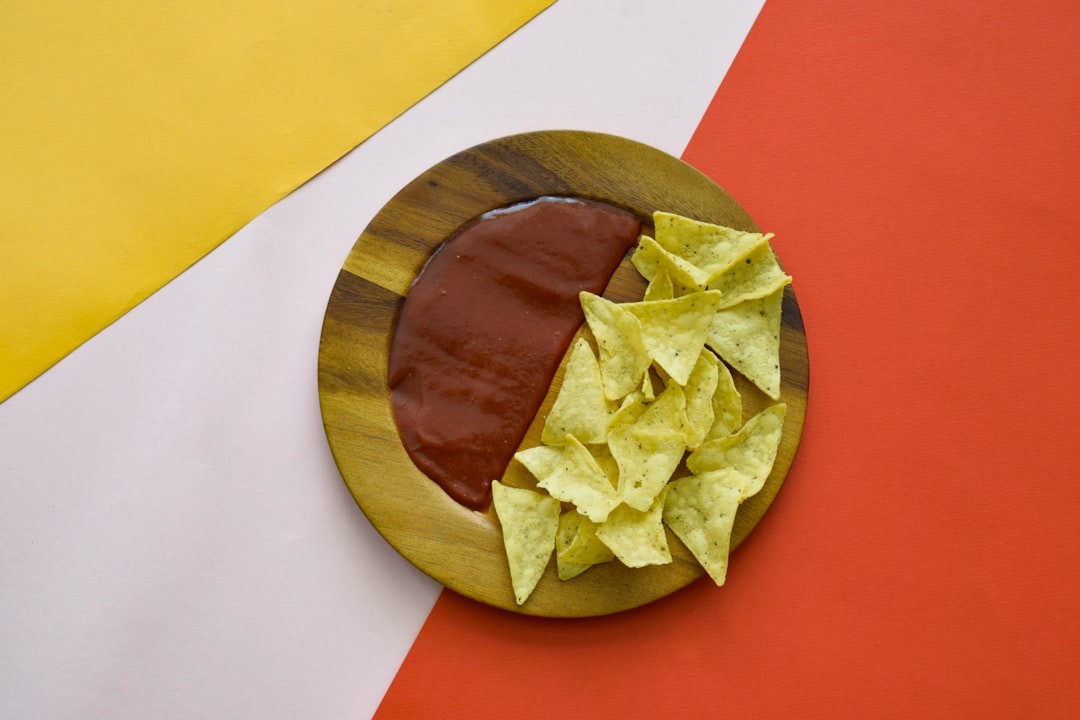
The culinary landscapes of Spain, Portugal, and Turkey offer a tantalizing journey for food enthusiasts. Spanish cuisine is renowned for its tapas, paella, and jamón ibérico, often enjoyed with local wines. Portugal boasts a rich seafood tradition, with bacalhau (codfish) and pastéis de nata being national treasures, best savored with Vinho Verde or Port wine. Turkish cuisine is a vibrant fusion of Mediterranean and Middle Eastern influences, featuring kebabs, mezes, and the ubiquitous Turkish tea and coffee. Embrace dining as a social experience; meals are often unhurried, particularly lunch in Spain and Portugal. Engaging with local culinary traditions, from street food to fine dining, is an integral part of experiencing the culture of these diverse nations.
Health and Safety Considerations
Prioritizing health and safety ensures a worry-free travel experience. In all three countries, it is advisable to stay hydrated, especially during the hot summer months, and to use sun protection. Familiarize yourself with local emergency numbers: Spain (112), Portugal (112), and Turkey (112 for general emergencies, 155 for police). Be aware of your surroundings, particularly in crowded tourist areas, to prevent petty theft. For Turkey, while generally safe, it’s prudent to stick to licensed taxis or reputable ride-sharing services. Consult your doctor regarding necessary vaccinations and travel insurance is highly recommended for any international trip.
Embracing the Pace of Life
Each destination offers a distinct rhythm of life that travelers should embrace. Spain, particularly in the south, has a more relaxed approach to punctuality for social events, with being slightly late often acceptable. Portuguese culture also operates at a more leisurely pace, especially during meals, which are savored rather than rushed. In Turkey, time can be perceived differently depending on the context; while public transport is generally punctual, social occasions may allow for a more relaxed approach to arrival times. Understanding and adapting to these different paces—whether it’s the later meal times in Spain or the unhurried dining in Portugal—enhances the overall travel experience, allowing for deeper immersion and appreciation of the local way of life.
Shopping and Souvenirs
When it comes to shopping, each country offers unique treasures for travellers to bring home. Spain is known for its ceramics, leather goods, and flamenco-inspired items. Portugal offers beautiful azulejo tiles, cork products, and artisanal crafts. Turkey is a vibrant hub for carpets, ceramics, spices, and intricate textiles. Haggling is a common practice in markets in Turkey, so a friendly negotiation can be expected. In Spain and Portugal, prices are generally fixed, though it’s always worth looking for local crafts and unique items. Remember to pack light to accommodate your purchases, or explore shipping options for larger items.