

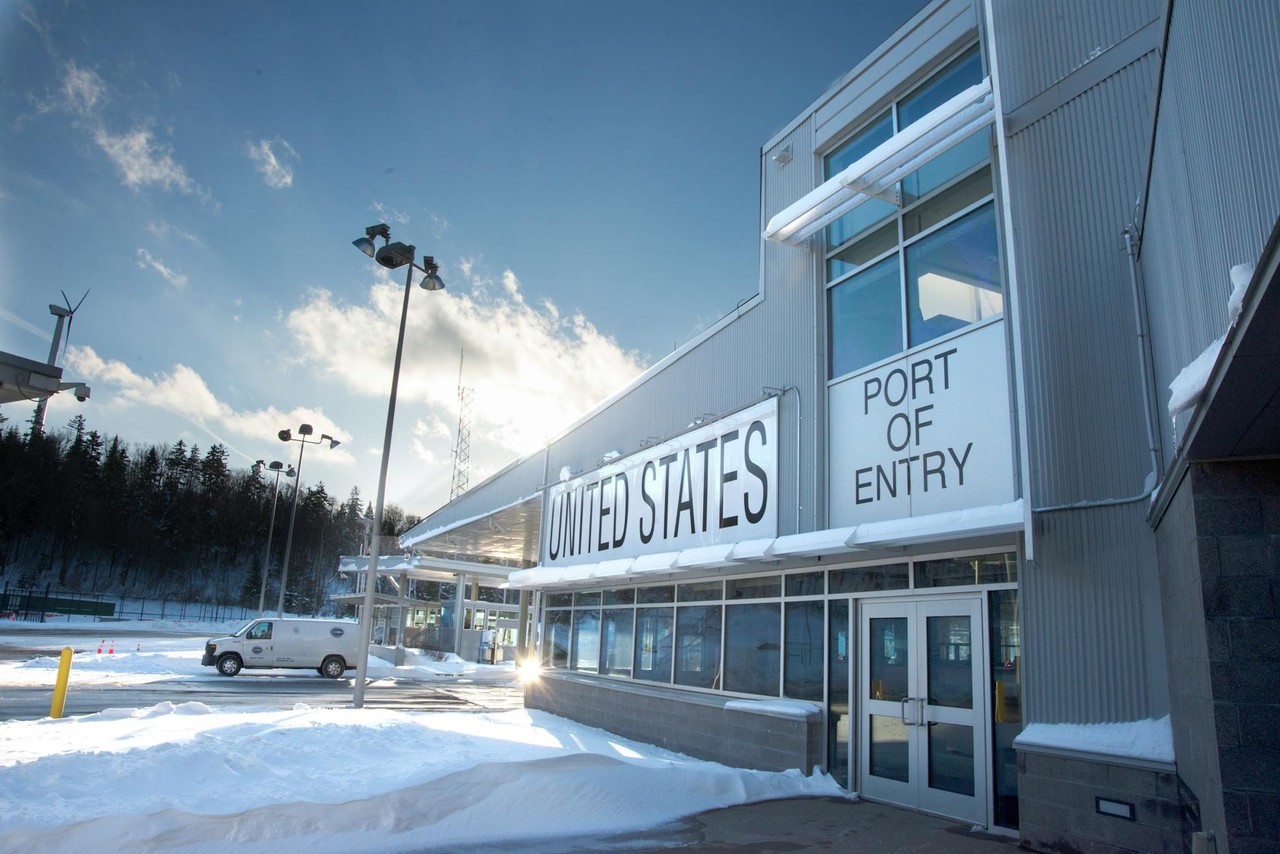
The United States is increasingly scrutinizing international visitors, implementing a multi-layered approach to border security that has drastically amplified the complexity of entry requirements. This shift, driven by evolving national security concerns and technological advancements, necessitates a heightened level of preparedness and awareness for anyone planning to visit the U.S. This year, the already intricate process has become significantly more demanding, transforming a once straightforward journey into a meticulous exercise in compliance.
Enhanced Biometric Data Collection
The U.S. Customs and Border Protection (CBP) has finalized a rule requiring all non-citizens to be photographed upon entering and departing the United States, effective December 26, 2025. This sweeping expansion of biometric surveillance includes not only facial photographs but also, in certain cases, fingerprints. This rule removes prior exemptions, meaning children and adults over 79 years old are now subject to these requirements, aiming for a uniform biometric entry-exit process across all modes of transport. The technology, including advanced facial comparison, is intended to verify identity, confirm lawful entry and exit, and enhance national security by detecting individuals who may overstay their visas or attempt unauthorized re-entry. This comprehensive data collection represents a significant step towards a fully integrated biometric entry-exit system, a long-standing goal of U.S. border policy.
Social Media and Digital Footprint Scrutiny
In addition to physical biometrics, U.S. entry rules now demand extensive digital disclosures. Travelers, particularly those from Visa Waiver Program (VWP) countries, may be required to submit five years of their social media history and 10 years of contact information, including email addresses and phone numbers. This expanded data collection extends to detailed family information and metadata from electronically submitted photos. Some proposed changes could even require travelers to disclose social media activity as part of the ESTA application process, a move that some warn could negatively impact tourism and the U.S. economy by billions of dollars and put thousands of jobs at risk. This increased scrutiny of online presence is part of a broader effort to assess potential threats and ensure compliance with U.S. security standards. The U.S. government views online footprints as an increasingly integral part of risk assessment for potential visitors.
Stricter Visa Interview and Application Processes
The U.S. Department of State has implemented significant changes to visa processing, most notably requiring nonimmigrant visa (NIV) applicants to schedule interviews in their country of citizenship or legal residence, effective September 6, 2025. This policy effectively ends the practice of “third country national” (TCN) processing, which allowed applicants to seek shorter wait times by interviewing abroad. Applicants attempting to interview outside these designated locations may face heightened scrutiny and find it more difficult to qualify for a visa, with fees being non-refundable and non-transferable. This shift is expected to lengthen interview wait times in already strained locations and could complicate qualification due to unfamiliarity with local consular offices. Furthermore, visa processing now often includes a review of social media and other publicly available online information for many visa categories, adding another layer of complexity and potential delay.
Expanded Screening and Vetting Procedures
The U.S. government has intensified screening and vetting procedures across the immigration system. For instance, the Department of State has expanded screening for certain visa applications, including H-1B and H-4 dependent visas, to include a review of all social media accounts, starting December 15, 2025. This has led to the cancellation and rescheduling of visa appointments, with some now pushed out as far as 12 to 15 months, particularly in countries like India. Authorities are implementing stricter vetting standards that require extended time periods and extra paperwork for numerous visa categories, leading to longer interview wait times and more thorough investigations of travel intentions. These enhanced vetting procedures are a response to national security concerns and aim to identify potential threats prior to admission into the United States.
Increased Scrutiny at Ports of Entry
Travelers arriving at U.S. ports of entry should anticipate enhanced screening procedures. U.S. Customs and Border Protection (CBP) has fully rolled out its Simplified Arrival program, which utilizes facial recognition technology for identity verification. While intended to streamline the process, it also involves more rigorous checks. CBP officers have broad authority to inspect electronic devices, including phones, laptops, and tablets, without a warrant, potentially reviewing emails, social media, and financial records. Refusing such a search can lead to delayed processing or denial of entry. This heightened inspection practice, including additional questioning and searches, is part of a broader effort to bolster border security and detect fraudulent travel documents.
Impact on Visa Waiver Program (VWP) Travelers
Citizens from countries participating in the Visa Waiver Program (VWP), who previously enjoyed more streamlined entry, now face increased scrutiny. Under proposed changes, these travelers may be required to submit extensive personal data, including five years of social media history, email accounts, and detailed family information, to the Department of Homeland Security before being approved for travel. This is part of the Electronic System for Travel Authorization (ESTA) process, which, while automatically screening applicants, now includes these more demanding disclosure requirements. The implementation of such policies could discourage international travel, with surveys indicating a significant percentage of travelers would be less likely to visit the U.S. if these rules are enacted.
Extended Processing Times and Delays
The cumulative effect of these new regulations—expanded biometric data collection, social media screening, stricter interview protocols, and enhanced vetting—has resulted in significantly longer processing times for visa applications and entry procedures. For instance, the rescheduling of visa appointments due to expanded screening has pushed wait times to over a year in some locations. This lack of predictability and increased administrative burden creates considerable friction for international travelers. U.S. travel visa restrictions now create difficulties for entrepreneurs and business professionals needing swift access to multiple meetings and conferences, leading some to cancel trips or choose destinations with simpler entry requirements.
The “Compliance Exercise” Approach to Travel
International visitors are increasingly treating trips to the U.S. as “compliance exercises” rather than casual journeys. This involves months of advance planning, including confirming visa eligibility, meticulously organizing documents, and anticipating customs and security scrutiny. Even visa-free travel now requires greater precision due to deeper screening by airlines, preclearance systems, and border officers. The entire experience can feel like an “extended inspection environment” as travelers navigate multiple document checks and identity verifications. This shift reflects the government’s move toward more data-intensive border management, demanding a proactive and thorough approach from all international visitors.
National Security and Fraud Prevention as Driving Factors
The stated rationale behind these intensified entry rules is to bolster national security and combat fraud. By collecting more comprehensive biometric data and digital information, authorities aim to improve their ability to detect individuals who may pose a security risk, attempt to enter unlawfully, or use fraudulent documents. The U.S. government asserts that enhanced vetting and screening are crucial to prevent terrorist attacks, national security threats, and other malevolent activities. The expanded collection of data, including social media histories and detailed personal information, is viewed as a critical tool in identifying and mitigating these risks, ensuring that those admitted to the United States do not pose a threat to its citizens or interests.
International Tourism’s Brand Challenge
The cumulative effect of these more complex and stringent entry rules presents a significant brand challenge for the United States as a tourist destination. While the U.S. has long been perceived as open and welcoming, the increased friction, surveillance, and data collection associated with border processes may weaken this perception. This can be particularly detrimental as global competition for international visitors intensifies and mega-events like the 2026 FIFA World Cup approach. The U.S. risks becoming associated with a less welcoming, more surveilled environment, potentially shifting demand towards destinations perceived as more predictable and easier to navigate. Balancing security with a positive visitor experience is now a critical strategic imperative for the U.S. tourism industry.

