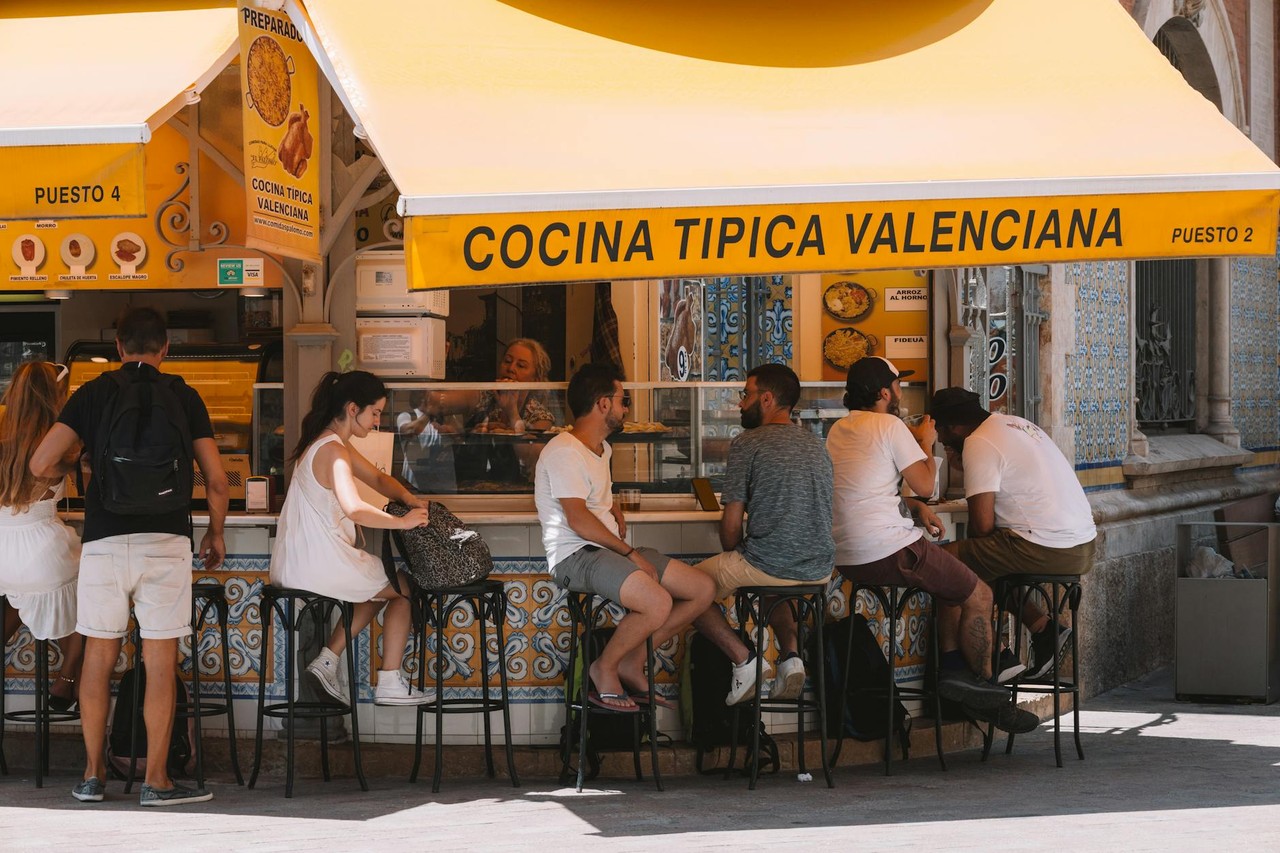
Spain’s culinary landscape is a rich tapestry woven from diverse regional traditions, offering far more than the widely recognized paella and tapas. While these staples are undeniably delicious, a deeper exploration reveals a treasure trove of local dishes that often escape the notice of the typical tourist. These authentic flavors provide a more intimate connection to the country’s gastronomic heritage and are a testament to the simple yet profound use of fresh, local ingredients that define Spanish cooking.
1. Migas
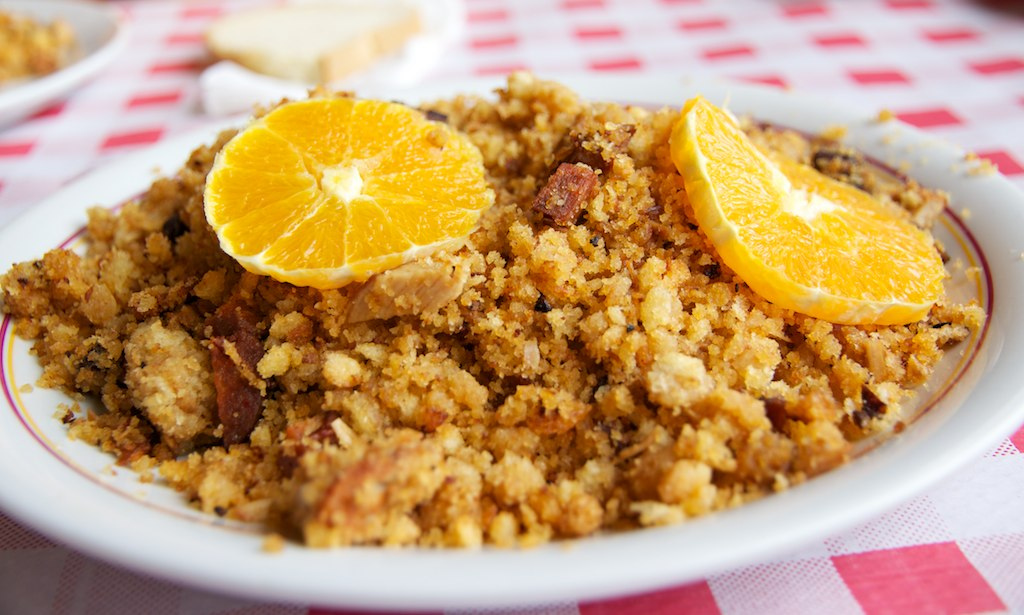
Migas, a rustic and historically significant dish, is a testament to Spanish resourcefulness, transforming stale bread into a culinary delight. This hearty dish, popular across various regions of Spain, especially in Extremadura and Castilla-La Mancha, is typically prepared by frying breadcrumbs with garlic, olive oil, and spices. Often, it’s enhanced with additions like chorizo, pancetta, or even grapes, depending on the local tradition. Its humble origins lie in rural communities where it served as a filling and economical meal. While often overlooked by tourists, migas offers a deeply satisfying and authentic taste of Spanish home cooking. Its texture can range from crumbly to a more cohesive mound, and its flavor profile is savory with earthy undertones, making it a unique and comforting experience that reflects the ingenuity of Spanish culinary heritage. It is a dish that truly embodies the spirit of making the most of simple, available ingredients.
2. Salmorejo
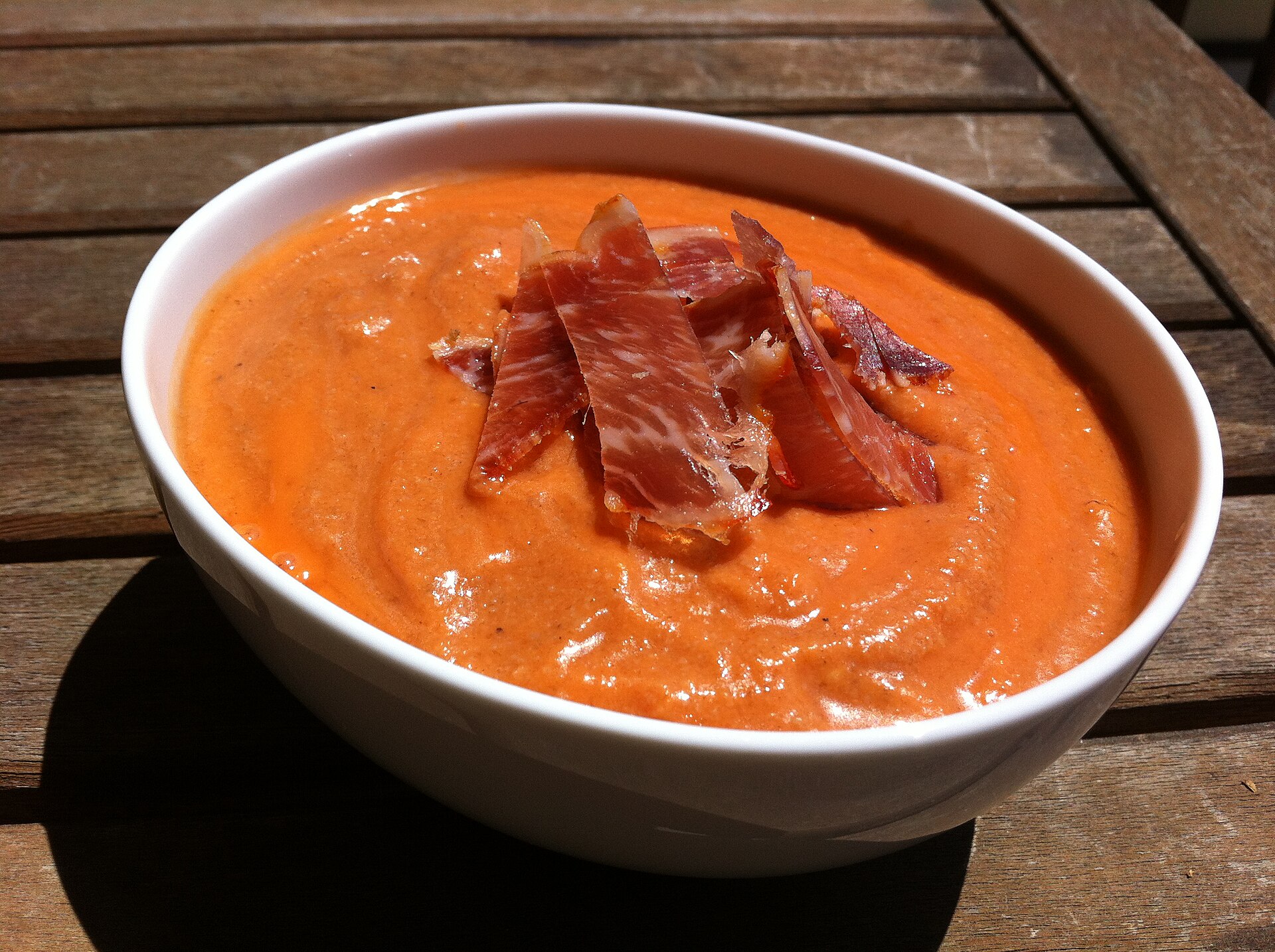
Salmorejo, a chilled tomato soup originating from Cordoba in Andalusia, is often overshadowed by its more famous cousin, gazpacho. However, salmorejo boasts a richer, creamier texture due to its primary ingredients: ripe tomatoes, bread, olive oil, and garlic, blended into a thicker consistency. It is traditionally garnished with finely chopped hard-boiled egg and slivers of cured ham, adding layers of flavor and texture. This dish is particularly refreshing during the warm Andalusian months, offering a delightful and nourishing respite from the heat. Its velvety smoothness, combined with the savory toppings, creates a sophisticated yet comforting dish that showcases the simple brilliance of Andalusian cuisine. Tourists who venture beyond the typical tourist menus will find salmorejo to be a deeply satisfying and authentic introduction to the culinary depth of southern Spain.
3. Escudella i Carn d’Olla
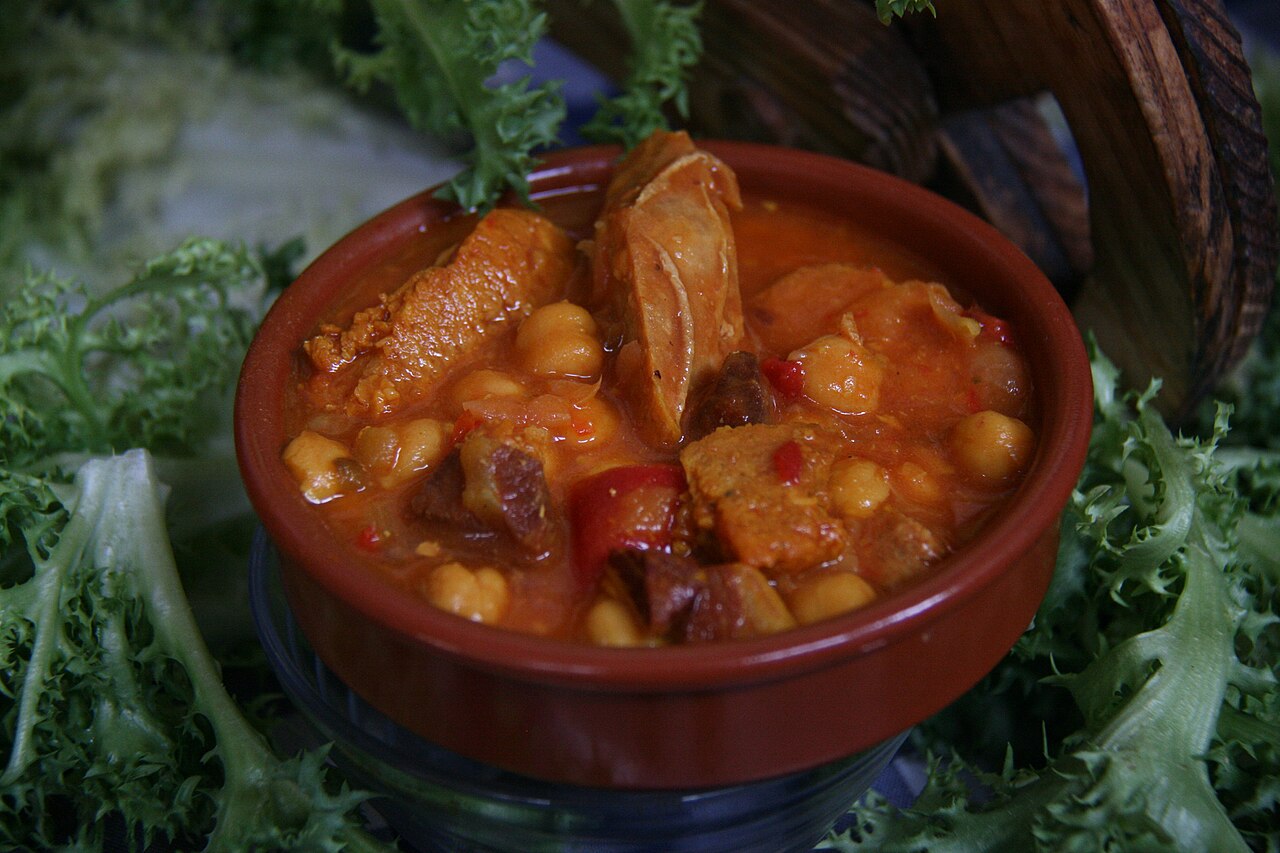
Escudella i carn d’olla is a traditional Catalan stew that embodies the hearty and communal spirit of its region. This complex dish is a slow-cooked marvel, typically featuring a robust broth simmered with various meats, vegetables, bone marrow, and chickpeas. Often, small dumplings known as “pilotas” are added, infusing the stew with extra flavor and texture. It is a substantial meal, often served in stages, with the broth first, followed by the meats and vegetables. Originating as a winter dish, its rich ingredients provide warmth and sustenance, making it a beloved family meal. Its depth of flavor comes from the long simmering process, allowing the ingredients to meld beautifully. While not commonly found on tourist menus, experiencing escudella i carn d’olla offers a profound glimpse into Catalan culinary traditions and the importance of slow-cooked, comforting cuisine.
4. Fabada Asturiana
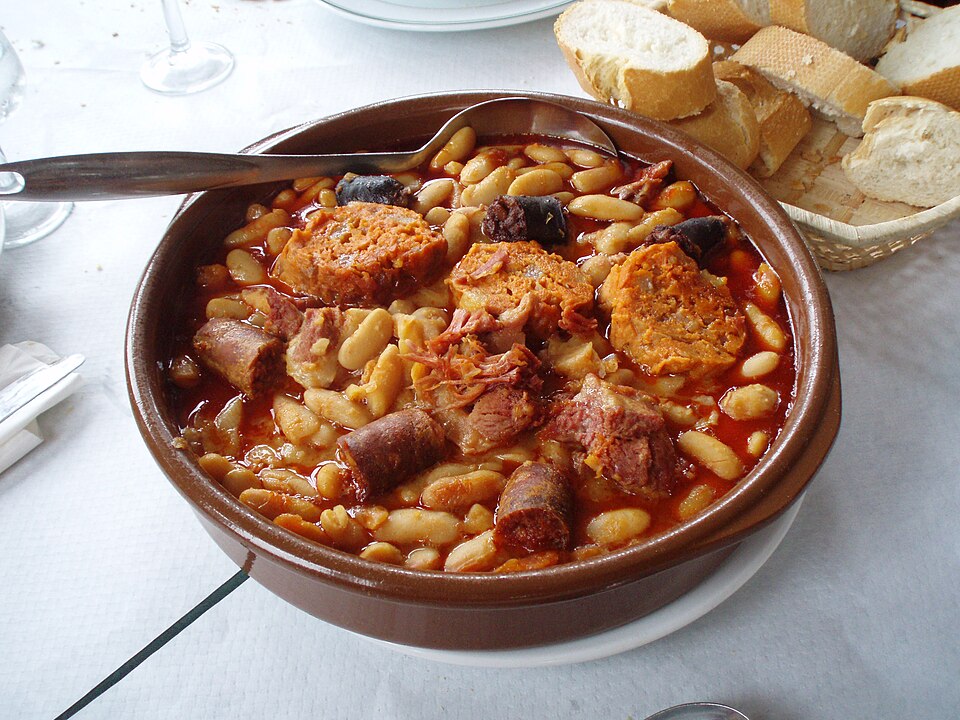
Hailing from the northern region of Asturias, Fabada Asturiana is a robust and deeply flavorful stew that stands as a pillar of its local cuisine. This hearty dish is built around large white beans, known as “fabes,” which are slow-simmered with a rich assortment of meats including chorizo, morcilla (blood sausage), and pork belly. The result is a thick, comforting stew with a profound depth of flavor and a creamy texture from the tender beans. Fabada Asturiana is more than just a meal; it’s a symbol of Asturian hospitality and a perfect dish for warding off the chill of northern winters. Its intensity and richness are a far cry from lighter Spanish fare, making it a memorable experience for those who seek out authentic regional specialties. Tourists who try this dish discover a hearty, soulful flavor that is characteristic of the more robust cuisines found in Spain’s northern territories.
5. Cazón en Adobo
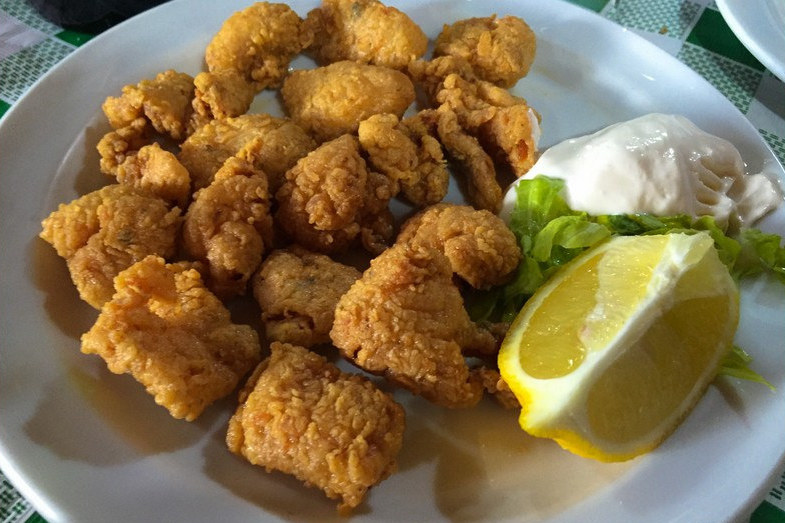
Cazón en adobo is a distinctive Andalusian specialty, particularly popular in coastal areas like Cadiz and Malaga. This dish features small pieces of dogfish (cazón) marinated in a pungent blend of olive oil, vinegar, garlic, and a medley of spices, including paprika and oregano, before being lightly fried. The marinade tenderizes the fish and infuses it with a zesty, savory flavor profile. The resulting texture is tender and flaky, with a delightful hint of spice. Cazón en en adobo is often served as a tapa or a main course, offering a unique seafood experience that goes beyond the more common grilled fish or fried calamari. Its distinctive taste and preparation method make it a must-try for adventurous food lovers seeking to explore the diverse seafood offerings of southern Spain and understand the nuances of Andalusian coastal cooking.
6. Zarangollo
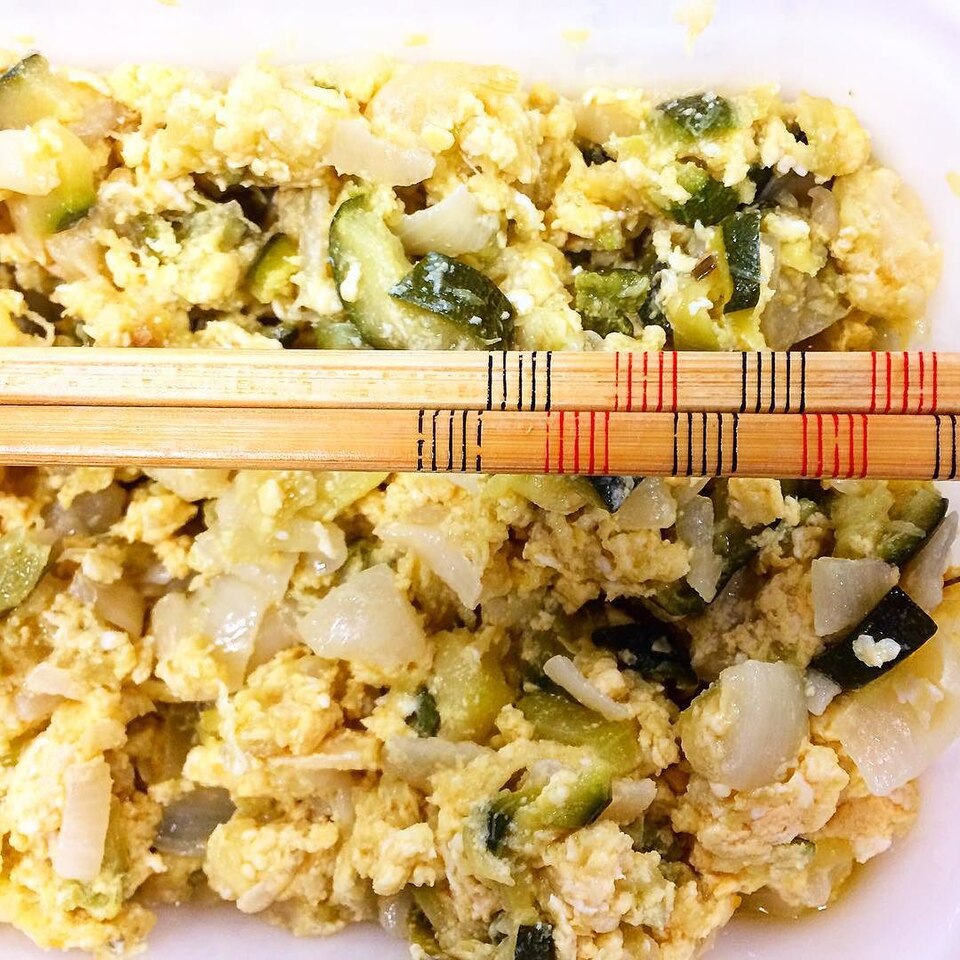
Zarangollo is a simple yet incredibly flavorful vegetarian dish that originates from the Murcia region in southeastern Spain. Its primary ingredients are zucchini (courgettes) and onions, gently sautéed until tender and then often mixed with lightly beaten eggs, similar to a soft scramble or a delicate frittata. Sometimes, potatoes are also included to add more substance. Zarangollo embodies the essence of Mediterranean cuisine with its focus on fresh, seasonal vegetables and minimal, skillful preparation. It can be served warm or at room temperature, making it a versatile dish that functions well as a side, a light tapa, or even a main course. Its understated elegance and clean flavors highlight the natural sweetness of the vegetables, offering a refreshing and healthy counterpoint to heavier Spanish dishes and showcasing the agricultural bounty of Murcia.
7. Bacalao al Pil-Pil
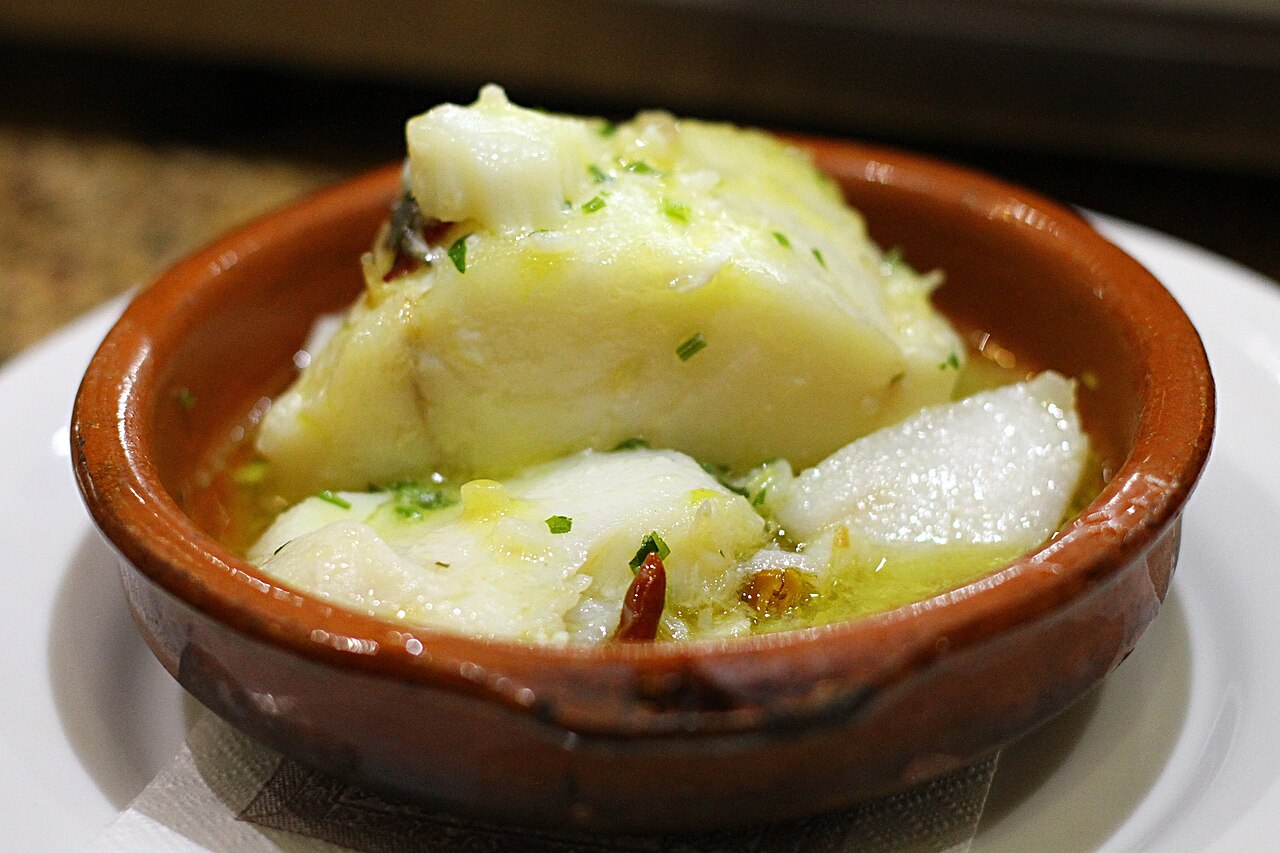
Bacalao al Pil-Pil is a quintessential dish of the Basque Country, celebrated for its rich, emulsified sauce and tender cod. This classic preparation involves simmering salted cod (bacalao) in copious amounts of olive oil infused with garlic and dried chili peppers. The magic of the dish lies in the “pil-pil” sauce, which is created by the natural gelatin released from the cod skin as it cooks, emulsifying with the olive oil through gentle shaking and movement of the pan. The result is a creamy, luscious sauce that coats the fish beautifully. While it might sound simple, achieving the perfect pil-pil sauce requires technique and patience. It is a dish that speaks volumes about Basque culinary mastery, showcasing how fundamental ingredients can be transformed into something truly extraordinary through skillful preparation, offering a taste of the region’s deep connection to the sea and its sophisticated approach to seafood.