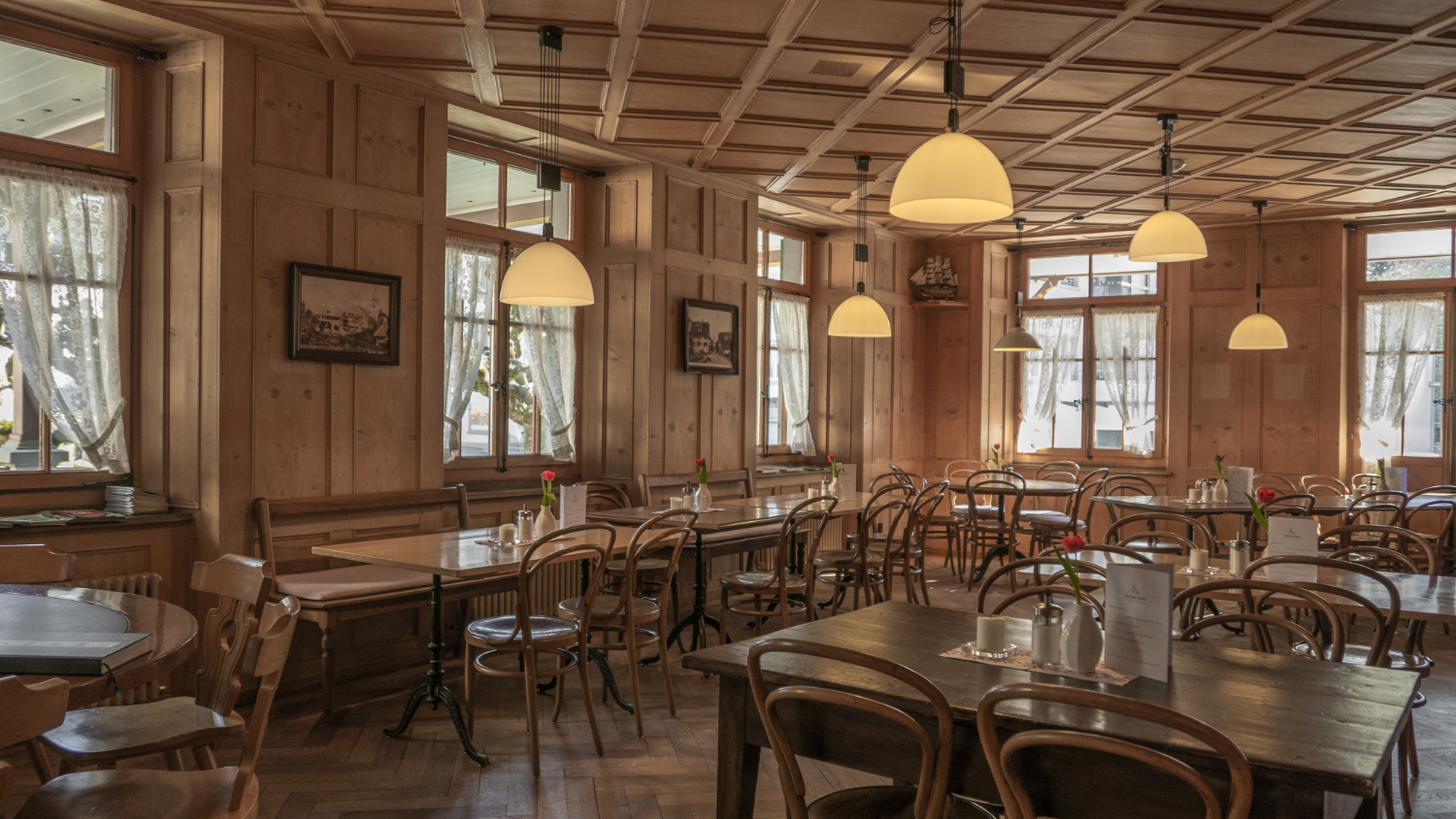
Red Lobster, TGI Fridays, Boston Market, BurgerFi, Buca di Beppo, and Rubio’s all filed for bankruptcy or closed hundreds of locations in 2024. The common thread isn’t what most people think.
The American casual dining chain — the kind of mid-priced sit-down restaurant that defined family dinners and date nights for the last 40 years — had its worst year in decades in 2024. According to Technomic’s data on the Top 500 U.S. restaurant concepts, sit-down chains that filed for bankruptcy in 2024 or early 2025 collectively closed 348 locations. That accounted for roughly 1.3% of all full-service locations on the ranking. The full-service segment overall is now nearly 18% smaller than it was in 2019.
The chains that collapsed weren’t obscure regional players. They were national brands that millions of Americans had memories of. Here are six of the biggest, with the actual stories of what happened to each — and the common thread that emerges when you look at them collectively.
1. Red Lobster — bankrupt in May 2024, $300 million in debt
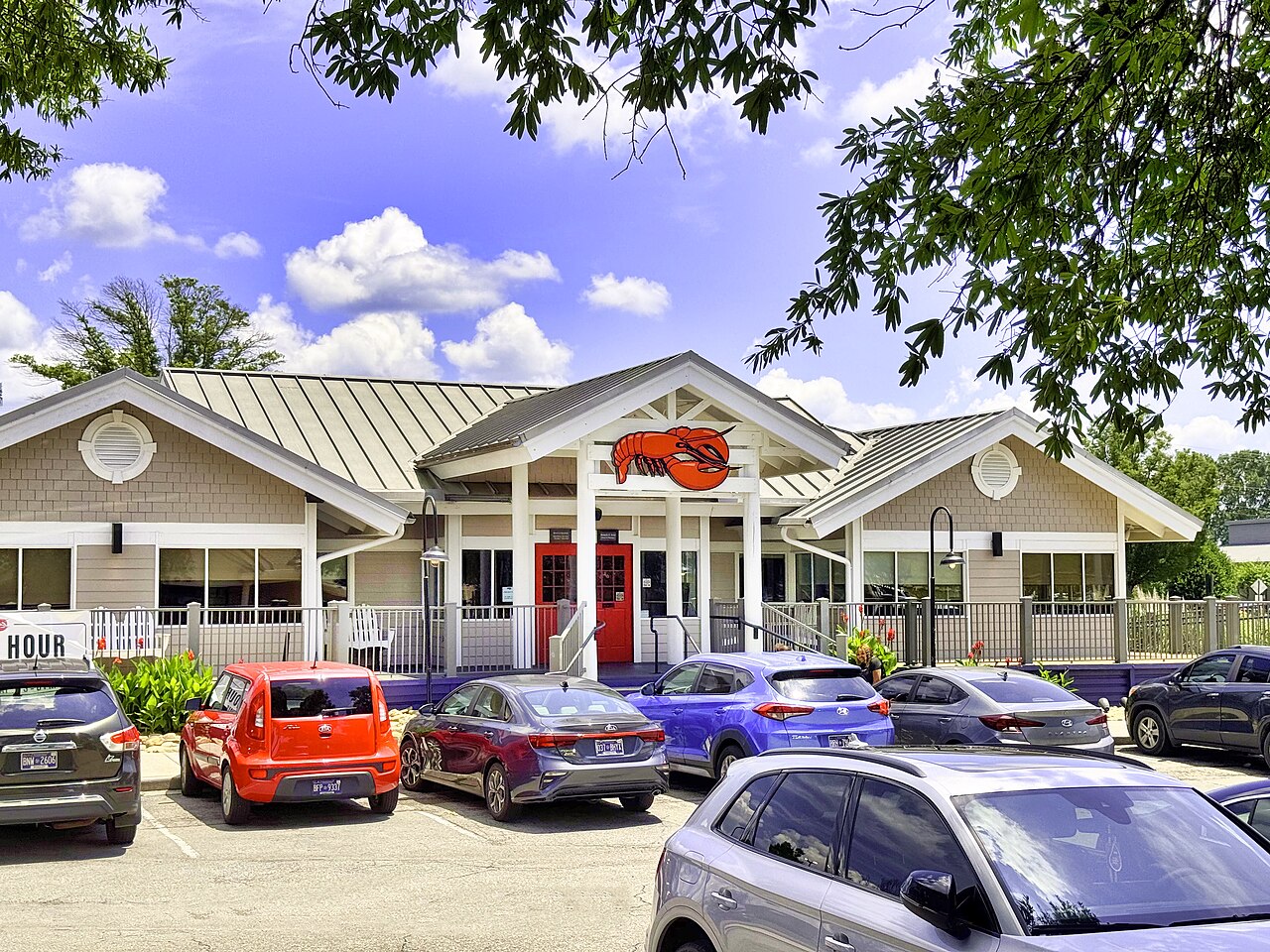
Red Lobster’s collapse was the most-reported restaurant story of 2024. The seafood chain filed for Chapter 11 bankruptcy protection in May 2024, having accumulated nearly $300 million in debt. According to court filings and CNBC reporting, the company closed about 100 restaurants before the bankruptcy filing and an additional 30+ during proceedings — totaling roughly 130 closures. By the end of 2024, Red Lobster had approximately 518 U.S. locations, down from 650+ before the closures began. CEO Damola Adamolekun told the Wall Street Journal in February 2026 that more closures could be coming as part of the ongoing restructuring.
The widely-cited explanation for Red Lobster’s collapse was the “Ultimate Endless Shrimp” promotion — the $20 all-you-can-eat shrimp deal that became permanent in 2023 and reportedly contributed to an $11 million quarterly loss. That story is true but incomplete. The deeper issue, according to bankruptcy filings analyzed by University of Pennsylvania professor Gad Allon, was a sale-leaseback arrangement engineered by a previous private equity owner that left Red Lobster paying approximately $190.5 million in annual lease obligations — about 10% of revenue, with $64 million tied to underperforming locations.
Red Lobster’s parent company, the Thai shrimp supplier Thai Union, also reportedly forced the chain to source shrimp from its own supply chain at unfavorable prices — what court documents describe as a transaction structure that prioritized Thai Union’s interests over Red Lobster’s profitability.
2. TGI Fridays — bankrupt in November 2024, lost half its locations
TGI Fridays filed for Chapter 11 bankruptcy in November 2024 after closing approximately 86 restaurants throughout the year — 36 in January alone, then another 50 in late October. By the bankruptcy filing, the chain’s footprint had dropped to roughly 160 locations worldwide.
The chain’s specific issues included a failed acquisition deal, lost control of most of its assets after failing to file documents to bondholders on time, and years of declining same-store sales. Like Red Lobster, TGI Fridays had been backed by private equity (TriArtisan Capital Advisors), and the same pattern of leveraged buyouts and dividend extraction that contributed to Red Lobster’s collapse appears prominently in the TGI Fridays story.
A TGI Fridays executive chairman, Rohit Manocha, called the bankruptcy “difficult but necessary actions to protect the best interests of our stakeholders.” The bankruptcy court in Texas is determining the chain’s future, but further closures are widely expected.
3. Boston Market — collapsed from 300 stores to 27 in roughly a year
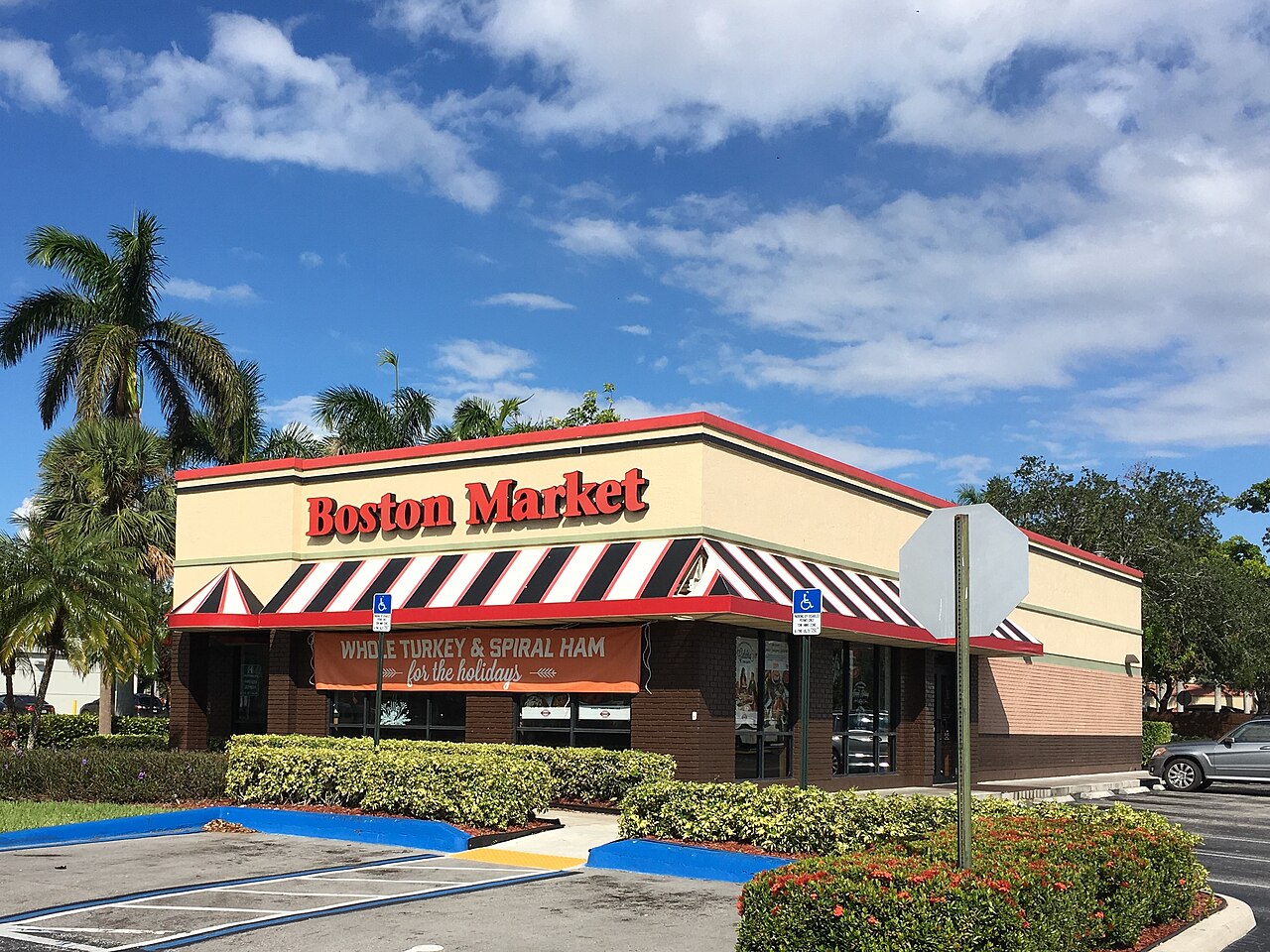
Boston Market’s collapse is structurally different from Red Lobster’s or TGI Fridays’ but ended the same way. According to Restaurant Business reporting, the rotisserie chicken chain went from approximately 300 restaurants in 2023 to just 27 stores by March 2024.
The closures were driven by landlord evictions for unpaid rent and by state officials shutting down restaurants for unpaid sales taxes. The chain has faced over 150 lawsuits, many of which involve unpaid bills to suppliers, employees, and contractors. Boston Market is now a shell of its former self, with the remaining stores operating in limited markets.
Unlike Red Lobster and TGI Fridays, Boston Market’s collapse appears to have been driven primarily by management failures rather than private equity extraction. The result was the same.
4. Buca di Beppo — bankrupt August 2024, fully liquidated by February 2025
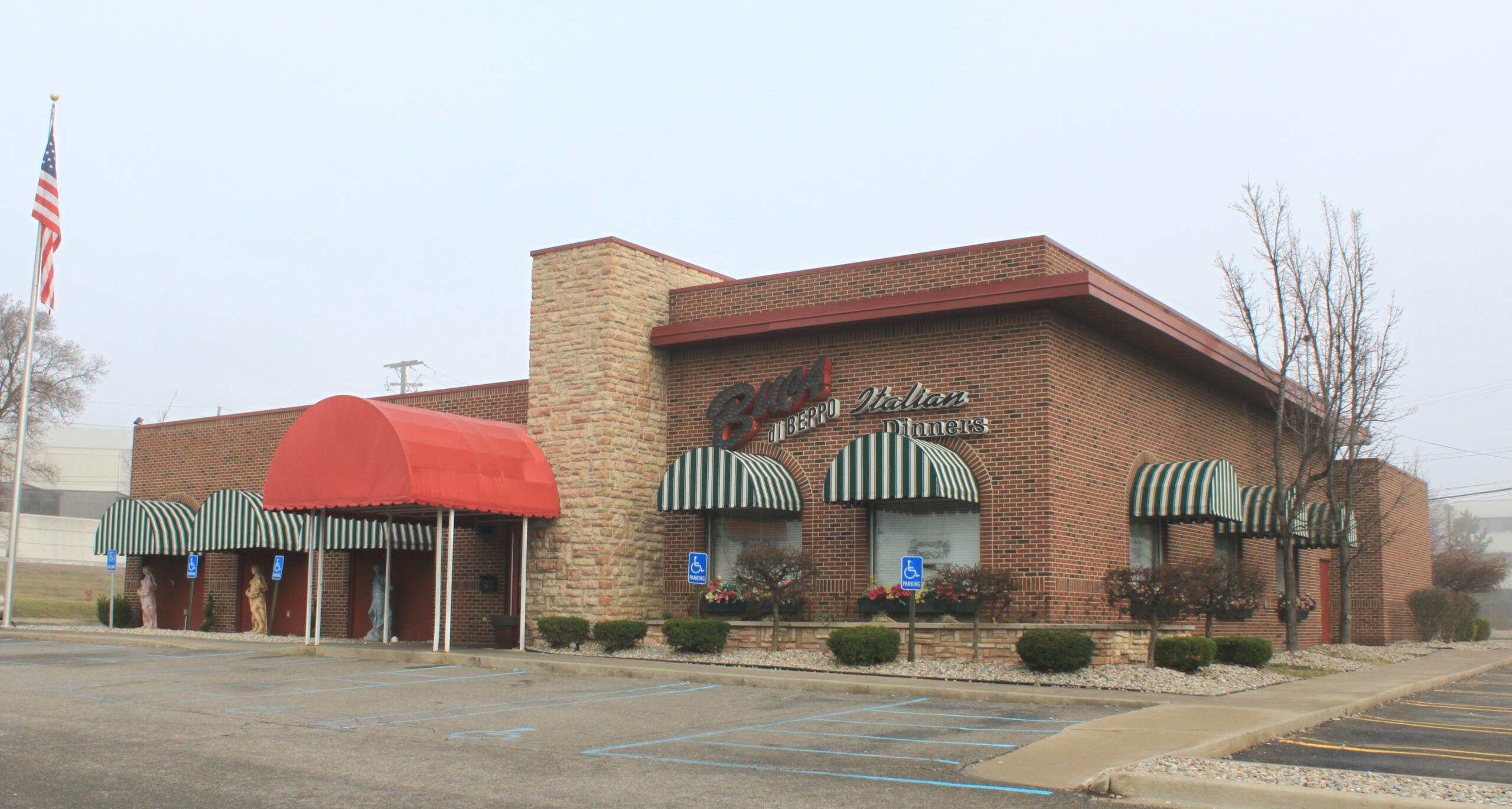
Buca di Beppo, the family-style Italian chain founded in Minneapolis in 1993 and known for oversized portions and over-the-top Italian decor, filed for Chapter 11 bankruptcy on August 5, 2024 in the U.S. Bankruptcy Court for the Northern District of Texas. The chain had approximately $250,000 in cash on hand at filing, 44 operating locations, and nearly $39 million owed to its primary lender Main Street Capital Corporation.
The decline had been building for years. Between 2014 and 2020, Buca di Beppo’s sales fell every year. The pandemic accelerated what was already a trajectory of decline — the chain reported “limited customer demand” during COVID-19 and never recovered to pre-pandemic revenue levels. Revenue for the first five months of 2024 was $74.8 million, down 10% from the same period a year earlier. The week before the bankruptcy filing, Buca closed 13 underperforming locations.
What makes the Buca di Beppo story particularly stark is what happened next. The Chapter 11 filing was structured around a lender-backed sale path — Main Street Capital, the primary lender, served as the “stalking horse” bidder and ultimately acquired substantially all of Buca’s assets through a $27 million credit bid approved in November 2024. Then, in February 2025, the estate converted from Chapter 11 reorganization to Chapter 7 liquidation, after the debtors said the sale hadn’t produced enough cash to fund a confirmable liquidation plan. The brand survives in some form under Main Street Capital’s ownership, but the original corporate entity has been dissolved.
The chain’s collapse was driven by a combination of factors that recur across this list: declining sales for years before COVID, rising food and labor costs, debt obligations that became unsupportable as revenue declined, and the broader contraction of the casual dining segment. Unlike Red Lobster and TGI Fridays, Buca’s bankruptcy filings don’t point to private equity extraction as the primary driver — but the pattern of debt accumulation outpacing operational recovery is structurally similar.
5. BurgerFi — bankrupt September 2024, sold for $44 million
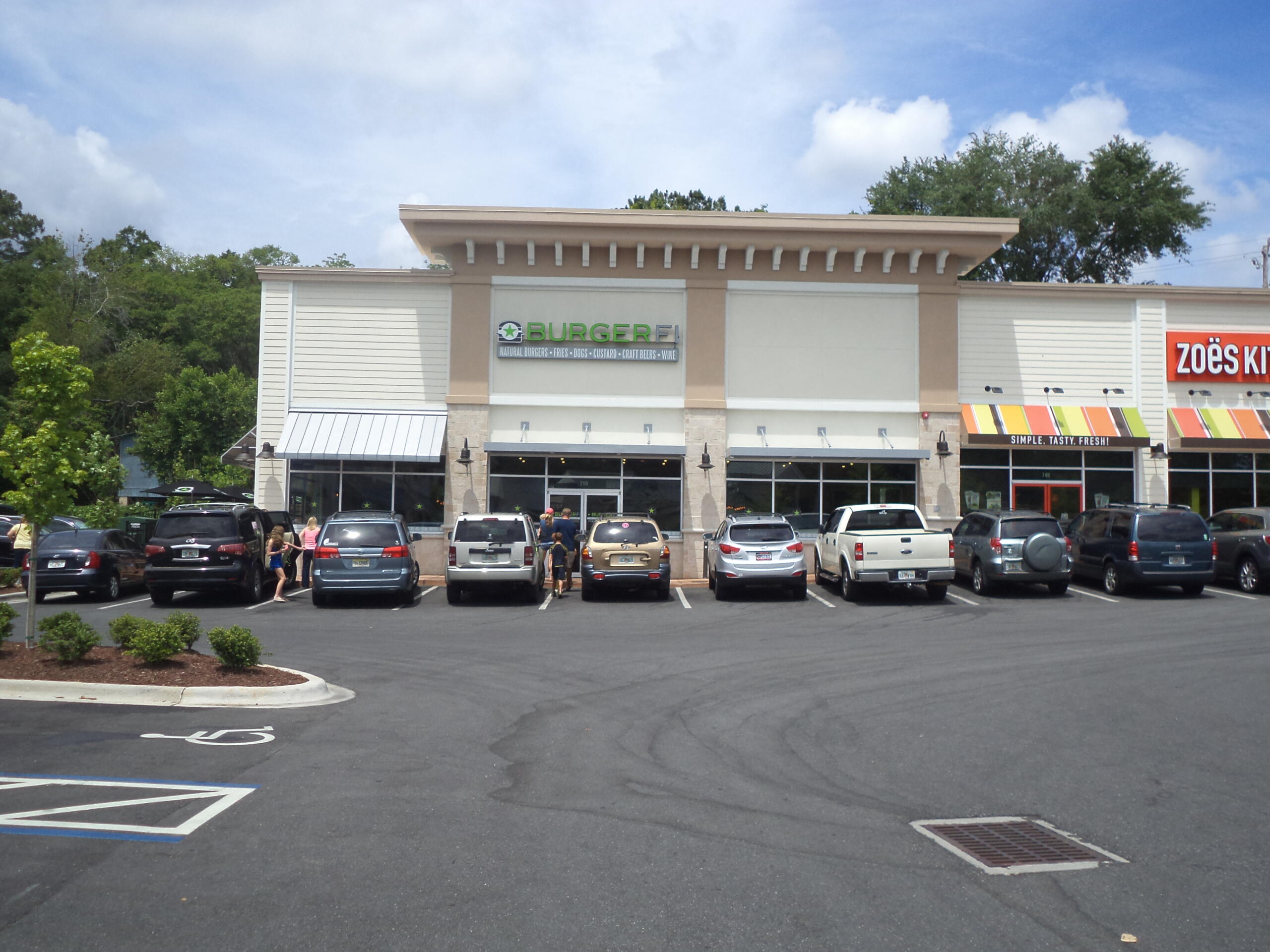
BurgerFi, a fast-casual burger chain that had aggressive expansion plans, filed for Chapter 11 bankruptcy in September 2024. The chain’s CEO at the time blamed rising costs and a “drastic decline” in consumer spending after the pandemic.
In October 2024, BurgerFi was purchased out of bankruptcy by its lender, TREW Capital Management Private Credit 2 LLC, for $44 million. The chain has continued operating under new ownership but with a substantially reduced footprint. Multiple BurgerFi locations have closed since the acquisition.
6. Rubio’s Coastal Grill — abruptly closed 48 California locations in May 2024
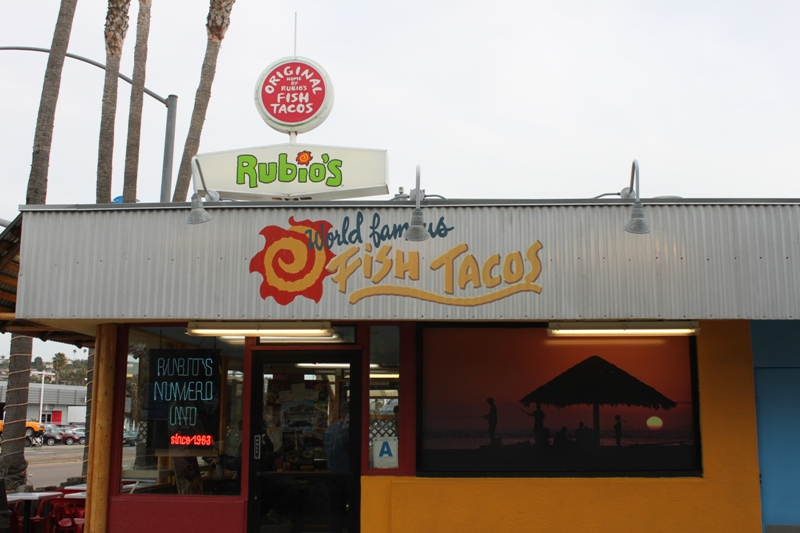
Rubio’s Coastal Grill, the California-based fast-casual chain specializing in fish tacos, abruptly closed 48 of its California locations in late May 2024. The company attributed the decision specifically to “the rising cost of doing business in California” — pointing to California’s increase of the minimum wage for fast-food employees from $16 to $20 per hour, which took effect April 1, 2024.
The Rubio’s case was unusual in being a closure driven primarily by California-specific labor costs rather than the national patterns affecting other chains. It became part of the broader political debate around fast-food wage policy in California.
The common thread: private equity ownership
Looking across the 2024 chain bankruptcies collectively, a pattern is genuinely visible. According to PitchBook data analyzed by CNBC in February 2025, of the 21 restaurant and bar chains that filed for bankruptcy in 2024, 10 had been backed by private equity firms. The two largest bankruptcies — Red Lobster and TGI Fridays — were both private-equity-backed, and the specific mechanisms cited in their bankruptcy filings (sale-leasebacks, dividend extraction, debt loading) are characteristic private equity tactics.
Brendan Ballou, author of Plunder: Private Equity’s Plan to Pillage America, described the pattern in a 2025 CNBC interview: “Companies that are owned by private equity firms are significantly more likely to go bankrupt than those that aren’t. There’s a lot of incentives for the private equity firm to take short-term extractive strategies towards restaurants that oftentimes can lead to their harm, or, in extreme cases, to their destruction.”
The mechanism, simplified: a private equity firm buys a restaurant chain using borrowed money, then loads the debt onto the chain itself rather than the firm. The firm then extracts value through management fees, dividends, and sale-leaseback transactions where the chain sells its real estate (often to a related entity) and rents it back at high lease rates. By the time the original PE owner exits, the chain is left with debt obligations and lease costs it can’t realistically support — and any operational headwind (inflation, labor costs, declining traffic) becomes existential.
This isn’t to say private equity caused every chain bankruptcy. Boston Market’s failure appears to have been largely management-driven. Rubio’s was about California-specific labor costs. Buca di Beppo’s collapse reflects years of declining sales that the pandemic accelerated past the point of recovery. But for Red Lobster and TGI Fridays specifically — the two biggest failures of 2024 — the financial structures created by previous private equity ownership are the consistent thread that bankruptcy filings, court documents, and academic analyses keep returning to.
What’s filling the empty spaces
The locations Red Lobster and TGI Fridays vacated aren’t sitting empty. According to CBRE retail analyst Matt Mandel, quoted by CNN in November 2024, “A lot of former casual dining operators who go out are being taken by In-N-Out, Whataburger, Chick-fil-A and Raising Cane’s that really weren’t competing for that real estate 10 years ago.”
The replacements are mostly fast-casual or quick-service brands building drive-thru-focused locations. Chipotle is opening 4,000 new locations, the majority with drive-thrus. Chick-fil-A is building four-lane drive-thrus. The economics are simpler: a drive-thru restaurant requires less staff and less square footage to generate revenue than a sit-down restaurant. According to Black Box Intelligence data cited by CNBC, customer traffic to fast-casual restaurants increased 3.2% in 2024 while full-service traffic dropped 0.5%.
What this represents, looked at across the industry, is a structural shift. The casual-dining segment that defined American suburban dining for four decades is contracting. The fast-casual and quick-service segments are absorbing that demand. By the late 2020s, the typical American suburb may have noticeably fewer sit-down chain options than it did in 2019 — and noticeably more drive-thrus.
For the chains that survive — the Olive Gardens, Texas Roadhouses, and Cracker Barrels still operating — the lesson of 2024 is one their executives are visibly internalizing: avoid private equity ownership where possible, manage real estate costs aggressively, and adapt to off-premise dining (takeout and delivery) that now accounts for nearly three-quarters of all restaurant occasions according to the National Restaurant Association.