From Jell-O salad to chocolate chip cookies in vending machines to the entire concept of breakfast for dinner, several American food customs are genuinely distinctive — and most of them have surprisingly recent origins.
It’s hard to objectively measure what’s “uniquely” American about American food. Globalization has spread American chains into nearly every country, and many supposedly American foods (hot dogs, hamburgers, pizza) trace their origins to European immigrant communities adapting their home traditions. But there are several specifically American eating customs that visitors from other countries reliably notice and ask about — practices that don’t have direct equivalents elsewhere, even when individual ingredients are widely available globally.
Here are five of the most-discussed, with the actual histories behind each.
1. The Thanksgiving feast as the largest single meal of the year
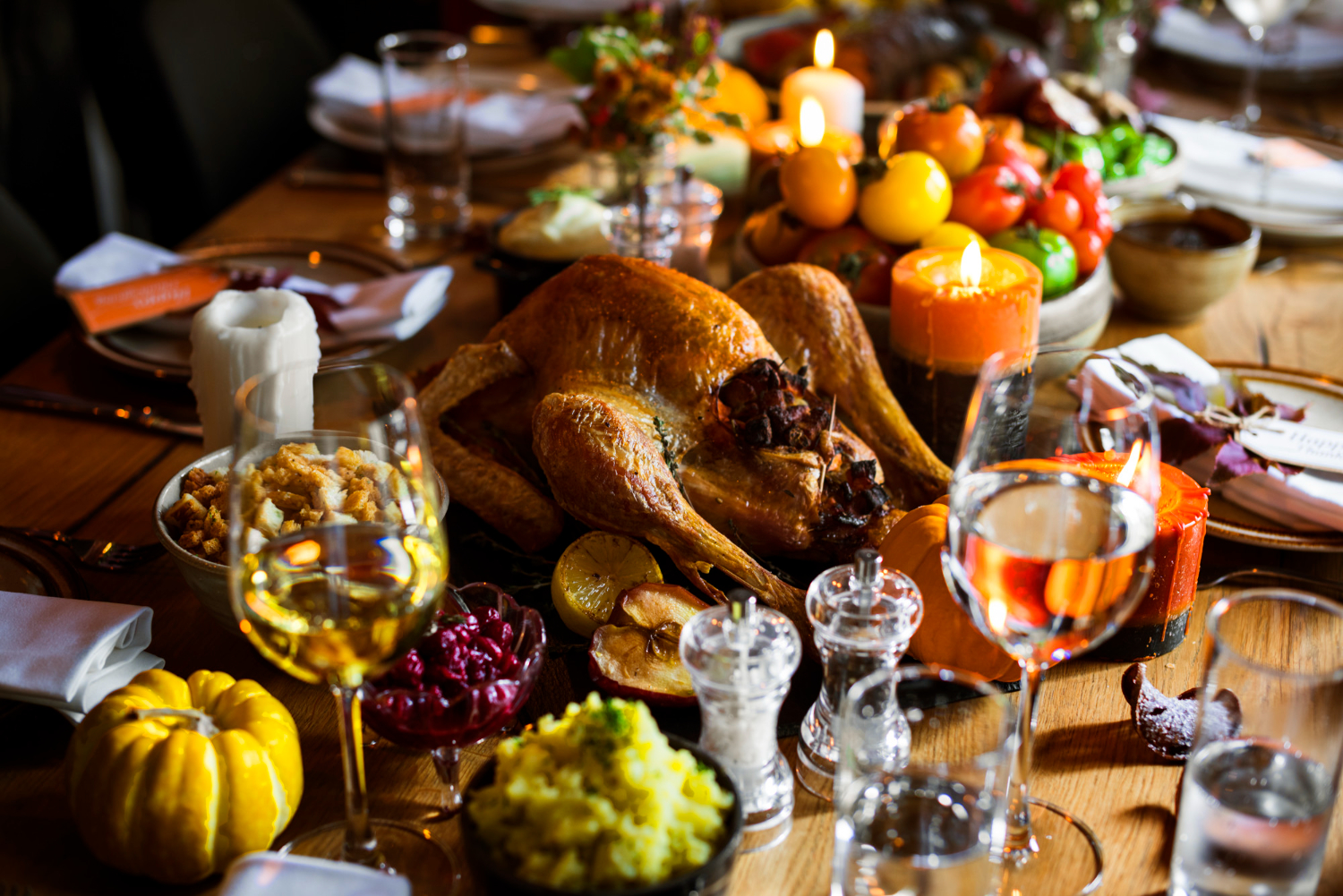
Most cultures have major eating holidays. China has Lunar New Year. Italy has Christmas Eve’s Festa dei Sette Pesci. India has multiple Diwali feasts. The United Kingdom has Christmas dinner. What makes Thanksgiving distinctive isn’t the existence of a holiday meal — it’s the scale and the specific menu rigidity.
According to the National Restaurant Association and USDA data cited in published reporting, Thanksgiving is the single largest food consumption event in the United States by retail sales. The standard menu — roast turkey, stuffing, mashed potatoes, gravy, cranberry sauce, sweet potatoes, green bean casserole, dinner rolls, and pumpkin pie — is followed with remarkable consistency across the country. A 2015 Harris Poll found turkey to be the most popular American holiday food regardless of region, generation, gender, or race.
The historical reality differs significantly from the popular Pilgrim narrative. The 1621 harvest meal at Plymouth Colony, often called the “first Thanksgiving,” likely included shellfish, eel, venison, and corn — not turkey, mashed potatoes, or pumpkin pie. The modern Thanksgiving menu was largely codified in the 19th century. Cranberry sauce as we know it didn’t exist commercially until 1912, when Ocean Spray began producing canned jellied cranberry sauce. The first reference to “cranberry sauce” in a recipe appeared in Amelia Simmons’s American Cookery in 1796.
What confuses international visitors most is the menu uniformity. In most cultures, holiday meals vary regionally and by family. American Thanksgiving has remarkable national consistency — a Texas family and a Vermont family will likely serve nearly identical core dishes, even with their own variations. The macaroni and cheese on Southern Thanksgiving tables, the green chile gravy in New Mexico, the wild rice pilaf in Minnesota, and the lobster on Maine tables are regional additions to a shared core menu.
2. Sweet breakfast as the default
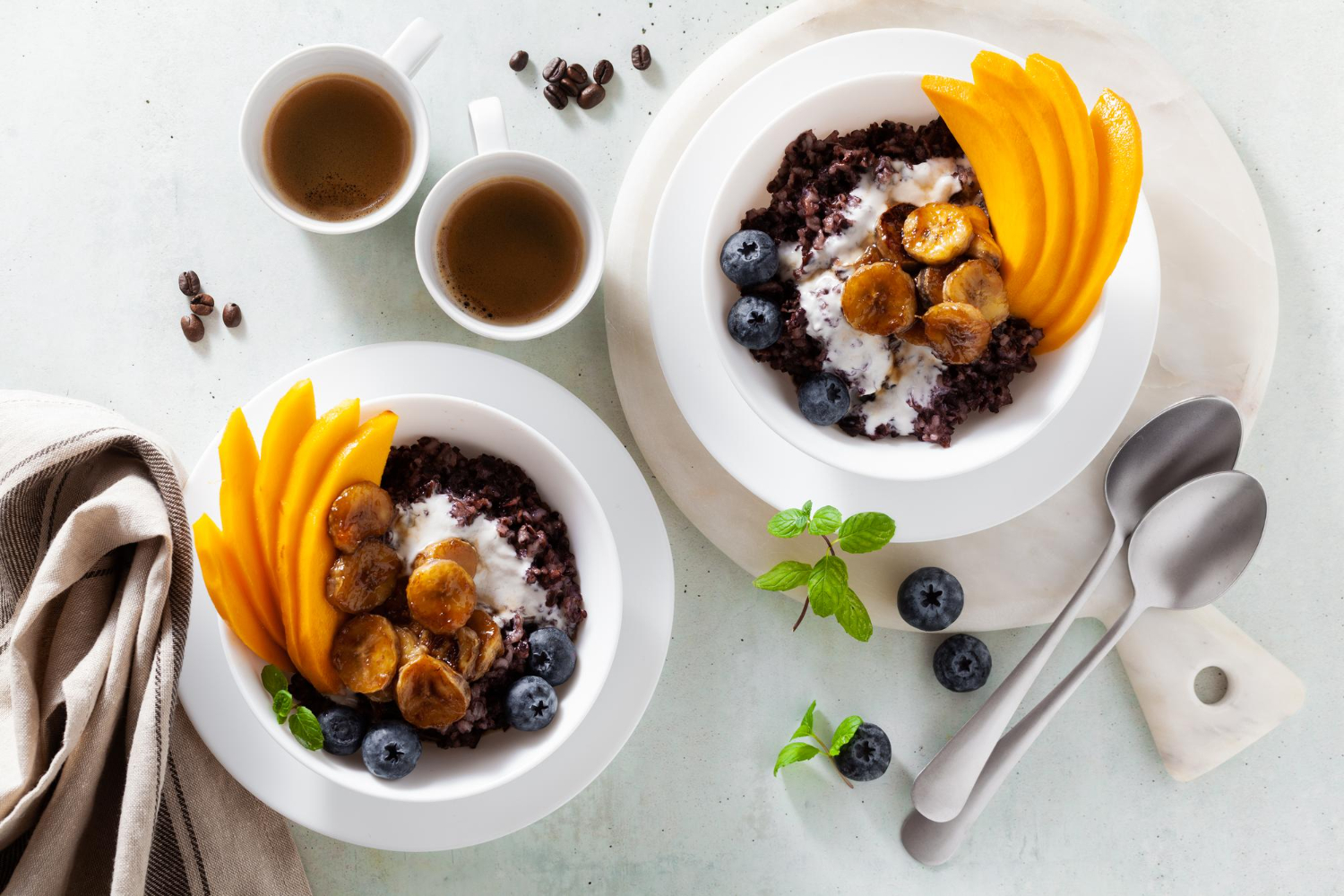
Breakfast in much of the world is savory or neutral. Japanese breakfast typically includes rice, miso soup, fish, and pickled vegetables. German breakfast features cold cuts, cheese, and dark bread. Turkish breakfast involves olives, tomatoes, cucumbers, eggs, and cheese. Even British breakfast — often cited as the most “Western” non-American breakfast — is dominated by savory items: bacon, sausage, eggs, baked beans, and grilled tomatoes.
American breakfast, by contrast, is overwhelmingly sweet. Pancakes drowned in syrup, waffles topped with whipped cream, French toast, sugary cereals (Frosted Flakes, Cap’n Crunch, Lucky Charms), donuts, muffins, sweetened yogurt, granola bars, and breakfast pastries dominate American morning eating. Even the savory options often include sweet elements — bacon glazed with brown sugar or maple, breakfast sausage seasoned with sage and a hint of sweetness, and pancake-and-bacon combinations served on the same plate.
The history is partly commercial. American breakfast cereal was promoted heavily by John Harvey Kellogg in the late 19th and early 20th centuries as a “healthier” alternative to traditional savory breakfasts. Sugar manufacturers spent decades in the 20th century positioning breakfast as the appropriate time for sweet consumption. The result, by the post-WWII period, was a breakfast culture genuinely different from most of the world.
International visitors to the United States — particularly from Asia, the Middle East, and Eastern Europe — frequently express surprise at the sugar content of standard American breakfast options. The American breakfast of pancakes and syrup with a side of bacon, taken as normal in the U.S., would be considered dessert in many cultures.
3. The free water with every restaurant meal
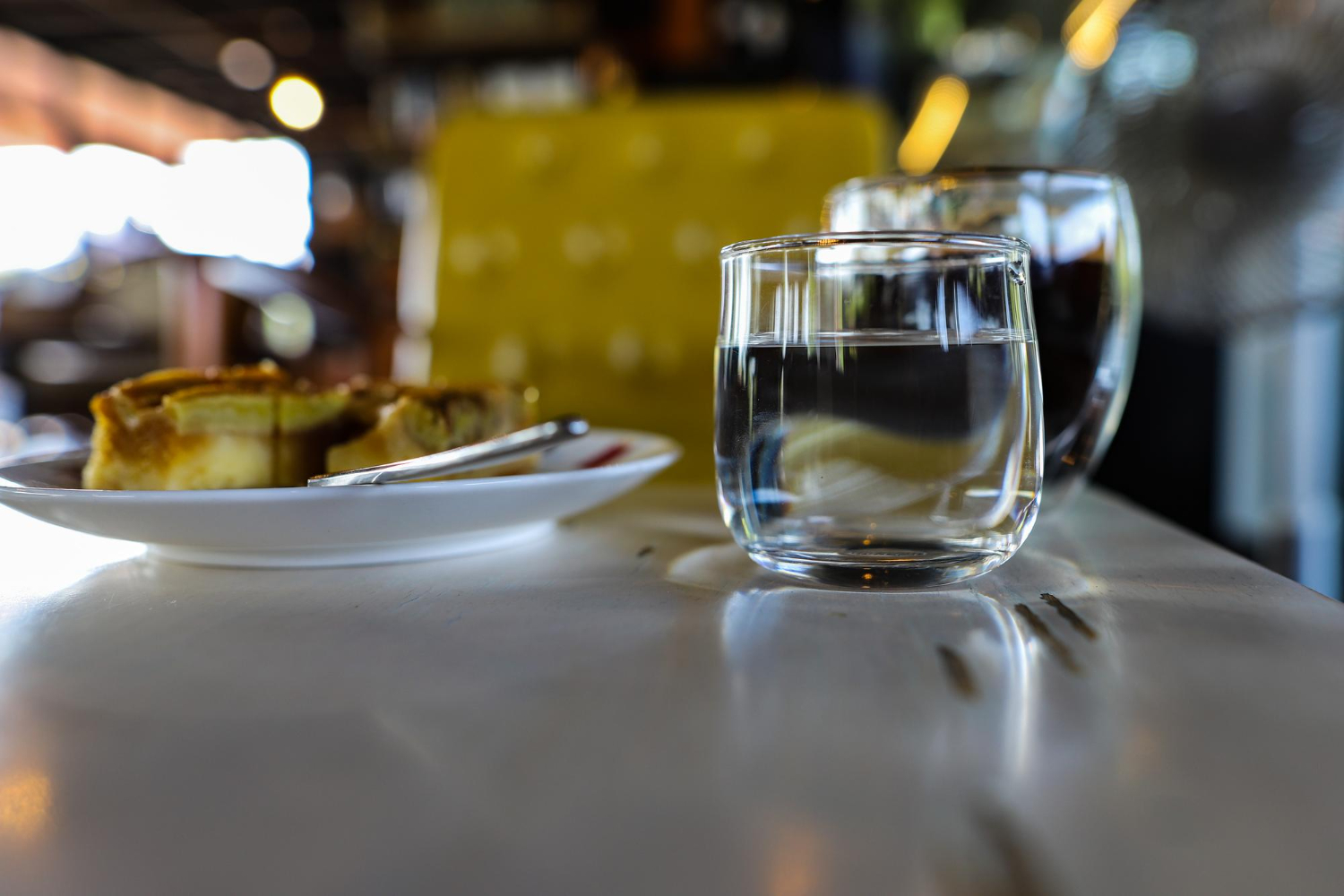
This sounds like a small thing, but it’s distinctive enough that international visitors regularly comment on it. In the United States, the standard restaurant practice is for the server to bring a glass of ice water (often unrequested) shortly after seating. Refills are free and unlimited.
In most European countries, water at restaurants is sold — typically as bottled mineral water or sparkling water, costing €2-€8 per bottle. Asking for “tap water” varies in social acceptance from country to country. In France and Italy, tap water (a carafe d’eau or acqua del rubinetto) is technically available but rarely offered proactively. In Germany, tap water is uncommon enough that asking for it can produce confused reactions.
The American practice has roots in two factors: the abundant, generally safe public water supply in most U.S. cities, and a 20th-century restaurant industry norm that emerged around hospitality expectations. The free water with refills became so standard that most Americans don’t realize it’s distinctive until they travel abroad and find themselves charged for water at every meal.
A related point: the American restaurant practice of bringing significant ice in beverages (lots of ice in soft drinks, ice in water by default) is also unusual internationally. Most European, Asian, and Latin American restaurants serve drinks at room temperature or only lightly chilled.
4. Jell-O salad and the savory-sweet hybrid genre
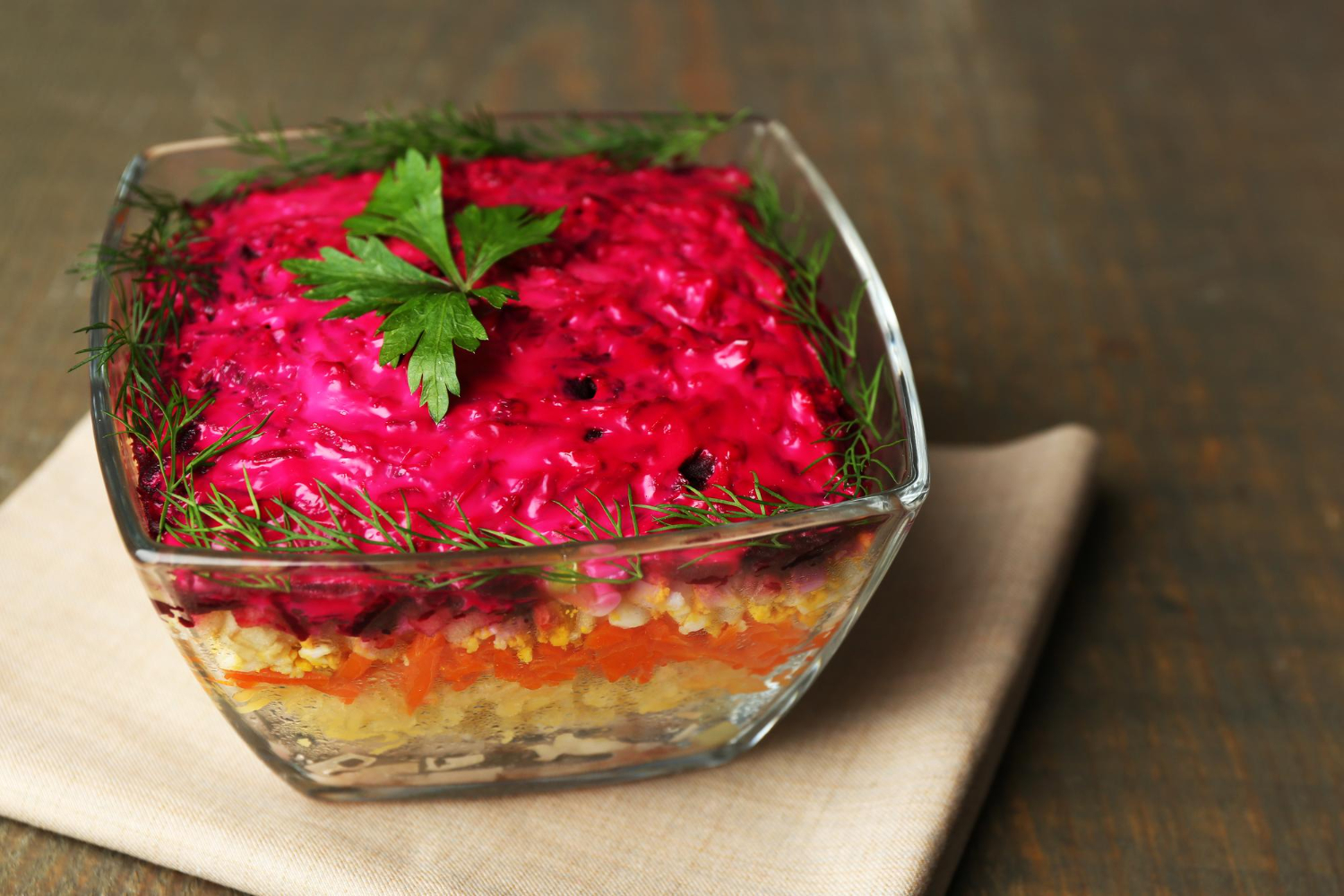
Jell-O salad is genuinely difficult to explain to people from cultures that don’t have it. The general concept: gelatin (typically Jell-O brand, often a fruit flavor) suspended with various add-ins, which can include both sweet ingredients (fruit, marshmallows, whipped cream) and savory ones (cottage cheese, celery, carrots, walnuts, hard-boiled eggs, mayonnaise, olives).
According to multiple food history sources including Lonely Planet’s reporting on regional Thanksgiving foods, Jell-O salads remain particularly popular in Utah, the Midwest, and the South. Common Utah preparations include lime Jell-O with cottage cheese, pineapple, celery, carrot, walnuts, canned mandarin oranges, and maraschino cherries. The dish is typically served as a side, not a dessert.
The historical context is mid-20th century. Gelatin became commercially affordable in the 1920s-1940s, and home cooking magazines aggressively promoted gelatin-based dishes throughout that era. The combination of cheap ingredients, visual presentation, and the Modernist 1950s aesthetic of seeing transparent suspended food as scientifically advanced produced a genuine American food culture. By the 1970s, food fashions had moved on, but Jell-O salad survived in regional pockets where it had become embedded in family tradition.
For international visitors, the Jell-O salad genre raises questions that most Americans haven’t considered. Is it a dessert? A side dish? A salad? The answer is “all three, depending on what’s in it” — a category flexibility that doesn’t exist in most other cuisines.
5. Specific portion sizes that are 50-100% larger than international equivalents
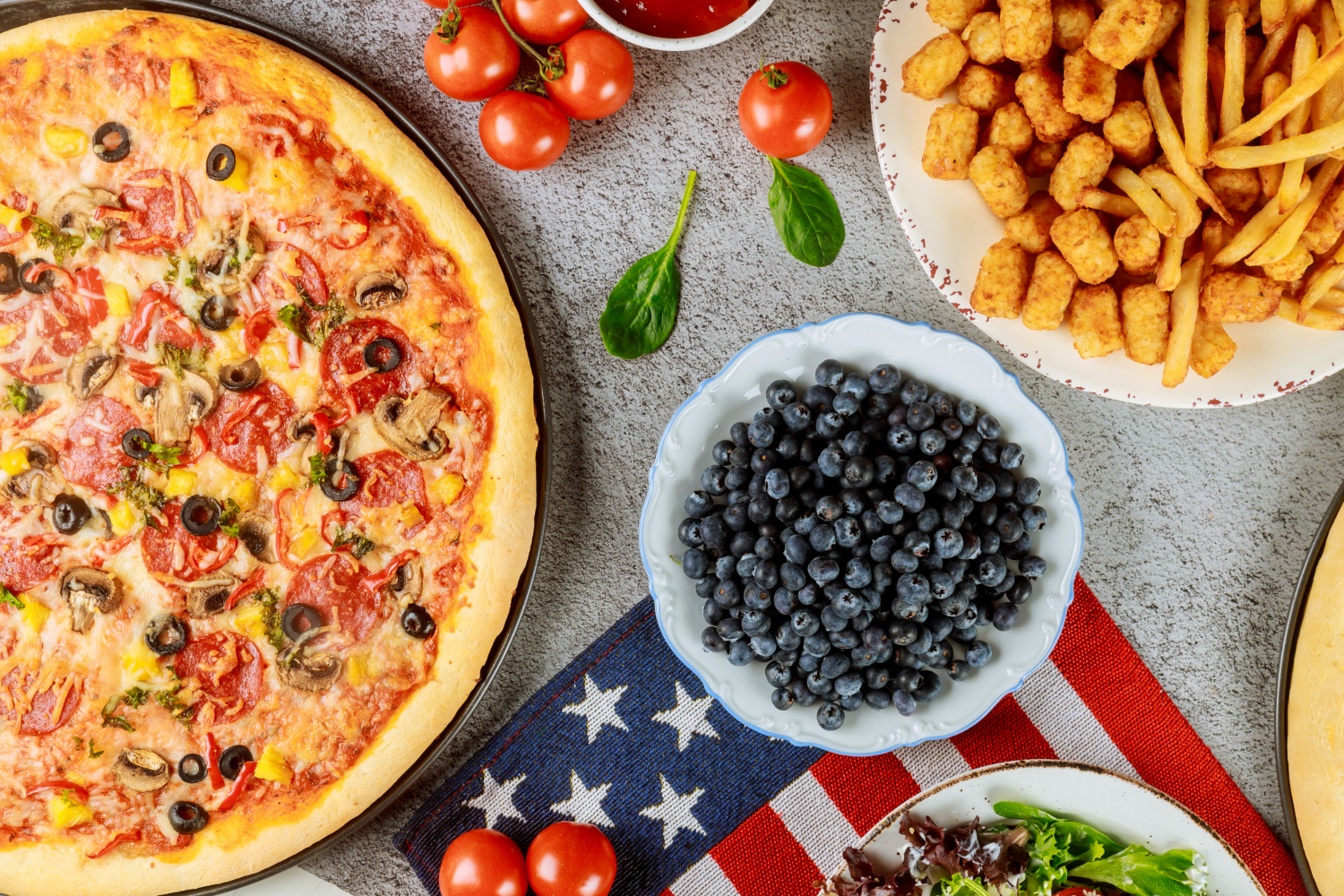
This is the practice that international visitors comment on most consistently. American restaurant portions, particularly at chain restaurants and casual sit-down establishments, are dramatically larger than equivalents in most of the world.
The specific examples that international visitors mention most often:
Soft drinks at fast food restaurants. A “small” soft drink at McDonald’s in the United States is typically 16 ounces. A “large” is 30 ounces. In many European countries, the equivalent sizes are 250ml (8.5 oz) for “small” and 500ml (17 oz) for “large.” The American “large” is roughly twice the volume of the European “large.”
Restaurant entrees. A standard pasta entree at an American casual dining chain (like Olive Garden) is 60-70% larger than an equivalent Italian restaurant pasta course. A standard American hamburger from a sit-down restaurant is typically 6-8 ounces of beef before toppings; comparable European burgers are 4-5 ounces.
Coffee. American “large” coffee at chains like Starbucks (the Venti, 20 ounces) is roughly 5-10 times the volume of a traditional Italian espresso (1-2 ounces) and 3-4 times the volume of typical European cafe coffee servings.
Bread baskets and starter portions. American restaurants commonly serve unlimited bread before meals. Texas Roadhouse’s pre-meal bread service, Olive Garden’s breadsticks, and the bottomless chip baskets at Tex-Mex restaurants are all genuinely distinctive American practices.
The historical reasons are complex and include post-WWII agricultural surpluses (particularly in corn, soybeans, and wheat), the development of high-fructose corn syrup as a cheap sweetener in the 1970s, restaurant industry economics that emphasized perceived value through portion size, and cultural expectations that built up over decades.
The specific cultural difference is that American consumers generally view large portions as a feature of value-conscious dining, while consumers in most other countries view them as wasteful or excessive. Both perspectives are internally consistent within their cultural contexts; they’re just different. Restaurants in countries like Japan, France, and Italy often emphasize quality and presentation over portion size. American restaurants typically emphasize value through quantity.
What these traditions actually represent
Looking at these five practices collectively, a pattern emerges: each one tells a specific story about American economic and cultural history. The Thanksgiving menu reflects 19th-century New England agricultural traditions becoming a national identity. Sweet breakfast reflects early 20th-century industrial food marketing. Free water reflects American hospitality norms and abundant public infrastructure. Jell-O salad reflects mid-20th-century convenience food culture. Large portions reflect post-WWII agricultural economics and restaurant industry competition.
None of these practices are inherently better or worse than international alternatives. They’re cultural choices that emerged from specific historical circumstances. What makes them interesting is that most Americans participate in them without recognizing their distinctiveness — these are simply “how things are done” in the U.S., not consciously chosen traditions.
For international visitors, recognizing these practices as genuinely distinctive (rather than universal) often becomes part of understanding American culture. For Americans traveling abroad, the absence of these practices can produce small but persistent moments of cultural surprise: the restaurant that doesn’t bring water, the hotel breakfast that’s all savory, the absurdly small coffee, the refusal to give free refills.
These small differences accumulate into the broader sense of being in a different culture — which is one of the genuine reasons that travel produces perspective shifts that staying home doesn’t.