

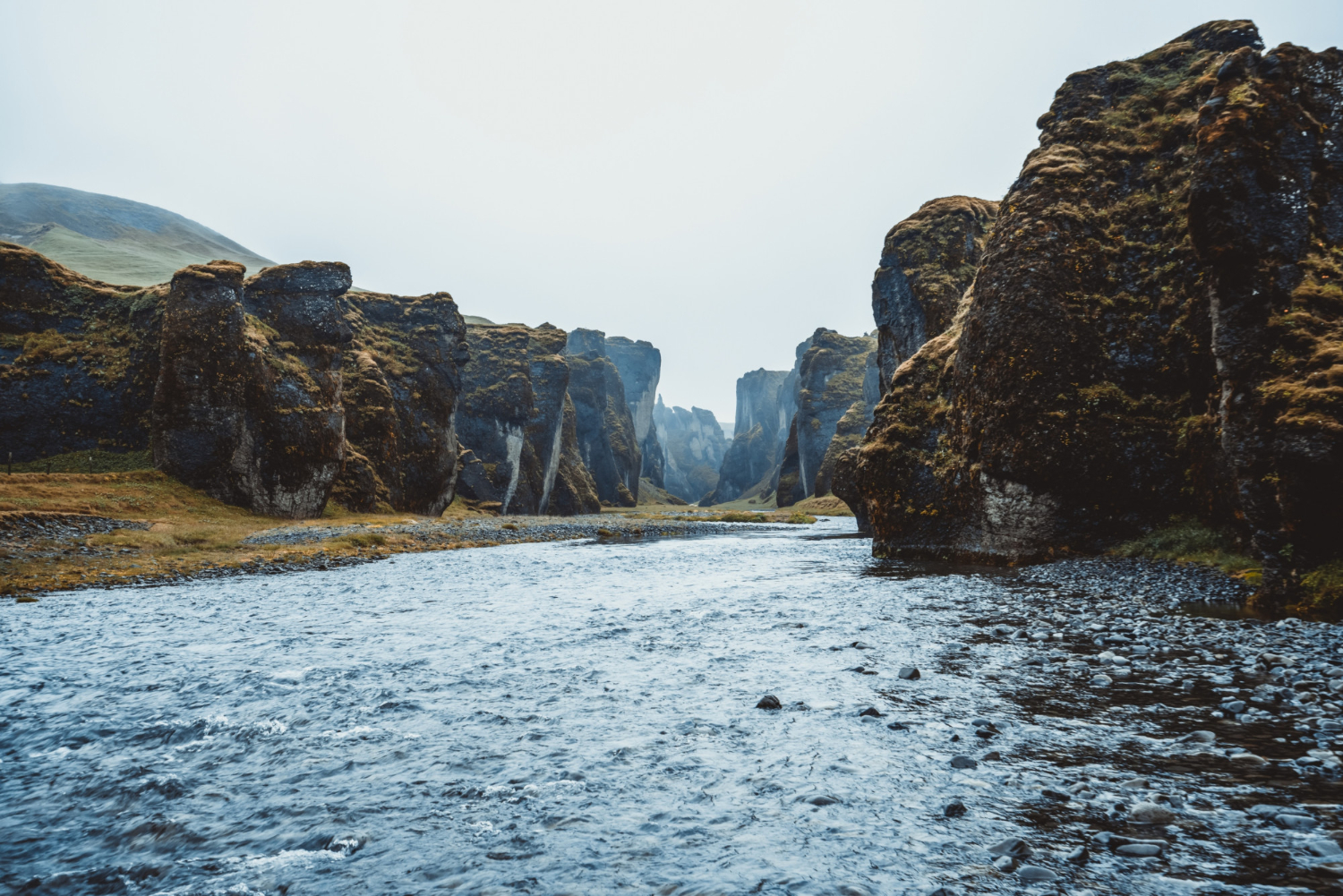
For 16 years, Iceland was the global outlier — the developed country that pushed back the most aggressively against the standard markers of modern life. Then within 12 months, Starbucks opened, mosquitoes arrived, and the country’s strange isolation began to crack. Here’s how Iceland’s three “no’s” each ended.
For most of the 21st century, Iceland was a kind of natural experiment in how much modern globalization a country could resist. The country had no McDonald’s after 2009. It had no Starbucks at all. And it had no mosquitoes — making it one of just two places on Earth (along with Antarctica) where the insect simply did not exist.
These three facts became part of how Iceland was marketed to international travelers. The “country with no mosquitoes” angle showed up in tourism content. The “no McDonald’s, no Starbucks” framing represented a kind of cultural authenticity that travelers found appealing in a homogenizing world. The combination produced a sense that Iceland was genuinely different from other developed countries — that visiting Reykjavik produced an experience you couldn’t get anywhere else.
Then 2025 happened. In June, Starbucks opened its first Iceland location in Reykjavík. In October, mosquitoes were found in Iceland for the first time in recorded history. McDonald’s still hasn’t returned, but the streak of three exceptions has been reduced to one. Here’s the actual story behind each one — what made them happen, what changed, and what it tells us about the limits of even the most isolated developed countries to remain outside global patterns.
1. The McDonald’s exit (2009) — and why it has lasted
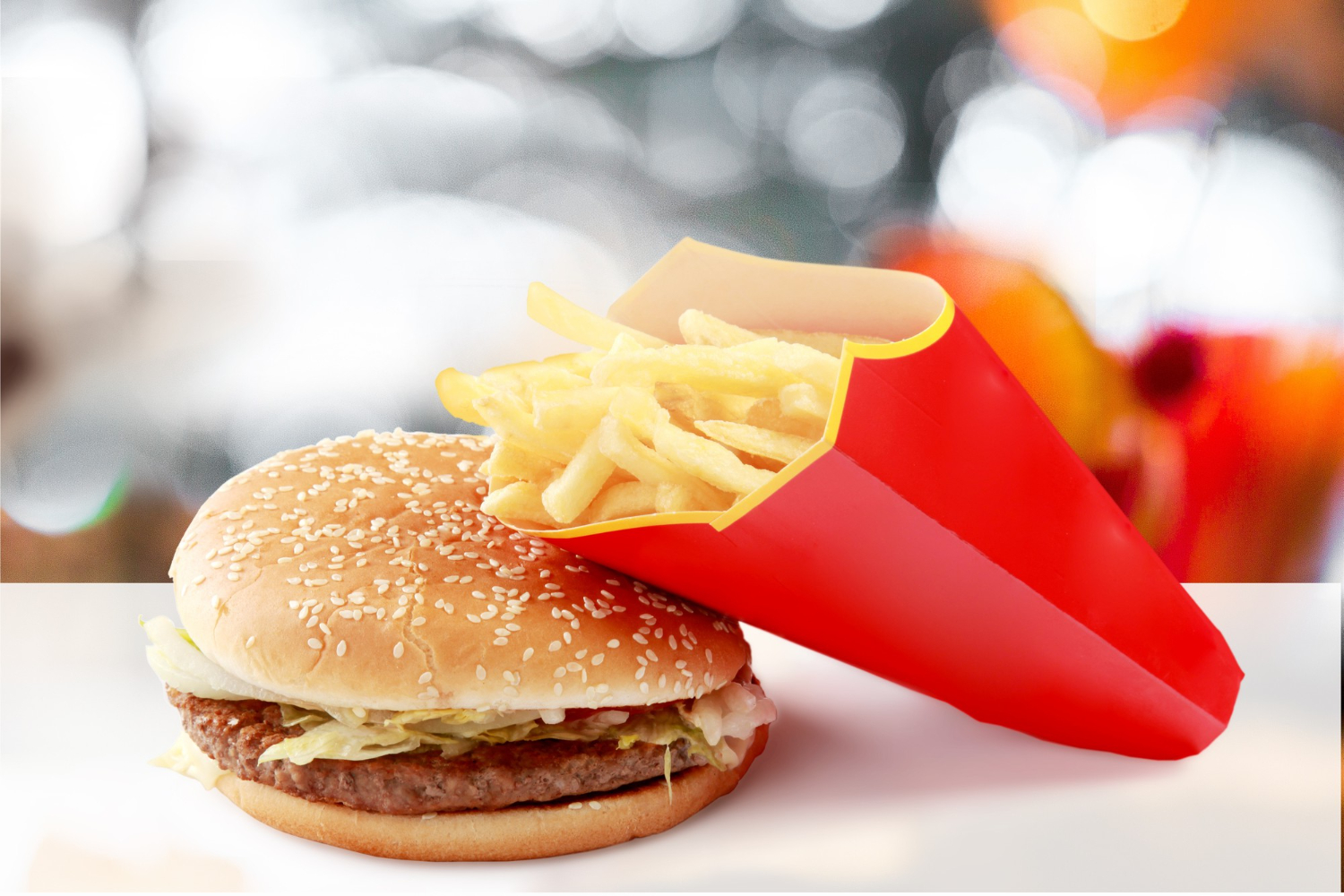
Iceland’s first and only McDonald’s restaurants opened in Reykjavík in 1993. The opening was a cultural event. Then-Prime Minister Davíð Oddsson personally became the first Icelandic customer to order a Big Mac. People waited in lines for days. The arrival of McDonald’s was widely interpreted as a sign that Iceland — a small, isolated, fiercely independent country — was joining the global market.
For 16 years, three McDonald’s locations operated in Reykjavík. Then the 2008 Icelandic financial crisis happened. The Icelandic króna lost approximately 50% of its value against the euro within months. McDonald’s standardized supply chain required imported beef (primarily from Germany), imported cheese, and imported vegetables — and the imports suddenly became economically nonsensical.
The numbers became absurd. By late 2009, a kilogram of onions imported from Germany cost roughly the equivalent of a bottle of whiskey. The Icelandic Big Mac became, briefly, the most expensive Big Mac in the world — 780 krónur, equivalent to about $6.36 USD at the time, surpassing even Switzerland and Norway. Local franchise owner Magnus Ogmundsson decided that raising prices further to maintain McDonald’s standards would be uncompetitive against local burger chains using locally sourced ingredients. The franchise closed all three locations on October 30, 2009.
On closure day, Icelanders lined up for a final taste. More than 10,000 burgers were sold in the final 24 hours. The Big Mac sold out on October 29. The last meal ever sold at McDonald’s Iceland — a burger and fries purchased by Hjörtur Smárason — has its own peculiar afterlife. Smárason stored the meal in a plastic bag for three years to test whether McDonald’s food really doesn’t decompose. When the burger showed minimal decay, he donated it to the National Museum of Iceland, which initially declined. The burger eventually ended up on display at a Reykjavík hostel, where it remains as of 2026 — a strange tourist attraction documenting the moment Iceland left the McDonald’s universe.
McDonald’s has not returned to Iceland in the 16+ years since closure. The same factors that produced the 2009 exit (small population of approximately 400,000, high import costs, currency volatility, strong local burger competition) have continued to make the market unviable. A local chain called Metro briefly operated in former McDonald’s locations using local ingredients, but largely faded. The dominant local burger operation, Hamborgarabúllan (known internationally as “Tommi’s Burger Joint”), has continued to expand. Iceland remains one of just a handful of European countries — alongside Albania, Macedonia, Bosnia, and Montenegro — without McDonald’s locations.
2. The Starbucks arrival (June 2025) — ending 30 years of resistance

For decades, Starbucks deliberately avoided Iceland. The market was too small (400,000 population), the import costs too high, and the local café culture too established. Reykjavík has a strong existing coffee shop scene built around Icelandic chains like Te & Kaffi and Kaffitár, plus dozens of independent operations. Coffee consumption per capita in Iceland is among the highest in the world, but it has historically been served at locally owned shops with their own roasting traditions.
In June 2025, that changed. Starbucks opened its first Reykjavík location, with plans for a second location quickly following. The opening came after years of speculation about whether Starbucks would ever enter the Icelandic market. The combination of post-pandemic tourism growth (Iceland received over 2 million visitors annually by 2024), favorable economic conditions, and Starbucks’ broader expansion strategy in smaller European markets made the move financially viable for the first time.
The reaction in Iceland was mixed. Some Icelandic media outlets ran lamenting pieces about the loss of one of the country’s distinctive cultural exceptions. Coffee enthusiasts pointed out that local Icelandic chains and independents typically produce better coffee than Starbucks — making the arrival a case of brand recognition replacing actual quality. Others noted that the Starbucks opening might support tourism growth by giving international visitors a familiar option, while local cafés would continue to dominate among residents.
Whether Starbucks will succeed in Iceland long-term remains to be seen. The same import cost dynamics that drove out McDonald’s apply to Starbucks too, though Starbucks’s premium pricing model gives it more margin to absorb cost volatility than McDonald’s mass-market positioning. The Reykjavík location had reportedly seen strong tourist traffic in its first months but more mixed local reception.
3. The mosquitoes (October 2025) — the end of a global anomaly
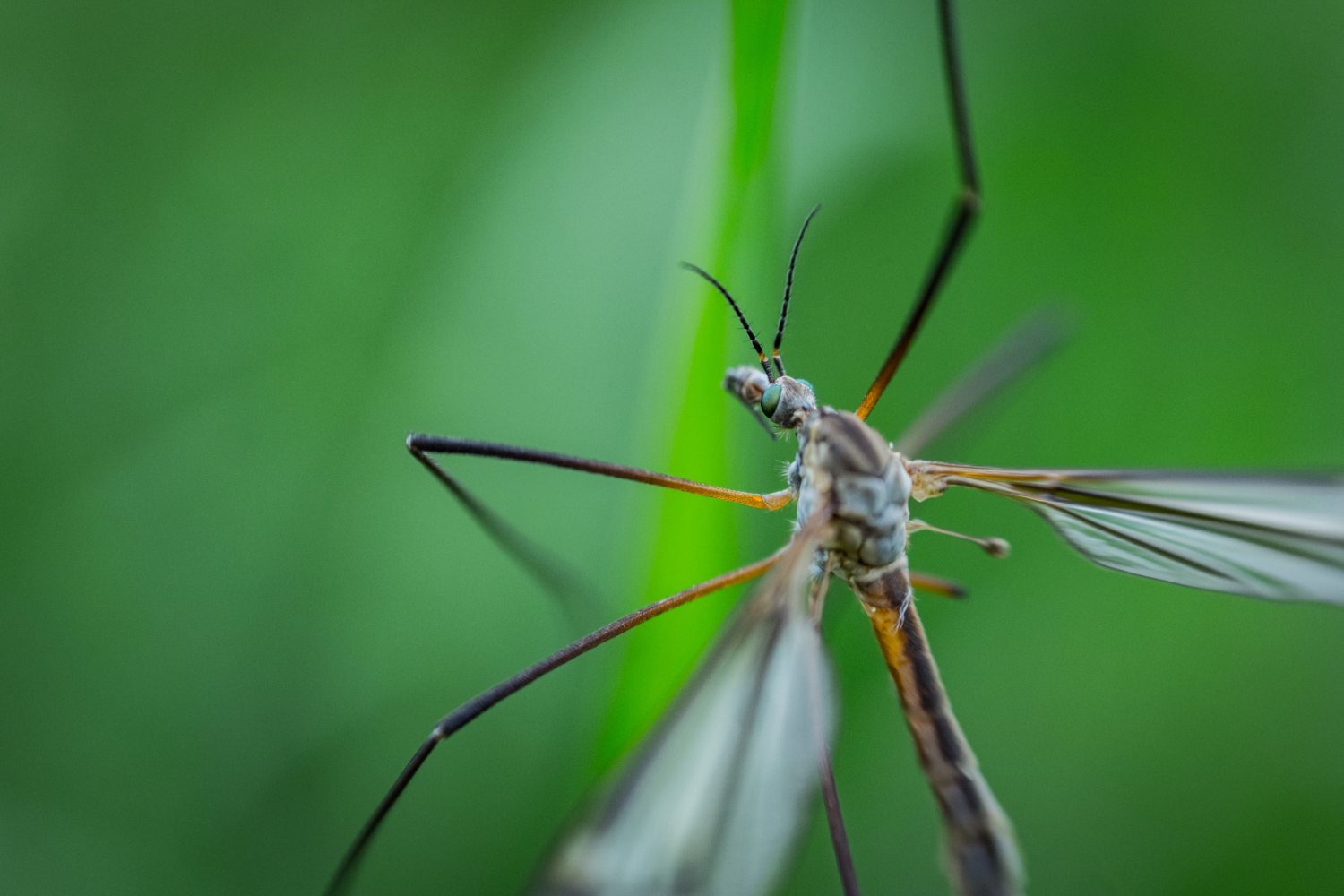
The mosquito situation is more complicated and ecologically more significant. For all of human history, Iceland was one of just two places on Earth where mosquitoes did not exist — the other being Antarctica.
Why? The simple answer is climate, but the actual mechanism is specific. Mosquitoes need stable warm conditions for their larvae to mature. Iceland’s climate has historically produced multiple major freeze-thaw cycles per year — typically three. Each cycle freezes any standing water containing mosquito eggs, then thaws it, then freezes it again. The instability prevents any mosquito species from completing its lifecycle, even cold-adapted species that thrive in nearby Greenland (which has at least one resident mosquito species, Aedes nigripes, surviving on muskoxen, Arctic foxes, and reindeer).
The geographic isolation also matters. Iceland is approximately 800-900 km from the nearest mosquito populations (Norway, Scotland, Greenland). Crossing that distance requires either bird-borne or human-borne transport, both of which deliver mosquitoes occasionally but historically not in numbers sufficient to establish breeding populations. In 1986, biologist Gísli Már Gíslason famously caught a single mosquito on a passenger airplane at Keflavík Airport — the plane was traveling from Nassaquaq in Greenland to Frankfurt, Germany. Gíslason boarded the plane, chased the mosquito around the cabin, captured it, and donated it to the Institute of Natural History in Reykjavík where it was preserved in alcohol. That was, until 2025, the most famous mosquito incident in Icelandic history.
On October 16, 2025, Icelandic insect enthusiast Björn Hjaltason posted on Facebook that he had spotted strange flies on a “wine ribbon” — a fabric trap dipped in sweetened wine, normally used to attract moths. He had captured what he immediately suspected were mosquitoes. He sent them to the Natural Science Institute of Iceland, where entomologist Matthías Alfreðsson confirmed the identification: three mosquitoes (two female, one male) of the species Culiseta annulata. The species is cold-adapted and native to the Palearctic region (Europe, North Africa, and most of Asia north of the Himalayas).
The discovery made international news for several days. The species Culiseta annulata is a nuisance mosquito but not a known disease carrier. It can survive cold winters as adults rather than as eggs, sheltering in basements and outbuildings. The conditions for it to establish a breeding population in Iceland appear to be present.
Scientists have offered different theories about what enabled the arrival. Some have linked it directly to climate change — Iceland recorded record-breaking heat in May 2025, with temperatures 13°C (23.4°F) warmer than the 1990-2020 average for that period (compared to a 1.3°C global average warming). Glacial melting has accelerated dramatically. Native ecosystems are visibly shifting.
Others, including the Yale epidemiologist Colin J. Carlson, have urged caution about attributing the discovery directly to climate change. The mosquitoes may have arrived via shipping containers or air freight rather than naturally migrating. Whether the population will establish itself permanently — surviving Iceland’s continued harsh winters — remains uncertain.
What is certain: by 2025, Iceland was no longer the second-to-last mosquito-free place on Earth. Only Antarctica remains.
What Iceland’s three “no’s” actually represented
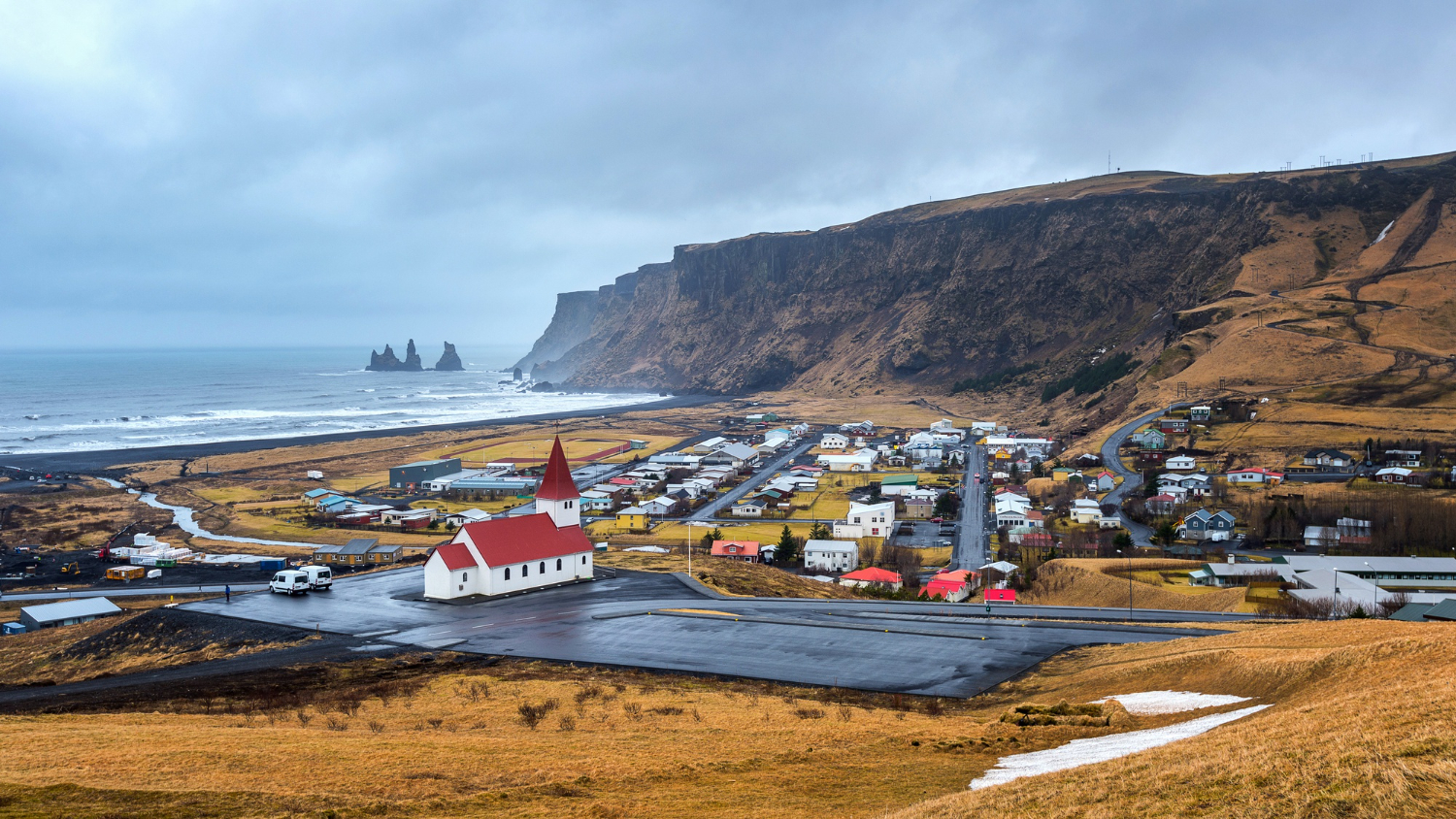
For travelers, residents, and observers, the combination of Iceland’s three exceptional facts represented something specific — a kind of cultural and ecological resistance to the homogenizing forces that have spread through most of the developed world. The country deliberately maintained barriers to international fast food chains. The country naturally maintained barriers to invasive species. The combination produced a sense that visiting Iceland was genuinely different from visiting almost any other developed country.
Some elements of this exceptionalism are durable:
Iceland still doesn’t have McDonald’s. The economic factors that prevented McDonald’s return have not fundamentally changed. Iceland continues to have a strong local food culture that resists generic fast food penetration.
Iceland still has no army. The country eliminated its military in 1869 and has never reestablished one. The U.S. operated a military base at Keflavík from 1951 to 2006, but no Icelandic military exists.
Iceland still has no casinos. Gambling is heavily restricted with limited exceptions for charity bingo and similar minor activities.
Iceland still has unusually rigorous food safety standards. Local sourcing, traceability, and freshness are central to Icelandic food culture in ways that have continued to limit international chain penetration.
Until 1989, Iceland banned beer. The country’s complex relationship with alcohol regulation persists in modified form (high prices, government-controlled distribution).
Until the early 1980s, Iceland had no television on Thursdays or during the entire month of July — the government believed citizens should do something other than watch television during these times. The cultural commitment to non-passive activity has shaped Icelandic identity in ways that persist.
But the 2025 changes are also genuinely meaningful. The arrival of Starbucks marks a small surrender of cultural distinctiveness. The arrival of mosquitoes marks a larger ecological transformation that may signal more substantial changes to come. The ice that has historically defined Iceland — both the literal glaciers and the metaphorical resistance to outside forces — is melting in multiple senses simultaneously.
What this actually means for visitors
For travelers planning Iceland trips in 2026 and beyond, the practical implications are mostly minor:
The food experience is still distinctively Icelandic. Local lamb, Atlantic seafood, dairy products from Icelandic cattle, geothermal-greenhouse-grown vegetables, and traditional preparations remain dominant. The new Starbucks doesn’t change the broader food landscape.
Reykjavík’s coffee scene remains genuinely good. Te & Kaffi, Kaffitár, Reykjavík Roasters, and various independent operations all offer excellent coffee. Visitors interested in coffee culture have no reason to default to Starbucks when local options are typically superior.
Mosquitoes are unlikely to be a significant problem in 2026. The three confirmed specimens from October 2025 don’t yet indicate an established breeding population. Even if the population establishes, the species (Culiseta annulata) is a nuisance bug rather than a disease vector. Visitors should not expect mosquito problems comparable to North American summer experiences.
Iceland’s broader appeal is unchanged. The dramatic landscapes, geothermal pools, glaciers, Northern Lights (in winter), midnight sun (in summer), and unique cultural experiences that define Icelandic tourism remain entirely intact.
Costs remain high. The same factors that prevent fast food chain expansion (high import costs, small population, distance from supply chains) make Iceland one of the most expensive travel destinations in the world. Budget approximately $200-400 per person per day for a typical Iceland trip.
For travelers who specifically want to experience Iceland during what may turn out to be a transitional moment — before further globalization potentially erodes more of the country’s distinctiveness — the years 2026-2028 represent something specific. The mosquitoes haven’t yet established themselves visibly. McDonald’s hasn’t returned. The Starbucks arrival is recent enough that its impact is still limited. The Iceland that has been globally exceptional for decades is still recognizable, even as the cracks have started to show.
What 2025 demonstrated is that even the most isolated developed countries cannot fully resist global integration indefinitely. Climate change moves species across previously impassable barriers. Economic conditions eventually reach the threshold where international chains become viable. Cultural distinctions blur as global tourism brings outside expectations. Iceland’s three “no’s” became a famous fact set partly because they were genuinely unusual — and partly because the world recognized that such isolation couldn’t last forever. The fact that two of the three ended within months of each other in 2025 marks the inflection point. Whether McDonald’s eventually returns will be the third shoe to drop.
