

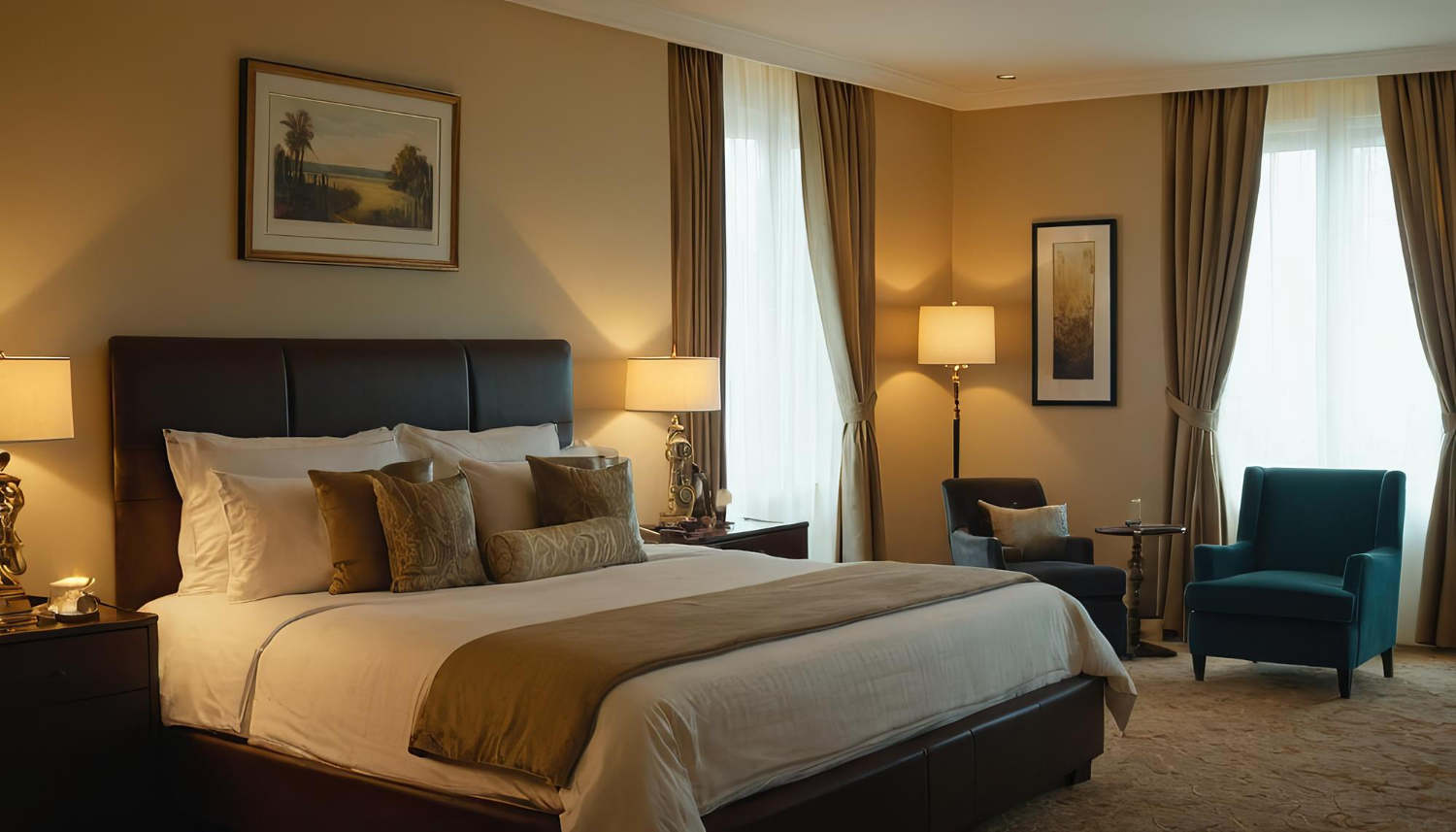
Hotel front desk staff have substantial discretion in room assignment that most travelers never realize. Specific room numbers, floors, and locations within hotels typically go to specific guest categories. The room you get depends substantially on factors you can influence — and others you can’t. Here are the actual front-desk secrets that determine your hotel room assignment, including why corner rooms ending in “00” are typically the best, and what you can specifically request to improve your odds.
Hotel room assignment is substantially less random than most guests assume. Front desk staff at upscale hotels typically have significant discretion in choosing which specific room each guest receives. The decisions are based on factors that include guest tier (loyalty program status), specific reservations preferences, time of arrival, anticipated length of stay, room availability at check-in time, and various other factors. Understanding the system can substantially improve your odds of getting better rooms.
Why Rooms Ending in “00” Are Usually Better
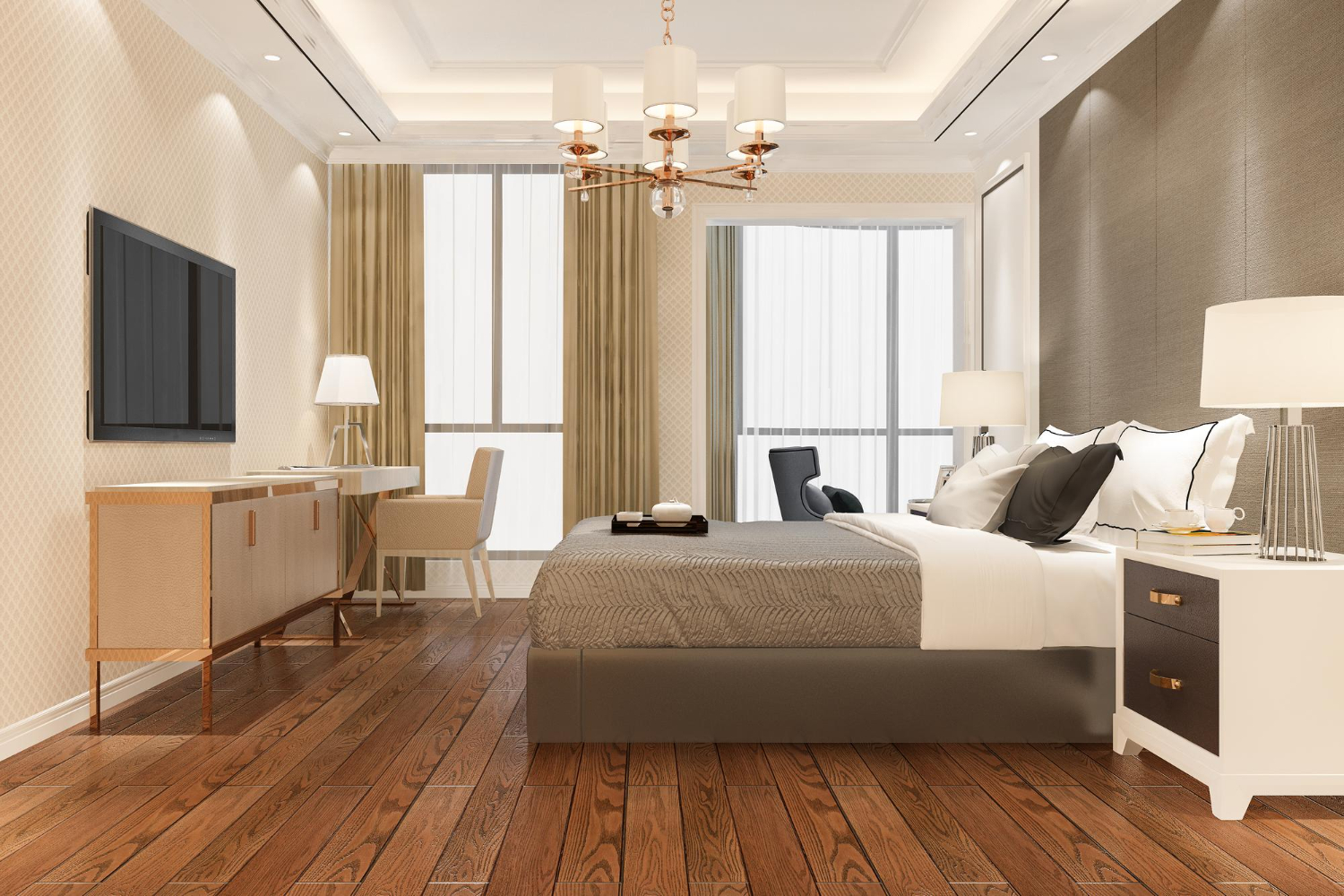
In most hotel layouts, rooms ending in “00” or “01” are corner rooms — often substantially larger than mid-floor rooms. These rooms have windows on two walls instead of one. They’re typically further from elevator noise, ice machine traffic, and corridor activity. The “00” rooms are often the same square footage as advertised “junior suites” but priced as standard rooms. Front desk staff often hold these specific rooms for upgrades to loyalty members, repeat guests, or guests they want to impress. Asking specifically for “a corner room if available” often gets you one when the basic request might not.
High Floors vs. Low Floors
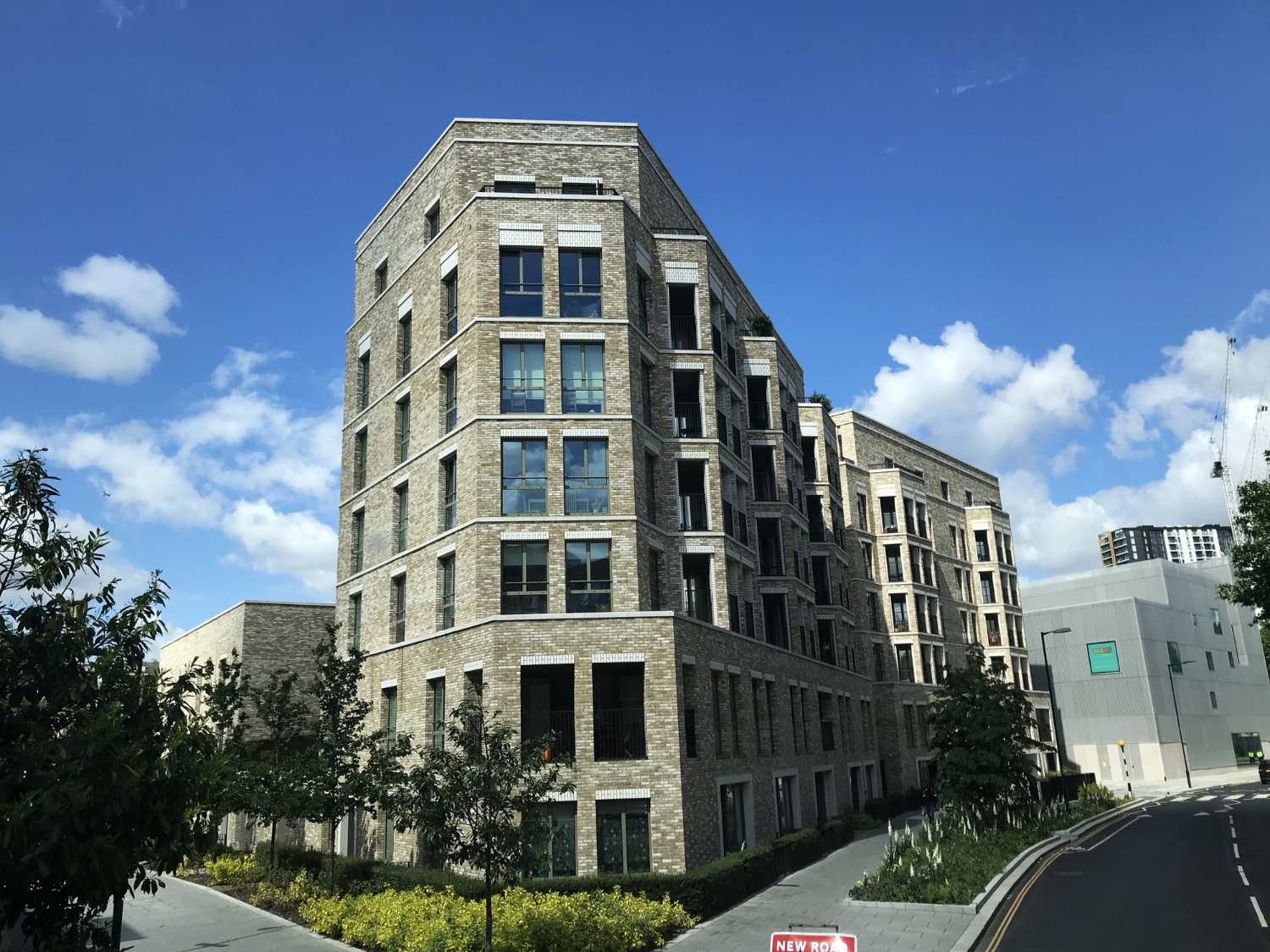
Conventional wisdom suggests high floors are always better — better views, less street noise. The reality is more nuanced. Higher floors do typically have better views and reduced street noise, but elevator wait times increase. Top floors directly under HVAC equipment can have surprising mechanical noise. The best practical floors at most hotels are typically 6-12 — high enough to escape street noise, low enough for reasonable elevator times, away from rooftop equipment. Specific requests like “a higher floor away from elevators” produce better outcomes than just asking for “a high floor.”
The “Quiet Room” Strategy
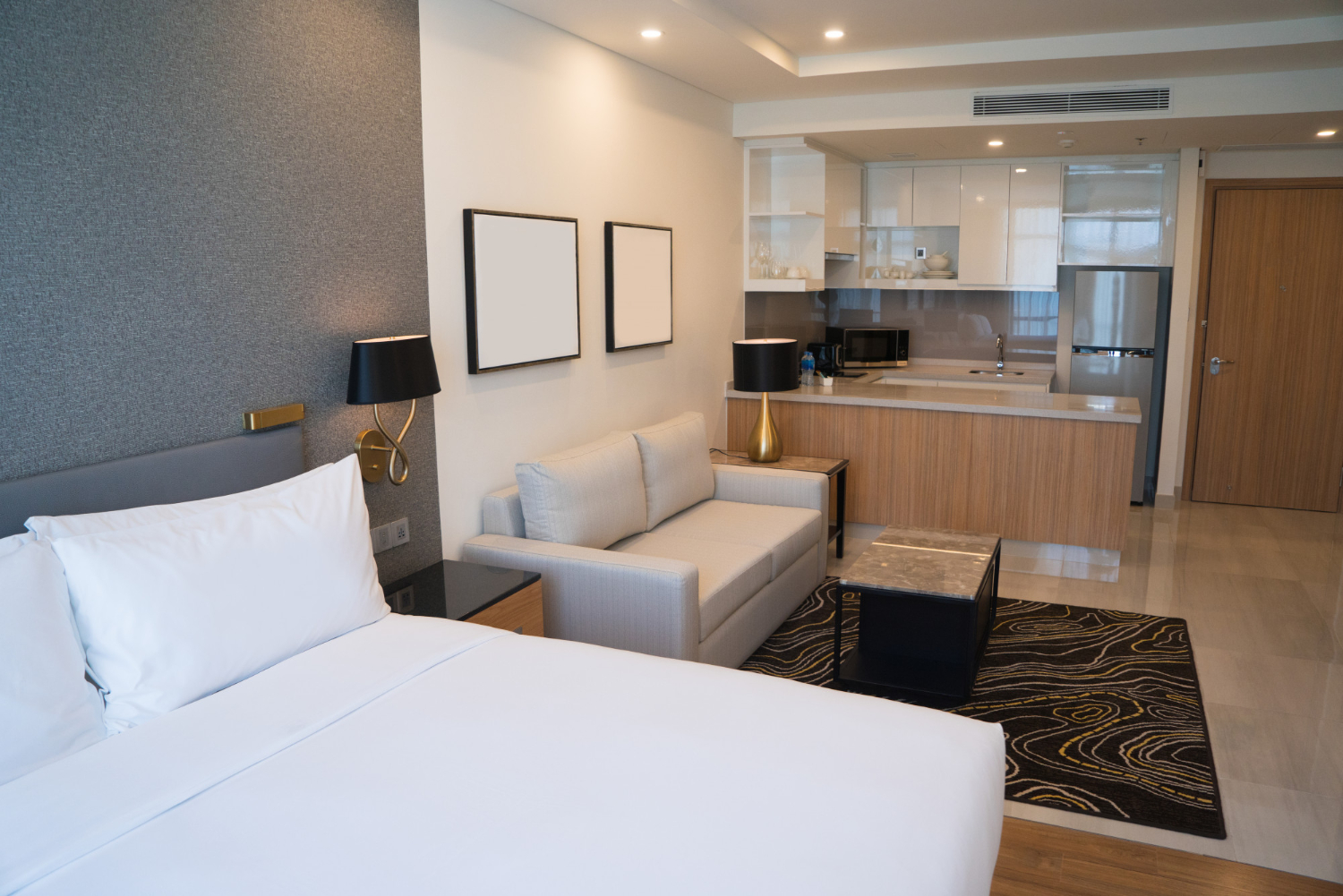
If sleep quality matters most, specific request strategies work substantially better than vague preferences. “I’d love a quiet room away from the elevator and ice machine” gives the front desk specific actionable information. Asking which side of the building faces away from the parking lot, the freeway, or the late-night entertainment district produces better results than asking for “the quietest room.” Front desk staff appreciate specific guidance because vague “quiet room” requests are subjective and difficult to satisfy. Specific requests are easier to fulfill and easier to remember in future stays.
Why Late Check-In Often Gets You a Better Room
Counterintuitively, checking in later in the evening (after 8 PM) sometimes produces better room assignments than early check-in. By that time, the front desk knows which preferred guests aren’t arriving and can reassign held rooms. Early check-in often gets you whatever’s been pre-cleaned, which may not include the best available options. Late check-in lets the front desk match remaining inventory to remaining arrivals more strategically. The trade-off: late check-in risks getting whatever’s left if the hotel is fully booked. The strategy works best at moderate-occupancy properties where the front desk has flexibility.
The Loyalty Program Effect

Hotel loyalty program tier substantially affects room assignment decisions in ways most travelers don’t realize. Even mid-tier loyalty members (Marriott Gold, Hilton Diamond, Hyatt Globalist) typically receive substantially better rooms than non-members. Top-tier members often receive automatic suite upgrades when available. The marginal cost of joining major hotel loyalty programs is essentially zero — and the room assignment improvements alone can justify the modest engagement required. Even occasional travelers should be members of the major chains’ programs because the room benefits accrue from booking #1.
Why Rooms Near Elevators Are Often Worse
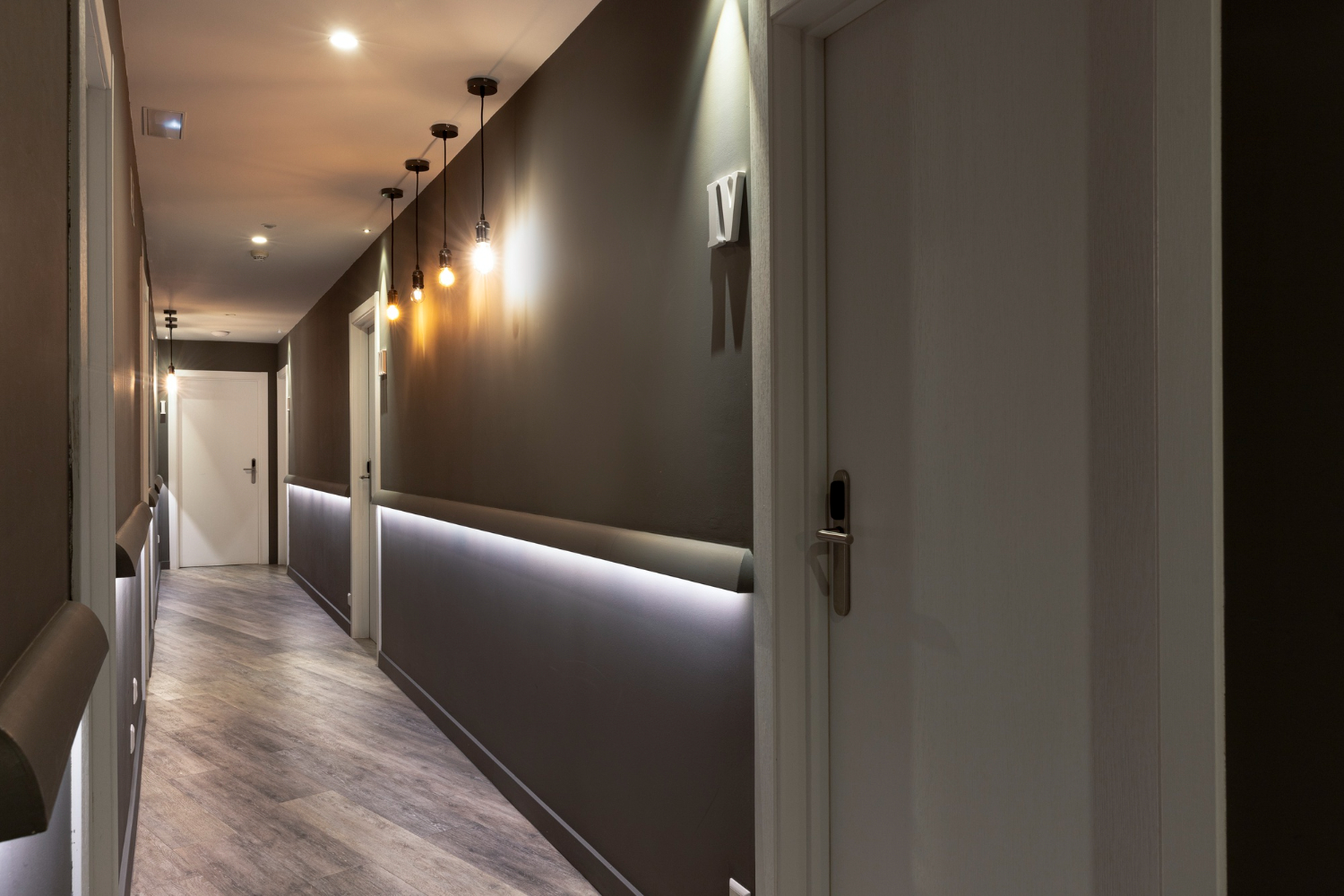
Rooms within 3-4 doors of elevators experience substantially more noise and corridor activity than rooms further away. Elevator door noise, conversation noise from waiting guests, luggage cart traffic, ice machine usage, and various other corridor activity concentrates near elevator banks. Front desk staff typically know which specific rooms are most affected by elevator noise and route preferred guests away from these rooms. Asking specifically “could I have a room away from the elevators?” often produces meaningful upgrades. Many hotels have specific “premium location” designations that include elevator distance.
The “Ask Twice” Strategy
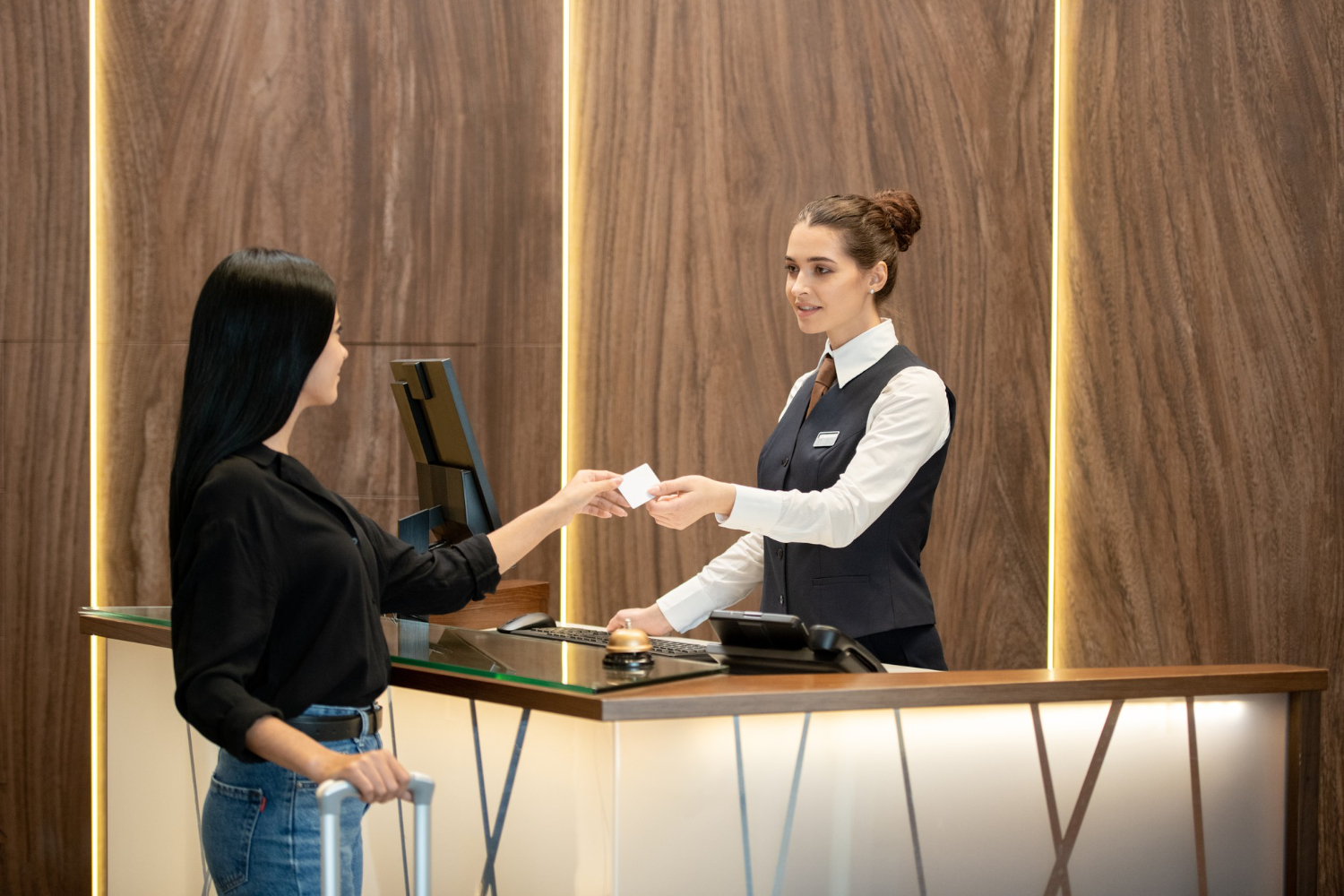
Hotel front desk staff at upscale properties typically have authority to upgrade guests but don’t always do so automatically. Politely asking about upgrade availability — once at booking confirmation, again at check-in — substantially improves outcomes. The first ask alerts the system that you’re interested. The second ask, made in person with the specific front desk agent who’s processing your check-in, gives them an opportunity to be helpful. Many travelers receive upgrades simply because they asked when others didn’t. The asking should be polite and gracious rather than demanding — but the asking matters.
Why Room Numbers Sometimes Skip 13
Many American hotels (and hotels in many other countries) skip the 13th floor and 13th room number in room numbering schemes due to triskaidekaphobia (fear of the number 13). The 13th physical floor might be labeled as the 14th. Room 1313 might not exist. Modern hotel chains have varying policies on this — some maintain the tradition, others have abandoned it as outdated superstition. The skipping doesn’t substantially affect guests but can produce confusion when room numbers don’t match physical positions. Newer hotels are more likely to use sequential numbering without superstition-based skipping.
What “Room With a View” Actually Gets You

The standard “room with a view” upgrade often produces less benefit than expected. Many hotels designate certain rooms as “view rooms” without specifying what view — sometimes meaning “view of the parking lot” or “view of the air conditioning units on the next building.” Specific view requests work better: “ocean view,” “mountain view,” “city skyline view,” “courtyard view.” If view matters, asking for the specific view orientation rather than “view rooms” produces better outcomes. Hotels typically know exactly which rooms face which directions and can match specific requests more accurately than generic “view” requests.
The Special Occasions Strategy

Mentioning specific special occasions (anniversary, birthday, honeymoon, business celebration) when booking and at check-in substantially improves room assignment outcomes. Front desk staff have authority to enhance experiences for occasion-related stays — often through room upgrades, in-room amenities (champagne, fruit baskets, special pillows), or other enhancements. The mention should be honest and gracious rather than performative — front desk staff can often distinguish genuine occasions from manipulative claims. The strategy works particularly well at upscale properties where the front desk specifically values memorable guest experiences.
What Front Desk Staff Actually Want
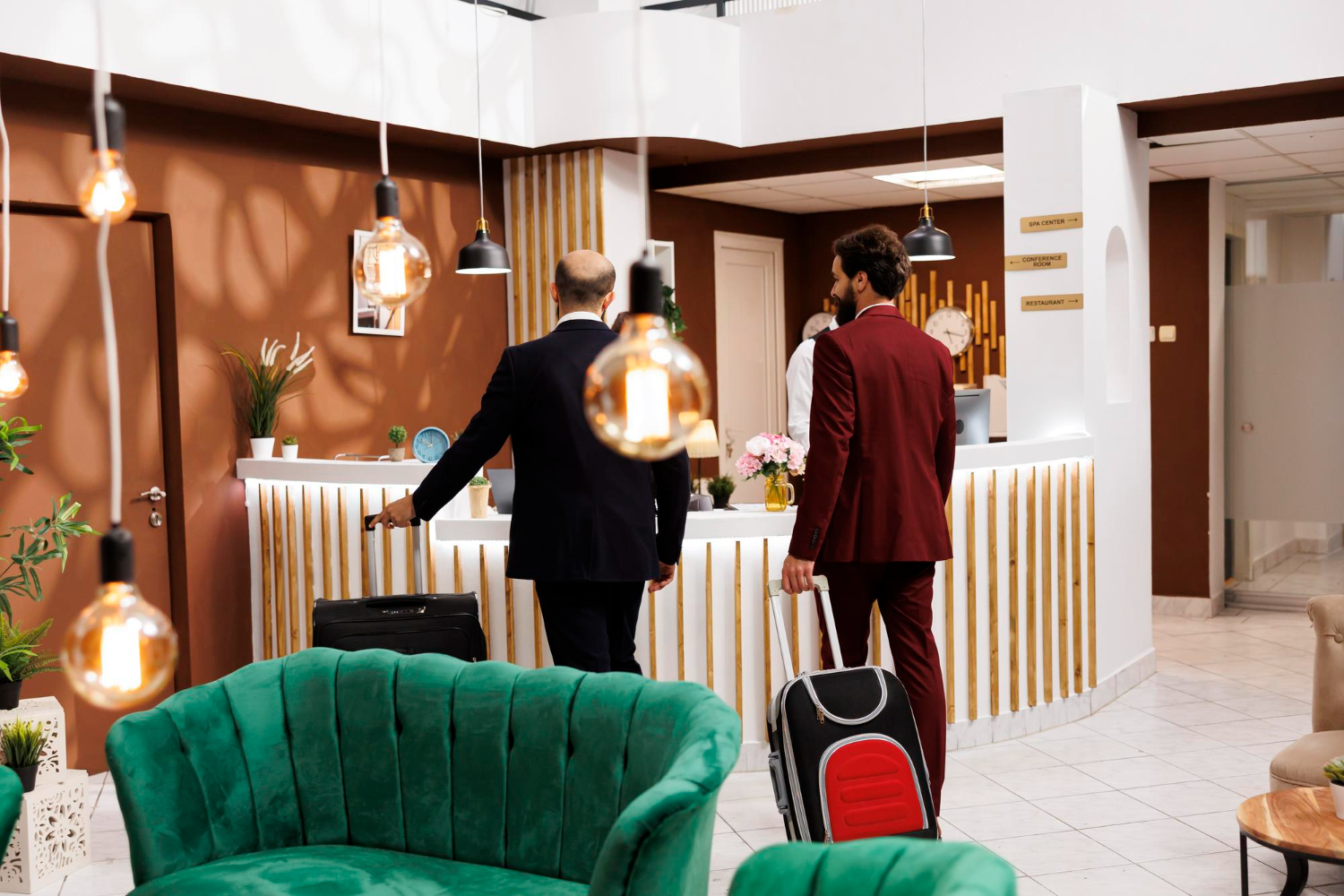
Beyond specific room assignment strategies, the broader principle for getting better hotel experiences involves treating front desk staff well. Hotel staff have substantial discretion that they exercise based on how guests treat them. Guests who are polite, patient, and friendly typically receive substantially better service than guests who are demanding or rude. Front desk staff also remember repeat guests and adjust treatment based on accumulated history. Building positive relationships with hotel staff at properties you visit regularly produces dramatically better experiences over time than treating each stay as a one-time transaction.
What This All Reveals About Hotel Operations
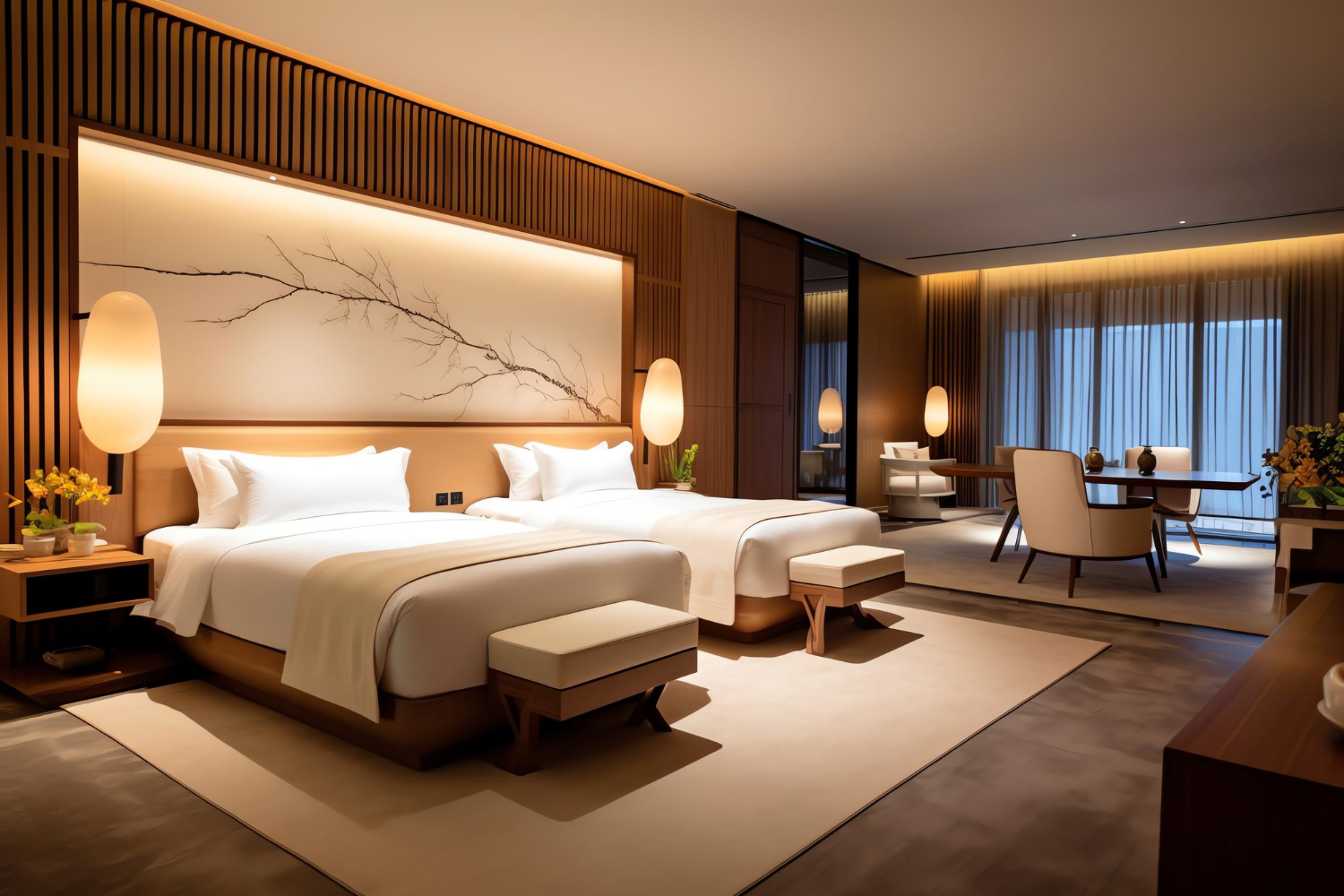
Hotel room assignment is one of many decisions that hotel staff make throughout your stay that substantially affects your experience. The decisions are made based on partial information, competing priorities, and limited time — meaning specific guest behavior can substantially influence outcomes. The guests who consistently get the best hotel experiences aren’t necessarily the wealthiest or most demanding. They’re typically the ones who understand how the system works, communicate specifically and respectfully, and treat hotel staff as competent professionals worth engaging positively rather than as service objects responding to commands. The cumulative effect over many hotel stays can be substantial.

