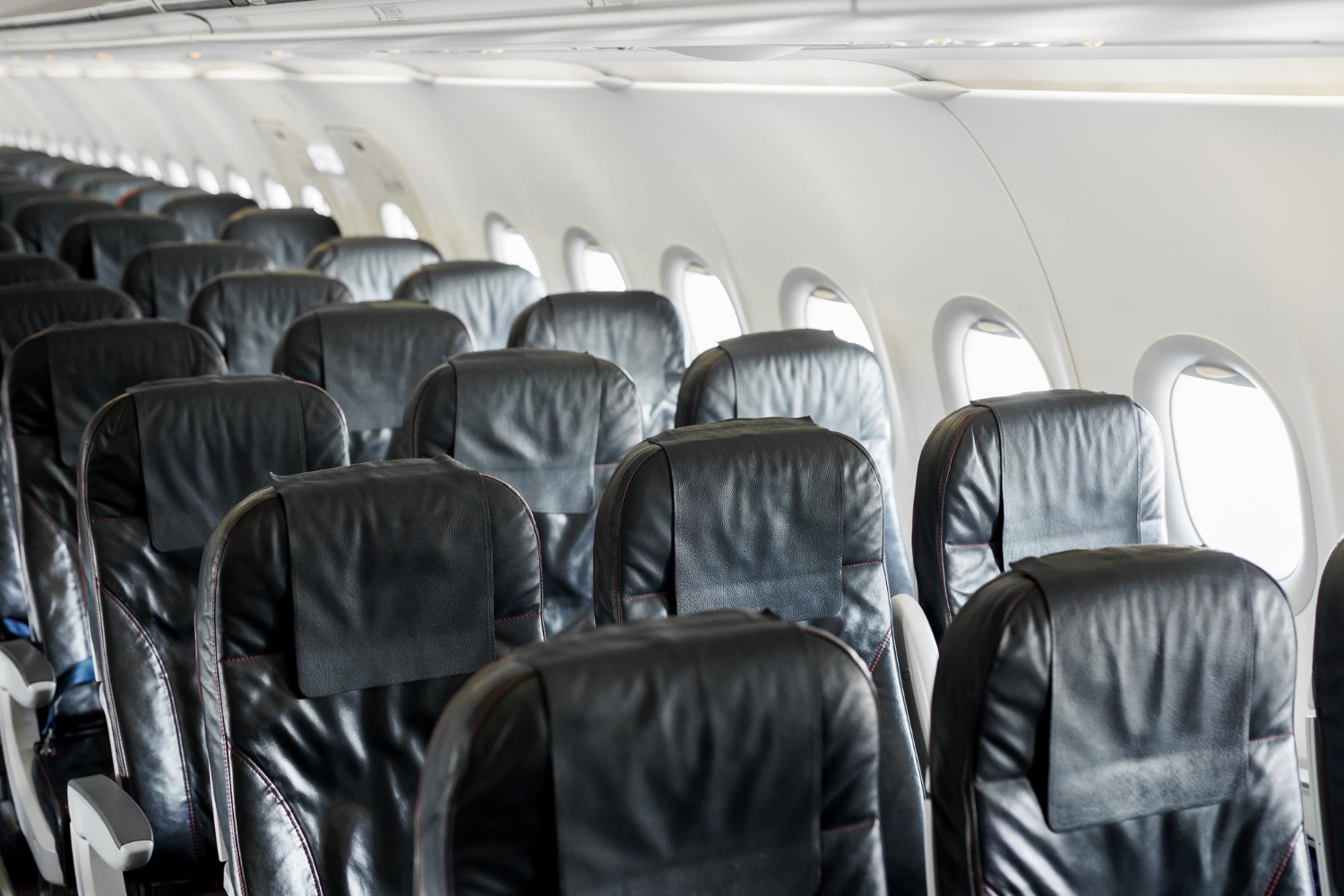
Flight attendants and pilots have substantially more knowledge about which airplane seats are actually best than typical passengers realize. The seat preferences differ between cockpit crew, cabin crew, and even between domestic and international flights. The reasons aren’t superstition — they’re based on actual operational knowledge about turbulence patterns, noise levels, food service flow, restroom locations, and various other factors that affect flight comfort. Here’s what flight crews actually choose for themselves when they’re traveling as passengers.
The specific preferences flight crews have about which seat to choose when they’re flying as passengers reveal substantially more about airplane experience than typical travel advice. Crew members have witnessed thousands of flights and know specifically which factors affect comfort. Their preferences are practical rather than impressionistic — based on actual operational knowledge that develops through career-long observation. The preferences differ by crew role (pilot vs. flight attendant), flight type (domestic vs. international), and specific aircraft model.
The Window Seat Over the Wing

The window seat over the wing — typically rows 11-15 on most narrow-body aircraft — is often cited by flight crews as their preferred choice. The reasoning is genuinely specific. The wing area is closest to the aircraft’s center of gravity, which means it experiences the least motion during turbulence. The wing’s structural integration with the fuselage produces the most stable section of the plane. The view is interesting (you can watch the wing flexing during flight, observe the engines, see the flaps and ailerons operating). The window provides natural light without the disorientation of the front cabin. Multiple commercial pilots have specifically recommended this seat in interviews about flight comfort.
The Aisle Seat Near the Back
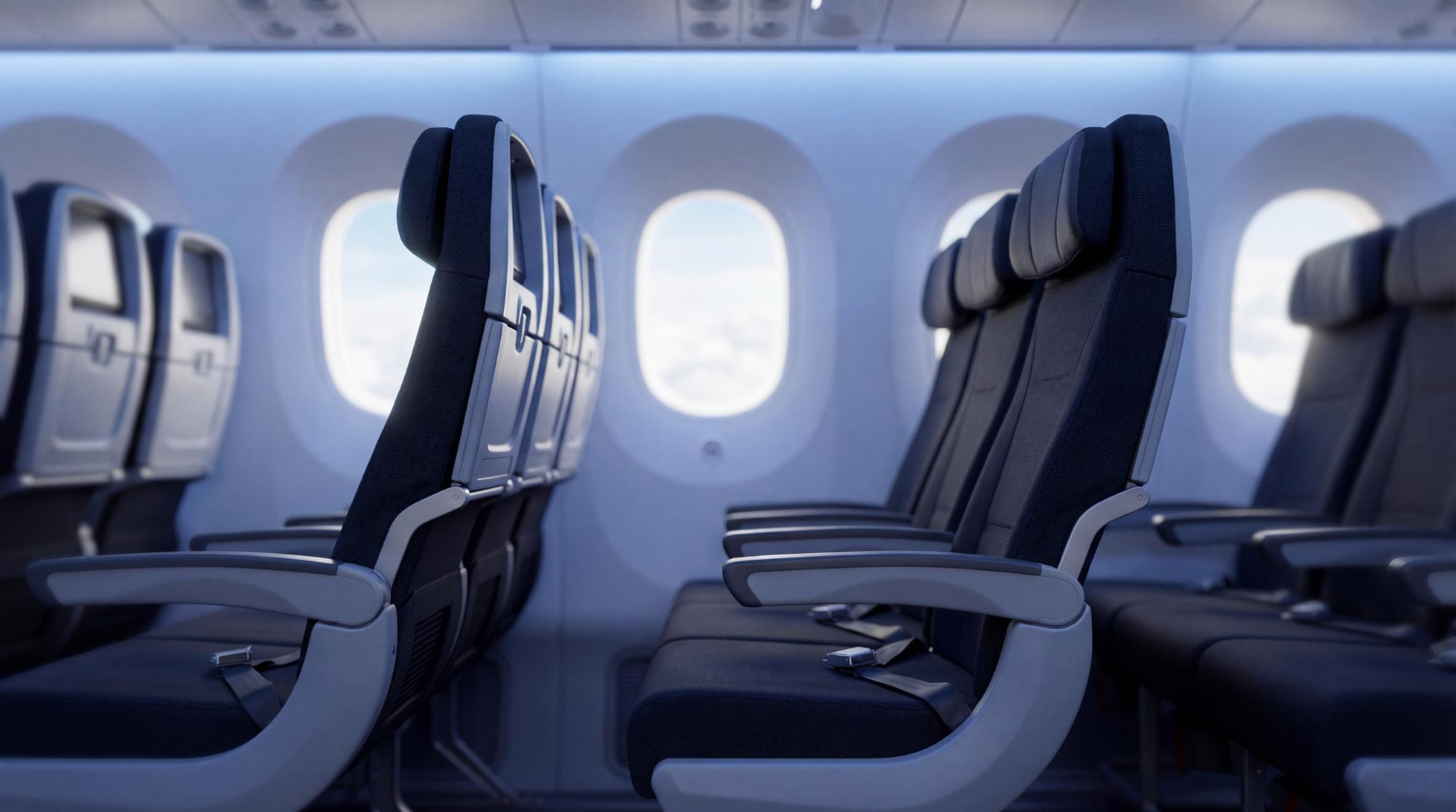
Many flight attendants prefer aisle seats in the back third of the aircraft for specific reasons. The back of the plane experiences slightly more turbulence than the wing area but offers other advantages: typically less crowded since most passengers prefer front sections, faster access to restrooms (especially on long flights), often quieter due to greater distance from kids/business travelers concentrated near front, and quicker exit at flight conclusion since you can reach the rear door faster than the front exit if rear deplaning is permitted. The trade-off: slightly more turbulence and being last to receive food/beverage service.
The Bulkhead Seat (With Caveats)
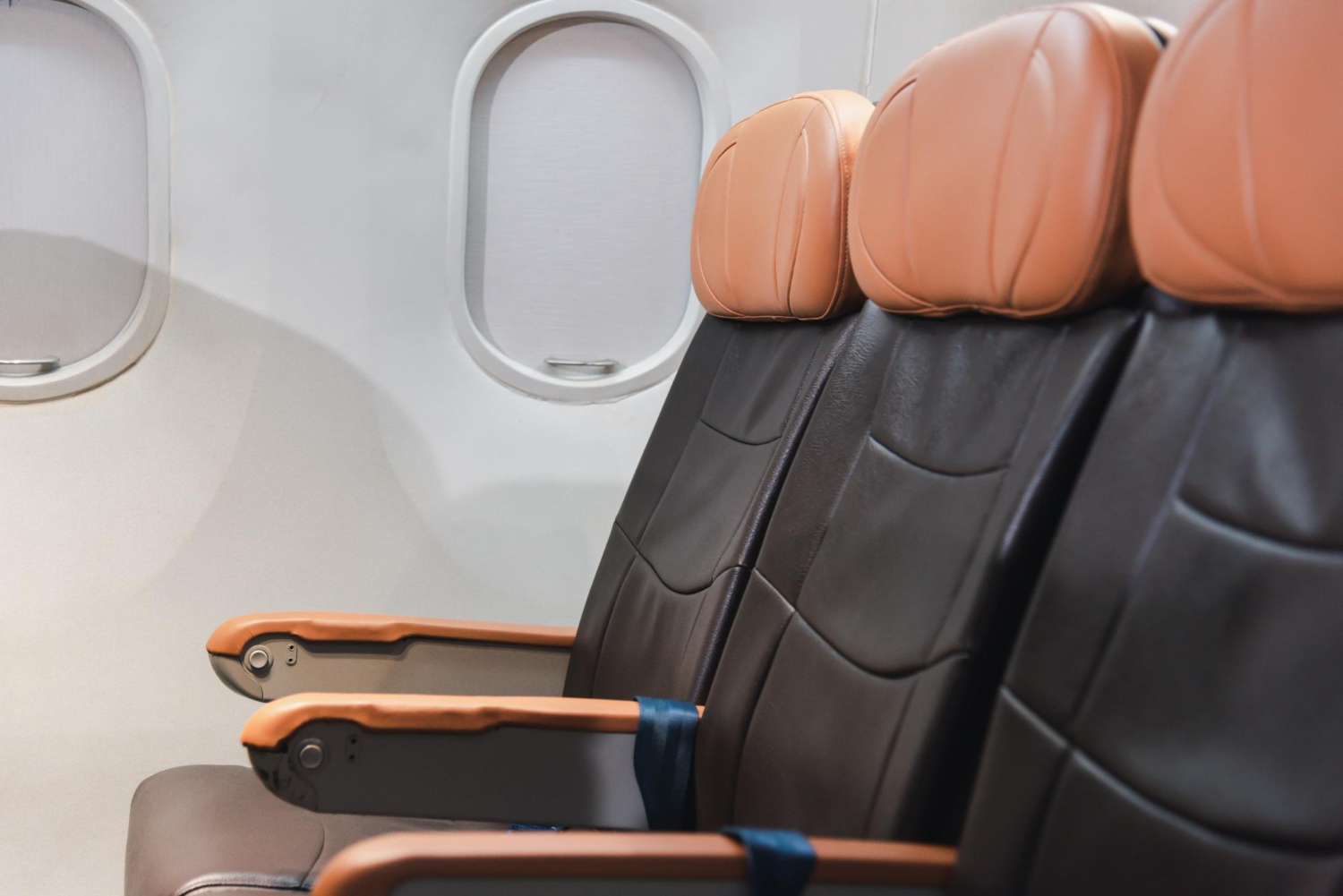
Bulkhead seats — those immediately behind cabin partitions — are often preferred for legroom but have specific downsides flight crews understand. Advantages: substantially more legroom than standard seats, no passenger reclining into your space, easier exit during boarding/deplaning, often better view of cabin activity. Disadvantages: typically can’t keep belongings on the floor in front during takeoff/landing (must use overhead bin), lap children may be assigned to bulkhead rows for bassinet attachment, may be near galley with associated noise, often near restrooms with associated traffic. Most flight crews choose bulkhead seats when available but recognize the specific trade-offs.
Avoiding the Last Row
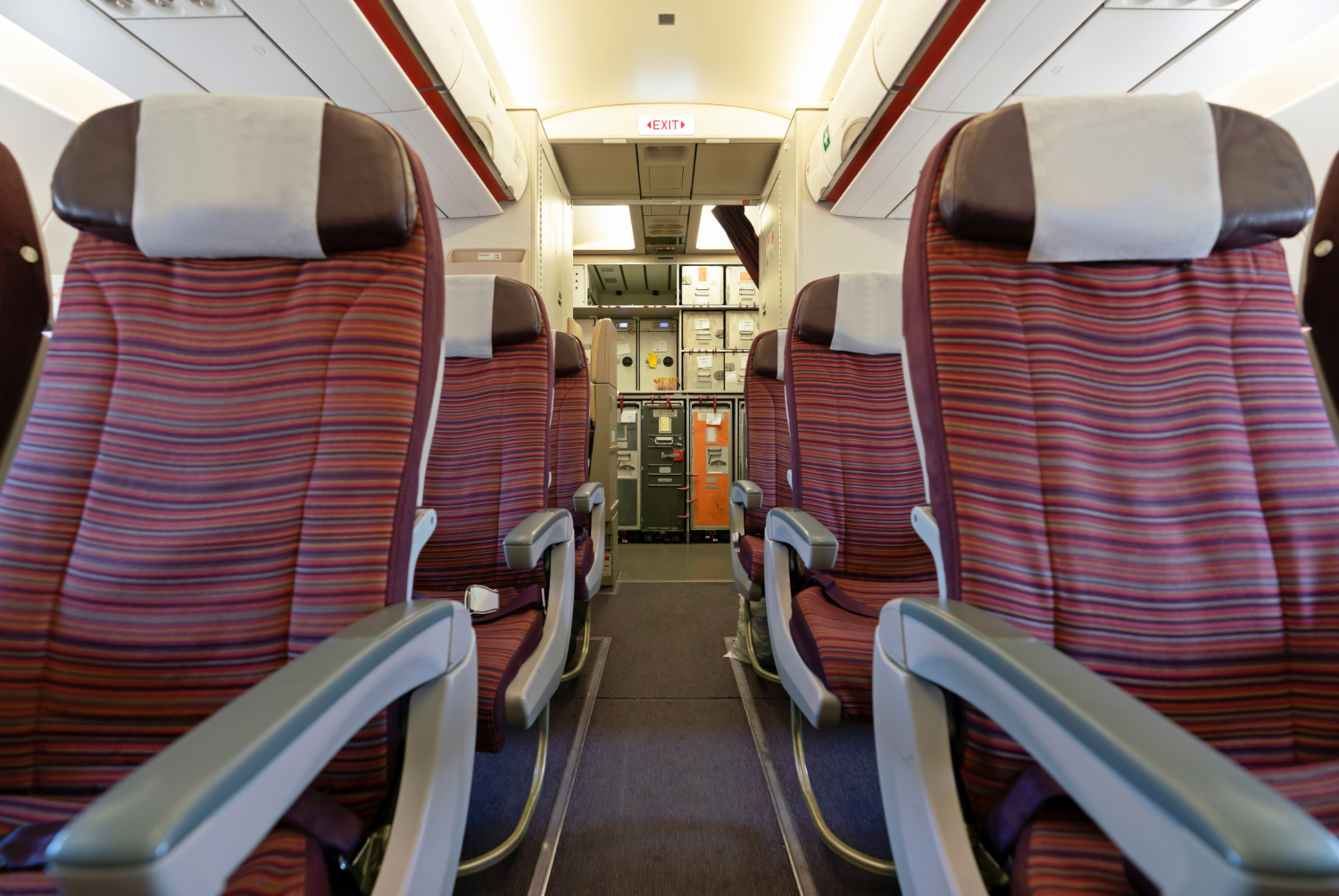
Most experienced flight crews specifically avoid the last row of seats for several specific reasons. The last row often doesn’t recline (against the rear bulkhead). Restroom proximity produces both noise and odor concerns throughout the flight. The galley is typically immediately behind the last row, with associated activity and noise. Beverages and food service may be delayed or limited if supplies run out before reaching the last row. The last row may experience the most turbulence (slight increase over middle sections). The combination of factors makes the last row substantially less desirable than its similar pricing might suggest. Crew members specifically choose other seats when available.
The Row 1 Question
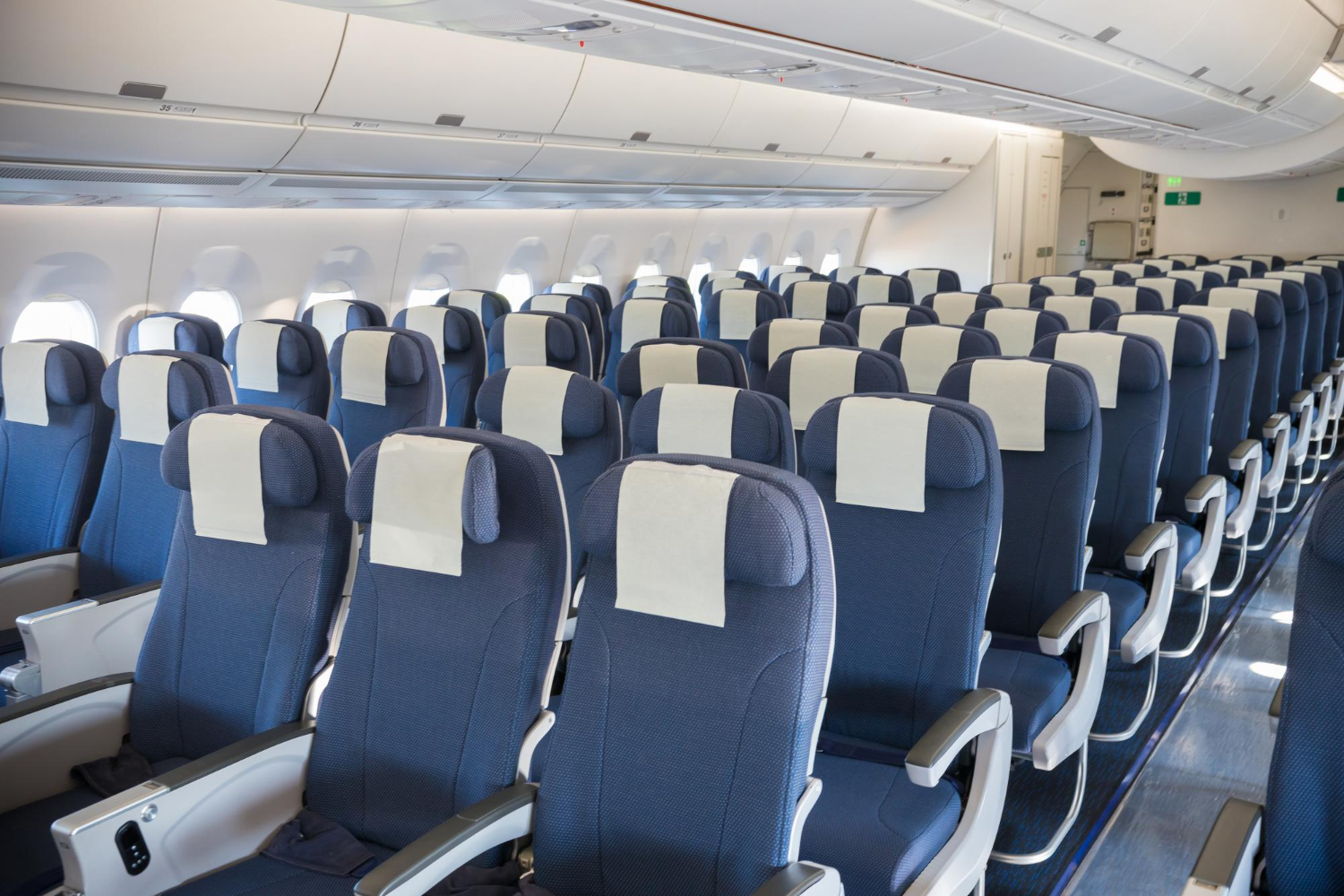
Row 1 — the front row immediately behind the cockpit — has specific characteristics flight crews understand. Advantages: first to deplane, first food/beverage service, often substantial legroom (since there’s no seat in front), generally quieter section. Disadvantages: can’t keep belongings on the floor in front during takeoff/landing (no seat to put them under), often shares space with lap children using bassinets, generally requires using overhead bin for everything, may be near galley activity. Whether row 1 is preferred depends on individual factors. Many flight crews prefer it on short flights (no time for storage issues to matter much) and dislike it on long international flights (storage and bassinet issues compound over hours).
The Specific Pilot Preference

Commercial pilots flying as passengers often have specific preferences that differ from cabin crew. Many pilots specifically prefer the right side of the aircraft for window seats — the rationale involves slightly less turbulence on the right wing during typical turn patterns. Many pilots prefer seats over the wing as discussed, but specifically the row immediately behind the wing’s leading edge for optimal stability. Many pilots avoid emergency exit rows when traveling as passengers — they don’t want responsibility for passenger evacuation duties when they’re off-duty. The preferences reflect specific aviation knowledge that most passengers don’t possess.
The Window vs. Aisle Trade-off
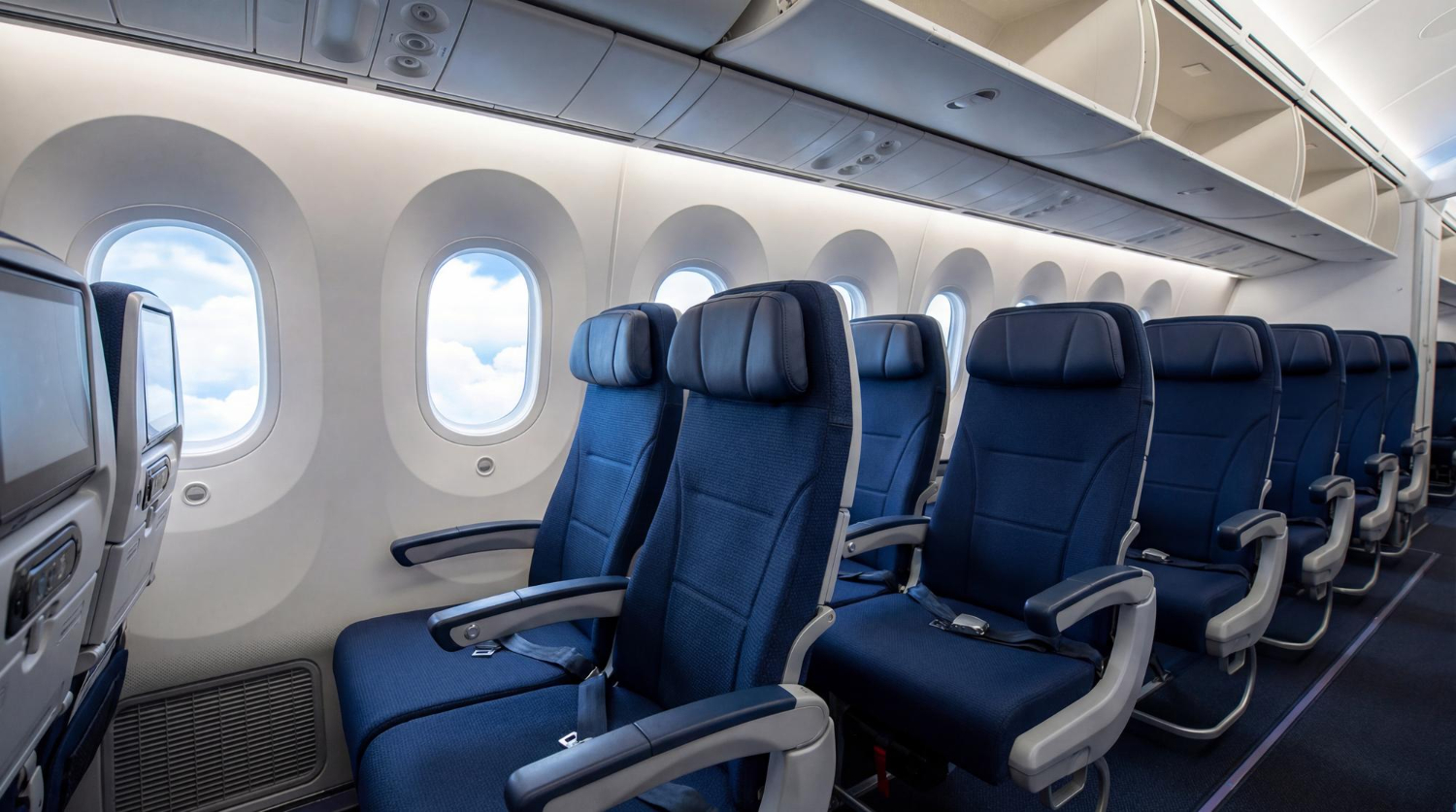
The fundamental trade-off between window and aisle seats has specific factors flight crews weigh carefully. Window advantages: better sleep (head can rest against wall), no aisle traffic disturbance, view, no being woken when seatmate uses restroom. Aisle advantages: easier restroom access, ability to stretch legs occasionally, faster exit at flight end, more shoulder room (no curved wall pressing inward). Most flight crews specifically prefer window seats for long flights (sleep matters more) and aisle seats for short flights (mobility matters more). Many specifically avoid middle seats regardless of other factors. The middle seat consensus among experienced travelers — that they’re substantially worst — is universally shared by flight crews.
The Emergency Exit Row Reality
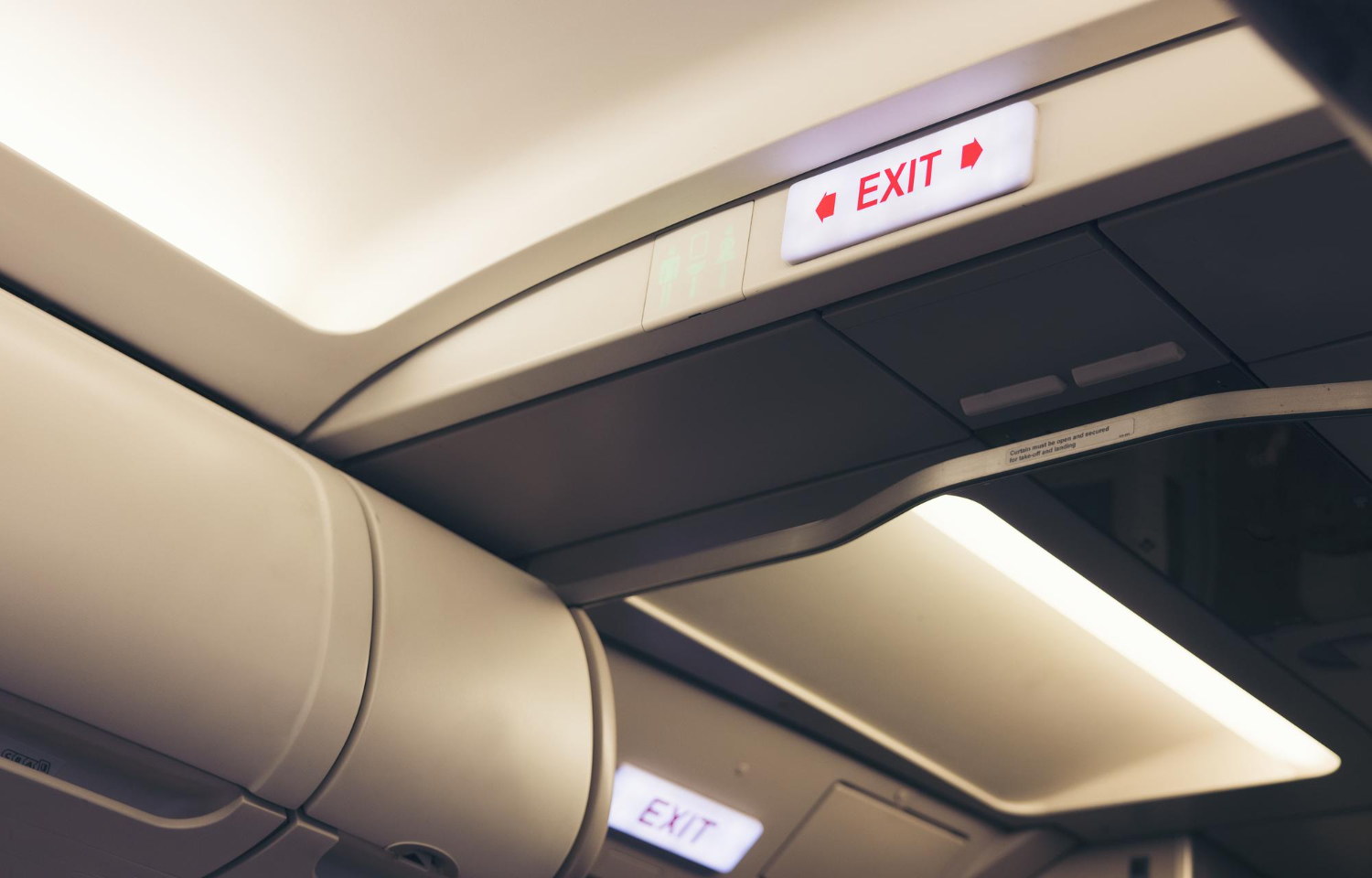
Emergency exit rows have specific characteristics that flight crews understand specifically. Advantages: substantially more legroom (often 4-8 inches more than standard rows). Disadvantages: passengers in exit rows have specific responsibilities including operating the emergency exit if needed, must meet specific physical and language requirements (per FAA regulations), seats often don’t recline because of safety considerations, may be cold due to proximity to door seals. Many flight crews specifically choose exit rows for legroom but acknowledge the trade-offs. Some specifically avoid exit rows because they don’t want the responsibility — particularly when flying with family members who couldn’t be relied on for emergency operations.
The “First Class Isn’t Always Worth It” Insight
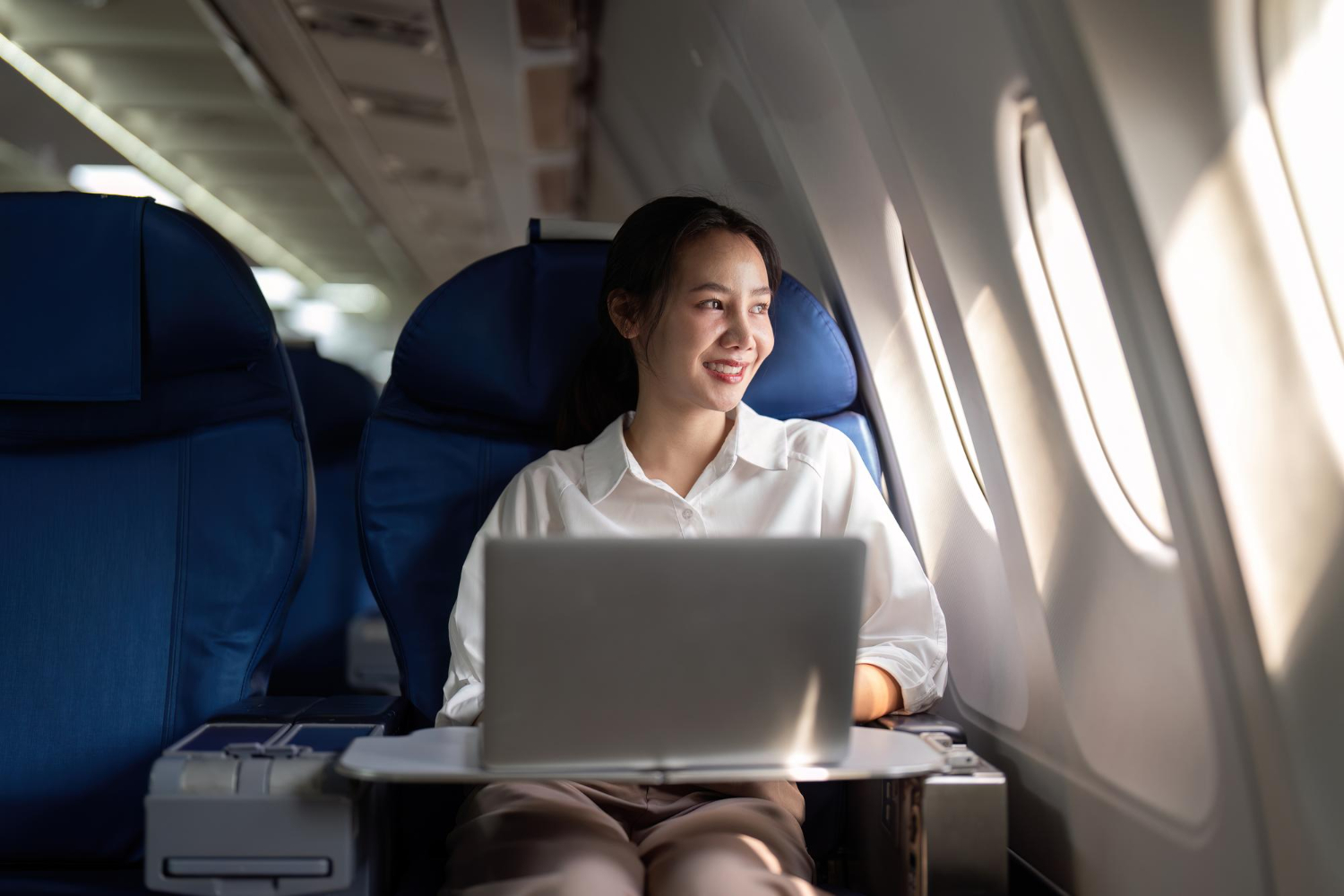
Flight crews have specific insights about when first class is genuinely worth the upgrade and when it isn’t. For flights under 2 hours, the comfort difference between economy and first class is typically not substantial enough to justify the price difference for most passengers. For flights of 4-8 hours, the comfort difference becomes more meaningful, particularly for sleep on overnight flights. For flights over 8 hours, business or first class becomes substantially more valuable for most passengers. The specific calculation depends on individual factors but flight crews understand that the marketing of first class often overstates the comfort difference for shorter flights. Many specifically prioritize good economy seat selection over class upgrade for shorter flights.
What Flight Crews Specifically Avoid

Beyond positive preferences, flight crews specifically avoid certain seats. Last row (covered above). Seats near galley (constant activity, food smells, light, noise). Seats near restrooms (traffic, sometimes odor). Seats with limited recline (often just in front of exit rows). Middle seats (universally avoided). Seats with broken entertainment systems (worth checking before flight if possible). Seats near families with infants or young children (when avoidable — though bulkhead rows often place lap children there). The specific avoidance pattern reflects accumulated career experience about which factors matter most for in-flight comfort.
The Booking Strategy Implications

For passengers who want to apply flight crew knowledge to their own bookings, several specific strategies emerge. Use SeatGuru.com or similar resources to research specific aircraft seat configurations. Check specific aircraft model when booking — same airline, same flight number, different aircraft can have substantially different seat arrangements. Book substantially in advance for best seat selection availability. Pay for seat selection when prices are reasonable rather than gambling on automatic assignment. Choose specific seat characteristics over general “better seat” preferences. Consider window vs. aisle decision based on flight length and personal sleep patterns. Avoid middle seats regardless of price difference when possible.
What This All Reveals About Flying
The specific preferences flight crews have for their own travel reveal something useful: airplane comfort isn’t random or purely subjective. Specific factors substantially affect the experience, and accumulated career experience produces useful knowledge about which factors matter most. Most casual passengers don’t understand these factors and choose seats based on price, availability, or impressionistic preferences that don’t optimize for actual comfort. Applying flight crew knowledge to seat selection can substantially improve flight experience — particularly for longer flights where small differences accumulate into substantial comfort variation. The specific seats flight crews choose when they’re traveling as passengers represent genuine optimization based on more flight experience than most passengers will ever accumulate. Worth applying to your own travel choices.