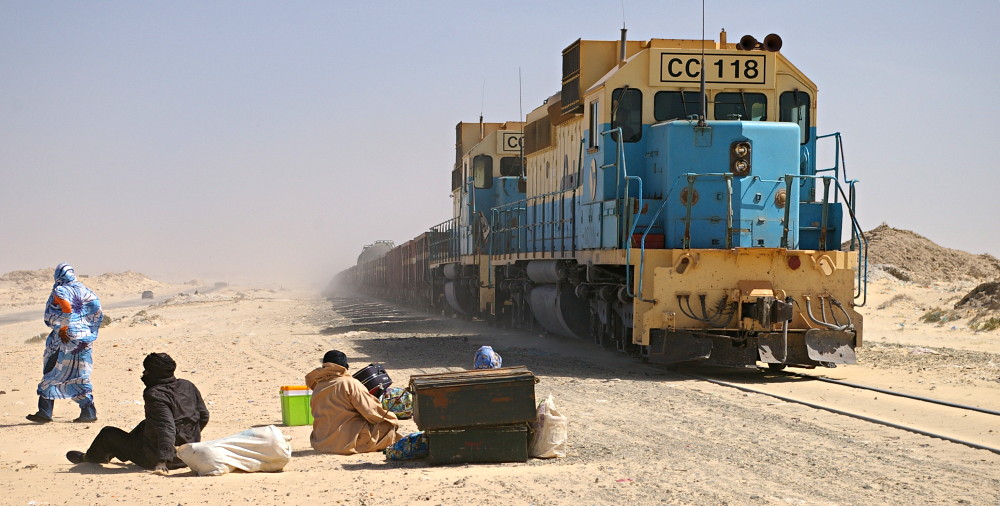
The Mauritania Railway operates one of the longest and heaviest trains in the world — a freight train up to 2.5 kilometers long, pulled by 3-4 American diesel locomotives, carrying 17,000 tons of iron ore across 704 kilometers of Saharan desert. The train has one official passenger carriage. But anyone — locals, traders, adventure tourists — can also legally ride on top of the iron ore in the open freight cars. There’s no ticket. No safety equipment. Just you, your luggage, the iron dust, and the Sahara stretching to every horizon for 18-20 hours. Here’s how it actually works.
1: A Single Railway Line Across a Country
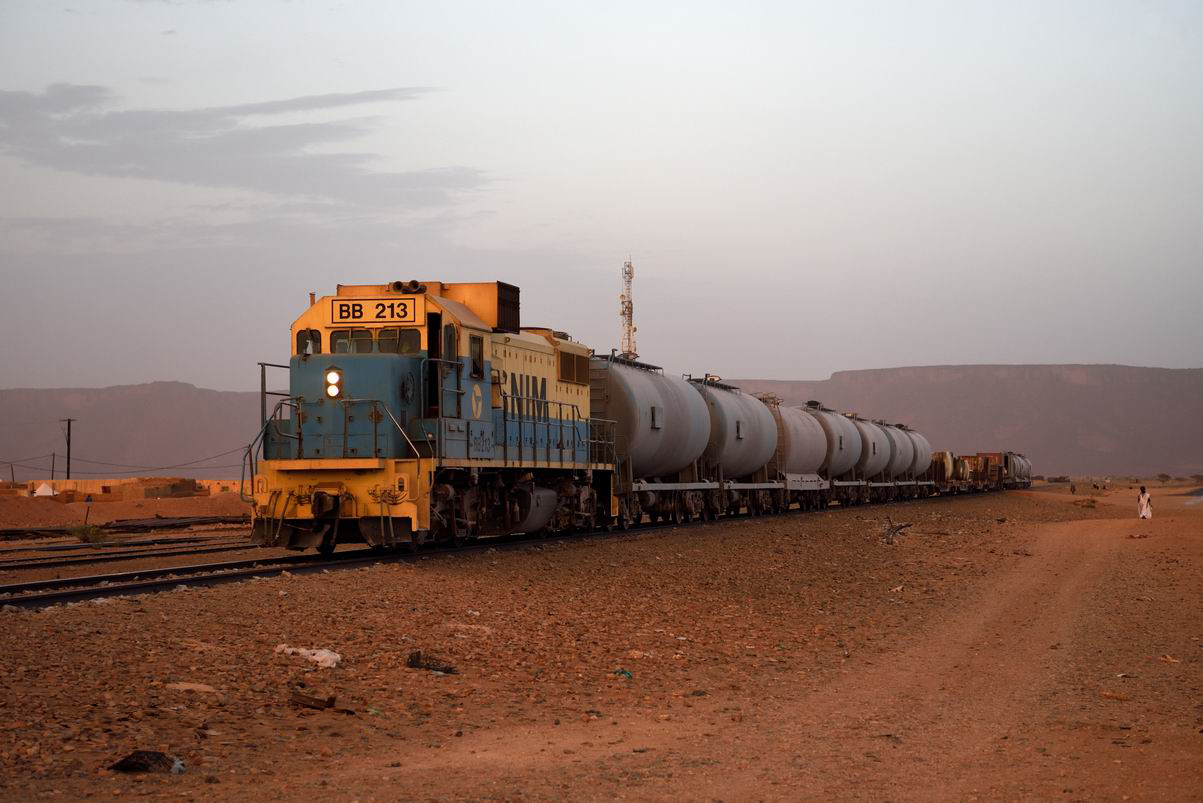
The Mauritania Railway is the entire national rail system of Mauritania — a single 704-kilometer (437-mile) track connecting the iron mining city of Zouérat with the Atlantic port city of Nouadhibou. Construction began in 1960, with the line opening in 1963. The state agency Société Nationale Industrielle et Minière (SNIM) controls the railway. It exists for one specific purpose: transporting iron ore from interior mines to the coastal port for export.
The line passes through some of the most remote terrain in West Africa — pure Saharan desert with essentially no human infrastructure between the two endpoints. A 5 km section even cuts through the Polisario Front-controlled part of Western Sahara. There’s no parallel road. The train is genuinely the only way to cross this specific section of Sahara.
2: The Scale of the Train
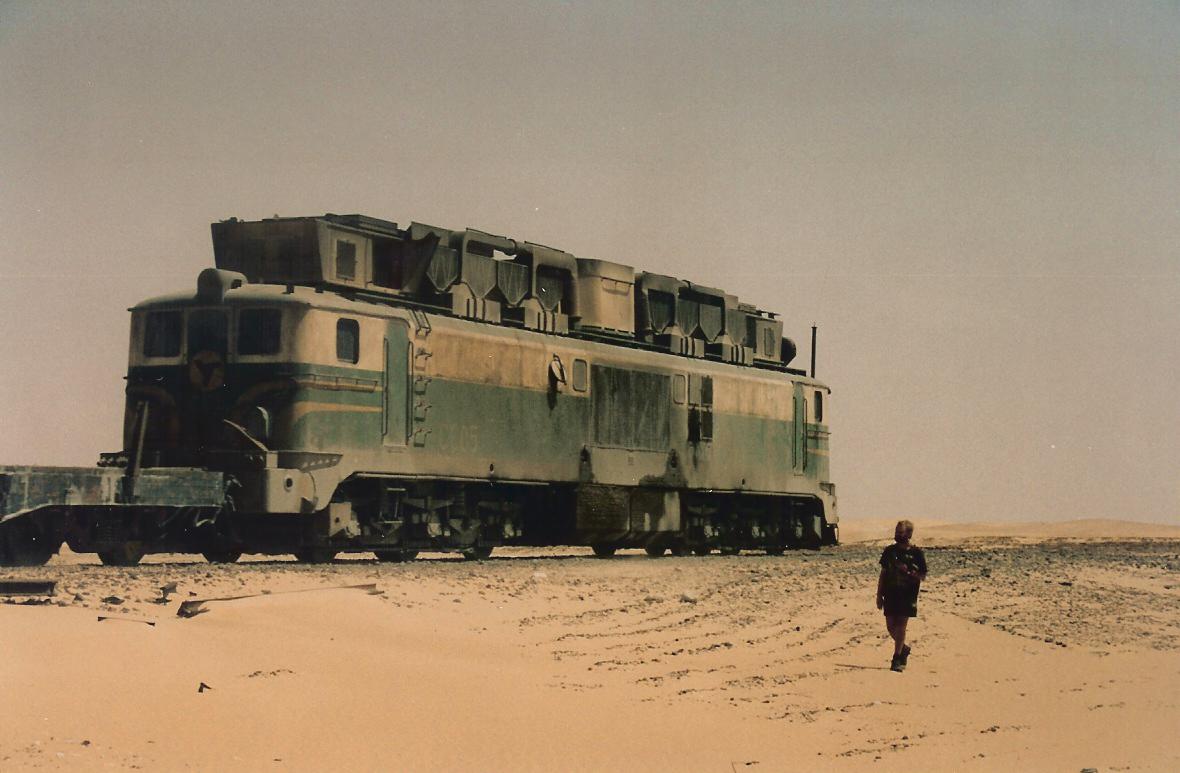
The actual train dimensions are difficult to comprehend. Length: typically 2.5 kilometers (1.5 miles), reaching up to 3 kilometers in some configurations. Cars: 200-300 freight wagons per train. Total weight: approximately 17,000 tons of iron ore per loaded train — enough material to construct an Eiffel Tower. Locomotives: 3-4 American-built EMD diesel-electric units, each producing 2,425 kW (3,300 horsepower).
To put the scale in context: standing at one end of the train, you cannot see the other end. Walking the train’s length takes 30-40 minutes. The train is among the longest regularly-running trains in the world, surpassed only by certain specialized freight operations in Australia and South Africa. SNIM operates three of these massive trains daily in each direction.
3: The Choum Tunnel and the French Border Decision
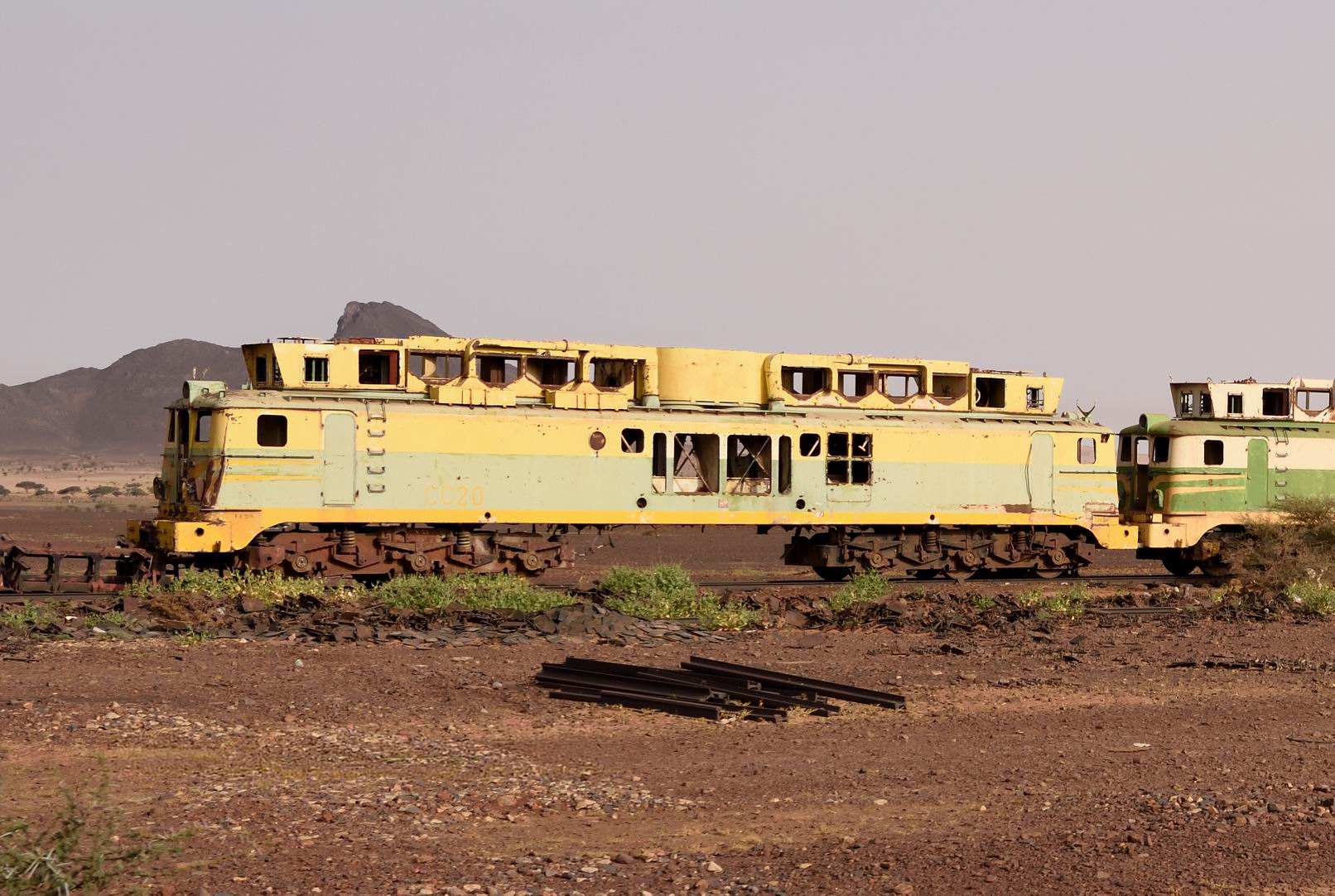
The railway includes one specific engineering oddity: a 2-kilometer tunnel through granite mountain near Choum. The tunnel exists because of a colonial-era political decision. When the French built the railway in the early 1960s, the natural route would have crossed into what was then Spanish Western Sahara territory. France didn’t want their railway to enter Spanish territory. They chose to build an extremely expensive tunnel through hard granite mountain rather than cross the border.
The tunnel construction killed many local workers due to brutal conditions. The political reasoning that drove the engineering decision became substantially obsolete after Spain withdrew from Western Sahara in 1975-1976. The tunnel remained operational until eventually being closed in recent decades, with the line now actually crossing through Polisario-controlled Western Sahara territory for a 5-kilometer section.
4: How the Iron Ore Train Operates
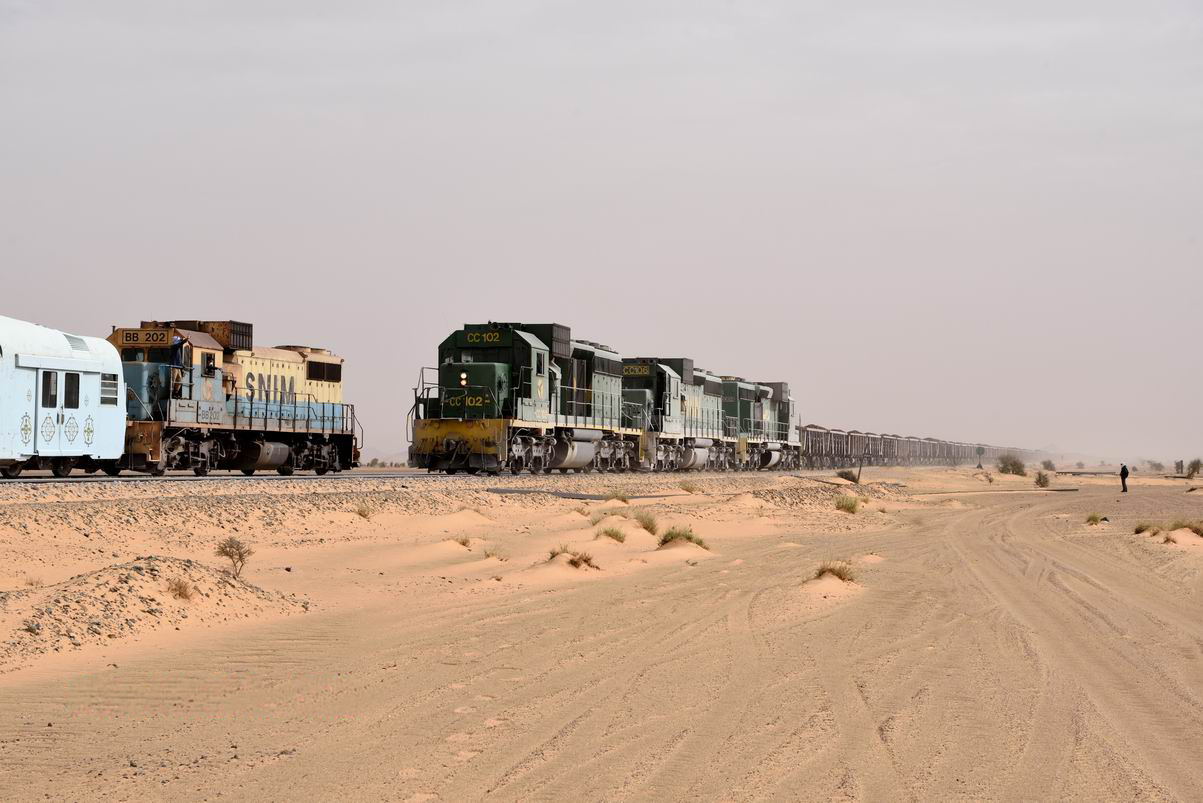
The basic operation involves three trains daily in each direction. Loaded trains depart Zouérat (or the M’Haoudat mines further north) carrying iron ore to Nouadhibou for export. Empty trains return from Nouadhibou to the mines. Each direction takes 16-20 hours depending on conditions, weather, and various operational factors. Maximum train speed: approximately 50 km/h (31 mph) — limited by the weight, the single track, and the various operational factors.
The trains operate continuously through the Sahara including overnight. The cargo is unloaded at the Port of Nouadhibou where it’s transferred to ocean ships for export to China, France, and various other industrial customers. The whole operation supports a substantial portion of Mauritania’s GDP — iron ore accounts for approximately 50% of Mauritanian exports.
5: The Passenger Carriage Option
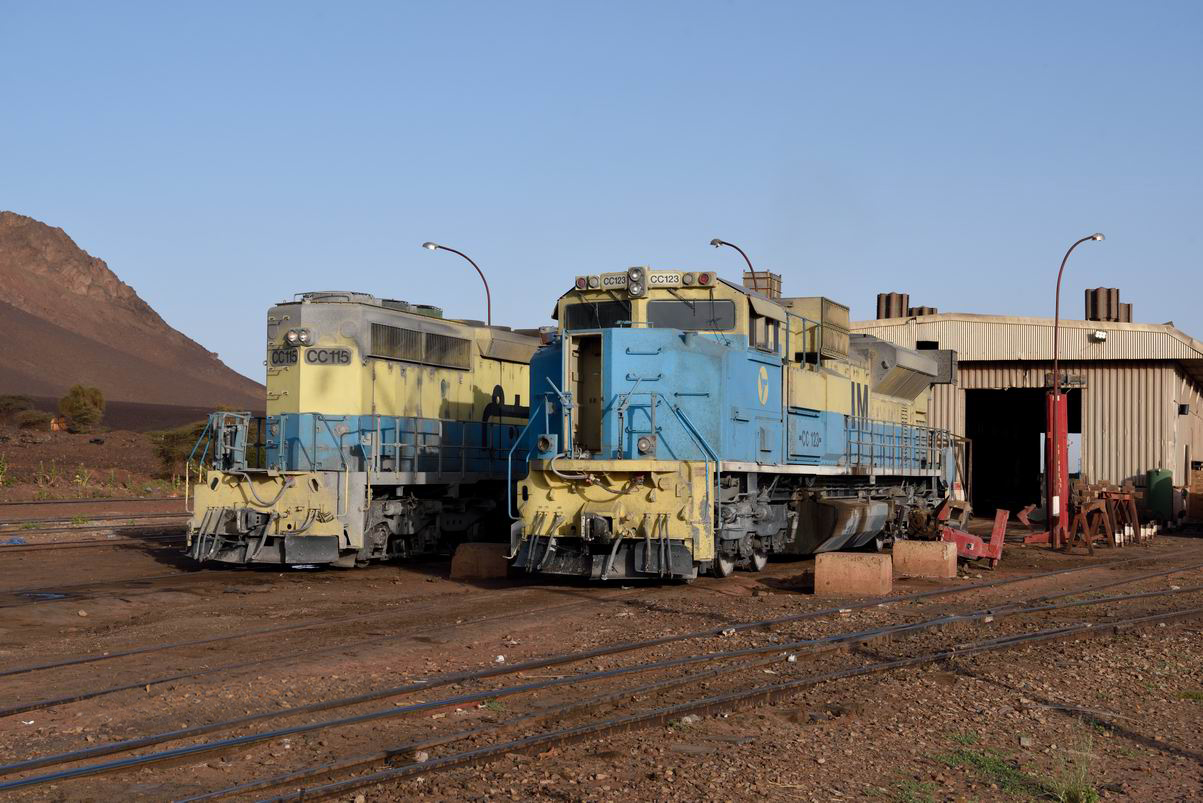
A single passenger carriage is attached to the back of each iron ore train. The carriage is approximately 50 years old, packed during operation, and offers minimal amenities. Tickets cost approximately $3-15 USD depending on the route and circumstances. The carriage provides relative comfort compared to the open freight cars but isn’t really comparable to standard passenger train experience anywhere else.
For Mauritanians, the passenger carriage is genuinely useful — affordable transportation between major cities for visiting family, conducting business, or moving goods. For tourists, the passenger carriage offers minimal adventure value compared to the alternative. Most visitors specifically choose to skip the passenger carriage for the more extreme option.
6: Riding On Top of the Iron Ore (Free)
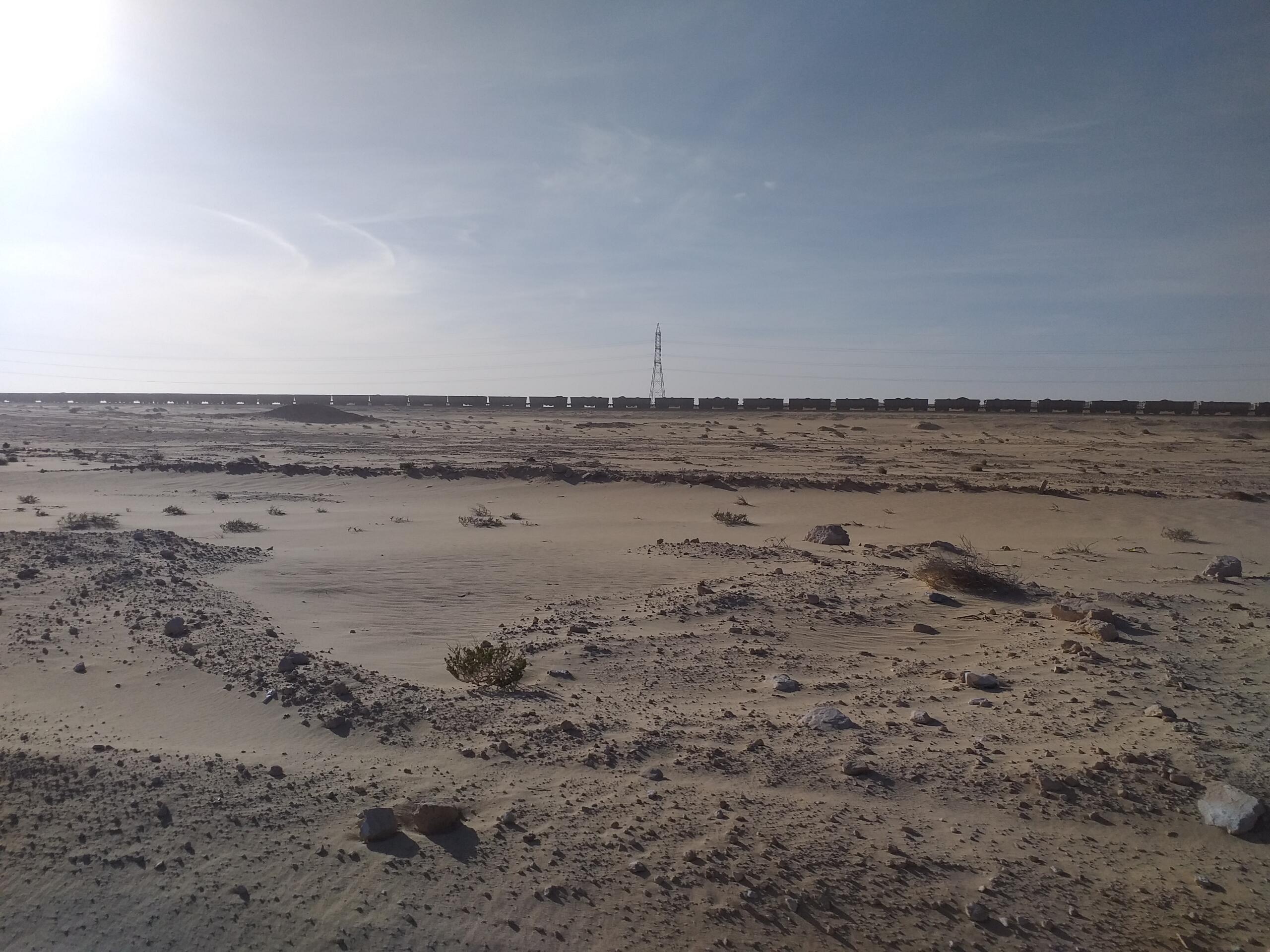
The defining feature of the Mauritania train experience: anyone can ride for free on top of the iron ore in the open freight cars. There’s no ticket, no checking, no boarding procedure. The train arrives, you climb on, the train departs. The practice is completely legal and substantially used by both locals and tourists.
Local users include: traders moving goods between cities, farmers transporting livestock (yes, including camels), workers traveling to mining jobs, families visiting relatives along the route. International tourists ride for the experience itself — the combination of extreme scale, dramatic Saharan scenery, and authentic local interaction creates an experience genuinely available nowhere else in the world.
7: The Iron Dust Reality
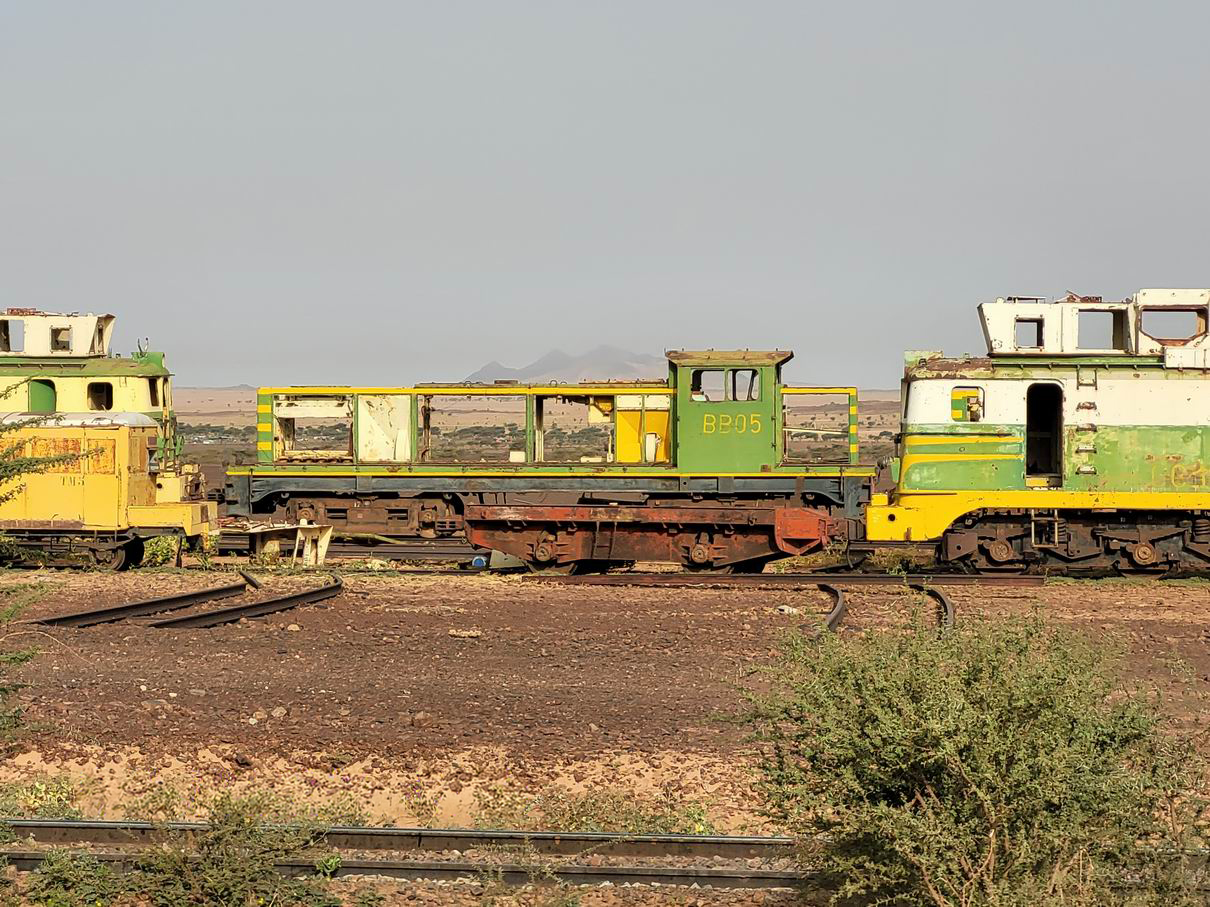
The iron ore being transported is not solid rocks — it’s substantially fine dust mixed with various sized chunks. The dust gets everywhere during the journey. Reviews from travelers consistently describe being completely covered in iron dust by journey’s end. The dust penetrates clothing, fills hair, coats every surface of any luggage or equipment, and gets into eyes, ears, and lungs.
The dust is also magnetic. Electronic devices attract iron particles that can damage internal components. Cameras require substantial protection. Phones often need extensive cleaning afterward. Many experienced travelers wear specific protective clothing and cover sensitive equipment with multiple plastic layers. Some passengers cover the iron ore with sheets to reduce dust exposure but this protection is partial at best.
8: Day vs Night Temperature Extremes
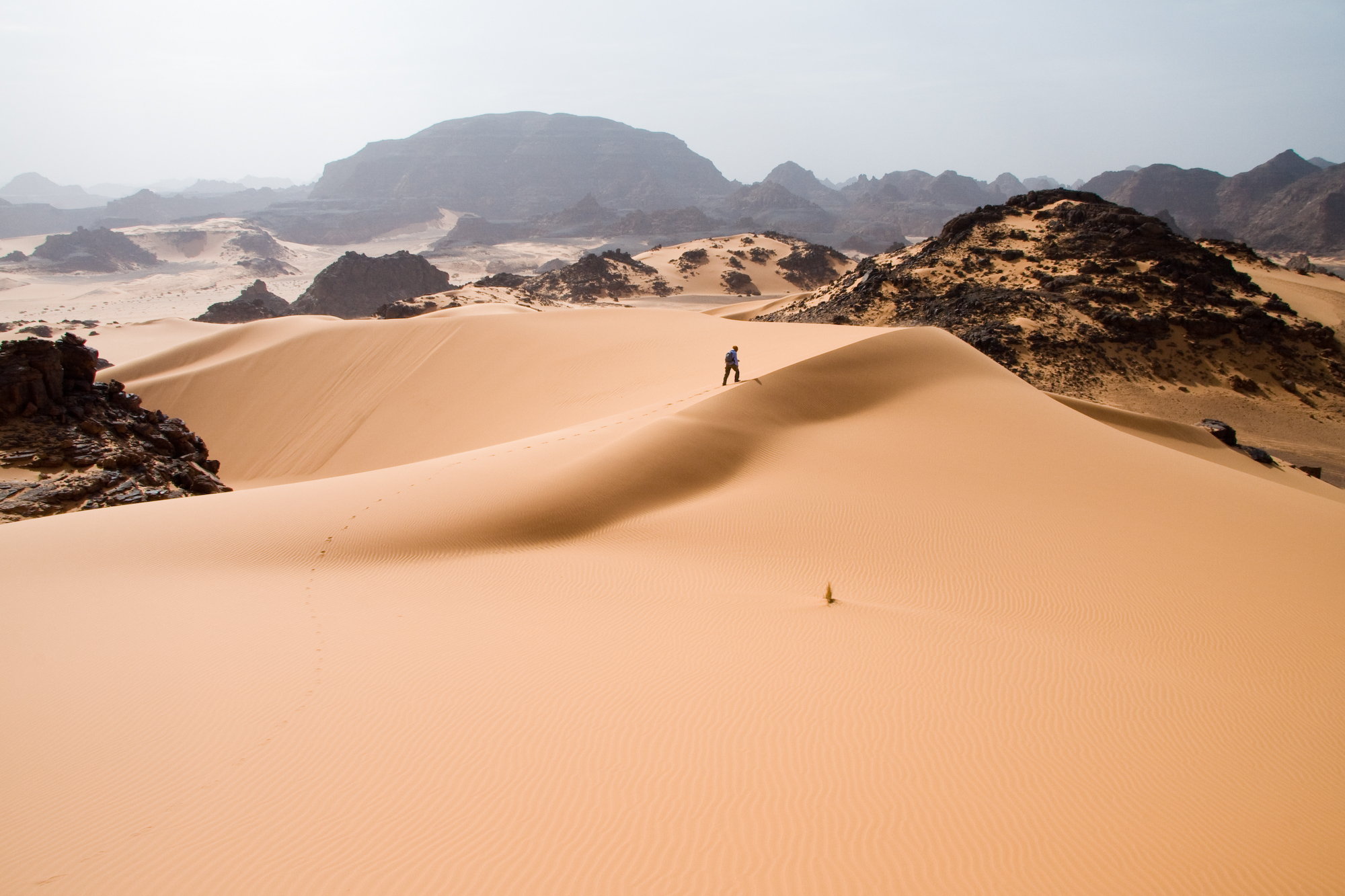
The Sahara desert produces extreme temperature variation that the iron ore train passengers experience directly with no protection. Daytime temperatures during the journey routinely exceed 40°C (104°F), with the metal freight cars heating substantially under direct sunlight. Sun exposure is intense and continuous for hours. Heat stroke is a genuine risk for unprepared travelers.
Nighttime temperatures in the same desert routinely drop near freezing. The same passengers who roasted in 40°C heat at midday face near-freezing temperatures by midnight. The temperature swing across a single 18-hour journey can exceed 30°C. Travelers must bring substantial cold-weather gear despite the daytime heat. The combination of extreme heat plus extreme cold makes equipment selection genuinely complicated.
9: The Genuine Danger
The Mauritania iron ore train ride is genuinely dangerous in ways most tourist activities are not. Documented risks include: falls from the moving train (deaths are not uncommon), heat exhaustion from extended sun exposure, hypothermia from nighttime cold, dehydration in the harsh environment, respiratory issues from sustained iron dust inhalation, and various other extreme-environment risks.
There are no safety regulations governing passenger behavior. There’s no medical assistance during the 18-20 hour journey. There’s no way to communicate with the locomotive crew if problems develop. There’s no way to stop the train for individual emergencies. Cell service is essentially nonexistent throughout the route. Travelers experiencing serious medical problems during the journey have limited options. The activity attracts adventure tourists specifically because of these characteristics — but the risks are real.
10: How Tourists Actually Do It
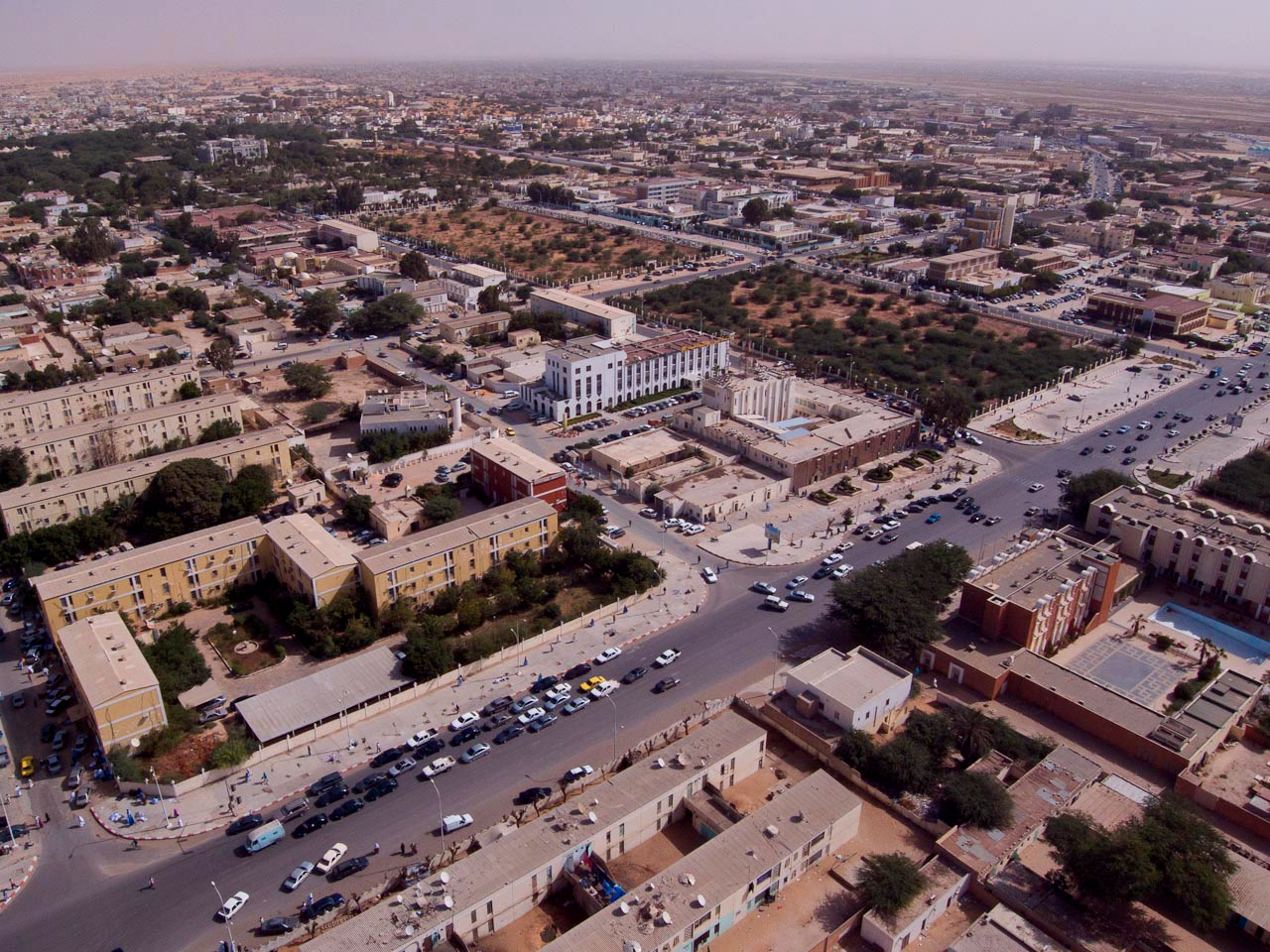
Practical guidance for tourists planning the trip. Most travelers fly into Nouakchott (Mauritania’s capital) and take overland transportation to Zouérat or Nouadhibou. The journey to the train starting point itself takes 1-2 days. Most tourists hire local guides or join organized tours that handle logistics, food, water, and basic equipment. Independent travel is possible but requires substantial preparation.
Specific equipment recommendations from experienced travelers: protective clothing (long sleeves, pants, head covering), sun protection (hat, sunglasses, sunscreen), warm clothing for nighttime (sleeping bag essential), substantial water (4+ liters minimum), food for 24+ hours, dust protection for face/eyes (goggles, scarves), camera/electronics protection (multiple plastic layers), basic medical kit. Most tour packages include guide, transportation to/from train, food, water, and basic equipment for approximately $400-800 USD per person.
11: The Visa and Safety Considerations
Mauritania requires advance visa preparation for most international visitors. The visa application process takes 2-4 weeks and requires substantial documentation. Tourist infrastructure is limited throughout the country. English is rarely spoken — French and Arabic dominate. Cell phone service is limited outside major cities.
Security considerations are real. The U.S. State Department maintains travel advisories about specific Mauritanian regions. Independent travel without local guides is genuinely risky in some areas. Theft, scams, and various other tourist-targeted crimes occur. Working with established tour operators substantially reduces risks but increases costs. The country isn’t appropriate for casual tourism — visitors need genuine preparation, realistic expectations, and substantial flexibility about plans changing due to various local factors.
12: Why People Actually Do This
The fundamental question: why would anyone deliberately undertake a 20-hour journey covered in iron dust through brutal temperature extremes with genuine danger of falling to death? The answers vary substantially by traveler. Adventure tourism appeal — the experience is genuinely extreme by any measure. Photographic opportunities — the scenery, the train itself, and the cultural interactions provide substantial documentary value. Authentic cultural experience — interacting with local Mauritanians sharing the freight cars provides exposure that conventional tourism cannot match.
Many travelers who complete the journey describe it as among the most memorable experiences of their lives. The combination of extreme physical challenge, dramatic environmental beauty, genuine cultural exposure, and the specific historical romance of the Sahara produces something that mainstream tourism cannot replicate. The activity attracts a specific category of traveler — those who specifically want experiences that exceed normal tourism boundaries.
What the Mauritania Iron Ore Train Actually Represents
The Mauritania iron ore train represents something specific: a piece of authentic working industrial infrastructure that has incidentally become one of the world’s most distinctive travel experiences. The train wasn’t built for tourism. It exists for industrial export of iron ore to Chinese and European markets. The fact that anyone can ride free on top of the freight cars is essentially a side effect of how the system has always operated. Modern adventure tourists have discovered this side effect and turned it into a specific destination experience. The whole operation continues primarily because of mining economics rather than tourism — but for the small number of travelers who undertake the journey, the Mauritania iron ore train provides genuine exposure to a piece of the world that tourism rarely reaches. The Sahara is real, the iron ore is real, the dangers are real, and the experience is genuinely available to anyone willing to make the substantial effort to reach it.