


Most travelers assume hotel room safes provide secure storage for valuables during their stay. The reality is substantially different. Hotel safes are designed primarily to protect against opportunistic theft by other guests rather than determined criminal access. The default master codes that hotel staff can use to open any safe are widely known. Some safes have known security weaknesses that allow opening without any code at all. Understanding what hotel safes actually protect you from — and what they don’t — is essential for travelers genuinely concerned about valuables security.
Hotel room safes occupy a specific position in travel security. They’re more secure than leaving valuables in luggage. They’re substantially less secure than most travelers assume. The difference between actual security and assumed security has produced substantial losses for travelers who relied on hotel safes for items they couldn’t actually adequately protect. Understanding the specific limitations matters substantially for travel planning, particularly for travelers carrying valuable items that genuinely require secure storage.
What Hotel Safes Actually Protect Against
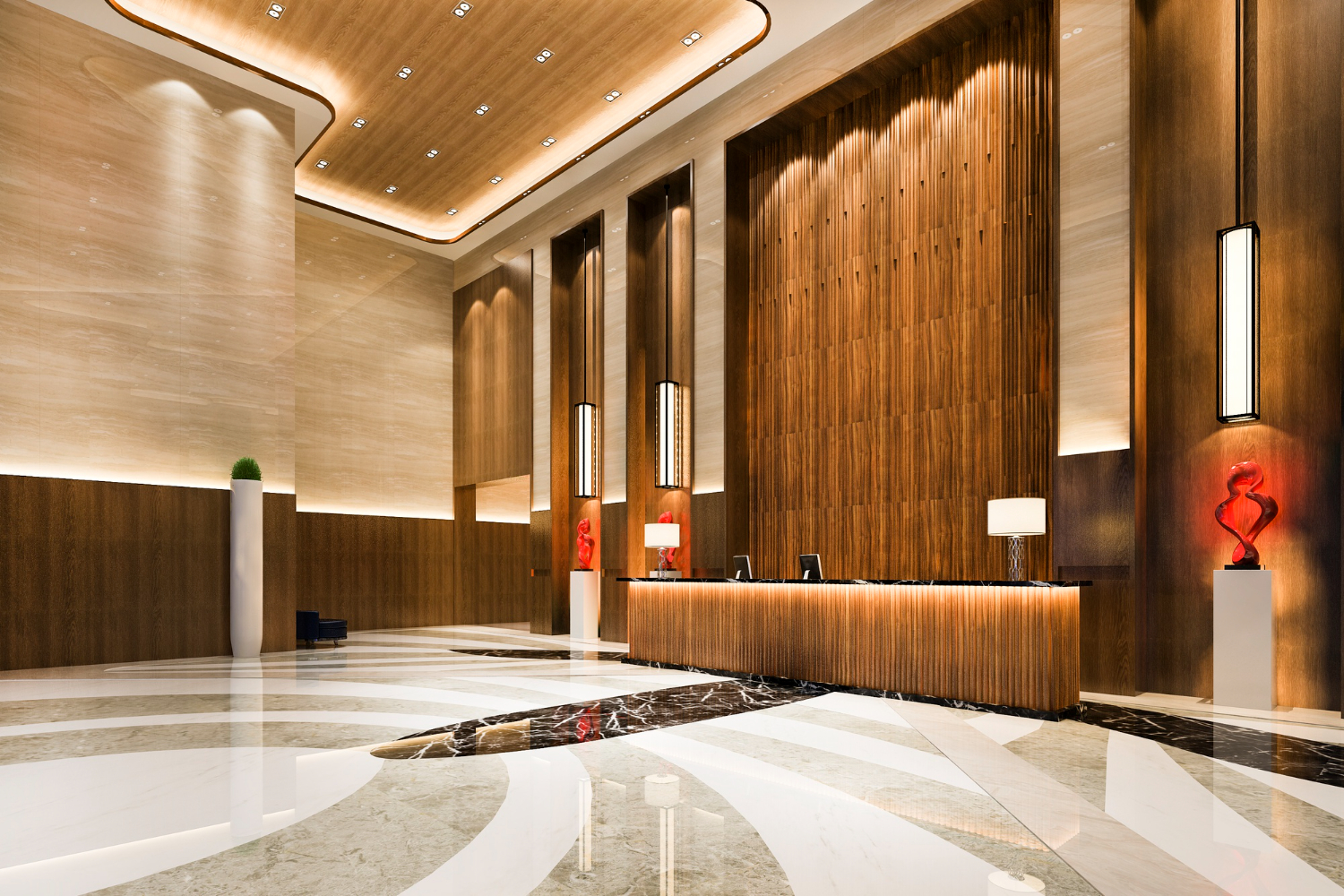
Hotel safes are reasonably effective against opportunistic theft by other hotel guests, casual prying by housekeeping staff, and brief unauthorized access by people without specific safe-cracking expertise. A hotel guest who briefly enters another room and looks for unsecured valuables typically cannot easily access items locked in a hotel safe. Housekeeping staff who might be tempted by visible valuables face substantial barriers when items are secured. The standard hotel safe substantially deters routine opportunistic theft.
The protection level matches the threat level for typical hotel theft scenarios. Most hotel theft is opportunistic — someone notices an unsecured item and takes it. The safe’s primary function is making valuable items not “unsecured” in this casual sense. For this specific threat profile, hotel safes provide substantially adequate protection. Most hotel guests with normal valuables can rely on hotel safes for their stated function.
The Master Code Problem

The fundamental security limitation of hotel safes involves master access. Hotel staff need to be able to open safes when guests forget combinations, malfunction occurs, or various other situations require access. Most hotel safe systems include master codes that hotel staff can use to override individual guest codes. The master codes vary by manufacturer and hotel — but they typically exist and are known to relevant hotel staff.
The master codes also tend to be standardized within manufacturer product lines. Default master codes for major hotel safe manufacturers have been documented in various security research and online forums. Anyone who knows the safe’s manufacturer and the typical default master codes can potentially access many hotel safes without needing the guest’s specific code. Hotels are supposed to change default master codes during installation but compliance is inconsistent. Various security research has demonstrated successful master code access at substantial portions of tested hotels.
The Mechanical Failure Methods
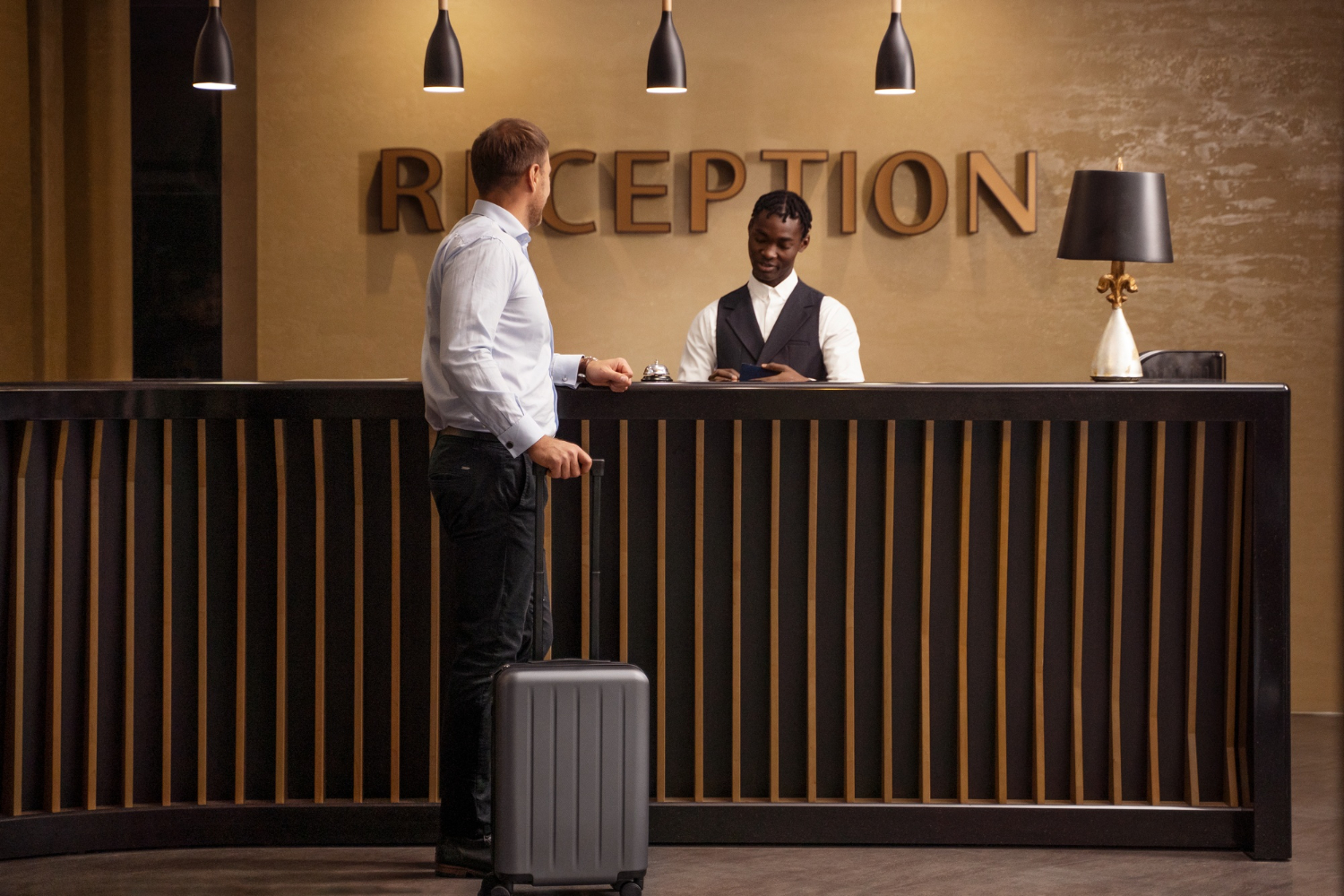
Beyond master codes, hotel safes have specific mechanical vulnerabilities. Many models can be opened through specific physical manipulation techniques without any code knowledge. Internet videos demonstrate various techniques for opening common hotel safe models — techniques that take seconds to execute and require no specialized equipment. The vulnerabilities affect specific models but enough of them are widely deployed that the techniques have substantial practical applicability.
Hotel chains generally don’t publicize specific safe models or known vulnerabilities, but the information is genuinely available to anyone who researches it. Determined criminals who specifically target hotel guests have accumulated detailed knowledge of various safe models and their specific vulnerabilities. The combination of master codes plus mechanical vulnerabilities means that hotel safes are typically not secure against criminals who specifically know what they’re doing.
What This Actually Means for Valuable Items

Practical implications for travelers carrying genuinely valuable items. Cash beyond what’s needed for the day shouldn’t be left in hotel safes — use bank credit/debit cards or traveler’s checks instead. Substantial jewelry should be left at home or transported in personal hand luggage rather than left in hotel safes. Important documents (passports beyond immediate needs, financial papers) should be carried personally rather than safe-stored. Electronics with personal data shouldn’t be left in safes if security is critical.
The general principle: hotel safes are appropriate for items where loss would be inconvenient but not catastrophic. Items where loss would be genuinely problematic should be either left at home or kept in personal possession. Modern travel insurance often specifically excludes losses from hotel safes for items of substantial value — providing insurance industry implicit acknowledgment that hotel safes don’t provide adequate protection for genuinely valuable items.
Hotel Front Desk Safes vs Room Safes
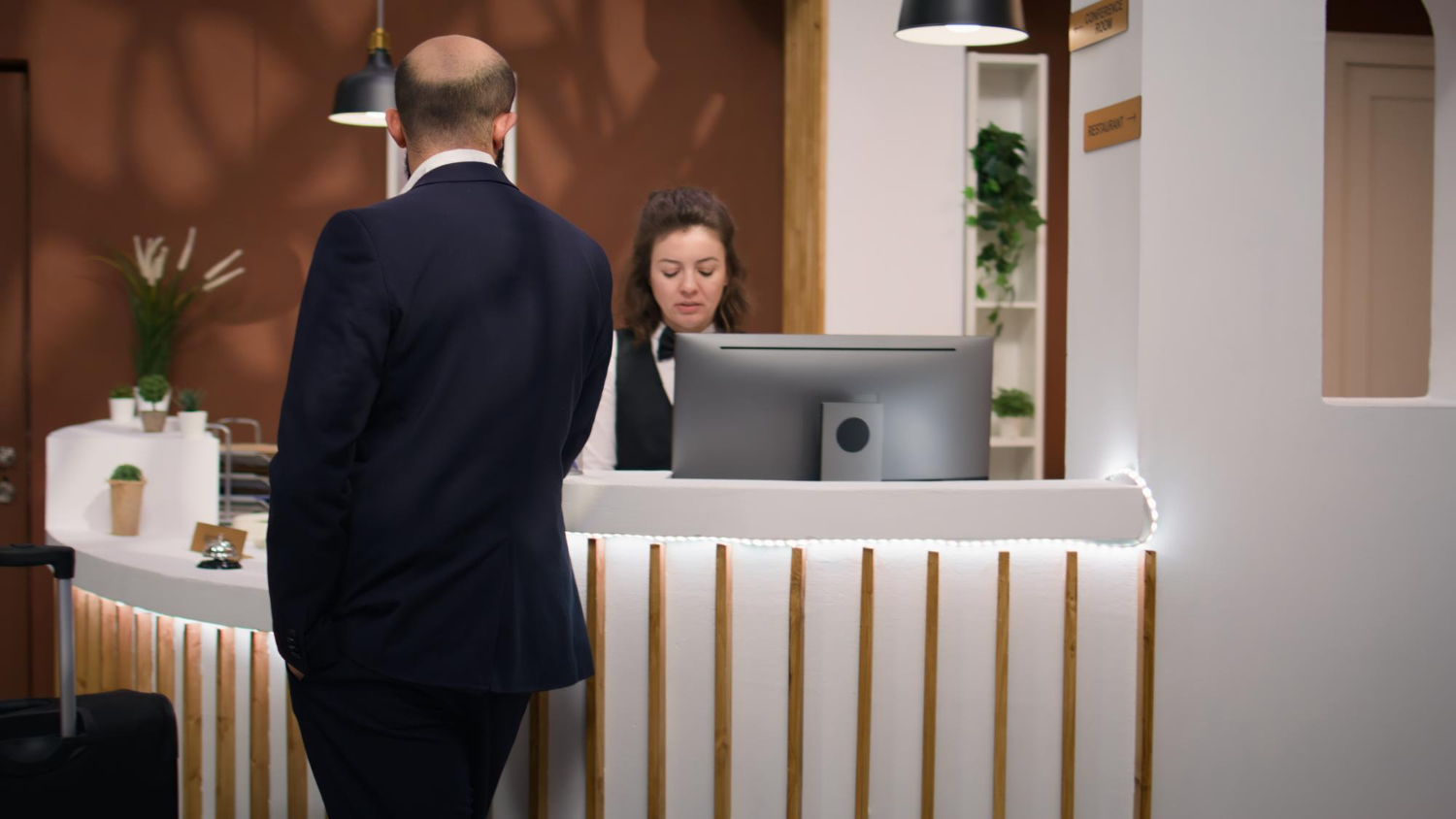
Many hotels offer alternative front desk safe storage in addition to room safes. The front desk options typically provide substantially better security: larger physical safes, better access controls, documented chain of custody, and various other security features. Front desk storage typically requires specific check-in/check-out procedures and may have limits on what can be stored, but provides genuine alternative for items that need higher security than room safes provide.
The trade-off involves convenience versus security. Front desk safes require visiting the desk to access items rather than convenient room access. Storage hours may be limited — items deposited overnight may be unavailable during late hours. The procedure can be inconvenient for items needed multiple times daily. Most travelers benefit from balancing room safes for convenient access plus front desk safes for items requiring genuine security.
The Insurance Implications
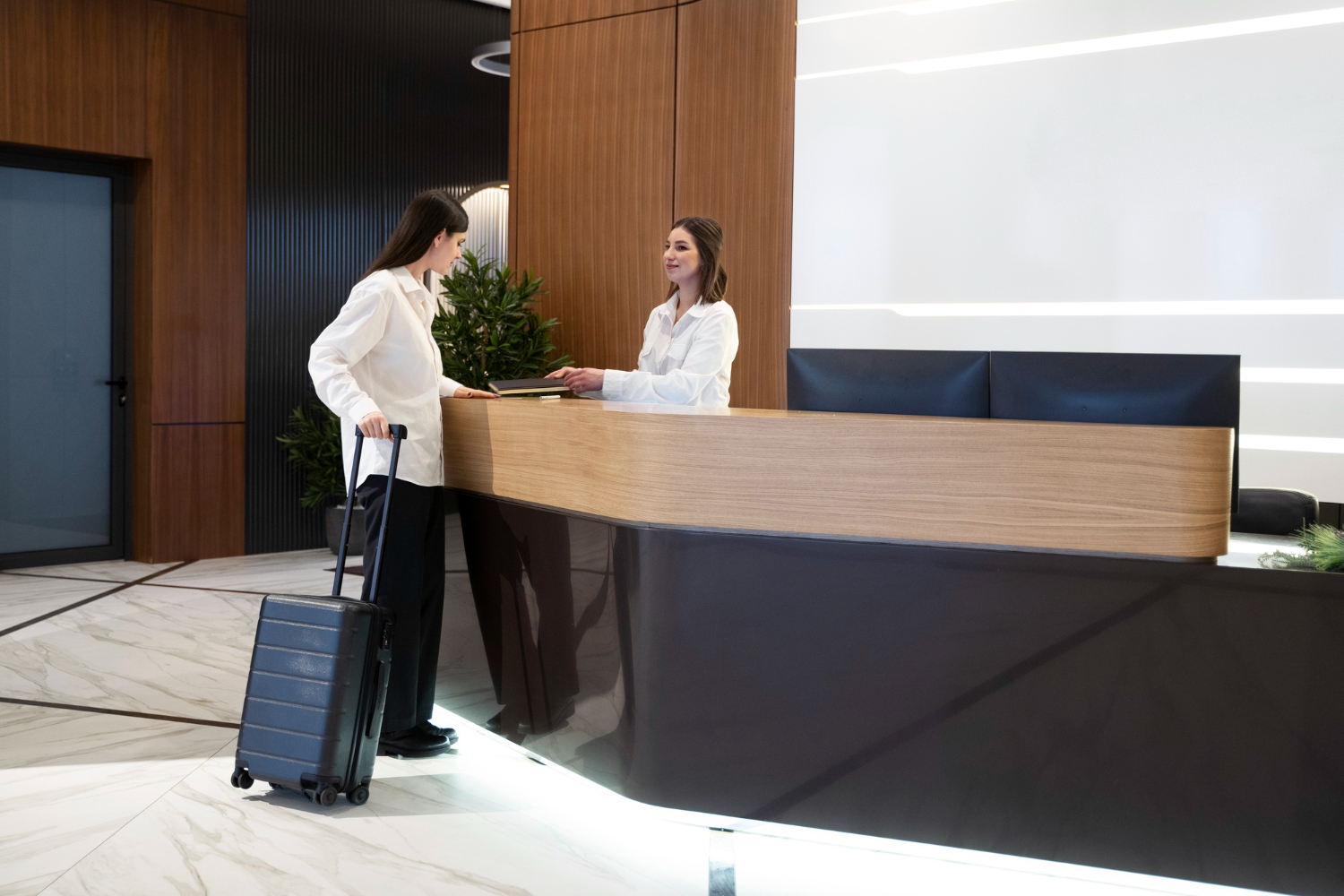
Travel insurance policies have specific provisions about hotel storage that affect what travelers should actually rely on. Many policies require items to be kept in “secure storage” while not personally worn or carried. Hotel safes typically qualify as secure storage for normal items. But specific high-value items often face exclusions or additional requirements — written declarations, professional valuations, specific safe types, and various other conditions that may exceed what typical hotel safes provide.
Travelers should review specific insurance policy terms before relying on hotel safes for valuable items. Coverage exclusions can be substantial. Items lost from hotel safes may receive limited or no insurance coverage if specific policy terms aren’t met. The combination of imperfect physical security plus potential insurance gaps means that travelers should specifically not rely on hotel safes for items where insurance recovery would be essential after potential loss.
The Specific Items to Never Trust to Hotel Safes

Specific categories of items shouldn’t be trusted to hotel safes regardless of other circumstances. Prescription medications — particularly controlled substances — should be kept in personal possession to avoid theft and to ensure access during travel. Critical electronics with sensitive data should be either kept personally or have data security beyond physical security (encryption, remote wipe capability). Original passports during international travel should be carried personally, not safe-stored. Critical financial cards beyond immediate need should be either left at home or carefully managed personally rather than safe-stored.
The general principle: if losing the item would substantially disrupt the trip or produce significant ongoing harm, the item shouldn’t be trusted to hotel safe security. This typically reduces actual safe storage to: extra cash within reasonable limits, secondary identification documents, jewelry that’s expensive but replaceable, and various other items where loss would be inconvenient but manageable.
What Travelers Should Actually Do

Practical security strategies for traveling with valuables. Minimize what you bring — items left at home cannot be lost during travel. Prefer credit cards over cash where accepted. Use specific travel jewelry rather than valuable pieces. Keep critical items in personal possession (money belts, internal pockets). Use hotel safes for moderate-value items where convenience matters. Use front desk safes for higher-value items where security matters more. Carry adequate insurance with appropriate coverage for items being transported.
The cumulative strategy substantially reduces both probability of loss and consequences when loss occurs. The goal isn’t perfect security — it’s appropriate security for the specific items and trip. Travelers carrying genuinely valuable items often substantially overestimate hotel safe security and substantially underestimate alternative options like personal carry, home storage, or front desk safes.
What This All Reveals

The hotel safe occupies a specific position in travel security that’s substantially more limited than most travelers assume. The safes are useful for specific functions (deterring opportunistic theft) but inadequate for others (protecting genuinely valuable items from determined criminals). Understanding the actual capabilities matters substantially for travelers making realistic decisions about how to manage valuables during travel. The hotel industry has substantially benefited from traveler assumptions that hotel safes provide more security than they actually do — assumptions that the industry has not corrected because doing so would create complications. Travelers who understand the actual limitations can make better choices about what to bring on trips, what to entrust to various storage options, and what protective measures to take. The hotel safe isn’t useless — but it’s not the secure storage that most travelers assume. Treating it as adequate for casual valuables and inadequate for genuine valuables represents the most realistic approach. Items where loss would be genuinely problematic should be protected through alternatives rather than entrusted to hotel safe security.
