The American shopping mall fountain — substantial water feature typically located in central atrium spaces — was nearly universal in malls built between 1970 and 2000. By 2005, malls were systematically removing fountains during renovations. By 2015, the mall fountain had become substantially extinct from new American mall construction. The disappearance wasn’t accidental — it reflected specific operational, financial, and liability concerns that turned beloved features into expensive maintenance burdens. Here’s what actually happened to the mall fountain — and why nobody under 25 has memories of throwing pennies into one.
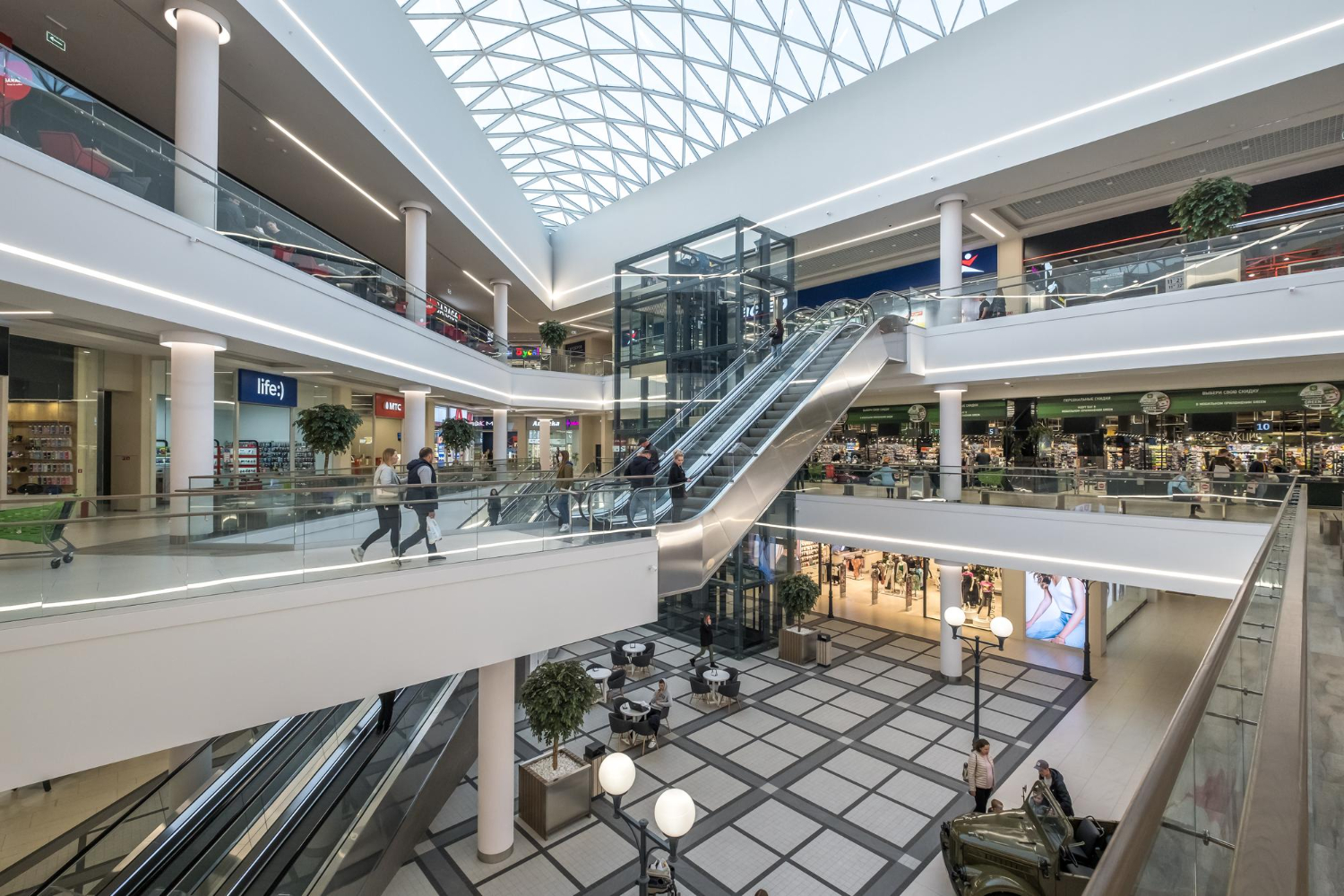
The American shopping mall reached its peak between approximately 1980 and 2000, with thousands of enclosed malls built across the country during this period. Specific design elements defined the era: substantial atrium spaces, glass ceilings, palm trees or other live plants, food courts on upper floors, anchor department stores at corners, and central water features (fountains) that served as both decorative elements and informal meeting points. The fountain specifically became symbolic of mall culture — appearing in countless movies, TV shows, photographs, and family memories. By 2026, most of these fountains have been removed.
What Mall Fountains Actually Were
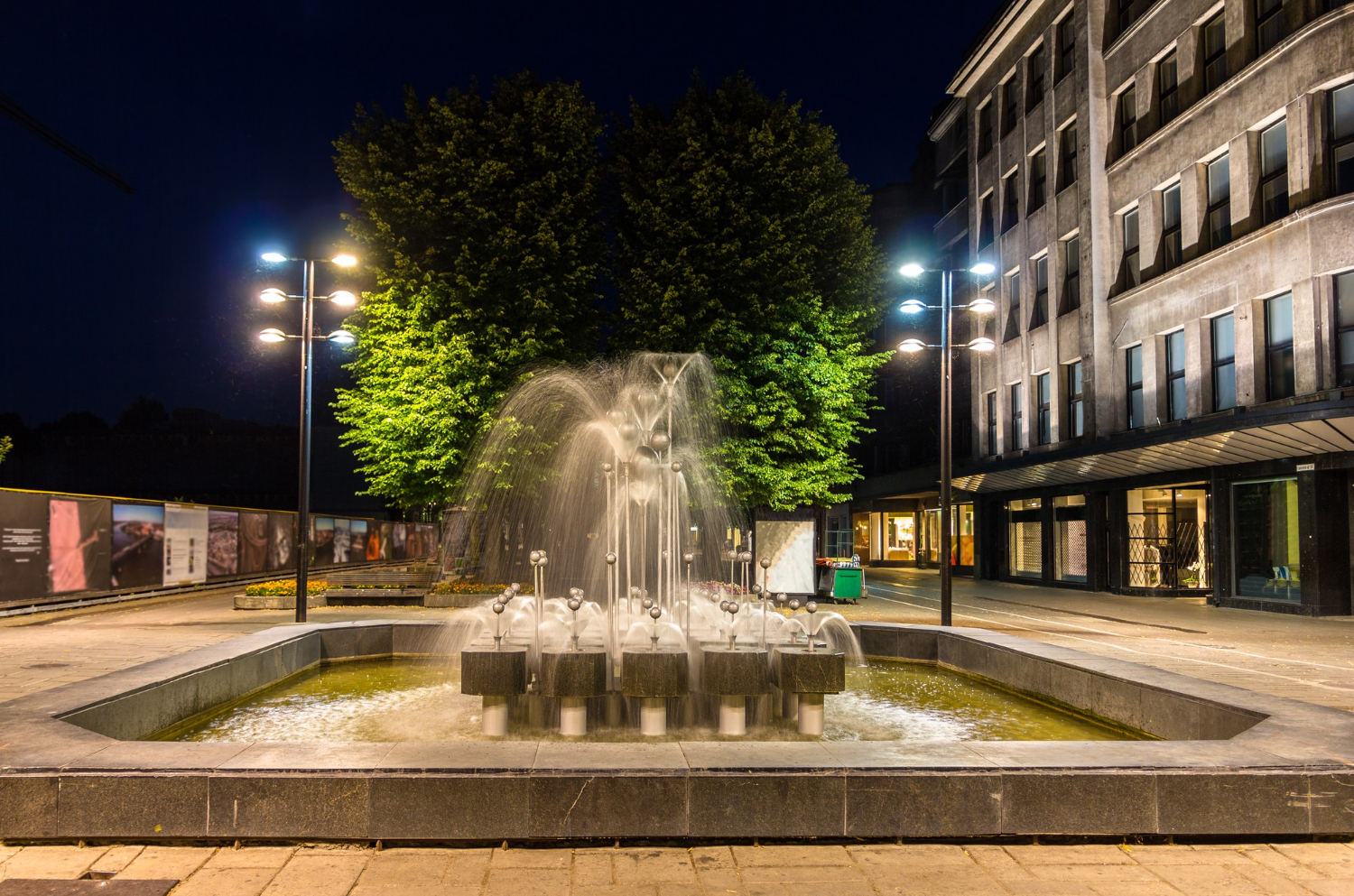
The typical American mall fountain was substantial water feature — often 20-40 feet across, with circulating water systems, decorative elements, lighting effects, and seating ledges where shoppers could sit and rest. Some featured elaborate sculptures, multi-tier designs, or programmed water shows synchronized to music. The Mall of America (opened 1992) had multiple fountains. The Galleria malls (Houston, Dallas) featured signature fountain designs. Various other major malls had distinctive water features that appeared in marketing materials and tourist photography.
The fountains served multiple functions. Decorative — providing visual focal points in large interior spaces. Acoustic — water sounds masked the cacophony of crowds and stores. Atmospheric — creating ambient comfort in otherwise sterile retail environments. Social — providing informal meeting points where families could gather. Symbolic — establishing the mall as substantial public space rather than just commercial environment. The combination made fountains genuinely valuable to mall operations beyond their decorative function alone.
The Penny-Throwing Tradition
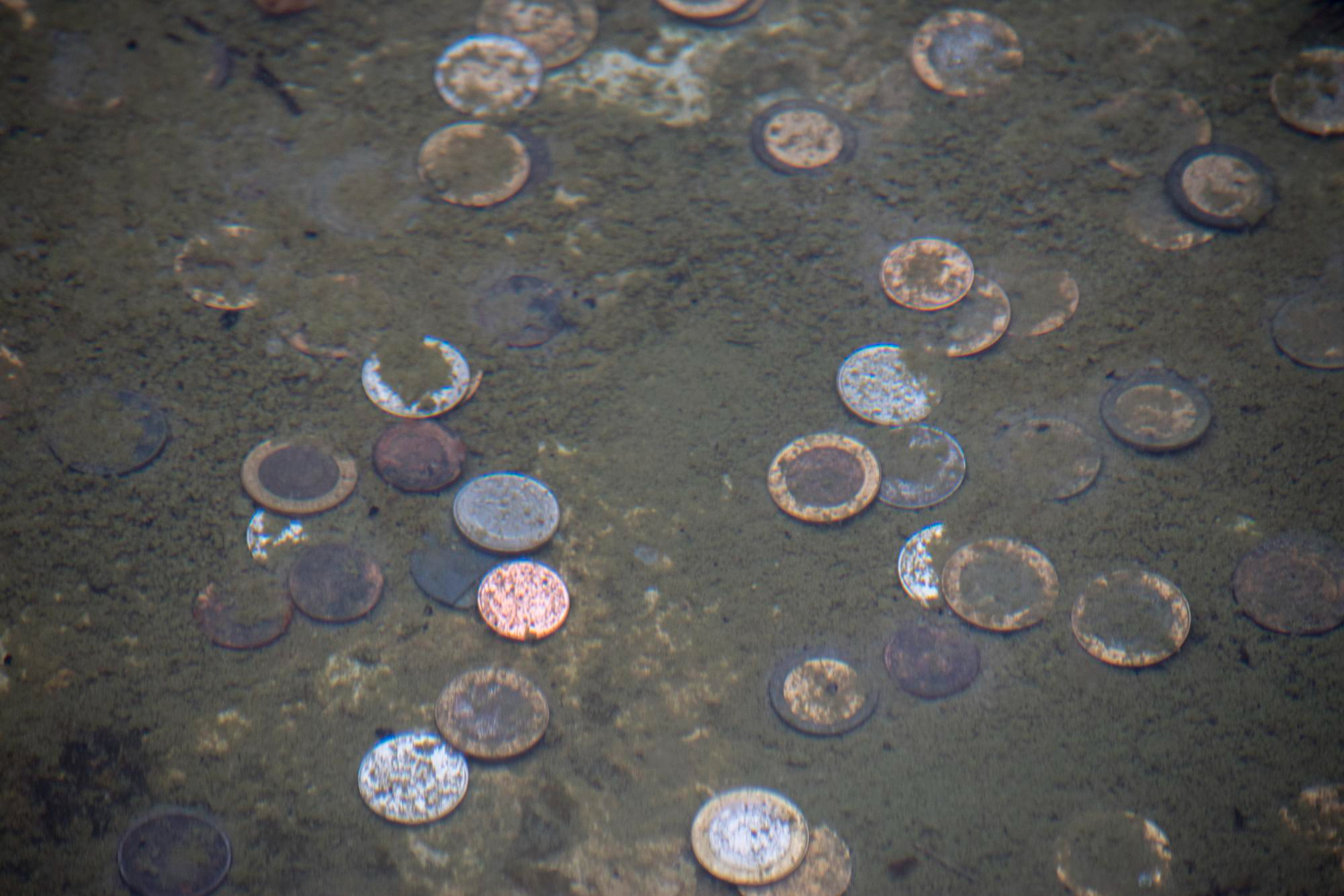
Mall fountains became substantially associated with wishing-well tradition. Children threw pennies into the water making wishes. Couples tossed coins together. Various other specific rituals developed around the practice. Mall management typically permitted the practice — collected coins were typically donated to charity organizations, providing community goodwill while creating ongoing visitor engagement.
The tradition was substantially universal across American malls. Children specifically remembered mall fountains for the penny-throwing experiences. Family memories often centered on specific fountain moments. The practice reflected broader American mall culture — treating malls as quasi-public spaces where families spent substantial leisure time rather than purely commercial visits. The penny-throwing tradition has substantially disappeared along with the fountains that supported it.
The 2005 Tipping Point
Mall fountain decline accelerated dramatically around 2005. Several specific factors converged: substantial mall renovations were occurring as the original 1980s-era infrastructure aged, operators were seeking ways to reduce costs as mall economics tightened, liability concerns had increased throughout the early 2000s, and water conservation pressures had intensified in various regions.
By 2005, mall renovation projects routinely included fountain removal as standard cost-saving and risk-reduction measure. The specific decision varied by mall but the trend was substantial. Throughout 2005-2015, fountain removals occurred across the country with limited public attention. Most American malls that had featured fountains in 2000 had removed them by 2015. New mall construction (rare during this period as malls were closing rather than opening) generally didn’t include fountains at all.
The Maintenance Cost Reality
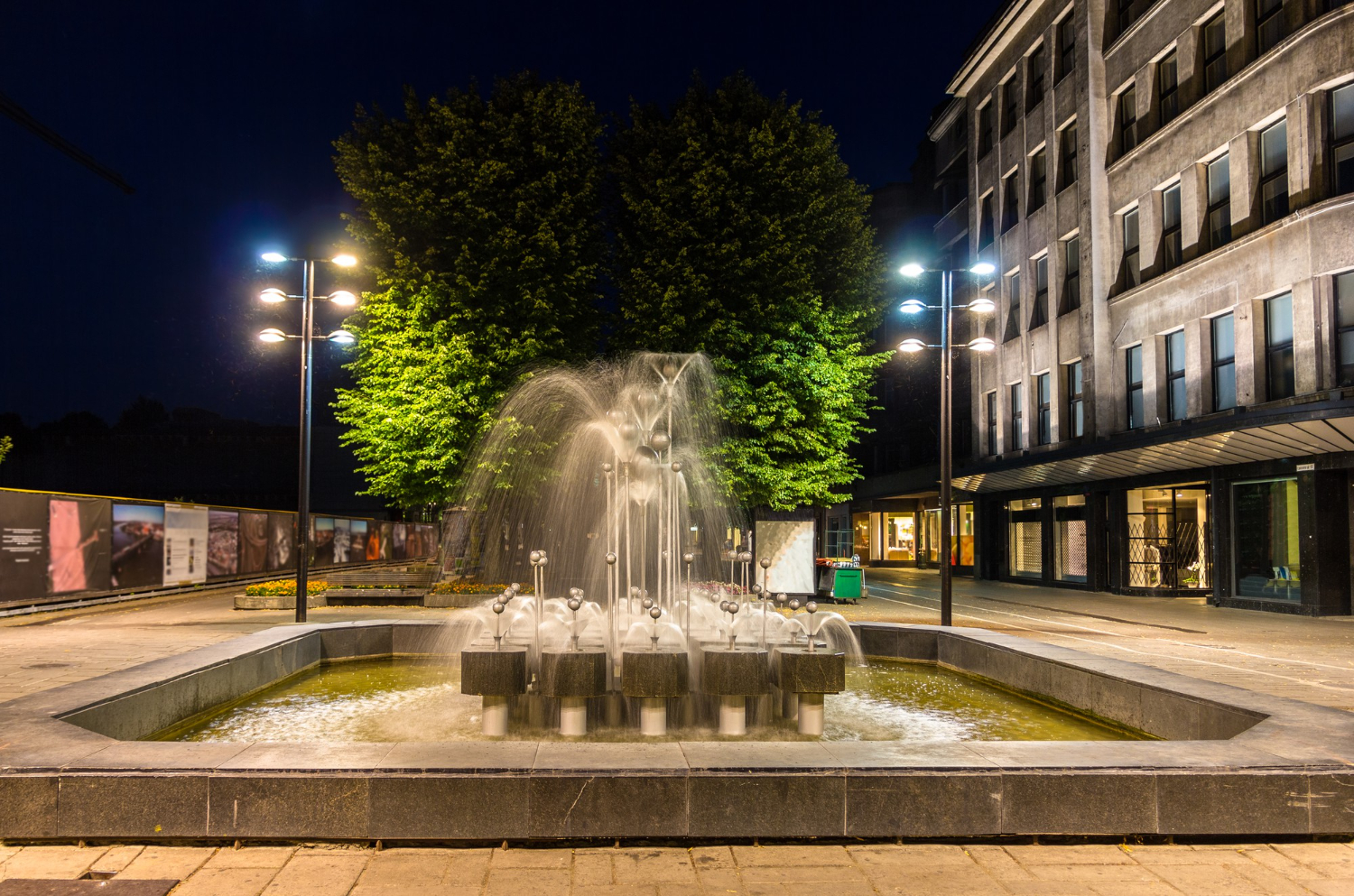
Mall fountains required substantial ongoing maintenance that became increasingly difficult to justify. Typical operating costs included: water system maintenance and chemical treatment, pump replacement and electrical system upkeep, daily cleaning and debris removal, periodic deep cleaning and structural maintenance, energy costs for water circulation and lighting, and various other expenses. Annual operating costs for substantial mall fountains could exceed $50,000-$100,000.
The costs became increasingly difficult to justify as mall economics deteriorated. With anchor stores closing, foot traffic declining, and commercial pressures intensifying, mall operators sought specific cost reductions. Fountains provided obvious targets — substantial annual savings with limited revenue impact. The cost-benefit analysis increasingly favored removal. The decisions weren’t made because customers wanted fountains gone — they were made because operators needed to reduce expenses.
The Liability Concerns
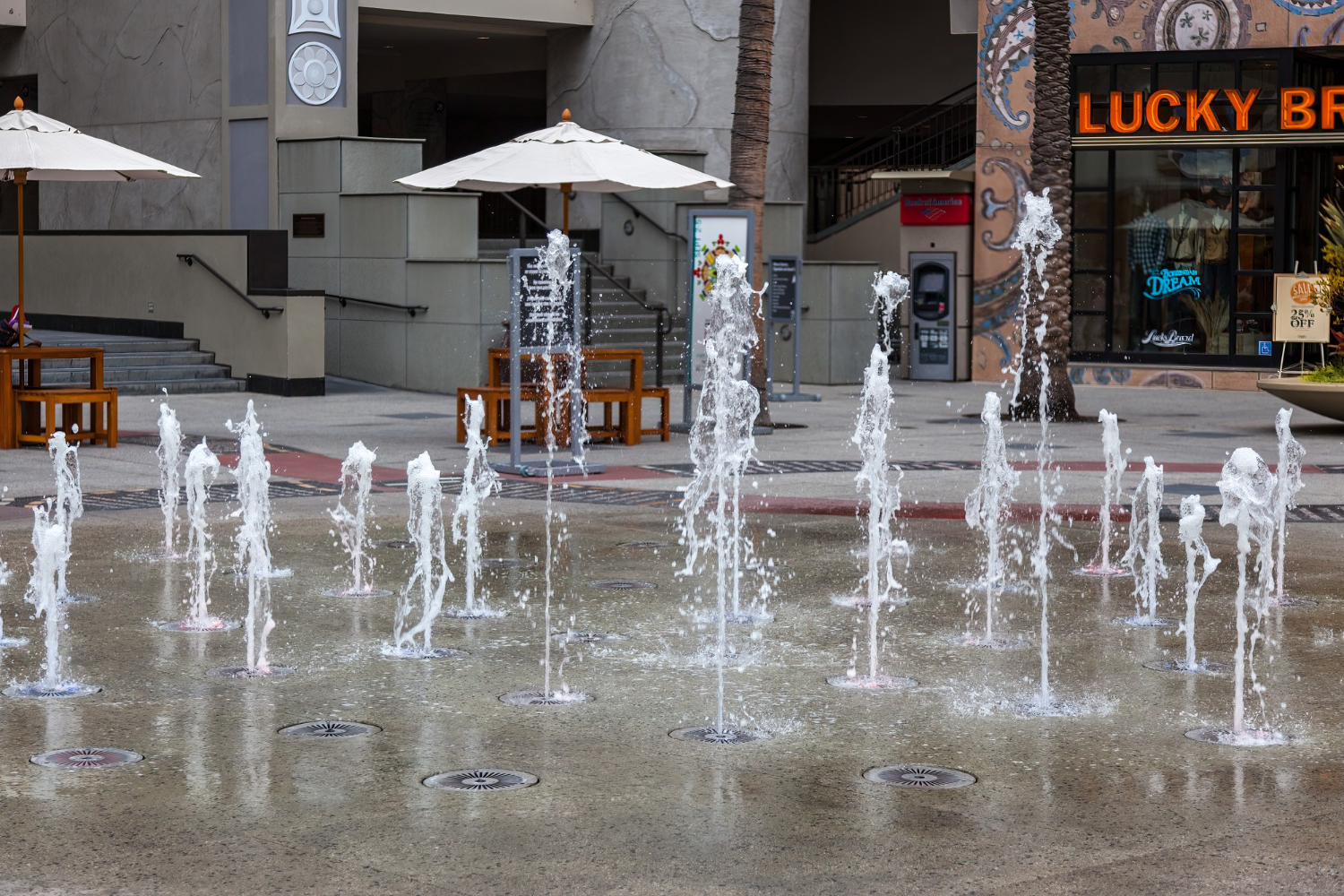
Mall fountains created specific liability exposures that increased over time. Children climbing on fountain ledges occasionally fell into water. Slips on wet floors near fountains produced legal claims. Various other accidents created insurance and legal exposure. Major mall liability cases involving fountain accidents established specific precedents that increased perceived risk.
Insurance premiums for malls with substantial water features increased over time as actuarial data accumulated showing fountain-related claims. The combination of direct liability exposure plus increased insurance costs further deteriorated the cost-benefit analysis for fountain operations. Removing fountains eliminated specific liability exposures that mall operators were unable to mitigate adequately through other means. The risk reduction provided substantial financial benefit independent of direct cost savings.
The Water Conservation Pressure
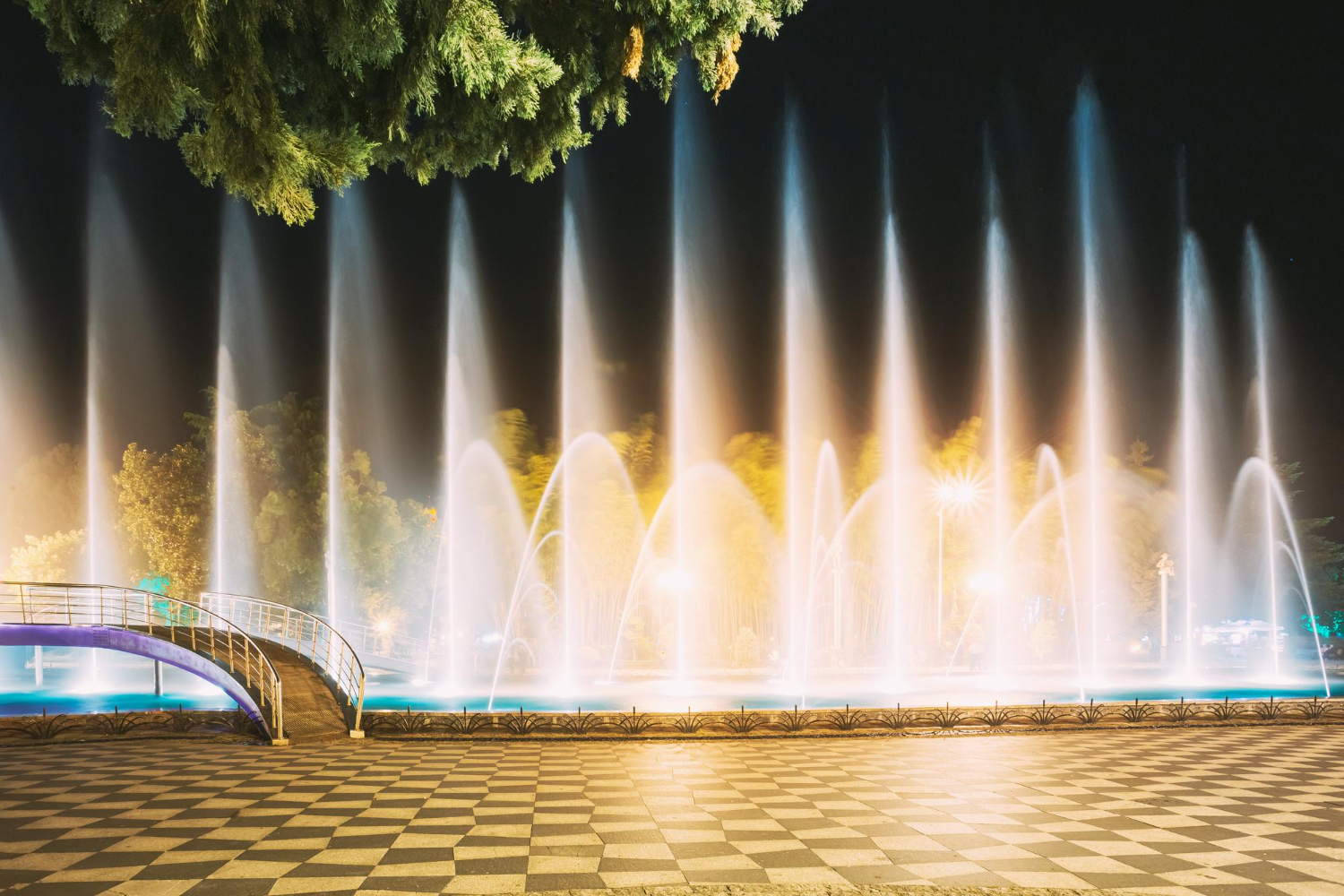
Various American regions experienced increasing water conservation pressure throughout the 2000s and 2010s. California, Arizona, Nevada, and various other states implemented water restrictions affecting commercial operations. Mall fountains used substantial water — even with circulation systems, evaporation and routine maintenance required ongoing water consumption.
The conservation pressures provided additional justification for fountain removal. Some regions specifically prohibited or restricted decorative water features for commercial operations. Other regions implemented substantial fees or surcharges for water-intensive operations. The cumulative pressure varied by region but generally pushed toward fountain elimination rather than maintenance. Some fountains were converted to dry features (sculpture without water) to maintain decorative function while eliminating water consumption.
The Mall Culture Implications
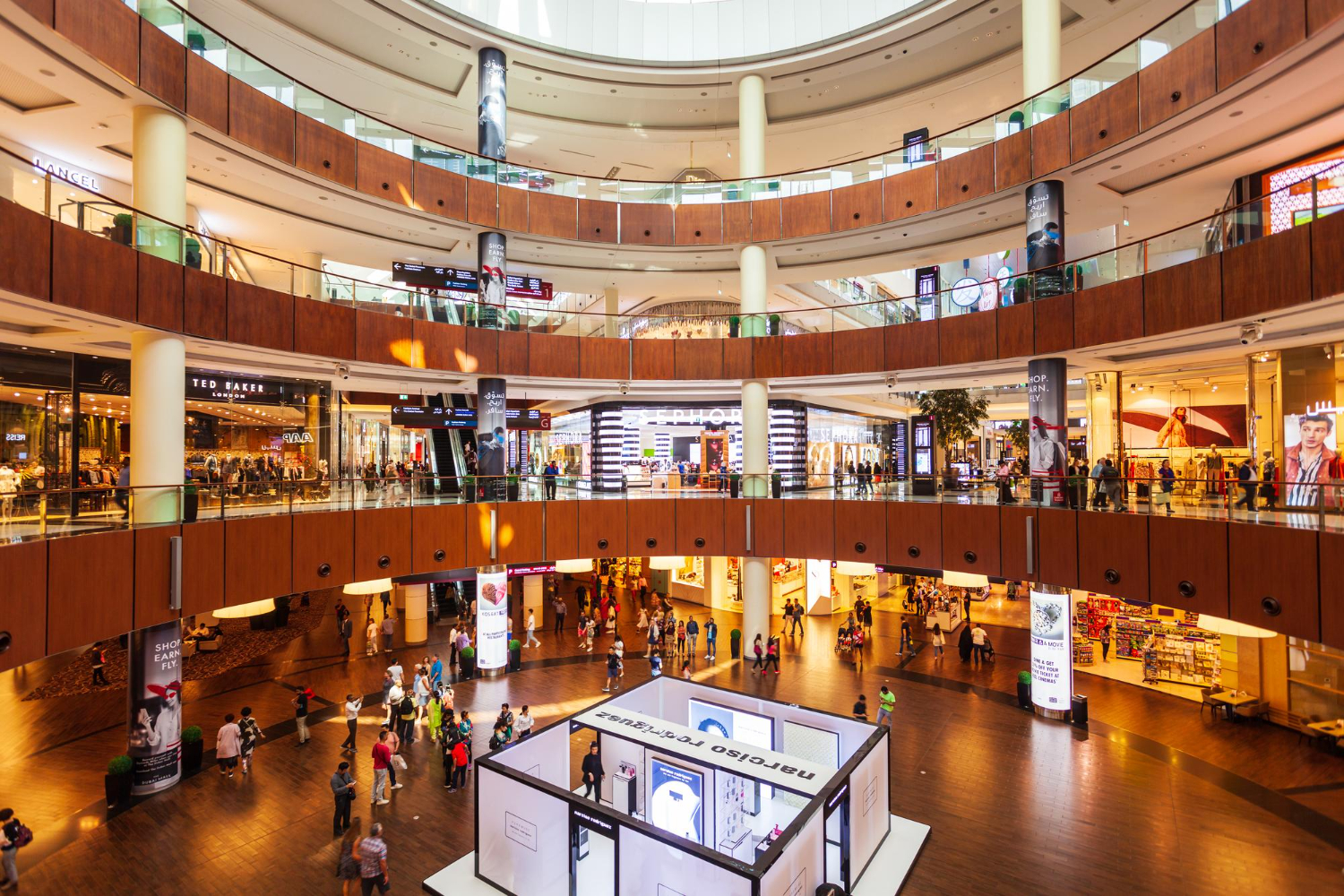
Fountain removal had specific implications for mall culture beyond just losing decorative water features. The acoustic environment changed substantially — water sounds had masked crowd noise; without them, malls became substantially noisier and less comfortable. The atmospheric quality declined — sterile commercial environments without the ambient comfort fountains had provided. Social patterns changed — informal meeting points were lost; families had to find alternative gathering spots.
The cumulative effect contributed to broader mall culture decline. Visiting modern malls with fountain spaces converted to additional retail or empty seating produces substantially different experience than visiting fountain-era malls. Various other elements have also disappeared — palm trees, glass ceilings, food courts, and various decorative elements that defined the era. Modern mall renovations often substantially eliminate the specific atmospheric qualities that made malls distinctive social spaces, reducing them toward purely transactional retail environments.
Where Mall Fountains Still Exist
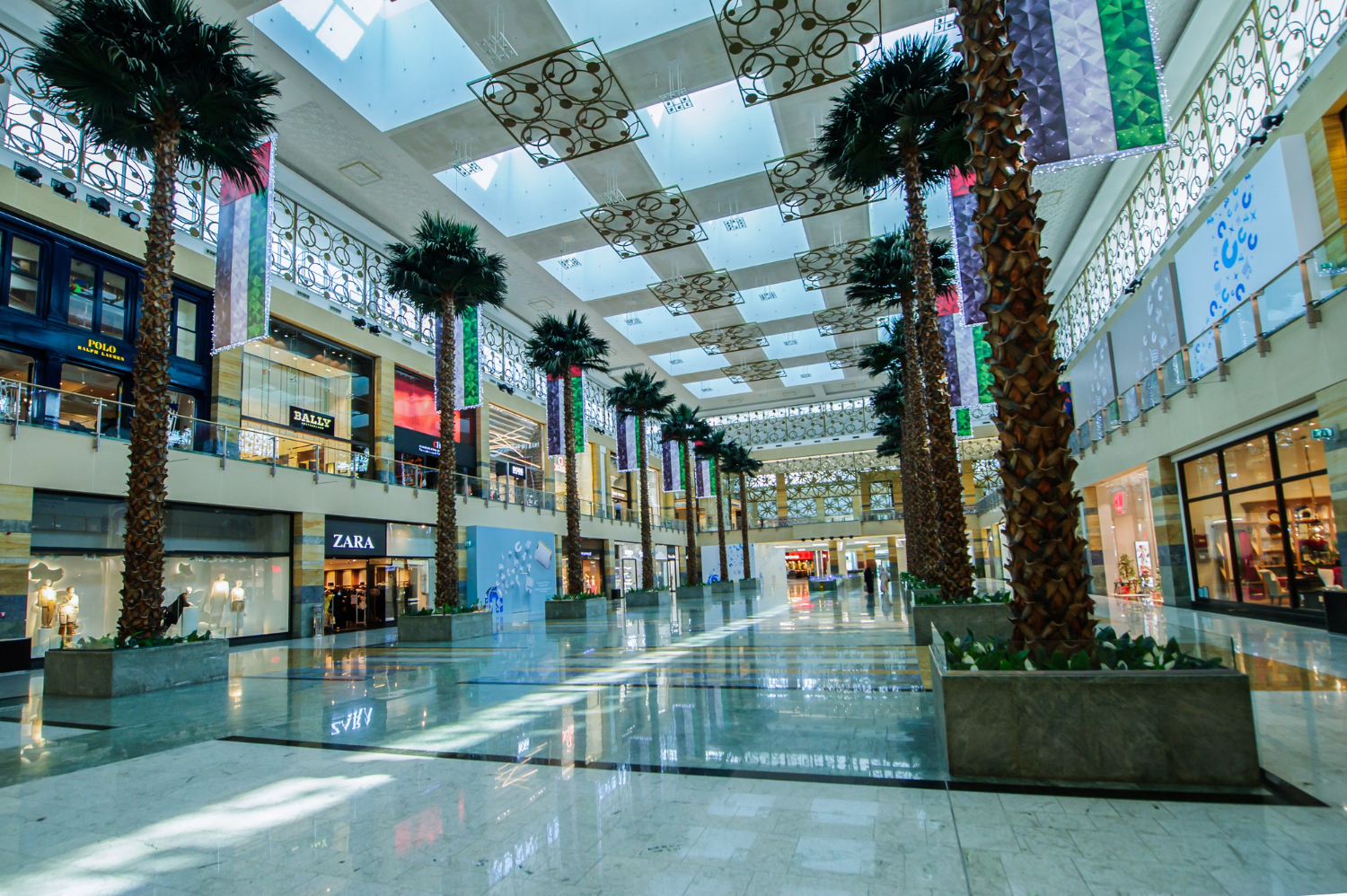
Some American malls still maintain functional fountains despite the broader trend. Specific examples include: certain Bellagio-area Las Vegas shopping centers (where elaborate water features remain commercially viable), specific tourist-oriented malls in Florida and California that maintain decorative elements as customer attractions, certain newer “lifestyle center” developments that have included water features in updated designs, and various heritage malls where specific fountains have been preserved as historical features.
The remaining fountains are substantially different from the 1980s-90s standard. Modern installations typically use lower water consumption, advanced filtration reducing maintenance, and various other improvements. The aesthetic often differs from traditional designs — more contemporary, less elaborate, more efficient. Various other surviving fountains exist in international malls or non-mall commercial settings, but the specific American 1980s-90s mall fountain has substantially disappeared from the landscape.
What This Disappearance Reveals
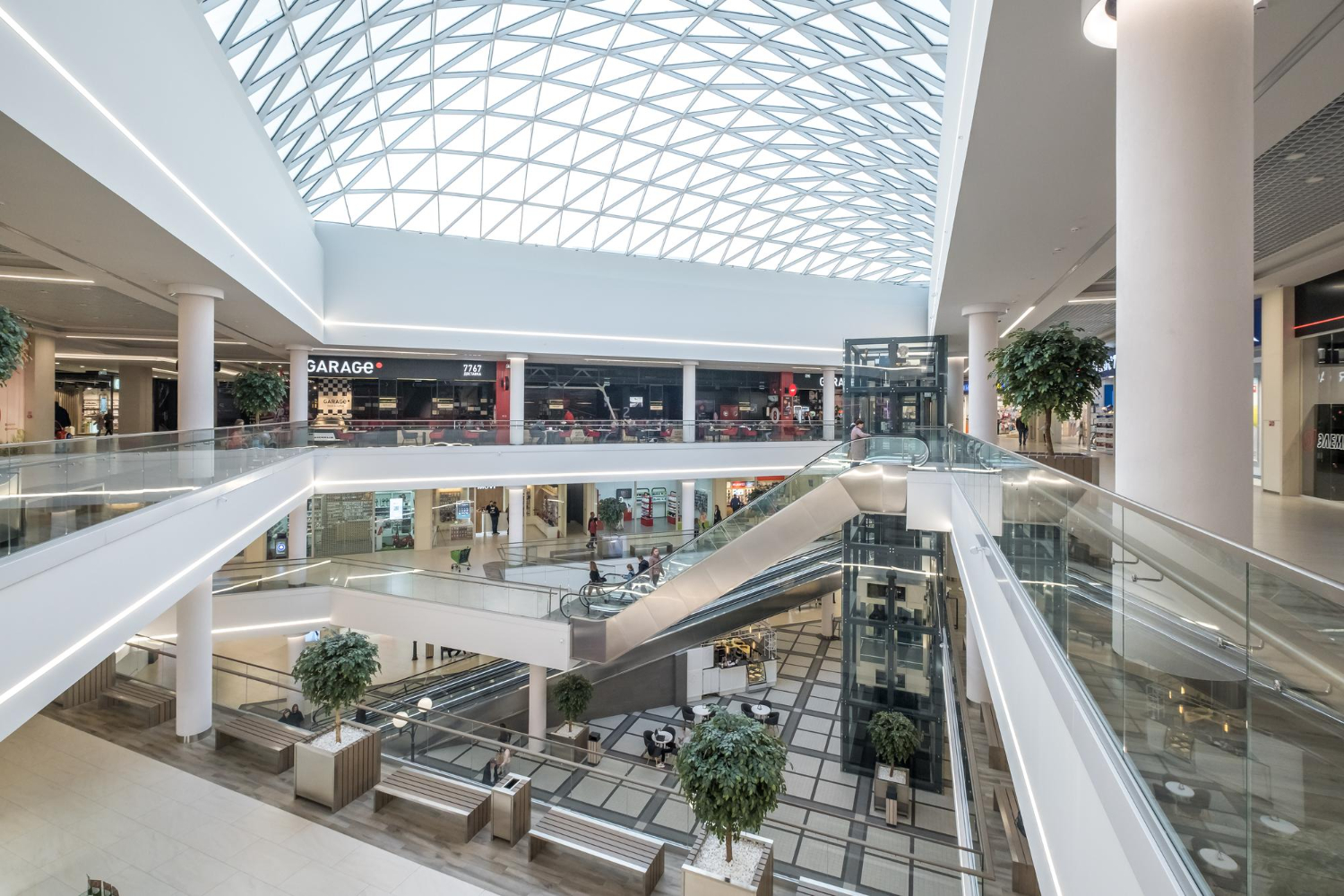
The systematic disappearance of American mall fountains represents specific changes in American commercial culture, design priorities, and economic pressures over the past 25 years. The fountains weren’t removed because they were unwanted — children loved them, families gathered around them, communities valued them as informal public spaces. They were removed because economic, liability, and operational pressures made maintenance increasingly difficult to justify even when customer preferences favored retention.
The cumulative pattern reveals broader changes in how American commercial spaces are designed and operated. Decorative elements that don’t directly support sales have been substantially eliminated. Public-space functions of commercial environments have been reduced. Social uses of malls have declined as malls have become more purely transactional. The fountain disappearance is one specific marker of these broader changes — a tangible evidence of cumulative shifts that have transformed American mall culture from family entertainment destinations to declining retail environments.
What This All Represents
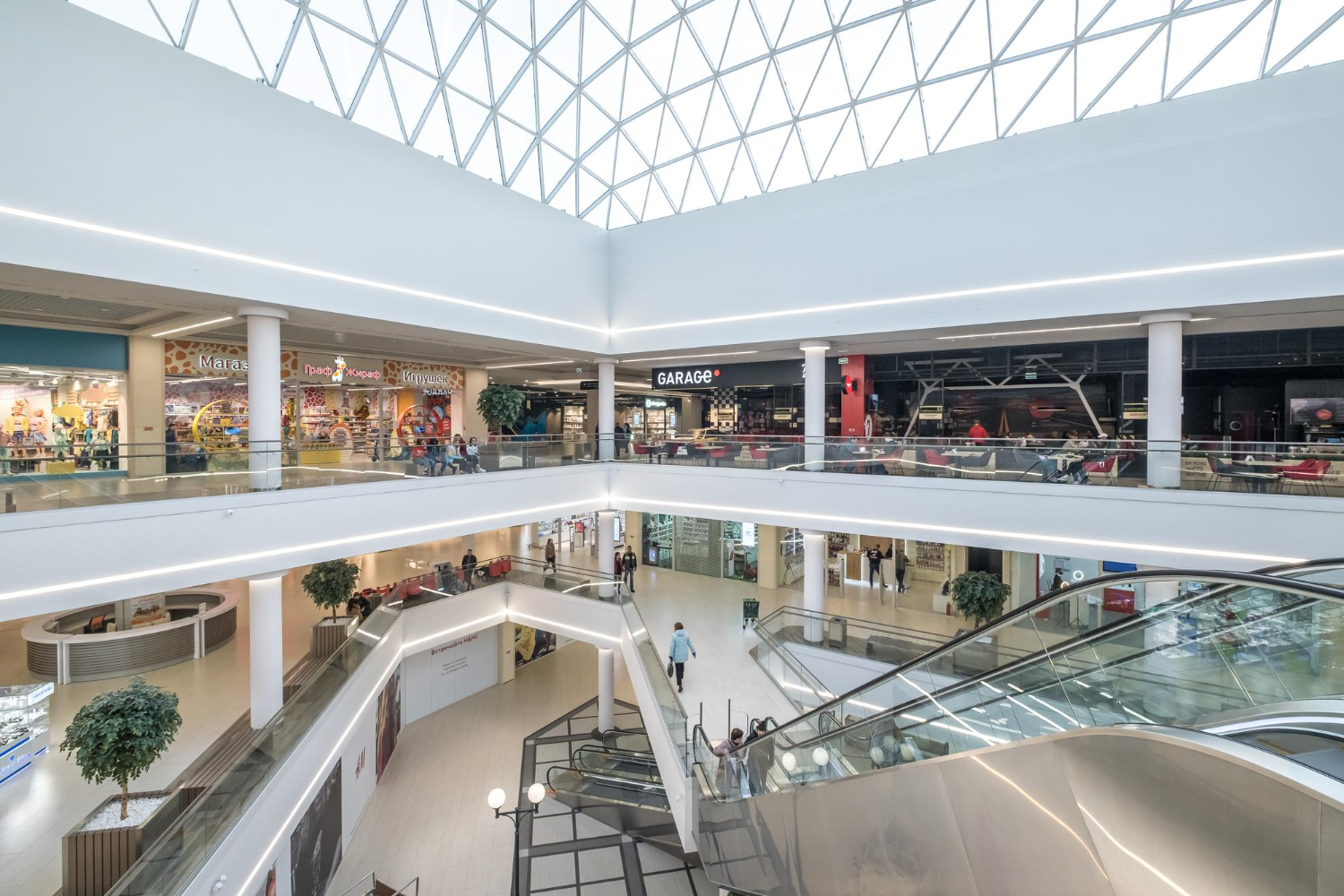
The American mall fountain represents a specific moment in American commercial design when malls were treated as substantial public spaces deserving substantial decorative investment. The fountains weren’t profitable in narrow retail sense — they took up space that could have housed stores, cost substantial money to maintain, and created liability exposures. But they served specific cultural functions that mall operators valued during the era when American malls were thriving social institutions. The systematic removal between 2005-2015 reflected changed economic and cultural conditions that made the original investments increasingly difficult to maintain. The disappearance is essentially permanent — new malls aren’t being built (mall construction has substantially stopped since 2010), and existing malls aren’t restoring removed features. American children growing up since 2010 generally have no memories of mall fountains because the features had been removed before these children were old enough to experience them. The cumulative loss represents one specific aspect of how American commercial culture has changed across one generation — quieter, less visually distinctive, more purely transactional, and substantially less memorable than the mall culture that dominated American family life from approximately 1980 to 2000. The fountains aren’t coming back, and what they represented — malls as substantial social institutions — has substantially disappeared along with them.