Gásadalur is a tiny village on Vágar island in the Faroe Islands — population approximately 18 people in 2025. Until October 10, 2004, the only access was via a treacherous 400-meter cliff hike that took 1.5 hours each way. Mail was delivered three times weekly by postman who climbed the cliff regardless of weather. Residents who needed substantial medical attention sometimes died waiting for transport. The 2004 tunnel construction (the 1,445-meter Gásadalstunnilin) transformed the cumulative situation. Here’s the actual story — plus the dramatic Múlafossur waterfall that has made the cumulative village one of the most photographed locations in the entire Faroe Islands.
1: A Village on the Edge of the Atlantic
Gásadalur (pronounced approximately “GOH-sah-DAH-loor”) sits in a small valley on Vágar island in the western Faroe Islands. The cumulative location is approximately 7 km west of Vágar Airport (the Faroe Islands’ international airport) and approximately 60 km from the capital Tórshavn on Streymoy island. The cumulative village position provides dramatic views of the Atlantic Ocean and surrounding mountainous terrain that have made Gásadalur substantially photographed despite the small population.
The Faroe Islands themselves are a self-governing autonomous region of the Kingdom of Denmark, sitting in the North Atlantic approximately halfway between Norway and Iceland. Total Faroese population: approximately 54,000 across 18 islands. The cumulative archipelago has substantial Viking heritage from Norse settlement starting approximately the 9th century. Gásadalur represents one of the most remote inhabited locations within this already substantially isolated archipelago.
2: The Specific 18 Residents
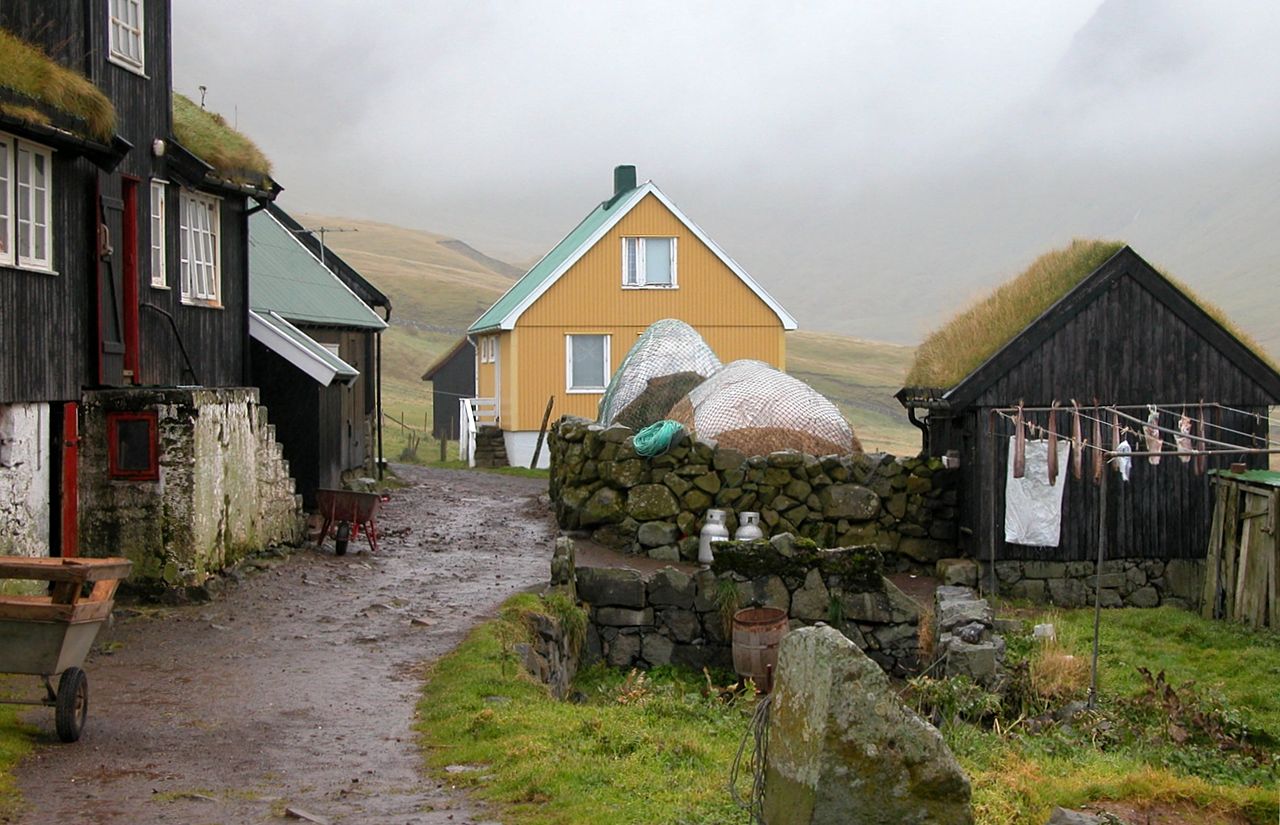
As of 2025, Gásadalur has approximately 18 permanent residents. The cumulative tiny population represents substantial decrease from historical peaks but stability compared to recent decades when population dropped substantially during the most isolated period. The cumulative residents primarily include extended families with multi-generational presence in the cumulative village plus various people who specifically chose Gásadalur for the cumulative lifestyle despite substantial isolation.
The cumulative residents include farmers maintaining traditional Faroese sheep farming (the cumulative valley supports substantial grazing), various people working at the cumulative B&B and small tourism operations, and various others. The cumulative tiny population creates substantial community dynamics — essentially every resident knows every other resident substantially. The cumulative arrangement represents specific aspect of Faroese rural life that mainstream tourism rarely encounters but provides substantial cultural depth for visitors who specifically engage with the cumulative community.
3: The Pre-2004 Isolation
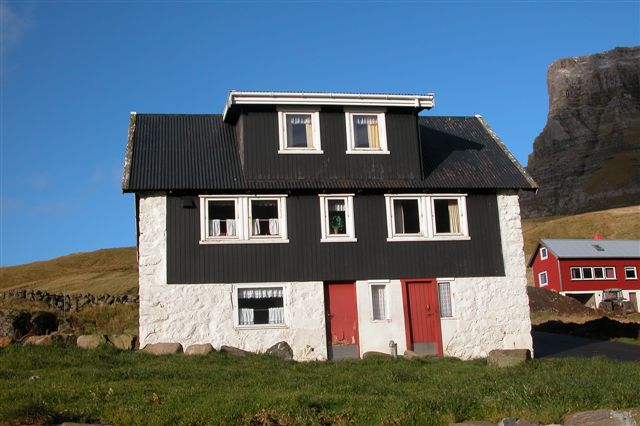
Before October 2004, Gásadalur was accessible only by hiking across a 400-meter mountain pass that took approximately 1.5 hours each way under good conditions. The cumulative trail was substantially dangerous — narrow paths, exposed cliff edges, weather-dependent passability, and various other specific hazards. Various Gásadalur residents and visitors died across decades attempting the cumulative crossing, particularly during winter conditions or substantial weather events.
The cumulative isolation substantially affected daily life. Mail was delivered three times weekly by postman who climbed the cumulative mountain pass regardless of weather conditions — substantial commitment that maintained connection to broader Faroese society. Heavy supplies required helicopter delivery (when available and affordable) or substantial physical effort across the cumulative trail. The cumulative arrangement produced substantial logistical challenges that essentially no other Faroese community faced equivalently. Various Gásadalur residents accepted these challenges as condition of the cumulative lifestyle, but the cumulative situation substantially limited community sustainability.
4: The Medical Emergency Reality
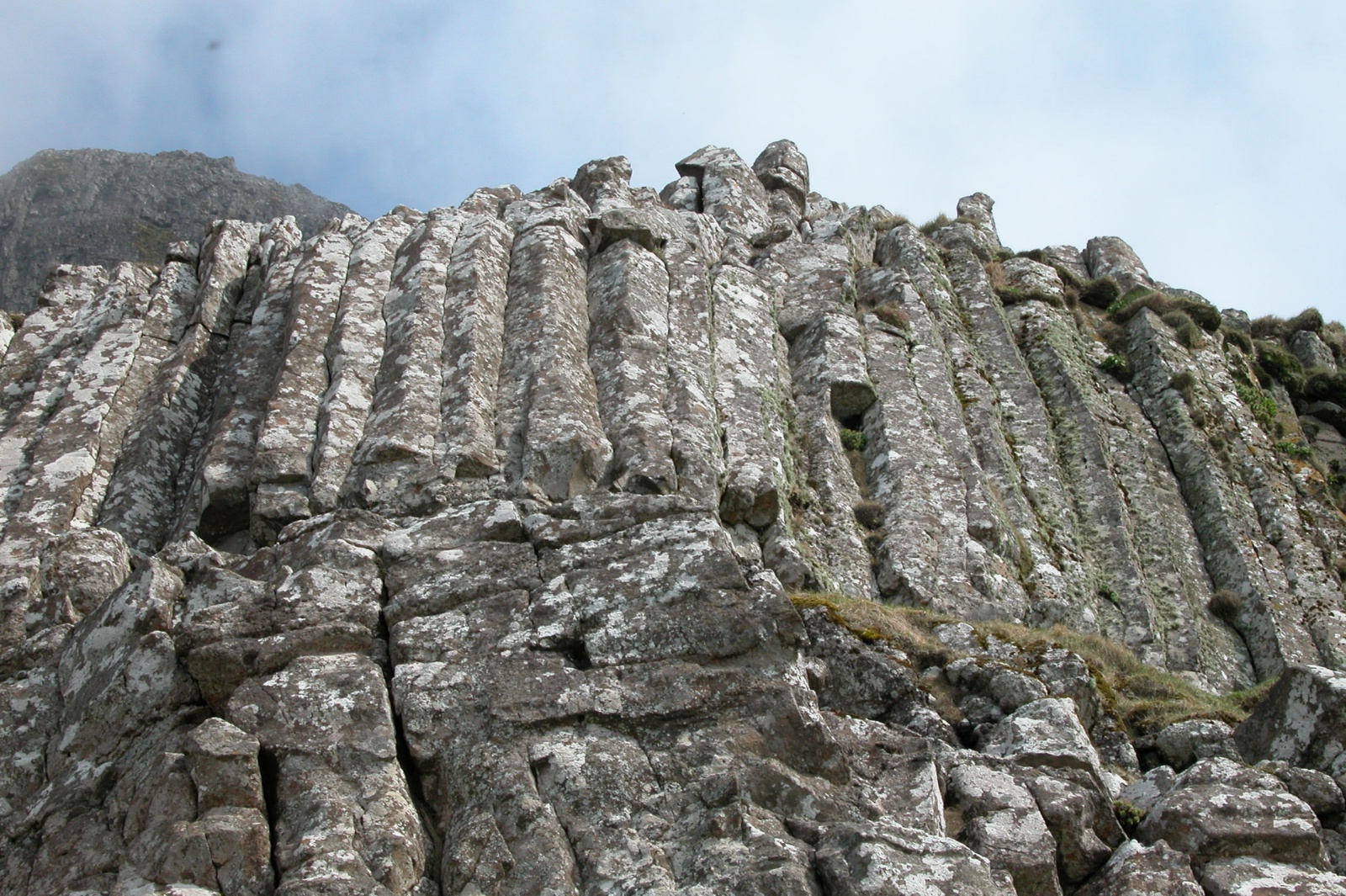
The cumulative pre-2004 isolation produced specific tragic situations involving medical emergencies. Various Gásadalur residents who needed substantial medical attention sometimes died waiting for transport. The cumulative mountain pass closed entirely during certain weather conditions, eliminating any emergency access. Helicopter emergency services existed but operated within substantial weather constraints that didn’t always permit cumulative deployment. The cumulative reality meant that Gásadalur residents accepted substantially higher medical risk than residents of more accessible Faroese communities.
Pregnant women specifically faced substantial challenges. Various Gásadalur women relocated to other Faroese communities for the final weeks of pregnancy to ensure safe medical access for delivery. The cumulative arrangement was substantial inconvenience that essentially no other Faroese community required. Various other specific medical situations produced similar challenges. The cumulative medical risk substantially motivated long-term advocacy for tunnel construction that would eliminate the cumulative isolation despite substantial cost and engineering complexity.
5: The 2004 Tunnel Construction
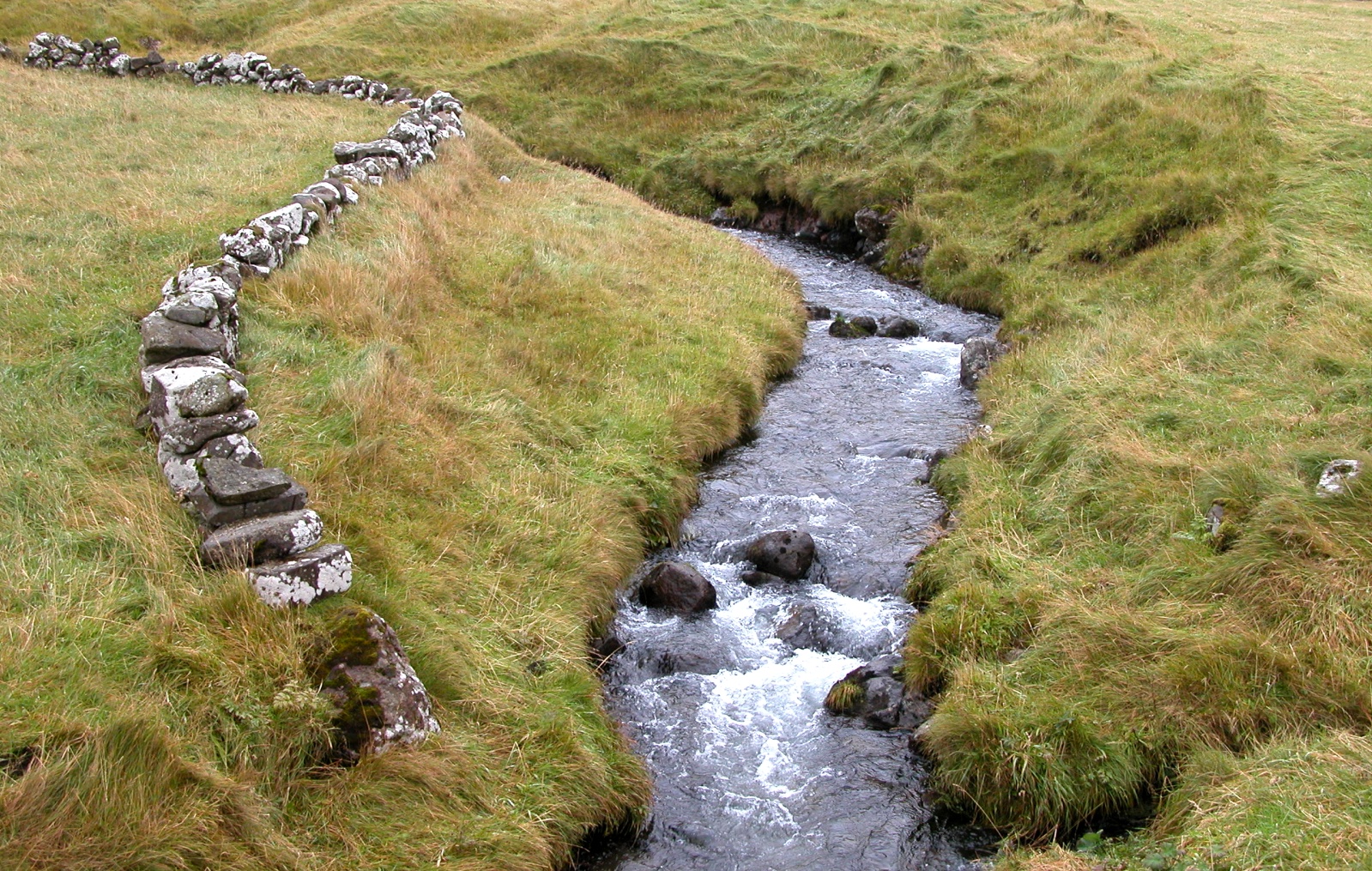
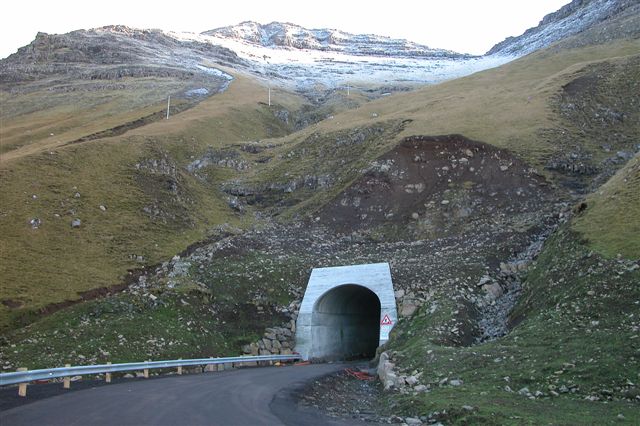
The Gásadalstunnilin tunnel opened October 10, 2004 after substantial construction project completed despite the cumulative engineering challenges. The cumulative tunnel measures 1,445 meters in length, connecting Gásadalur with the neighboring village of Bøur and the broader Vágar island road network. The cumulative construction transformed Gásadalur accessibility from substantial mountain hike to brief drive (approximately 3-4 minutes through the cumulative tunnel).
The cumulative tunnel was substantial Faroese government investment despite the cumulative tiny Gásadalur population. The decision reflected specific Faroese cultural commitments to maintaining rural community viability despite substantial economic challenges. Various other Faroese tunnels have been constructed across similar engineering challenges — the cumulative archipelago now features approximately 19 substantial road tunnels totaling many kilometers despite the small overall population. The cumulative infrastructure investment has substantially transformed Faroese rural community sustainability across multiple decades.
6: The Post-Tunnel Transformation
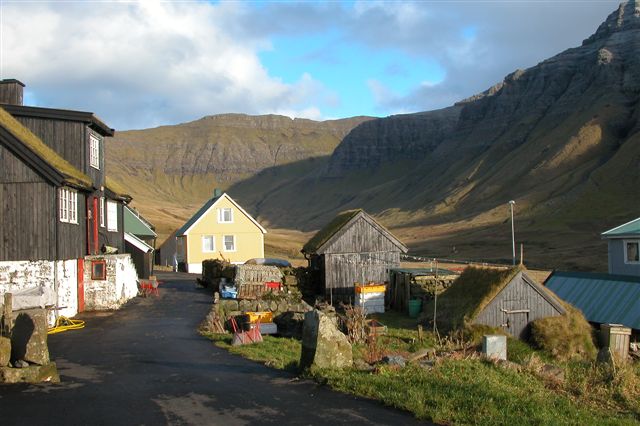
The cumulative 2004 tunnel transformed Gásadalur substantially. Daily life became substantially easier with reliable access regardless of weather. Tourism increased substantially as Gásadalur became accessible to typical Faroese visitors rather than only dedicated hikers. Various small tourism operations developed — B&Bs, café/restaurant, various other services. The cumulative population stabilized at approximately the current ~18 level after previous decades of substantial decline.
The cumulative tourism growth produced specific mixed results. Various residents welcomed the cumulative economic activity and connection to broader Faroese life. Others substantially regretted the cumulative loss of the previous extreme isolation that had defined Gásadalur character for generations. The cumulative tension between development and preservation continues affecting cumulative Gásadalur identity. Various specific traditional elements have persisted despite cumulative changes — sheep farming continues, Faroese language remains primary local language, various cultural practices continue.
7: The Iconic Múlafossur Waterfall
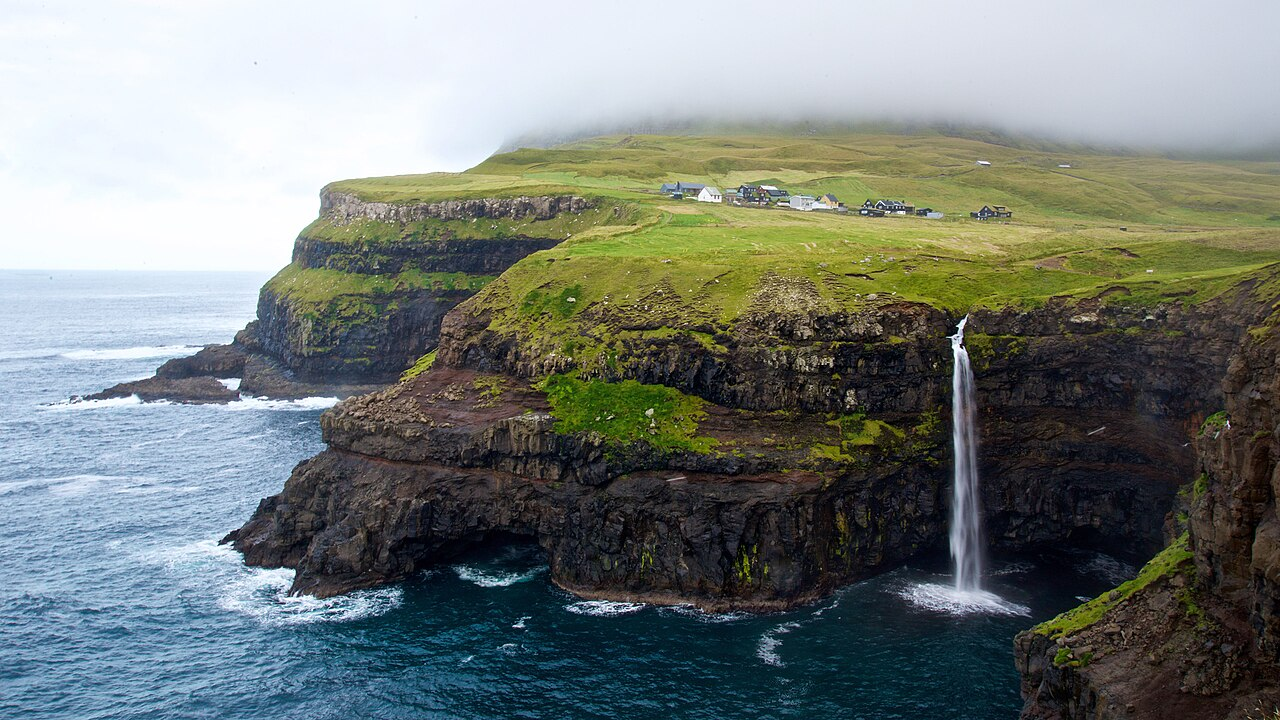
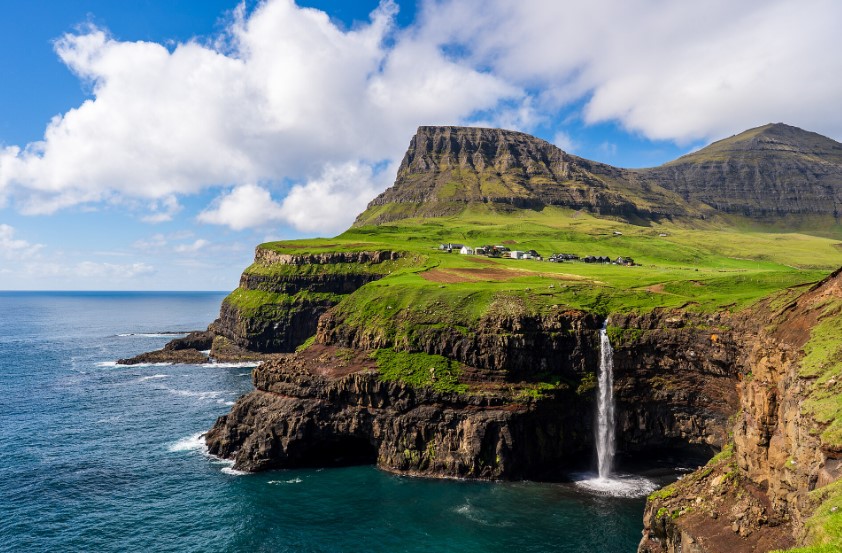
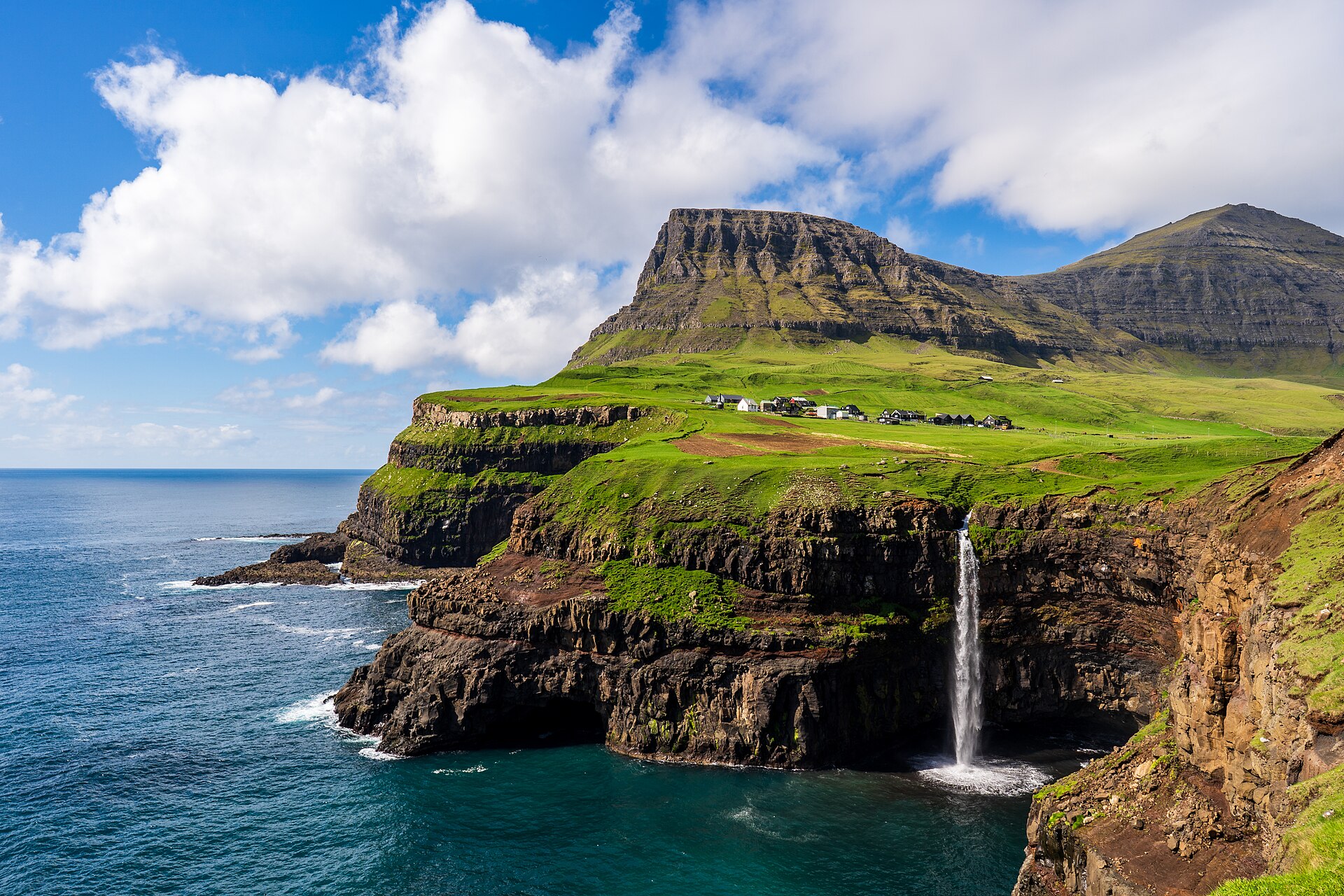
The most photographed feature near Gásadalur is the Múlafossur waterfall — substantial 30-meter waterfall that drops directly into the Atlantic Ocean from coastal cliffs immediately outside the cumulative village. The cumulative composition (village + waterfall + ocean + mountainous backdrop) creates one of the most distinctive landscape images in the entire Faroe Islands. Various international photography publications routinely feature Múlafossur as iconic Faroese imagery.
The cumulative waterfall has substantially driven Gásadalur tourism since the 2004 tunnel made the location accessible. Various professional photographers travel substantial distances specifically for Múlafossur photography. The cumulative image has appeared on Faroese postage stamps, tourism marketing materials, international photography books, and various other prominent contexts. The cumulative photography popularity has substantially transformed Gásadalur from genuinely obscure rural community to substantially recognized photographic destination within specialty travel circles.
8: The Specific Photography Logistics
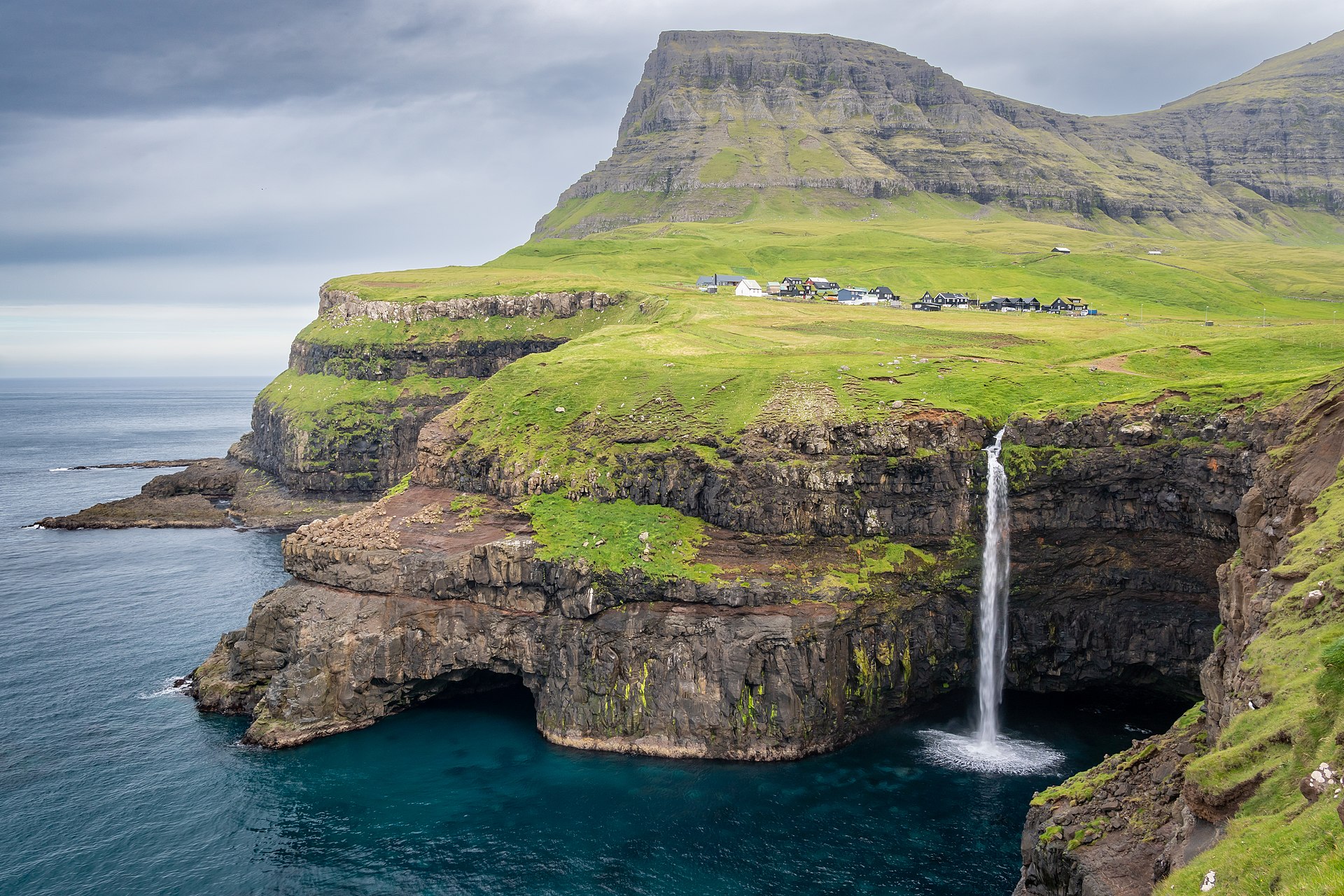
Visitors planning Múlafossur photography should understand specific cumulative logistics. The classic photograph viewpoint involves walking approximately 10 minutes from the cumulative Gásadalur village along marked paths to a specific clifftop viewpoint that provides the iconic composition. The cumulative walk crosses private land with respectful access permitted but specific etiquette expected. Photography ethics require respecting cumulative residential privacy while accessing the cumulative photography opportunities.
The cumulative best photography conditions involve various weather factors. Overcast soft light typically produces better cumulative results than harsh direct sunlight. Atlantic storms produce dramatic cumulative conditions but substantially difficult shooting environments. Sunset lighting produces specific cumulative warm tones but may not align with cumulative cloud cover. Various photographers plan multi-day cumulative visits to optimize cumulative photography conditions. The cumulative effort substantially exceeds typical tourist photography but produces cumulative results unavailable elsewhere.
9: How to Actually Reach Gásadalur
Practical guidance for travelers planning Gásadalur visits. International access typically through Vágar Airport with flights from Copenhagen (2-hour flight), Edinburgh, Reykjavik, and various other European cities through Atlantic Airways or various other carriers. Domestic Faroese flights between islands operate via helicopter services with substantial weather dependencies. From Vágar Airport: approximately 15-minute drive to Gásadalur via the cumulative tunnel.
Rental car at Vágar Airport provides typical access — Faroese roads are generally substantial despite some single-lane sections and various weather-related closures during winter periods. Public bus service operates between major Faroese communities but with limited frequency to Gásadalur. Most international visitors plan 3-7 day Faroese trips that include multiple specific island destinations including Gásadalur. The cumulative trip costs are substantial — Faroe Islands are genuinely expensive even by Nordic standards. Total daily costs typically run $200-400+ per person depending on accommodation and activity choices.
10: The Broader Faroese Context
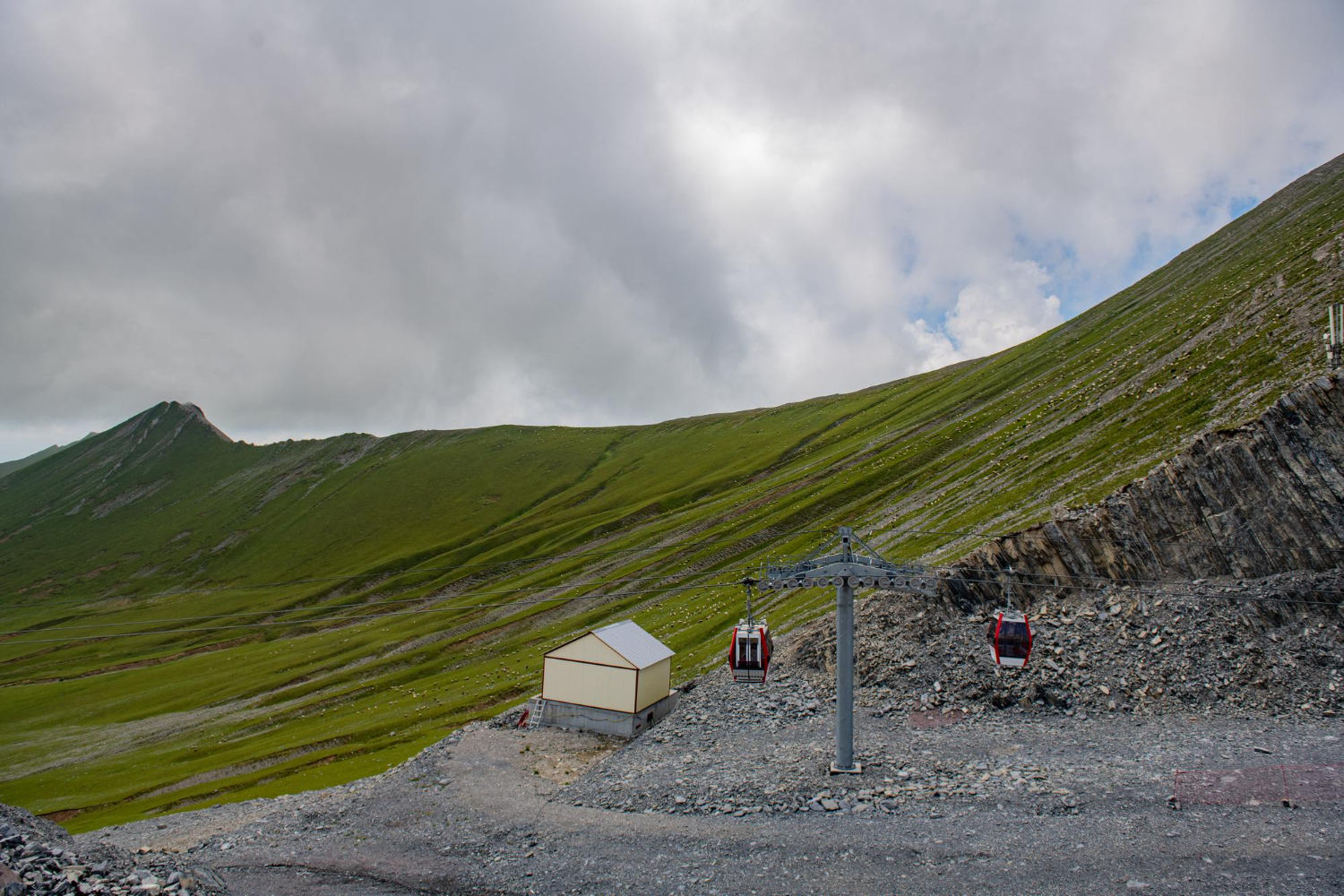
Gásadalur represents one specific element of substantial broader Faroese tourism. The cumulative islands offer substantial scenic destinations including Tórshavn (capital with traditional turf-roofed buildings), Saksun (dramatic fjord village with traditional architecture), Kalsoy (island with substantial hiking and the famous Kallur lighthouse), Mykines (island with substantial puffin colonies), various sea bird cliffs, multiple specific waterfalls, traditional villages, and various other cumulative attractions.
The cumulative Faroese tourism has substantially grown across recent decades from genuinely obscure destination to substantial niche tourism category. Various international visitors specifically plan Faroese trips for substantial dramatic landscape photography, traditional culture, hiking opportunities, sea bird viewing, and various other specific experiences. The cumulative tourism remains substantially smaller than mainstream Icelandic alternatives but provides distinctive experience that mainstream Nordic tourism rarely matches. Various specific Faroese cultural elements (traditional Faroese chain dancing, distinctive Faroese cuisine including fermented lamb and various other items, substantial Viking heritage) provide cultural depth alongside the substantial natural attractions.
11: The Faroese Cultural Reality
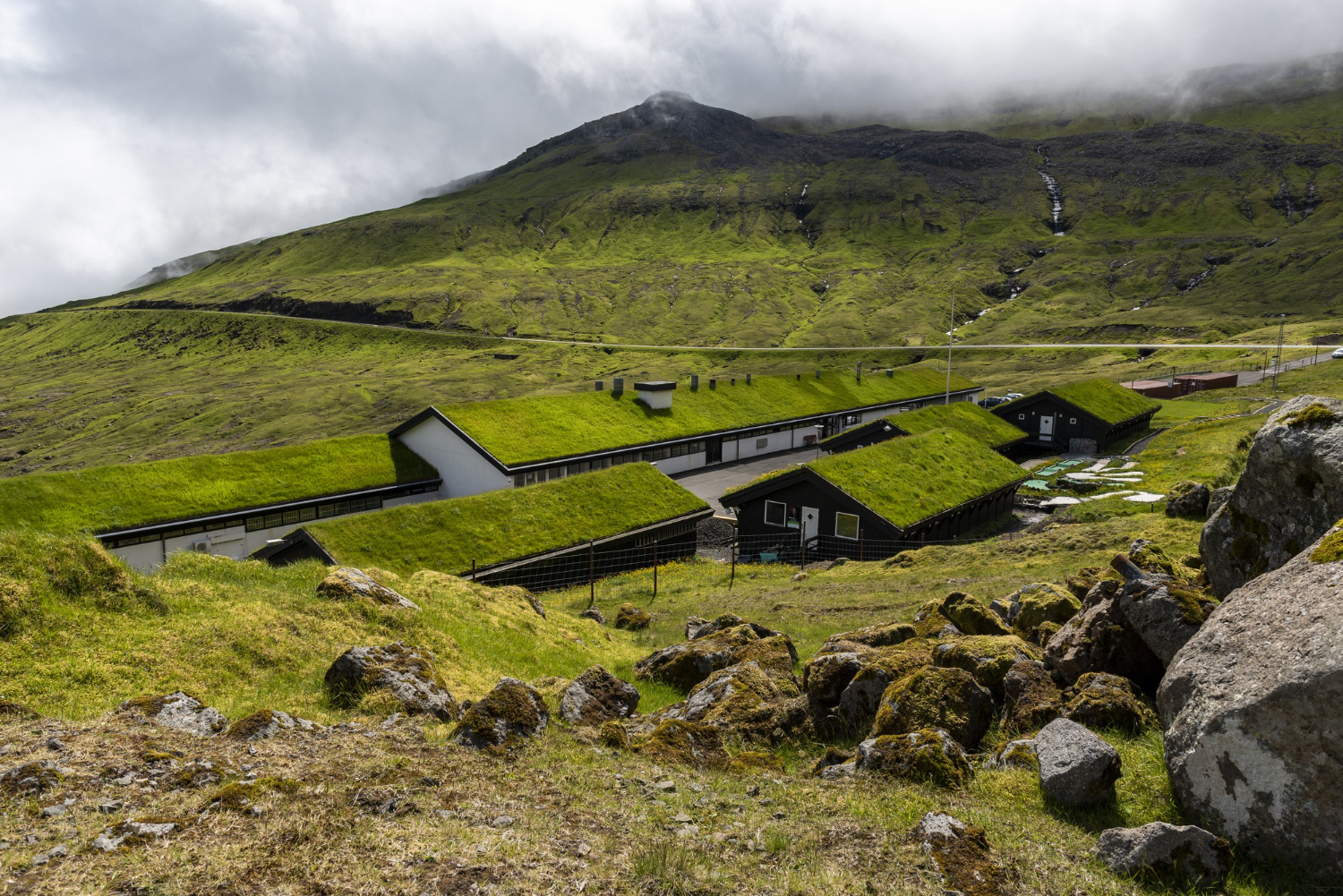
Faroese culture maintains substantial distinctiveness despite substantial integration with Danish and broader European patterns. Faroese language (distinct from Danish despite political relationship) remains primary local language including in Gásadalur. Traditional Faroese music, literature, and various other cultural elements persist actively. Various Faroese cultural festivals continue annual celebration patterns that mainstream Nordic tourism rarely encounters.
The cumulative Faroese culture has substantial Viking heritage from Norse settlement approximately 1,100+ years ago. Various specific cultural practices trace back to Viking-era origins. The cumulative isolation from mainstream European influences has substantially preserved various traditional elements that mainland Nordic countries have substantially lost. For travelers interested in genuinely distinctive Nordic culture rather than just typical Scandinavian tourism, the cumulative Faroese experience provides substantial depth that brief visits typically can’t fully access. Multi-day visits with specific cultural focus provide substantially better cumulative experience than rushed photography-focused alternatives.
12: The Future of Gásadalur
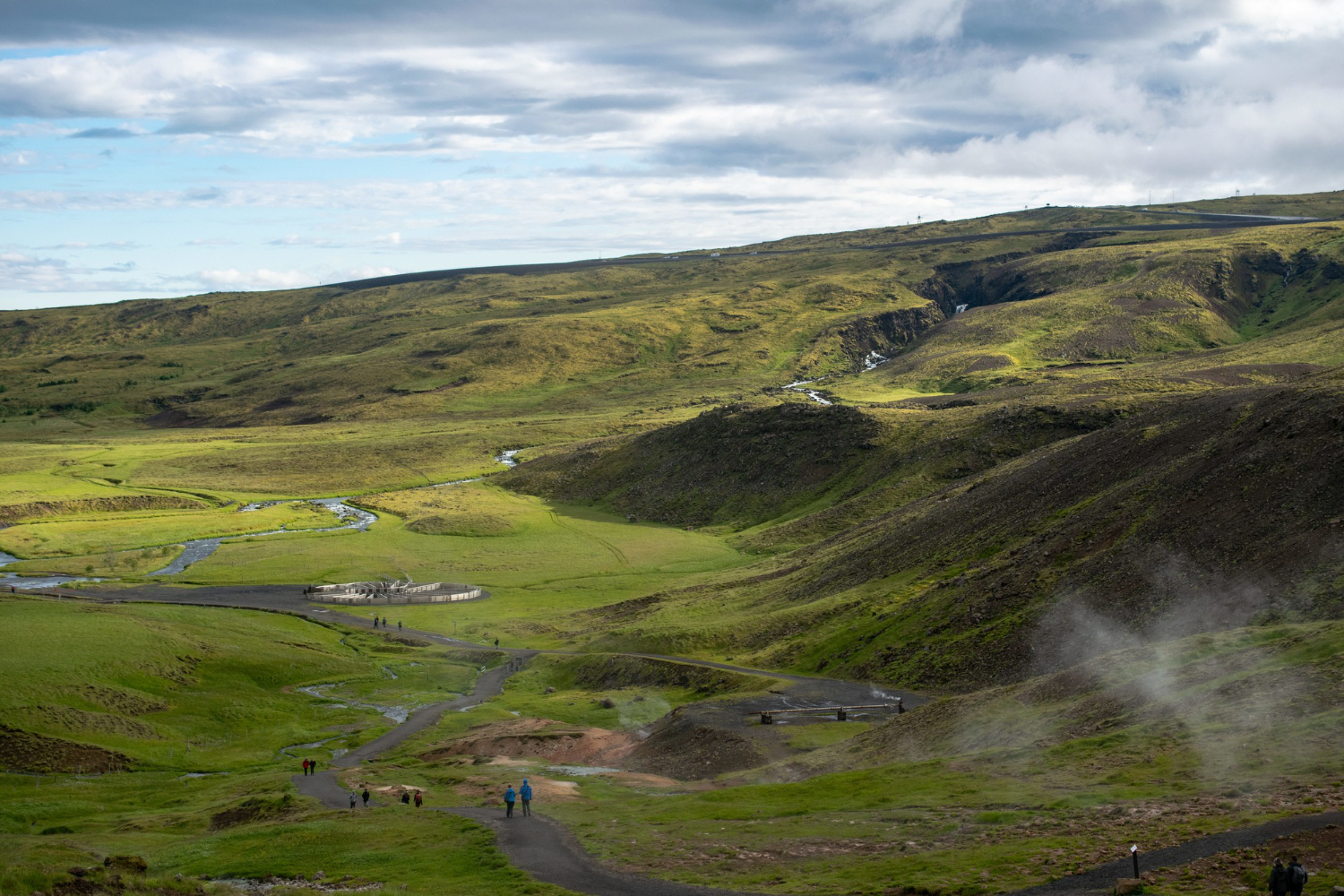
Gásadalur’s future remains substantially uncertain despite the cumulative 2004 tunnel improvement. The cumulative tiny population continues facing demographic challenges affecting essentially all rural Faroese communities. Various young residents leave for educational and employment opportunities in Tórshavn or international destinations. Various specific challenges (limited services, distance from major economic centers, various other factors) substantially affect long-term community sustainability.
The cumulative tourism growth provides some specific economic opportunity. Various small businesses now operate in Gásadalur, providing income that supports community persistence. The cumulative photography popularity ensures continued visitor flow regardless of broader tourism trends. Whether the cumulative population will stabilize at the current ~18 level, grow modestly through tourism-related migration, or eventually decline further through demographic pressures remains genuinely uncertain. The cumulative Gásadalur situation reflects broader patterns affecting essentially all small rural communities globally — but the specific Faroese government commitment to rural community support provides specific advantages that other rural communities may not have.
What Gásadalur Actually Represents
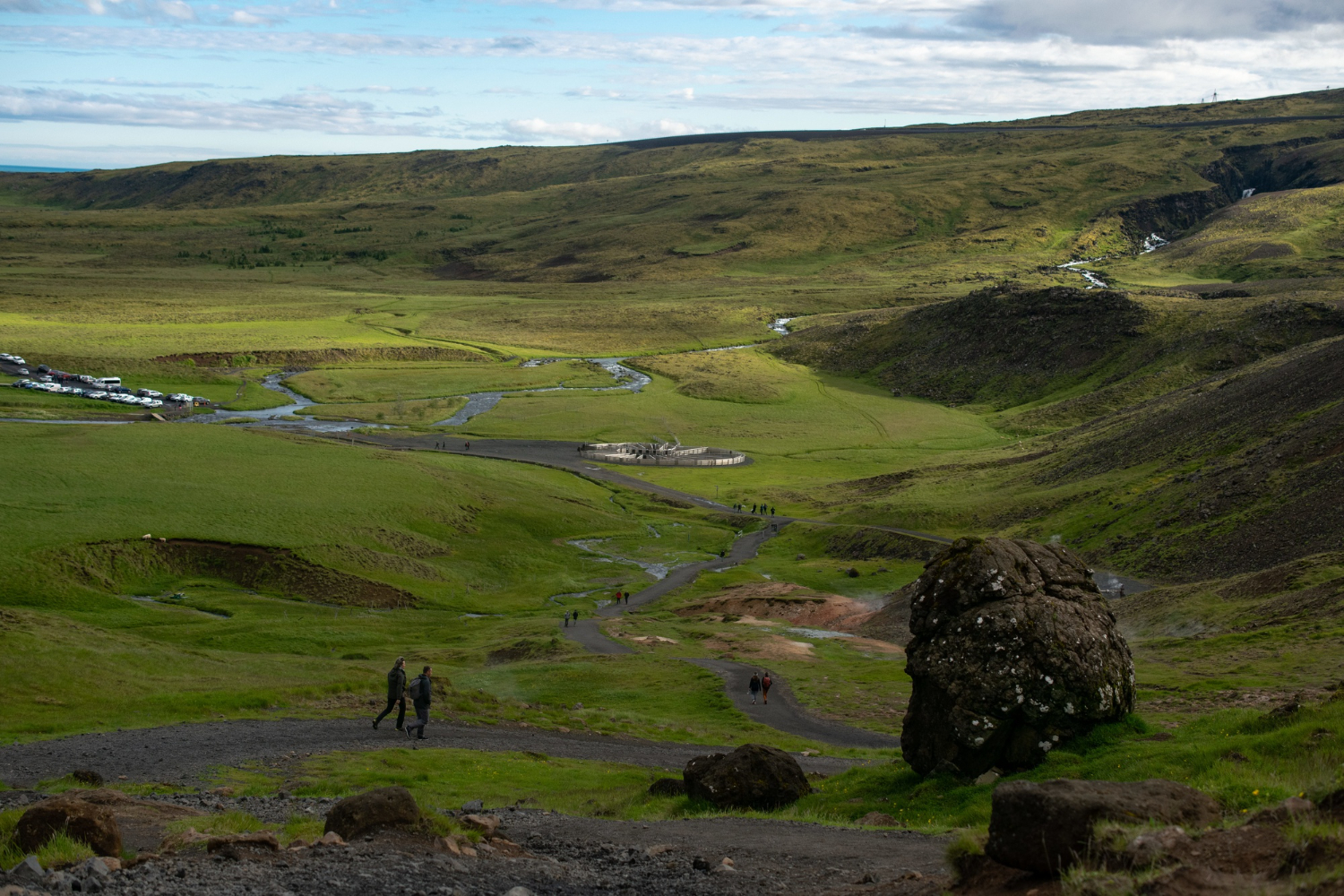
Gásadalur represents specific example of human community persistence in genuinely extreme rural circumstances. The cumulative 18 residents have chosen this remote location despite various alternatives that would provide substantially more convenience. The cumulative 2004 tunnel transformed accessibility but didn’t eliminate the cumulative fundamental remoteness — Gásadalur remains genuinely isolated from mainstream Faroese life despite easier physical access. For travelers willing to invest in cumulative Faroese trip planning, Gásadalur provides experience that mainstream international tourism essentially cannot replicate. The cumulative combination of dramatic landscape, traditional Faroese community life, substantial photographic opportunities, and accessible remoteness creates specific value that exceeds typical tourism experiences. The cumulative future depends on various factors that may substantially evolve across coming decades — but currently Gásadalur persists as substantial example of what’s possible when traditional rural communities receive specific infrastructure support that maintains viability. The 2004 tunnel will likely have substantial long-term cumulative effects beyond what initial planners anticipated. Various other small Faroese communities have similarly benefited from cumulative tunnel construction that has substantially reduced rural isolation while preserving traditional character that mainstream tourism elsewhere has substantially eliminated.