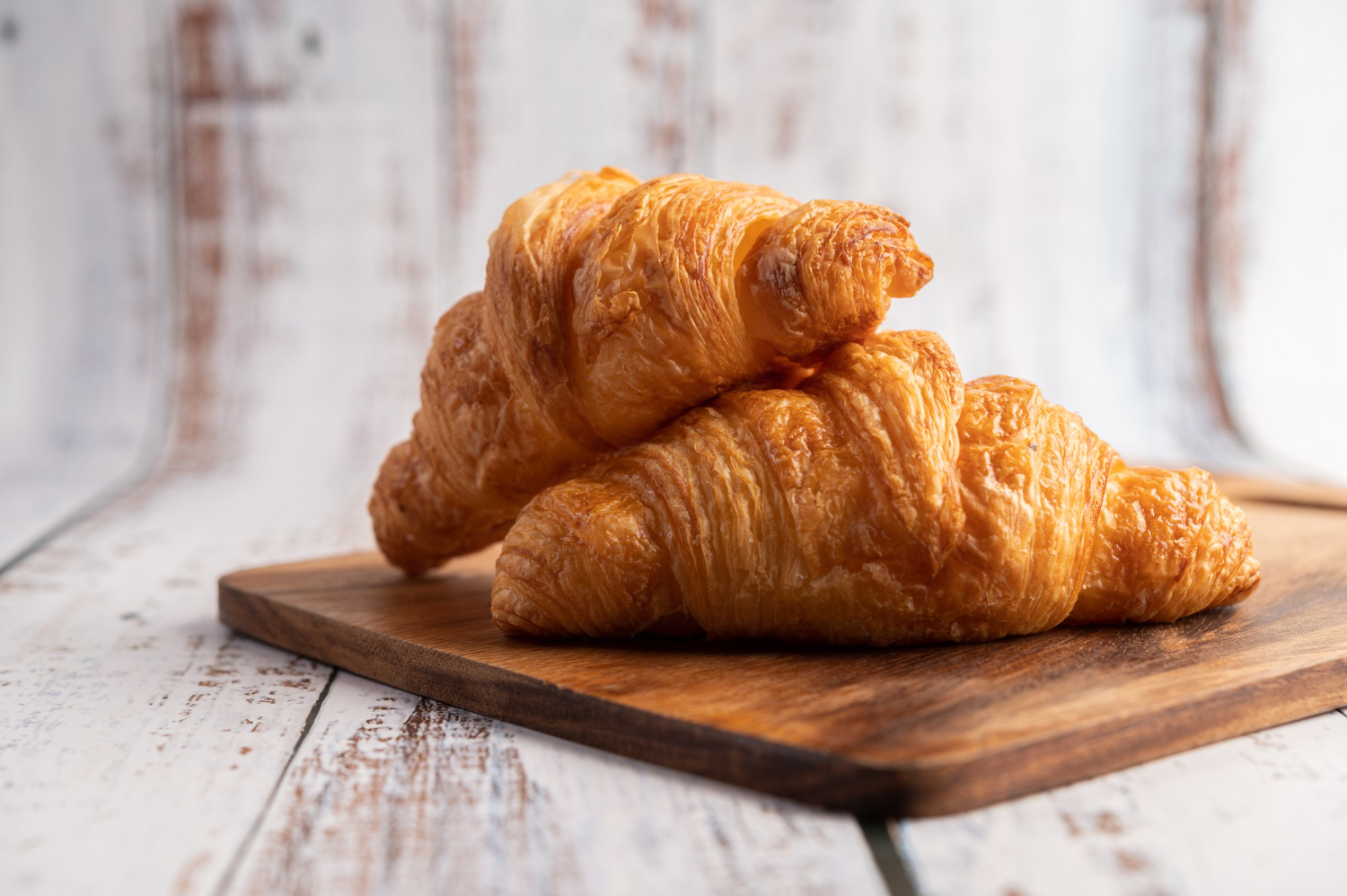
The croissant is the most identifiably French pastry in the world. It is on every Parisian café menu, in every American supermarket bakery, and in every tourism marketing campaign about France. The standard story of its origin is that it was invented in 17th-century Vienna and brought to France by Marie Antoinette in the 1770s. This story is charming, widely repeated, and almost certainly false.
The true story is considerably more interesting and considerably less glamorous. It involves an Austrian businessman, a single bakery on the rue Richelieu, and a Parisian public that took 50 years to fully adapt his recipe into the form we now consider French.
The Austrian Kipferl

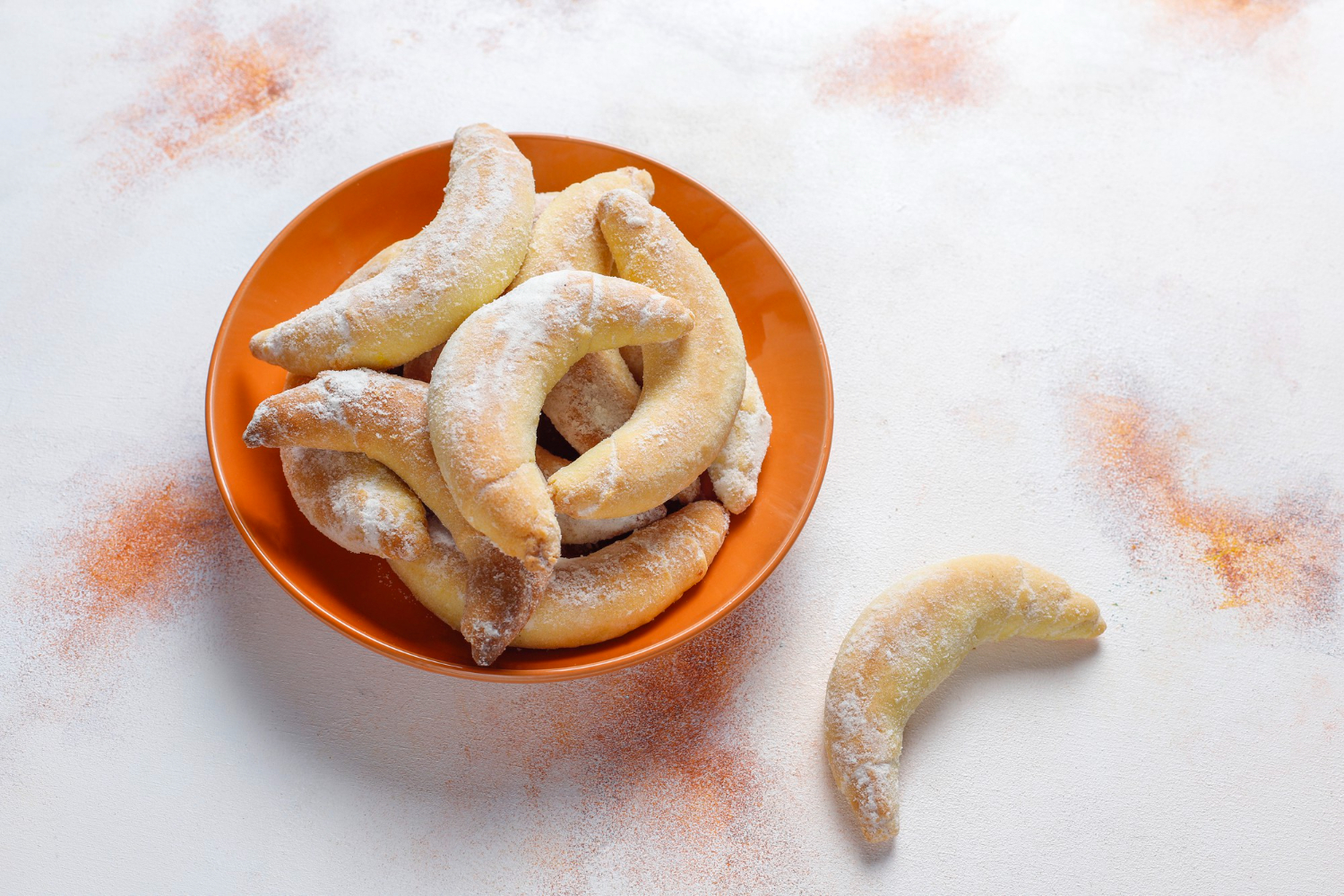
The pastry now called the croissant has Austrian ancestry. Its predecessor, the kipferl, is documented in Austrian sources back to at least the 13th century — a crescent-shaped bread roll, traditionally made from a leavened bread dough, sometimes sweetened, sometimes filled with nuts or jam. The kipferl was an established Austrian pastry by the 19th century, common at breakfast tables across the German-speaking world.
The 1683 Battle of Vienna origin story — that the kipferl was invented to celebrate the defeat of the Ottoman Empire — has been part of Viennese culinary folklore for centuries but is almost certainly a 19th-century elaboration. Food historians have generally concluded the kipferl predates 1683 by several centuries.
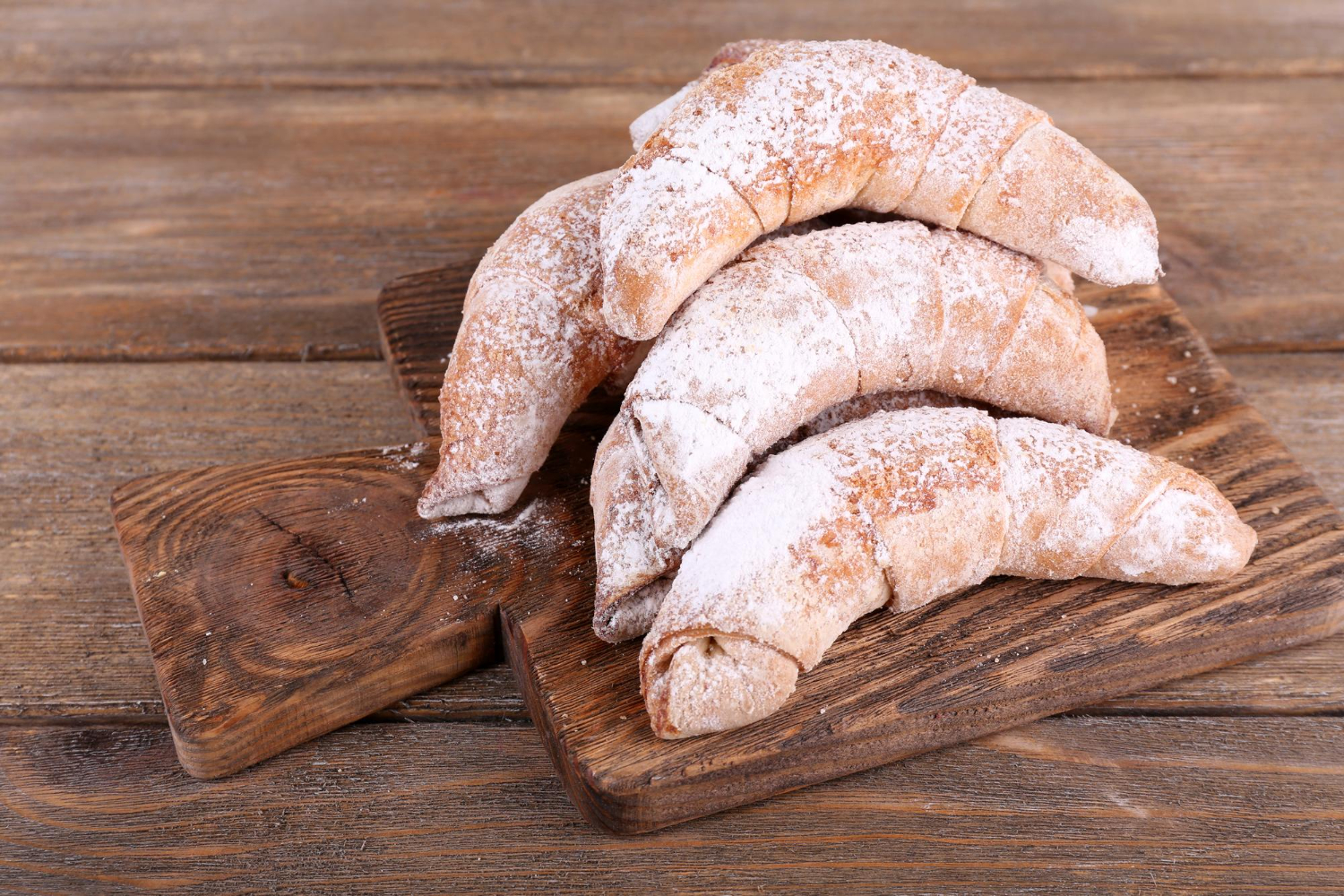
What is documented is that the kipferl existed in 1830s Vienna as an established bread product. It was bread-like in texture, made with ordinary yeast bread methods, without the laminated dough structure that defines the modern French croissant.
August Zang and the 1838 Boulangerie Viennoise
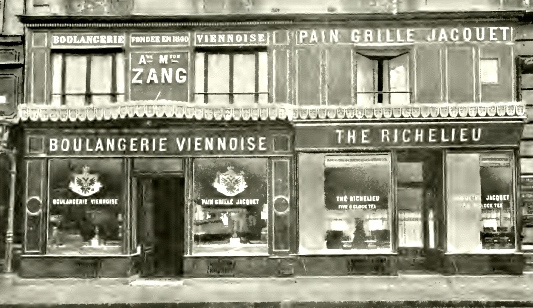
The actual introduction of the kipferl to Paris is attributable to a specific person at a specific time and place. August Zang was an Austrian businessman who opened the Boulangerie Viennoise at 92 rue Richelieu in Paris in approximately 1838. The bakery was substantially capitalized, employed Austrian-trained bakers, and was deliberately positioned as a high-end establishment introducing Viennese baking methods and pastry to Parisian customers.
Zang’s bakery sold a range of Austrian breads and pastries, but the kipferl quickly became its signature product. Parisian consumers responded with enthusiasm. The Boulangerie Viennoise became fashionable, and within a few years, French bakers across Paris began producing their own versions of the kipferl to meet demand.
The Parisian versions were initially fairly faithful reproductions of the Viennese original. What happened over the following half-century was the gradual transformation of this Austrian bread product into the modern French croissant — primarily through one major technical change.
The Lamination Revolution
The transformation that turned the kipferl into the croissant was the introduction of laminated dough. Lamination is a baking technique involving repeatedly folding butter into yeasted dough, producing dozens or hundreds of alternating layers of dough and butter. When the dough is baked, the butter melts and produces steam, which forces the layers apart and creates the characteristic flaky, airy texture.
The technique was not invented in 19th-century France — laminated dough preparations exist in earlier French baking literature, most notably for puff pastry (pâte feuilletée). What appears to have been new was the application of lamination to a yeasted dough specifically for kipferl/croissant production.
The first published French recipe for a “croissant” using laminated dough is generally attributed to Pierre Lacam’s culinary writing from 1890, though the technique was likely in use in French bakeries somewhat earlier. By the 1920s and 1930s, the laminated butter croissant had become the standard form, and the bread-dough version had largely disappeared from French bakeries.
Why the Story Changed

The croissant’s transformation from imported Austrian pastry into French national symbol followed the pattern that food historians often observe. The arrival is documented initially. Over generations, the origin becomes blurred, then disputed, then forgotten by most consumers. By the time the food is fully integrated into the national cuisine, its origin story has been replaced by a more flattering domestic myth.
For the croissant specifically, several factors accelerated this naturalization. World Wars I and II disrupted Austro-French cultural exchange. The lamination technique, which was a genuine French refinement, made the modern croissant substantively different from Zang’s original kipferl. The 20th-century industrialization of French baking spread the croissant throughout France in a form no Austrian baker had ever produced.
By the second half of the 20th century, the croissant was understood — by French eaters and by the rest of the world — as straightforwardly French. The Austrian heritage survived primarily in one linguistic trace: the category name viennoiserie, which French bakers and pastry literature use for the broader family of laminated and enriched pastries. The name literally means “things from Vienna.”
The Marie Antoinette Myth
Despite the lack of documentary support, the Marie Antoinette origin story remains the most commonly cited explanation of how the croissant came to France. The story appears in tourism literature, in popular food writing, and even in some otherwise-reliable sources. It is a textbook example of a myth that persists despite scholarly correction because the myth is simply more memorable than the corrected truth.
Food historians have generally accepted that the corrected version will not displace the popular myth in casual usage, though it appears reliably in academic and serious culinary literature. What persists is the core truth: the croissant is a French refinement of an Austrian original, and the story of that refinement is far more interesting than a princess bringing a pastry with her to court.
What You’re Eating Today
A modern French butter croissant — properly made with laminated dough, real butter, and 12-24 hour fermentation — is a French invention in any meaningful sense. The technique that produces its characteristic texture was developed in France. The standardization of the product across centuries was a French achievement. What is Austrian is the underlying concept: the crescent shape, the breakfast positioning, the category of enriched yeasted pastries.
For travelers in France, the visual cue distinguishing an artisan croissant from an industrial one is the lamination: a proper croissant shows clear, multiple, fine layers when broken open, with visible separation between layers. An industrial croissant appears more uniform inside, with less distinct layering. The flavor difference is more substantial than the visual difference suggests.