Greenland is often cited as proof that “marketing works” — that a cold place is called “Green” and a green place is called “Iceland” through medieval trickery. The actual story of Greenland’s low population (roughly 56,000 people across an area the size of Mexico) is far more interesting than a simple naming trick. It’s a story about glacial geography, the limits of human settlement, and how climate fundamentally constrains population viability.
The Glacial Ice Sheet Reality
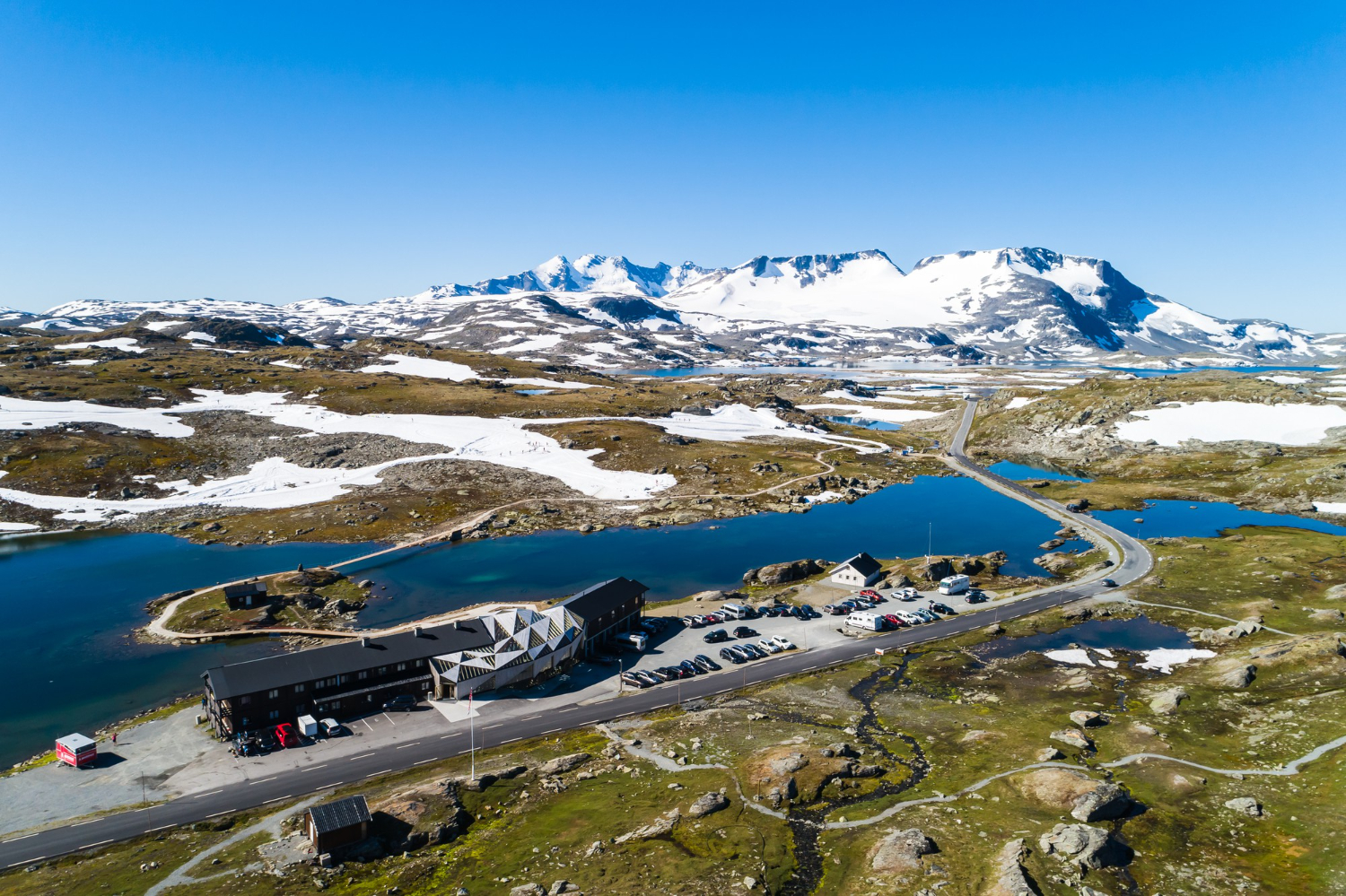
Greenland is not a normal landmass. Roughly 80% of the island is covered by the Greenland Ice Sheet — a massive glacier roughly 1 mile thick and containing roughly 10% of the world’s fresh water. The remaining 20% of Greenland that is ice-free is scattered around the periphery in relatively small, disconnected areas. These ice-free regions are where settlements exist. The total ice-free area is roughly 42,000 square kilometers — smaller than Maryland.
The ice sheet is genuinely enormous. It flows from the interior downward toward the coast at rates measured in feet per day. Ice bergs regularly calve off the glaciers and float out to sea — the icebergs that sink ships originate from Greenland. The ice sheet’s sheer mass makes Greenland fundamentally different from other Arctic regions. You can’t settle on a glacier.
Why Settlement Is Coastal Only
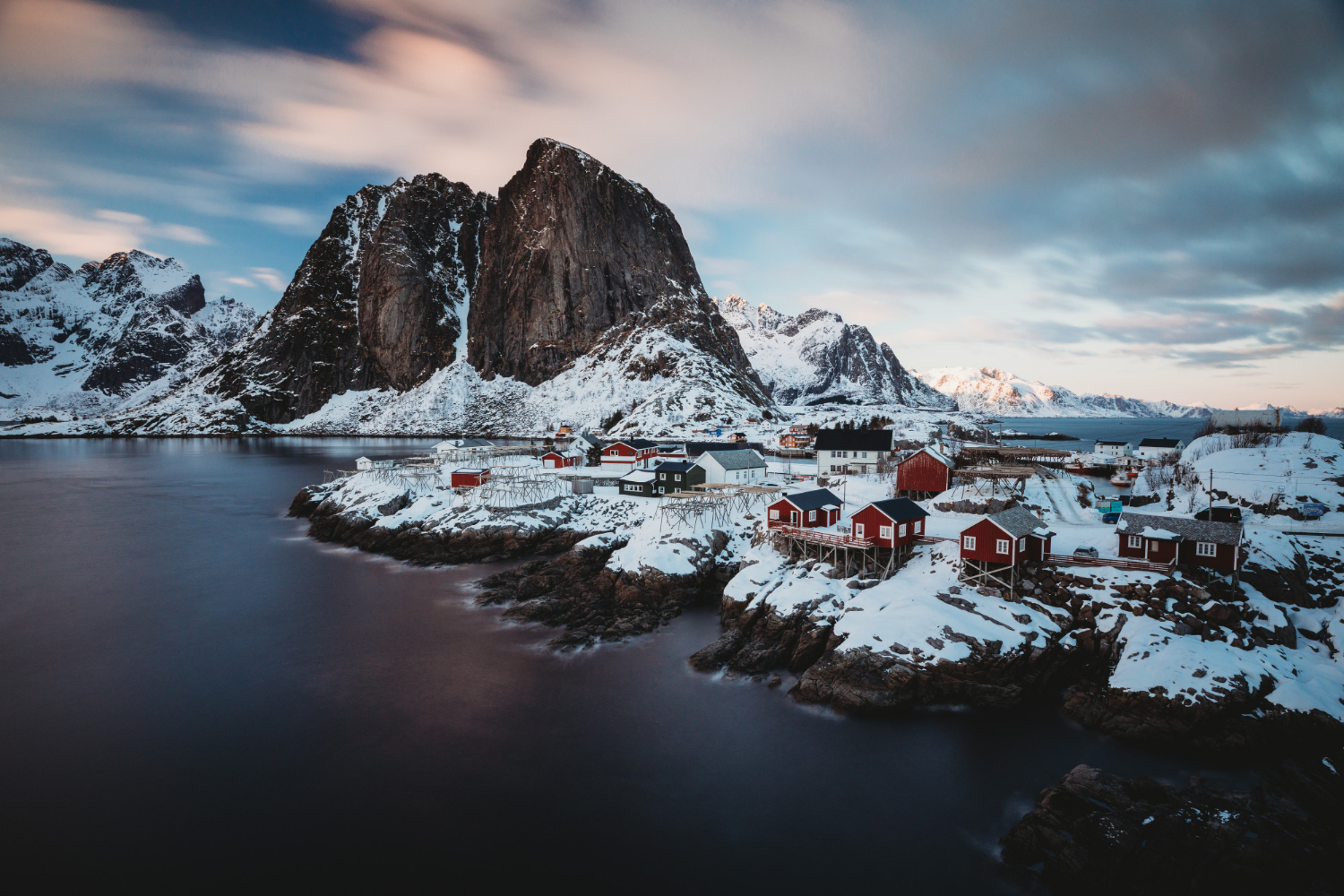
Because of the ice sheet, all Greenlandic settlements must be on the coast. The interior is inaccessible — there are no roads across the ice sheet, no settlements inland, no infrastructure connecting coastal towns overland. To travel between Greenlandic towns, you must go by boat or helicopter. There is no bridge across the ice sheet. There is no road network connecting settlements. This isolation makes resource sharing impossible and each town functionally isolated.
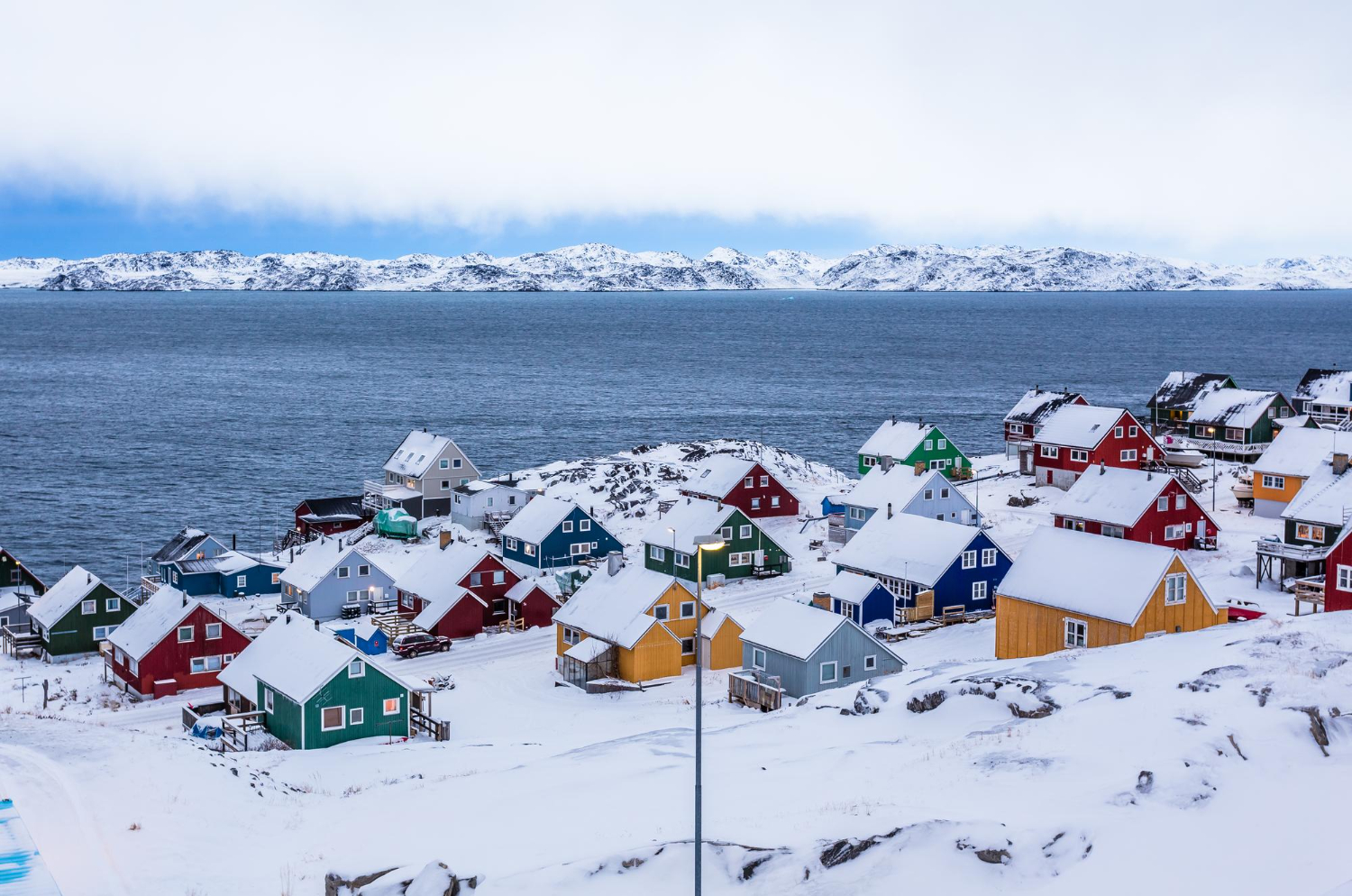
The population is distributed in small settlements around the coast — the capital Nuuk has roughly 18,000 people, but most towns have populations under 1,000. These are isolated communities that cannot support the kinds of economic diversity that larger settlements provide. You can’t have specialized services, retail options, or job diversity when your town is surrounded by ice on one side and ocean on the other.
The Climate Gradient Effect
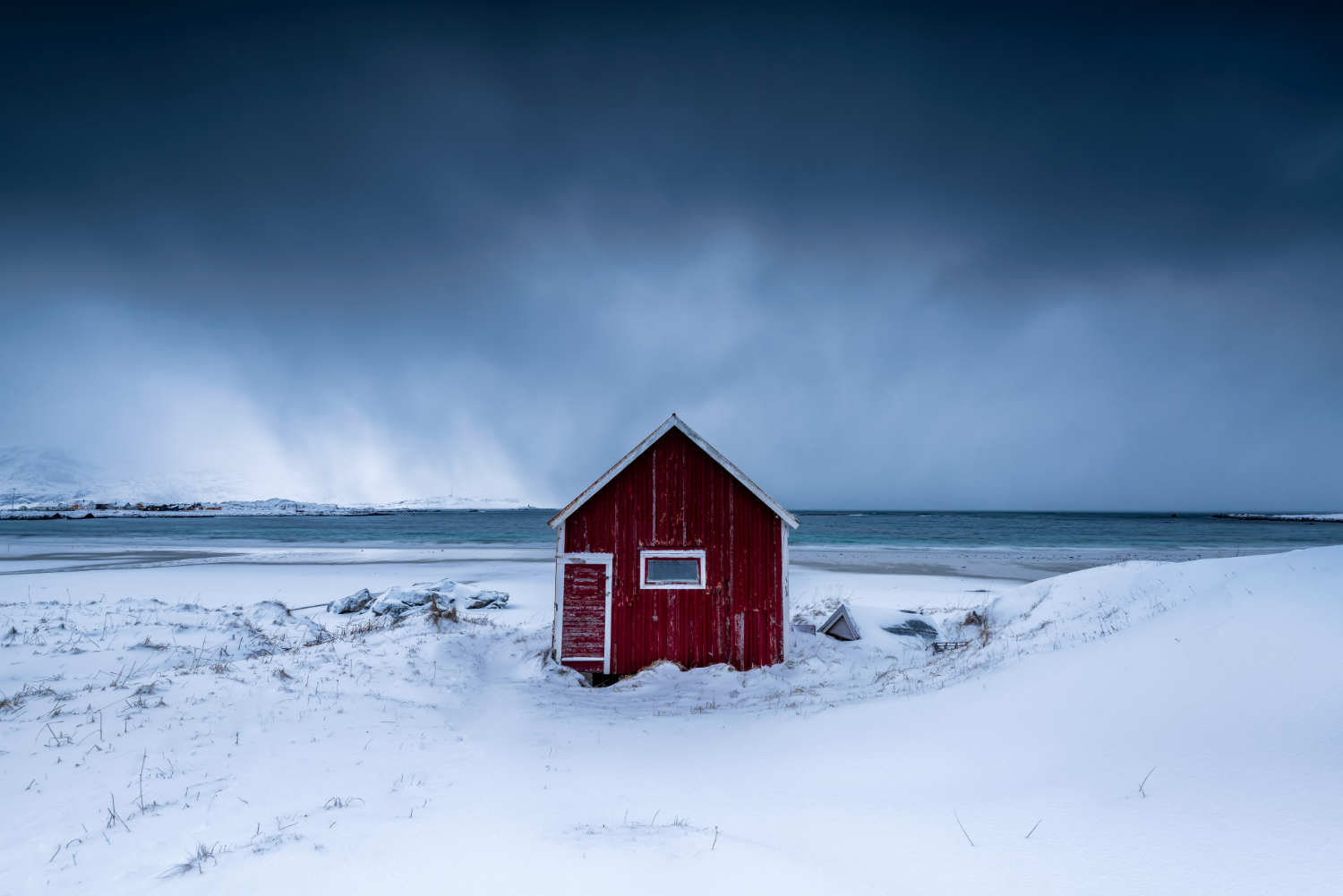
Northern Greenland is colder and has less ice-free area than southern Greenland. Southern Greenland, particularly around Cape Farewell, has the most moderate climate and the most ice-free land. Consequently, most of Greenland’s population concentrates in the south. But “most moderate” is relative — southern Greenland’s summers still produce only a few months of frost-free weather suitable for agriculture. The growing season is so short that large-scale agriculture is impossible.
This creates a population ceiling: the land simply cannot support large-scale agriculture, which means settlements must be sustained by fishing or hunting. Fishing-based economies can support populations, but not dense populations. The Greenlandic economy is built on shrimp and fish exports, not agricultural production. This fundamentally limits settlement density.
The No-Roads Problem
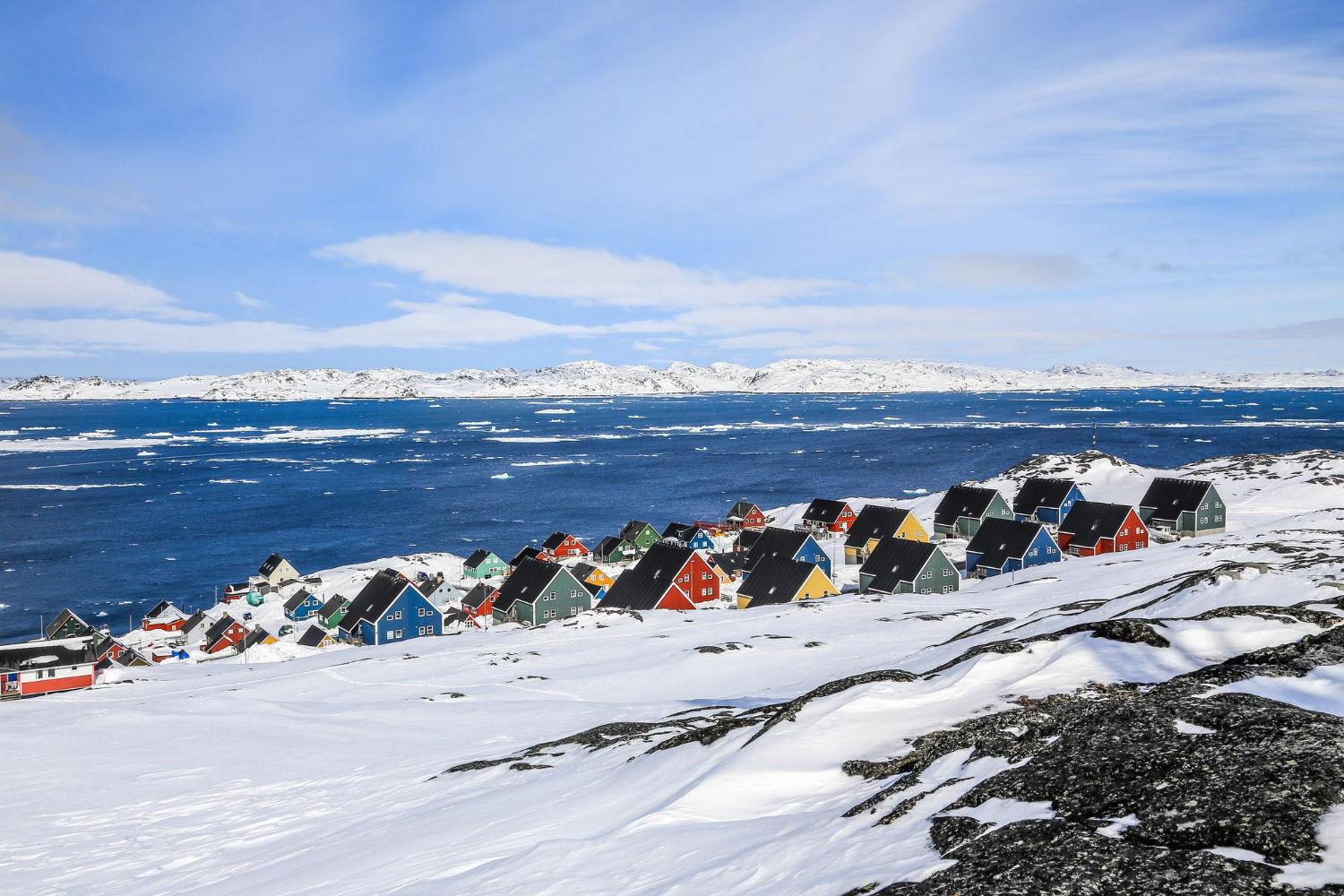
Greenland has no road connections between towns. Travel between settlements is by boat or helicopter. This might seem like mere inconvenience, but it’s actually a fundamental constraint on economic development. It’s impossible to build integrated supply chains when goods must be shipped between isolated towns by boat. It’s impossible to support specialized services (specialized medicine, specialized manufacturing) when you can’t move people and goods freely. It’s impossible to develop regional economies when regions are literally isolated from each other.
This is why Greenland has never developed significant urban centers outside of Nuuk. Urban development requires connectivity — the ability to import resources and export goods. Coastal isolation prevents this. Some Greenlandic towns have experienced abandonment as economic opportunities dried up and younger people moved to larger settlements. The population drift is toward Nuuk and toward towns with the best boat/helicopter connections.
The Historical Settlement Pattern
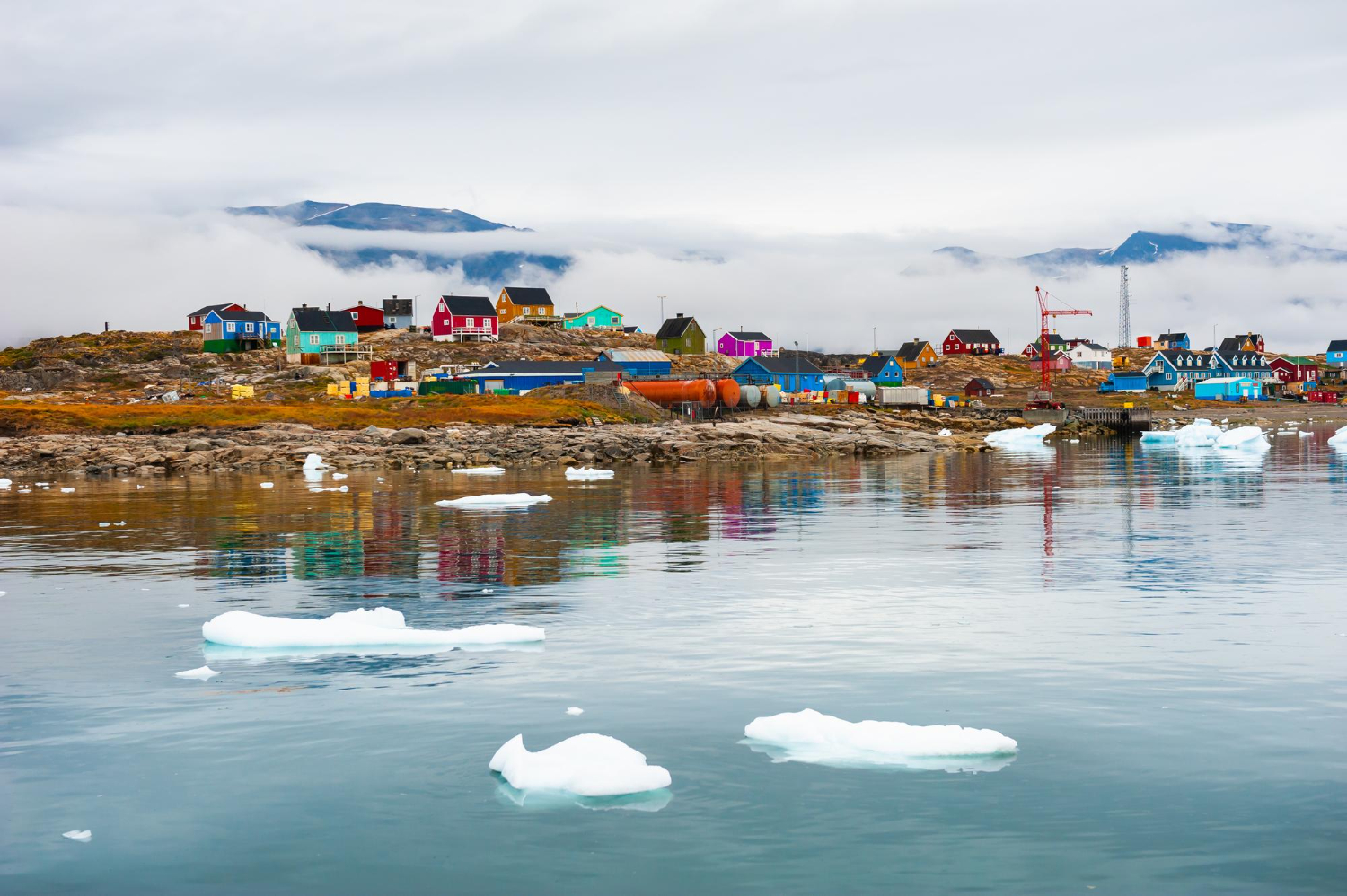
Greenland was settled by Norse (Vikings) around 985 AD in the south. These settlements were initially viable because fishing was productive and the medieval warm period (roughly 1000-1300 AD) made climate slightly more favorable. However, when the Little Ice Age began (roughly 1300 AD), conditions deteriorated. The Norse settlements were gradually abandoned. By 1500, the Norse settlements had vanished entirely — they either died out or relocated.
Modern settlement of Greenland is almost entirely Danish-influenced (beginning in the 1700s). The Danish established settlements specifically focused on extracting resources — first whales, later fish, later seal. The settlements were trading posts and fishing bases, not agricultural communities. This resource-extraction-based settlement pattern persists: Greenland’s modern economy is fundamentally extractive (fishing primarily, mining secondarily).
The Modern Economy Constraint
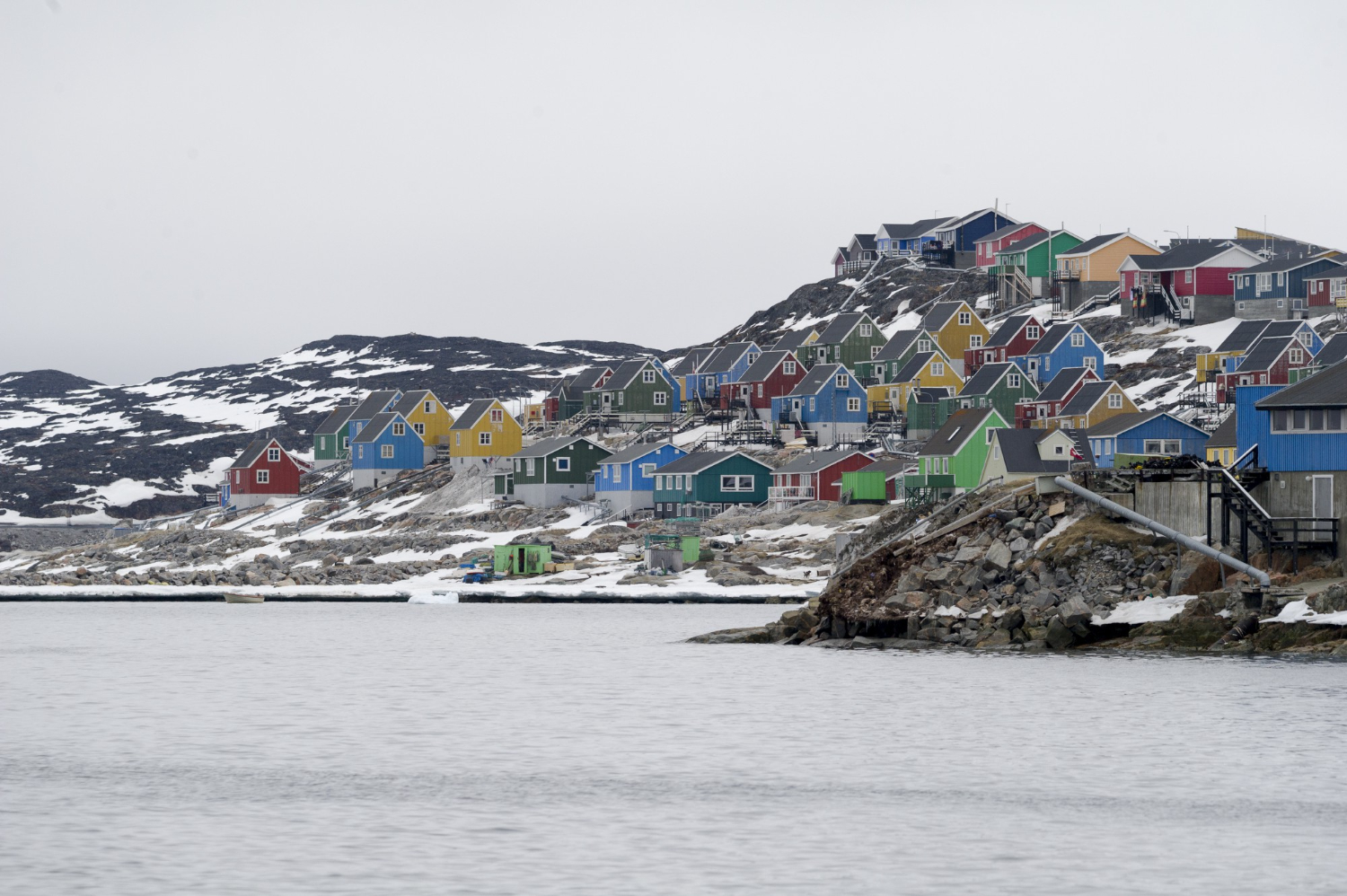
Greenland’s modern economy depends almost entirely on fishing. Roughly 90% of exports are fish and fish products. This creates economic vulnerability — if fish stocks decline, the entire economy declines. It also creates a population ceiling: fishing-based economies can sustain fewer people than agricultural or industrial economies.
Greenland has experienced boom-and-bust cycles. When fish stocks are high, the economy booms and population grows. When stocks decline, the economy contracts. The Danish government provides substantial subsidies to maintain Greenlandic settlements — without this support, many towns would be economically unviable. This is not unique to Greenland (many remote regions require subsidy) but it demonstrates that settlement is maintained partly by economic support, not just by resource viability.
Why It Remains Sparsely Populated
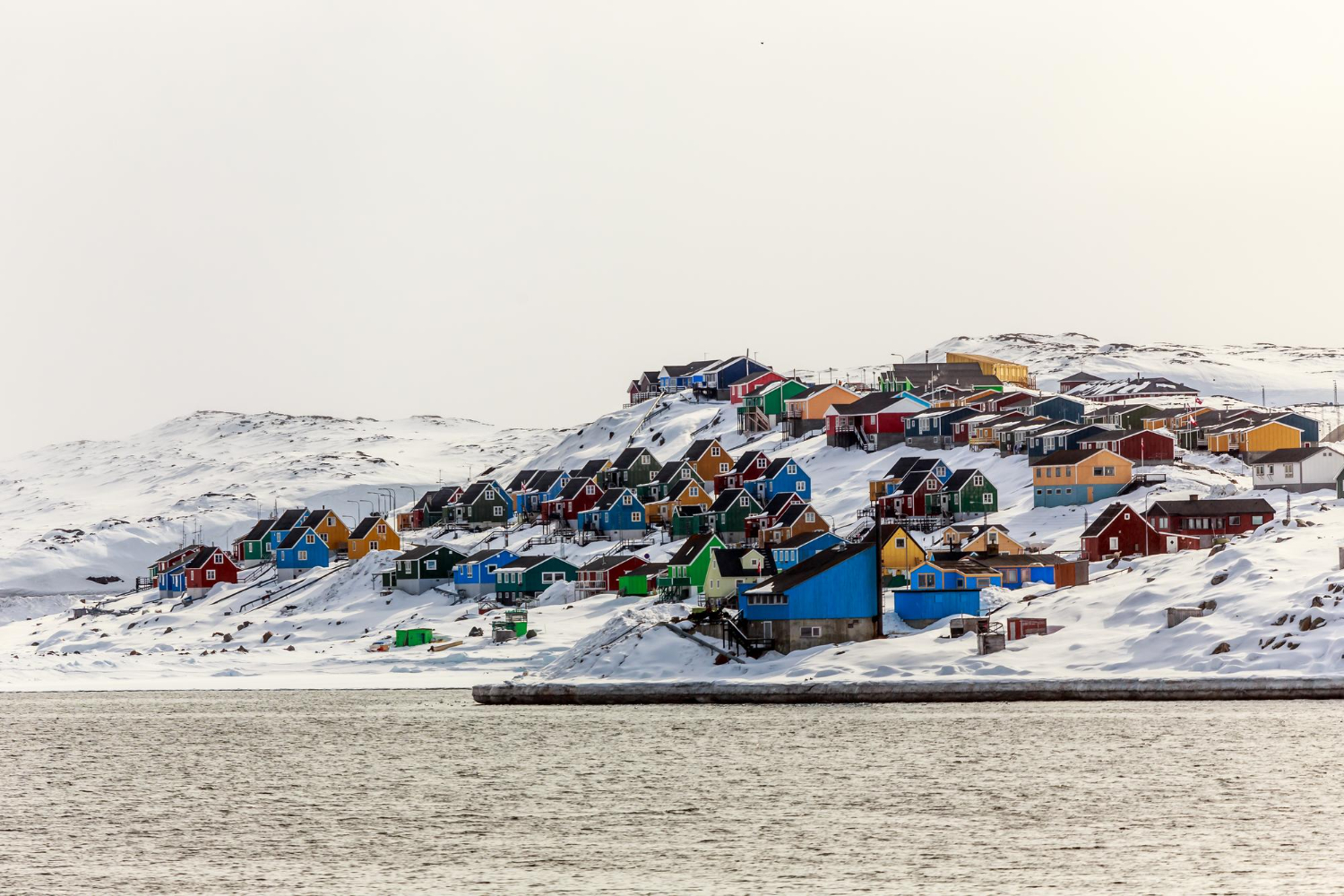
The combination of factors — glacial geography, isolated settlements, ice-dependent climate, fishing-based economy, no internal road network — makes dense settlement impossible. Greenland will never have a large population unless fundamental changes occur: either the ice sheet melts substantially (which would take centuries and is contentious), or agricultural viability increases dramatically (unlikely given climate), or economic models shift away from resource extraction (uncertain).
Modern Greenlandic society is prosperous by Arctic standards and has excellent quality of life indicators, but it’s fundamentally constrained by geography. Population growth is limited not by desire or policy but by the actual carrying capacity of the environment and economy.
Climate Change and Future Settlement
Climate change is warming Greenland faster than almost any place on Earth. Glacial melting is accelerating. Some projections suggest the ice sheet will continue losing mass for centuries even if warming stops. This will expose more land for potential settlement. However, the newly exposed land will take centuries to develop soil and support plant growth. The opportunity for expanded settlement from climate change is real but measured in centuries, not decades.