Canberra is often dismissed by Australians as a boring government town with nothing to do. Visitors are frequently warned away by locals who claim there’s nothing to see except Parliament House. This dismissal reveals more about Australian cultural attitudes than about Canberra itself. The city is actually a remarkable achievement in urban planning and deliberately designed to reflect specific values about Australian governance and society.
Why Canberra Was Built at All
Canberra exists because of a political compromise. In 1901, Australia federated from separate colonies into a unified country. Two cities wanted to be the capital: Sydney (largest, most developed) and Melbourne (also large and developed). The compromise was to build a new capital city equidistant from both — essentially splitting the difference geographically and politically. This created Canberra: a deliberately planned city built from scratch in the interior, roughly equidistant from Sydney and Melbourne.
The decision was genuinely unusual. Most countries have developed capitals in existing major cities. Australia chose to build a new city specifically for government. This required significant investment and infrastructure development in interior Australia. The decision reflects a specific vision of government: physically separated from commercial centers, deliberately designed for governance purposes, reflecting national rather than regional identity.
The Plan vs. The Reality
Canberra was designed by American architects Walter Burley Griffin and Marion Mahoney Griffin in 1913. The Griffin Plan emphasized geometric beauty, grand vistas, public spaces, and human-scaled neighborhoods connected to central government institutions. The plan was remarkably sophisticated for its era — it integrated parks, water features, symbolic geometry, and functional urban design in ways that anticipated modern urban planning by decades.
However, the plan was never fully implemented. Political decisions, budget constraints, and changing priorities meant that much of what was built doesn’t match Griffin’s vision. The city that exists is a compromise between the ideal plan and pragmatic development. Understanding Canberra requires understanding this gap between design intent and execution.
The Parliament House Statement
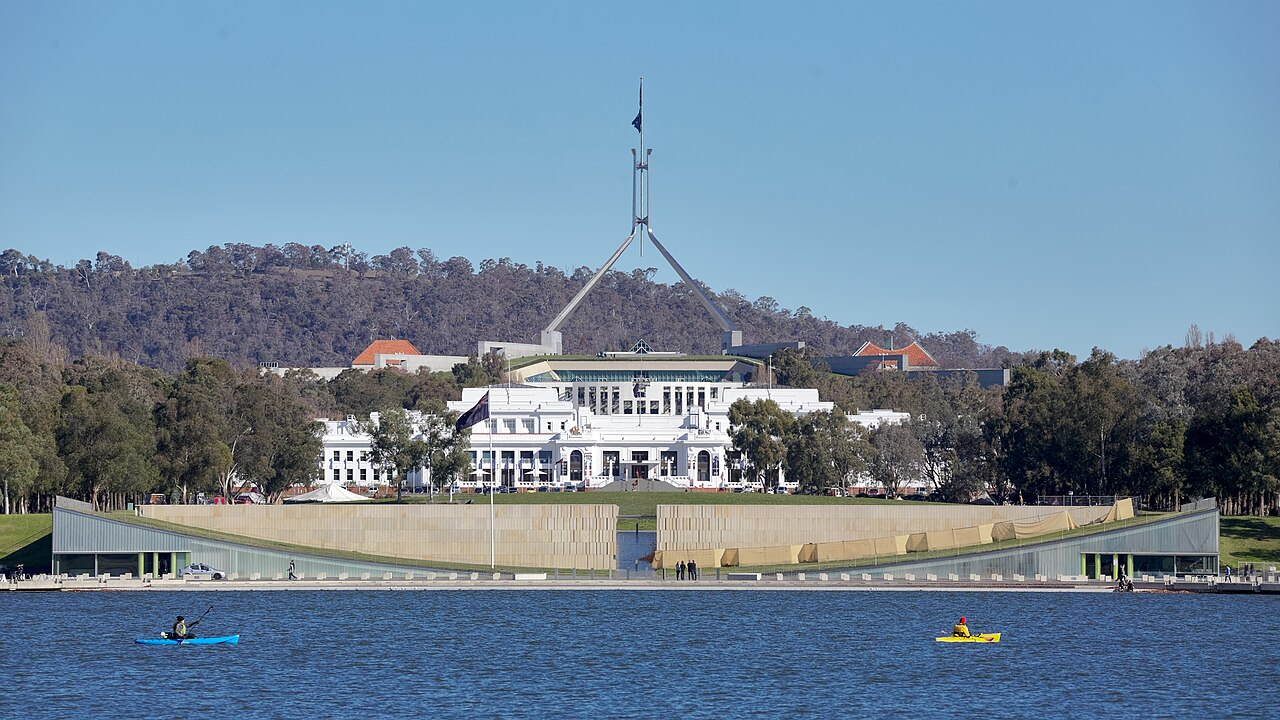
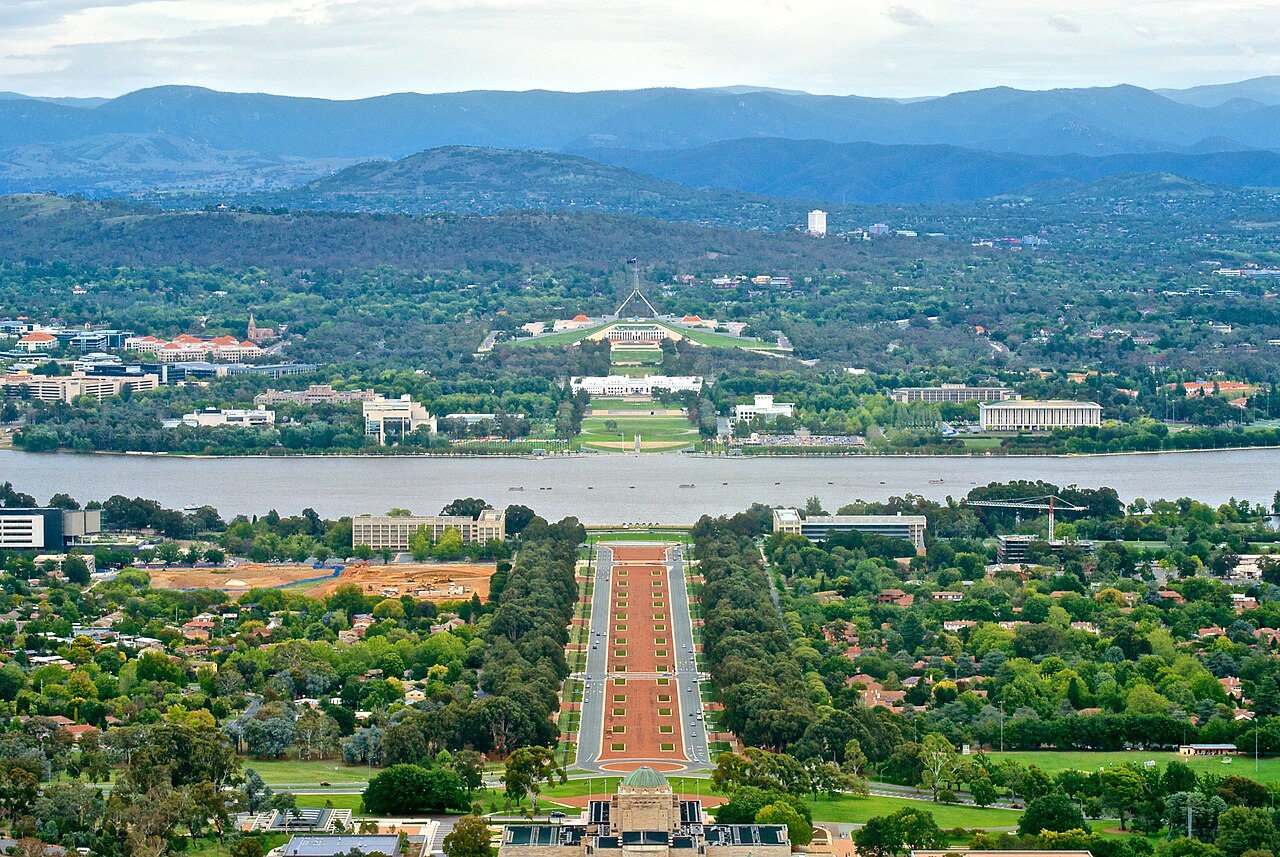
Parliament House, completed in 1988, is Australia’s most significant government building and a remarkable piece of architecture. It’s designed to be deliberately permeable to the public — visitors can walk freely through many areas, and the building communicates openness and accessibility. The building sits on top of Capital Hill, making it literally and symbolically central to the city. The architecture is Australian in character (using materials and design elements referencing Aboriginal and European-Australian culture), which distinguishes it from government buildings in other capitals.
Most visitors find the building significantly more impressive than they expected. The design successfully communicates something about Australian governance values (openness, accessibility, connection to landscape). The building rewards extended exploration.
The Lake and Planned Spaces
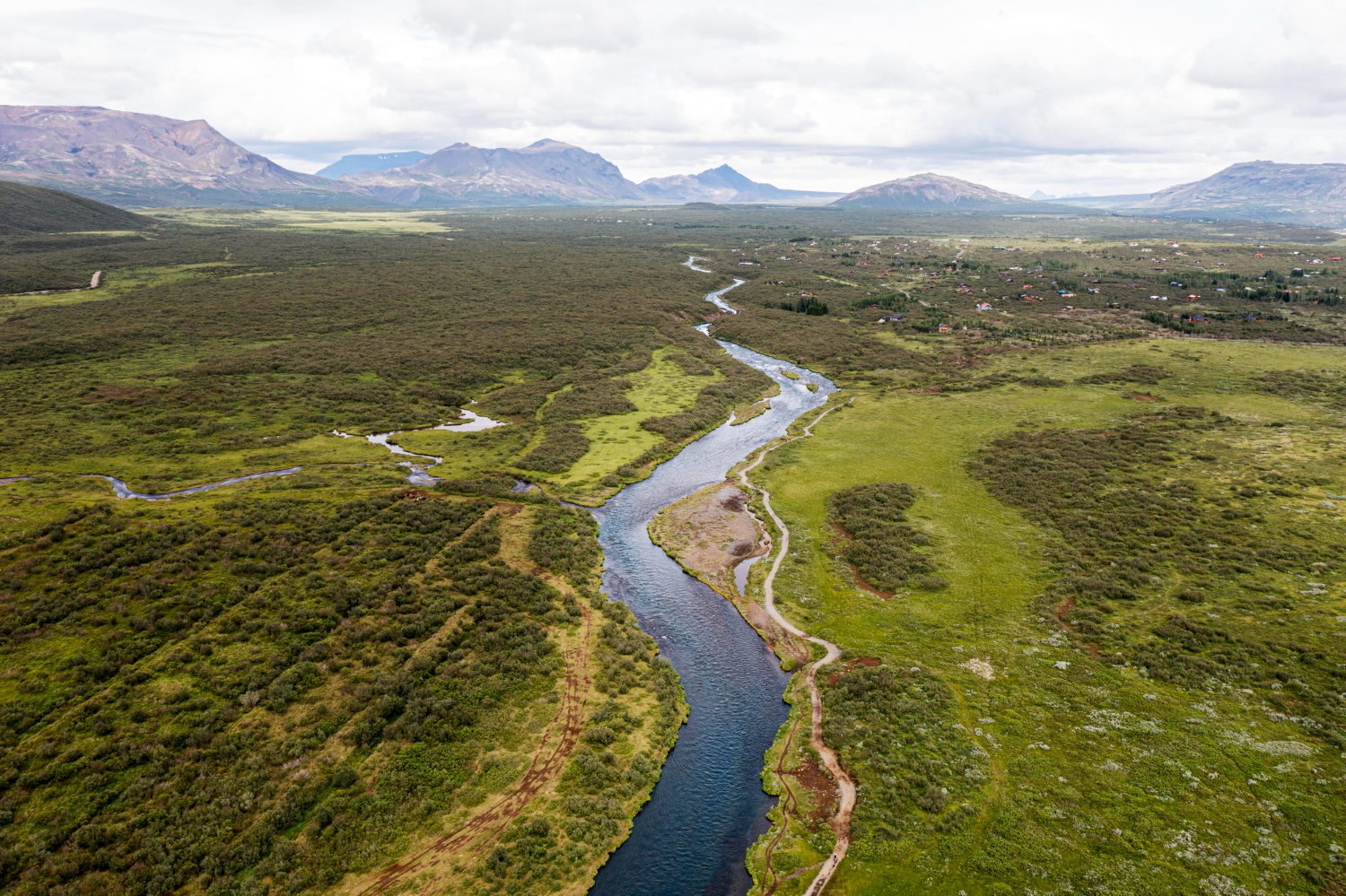
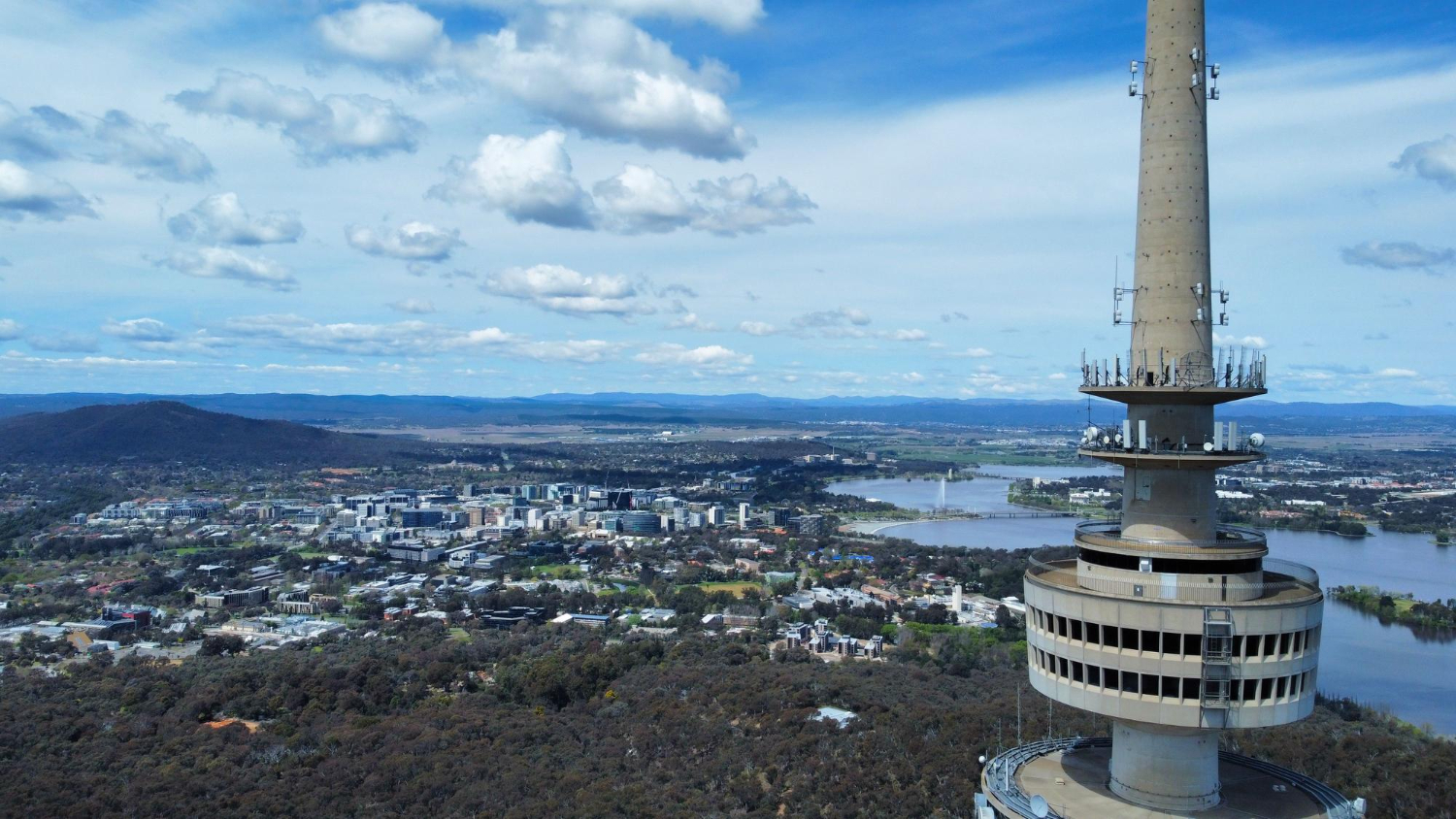
Canberra’s defining feature is Lake Burley Griffin, an artificial lake created by damming the Molonglo River. The lake provides recreational opportunities (boating, swimming, walking paths) and visual beauty (many buildings and parks are oriented around the lake). The lake exemplifies the Griffin Plan’s emphasis on water as a central organizing element. The lake provides something that cities can’t naturally provide in interior Australia.
The city’s planned parks and open spaces are genuinely extensive — Canberra has more green space per capita than almost any other major city. The parks are connected by walking and cycling paths. This creates a level of openness and access to nature that is unusual in modern cities. The effect is either restful (if you like parks and open space) or boring (if you want dense urban activity).
The Museum and Cultural Quarter
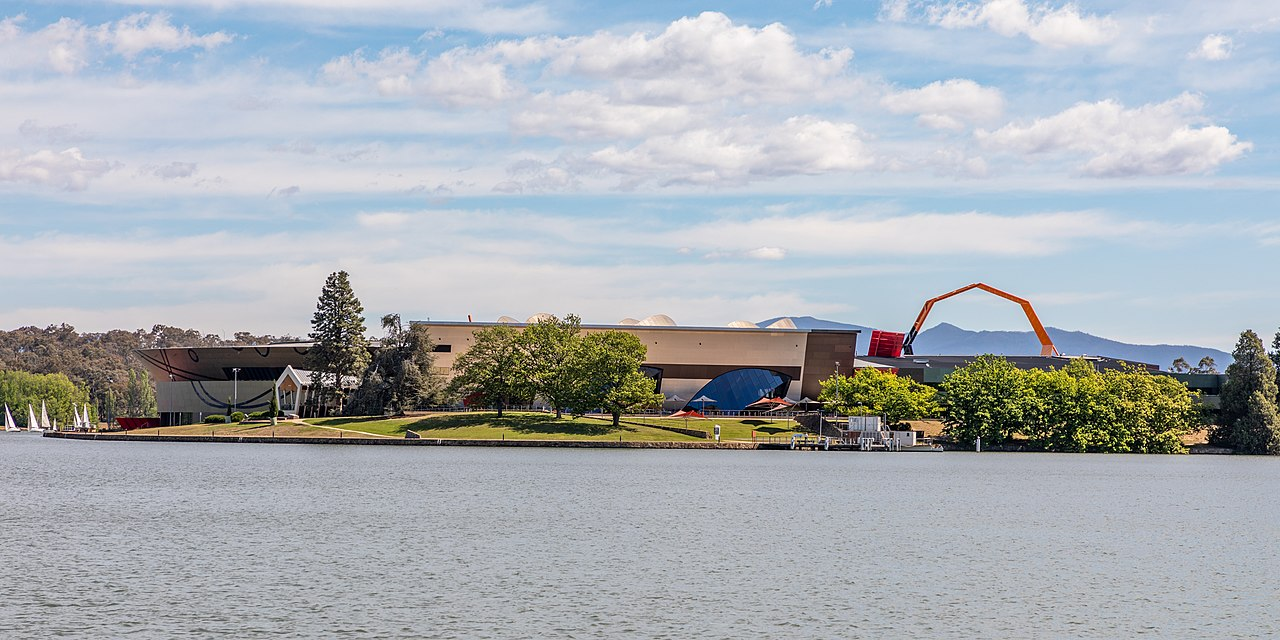
Canberra has concentrated significant government-funded cultural institutions in a specific area around the lake. The National Museum of Australia, National Gallery of Australia, Australian War Memorial, and other institutions are within walking distance. This concentration is partly intentional (reflecting the plan to make culture and education central to national identity) and partly practical (government funding naturally supports government buildings in the capital).
For visitors willing to spend time here, the museums and galleries are genuinely excellent. The National Museum has significant holdings and thoughtful curation. The War Memorial is Australia’s most visited museum. The Gallery has important collections. These institutions wouldn’t necessarily draw visitors by themselves, but they collectively create a concentrated cultural district.
The Neighborhood Design

Canberra is organized into distinct neighborhoods (Forrest, Deakin, Weston, etc.), each designed as a relatively self-contained community with local shops and amenities. This reflects a conscious decision to create human-scale communities within the larger city. The neighborhoods have distinct character and planning. Walking through different neighborhoods reveals different design philosophies and community character.
This organization is intentional. It reflects urban planning from the early-to-mid 20th century that emphasized neighborhood identity and community. Modern critics argue that this fragmentation actually makes the city less walkable and less vibrant (each neighborhood is small and somewhat isolated). But the design creates distinct places rather than generic urban sprawl.
Why Australians Criticize It
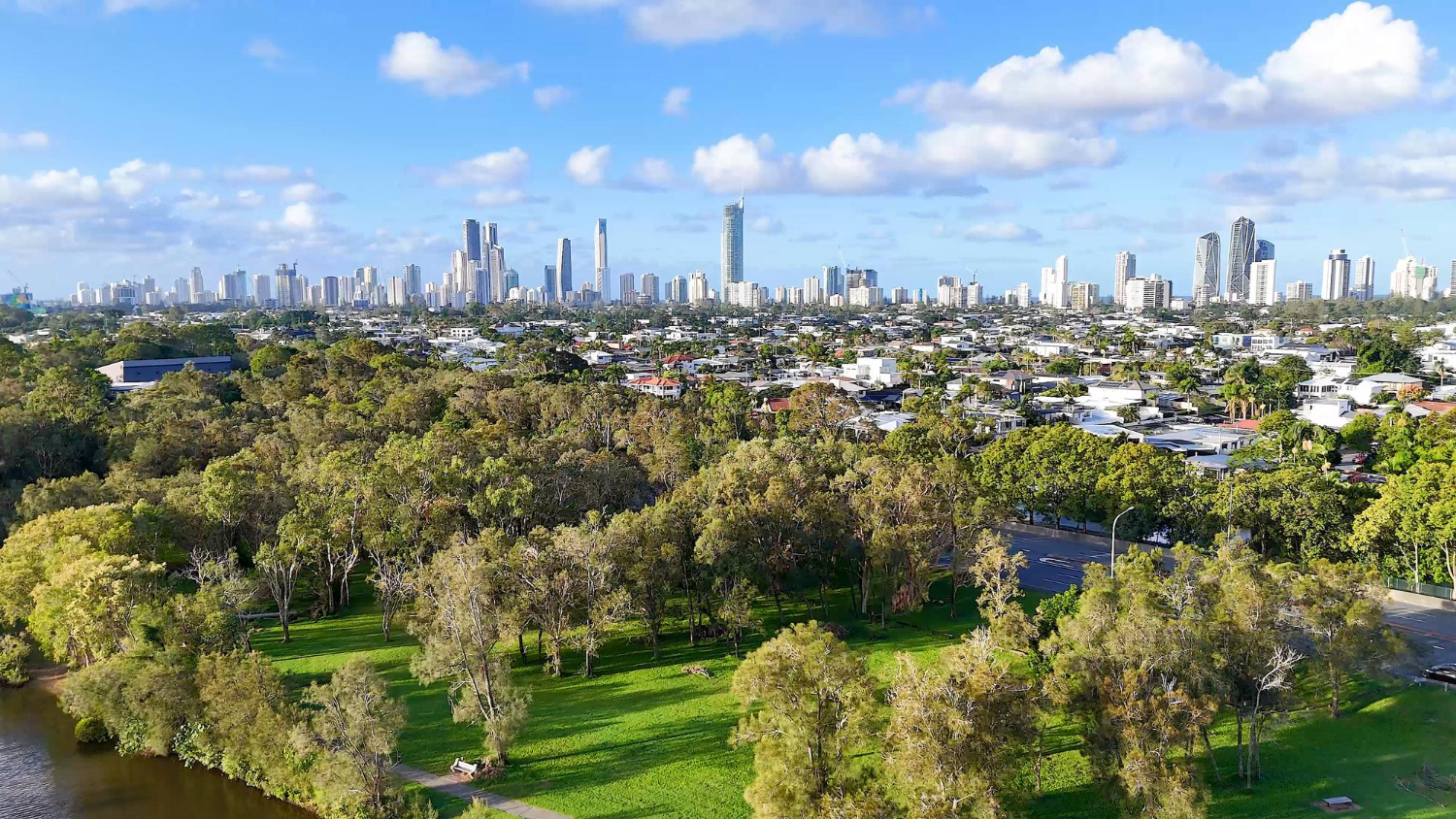
Australians often dismiss Canberra because the city lacks the organic development and cultural vibrancy of older cities. Sydney and Melbourne have developed distinctive cultures rooted in their history and character. Canberra was designed, not developed. This feels artificial to many Australians, who prefer cities that “happened” rather than cities that were “planned.” Additionally, Canberra is built in interior Australia (hot, dry climate) away from the coast, which many Australians view as less desirable than coastal cities.
There’s also a class element: Canberra is associated with government bureaucrats and is sometimes stereotyped as boring and privileged. This stereotype persists even as the city has actually developed diverse communities and genuine urban character beyond government institutions.
The Food and Arts Scene

Modern Canberra has developed a notably good restaurant and café culture, particularly around the lake and central areas. The city has also developed a genuine arts scene beyond government institutions. These developments are relatively recent but represent actual urban vibrancy beyond the government stereotype. Local breweries, galleries, and independent restaurants have created a different Canberra than the one tourists and visiting Australians often expect.
Visiting With Purpose
Canberra works best as a destination if you have specific purposes: you want to visit the museums, you want to walk around the lake, you want to experience a genuinely planned city, or you want to understand Australia’s government and national identity. It works poorly if you expect the cultural vibrancy of Sydney or the laid-back beach culture of coastal cities. The city is what it was designed to be: a deliberately planned capital reflecting specific values about governance, culture, and national identity.