

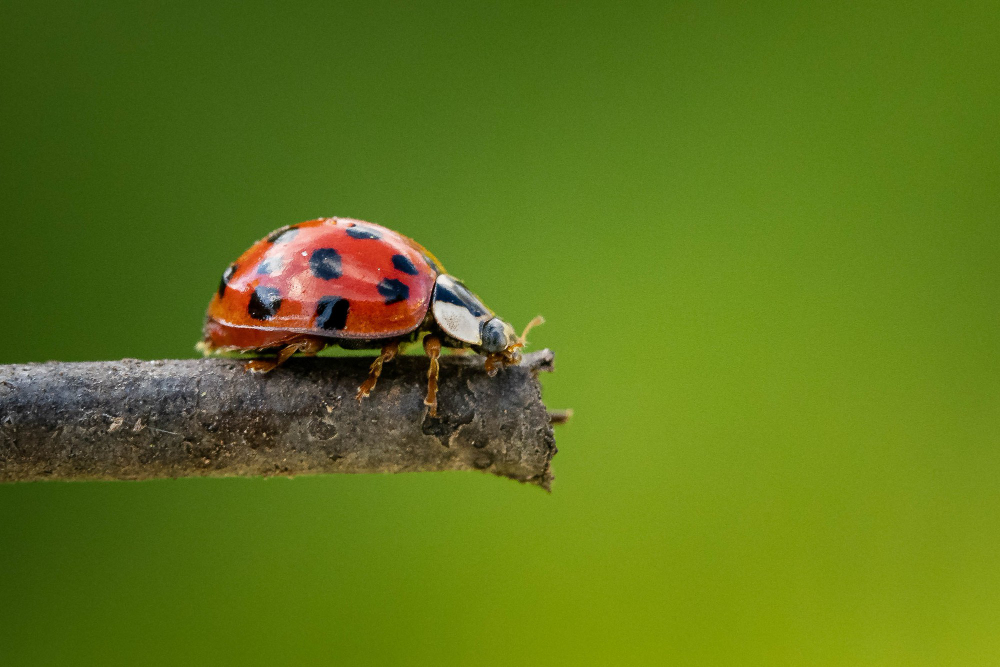
A beetle’s back does not look like wings. It looks like a shell, hard and glossy, split down the middle by a straight seam. That seam is the clue. The two halves are the front pair of wings, thickened into rigid covers, and lifting them reveals a second, much larger pair folded underneath like a road map. Every beetle is carrying a flight system inside a case, and the case is what made the group so overwhelmingly successful.
What Every Flying Insect Started With
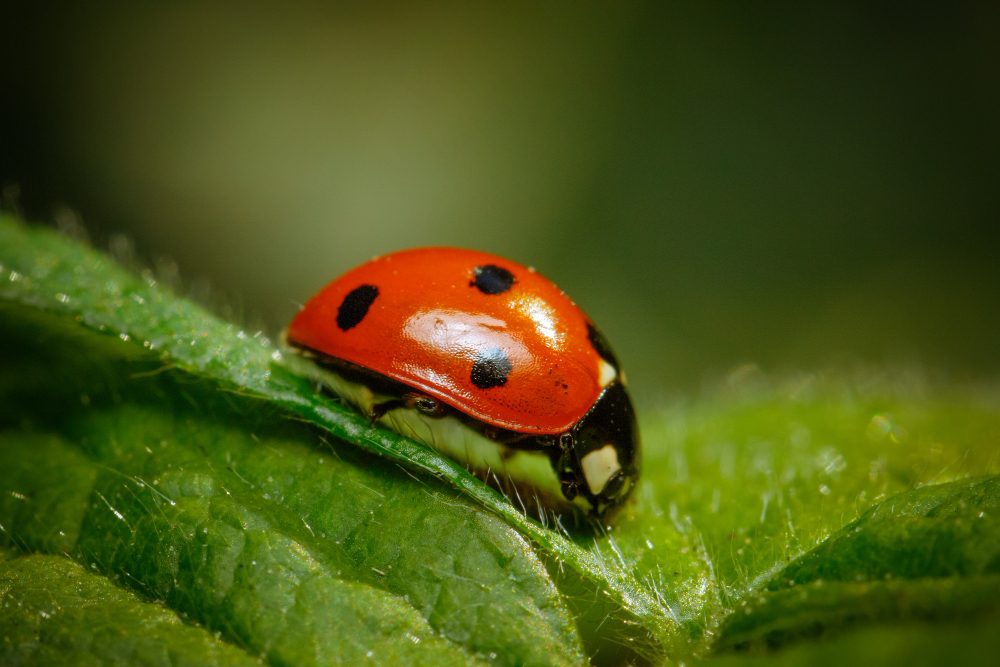
Most flying insects have four functional wings. A dragonfly has two pairs and uses all of them, controlling each independently. A butterfly has two pairs that beat more or less together. A bee has two pairs hooked into one another so they act as one surface.
That is the ancestral arrangement, and it is a good one. Four wings give lift and control, and the group that invented flight did so with them.
Beetles kept the equipment and reassigned it. The forewings, now called elytra, are no longer aerofoils. They are thickened, hardened, permanently held together along the midline when closed, and they generate essentially no lift. All the flying is done by the hindwings, which is why a beetle has to open its case before it can take off, and why a beetle in flight looks so ungainly: it is flying on one pair of wings while carrying two rigid plates held out of the way.
The trade is obvious once stated. Flight performance was sacrificed. What was gained was a lid.
It is worth being precise about how much was given up, because beetles are not bad fliers in absolute terms. Plenty of them fly perfectly competently, and some, including certain dung beetles and chafers, travel considerable distances. What they cannot do is fly the way a dragonfly or a hoverfly flies: the rapid, hovering, reversing, mid-air-braking flight that comes from having four independently controlled surfaces and nothing rigid held out to the sides. A beetle’s flight is adequate transport rather than aerial skill. The elytra also add mass and drag, so the same body has to work harder to stay up than an equivalent insect without them.
That is a real cost, and beetles pay it continuously. The point is what it buys, which is everything below.
Like our content? Follow us for more.
What the Lid Does
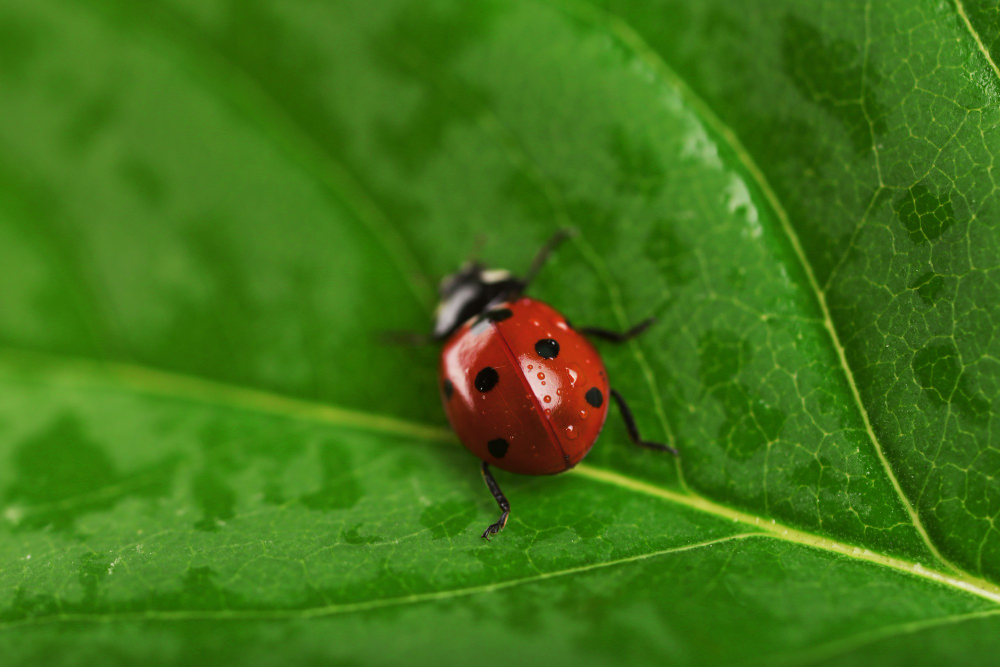
An elytron is not simply a shield, and the range of things it protects against is the reason beetles are everywhere.
It is mechanical armour, and a good one. Elytra are built as a sandwich – two layers of hardened cuticle separated by internal columns, with air space between – which is the same principle as a stiff panel made light by separating its faces. Some beetles withstand crushing forces that are difficult to credit for an animal of their size.
It is a water barrier. Insects lose water through their cuticle, and a small animal has a large surface area relative to its volume, which makes desiccation one of the main threats to terrestrial insect life. Closing a hard, waxy cover over the delicate hindwings and the abdomen dramatically reduces water loss. This is why beetles manage in deserts, in stored grain, in dry wood and in other places where a soft-bodied insect would dry out.
It creates a sealed space underneath. The cavity between the elytra and the abdomen holds air, and some diving beetles use it as a physical air store, carrying a bubble underwater and refreshing it at the surface. Others use the space to regulate humidity around the spiracles they breathe through.
And it makes a beetle able to go into things. This is the underrated point. With a hard case over its folded wings, a beetle can burrow through soil, tunnel into wood, push under bark, force its way into a seed, live in dung, live in a carcass, live inside a stem. A dragonfly cannot do any of that; its wings would be destroyed immediately. The elytra turn a flying insect into an animal that can also travel through solid material, and then open up and fly to the next one.
That combination – protected tunnelling plus retained flight – is the whole story of beetle diversity. Nearly every confined, abrasive or dry habitat on land has beetles in it, and most of them can still leave by air.
The Folding Problem
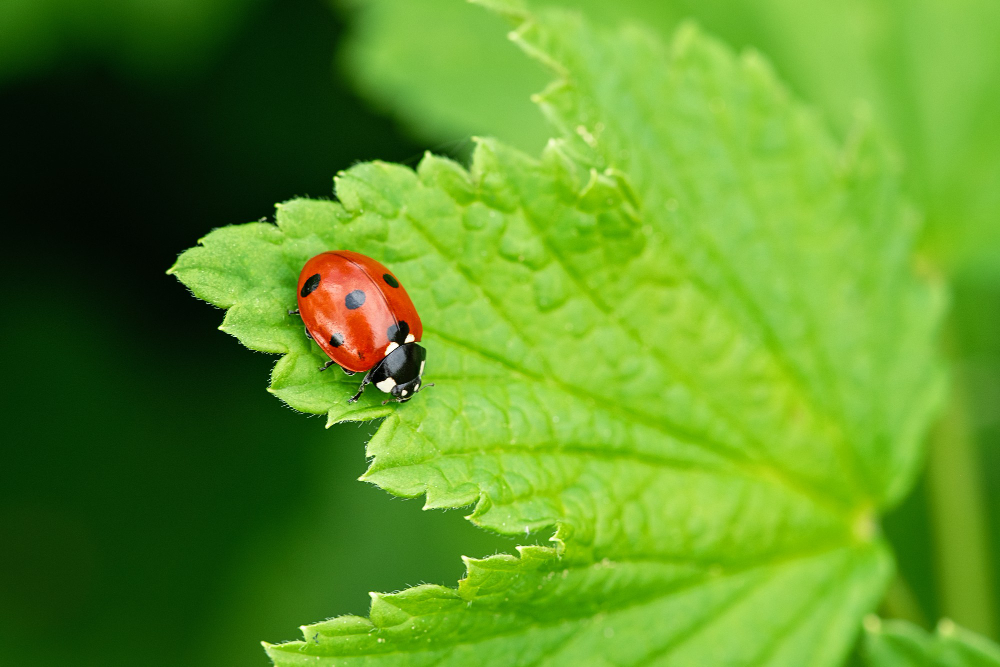
Putting a lid over your wings creates a difficulty. The hindwings must be large enough to fly a body that is now heavier because of its armour, but they must fit into a space much shorter than they are.
Beetle hindwing folding is remarkably sophisticated, and it has attracted attention from engineers for that reason. The wing folds at multiple hinge lines, some of them transverse, so the wing tip is tucked back on itself, and the folds are arranged so that the whole thing collapses into a package that fits under the elytra.
The remarkable part is that the hinges contain no muscles. The folding and unfolding are driven by elastic energy stored in the wing structure itself, by changes in fluid pressure, and by the beetle using its abdomen and the edges of the elytra to push the wing into place. Unfolding can take a fraction of a second; folding often takes longer and involves visible fussing, which is the insect equivalent of struggling with a map in a strong wind.
Some groups have taken the packing problem further and given up flight altogether, fusing the elytra into a single solid dome and losing the hindwings underneath. Many ground beetles and darkling beetles have done this. They gain a fully sealed case and lose the ability to leave, which is a common outcome on islands and in stable habitats where going somewhere else is worth less.
A Case That Also Signals
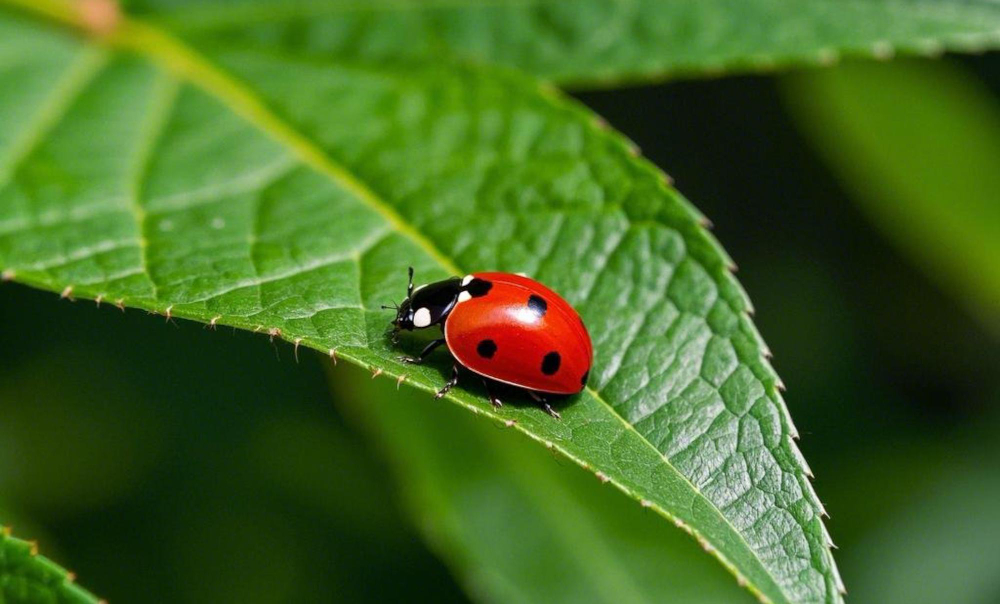
Because the elytra are the visible outer surface, they have become the beetle’s display panel, and they carry an extraordinary range of signalling.
Some are marked with warning patterns. Some are shaped and coloured to resemble a bird dropping, a seed, or a piece of bark. Some carry sculpted ridges, pits and grooves that break up the outline. Some produce sound: a great many beetles stridulate by rubbing a ridged patch on the elytra against a file on the body, which is used in courtship and as a protest when handled.
The elytra are also where much of the well-known beetle iridescence sits, though the physics of that particular effect is treated in its own right elsewhere. What matters here is structural: because the covering is rigid rather than flexible, it can hold precise surface architecture that a beating wing membrane could not, which is one reason beetles can be so finely patterned.
Where It Came From
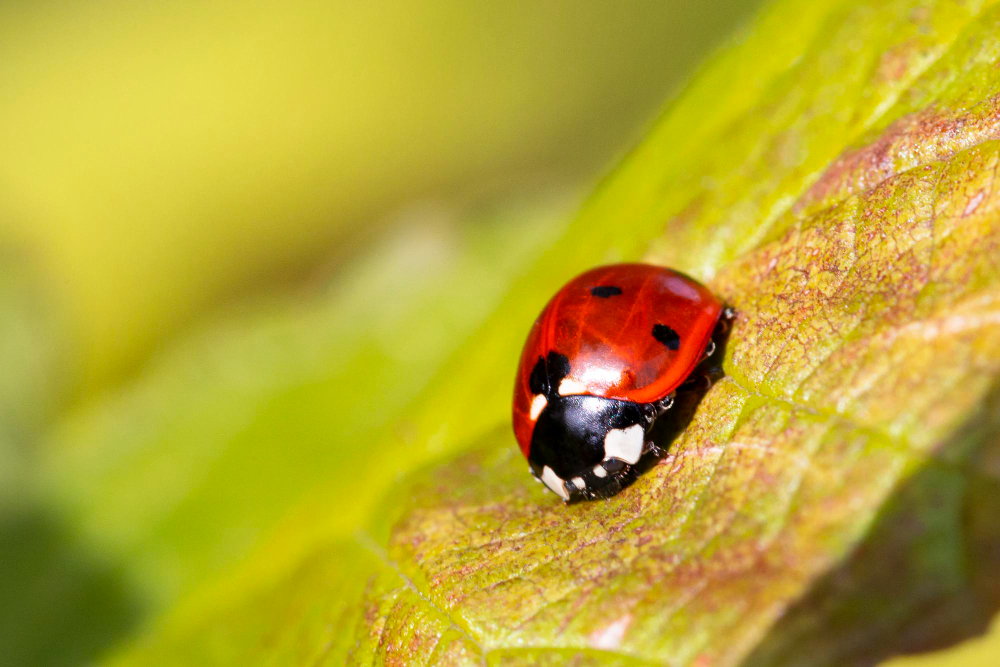
Beetles appear in the fossil record before the dinosaurs, in the Permian, and the elytra were already present. Fossils from that far back show the straight midline seam and the characteristic hardened forewing, which means the key innovation is very old and has been essentially unchanged since.
What happened afterwards is the interesting part. Beetle diversity increased enormously alongside the rise of flowering plants, and the standard reading is that a group already equipped to bore into plant tissue found itself presented with an explosion of new plant types, each offering seeds, wood, roots, leaves and flowers to specialise on. A great many beetle families are plant feeders, and many are tied to particular plants.
It is worth resisting a tidy single-cause story here. The elytra are clearly central, but so are small body size, complete metamorphosis, which lets larvae and adults live entirely different lives without competing, and a very long time in which to diversify. The armour was necessary rather than sufficient.
The diversity figures themselves deserve a caution too. Beetles are the most described group, and description effort is not evenly distributed across animal life. Some of the beetle lead over other groups reflects centuries of collecting attention, and estimates of total insect diversity remain uncertain.
The Same Solution, Reinvented
The trick of converting a lifting surface into a protective cover is not unique to beetles, which is a reasonable indication that it is a good idea.
Earwigs have shortened, leathery forewings that cover elaborately folded hindwings, folded even more compactly than a beetle’s. True bugs have forewings that are hardened at the base and membranous at the tip, a halfway arrangement that gives partial protection while retaining some lifting function. Cockroaches have leathery forewings over functional hindwings. In each case a front wing has been traded, in whole or in part, for a cover.
Beetles simply committed hardest. They gave up half of their flight apparatus completely, accepted worse flying, and in exchange became able to live inside things.
Which is a reasonable thing to remember about the beetle on a windowsill. It is not wearing a shell. It is wearing its own front wings, folded shut over a second pair it will open in a moment, and that arrangement is the reason there are more kinds of it than of almost anything else alive.
Like our content? Follow us for more.
