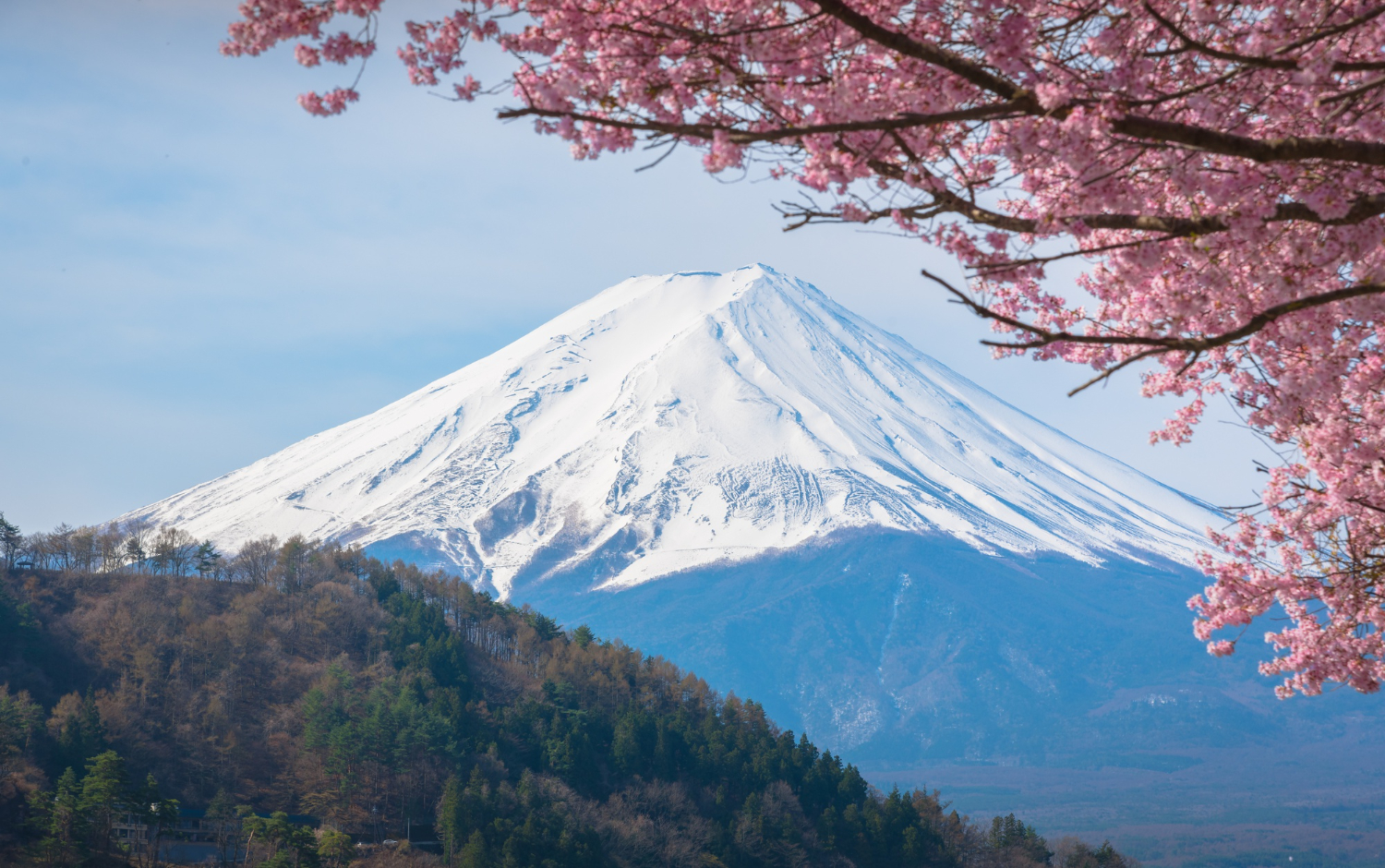
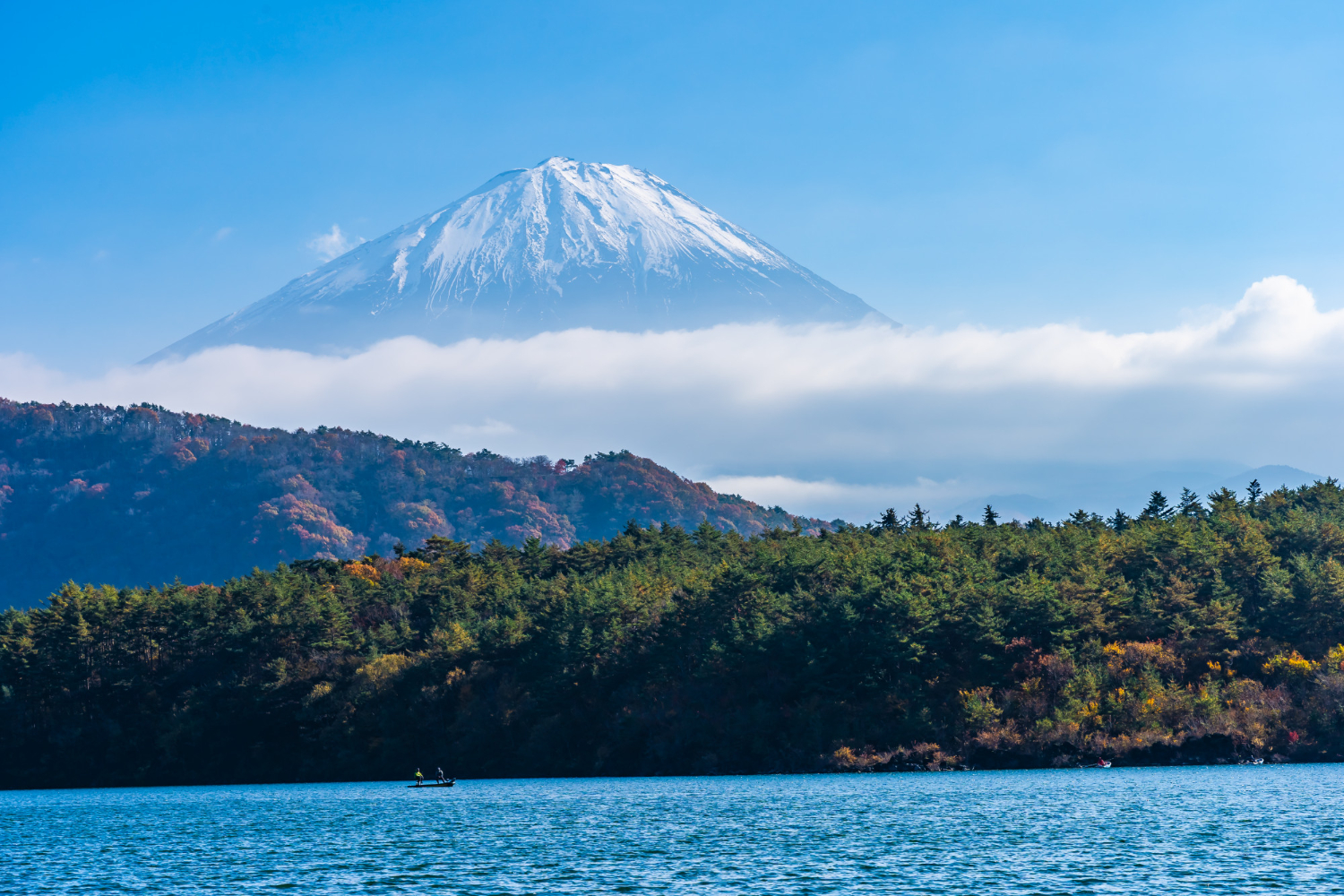
Japan’s most famous climb has entered a new era. When Mount Fuji’s 2026 season opened at the start of July, it did so under the most unified set of rules in the mountain’s modern history: a 4,000-yen entry fee, roughly 28 dollars, on every one of the four official trails, mandatory online registration before arriving, a daily cap on the busiest route, and trailhead gates that close overnight to anyone without a hut reservation. For the first time, the rules look essentially the same across the whole mountain, and for climbers, the practical meaning is simple: the permit is now the trip plan.
Why Japan Tightened the Mountain
The changes are Japan’s answer to overtourism on a sacred peak. Roughly 205,000 people climbed Fuji last summer, and years of crowding, litter, and underprepared hikers attempting the summit in sneakers pushed the two prefectures that manage the trails to tighten access for a third consecutive season. What began in 2024 as a fee and cap on one trail has now expanded into a mountain-wide system of paid permits, safety education, and physical gates.
Like our content? Follow us for more.
The Fee and the Permit
Every climber on every official route, Yoshida, Subashiri, Fujinomiya, and Gotemba, now pays 4,000 yen and must register online in advance through the official climbing systems, receiving proof of payment such as a wristband to show on the trail. On the Shizuoka-side trails, registration includes a short required safety module and quiz that must be passed before payment. Limited on-site registration exists for those without smartphones, but planning on walk-up access during busy periods is no longer realistic, and a reservation is valid only for the chosen date and trail.
The Cap and the Overnight Gates
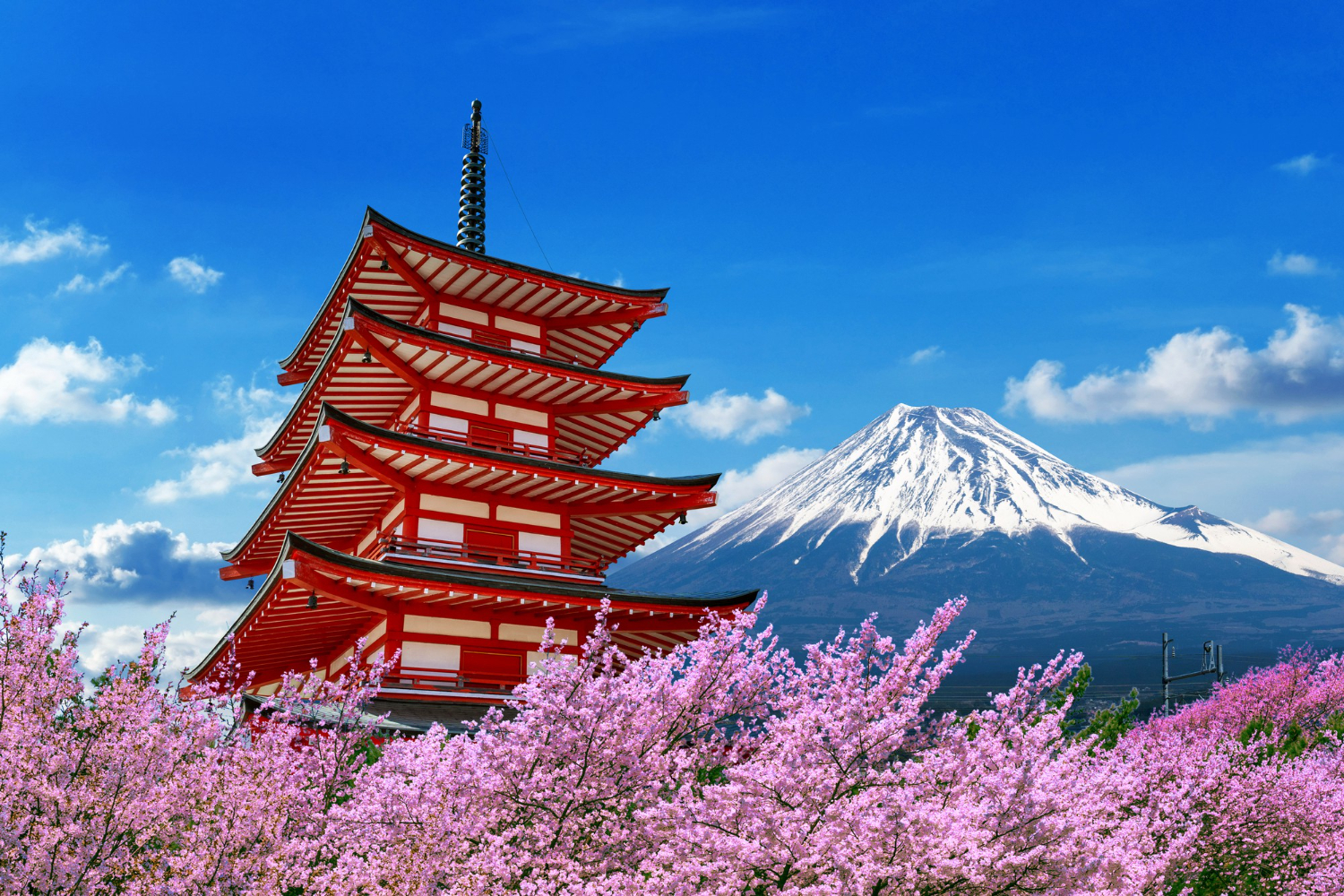
The famous Yoshida Trail, the most popular route, keeps its daily cap of 4,000 climbers, with most slots bookable in advance and a smaller share held for same-day registration, though climbers holding mountain-hut reservations are exempt from the cap. More consequential for most hikers are the gates: trailheads across the mountain now close from roughly 2 p.m. until 3 a.m., and only climbers with a confirmed hut reservation may pass during those hours. The rule exists to stop “bullet climbing,” the practice of ascending through the night without rest that has driven cases of hypothermia and altitude sickness, and it effectively means the classic summit-sunrise climb now requires booking a hut.
What It Costs to Do It Right
A realistic 2026 budget starts with the 4,000-yen permit, adds transport to the fifth-station trailheads, and, for the traditional overnight climb, a mountain hut at roughly 10,000 to 17,600 yen with meals, booked well ahead, popular weekends and the mid-August Obon holiday fill early, with some huts having opened bookings in spring. Cash for paid toilets and summit supplies rounds out the kit. Rangers now patrol the routes with real authority, including the ability to check gear and turn away climbers in inadequate footwear or clothing, so the packing list is no longer merely advice.
The Season at a Glance
The 2026 season runs to September 10, with the Yoshida and Subashiri trails having opened July 1 and the Fujinomiya and Gotemba trails on July 10. The daily caps have not actually been reached on any day in the past two seasons, so a permit on a chosen date is very gettable with modest planning; what catches travelers instead are the gates, the hut sell-outs, and arriving unregistered. The formula for 2026 is short: pick the date and trail, book the permit online, lock the hut if sunrise is the goal, and do all of it before flying to Japan.
Fuji’s new rules trade a little spontaneity for a mountain that’s safer, cleaner, and less crowded at 3 a.m., and by most accounts from the past two seasons, the trade is working. The sunrise from the summit hasn’t changed, only the paperwork between you and it.
Like our content? Follow us for more.