Anyone who has left a tool in the garden knows what happens to iron. A gate goes orange, a railing flakes, and given a few seasons the metal is visibly consuming itself.
Rust is not a surface stain. It is iron reacting with oxygen and water to form iron oxide, which occupies more volume than the metal it replaced, so it flakes away and exposes fresh metal underneath. The process is self-perpetuating, which is why untreated iron left outdoors does not reach a steady state — it keeps going until there is nothing left.
Which makes a particular object in Delhi difficult to explain.
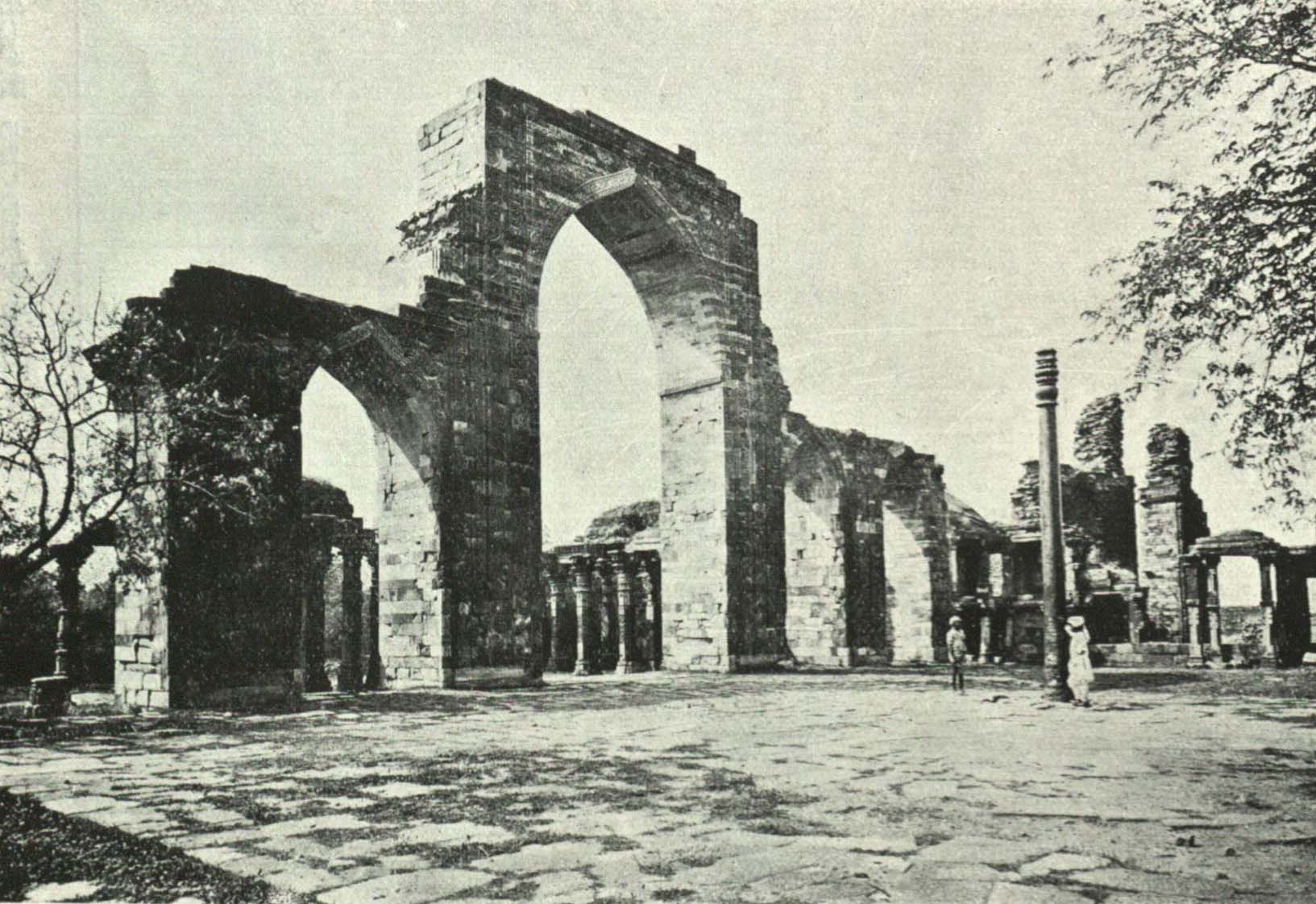
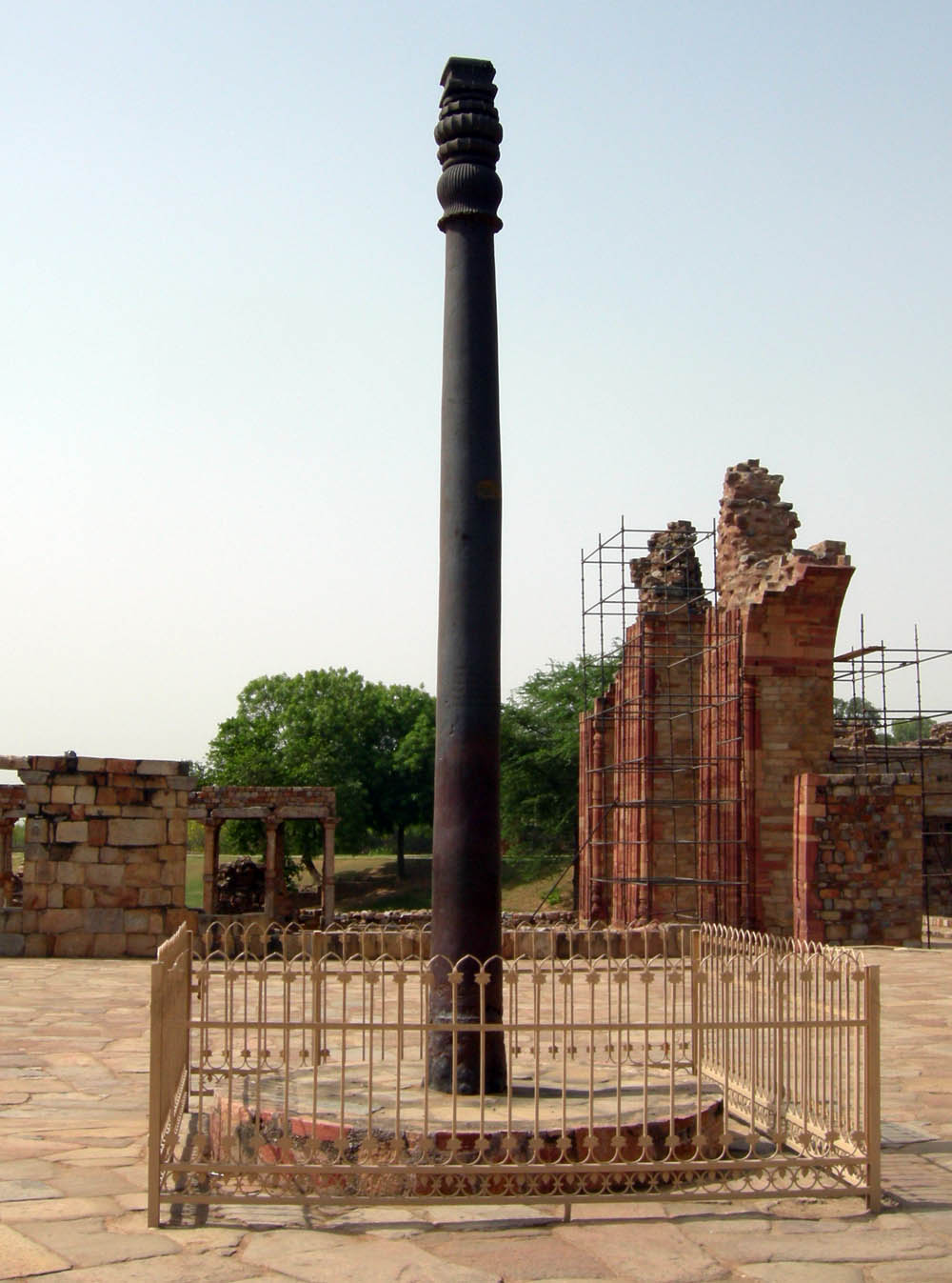
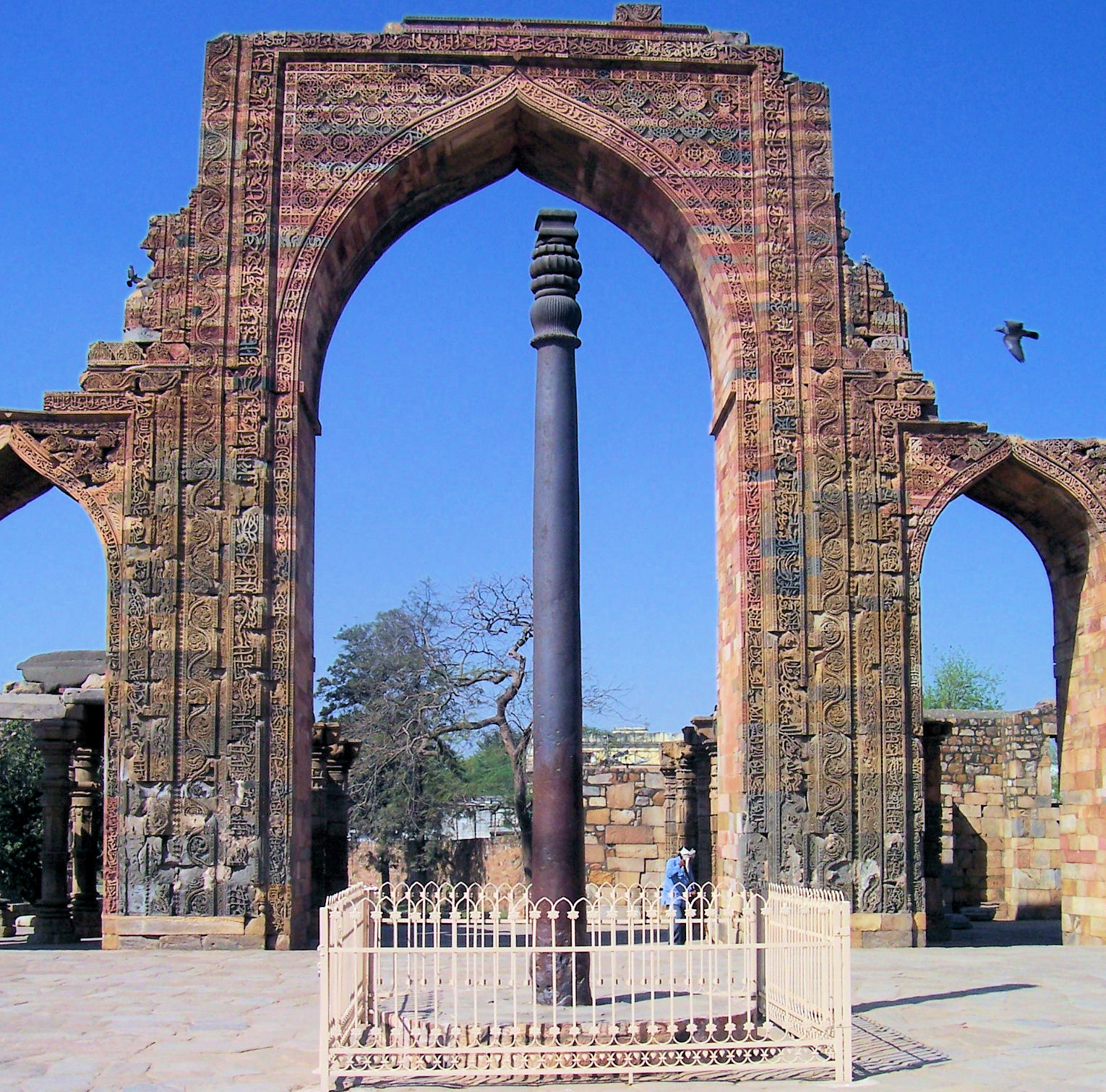
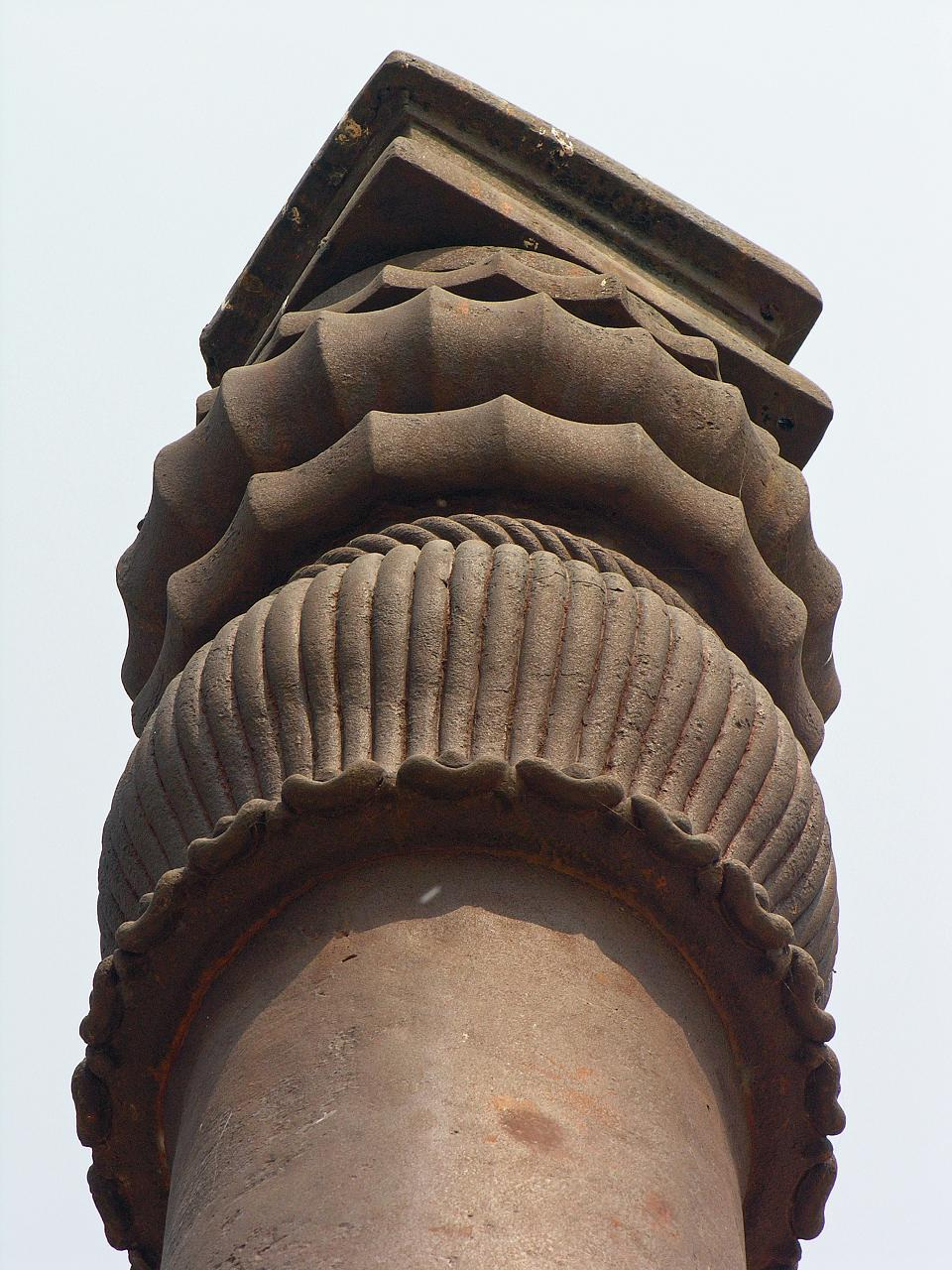
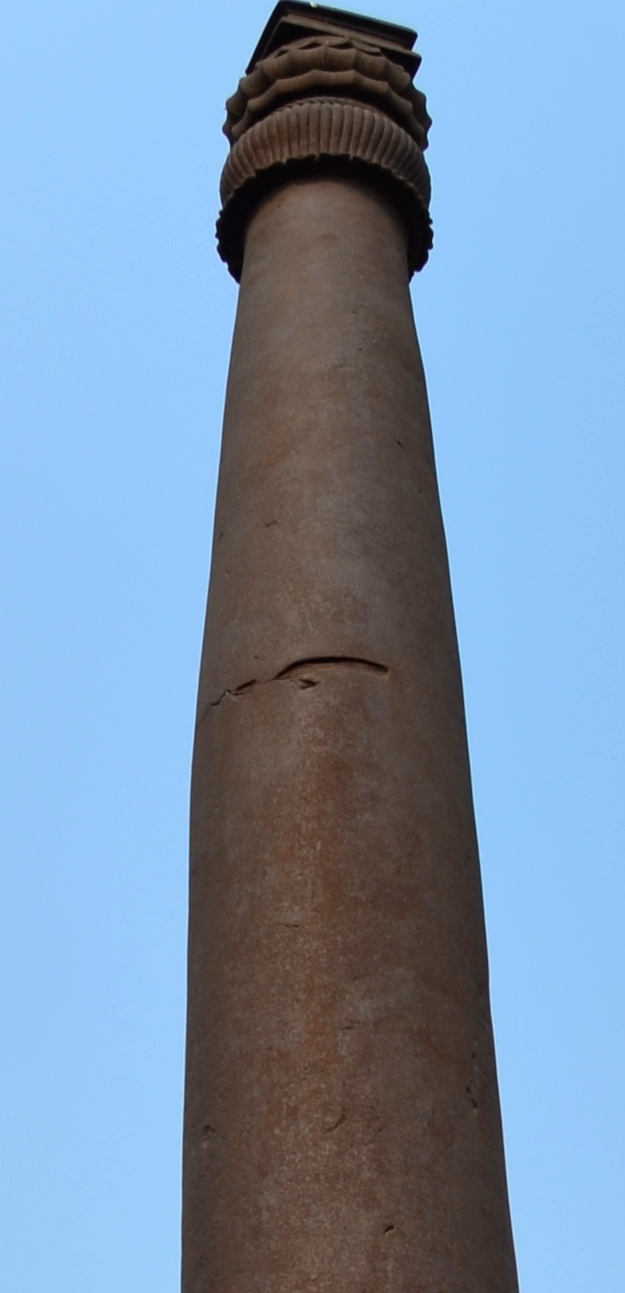
In the courtyard of the Qutb complex stands a wrought-iron pillar, over seven metres tall, weighing several tonnes, dated to around the Gupta period. It has stood outdoors through roughly sixteen centuries of monsoons, heat and, latterly, urban air. It is not shiny, and it has a thin dark coating. But it has not undergone the progressive destruction that should have reduced it to flakes long ago.
For a long time nobody could say why. The answer, established through detailed metallurgical work, is more interesting than the mystery.
What It Is Not
Two explanations circulate and both are wrong, so it is worth clearing them first.
It is not stainless steel. Stainless steel depends on chromium forming a self-repairing oxide layer, and the pillar contains no meaningful chromium. It is wrought iron, made by a completely different process.
It is also not rust-free in the literal sense. This is the correction that matters most, and researchers have been careful about it. The pillar has rusted. What it has not done is keep rusting.
That distinction is the entire phenomenon. Ordinary rust is porous and flaky, so water and oxygen pass straight through it to the metal below and the reaction continues. The layer on this pillar is thin, dense, tightly adherent and continuous, which means it acts as a barrier rather than a sponge.
So the accurate description is not that the pillar resists rust. It is that the pillar rusted once, early, in a way that produced a coating which stopped the process.
Like our content? Follow us for more.
The Impurity That Saved It
The explanation was set out by the archaeometallurgist R. Balasubramaniam of the Indian Institute of Technology Kanpur, who published detailed analysis of the surface layer in the corrosion literature around 2000.
The key finding concerns composition. The pillar’s iron contains an unusually high proportion of phosphorus. Figures reported vary between analyses and between parts of the object, with averages around a quarter of a percent commonly cited and higher values reported in some measurements — against something on the order of hundredths of a percent in modern iron and steel.
Modern steelmaking removes phosphorus deliberately. In a blast furnace, limestone is added and most phosphorus is carried off in the slag, because phosphorus makes steel brittle and is regarded as a defect.
Ancient Indian smelting worked differently. The process used charcoal, did not use lime in the same way, and the raw materials themselves appear to have been relatively phosphorus-rich. The metal was then worked by heating and hammering rather than melting, which kept the phosphorus in place rather than driving it off.
So the composition is a consequence of the method rather than a deliberate addition, and the property that modern metallurgy classes as a flaw is precisely what protected the object.
How the Coating Forms
The mechanism runs in stages, and the sequence matters.
The iron contains slag inclusions distributed through it, a normal feature of metal worked in this way. Initially those inclusions cause the surface to corrode relatively quickly.
That early corrosion has a side effect: as the iron is consumed, phosphorus concentrates at the surface, because it is left behind while the iron reacts.
With phosphorus now enriched at the interface, the chemistry changes. A compact amorphous layer of an iron oxyhydroxide — described in the literature under the name misawite — forms next to the metal surface, and its formation is catalysed by the phosphorus present.
The critical stage follows. Over long periods, and assisted by the alternating wetting and drying of a monsoon climate, a crystalline iron hydrogen phosphate layer builds up at the metal-rust interface. This is the component identified as the most important contributor to the pillar’s resistance.
The result is a passive film: thin, adherent, continuous, and dense enough to block the water and oxygen that would otherwise keep the reaction running.
The alternating wet and dry cycles are part of the mechanism rather than an obstacle to it, which is a truly counterintuitive point. The climate that should have destroyed the pillar helped build its protection.
What the Makers Knew
This is where accounts differ, and it is worth being careful.
The metallurgists who made the pillar could not have known about phosphate films, passive layers or electrochemical corrosion. Those concepts arrived roughly fifteen centuries later.
What they had was extraordinary practical command of a process — producing several tonnes of wrought iron and forge-welding it into a single tapering column of that size is a formidable achievement independent of any corrosion question. Balasubramaniam praised the ingenuity of the metallurgists involved and described the pillar as a testament to ancient Indian metallurgical skill.
The honest reading is that the corrosion resistance was a consequence of their method rather than its objective. They were making the best iron their process could produce, using the materials and techniques available, and the durability followed from that.
That is not a diminishment. Empirical craft producing a result that theory could not explain for fifteen hundred years is a substantial thing, and it recurs throughout the history of materials.
It Is Not Guaranteed to Continue
There is a caution in the research that popular accounts tend to omit.
The protection depends on a balance between the metal, the surface layer and the surrounding environment. Balasubramaniam noted that the equilibrium preserving the pillar is dependent on those environmental conditions, which means it is not an unconditional property of the object.
Delhi’s air is not what it was in the fifth century, and a passive film that formed under one set of atmospheric conditions is not automatically stable under another.
There is also a straightforwardly physical problem. Visitors handling the pillar wears the surface, and access has been restricted with a fence for that reason — because the protective layer is thin, and a coating that took centuries to establish can be removed by hands.
Making It Was the Harder Problem
The corrosion resistance attracts the attention, and the manufacturing is arguably the greater achievement.
There was no way to melt iron at the scale required. Cast iron demands temperatures beyond what the furnaces of the period could reach and hold, which means the pillar was not poured. It was built up.
Wrought iron is produced as a spongy mass mixed with slag, which then has to be hammered repeatedly to consolidate it and drive out impurities. Each mass is comparatively small. Producing several tonnes means producing a very large number of individual blooms.
Those pieces were then forge-welded together — heated to the point where the surfaces will bond under hammering, and joined, repeatedly, until a single tapering column emerges. The joins are not visible as failures, which is the part that impresses metallurgists.
Doing that requires coordinating a substantial workforce, sustaining consistent furnace conditions across many separate operations, and hammering hot metal accurately at a scale where the workpiece cannot easily be moved.
The result is a single object, over seven metres tall and weighing several tonnes, made by a process that produces material in handfuls.
That is the achievement the chemistry sits on top of. The composition protected it, and somebody had to make it first.
Why It Is Worth Understanding
The pillar is frequently presented as a mystery, and it is more useful as an explained case.
What it demonstrates is that corrosion resistance can be achieved through composition and surface chemistry rather than through coatings applied afterwards, and that a trace element regarded as a contaminant can be the active ingredient in the right circumstances.
That is a live idea. Weathering steels used in modern construction work on a related principle: they are alloyed to form a stable, adherent surface layer that protects the metal beneath, so the structure is intended to rust once and then stop.
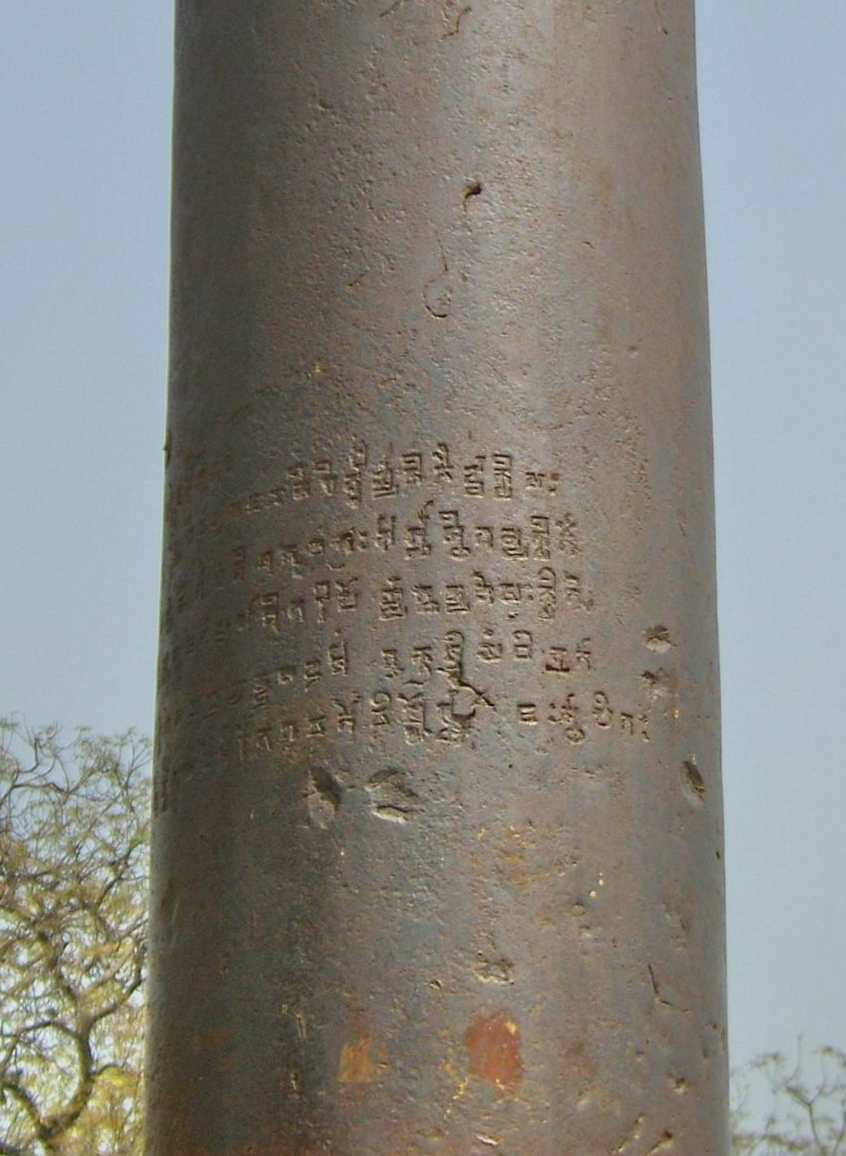
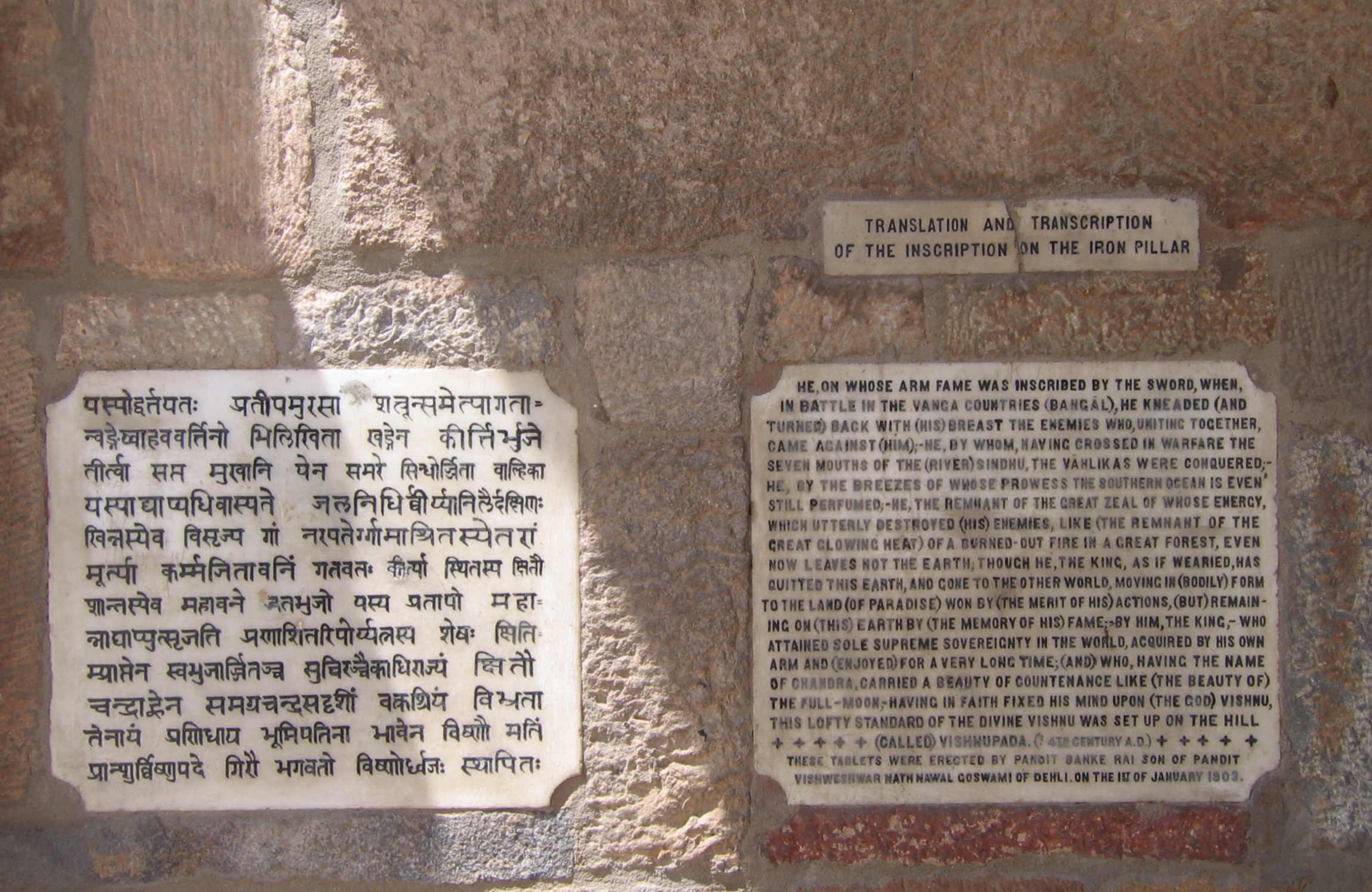
The pillar also carries an inscription and a history of its own, having been moved at least once and standing now in a complex built long after it was made — an object substantially older than almost everything around it.
But the thing worth carrying away is the chemistry. A column of iron has stood outdoors for sixteen centuries in a monsoon climate, and it is still there because the people who made it could not remove an impurity that everyone since has taken care to eliminate.
Like our content? Follow us for more.