The most informative thing in any orchard is the spacing, because it tells you how big the trees are meant to get and how the fruit is meant to come off them. Here are seventeen arrangements.
1. The Standard Orchard With Grazing Underneath
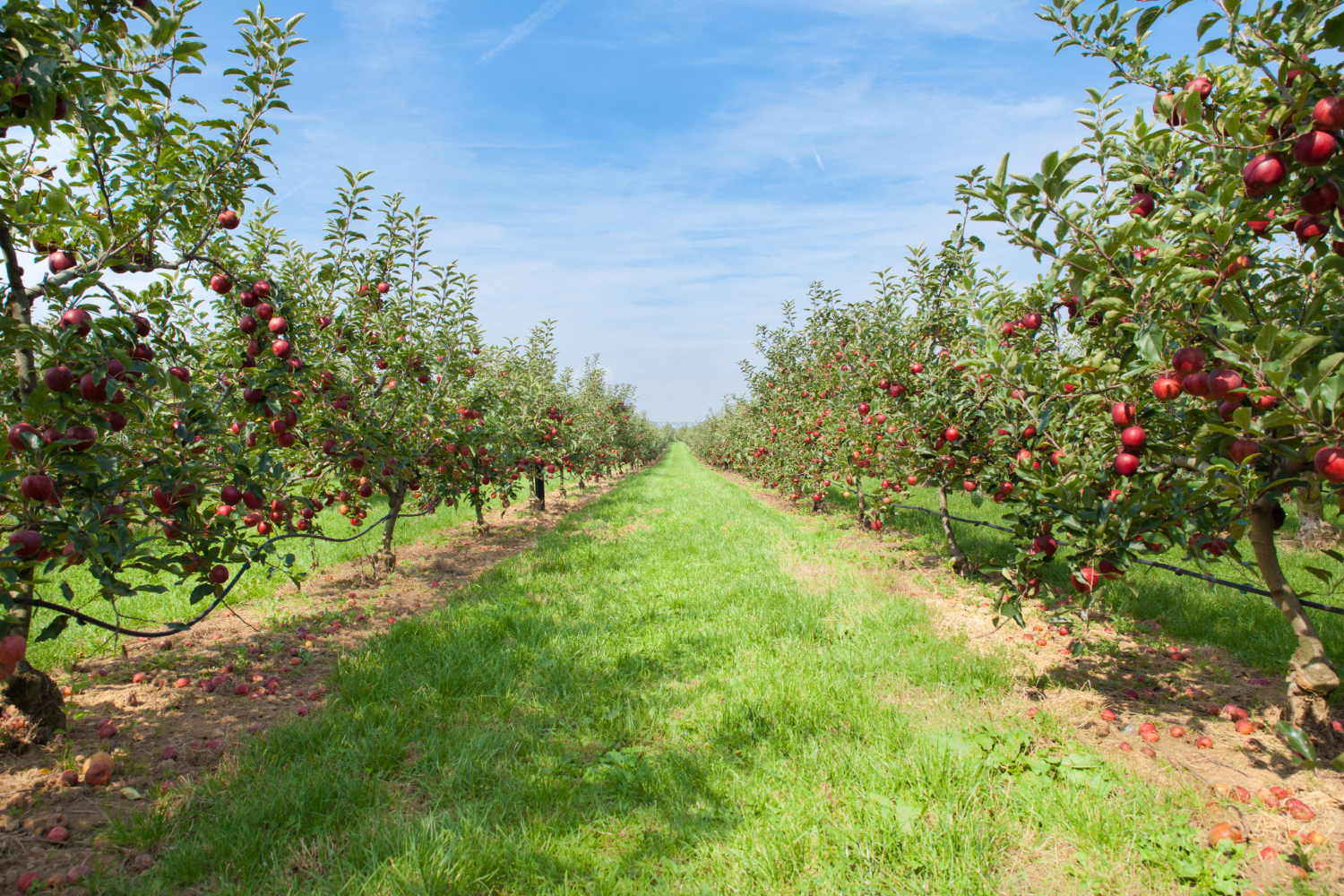
Large trees planted widely apart, with enough light reaching the ground for grass, and livestock grazing between them – two crops from one piece of land.
The spacing is set by the mature canopy rather than by the planting. The grazed standard orchard is the arrangement that produces fruit and meat from the same field.
Like our content? Follow us for more.
2. The Intensive Orchard on Dwarf Rootstock
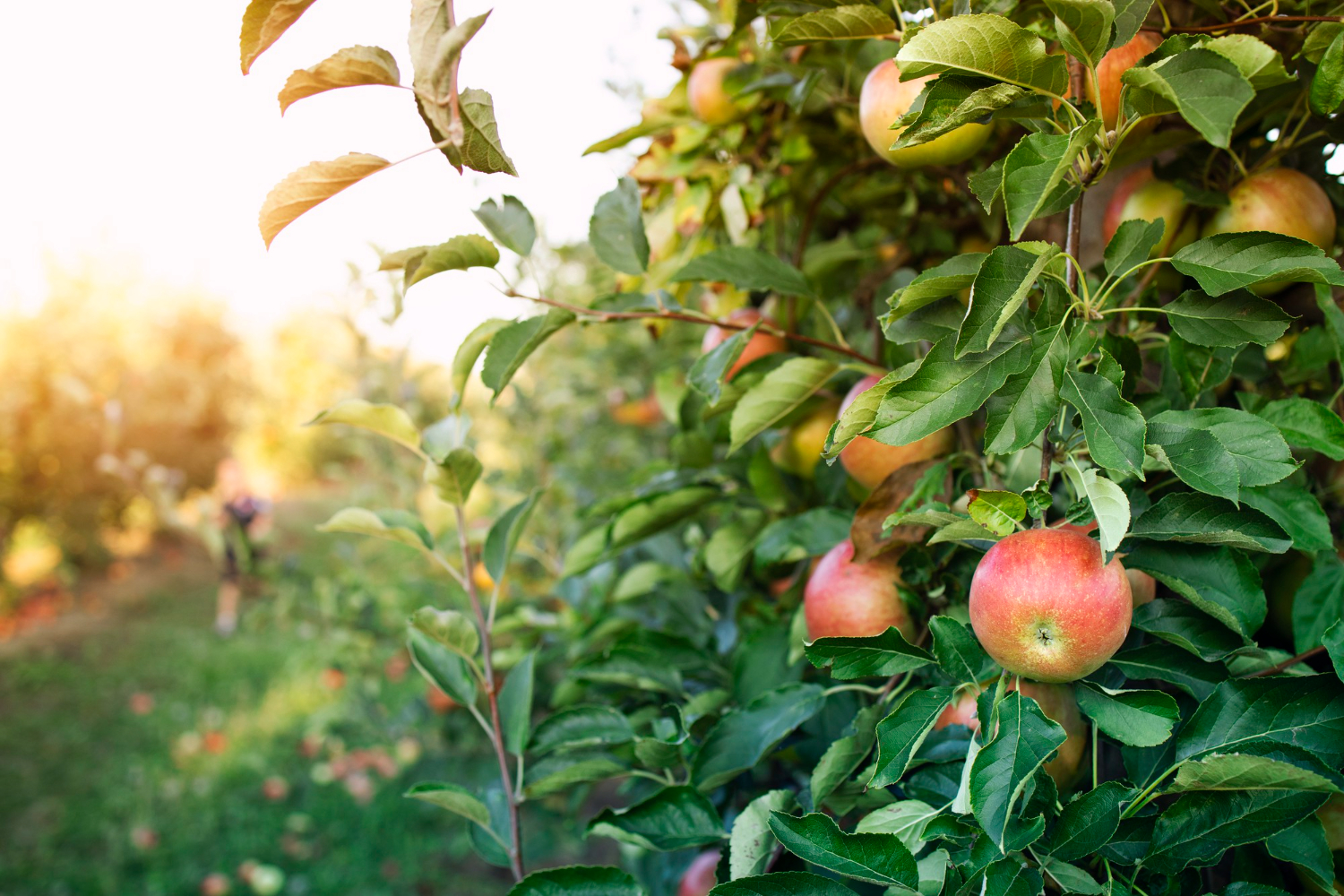
Small trees planted very densely in rows, kept low so that everything can be reached from the ground without ladders.
Yield per hectare rises enormously and the trees are replaced far sooner. The intensive orchard is the arrangement designed around the harvest rather than the tree.
3. Every Tree Being Two Organisms
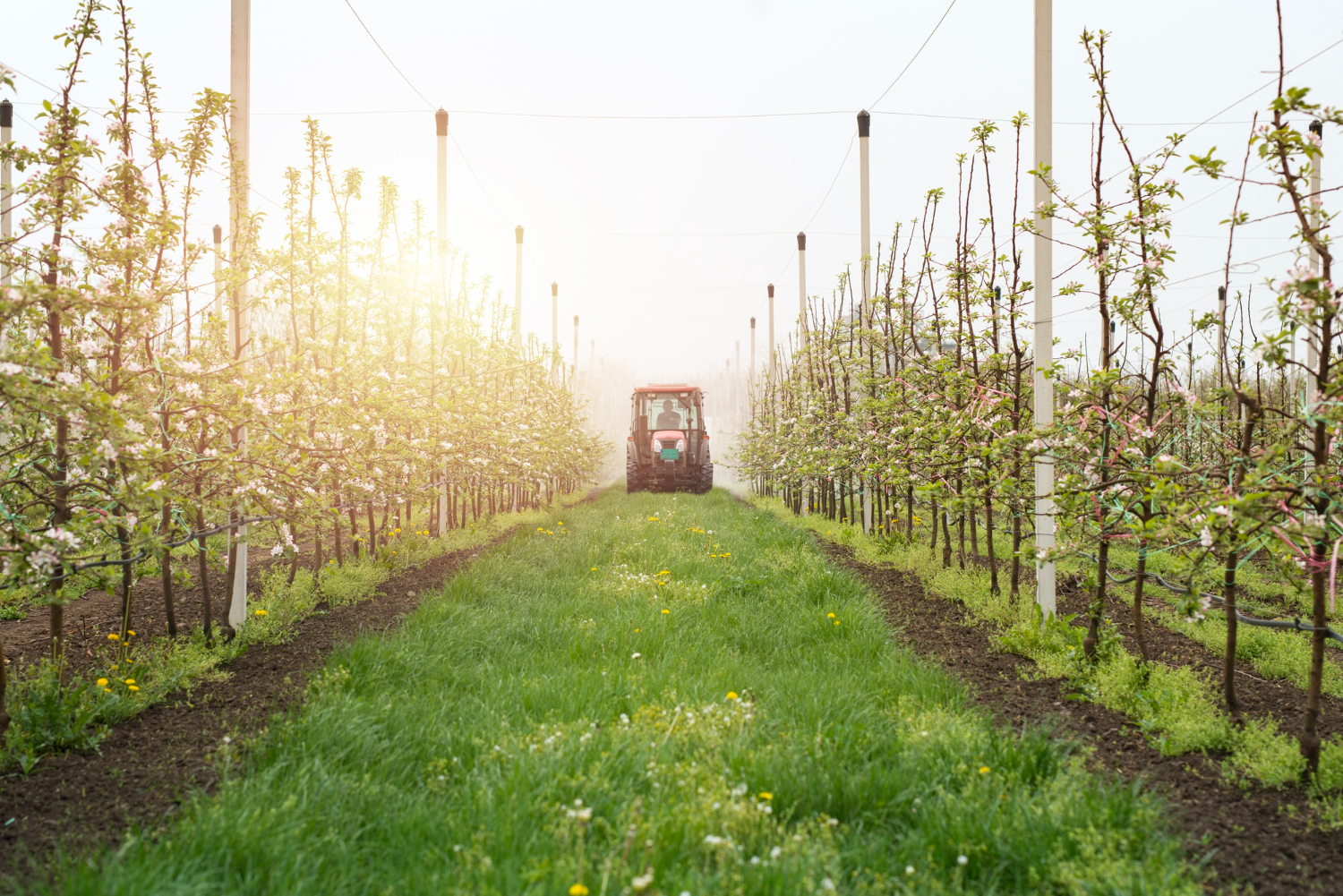
Almost all fruit trees are grafted – a chosen fruiting variety joined to a separate rootstock that determines size, vigour and soil tolerance.
The join is visible near the base as a change in bark. The grafted tree is the orchard fact that most visitors never notice.
4. The Orchard That Cannot Pollinate Itself
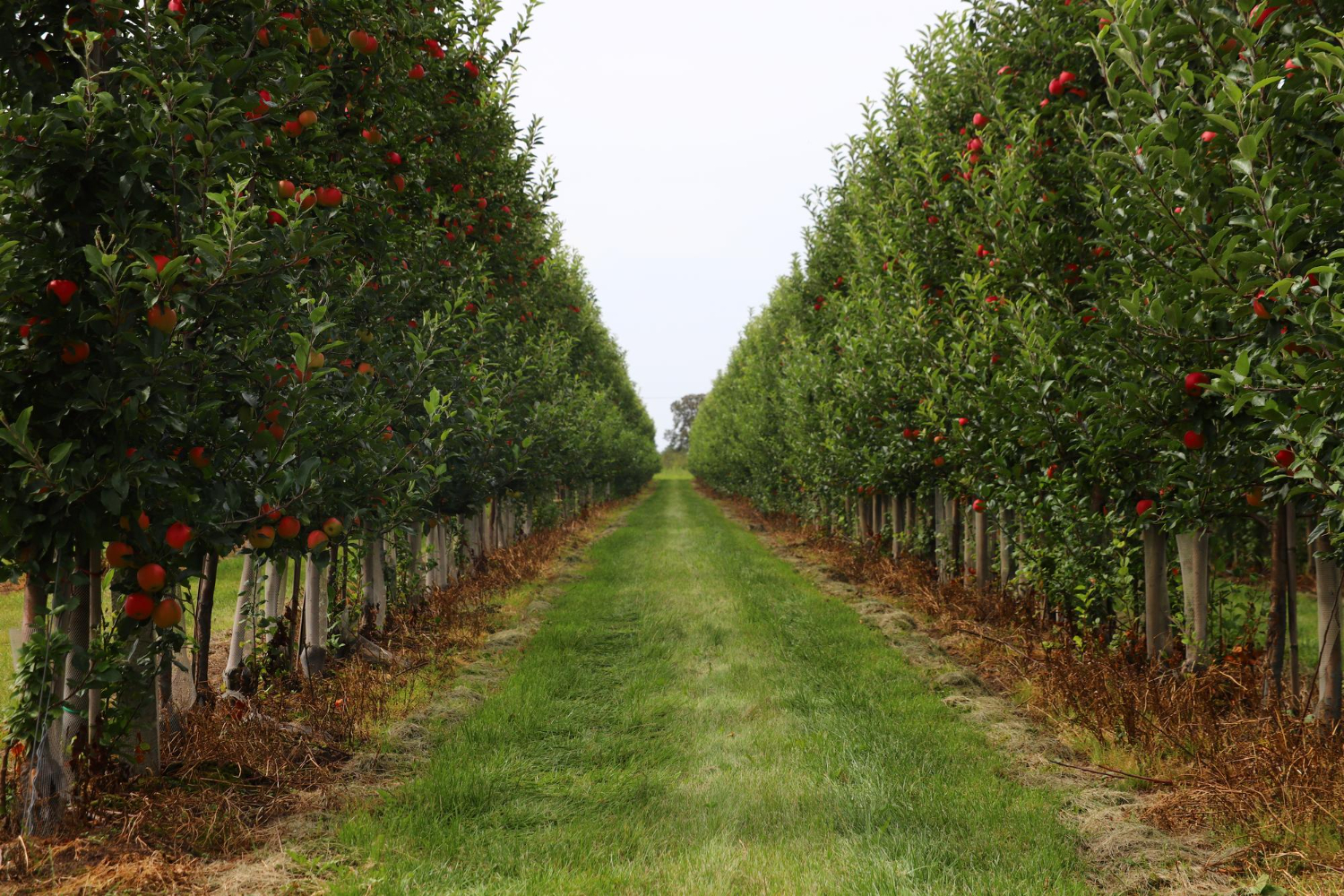
A great many fruit varieties will not set fruit from their own pollen, so orchards must include compatible varieties flowering at the same time.
Those pollinator trees are frequently not the crop. The mixed-variety orchard is the arrangement where some trees exist to serve the others.
5. The Grove That Outlives Everybody
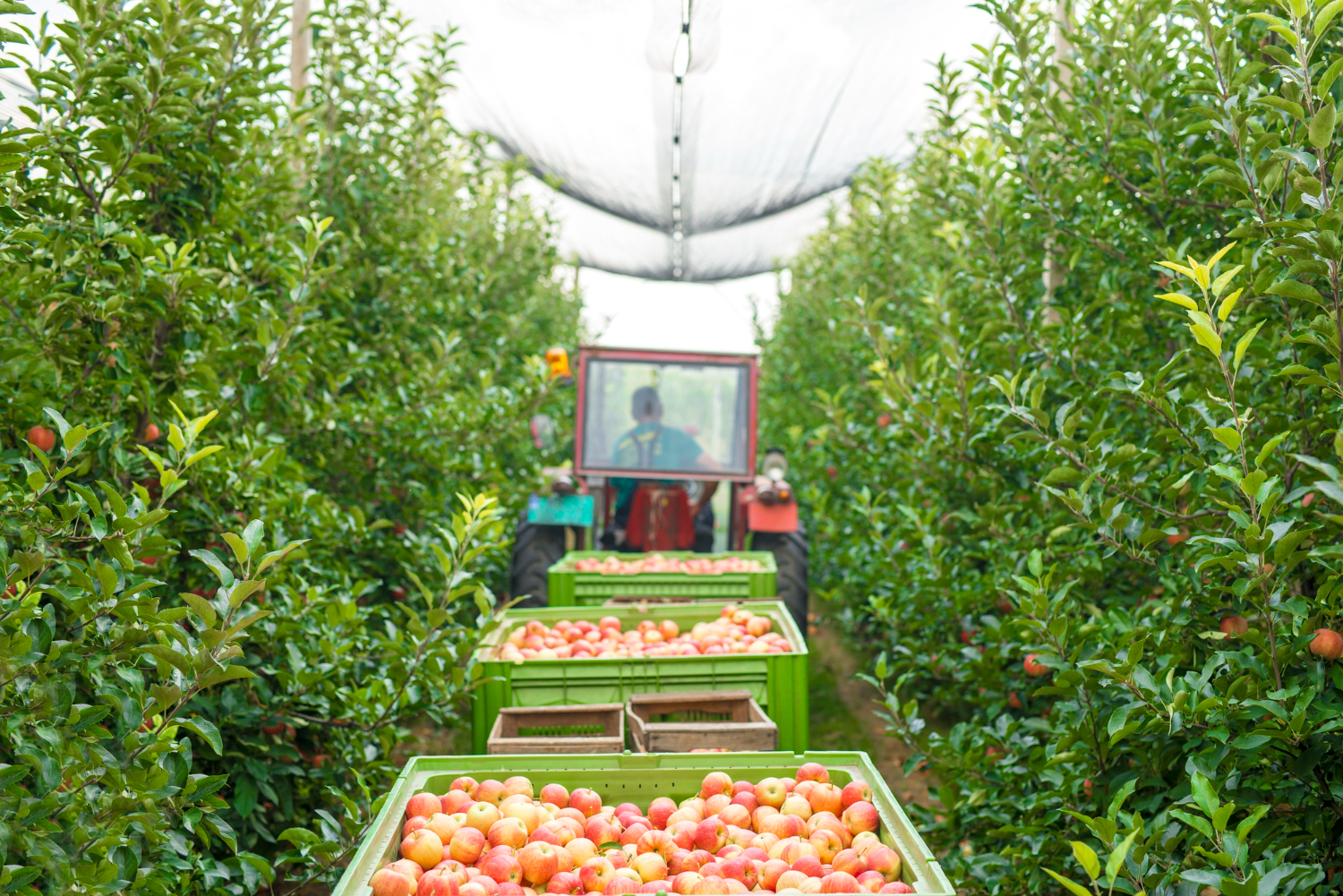
Olive and some other groves remain productive for centuries, with individual trees far older than any building nearby and ownership passing through generations.
Nobody who planted them saw them mature. The ancient grove is the arrangement that operates on a timescale beyond a lifetime.
6. The Terraced Slope
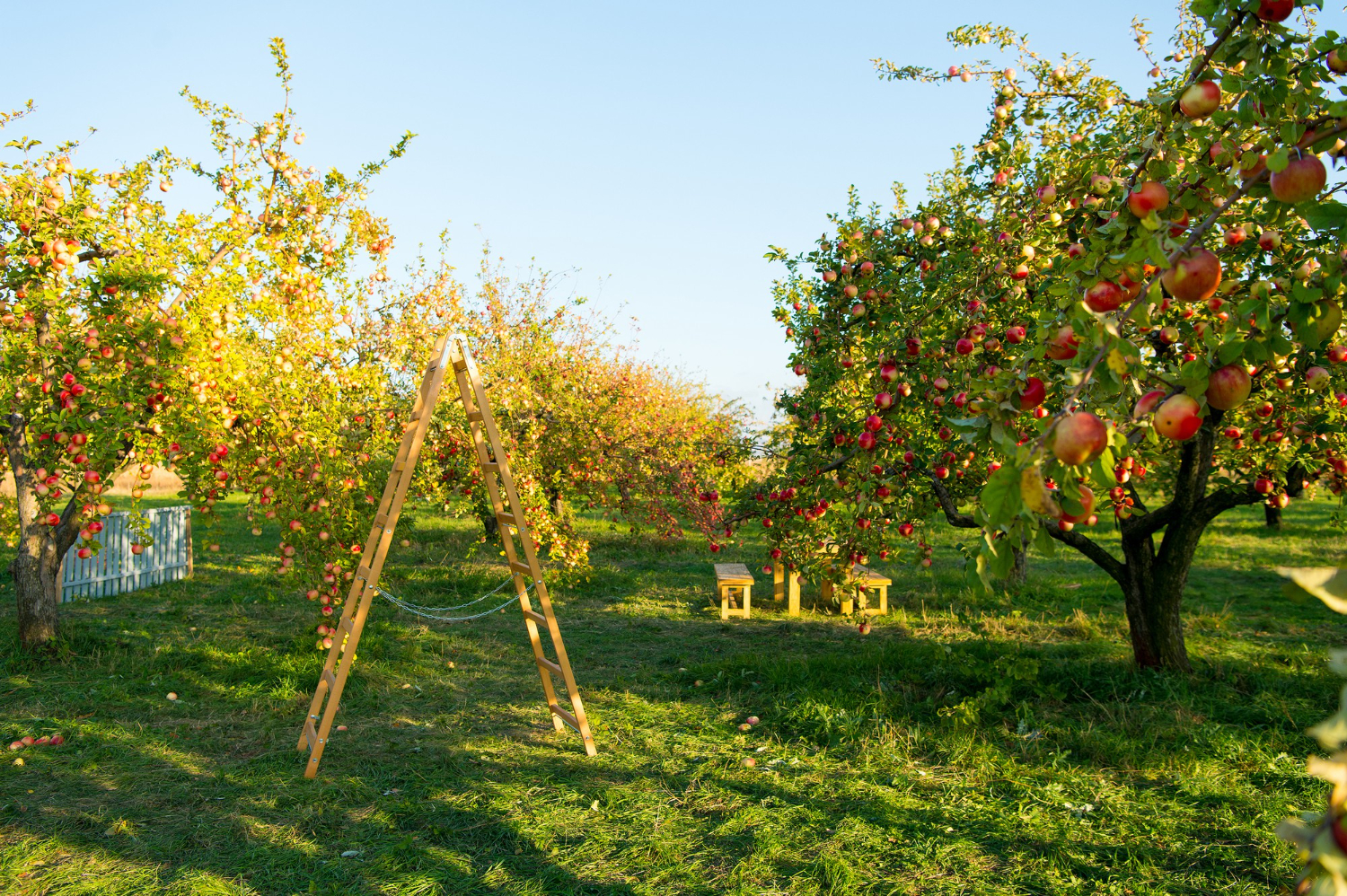
Where the ground is too steep for anything else, terracing plus a crop that tolerates thin soil turns unusable hillside into productive land.
The stonework frequently outlasts the planting. The terraced grove is the arrangement that manufactured its own farmland.
7. The Walled Orchard
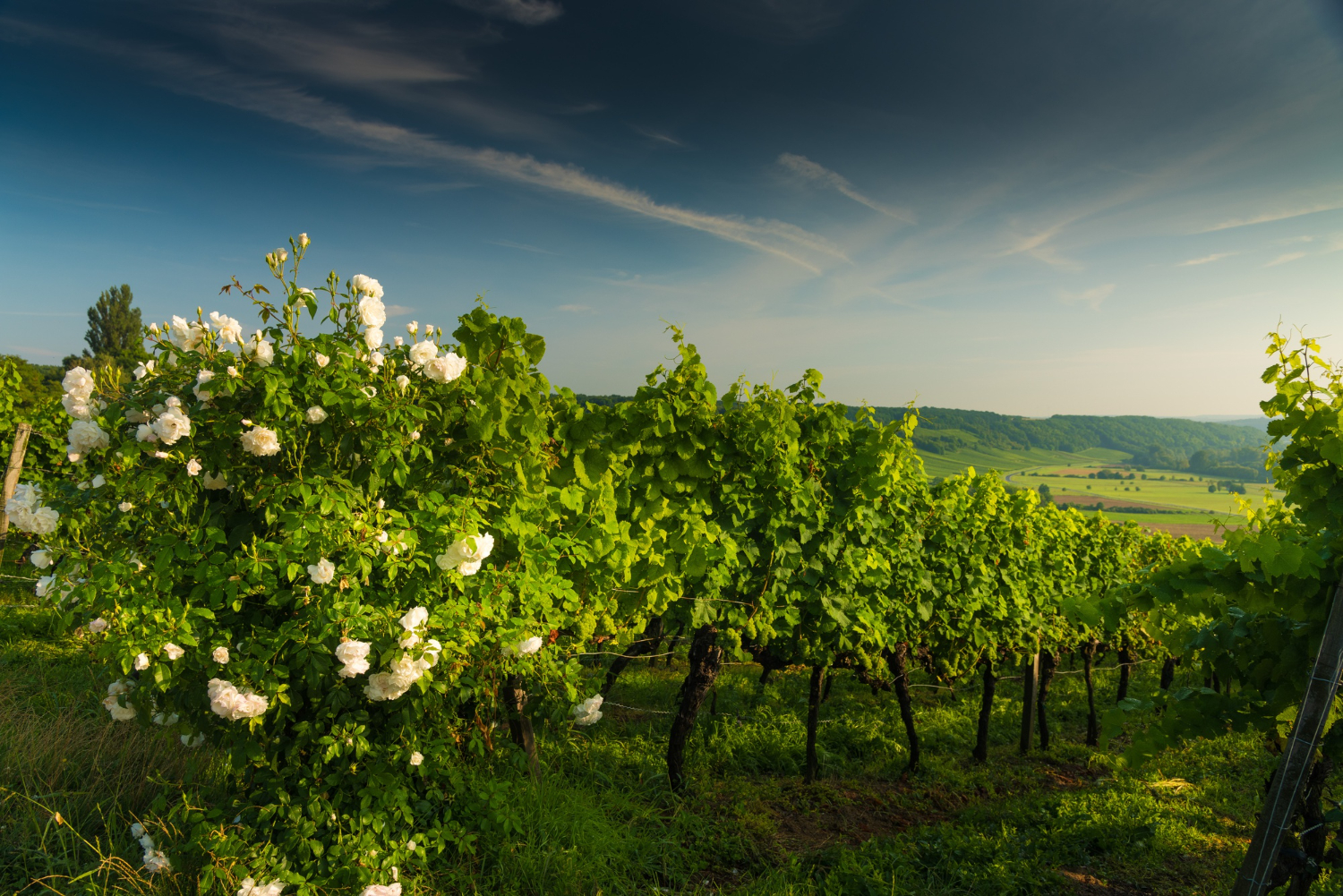
Enclosing walls trap heat, shelter from wind and extend the growing season enough to ripen varieties that would fail in the open a few metres away.
Some were built specifically to grow a single crop further north than it should manage. The walled orchard is the arrangement that builds a microclimate.
8. The Citrus Grove and Its Frost Problem
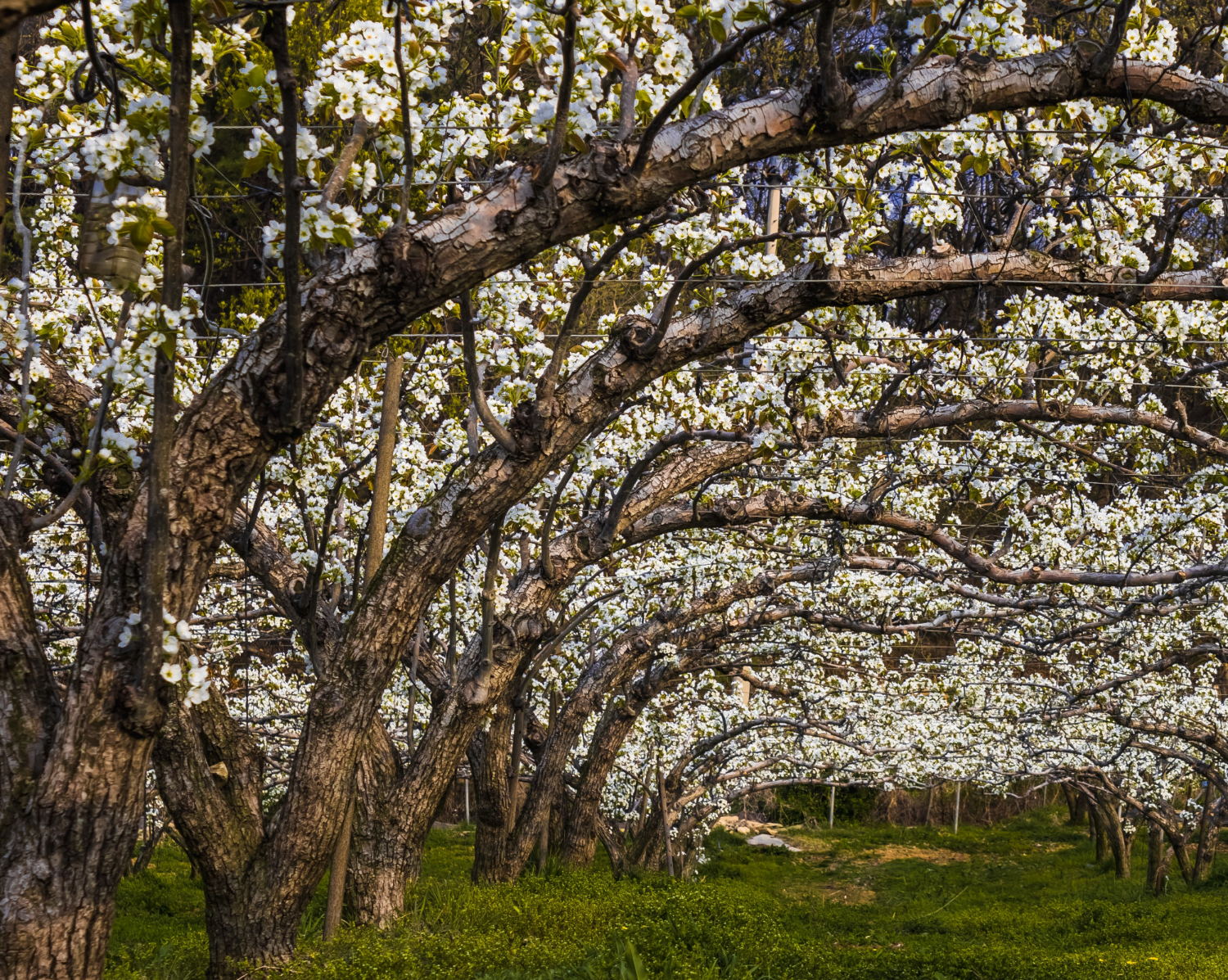
Citrus tolerates heat and not frost, so groves cluster where winters are mild, and marginal areas developed elaborate protective practices.
A single cold night can undo a season. The citrus grove is the arrangement most exposed to one bad night.
9. The Nut Grove
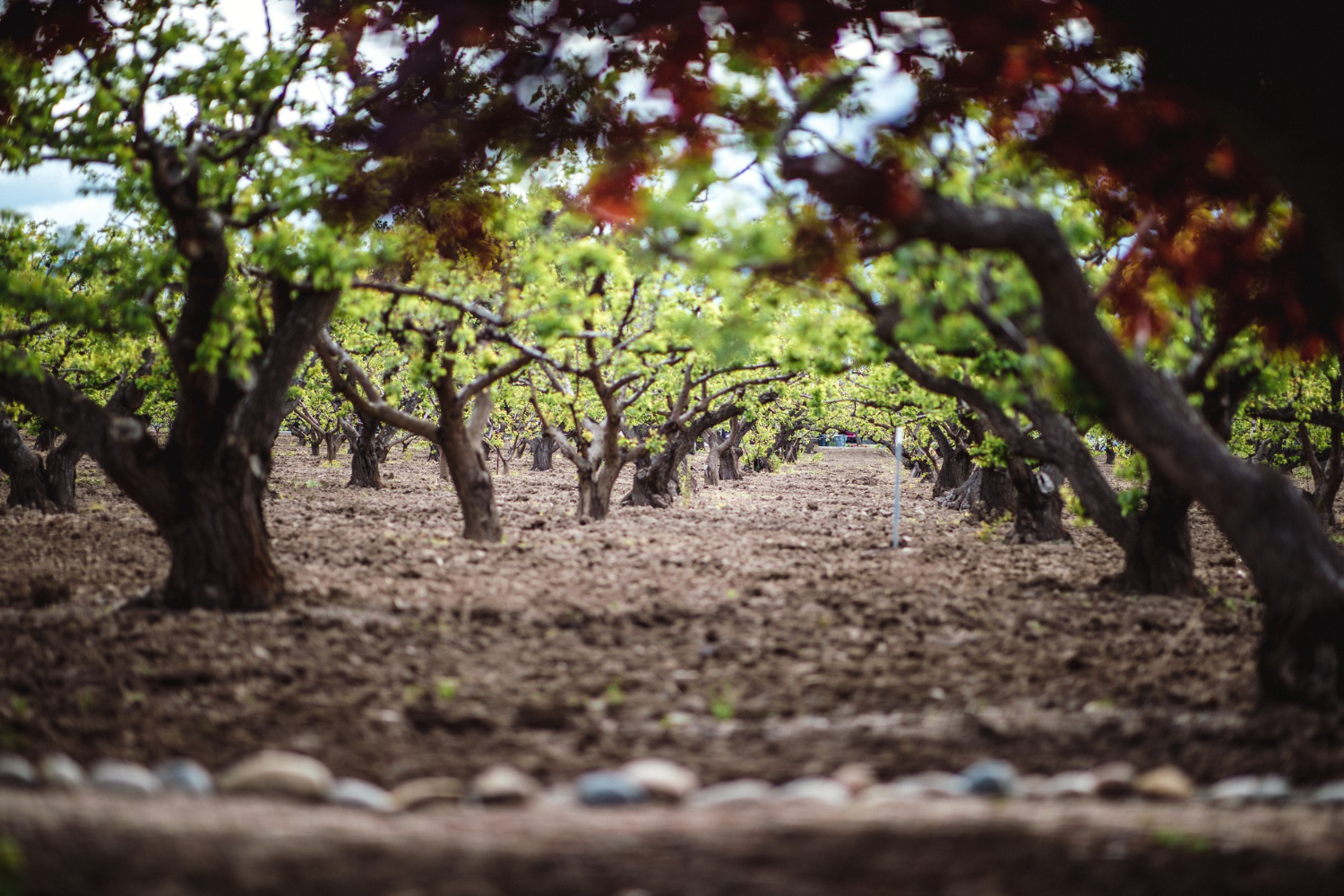
Nut trees are generally larger, longer-lived and more widely spaced than fruit trees, and are frequently harvested by shaking rather than picking.
The ground beneath is kept clear for collection. The nut grove is the arrangement organised around what falls rather than what is picked.
10. The Orchard That Is a Collection
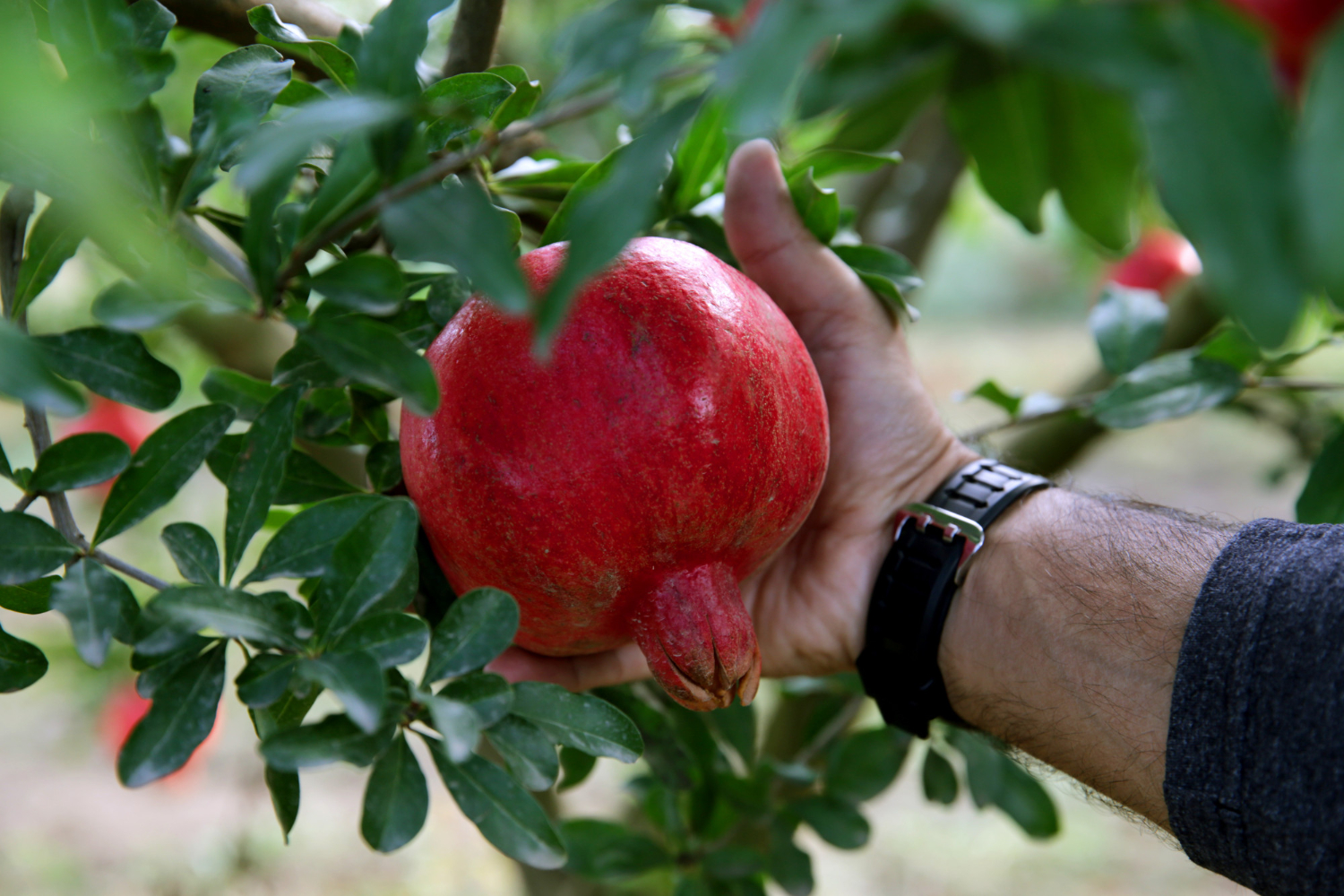
Some orchards exist to preserve varieties rather than to produce a crop, holding one or two trees of each of hundreds of types.
They are archives in the form of planting. The collection orchard is the arrangement where diversity is the product.
11. The Community Orchard
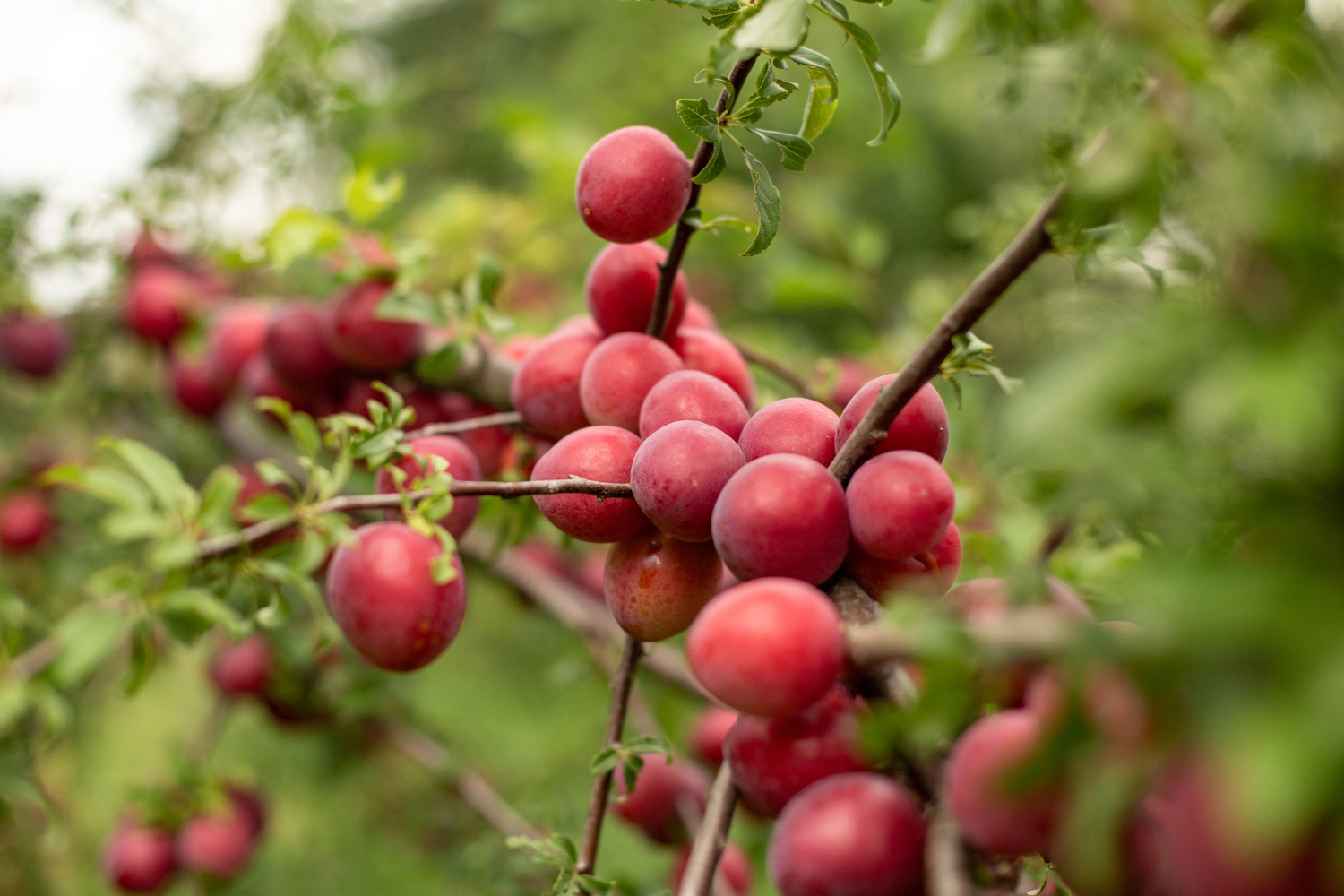
Planted and managed collectively, with the crop shared or picked freely, on land held in common rather than by any single owner.
Some are recent and some very old. The common orchard is the arrangement where the ownership is the unusual part.
12. The Grove Kept for Shade
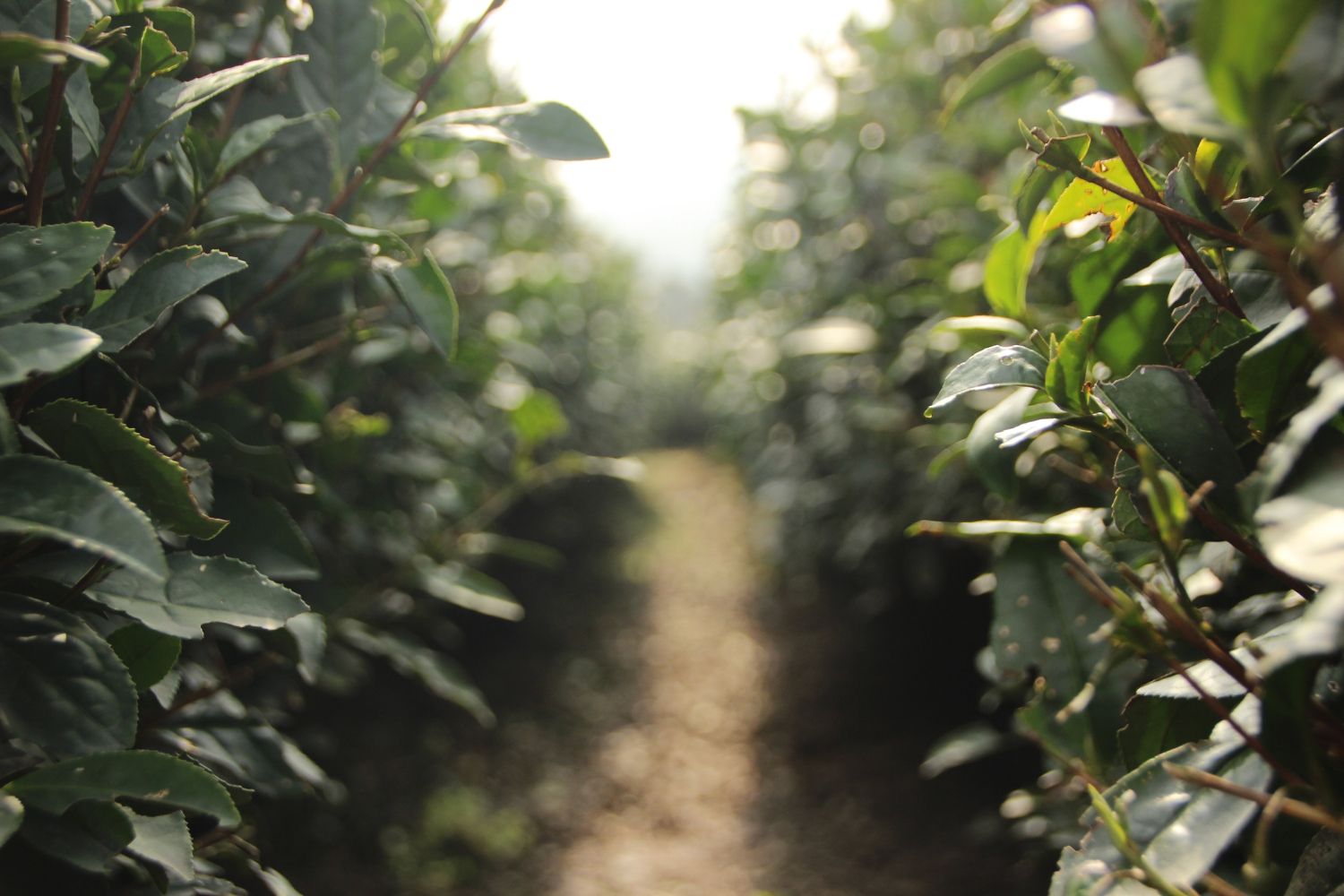
Some tree plantations were established primarily for shade, shelter or windbreak, with any crop as a secondary benefit.
The spacing gives it away, being wrong for fruiting. The shelter grove is the arrangement where the trees are infrastructure.
13. The Orchard on a Floodplain
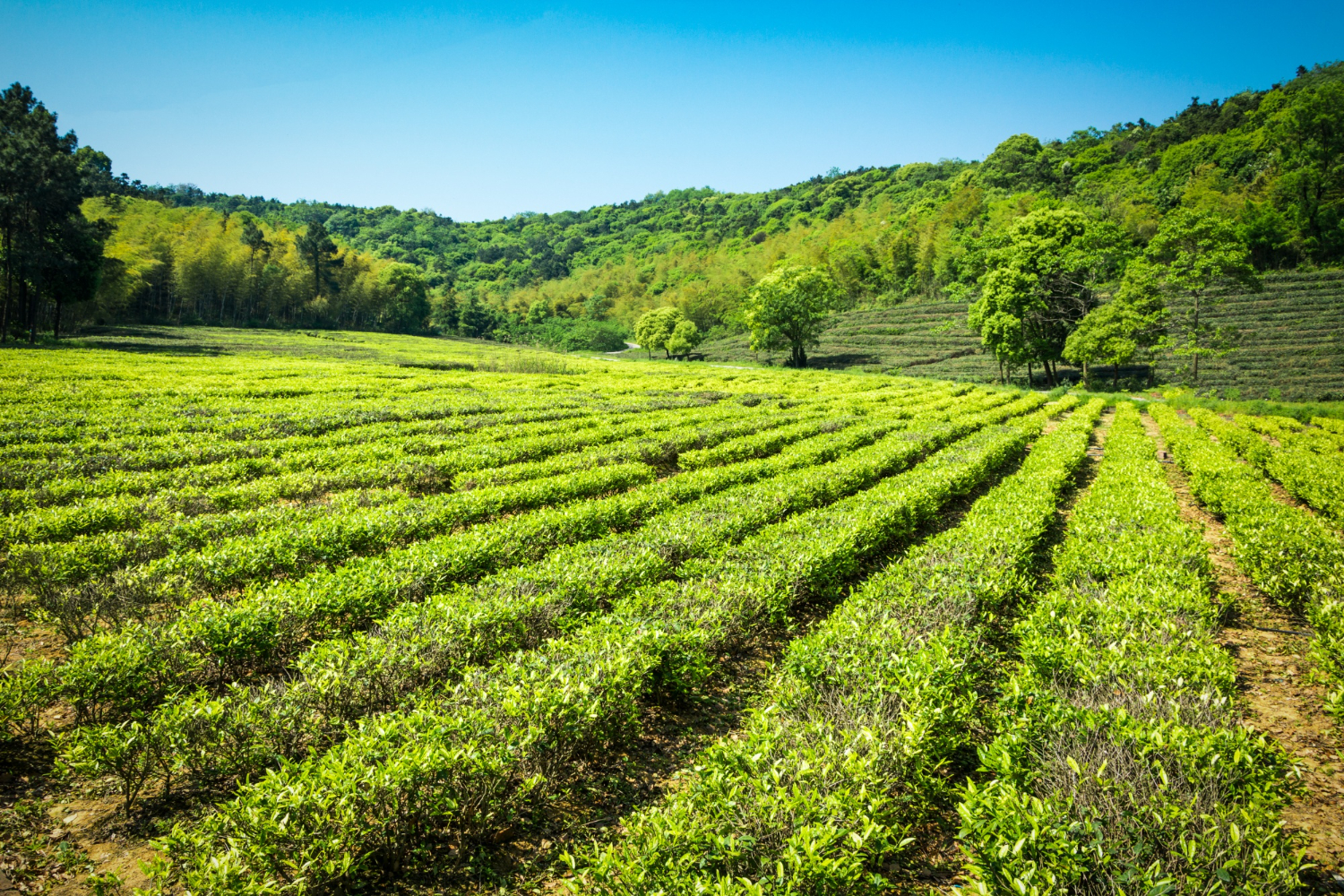
Fruit growing concentrated on river terraces because the soil was deep and the drainage good, which is why so many orchard regions follow valleys.
The geology chose the location. The valley orchard is the arrangement determined by where the sediment settled.
14. The Grove With Beehives In It
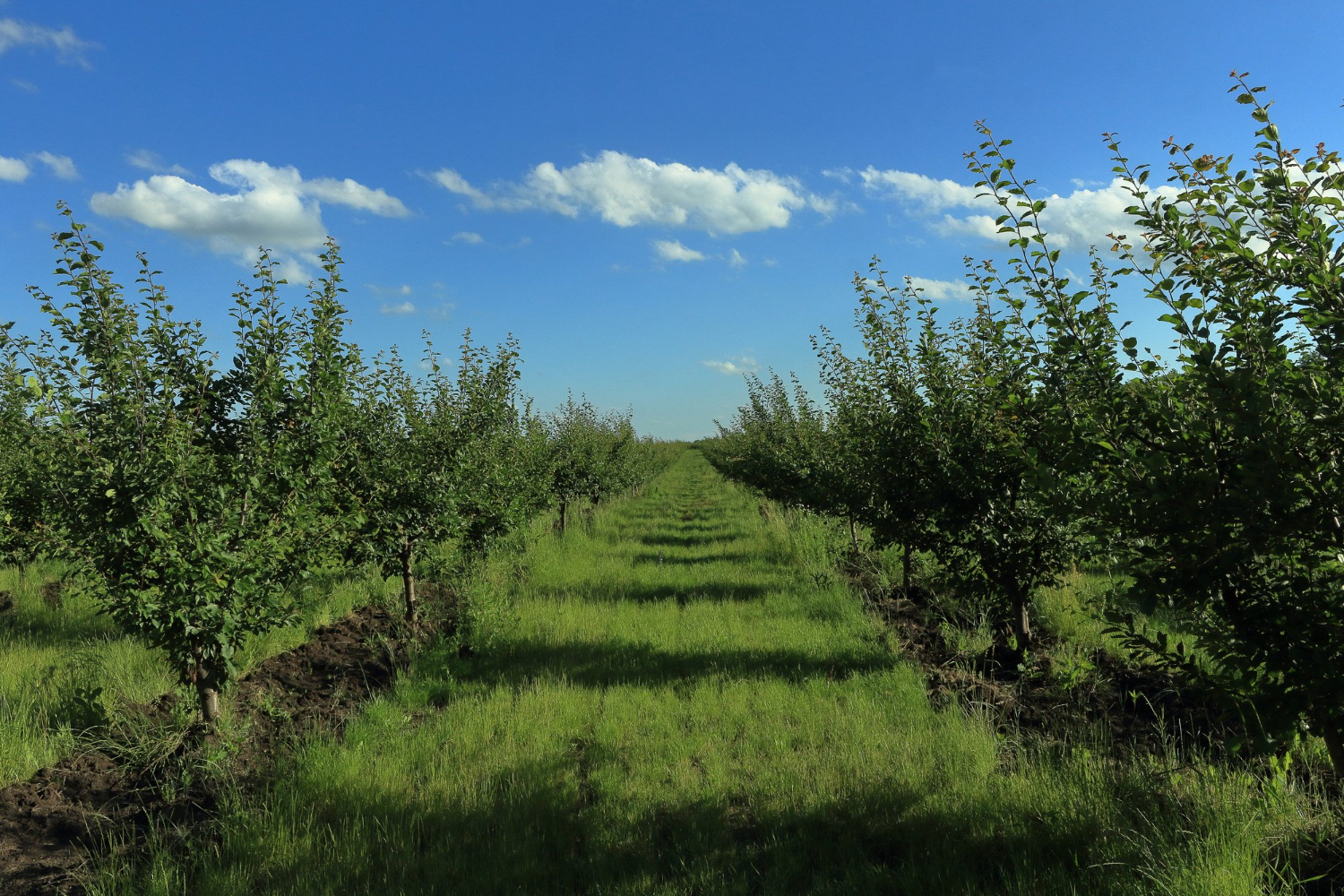
Where pollination is essential and wild insects insufficient, hives are placed in the orchard during flowering and moved afterwards.
It is a service rather than a fixture. The pollinated orchard is the arrangement that imports part of its workforce.
15. The Last Habitat Standing
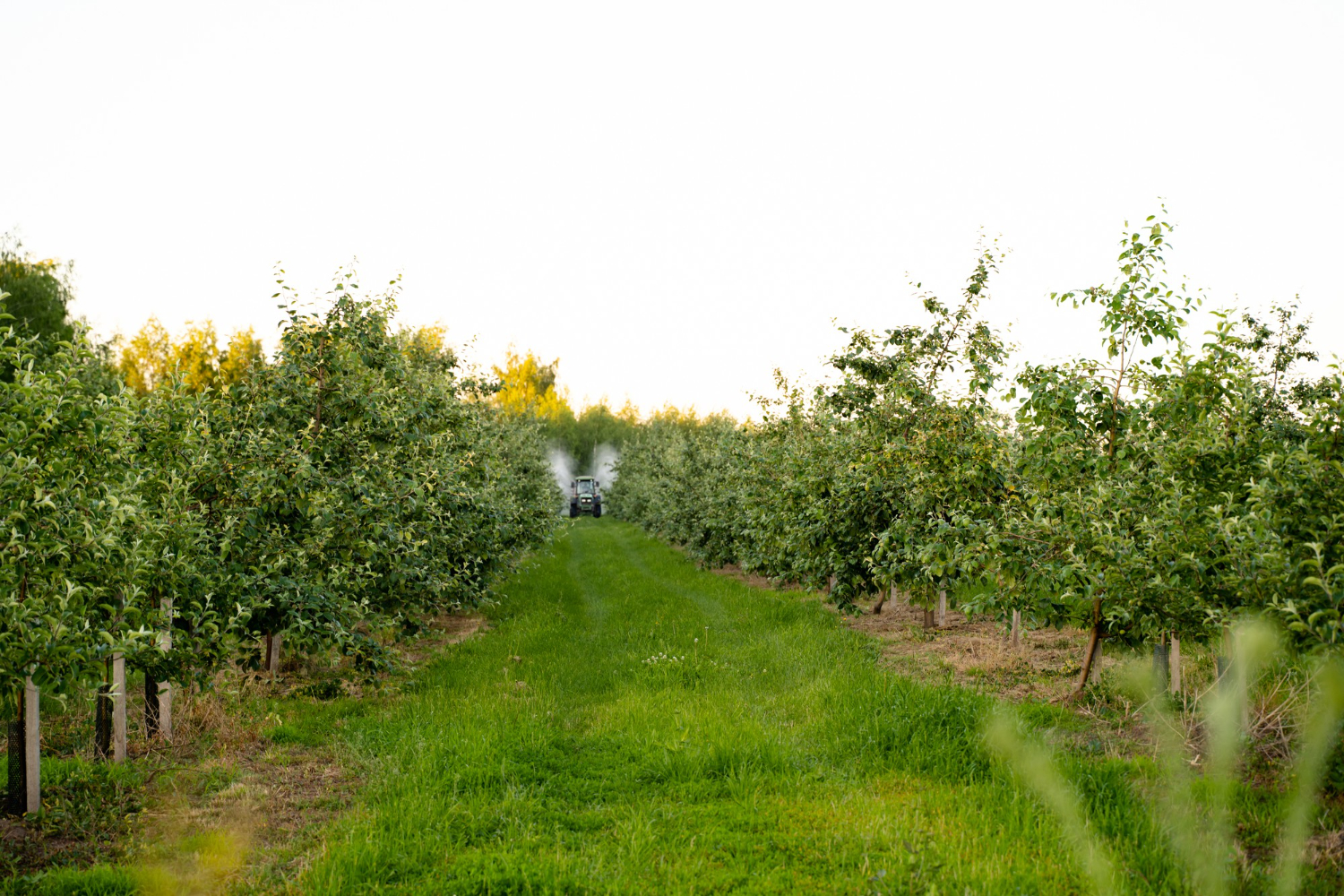
Traditional orchards with old trees, dead wood and unimproved grassland support species that have disappeared from surrounding farmland entirely.
The value is a by-product of not being tidied. The old orchard is the arrangement whose ecological importance is accidental.
16. The Abandoned Orchard
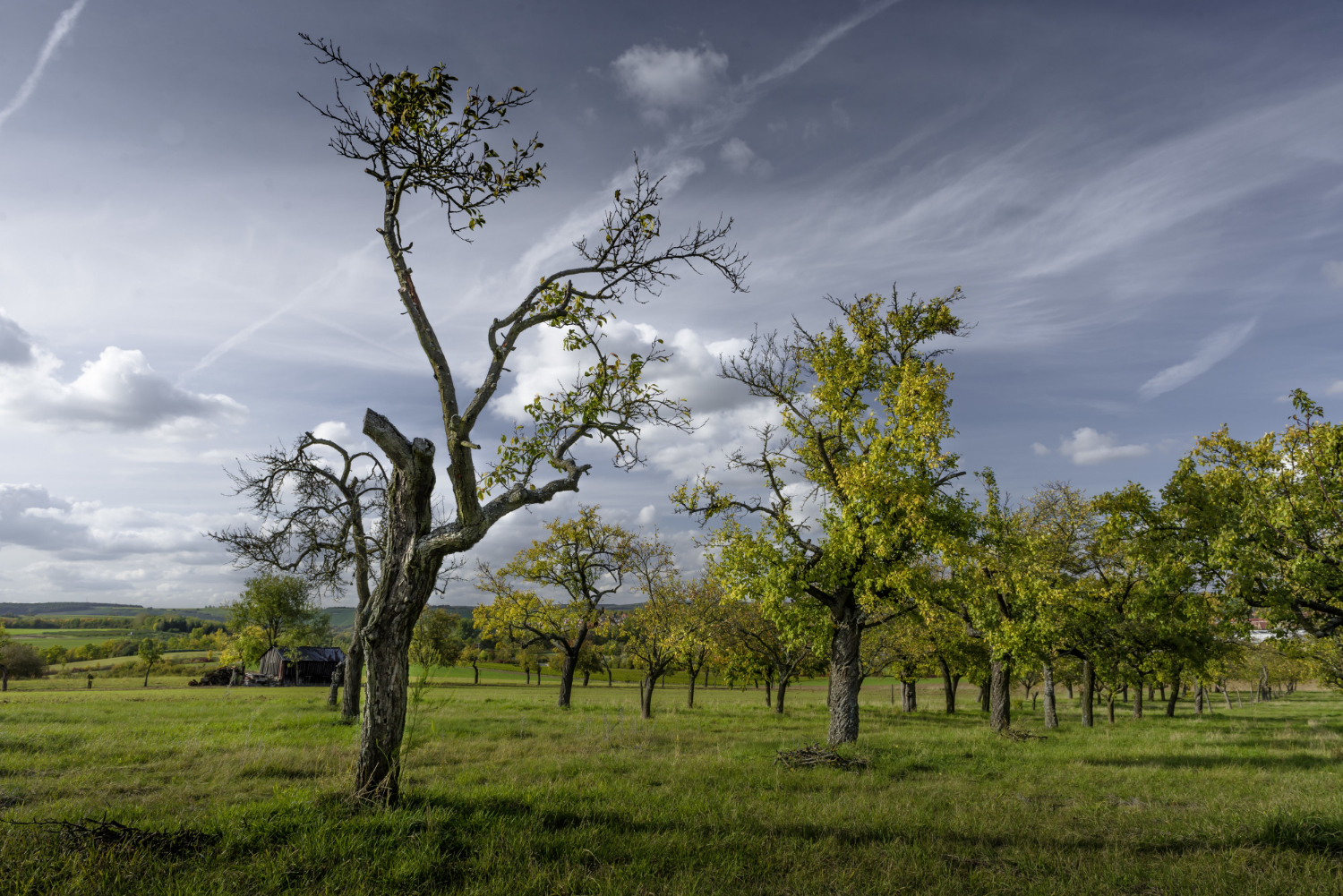
Orchards persist for decades after management stops, becoming overgrown and irregular while remaining unmistakably planted rather than natural.
The rows are still visible under the scrub. The abandoned orchard is the landscape that announces it was once somebody work – and it is still somebody land.
17. The Blossom Fortnight
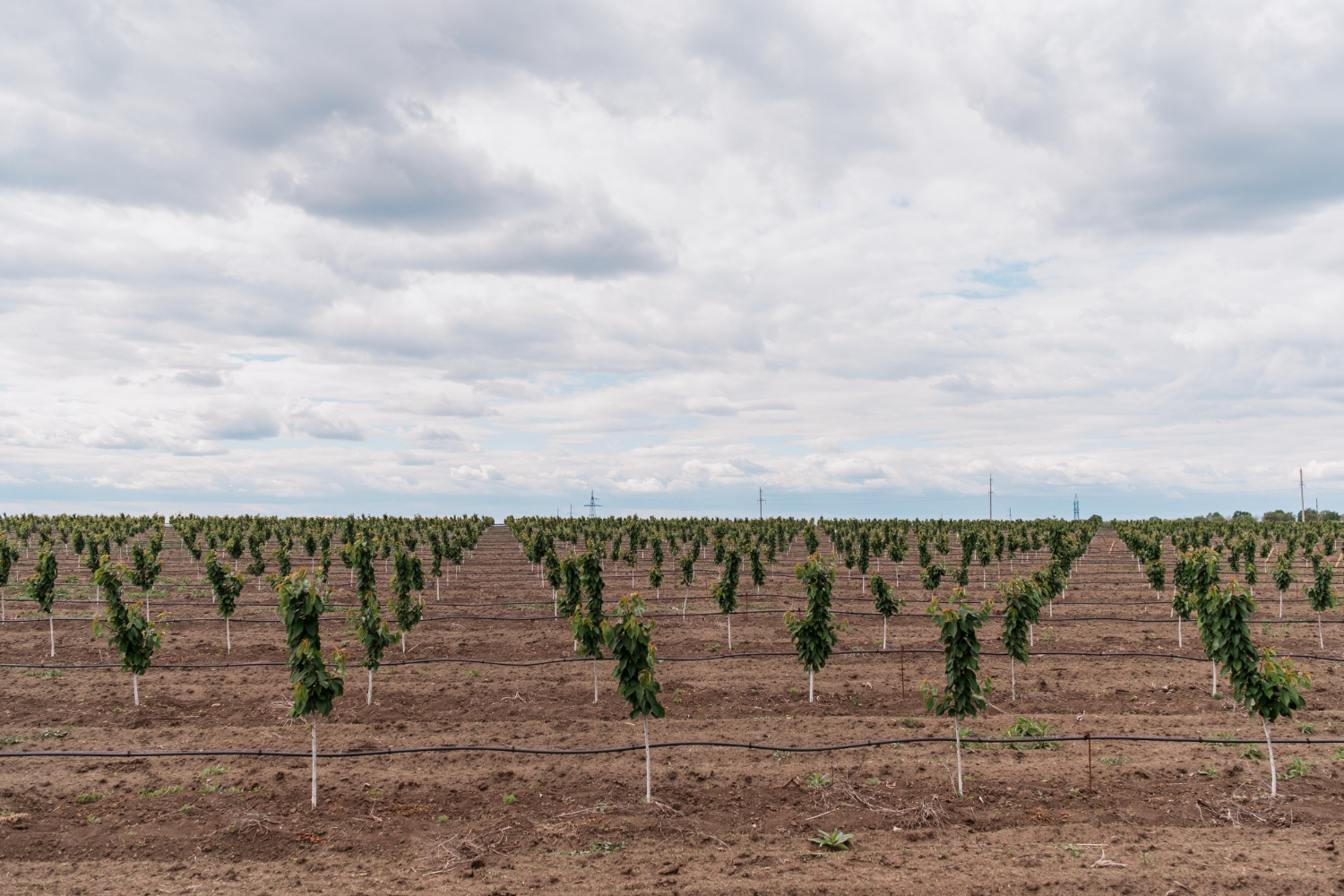
Every orchard has roughly two weeks a year when it is the most striking landscape available, and fifty weeks when it is a field of trees.
Almost nobody visits at the right time by accident. The blossom window is the orchard feature that requires a diary.
Spacing Tells You the Intention
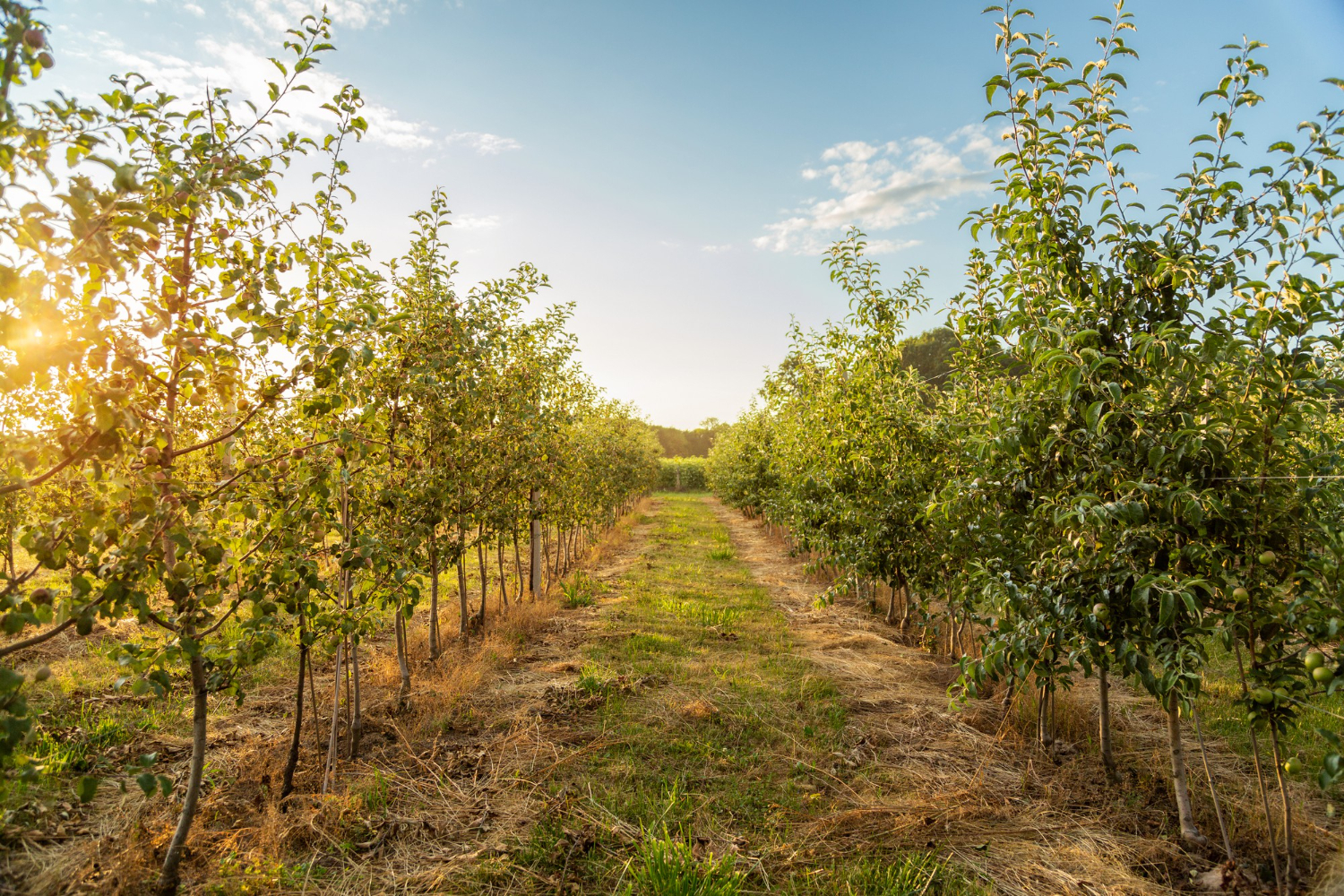
Every arrangement here is a decision about light, size, harvest method and expected lifespan. Wide spacing means large old trees and something grazing beneath; narrow spacing means short trees, high yield and replacement within a working lifetime.
The practical note is about timing. An orchard has a fortnight of blossom and a few weeks of harvest, and is quiet the rest of the year – so anybody going to see one should find out when those windows fall locally rather than assuming. And everything on this list, including the abandoned ones, belongs to somebody.
Like our content? Follow us for more.