The question worth asking at the entrance to any tunnel is what problem made digging cheaper than going around. Here are seventeen, and the answers.
1. Pedestrian River Tunnels
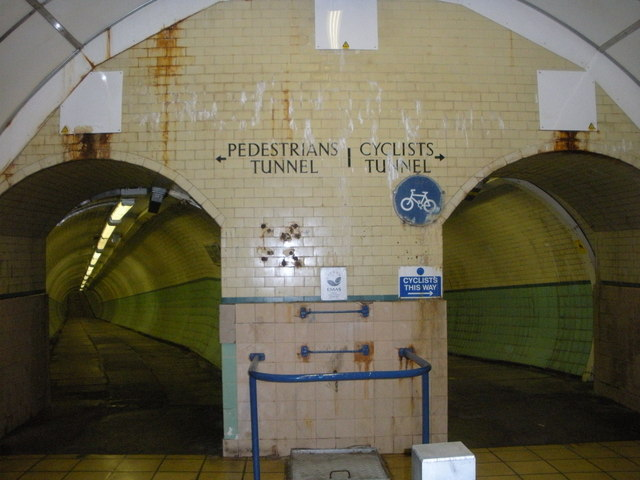
Where a river carried tall shipping, a bridge would have needed enormous clearance, so a tunnel under the riverbed was cheaper than a bridge over it.
Several major ports built them, and they remain in daily use by people walking to work. River foot tunnels are the crossings built because the ships were too tall.
Like our content? Follow us for more.
2. The Tiled Victorian Foot Tunnels
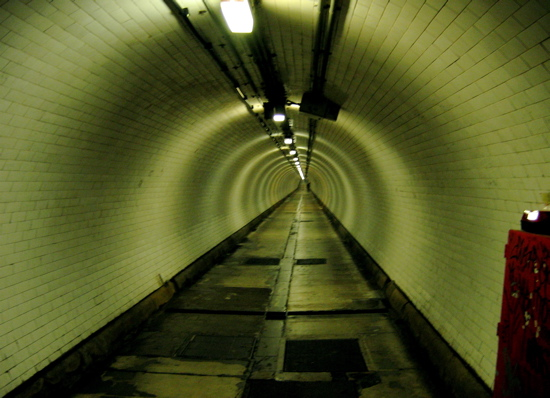
Nineteenth and early twentieth century pedestrian tunnels were frequently lined with glazed tile, both to reflect light and to survive constant damp.
Access is often by a spiral staircase or an original lift. The tiled foot tunnels are the ones built when public infrastructure was expected to look like something.
3. Converted Railway Tunnels
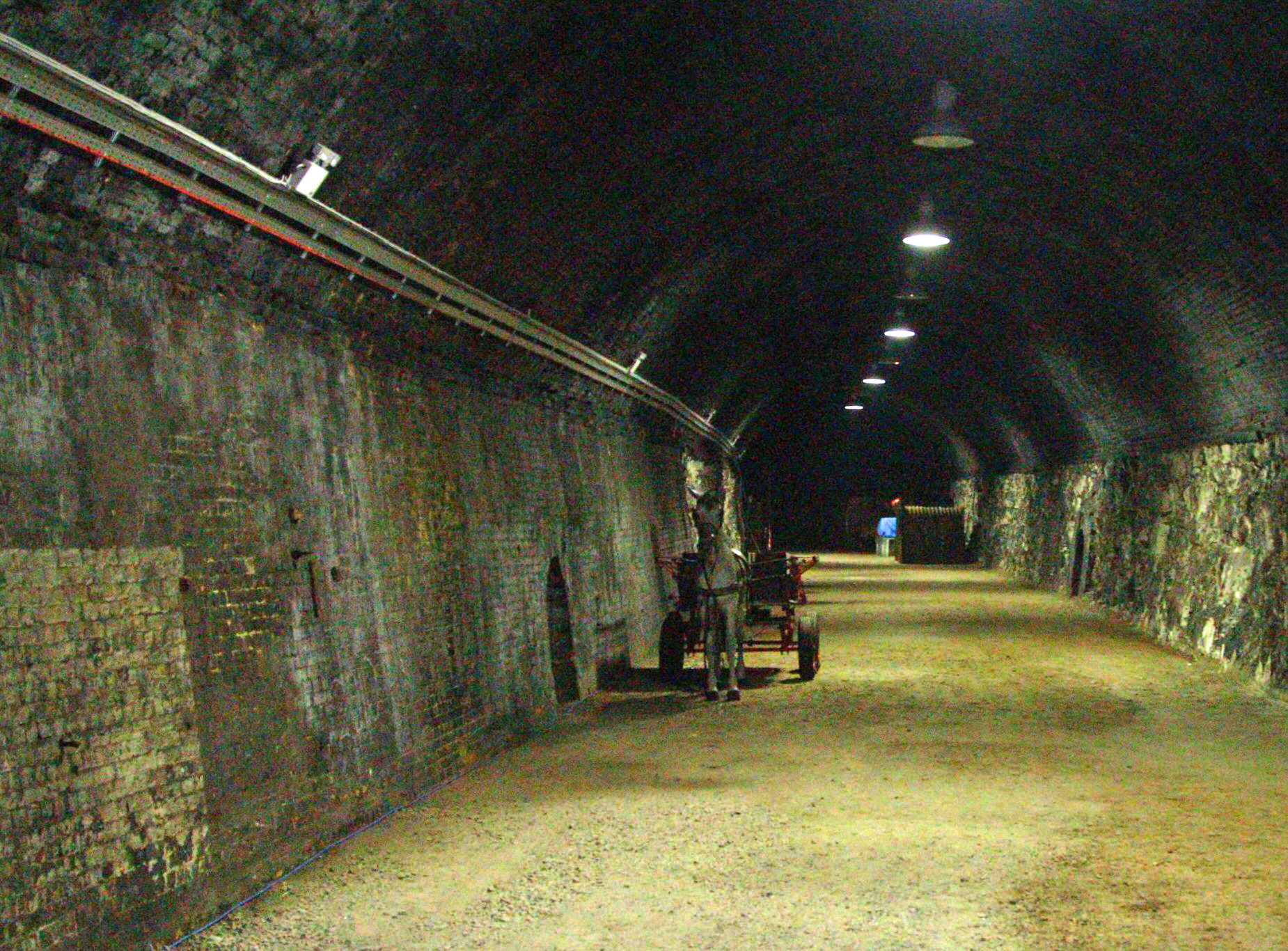
Disused rail tunnels reopened for walking and cycling are among the most striking sections of any converted line, and several run for a considerable distance in darkness.
Lighting was retrofitted, and where it was not the tunnel usually stays shut. Converted rail tunnels are the walkable passages that came free with the trackbed.
4. Canal Tunnels
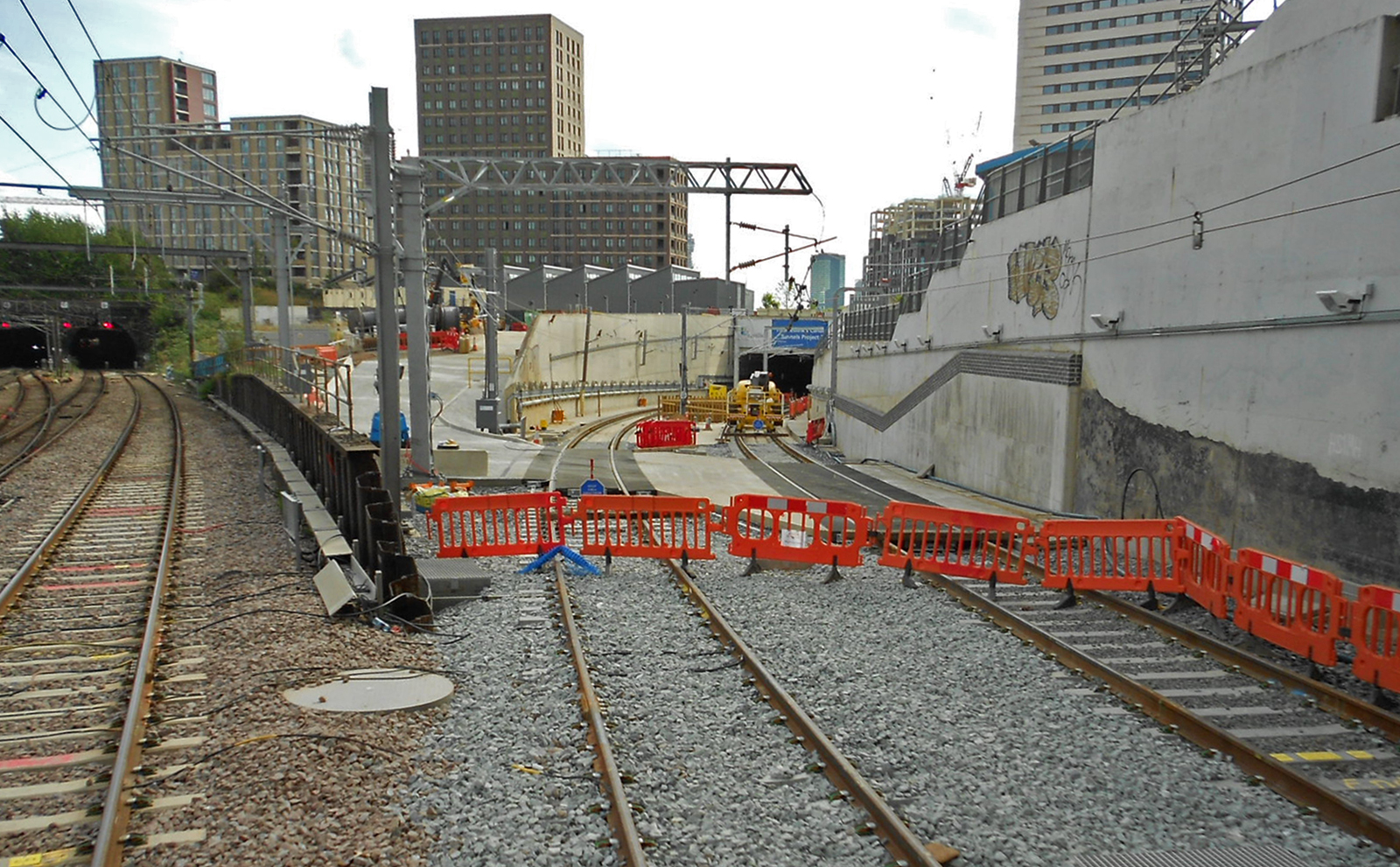
Where a canal met a hill, a tunnel was cut – frequently with no towpath, since a horse could not fit, so crews lay on the boat roof and walked the tunnel walls to push it through.
That technique had a name and was truly exhausting. Canal tunnels are the passages boats were pushed through by foot.
5. Alpine Road Tunnel Galleries
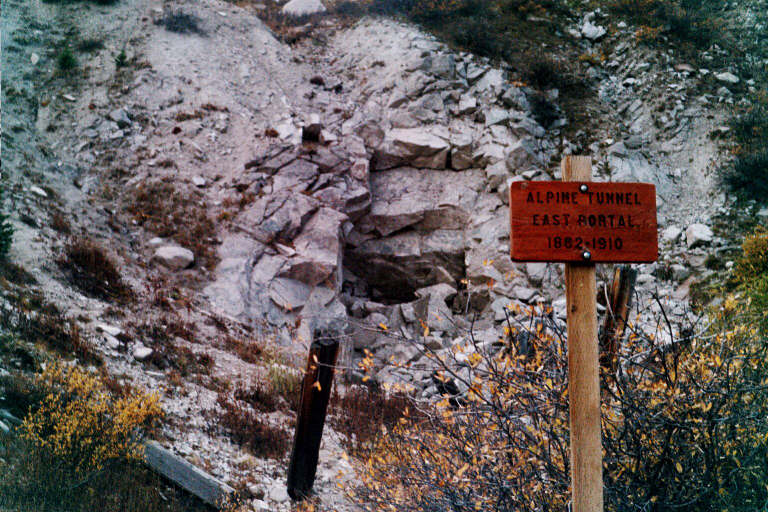
Some long mountain tunnels include separate parallel galleries for maintenance, safety and in a few cases pedestrians, entirely apart from the traffic bore.
They exist because a single bore is a single point of failure. The parallel galleries are the tunnels built as a spare.
6. Salt Mine Passages
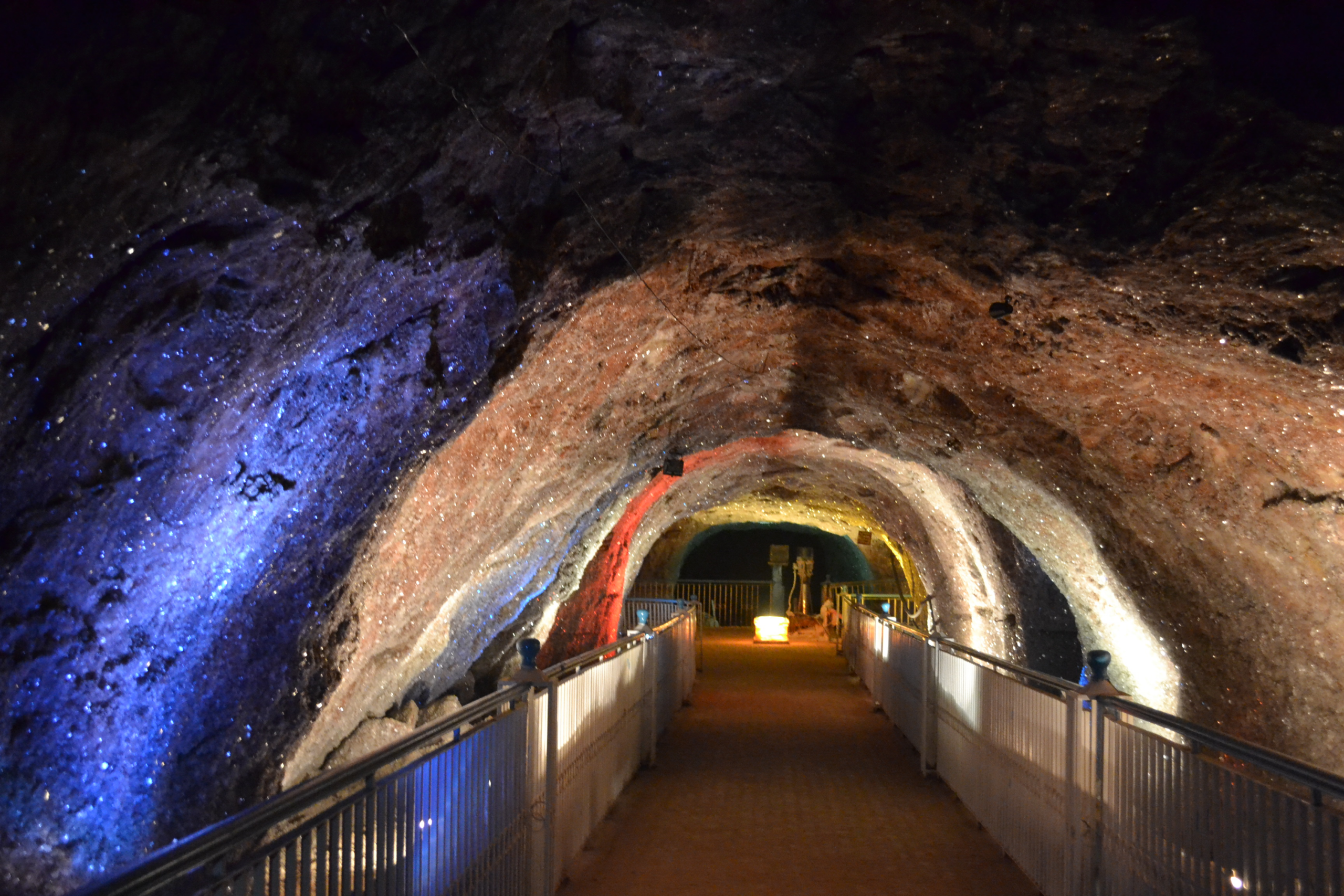
Worked-out salt mines open as visitor routes contain chambers, carved figures and in several cases chapels cut entirely from the rock salt by the miners.
The air is dry and the walls are the mineral. Salt mine tunnels are the passages where the miners decorated their own workplace.
7. Wartime Shelter Systems
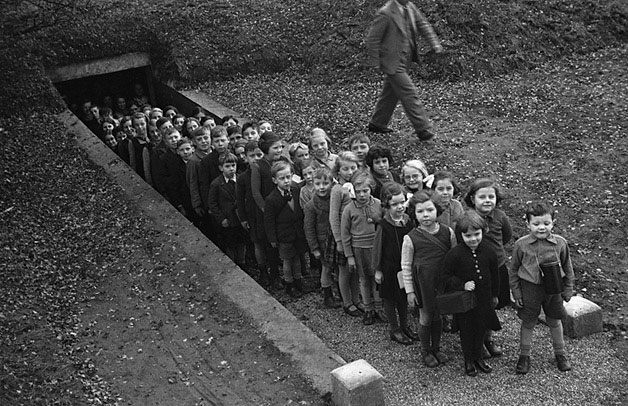
Extensive tunnel networks were cut beneath a number of cities for protection, and several are now open as visitor sites with the original fittings.
They were built at speed and to a standard that assumed heavy use. Shelter tunnels are the passages dug in a hurry and kept afterwards.
8. Rock-Cut Water Tunnels
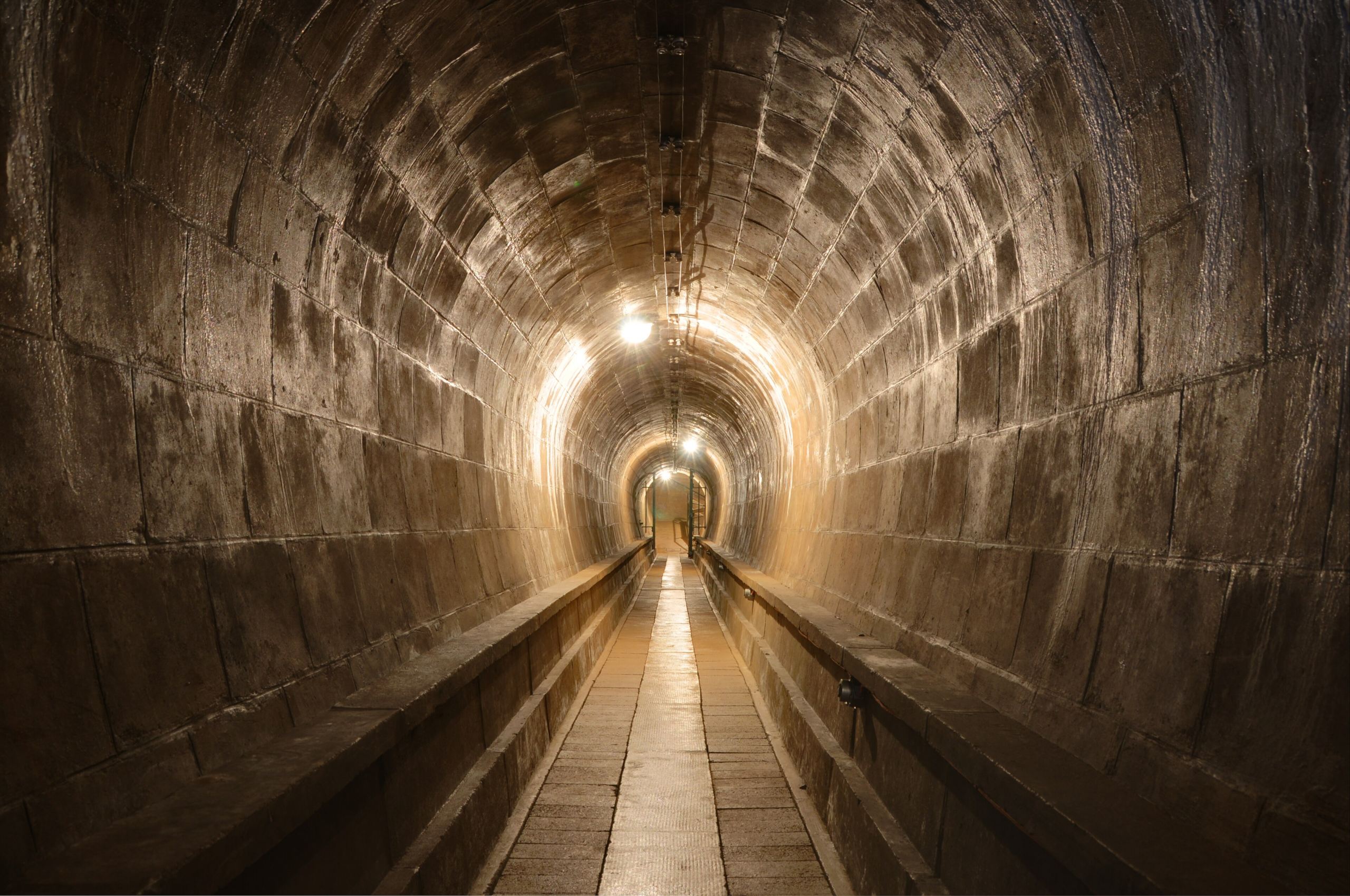
Before pumps, moving water meant cutting a channel that fell continuously, and where the ground was in the way the channel went through it.
Several such tunnels can be walked, sometimes with water still running. Water tunnels are the passages cut to let gravity do the work.
9. Quarry and Catacomb Networks
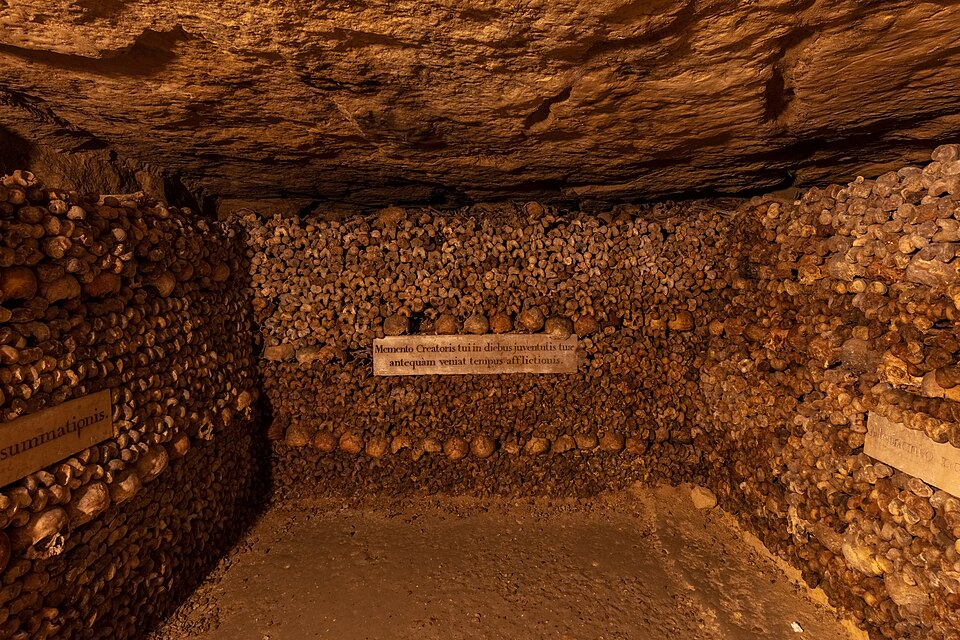
A number of cities sit above extensive tunnel systems left by stone quarrying, later reused for other purposes and now partly open on official routes.
Only the managed sections are accessible and the rest are closed. Quarry networks are the tunnels a city dug out of its own foundations.
10. Cross-Border Tunnels
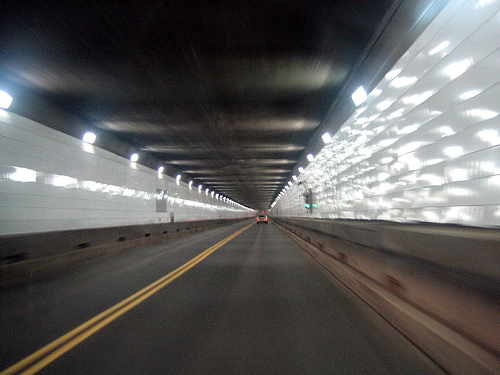
A few tunnels cross international frontiers, so a walk through takes you from one country into another underground.
The border is usually marked somewhere in the middle. Cross-border tunnels are the passages where you change country without seeing daylight.
11. Toll and Turnpike Tunnels
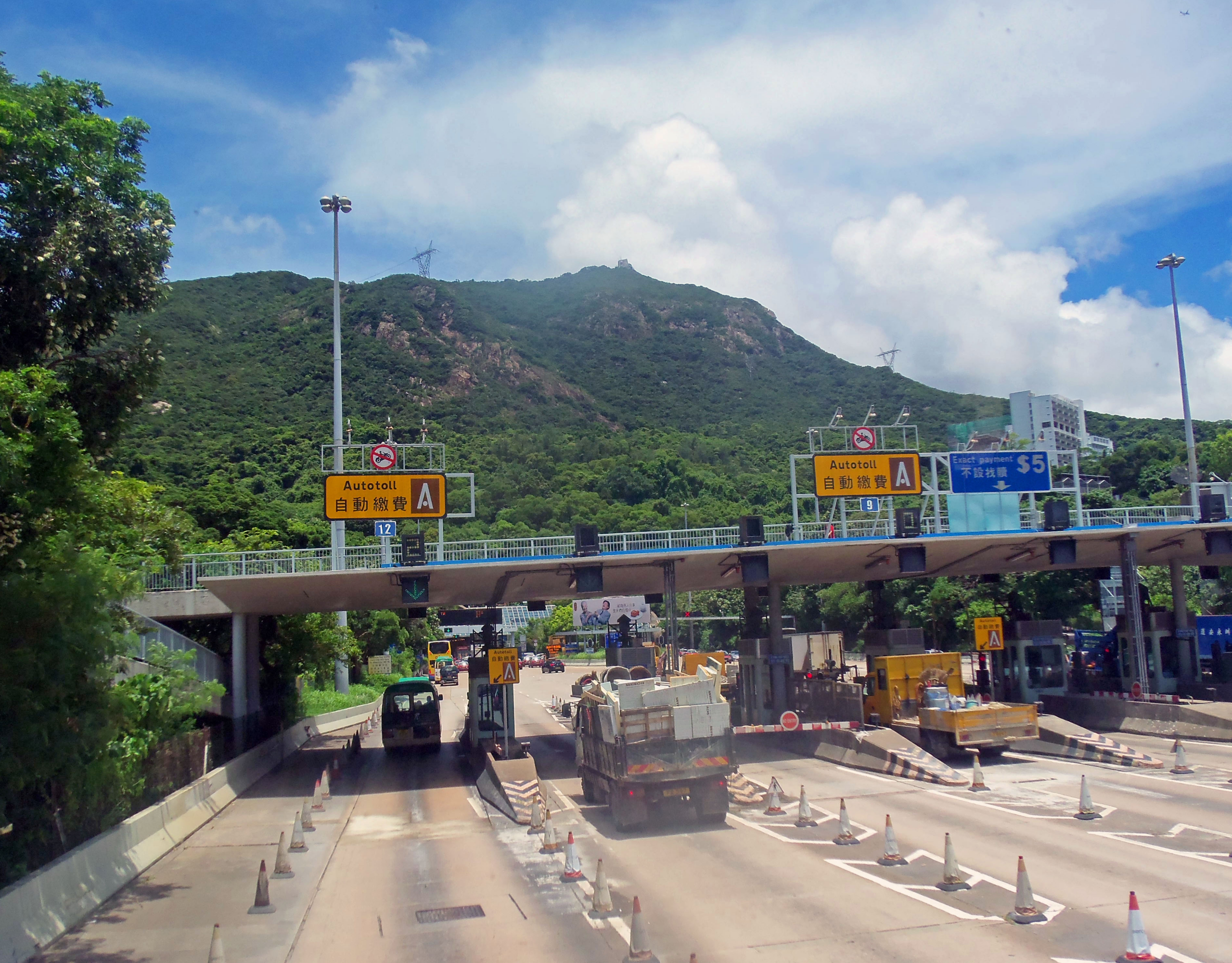
A small number of tunnels were cut privately, by landowners or turnpike trusts, and charged for passage, which makes them among the earliest examples of infrastructure built as a business.
Several are still in use and a few still charge. Toll tunnels are the passages dug as an investment rather than a public work.
12. Estate and Servant Tunnels
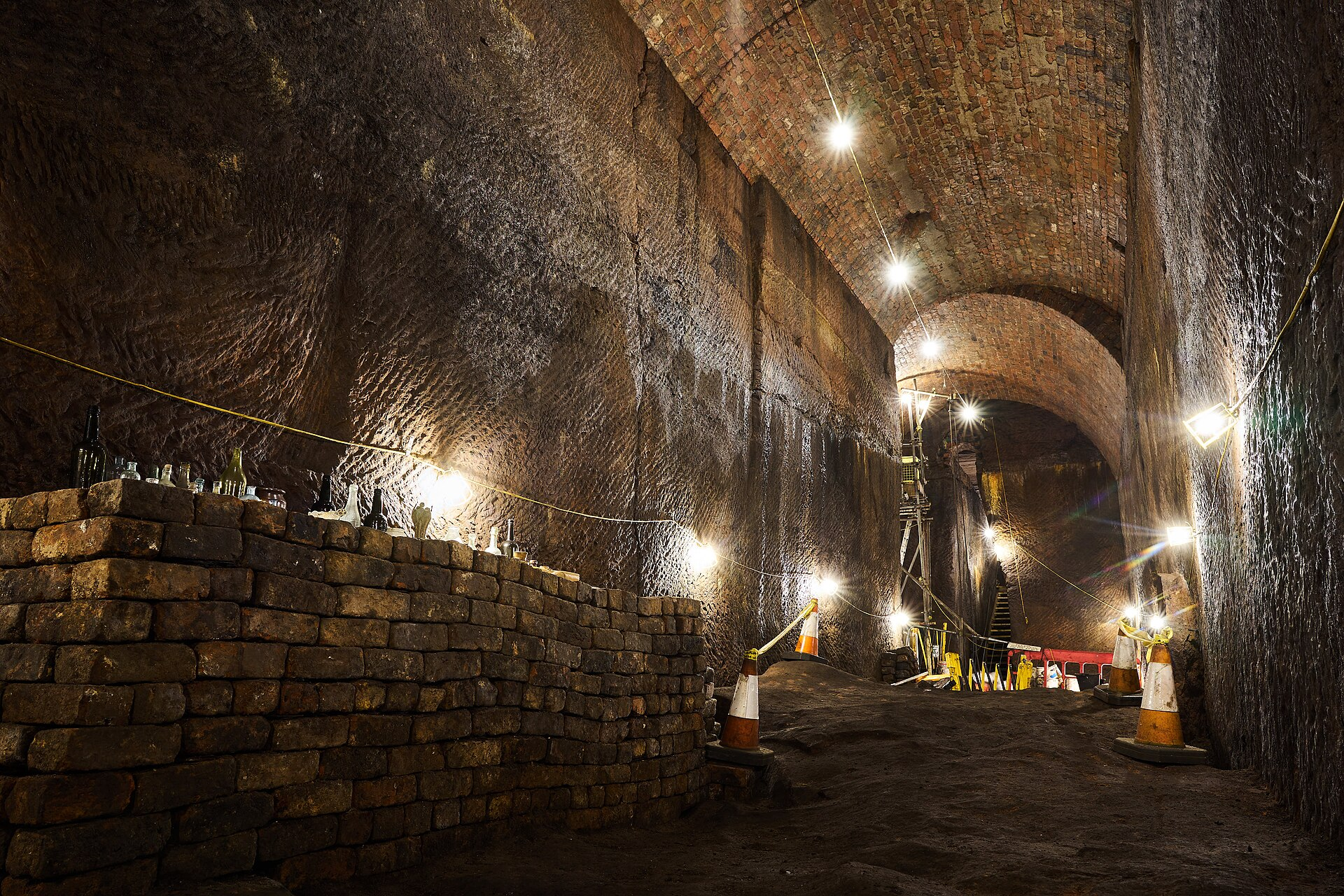
Some large houses were built with tunnels so that deliveries, staff and services could move without appearing on the lawn.
The social arrangement is legible in the architecture. Estate tunnels are the passages dug so that certain people would not be seen.
14. City Centre Pedestrian Networks
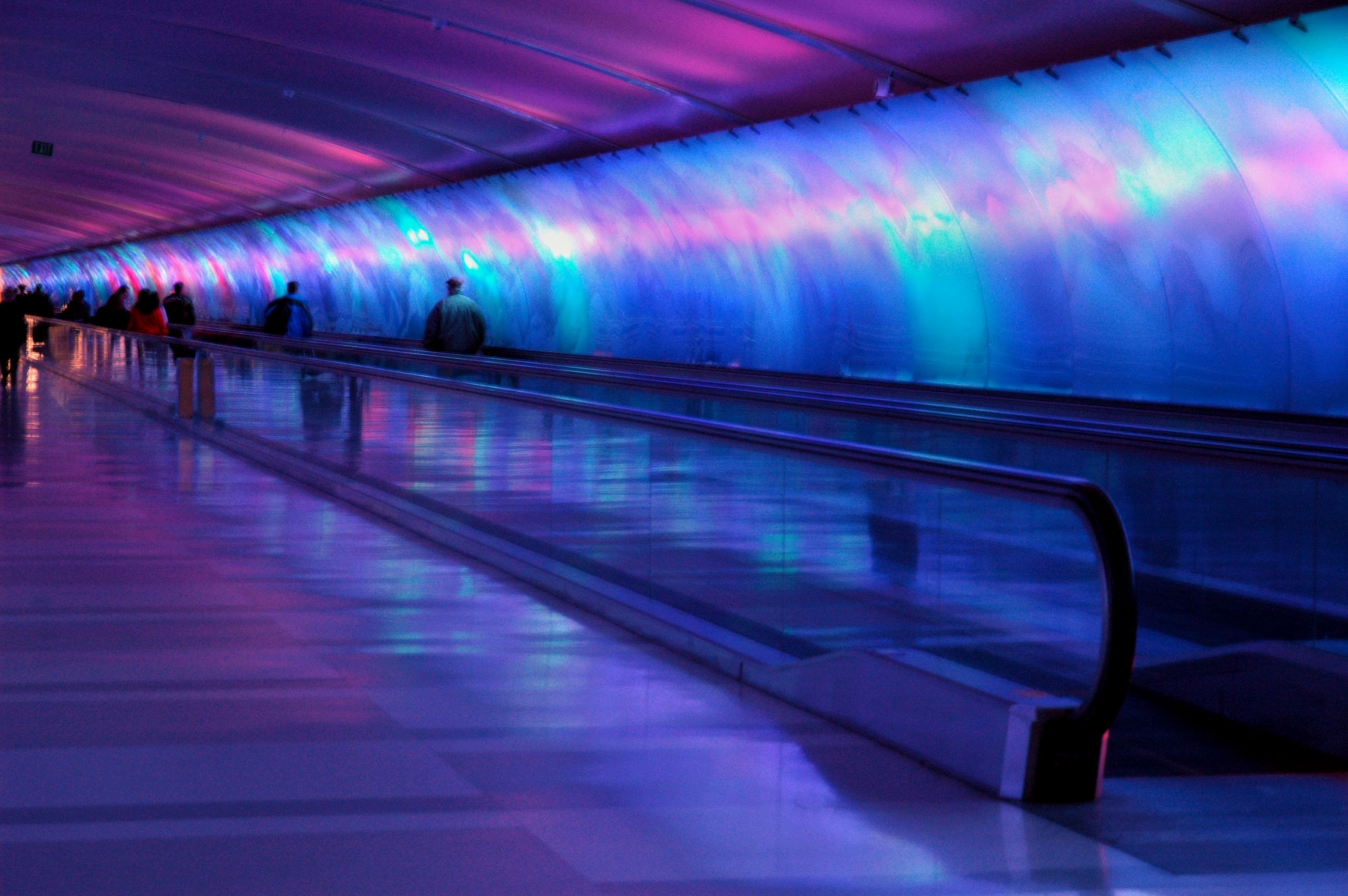
Several cities built extensive underground walkways to separate people from traffic or from the weather, forming networks with shops and connections.
In some climates they are the main circulation route for months of the year. Underground city networks are the tunnels that became a second street plan.
15. Wildlife Crossings
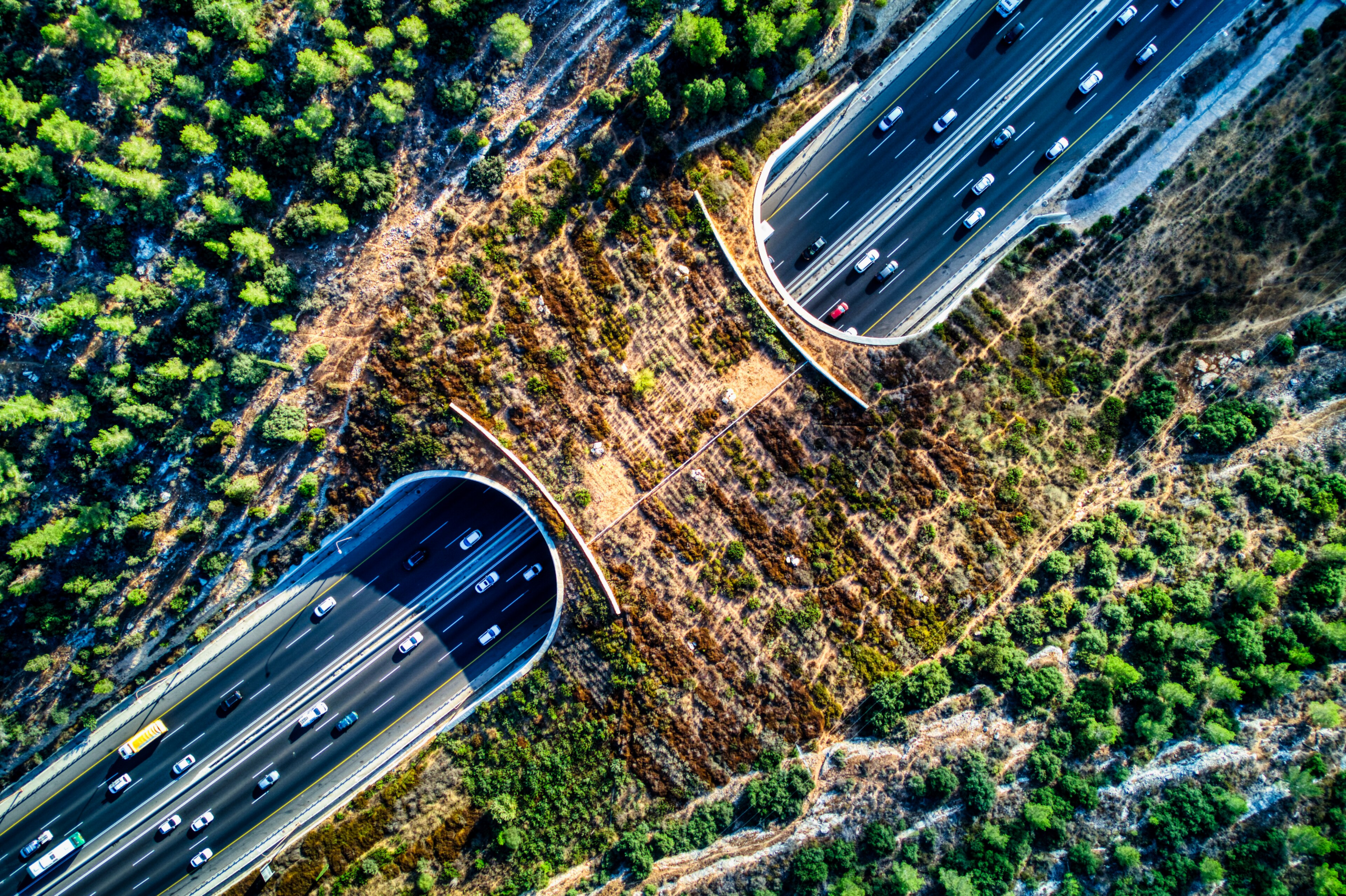
Modern tunnels built specifically for animals to cross beneath roads and railways, with a few designed so that people can observe or pass through as well.
They are engineering built for a user that cannot read a sign. Wildlife tunnels are the passages cut for something other than us.
16. Pilgrimage and Temple Passages
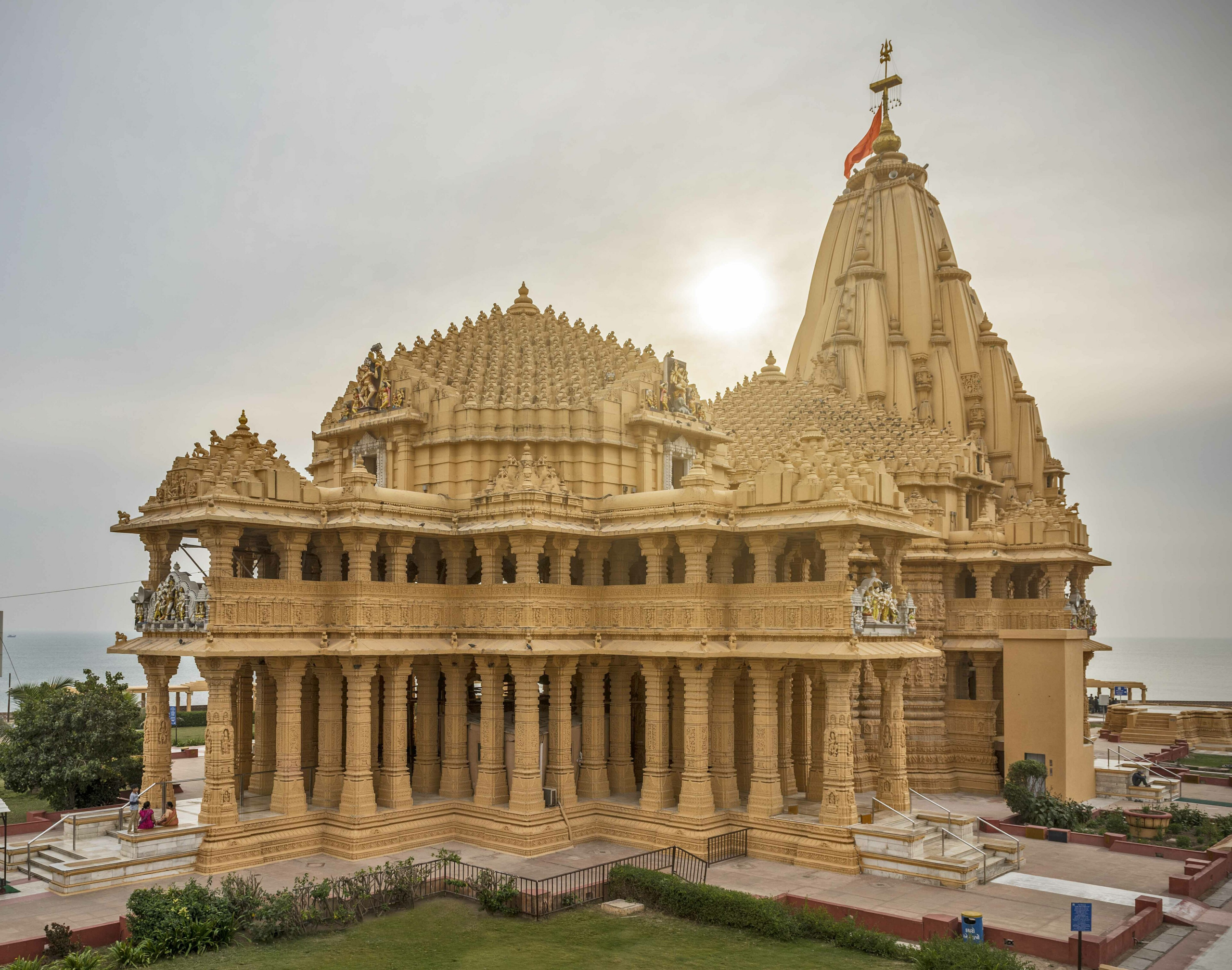
Cut passages leading to shrines and sanctuaries, sometimes long and deliberately dark, where the approach is part of the intended experience.
Access rules and dress expectations apply and should be followed. Sanctuary passages are the tunnels where the walk is the point.
17. Tunnels That Are Now Bars, Farms and Archives
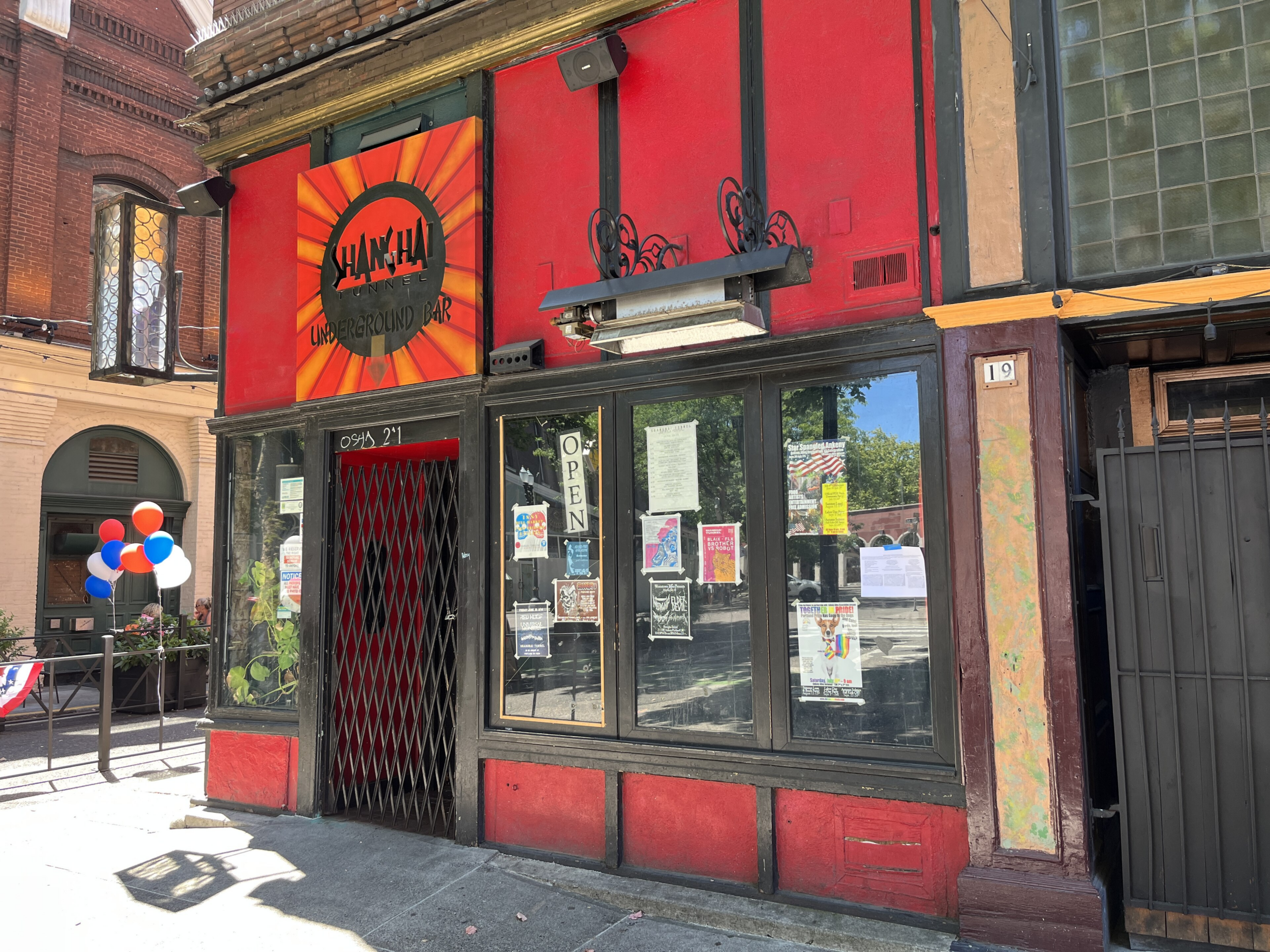
Disused tunnels have been repurposed for growing produce, storing records, aging cheese and serving drinks, because they hold a stable temperature for nothing.
The constant conditions are the asset. Repurposed tunnels are the passages that found a second job underground.
Dug Because Going Round Was Worse
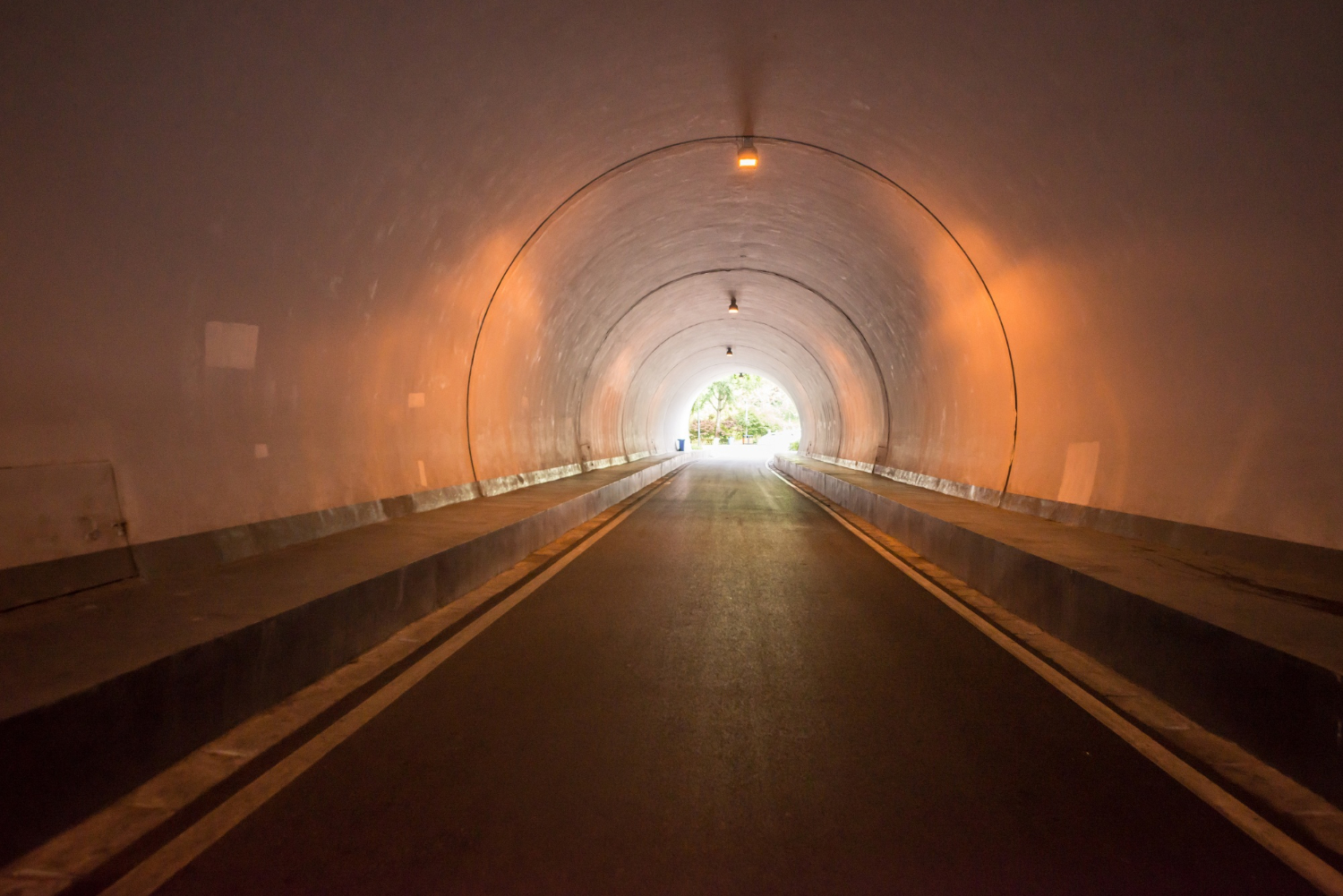
Every tunnel here represents somebody calculating that removing an enormous quantity of rock or earth was cheaper than the alternative – a taller bridge, a longer route, a steeper climb or a visible delivery entrance.
One thing to be clear about: everything above is open, lit and intended for visitors. Disused tunnels that are closed are closed for reasons involving structural condition, flooding, air quality and things nobody has surveyed in decades, and going into one is neither clever nor safe. Stick to the ones with a light switch, note that several are cold, damp, uneven and unsuitable for some visitors, and check what is actually open before travelling.
Like our content? Follow us for more.