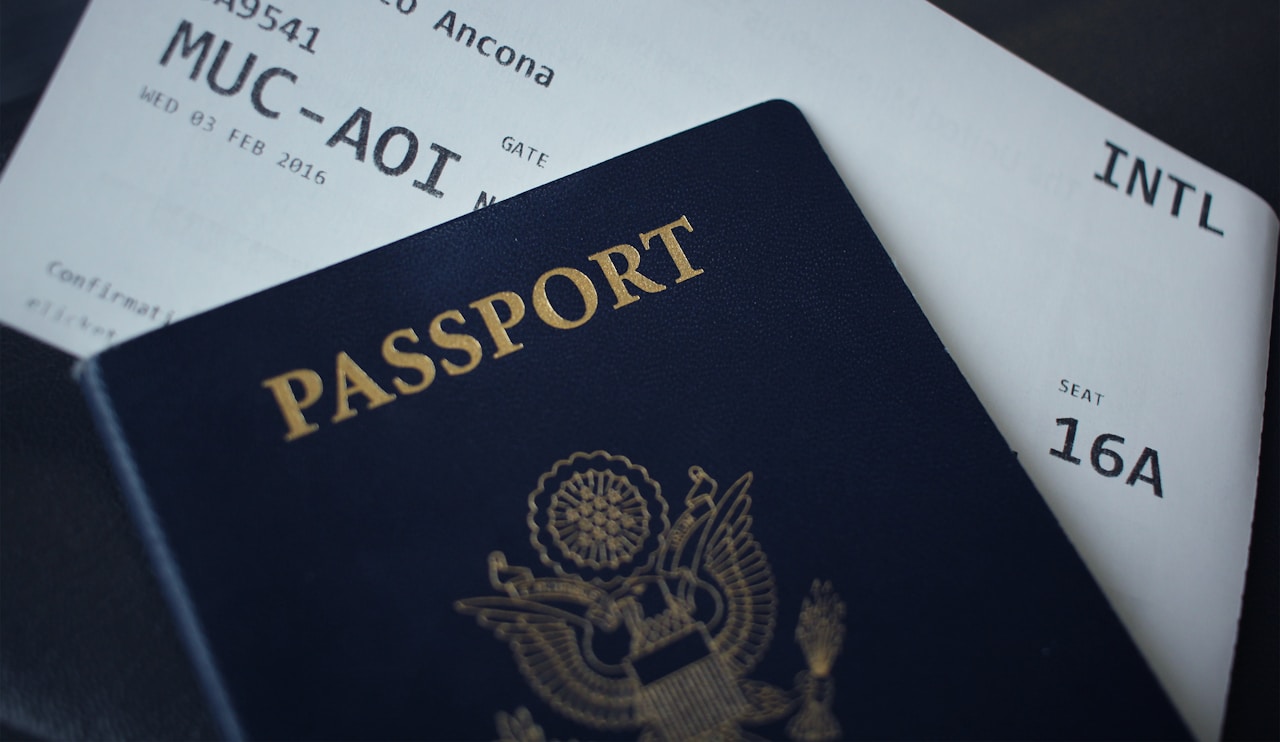
The United States has introduced new passport renewal rules that are set to impact millions of Americans. These changes aim to streamline the process, with a significant emphasis on digital applications and updated requirements for photos and validity. Travelers who are not aware of these adjustments may face unexpected delays or rejections when attempting to renew their passports, potentially disrupting their international travel plans. It is crucial for individuals to familiarize themselves with these new regulations to ensure a smooth renewal experience and avoid last-minute complications.
Enhanced Online Renewal System
The U.S. Department of State has significantly expanded its online passport renewal system, making it accessible to millions more Americans. This digital platform allows eligible individuals to complete the renewal process without the need for paper applications or in-person visits. Since its full launch, over 3 million Americans have utilized this system, with a reported 94% positive review rate, highlighting its user-friendliness and efficiency. The system is designed for adults renewing a 10-year passport that has expired within the last five years or will expire soon. While children’s passports cannot be renewed online, and expedited services still require mail-in applications, this digital shift represents a substantial modernization of government services, aiming to simplify a process that previously involved considerable paperwork and potential delays. This move is part of a broader initiative to transform federal customer experience and rebuild trust in government services.
Updated Passport Photo Requirements

Recent changes to passport photo regulations are now directly impacting application approvals, with facial recognition software playing a crucial role. The State Department now utilizes automated tools that screen images for mathematical biometric compliance before a human reviewer examines them. This means that photos must adhere to strict international standards, as even minor issues like lighting shadows, misalignment of facial landmarks, or pixel density problems can lead to an application suspension. Retail passport photo services are becoming increasingly inconsistent, and do-it-yourself options are becoming more challenging due to these stricter biometric requirements. Applicants are advised to ensure their photos meet these precise standards to avoid delays or outright rejection of their applications, potentially saving weeks of processing time and the stress of resubmission.
The Six-Month Validity Rule Revisited
A critical rule that continues to affect international travelers, especially those who haven’t traveled in a while or seniors, is the six-month passport validity requirement. Many countries, including most in Europe, require passports to be valid for at least six months beyond the traveler’s intended return date, not just departure date. This rule is strictly enforced by airlines, who can deny boarding if a passport does not meet the validity criteria, even if the passport has several years remaining before its official expiration date. Travelers are strongly advised to check the specific entry requirements of their destination country well in advance of their trip to avoid being denied entry or boarding. Setting reminders for passport renewals is essential, particularly for infrequent travelers who may overlook this critical detail.
Processing Times and Application Volumes

While efforts have been made to improve processing times, the sheer volume of passport applications can still lead to significant wait times. Routine passport processing currently takes approximately 4-6 weeks, with expedited services requiring an additional fee and taking 2-3 weeks. However, these times do not include the mailing period, which can add another two weeks for an application to reach the processing center and two weeks for the passport to be returned. This means the total door-to-door time for a routine renewal can extend to 8-10 weeks. With over 20 million passport renewal requests in the past year, and projections indicating even higher demand, travelers are urged to apply or renew their passports at least 9-12 months before their intended travel dates to account for potential delays and ensure sufficient validity for international destinations.
Documentation and Name Changes
For individuals who have changed their name since their last passport was issued, specific documentation is required to update their passport accordingly. To renew by mail or online, the applicant must either have their passport issued in their current name or provide legal documentation, such as a marriage certificate or divorce decree, to prove the name change. Failure to provide adequate documentation for a name change can result in an application being rejected, requiring the applicant to submit a new passport application in person. It is crucial for applicants to ensure all supporting documents are accurate and readily available when submitting their renewal application to avoid unnecessary complications and delays in receiving their updated passport.
Eligibility for Mail and Online Renewals
Not all U.S. passport holders are eligible for renewal by mail or online. Key criteria for mail renewal include having the passport in one’s possession, it being undamaged (beyond normal wear and tear), issued when the applicant was 16 or older, issued within the last 15 years, and issued in the current name or with documented name change. Similarly, the online renewal system is currently available for adults seeking to renew a 10-year passport and is not applicable for children or those requiring expedited service or name/gender changes. Those who do not meet these specific eligibility requirements must apply for a new passport in person, which involves a different application form and process.
The Role of Blank Pages
An often overlooked, yet critical, aspect of international travel is the requirement for blank pages within a passport. Many countries mandate that a passport must have a certain number of completely blank pages, typically one to four, to accommodate entry and exit stamps or visas. This rule disproportionately affects seniors and infrequent travelers who may have accumulated numerous stamps and visas over the years, potentially filling up their passports without realizing it. As pages cannot be added to U.S. passports, a full book necessitates a renewal, which adds to the processing time and complexity. Travelers are advised to carefully check the number of available blank pages in their passports before planning international trips to avoid being denied boarding due to insufficient space.