
How much paid vacation you get depends enormously on which country you happen to work in. Across most of the world, governments legally require employers to provide a minimum number of paid vacation days, and in many places that minimum is generous — several weeks a year, guaranteed. In one conspicuous case, the minimum is nothing at all. This list looks at the countries that mandate the most paid time off, and it ends with a reveal about the United States that surprises many Americans. A note first: these figures come from various surveys and refer to statutory minimums, which are counted differently across sources — some include public holidays, some don’t — so treat the numbers as strong general estimates rather than precise rankings.
1. The European Union Sets a High Floor

Every EU country guarantees at least four weeks by law.
Before naming individual countries, it’s worth grasping the baseline, because it explains why Europe dominates these rankings. Under European Union law, every member country must guarantee workers a minimum of four weeks — 20 working days — of paid annual leave, and that’s before public holidays are added on top. Many EU nations then set their own national minimums higher still. This bloc-wide floor means that a huge swath of the developed world starts at a full month of protected time off, a standard that shapes the entire top of this list and stands in stark contrast to what we’ll find at the bottom.
Like our content? Follow us for more.
2. Austria — Among the Most Generous on Earth

Austria pairs a strong leave law with plenty of public holidays.
Austria consistently tops or near-tops global rankings for total paid time off. Austrian law mandates a substantial amount of paid annual leave — commonly cited around 25 days, rising with years of service — and adds a healthy number of public holidays on top, bringing the combined total to something in the range of the mid-thirties of days off per year, among the highest anywhere. Austria’s generous approach reflects a broader European philosophy that ample rest is a right rather than a privilege, and it regularly appears at the very summit of “most vacation” lists, whether measured by annual leave alone or leave plus holidays.
3. France — The Country That Loves a Holiday

France’s generous leave is practically a national institution.
France is famous for its approach to work-life balance, and its vacation law reflects it. French workers are guaranteed a generous block of paid annual leave — frequently cited at around 25 to 30 days or more depending on how it’s counted and the country’s various leave arrangements — plus public holidays. The French take their vacation seriously, with much of the country famously decamping for long summer holidays in August. It’s the kind of place where weeks-long breaks are normal and expected rather than a luxury, and France reliably sits near the top of any list of the world’s best countries for paid time off.
4. Finland — Nordic Generosity
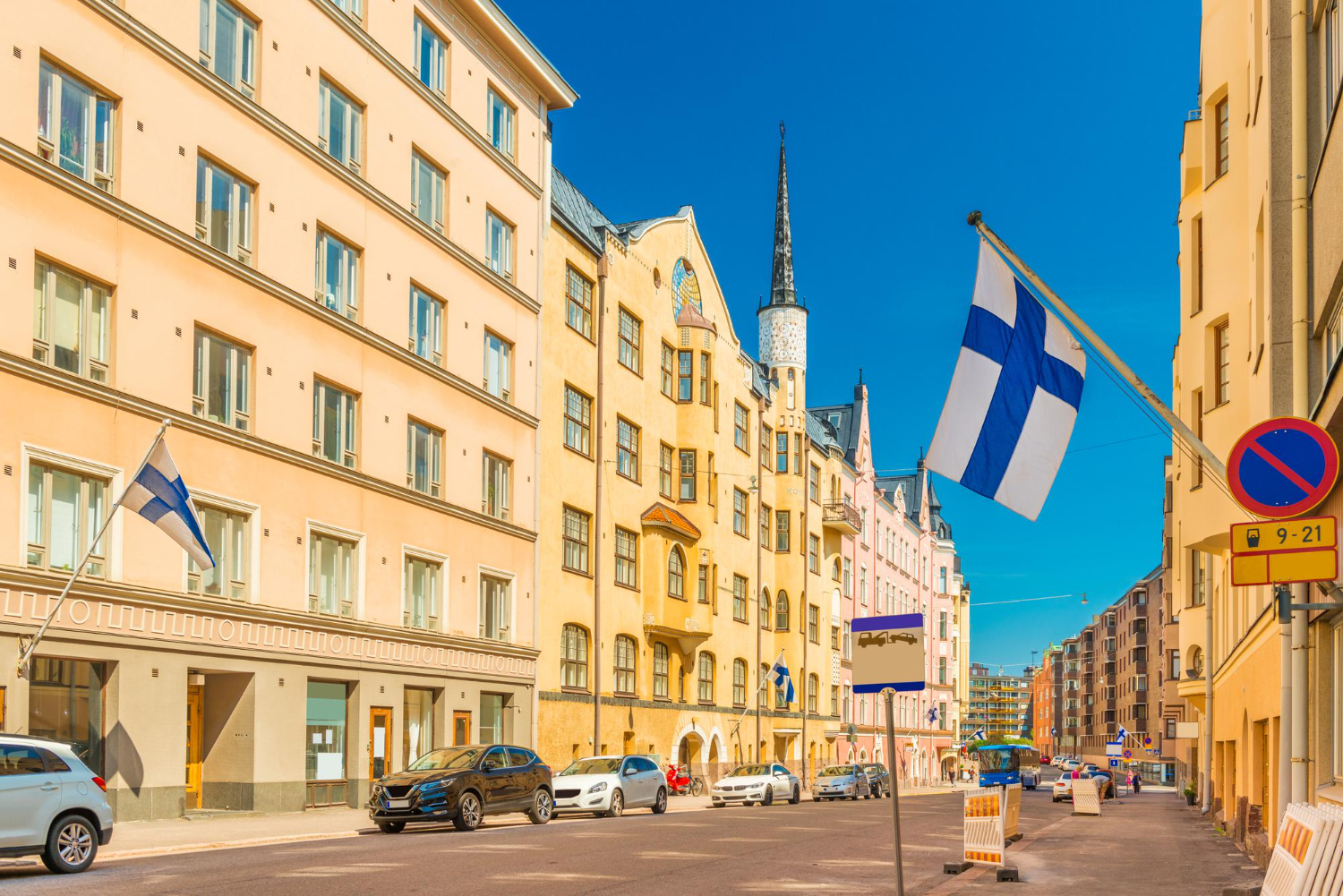
The Nordic model treats rest as essential.
Finland, like its Nordic neighbors, offers workers generous statutory vacation, commonly cited around 25 days or more of annual leave, plus public holidays, placing it consistently near the top of global rankings. The Nordic countries as a group are famous for prioritizing work-life balance, generous social benefits, and the belief that well-rested workers are healthier and more productive. Finnish summers, with their long daylight hours, are prime vacation time, and the culture strongly supports actually using your leave rather than letting it pile up. Finland exemplifies the Nordic approach that has made the region a benchmark for quality of life.
5. Sweden — Five Weeks, By Law
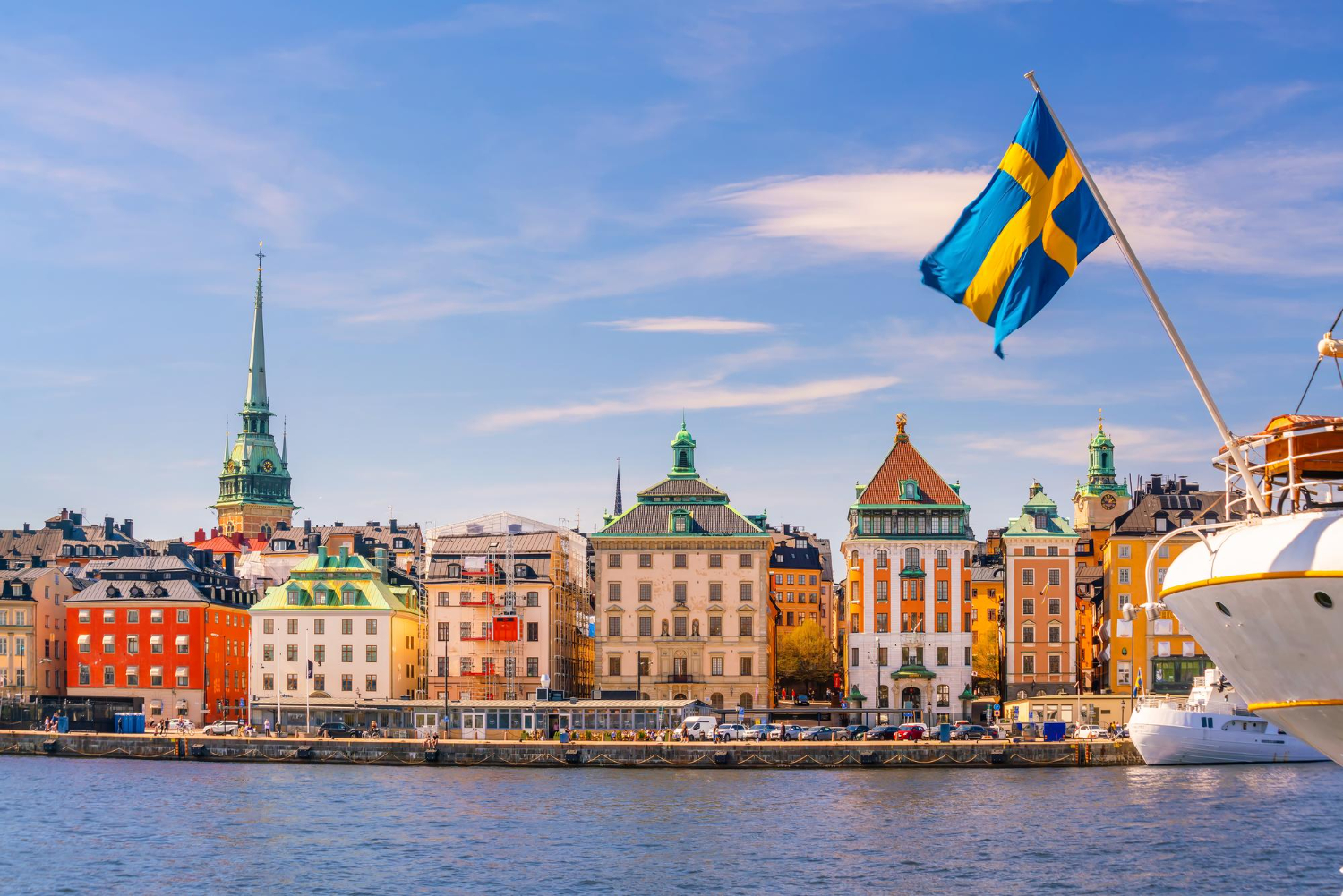
Sweden guarantees a full five weeks of annual leave.
Sweden mandates a robust amount of paid vacation, with workers entitled to 25 days — a full five weeks — of annual leave by law, plus public holidays. Swedes are known for taking long summer breaks, and the country’s strong labor protections and social model make ample time off a normal part of life. Like the other Nordic nations, Sweden operates on the principle that rest and family time are fundamental, not indulgent, and its generous, legally protected vacation allowance reflects that. It’s one of many European countries where a month or more away from work each year is simply how things are done.
6. Spain — A Month in the Sun

Spain combines generous leave with abundant holidays.
Spain guarantees its workers a generous block of paid annual leave — around 30 calendar days is commonly cited — and adds a notably high number of public holidays, including many regional and local festivals, bringing the total time off to one of the higher figures in Europe. Spanish culture famously values leisure, long lunches, and time with family and friends, and the abundance of local fiestas throughout the year means plenty of additional days off. Spain regularly ranks among the top countries for total paid time off, and its warm climate and celebratory culture make all that vacation especially appealing.
7. Denmark — The Danish Standard
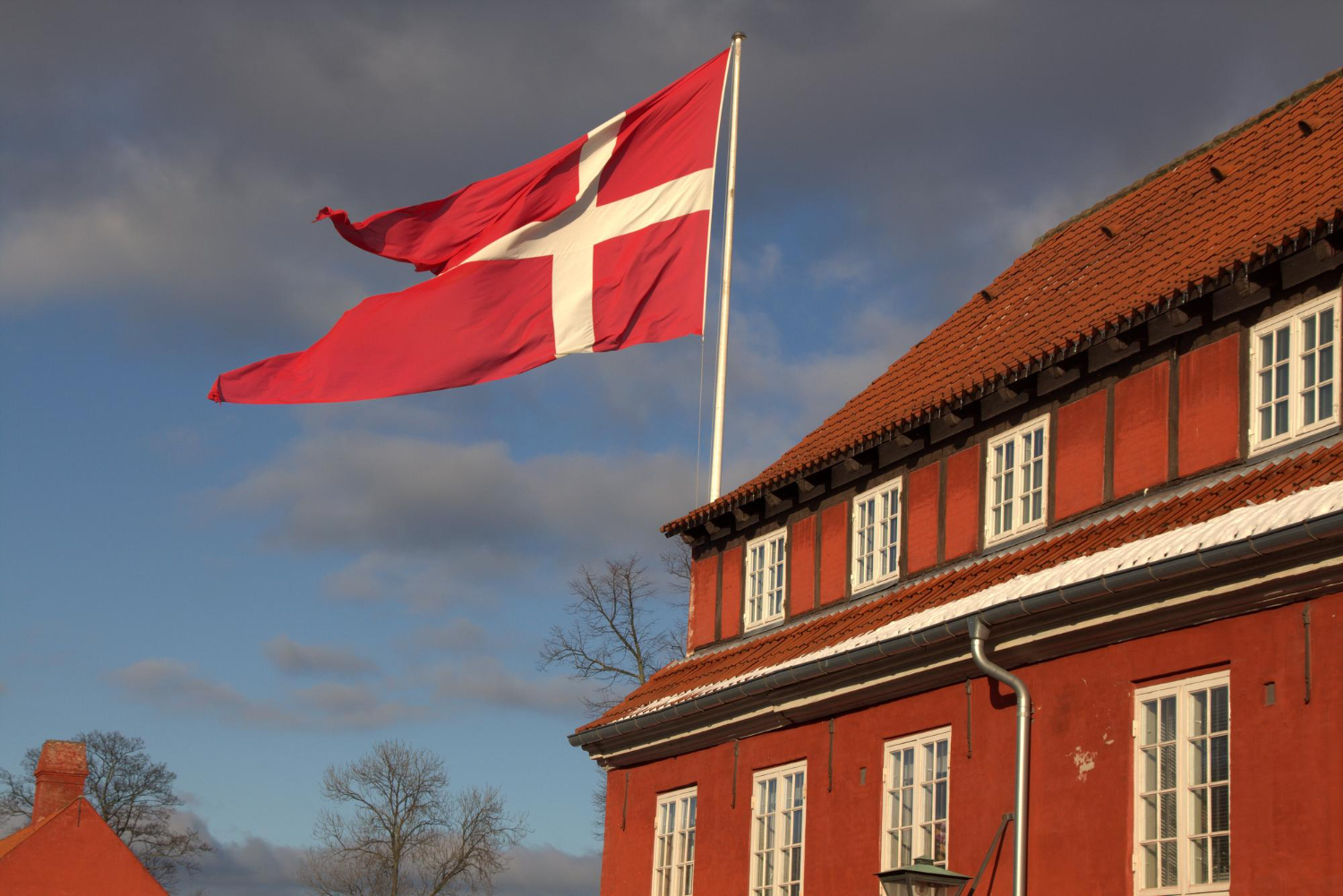
Another Nordic nation near the top.
Denmark rounds out the strong Nordic showing with a generous statutory vacation allowance, typically cited around 25 days of annual leave plus public holidays. Denmark consistently ranks among the world’s happiest countries in global surveys, and its approach to work-life balance — including ample protected vacation, strong worker protections, and a culture that respects time off — is often cited as a contributing factor. The Danish concept of coziness and quality of life extends to the belief that people need real, substantial breaks from work, and Danish law backs that up with weeks of guaranteed leave.
8. Brazil — The Leader Outside Europe

Brazil offers 30 days, plus a vacation bonus.
Brazil stands out as one of the most generous non-European countries for vacation, mandating a full 30 days of paid annual leave by law, plus public holidays. In a distinctive twist, Brazilian workers are also entitled to a vacation bonus — an extra payment on top of their normal salary when they take their leave, effectively paying people a little extra to actually go on vacation. This generous system makes Brazil a standout on the global stage and the clear leader in the Americas for statutory time off, a striking contrast with its neighbor to the north, which we’ll come to shortly.
9. The United Kingdom — Nearly Six Weeks

The UK guarantees one of the higher pure-leave figures.
The United Kingdom mandates a strong 28 days of paid annual leave — equivalent to 5.6 weeks — for full-time workers, one of the more generous statutory leave entitlements in the world when measured as annual leave. UK employers can choose whether to include the country’s public holidays within that 28-day figure or add them separately, so the exact experience varies, but the legal floor is high and covers a wide range of workers. It’s a level of guaranteed time off that would be unthinkable in some other wealthy countries, and it places the UK firmly in the upper tier of this global comparison.
10. Other Generous Nations Around the World

The month-or-more club has members on several continents.
Beyond the headline countries, a whole cluster of nations guarantee generous vacation. Much of the rest of Europe — Germany, Italy, Portugal, Norway, and others — mandates four to five weeks or more of leave plus public holidays, keeping the entire continent near the top of global rankings. Beyond Europe, various countries in other regions offer robust statutory leave, and some even more exotic figures appear at the very top of certain surveys when public holidays are counted, with a few countries in the Middle East and elsewhere posting very high combined totals thanks to numerous religious and national holidays. The pattern is clear: generous mandated vacation is the global norm across the developed and much of the developing world.
11. The Countries With Surprisingly Little

Not every wealthy country is generous.
It’s worth noting that a few developed nations sit lower than you might expect. Japan, for instance, despite being a wealthy, advanced economy, mandates a relatively modest amount of paid leave — around 10 days at the statutory minimum, rising with service — and is also known for a work culture in which employees often don’t use all the leave they’re entitled to. Canada, too, guarantees a relatively modest two weeks in many jurisdictions, placing it lower than its economic peers. These cases show that generous vacation isn’t automatic even among rich countries. But even Japan and Canada, with their modest minimums, guarantee something — which sets up the reveal at the very bottom of the list.
12. The United States — Dead Last, With Zero

America is the only advanced economy that guarantees no paid vacation at all.
Here is the reveal. The United States mandates zero days of paid vacation by federal law — not one guaranteed day off, and no guaranteed paid public holidays either. It is, by common description, the only advanced or developed economy in the world that legally guarantees its workers no paid time off whatsoever. Americans do get vacation, of course, but entirely at their employer’s discretion: paid time off is a benefit companies choose to offer to compete for workers, not a legal right, which means it varies enormously and leaves many workers, especially in lower-wage jobs, with little or none. Studies have found that a significant share of American workers have no paid vacation days at all. Earning the nickname “the no-vacation nation,” the US finishes dead last among wealthy countries on this measure, a stark outlier from the month-or-more norm found across the rest of the developed world. For a country as rich as the United States, it’s a truly surprising place to land.
The World Takes Its Time Off

A guaranteed month or more across much of Europe, 30 days plus a bonus in Brazil, nearly six weeks in the UK — and a legally guaranteed zero in the United States: the global vacation map reveals a striking divide in how societies value rest.
Two big patterns stand out. First, generous, legally mandated vacation is the overwhelming global norm — most of the developed world treats weeks of paid time off as a basic right, with Europe setting the pace. Second, the United States is the glaring exception, the lone advanced economy that leaves the entire question to employers and guarantees nothing. Whether that reflects a different cultural attitude toward work or simply a gap in worker protections is a matter of ongoing debate, and worth remembering that these figures are minimums that vary by source and by how holidays are counted. But the headline is hard to miss: across most of the world, rest is written into the law, and in one very wealthy country, it isn’t.
Like our content? Follow us for more.